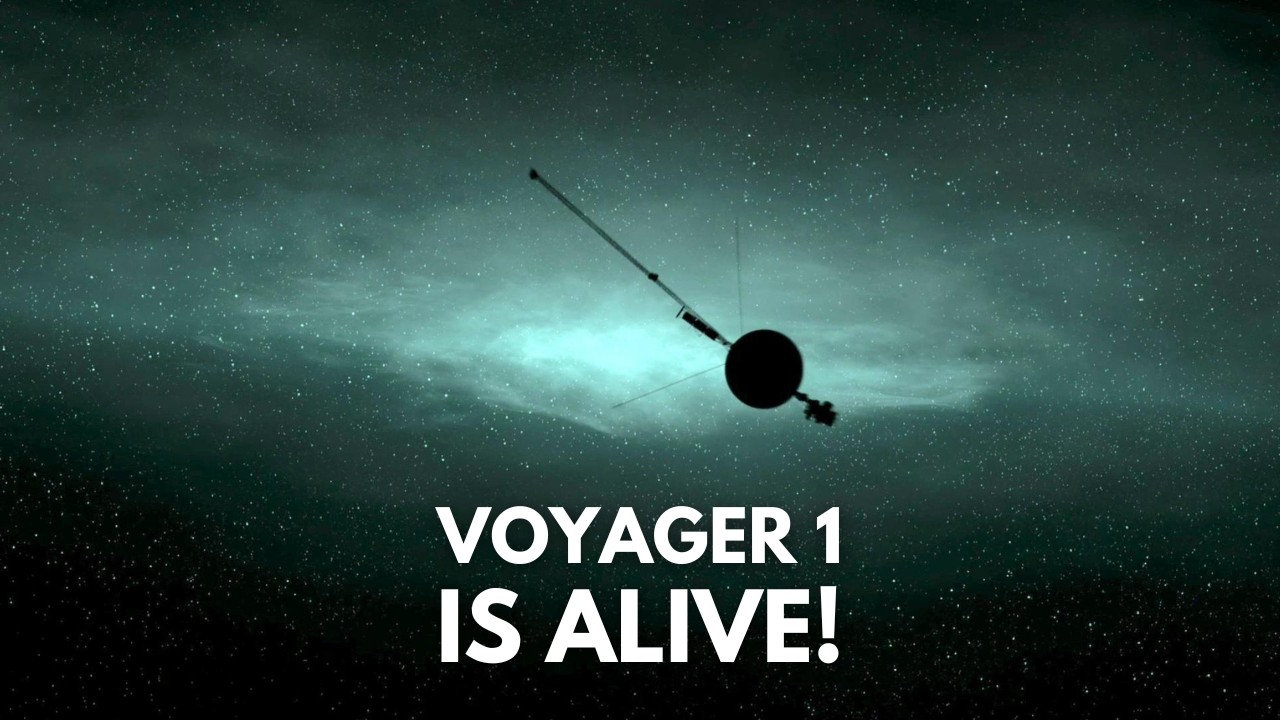
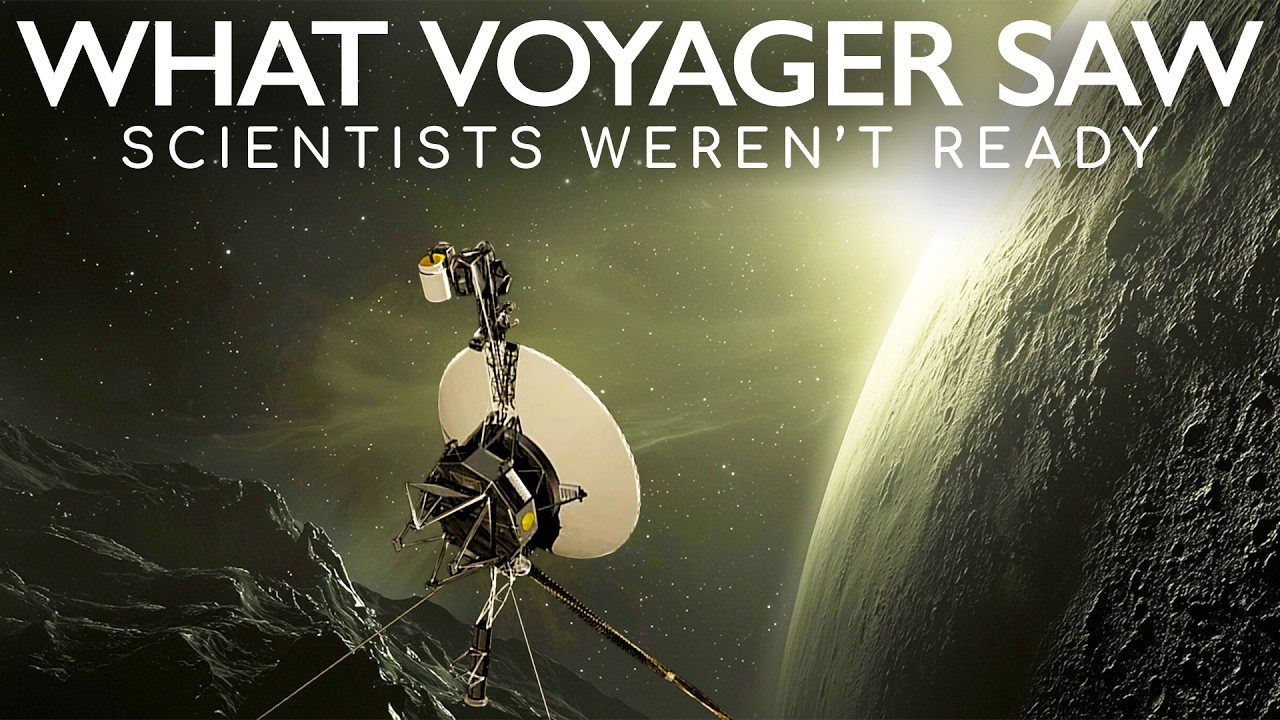
46 years ago NASA's Titan rocket launched from American soil the earth shuttered and the rocket lifted off sending plumes of fire and gas behind as it pushed itself against Earth's gravity within a few minutes it pierced through the sky carrying a groundbreaking spacecraft that would go on to create history and be talked about even after four long decades the day was September 5th 1977 and the the spacecraft that the Titan rocket carried was Voyager 1 Voyager 1 is truly a Trailblazer it is a true representative of the audaciousness and tenacity of humans it is our
link to outer space bringing the Wonders that lay out there hidden from our view to our fingertips over the course of its more than 46-year Journey it has captured unbelievable and some exclusive images of the outer planets and their moons in the process also capturing many hearts here on Earth today we'll go on a voyage to see the many stunning discoveries this spacecraft has made leaving scientists as well as the general public ostu welcome to lab 360 it's time to explore the Voyager One spacecraft has many firsts to its credit it was the first space
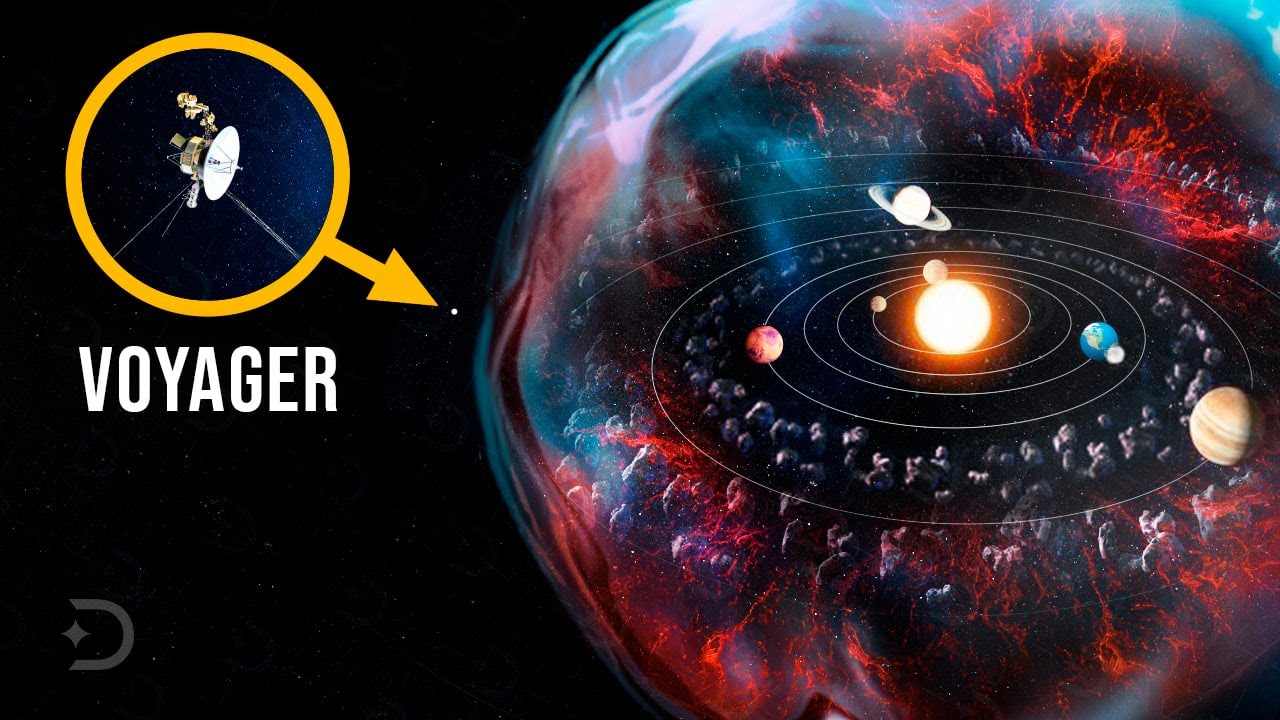
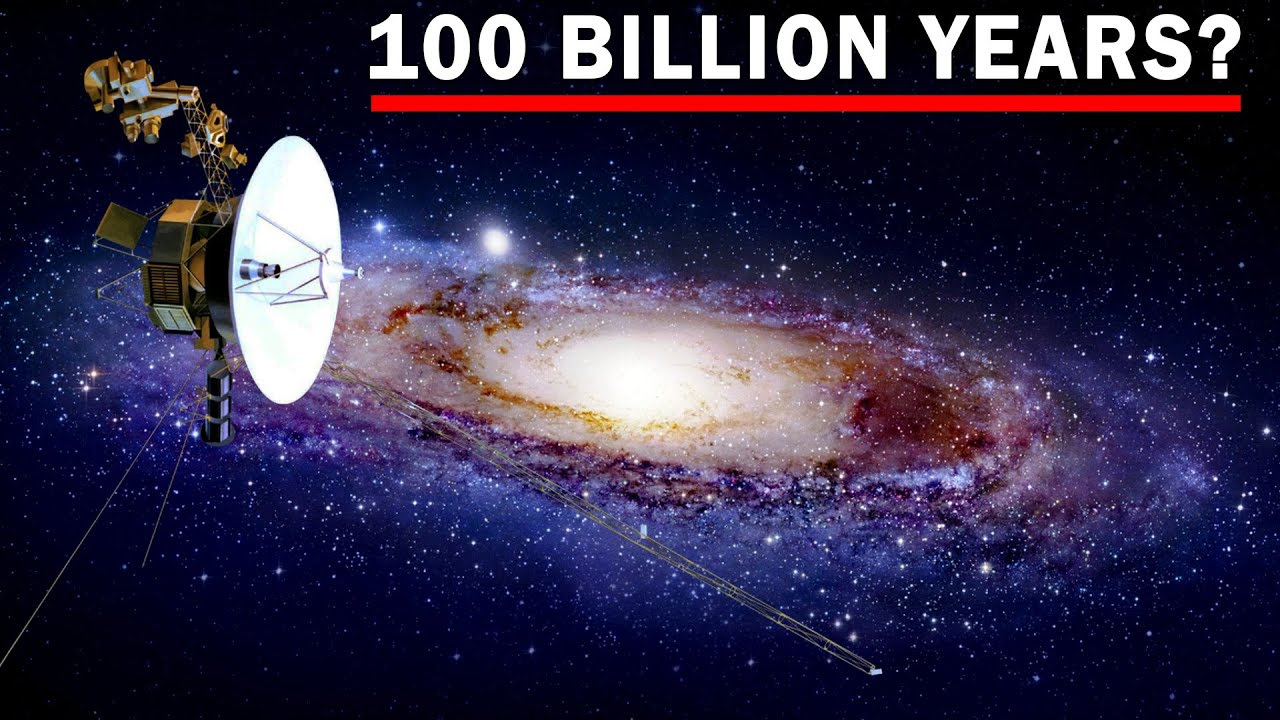
probe to image the moons of the gas giants Jupiter and Saturn in Exquisite detail things we didn't even know existed were unveiled beautifully by this fascinating space probe continuing its Journey even further Voyager 1 left the region of influence of our sun and entered Interstellar space on August 25th 2012 becoming the first spacecraft to do so the extended mission of the Voyager One spacecraft is to stay true to its name and continue its Voyage beyond the icy boundaries of our solar system bringing to us information about the Marvels that lie Yonder as of January 2024
Voyager 1 is at a distance of 163 astronomical unit or AU from US 1 Au being the distance between the Sun and the Earth at that distance it is the farthest object ever made by humans let's then start our journey through the captivating discoveries the formidable Voyager one has made number number one Jupiter's rings and its magnetospheres extent Voyager 1 reached Jupiter 2 years after its launch in January of 1979 perhaps the most surprising discovery made by Voyager one is that Jupiter 2 has rings until then only Saturn and Uranus were known to have rings
Voyager 1 was the one to find out that Jupiter 2 possessed a faint ring system though definitely not as Majestic as of our ring Jewel Saturn also Jupiter's magnetosphere which is the region of space where Jupiter's magnetic field dominates is the second largest structure in our solar system after the sun's heliosphere it was studied extensively by Voyager 1 Voyager 1 was the first probe to find out that Jupiter's magnetosphere extends as far out as Saturn's orbit in some places in this time-lapse sequence of Jupiter captured by Voyager 1 you can see the banded structure of
Jupiter's atmosphere with bands moving in opposing directions creating storms at the intersections Voyager 1 also discovered two small moons of Jupiter just outside its rings adresa and maate making them the first moons of Jupiter to be discovered by a spacecraft today Jupiter is known to have at least 995 moons number two volcanoes on Jupiter's moon aisle the greatest surprise that was sprung up by the entire Voyager mission was probably the discovery of volcanic activity on one of Jupiter's moons IO it was the first time active volcanoes were seen on any other Celestial body apart from
Earth the two Voyager space probes recorded the eruptions of a whopping nine volcanoes between themselves Voyager 1 was around Jupiter till April 1979 and then continued its Journey onward to Saturn then after studying the Saturn system in 1981 Voyager 1 came out of the plane of the ecliptic the plane in which all planets revolve around the Sun to continue its Journey onward towards the edge of our solar system number three pale blue dot once it was out of the plane of the eclipse IC Voyager 1's planetary study phase came to an end Carl Sean the
famous American astronomer and science Communicator who was a part of the Voyager Imaging team lobbied NASA for a full 10 years to get the Voyager One spacecraft to turn its camera towards the planets and click one last picture that of the planets a family portrait of our solar system from its vantage point above the ecliptic Voyager 1's final image before cameras were permanently Switched Off was indeed the family portrait of our solar system which was taken on Valentine's Day in 1990 it shows the six planets Venus Earth Jupiter Saturn Uranus and Neptune two planets Mercury
and Mars could not be a part of the family portrait as mercury was too close to the Sun to be seen and Mars was hidden from Voyager 1's Viewpoint at the time this photo was taken Voyager 1 was at a distance of 40 Au or 6 billion kilm from us even the sun was visible as no more than a point of light from that distance this family portrait also contains one of the most iconic images ever clicked that of Earth as the pale blue dot our Earth in this image appears no more than a tiny
suspended in a band of sunlight the photograph inspired Carl Sean to bring out his book of the same name in 1994 in which Sean provides a poignant description of the photograph that's here that's home that's us on it everyone you love everyone you know everyone you ever heard of every human being whoever was lived out their lives the aggregate of our joy and suffering thousands of confident religions ideologies and economic doctrines every Hunter and forager every hero and coward every Creator and destroyer of civilization every King and peasant every young couple in love every mother
and father hopeful child inventor and Explorer every teacher of morals every corrupt politician every superstar every supreme leader every saint and sinner in the history of our species lived there on the mo of dust suspended in a Sunbeam the picture was a testimony to how far we had come literally and figuratively what's more Voyager 1 continues its Journey even today although its camera was powered off in 1990 itself it continued to give data till as recently as November 2023 using its other instruments after which it started sending unusable data now in a recent update on
March 15th 2024 NASA announced some progress in trying to decode the data Voyager one was sending and said that using that data to devise a possible solution is something that will take time Voyager 1 has inspired generations of people to savor the beauty of the stars and the cosmos that lay out there from its Vantage Point billions of kilometers away from us Voyager One depicts the best of humanity its resilience its ambition its courageousness and its Ingenuity so what according to you tops the list of voyagers mindboggling discoveries share your thoughts in the comments section
below and be sure to subscribe to lab 360 for the latest revelations in space exploration hit the Bell icon to stay updated and let's continue to explore together [Music]

![Voyager 2's Discoveries On Neptune and Uranus [4K] | Zenith | Spark](https://img.youtube.com/vi/W0ly_BOLK48/maxresdefault.jpg)