Technology is the application of scientific knowledge to improve the lives of human beings . It is as old as the human itself. Its first manifestations are found in the rudimentary stone tools of the primitive human being.
Later, agriculture, the wheel, and then writing would be invented, three technological innovations that changed the world forever. The technology is also related to the modification of the environment. Today large cities are built in valleys or on the banks of rivers and seas where hundreds of years ago there was only land and trees.
Those cities get electricity from the dam built on a nearby river that just a few decades ago flowed freely. Technology has also greatly facilitated transportation and communications. A trip that could take weeks or months can now be done in a few hours.
A message that could also take months to reach its recipient through conventional mail, today does so in less than a minute through the Internet. Characteristics of technology Technology in general is mainly distinguished by three characteristics. These are the following: 1- It satisfies human needs Technology is about taking action to satisfy human needs, rather than just understanding how nature works, which is the goal of science.
2- Includes values Technology uses much more than science; it also includes values, facts, knowledge gained by trial and error, as well as theory. 3- It implies coordination and organization Technology is related to logistics, that is, to efficient and organized ways of producing and transporting goods. It is involved in the interactions, intended or not, between products (machines, devices, and artifacts) and the people who make and use them.
Every decision we make as consumers feeds into and depends on a highly interdependent and far-reaching economic-technological system. Types of technology 1- Fixed This class of technology is defined as not being reusable, that is, it can only be used for the original purpose for which it was conceived and designed. Examples of fixed technology are found in large structures, such as a satellite launch center, an oil refinery or a sugar mill.
2- Flexible A technology is flexible when the same body of knowledge can be used to produce a variety of goods. An example is the pharmaceutical industry. The knowledge acquired over decades about bacteria and their behavior in the human body has made it possible to generate a variety of specialized antibiotics according to the area of the body where the infection manifests itself.
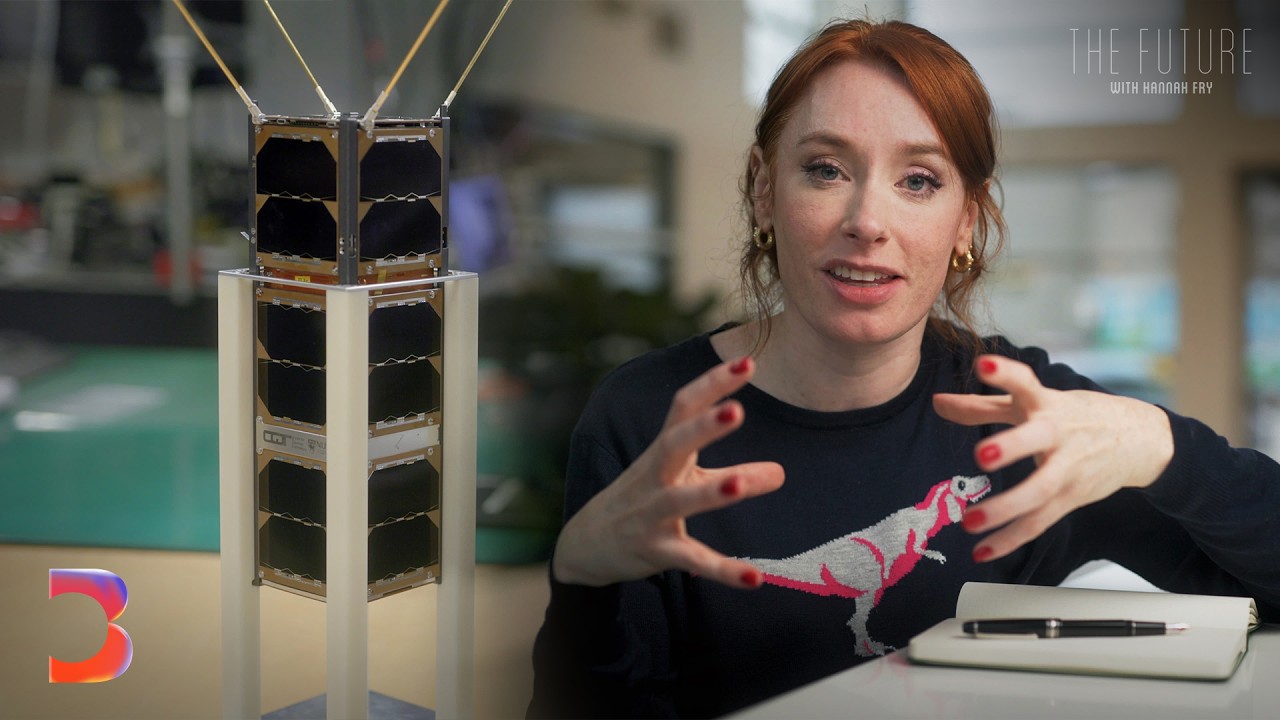
3- Soft Soft technology is the set of knowledge and skills that, without being strictly scientific or technical, are useful for solving problems and bringing efficiency to the production process. Examples of soft technologies are planning, marketing, project management, etc. 4- Hard This category includes the scientific knowledge and technical skills required to design and produce very complex tangible products, such as computers, passenger planes, satellites, magnetic resonators, among others.
5- Operational The objective of this type of technology is to increase the efficiency of production processes and operations. To do this, its main tools are observation over long periods of time and evaluation. These allow you to pinpoint what specific modifications are required to make a process or operation more efficient.
An example of this type of technology can be seen in the new James Webb Space Telescope, launched in December 2021. It represents an improvement over Hubble. 6- Product Product technology is responsible for determining what knowledge, techniques and materials are required to design and build a product with certain characteristics.
An example could be the research carried out in mobile factories, responsible for the design and operation of these phones. Evolution of technology Technology has existed since the human species began to make tools to carry out work that could not be done with the body or, at least, not with a minimum of efficiency. We can stratify the evolution of technology through the known human ages or eras.
Stone Age (Paleolithic, Mesolithic and Neolithic) The use of stone was essential in the production of rudimentary tools for agriculture, hunting large mammals or the use of fire to cook food, which not only gave them a better flavor and made them more digestible, but also made it possible to take full advantage of their nutrients. Age of metals During this time, nomadism became sedentary, and agriculture was much more developed. It is called the age of metals because the technology of smelting iron, copper and bronze was developed.
On the other hand, the Egyptians invented the technology of pottery and papyrus; The Romans are credited with more sophisticated agriculture, civil and military engineering, and improved iron technology. Middle Ages The Chinese are responsible for the invention of paper, gunpowder, the compass or the propeller. The printing press, invented by Gutenberg, meant a technological revolution for the dissemination of knowledge embodied in books.
Industrial Revolution In the middle of the 18th century , important discoveries and inventions took place, such as the steam engine. During the 19th century, inventions multiplied, generating immense changes in society, both social and economic and technological: the light bulb, the telegraph, the telephone, the electrical networks. 20th century It was characterized by the discovery and invention of many things, such as computers, radio and television, airplanes, cars, and significant advances were made in nuclear technology.
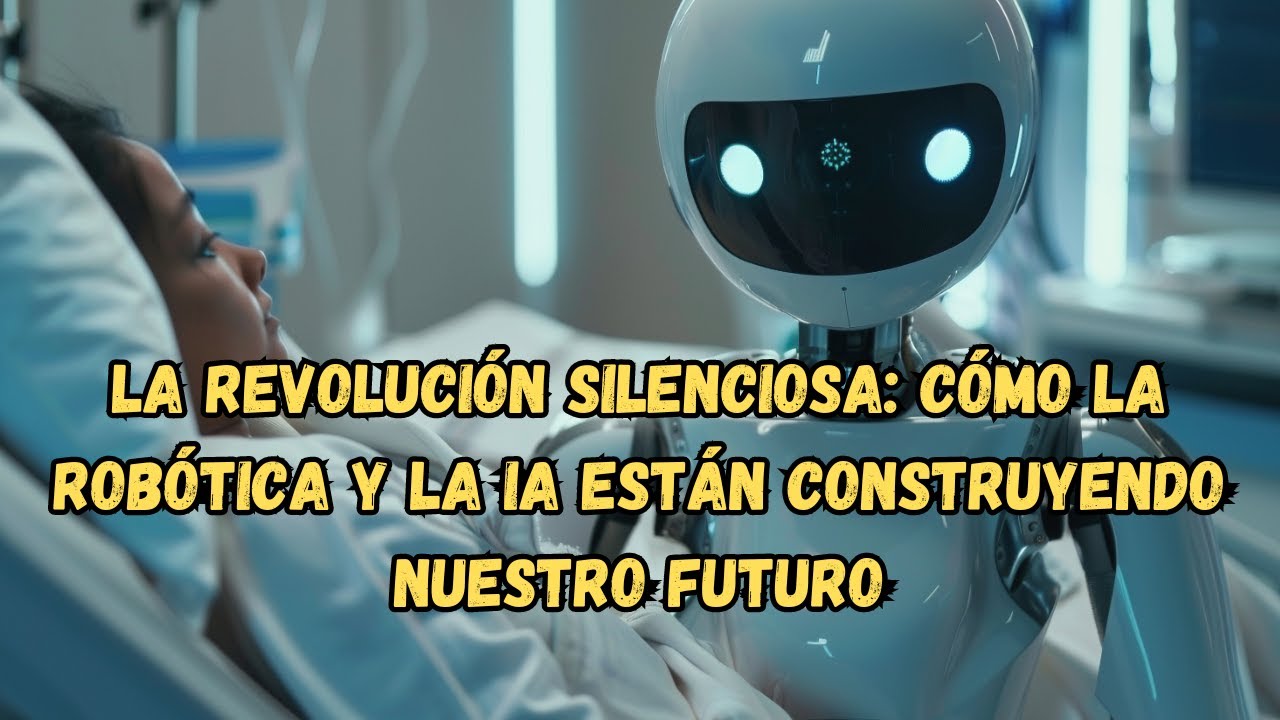
Likewise, in the 20th century, the information and telecommunications revolution took place, hand in hand with a technology developed in the military field: the Internet. XXI century We are living in an era of impressive technological development. Technology influences the industry, and what is called Virtual and Augmented Reality has emerged, with which everything from surgeries to car or industrial parts can be carried out using artificial intelligence.
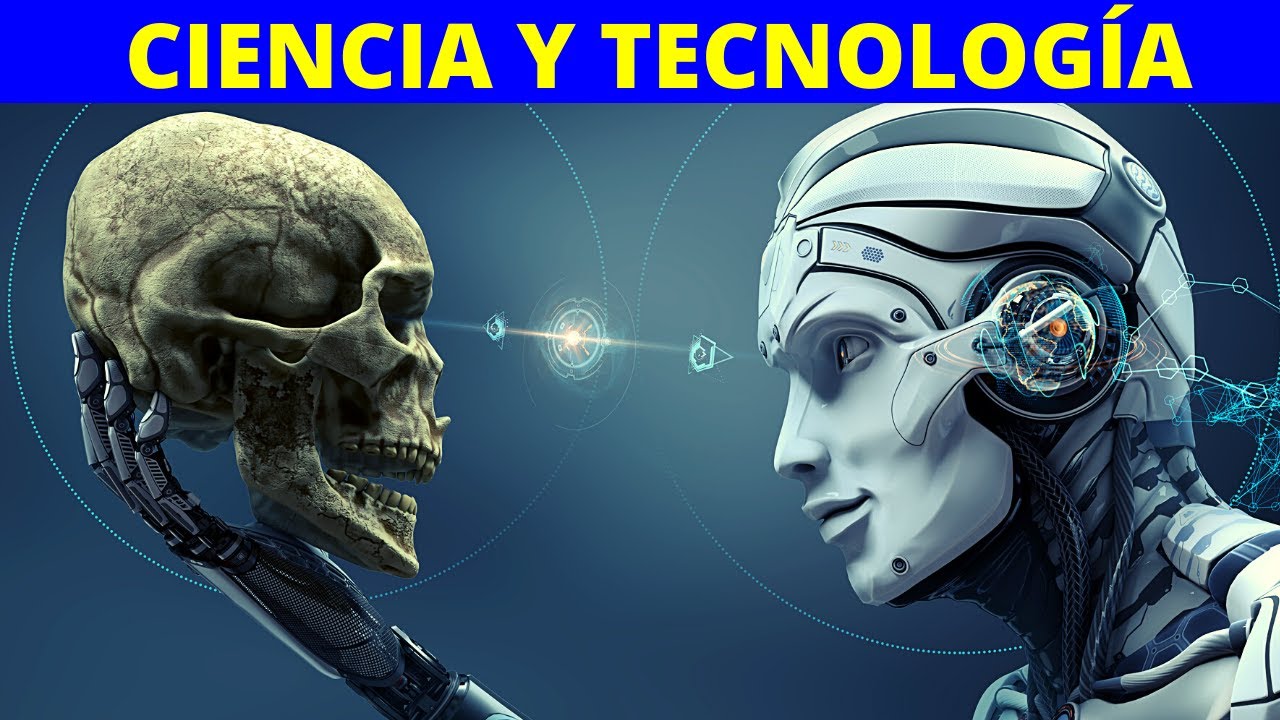
Likewise, the possibility of having not only smart homes but also smart cities, connected by the internet for optimal operation. It is what is called IoT (Internet of Things, or Internet of Things). The fear of many people, including philosophers and scientists, is that human beings will not be able to efficiently handle these technologies that they have created, and they will end up dominating humanity.
What is technology for? Technology is the way through which the human being can manifest the maximum potential as a species. Indeed, it was the progressive development of technologies of all kinds that allowed us to free ourselves from the basic concerns of food and shelter to dedicate ourselves to investigating the world around us, producing works of art, thinking philosophically.
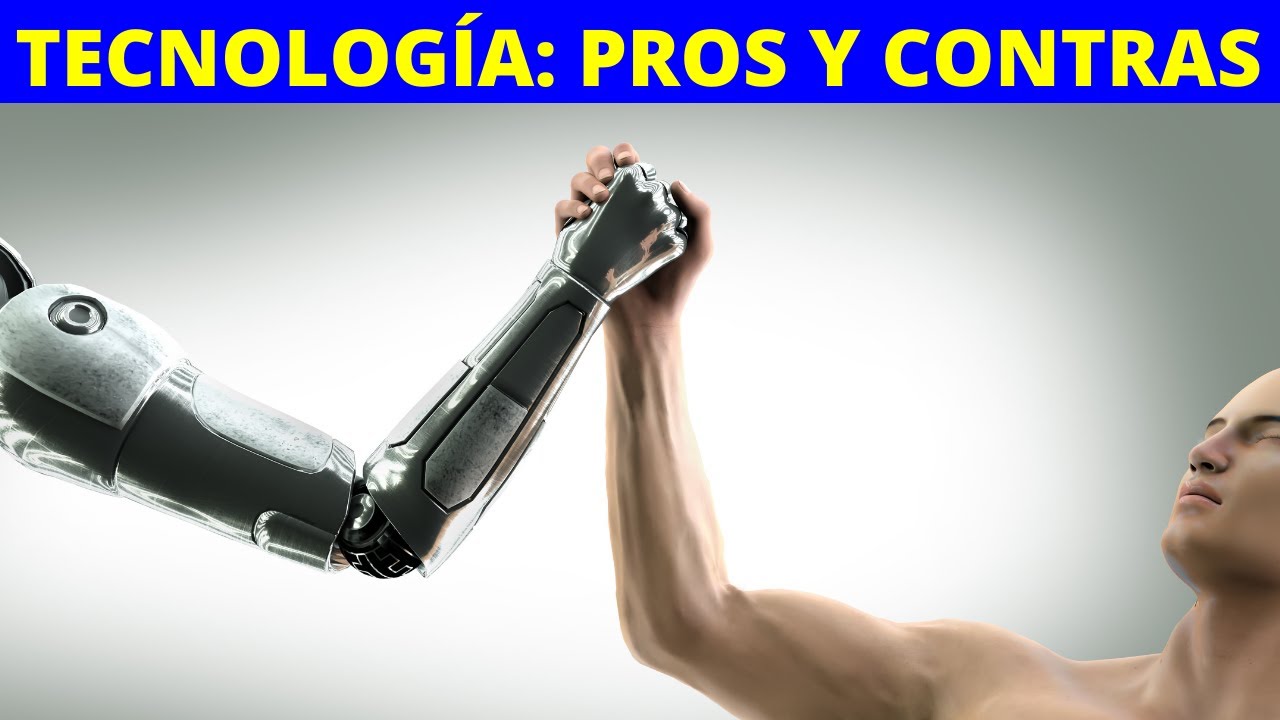
Technological advances in medicine have also drastically reduced infant mortality and increased life expectancy throughout the world. Also, by finding cures or relief for many diseases, they have reduced suffering and allowed people to spend more of their lives doing what they really want. Good and bad technology Although technological innovations have done humanity a lot of good, it is clear that they could also do a lot of harm.
The rocket technology that took humans to the Moon is the same technology used to launch missiles that kill thousands of people. The nuclear bomb, biological weapons, complex chemicals used as deadly poisons, constitute one of the many dark faces of technology. It is in our own hands, as members of the human species, to decide on which paths we want to lead our civilization.
Technology, the same today as in the Stone Age, is just a tool that should be under our control.


![🔴 Qué es la TECNOLOGÍA [ Definición, Tipos y Ejemplos ]⏪](https://img.youtube.com/vi/OBA1EJWhpxA/maxresdefault.jpg)