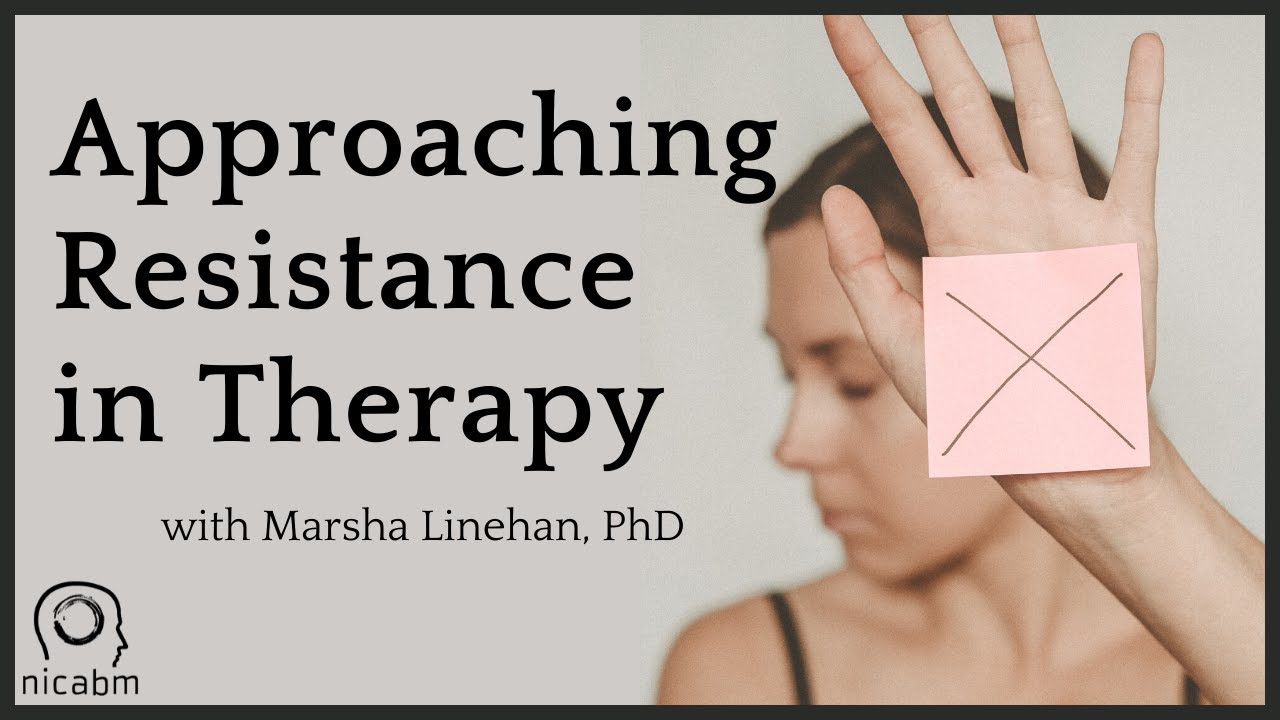
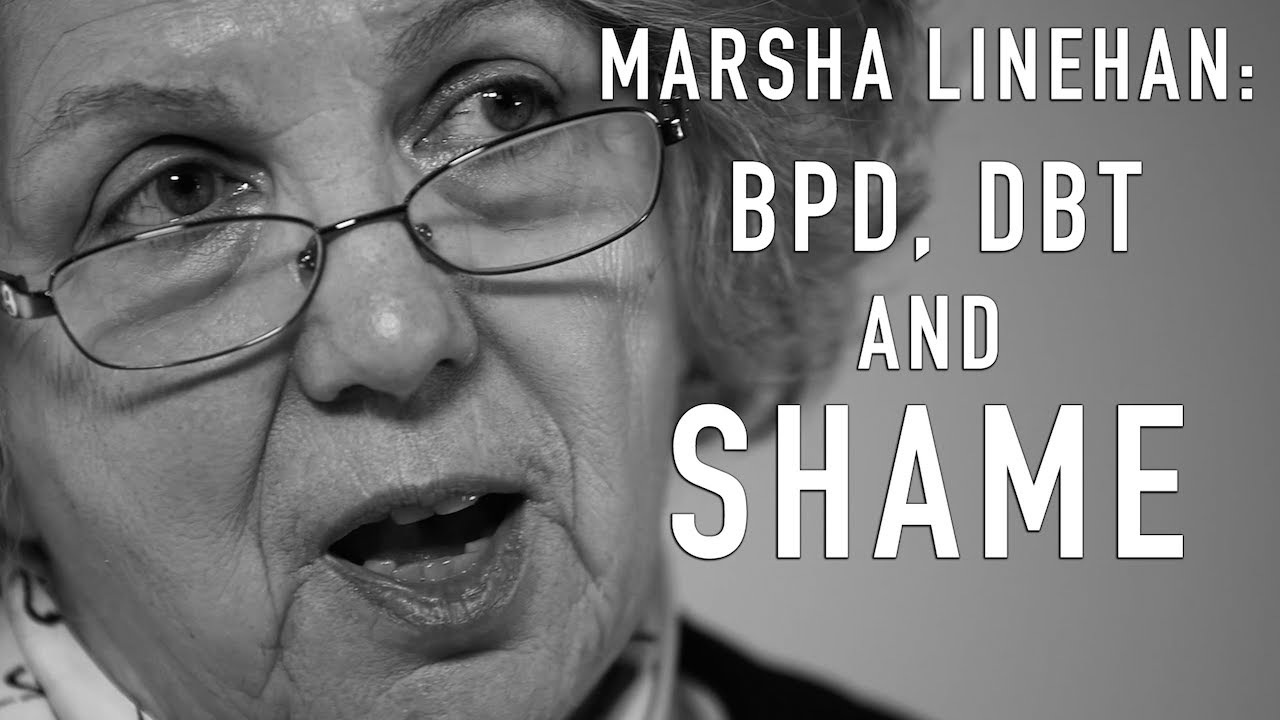
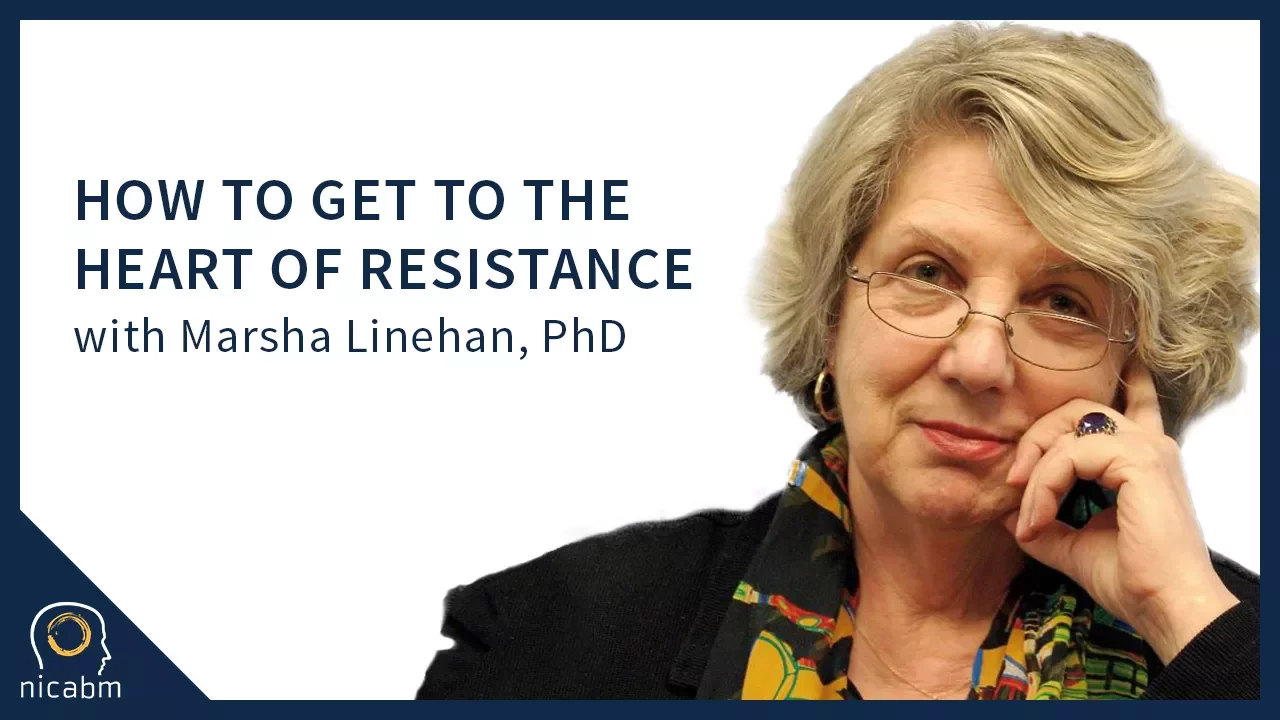
When clients resist doing the difficult work in therapy, how can we keep them moving forward? Well, according to Doctor Marsha Linehan it requires a new shift in focus. And this often starts with a simple question.
When a person is unwilling to do the therapy itself, as opposed to a person who’s willful in their everyday life, then what you’re really going to be focusing on is wise-mind and effectiveness. "Is this really effective? ” Then, you have to get a person to do another skill called pros and cons, which is, “Let’s look at the pros and cons of continuing to fight this particular battle.
” Another strategy is to try to figure out: Are you afraid of something. Are you avoiding this for some reason. What do you think is going on?
and to do more of a clinical assessment of what the controlling variable is – in other words, what is pushing them to avoid doing things? Sometimes they’re afraid. I’ve had many clients who are unwilling to experience the emotion of sadness.
They say it’s too painful and they’re not going to do it. The problem is that if you have a lot of sadness and grief in your life and you refuse to experience it, you can’t go forward. With a person like that, you have to explain the value of giving up resistance and why it’s so necessary.
So you have got to have a good line on. Your functioning as a salesperson and you’re trying to sell a new behavior to the client – and to sell behavior, you’ve got to have a rationale for why in the world it will be effective and why it’s going to help them. Your job is like selling cars, except you’re selling behavior.
Therefore you have to have a good story of why it would work. You can give experiences of yourself – how it worked with you – or how it’s worked with other people that you’ve worked with, or why this would be effective for them. Then, you get them to just try a little bit at a time.
Often the problem is that what you’re asking of the client is painful or difficult, and unfortunately, if they’re in therapy, with me at least, they have lives where they already have an enormous amount of pain and difficulty. But the only way out is to go through the painful thing, so I tell stories about how they’re like a person in hell. And I tell them and say, "In hell, it’s really hot down there.
You feel hot all the time, and the only way to get out of hell is to climb up the ladder, but the ladder is also hot. So, what always happens is that, as you climb the ladder, it hurts so bad, you drop off and you go back to hell again and I said, you, if you could be relaxed in hell, I'd say fine. I think it's a good idea.
Just go on back and stay down in hell. So the problem is it's really hot in hell also. So the only way out of hell is to climb up the damn ladder.
The fact that it’s painful is true but there is no other way out. So that’s what you’ve got to do – and I’m up here to help you do it. You have to have different stories like that mainly because most people need to be sure that you understand their excruciating pain, and how difficult everything is.
The minute you start acting like things are easy to do, you’ve lost. So once we understand what’s leading a client to resist, we can work on selling the behavior that can lead to change. Now I’d like to hear from you.
How do you work with clients to break through resistance? Please leave a comment below. Thanks for watching.