Did you know that eating the wrong kind of nuts could increase your risk of heart disease by up to 48%. That's not a random scare tactic. It comes straight from a long-term study published in the Journal of the American College of Cardiology.
And here's the shocking part. Many seniors believe they're making healthy choices. But the truth is, some of the most popular nuts in your kitchen cabinet could be silently clogging your arteries, triggering inflammation, or even worsening memory loss without you ever realizing it.
In fact, one specific nut, often praised in low carb diets, has been linked to toxic buildup that harms your liver, kidneys, and brain. And yes, it might be in your snack jar right now. So stay with us because we're not just revealing the top four nuts you should be eating.
We're also exposing the worst offenders and the number one most dangerous nut with a dark secret nobody talks about. What you learn today could change the way you snack forever. Before we dive in, drop a comment and let us know where you're tuning in from.
We love hearing from you. Don't forget to like this video and subscribe for more life-changing health tips made just for seniors. Let's begin with four standout nuts that truly earn their place in a senior's daily routine.
Number one, almonds. Almonds have earned their reputation as one of the most complete plant-based foods, especially for older adults who need strong bones, clear arteries, and cellular protection. Each 1 oz serving, about 23 almonds, delivers approximately 97 mg of calcium, roughly the same as a/4 cup of milk.
That's significant for those with thinning bones or those looking to maintain bone density. But calcium alone isn't what sets almonds apart. They also contain magnesium, which plays a key role in ensuring calcium actually reaches bones instead of accumulating in soft tissue or arteries.
This calcium magnesium synergy supports skeletal strength without elevating cardiovascular risk. What makes almonds even more special is their antioxidant potency. The skins contain flavonoids that together with vitamin E form a powerful antioxidant shield.
This combination helps reduce oxidative stress, a process linked to cellular aging, memory loss, and a weakened immune system. The vitamin E in almonds also supports skin health and may help preserve memory. Studies show that diets rich in vitamin E are associated with lower rates of cognitive decline in seniors, making almonds a small but mighty ally for mental sharpness.
For cardiovascular support, almonds provide around 9 g of heart-healthy monounsaturated fats per ounce. These fats help reduce LDL cholesterol while supporting HDL cholesterol, helping maintain healthy arteries and improving overall heart function. They also offer about 3.
5 gram of dietary fiber per serving, more than most nuts, which can contribute to digestive regularity, feed beneficial gut bacteria, and support cholesterol control. However, the tough skins can be difficult for some to digest. If you experience discomfort, try soaking almonds overnight or choosing blanched varieties to ease the digestive process.
Despite their many benefits, almonds are calorie dense. Each ounce delivers about 160 calories. Stick to a small handful daily to avoid unwanted weight gain, especially if you are watching your weight or metabolic health.
When selecting almonds, opt for raw or dry roasted, unsalted options to avoid excess sodium and added oils. Store them in an airtight container away from heat to preserve their nutrient profile and prevent rancidity. Almonds also blend well into both savory and sweet dishes.
Try tossing them into salads, breakfast cereals, or stir fries. For seniors looking to build strength, improve cognition, and support heart health, almonds are a practical, accessible, and highly beneficial food that deserves a place in your daily routine. Number two, walnuts.
Few foods look like the organ they protect quite as fittingly as walnuts. Their signature brain-like shape hints at their most powerful function, nourishing and protecting cognitive function in older adults. 1 oz of walnuts, around 14 halves, delivers about 2.
5 g of alpha linolenic acid, ALA, a type of omega3 fatty acid that plays an essential role in maintaining the structure and flexibility of brain cell membranes. For seniors, these fats are especially valuable because they help support signal transmission between neurons and protect against age- related neurological deterioration. In addition to ALA, walnuts contain polyphenol and vitamin E, two compounds with strong antioxidant properties.
Unlike many antioxidants, the polyphenol in walnuts can cross the bloodb brain barrier, allowing them to reduce inflammation directly within neural tissue. This is crucial as chronic low-grade inflammation is now recognized as one of the driving forces behind conditions like Alzheimer's disease and cognitive decline. In a clinical study involving older adults, those who consumed approximately 1.
5 ounces of walnuts daily for 8 weeks experienced measurable improvements in cognitive flexibility and processing speed. Walnuts also provide a small amount of melatonin, a hormone that helps regulate the sleepwake cycle. This can be helpful for older adults who struggle with disrupted sleep, a common concern that affects both mental sharpness and overall well-being.
Alongside these brain benefits, walnuts support cardiovascular health by improving the elasticity of blood vessels and helping to regulate blood pressure. Arginine, an amino acid present in walnuts, supports the production of nitric oxide, a molecule that allows blood vessels to relax, improving circulation to the heart, brain, and muscles. From a nutritional standpoint, walnuts are also a decent source of magnesium, potassium, and B vitamins, each contributing to nerve conduction, muscle function, and energy metabolism.
Though not rich in calcium, the minerals in walnuts help mitigate the inflammatory processes that can contribute to bone loss over time. In essence, while they may not directly strengthen bones like almonds, they support the biological environment that keeps bones from degrading prematurely. However, due to their high fat content, albeit healthy fats, some individuals may experience mild indigestion if they consume too many at once.
A simple handful a day is typically well balanced for both digestive comfort and nutritional benefit. Storage is an important consideration with walnuts. Their delicate fats are prone to oxidation which can lead to rancidity.
Store them in the refrigerator or freezer to preserve freshness and flavor. If walnuts ever taste bitter or slightly soapy, they've likely oxidized and should be discarded. Finally, for those taking thyroid medication like levothyroxine, it's wise to avoid consuming walnuts around the same time as your dose.
The fiber and fat content in walnuts may reduce the absorption of the medication. To stay safe, separate your walnut snack and medication by at least 4 hours. Number three, pistachios.
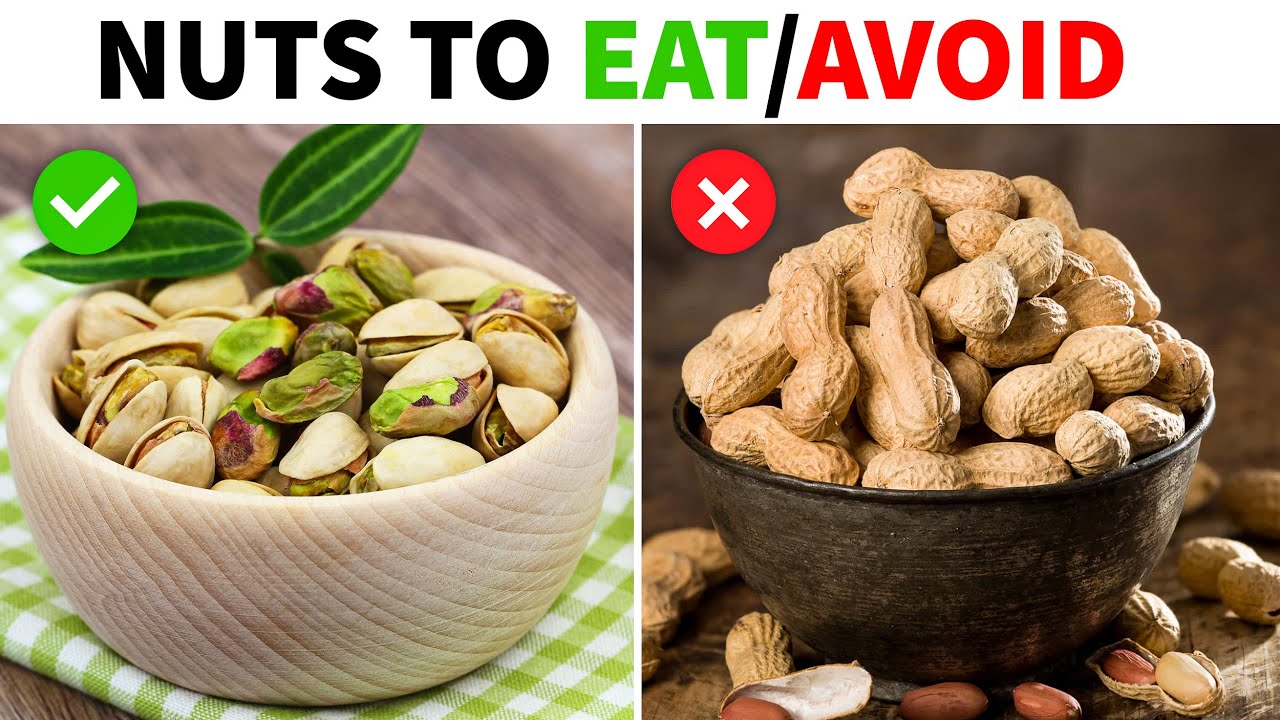
Pistachios may be small, but their benefits for older adults are anything but. A 1 oz serving, roughly 49 kernels, offers a balanced mix of plant-based protein, healthy fats, and powerful antioxidants. Their nutritional density is impressive, delivering about 6 g of protein, 3 g of fiber, and a generous amount of potassium, around 285 mg per serving, all while remaining relatively low in calories at approximately 160 per ounce.
This makes them a compact but powerful ally in managing energy, blood pressure, and metabolic health in seniors. Their high potassium to sodium ratio helps neutralize the blood pressure raising effects of sodium, something especially valuable for older adults managing hypertension. In clinical studies, pistachio consumption has been associated with small but meaningful reductions in systolic blood pressure.
This heart benefit is further reinforced by the presence of phytosterols and monounsaturated fats which assist in lowering LDL cholesterol without compromising HDL levels. These fats also help reduce inflammation and improve arterial function contributing to a more efficient circulatory system. Beyond heart health, pistachios offer a unique advantage for blood sugar regulation.
Their low glycemic index, coupled with a favorable blend of protein, fiber, and fats, helps slow the absorption of carbohydrates when eaten with meals. This can prevent post-meal blood sugar spikes, making them a smart snack choice for the one in four adults over 65 who are managing type 2 diabetes or insulin resistance. Even a modest portion of pistachios added to a high carb meal can positively affect blood glucose response.
These vibrant green nuts also support vision and brain health through their concentration of antioxidants ludian and zeazanthin. Carotenoids that protect the macula and may help reduce the risk of age- related macular degeneration, the leading cause of vision loss in seniors. Ludian is also found in brain tissue and emerging studies suggest it may play a role in maintaining mental acuity later in life.
For those with kidney disease or those advised to monitor potassium or phosphorus intake, it's best to check with a health care provider as pistachios are moderately high in both minerals. Choosing unsalted or lightly salted varieties is also key. This helps avoid hidden sodium which can creep up quickly in flavored or prepackaged varieties.
Number four, Brazil nuts. Among all the nuts available, Brazil nuts offer a unique superpower for seniors. A highly concentrated source of selenium.
This trace mineral plays an essential role in thyroid hormone activation, immune function, antioxidant defense, and even cognitive protection. Just one large Brazil nut contains around 96 micrograms of selenium, surpassing the daily recommended intake for most older adults. This makes them less of a snack and more of a therapeutic supplement wrapped in a natural shell.
Selenium is required for converting thyroid hormone T4 into its active form T3 which regulates metabolism, energy production and mood. Thyroid dysfunction is common in people over 60 particularly among post-menopausal women and is often misdiagnosed due to overlapping symptoms like fatigue, weight gain or forgetfulness. including Brazil nuts regularly but in moderation may help support better hormone balance and assist those on thyroid medication in optimizing their treatment.
Beyond their thyroid benefits, Brazil nuts contribute to neurological resilience. Selenium is involved in protecting neurons from oxidative stress via its role in glutathione peroxidase, an important antioxidant enzyme. Low selenium levels have been associated with increased cognitive decline and several studies suggest that improving selenium status may support clearer thinking, better memory and mood stability in aging adults.
Moreover, Brazil nuts contain unique fatty acids that help protect the myelin sheath, the insulating layer surrounding nerves. This offers potential benefits for reflexes, motor coordination, and balance. Their anti-inflammatory profile also makes them allies for joint health.
Inflammatory markers such as CRP, seractive protein, tend to rise with age and are associated with chronic diseases. Regular consumption of Brazil nuts has been shown to lower CRP in small human trials, potentially easing discomfort from arthritis or metabolic syndrome. They also contain moderate amounts of magnesium and phosphorus which contribute to bone density and muscular function.
That said, Brazil nuts demand caution. The same selenium content that makes them powerful can also make them risky in excess. Chronically eating more than two to three per day may lead to selenium toxicity, known as selenosis, which can cause symptoms ranging from fatigue and gastrointestinal upset to brittle nails, hair loss, or nerve dysfunction.
For most, just one Brazil nut daily is sufficient. Two per day is a generous upper limit. Up next, we'll reveal the four worst nuts that could be quietly sabotaging your health, contributing to inflammation, digestive issues, medication interference, and more.
They may look innocent, but for seniors, these snacks come with serious red flags. Let's take a closer look at the ones you might want to limit or avoid altogether. Number one, peanuts.
Peanuts may be one of the most common snack foods around the world, but for older adults, they carry a host of health risks that are frequently underestimated or ignored. Unlike true tree nuts, peanuts are legumes that grow underground, making them particularly susceptible to contamination by molds that produce aphletoxins. These are potent carcinogens that can damage liver cells over time.
Even low-level chronic exposure to aphletoxins has been linked to liver cancer and impaired immune function. Seniors, especially those with weakened liver function or detoxification systems, are more vulnerable to this hidden threat. In addition to the risk of aphletoxin exposure, peanuts are a major source of omega6 fatty acids.
While omega6 is not harmful in itself, an imbalance between omega6 and omega-3 fatty acids promotes systemic inflammation, a condition tied to arthritis, heart disease, and cognitive decline. Most older adults already consume too much omega6 from processed foods, and peanuts simply add fuel to the fire. This inflammation burden can worsen joint pain, stiffness, and vascular problems in seniors.
Peanuts are also among the most allergenic foods. While many people associate peanut allergies with children, adult onset allergies are a growing concern. Reactions may be subtle at first, such as tingling in the mouth, skin irritation, or gastrointestinal discomfort, but they can quickly escalate.
In extreme cases, exposure may cause respiratory issues, swelling, or even anaphilaxis. For older adults on multiple medications or with reduced immunity, any allergic reaction becomes more dangerous. The typical forms in which peanuts are consumed present additional problems.
Most commercial peanuts are roasted in lowquality vegetable oils, which can oxidize and contribute to inflammation and oxidative stress in the body. On top of that, they're often heavily salted or coated in sugar, leading to increased sodium intake and blood sugar instability. This is especially concerning for seniors managing high blood pressure or diabetes.
Finally, peanuts are calorie dense and easy to overeat. A handful can turn into a bowl before you realize it, especially in social or distracted eating settings. For seniors trying to manage weight, fluid retention, or cardiovascular strain, this makes peanuts a stealthy sabotur in the diet.
Number two, cashews. Unlike most tree nuts, cashews are surprisingly high in carbohydrates, delivering approximately 9 g of total carbs per ounce with only about 1 g of fiber. This elevated net carb load can spike blood sugar more quickly than other nuts, a dangerous feature for seniors managing pre-diabetes or diabetes.
Their seemingly innocent sweetness masks a troubling ability to destabilize glucose levels in older adults with compromised insulin sensitivity. Beyond their glycemic load, cashews present a more silent threat through their oxalate content. Oxilates are naturally occurring compounds that can bind with calcium in the digestive tract, leading to the formation of kidney stones in susceptible individuals.
For seniors with diminished kidney function or a history of urinary stone disease, cashews can quietly exacerbate existing risks. In large or regular portions, they contribute to an internal environment that favors crystal formation and potential urinary complications. Cashews also contain fermentable carbohydrates, placing them high on the FODMAP scale.
This makes them likely to cause bloating, gas, and gastrointestinal discomfort, particularly among those with irritable bowel syndrome, IBS, or other sensitivities common in older adults. The processing of cashews also raises red flags. The raw nuts are inedible without heat treatment to remove arushial, a toxic resin, also found in poison ivy.
Improperly processed cashews can carry trace amounts of this compound, which in rare cases may provoke allergic or dermatologic reactions. Commercial versions often come roasted in oils and coated in salt or sugar, compounding their negative effects by increasing sodium load and encouraging overconumption. Their richness can trigger compulsive eating.
And because they are calorie dense, 160 calories/ oz, it doesn't take much to exceed a healthy daily limit. Finally, cashews contain moderate levels of vitamin K, 10 mugg per ounce, which can affect blood clotting in seniors on anti-coagulants. Number three, macadamia nuts.
Macadamia nuts may feel luxurious and indulgent, but for seniors, they pose more drawbacks than they're worth. One of the biggest concerns is their extreme caloric density. Just 10 to 12 macadamia nuts can pack around 200 calories, primarily from fat.
Yet, they provide minimal protein or fiber to create satiety. What sets macadamia apart is their unusually high content of saturated fat among commonly consumed nuts. With nearly 3 to four grams per ounce, excessive intake could contribute to rising LDL cholesterol, worsening existing cardiovascular conditions.
For seniors already on heart-healthy diets or medications like statins, this added saturated fat can undercut therapeutic progress. Their rich fatty nature also places stress on the gallbladder. For those with known or silent gallstones, a condition that increases with age, macadmias can trigger digestive flare-ups.
Nausea, abdominal pain, or even gallbladder attacks may follow fatty meals or snacks, especially if macadamia are eaten in larger portions. Unfortunately, their buttery flavor and soft crunch make them dangerously easy to overconume. Macadmias also present dental challenges.
Despite their smooth texture, they are dense and can crack or damage weak or artificial teeth. For those with bridges, crowns, or dentures, chewing macadamia without fully softening them may cause discomfort or even injury. Storage is another overlooked issue.
Due to their high fat content, macadamia spoil quickly. If stored improperly, they become rancid and develop off flavors, an indication of oxidized fats that may contribute to cellular damage when consumed. Seniors who buy macadamia in bulk to save money, may unknowingly increase their exposure to these degraded compounds.
Number four, pine nuts. Pine nuts, despite their gourmet appeal and frequent use in pesto and salads, come with a host of drawbacks that make them a questionable choice for older adults. One of the most peculiar and disruptive effects is a condition known as pine mouth syndrome.
Within 1 to 3 days after consumption, some individuals develop a persistent metallic or bitter taste in the mouth that can last for days or even weeks. While not physically harmful, this effect can suppress appetite and cause unintentional weight loss in seniors, a group already prone to undernourishment. A more serious concern lies in how pine nuts may interfere with common medications.
They contain compounds that can potentially affect the metabolism of blood pressure drugs, antid-depressants, and cholesterol-lowering medications. These interactions aren't widely documented in mainstream guidelines, which makes them even more dangerous, especially for seniors managing multiple prescriptions. Consistent intake of pine nuts without awareness of such effects could lead to altered drug efficacy or unexpected side effects.
Another hidden risk is their high content of polyunsaturated fats, which while often seen as beneficial, are extremely prone to oxidation. Pine nuts spoil rapidly when stored at room temperature or beyond their shelf life. Rancid fats from oxidized pine nuts not only taste unpleasant, but may contribute to cellular inflammation and long-term tissue damage.
Seniors with compromised digestion or inflammatory conditions could be particularly sensitive to these oxidized compounds. Physically, pine nuts present a distinct aspiration hazard. Their small size and slippery texture make them one of the easiest types of nuts to accidentally inhale, especially among seniors with swallowing difficulties or dry mouth for medications.
If aspirated, these tiny nuts can block the airway or lodge in the lungs, potentially leading to aspiration pneumonia, a serious and sometimes fatal condition in the elderly. Choosing the right nuts isn't just about nutrition. It's about protecting your heart, fueling your body with lasting energy, and keeping your mind sharp well into your golden years.
When you understand which nuts support your health and which ones could quietly work against it, every snack becomes an opportunity to take control of your well-being. And remember, it's not about perfection. It's about consistency.
As the saying goes, small changes consistently applied yield remarkable results over time. Even one better choice each day can lead to real lasting improvements. Now it's your turn.
Have you ever noticed a change, good or bad, after adding or removing certain nuts from your daily routine? We'd love to hear your story. Share your experience in the comments below and help others make informed decisions, too.
If you found this guide helpful, don't forget to pass it along to someone you care about. Your health and theirs deserve nothing less.