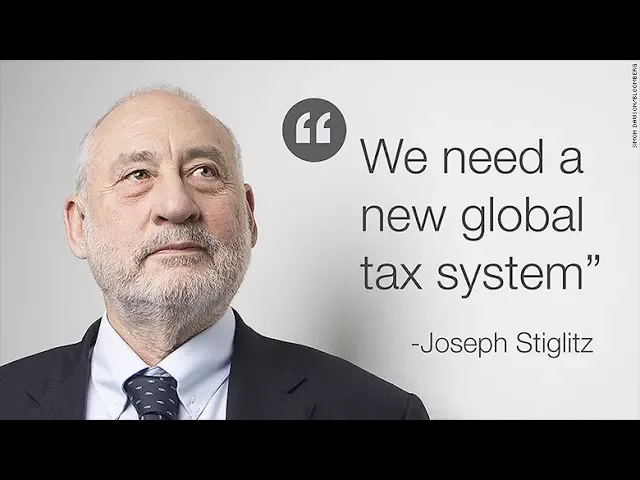
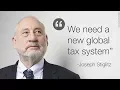
[Music] [Applause] [Music] ma know it a party Jaguar versus ISA program is Paso public oh oh programa de Treviso sativa Brazil OS e nós temos oklahoma special comp Raymond novel joseph stiglitz estamos aquí de la Fernandez perform program agravado a porter novella participation disease osseous [Music] Occidental oMG die joseph stiglitz formosa economía politia - to the technology massachusetts n-terminal says novelty sink women are sensitive in th we need to go very deep into it if a chef does a sweaty economica the Casablanca avocados program measures Russia have for magistrate or a schema Karen debauch Okinawa
capacidad Academy nerve center a tent a service dog wizkid economies Mikado live alley-oop Ramona belch economy in us mu professor Davis dodge Colombian of IARC ecig Lisa alto de trabalho consider as fundamental so decreased moon job capitalism T comenzó Park Ave reduce McCadden del mio ed como una caída Libre y ou President David odde Thomas Craven sophomores un paseo de un paseo para un % Keefer pintado como modest Ponte jeans Paris oh no splatter so schema carros Estados Unidos Rufina de cada pasado [Music] professor summerlee's if I said ocean rocky so I'm very lucky Studios
America latina inverse is released a visit oh so the serum in psyche so simply move to respect an important to come and suffer learned my friend Linda can easily reduce your police the signal died so this my forensic mission moment attend so so focused on was no moon in key equation de Valois he starts a home pain in casually not that so sir second of is mice complete cada it's all camouflage the key key would be a personal care scene system abuzz with Valerie's Syriac ever Girardeau sentimental Koopa poor parts the calyx is the G
confident impressionable zeros poor Achilles case products public whip attackers Bombers collages operation ski fasten programmers given permit it is being commissioned million areas in parallel as a photo situation per second and that the multiple tents this moment can achieve is the secular Mirko al who make surveys well I think that that one of the striking things about our society today is that so many at the top see their higher income as a result of their just desserts for their own work one of the presidential candidates in the United States talked about himself as a self-made
man but of course nobody is self-made I mean by definition you you you you are born but there's a fundamental problem that all of us benefit from our society I see people working very very hard very bright people in other countries and they're not very well off so the only reason that one really can achieve something is because of the society that we're a part the way the government enforces laws the benefits that we get from public highways all these things that we often take for granted but are essential for the well-being of all of
us and so I think people have to understand that there's no such thing as a self-made person we're all part of a society and that's why solidarity is so important sure I'm grateful fundamentalism or Geneva de Mer account system - and Cyril do me no voice ooh planet Muslims version of mom this is my well I I think that one of the thing that's been very clear since the crisis but it was clear even before that was that free markets on their own are neither efficient nor stable they took the savings of millions of people
and mismanaged it and the result of that is the whole world suffered the bankers were an important part of the story but the the failures go deeper now what we're beginning to understand in the United States is that the system has benefited a very few people at the top but not most of our citizens so that today for instincts those in the middle have a lower income than they did 25 years ago so everybody talks about how successful the American economy has been but if you ask the average American they they know that there hasn't
been an increase in their prosperity for a very long time that is equal tangi chemicals are suits this solution was live so far I said that the doom percent content of internal percent self-regard Muto Rico's do Brasil ksk Tennessee dose represent Oh a national Ezzor over grass trees to say escaped ago Mario's importance cosmogony impo and what's about dodgy brasilia requests see the story after boom take yourself as your ticket and official seal our GM Vic's poor kktong deficiency ivan-san ago not predicative deficiency for example brazilian consecutive system and imposters my zoos particularly fish Dorota
I'm the keeper so mange this is one of the important points that I raised in in in my book that there is a very close connection between economic and political inequality you know we like to think of our democracies as one-person one-vote but one of the things I point out the American democracy and this is true in other countries we've become increasingly like one dollar one vote in America we're very explicit we allow corporations to make unlimited campaign contributions and how money talks in politics the result of that is that in the United States for
instance and this is true and in other countries you know better Brazil data than I do that the very top pay a lower rate than those lower down Warren Buffett who was one of America's wealthiest men actually said this is wrong that it is wrong for him to pay a lower tax rate than his secretary but in spite of the fact that he said that and he was one of those honest voices calling for reform we haven't changed things that it is still the case that somebody speculating on land who is very wealthy pays half
the tax rate of somebody who works for a living you know I testified in Congress not very long ago and a panel Republicans Democrat independent and one of the Congress senators asked me can you explain to me explain to my constituent my voter in my district was a plumber and he wants to know why should he pay a higher tax rate then somebody's speculating on land and if you speculate on land you don't get more land there's no supply benefits he says expect unfair can you give me an explanation and none of us could explain
it and yet Congress doesn't change it the president doesn't even proposed changing this so but that conflicts getting okay for the decision EMU go make a case well I think the next presidential candidate on the Democratic Party will propose changing I I think there is a now such a groundswell in the United States saying that this system is unfair and not only is that unfair it's distorting our economy and I see it very strongly you know my best students aren't going into teaching into public service into research into all these things even into business they're
all going into finance into speculation and it breaks my heart because they have talents and the interesting thing is after 20 years 25 years they come back and they say I made a mistake money isn't everything estoy de moda Sadako Kyoko Aquino Brazil nós temos malazan que parece que esto es un poco Alison presidencia new Congress Presidente Alito in on concept phase mi oriano Congress offical jefe de partido skill fazenda guachos na hora de fascia apoyo no news Estados Unidos su parte de republicano coach moment end contrôlée Okeke Vacanti sick economy Oh dope is you
know politics is always complicated and even the politics within the Republican Party is very complicated the Speaker of the House couldn't get enough support from his own party that he had to resign so the Republican Party is very divided but what worries me is the following you know about a third of a century ago America began an experiment what we said is if we lower tax rates on the top we strip away regulations the economy would grow faster yes there would be more inequality but the increase in growth would be so much that even the
people in the middle of the people at the bottom would be better off we now had a third of a year of third of a century of this experiment and it is failed it succeeded in only one thing creating inequality and making inequality America the country in the world of the Hmong the banks countries with the highest level of inequality and among the lowest lowest levels of equality of opportunity unfortunately the economy actually Reus more slowly than it did in the decades after World War two when we had shared prosperity and so the result of
that is the people in the middle are worse off than they were a quarter century ago almost all the growth that has occurred in a third of a century has gone to the top 10% at the bottom the wages at the bottom are lower than they were 60 years ago came matching 60 years with no increase in the wage at the bottom unfortunately the Republicans are committed to doubling down that's an American expression meaning double your bet on a failed strategy put more money on so it hasn't worked for a third of a century Lix
with the problem is we haven't done enough and I can tell you from my analysis and you know what I say in this book if we do more of that we're gonna get even more inequality and we're gonna get lower growth and you know the point the title of my book is the price of inequality and the point I'm trying to make there is we are paying a very high price for this inequality not only in terms of what you talked about the dividing society the undermining of social solidarity but we're also paying a price
because we're undermining our democracy moving to this one dollar one vote but we're also undermine our economy our economy is growing more slowly every day for 10 chickens they come at this Zig wall dodgy pursue jika economy so can we take a Susan goes to Japan stops the economies in general gossip and sake somewhat resumes I couldn't have 278 oh it's the same typing them oh my god well cut them just gold thick leather once comptes mathematic you so-called Akasaka so let's economist entrance Kusum sauna with the poisel CEO who Thomas Piketty calacas promote reform
if you don't recognize your economics and Foucault multi-port 13's momento couch economy top silica dojaquez ago dr. pol political cement por que te miro supported us let me convince ago put it this is not a left-wing view the IMF which is not a left-wing institution has said their research shows that countries with more inequality grow perform more poorly that grow more slowly they're more unstable now there are a number of reasons that my research and research of the IMF research of the OECD have tried to explore why is this there are a couple reasons one
of them is that when you have a lot of inequality and especially when you have inequality of opportunity what that means as those at the bottom are not living up to their potential they're not getting the education that they need so in effect you are misusing underutilizing your most important resource your human resource you're not using it to its potential and so of course you're going to grow more slowly but there are other reasons and that those are related to the way inequality has been growing in most countries and that has to do with distortions
in the economy monopoly power the ability you know when when corporate CEOs are able to get so much of the corporate income there's no money left over for investment and if you don't invest in the economy you're not going to grow the financial sector which has been one of the big sources of inequality has been taking money out of corporations rather than putting money into corporations so you get a distortion from this monopoly rent from these monopolies which actually slows economic growth then you have other problems as well the financial sector again a source of
all so much inequality is very sure excited and because it's straw excited it's not investing in technology it's not investing in people and the result of that is the economy doesn't do as well but there's still one more that I think it's particularly important given the beginning of our conversation about solidarity for societies to work you have to have a kind of consensus you need a support to have public investments in infrastructure technology education the things that make our society function we live in a very urban society when you live in an urban society you're
constantly interacting with other people you need water you need sewage you need roads again if you don't have enough social solidarity if you don't have enough cohesiveness you're not going to be able to get the political support for those investments those public investments that are so important one of the reasons you can't get that support is that the people at the very top they don't need public schools they don't need public transportation they have their helicopters or their they don't you don't need parks you don't need all those other public services and they're afraid that
if you have a government that is too strong it will use its power to redistribute but what they don't understand is they're being short-sighted because the only sustainable and real prosperity is shared prosperity so when you create a society with more cohesiveness and more equality even the 1% benefits sh t miss Perez she can hire oppa as Croesus Kyoko he knows pays principle mentee Barracks nee poga espana Gracia Ong who sentiment Oh Juma dance prismo mention a Gracia from Utah for immediate homage say todas damaged europea jicama salad zina AB kaki a grass tava propanol
collage Nadia Taba queriendo ma ma imagine a lazy deceived aki-chan sido say Tucanos box europeo never come back oh dude where yo / gu Toshi or copepod a media nest new sentido de preserve our pod area hechizo naman de segura OG FICA Cabo Fatiha Doki plan produce well there are many aspects of your question let me take a cup of them no first the the what is very clear is that the economic policies that the troika the IMF the I your pian Central Bank the ECB and European Commission imposed on Greece and Portugal the other
countries were a disaster the result of it was depressions you know some American economists had said a few years ago that their pressings are over there are thing of the past and no longer after they said that was we created a new depression but it was created was not necessary it was there were extreme austerity that depressed the economy so much and they had an election and in Greece and him Portugal they said no way this austerity is unacceptable 62% in both countries voted against austerity but what is happening Europe is very troublesome because they're
undermining democracy in the case of Greece after they voted the troika said you don't get to choose your economic policy you you have to do what we tell you if you're part of the eurozone you've given up your economic sovereignty and economics is what everybody cares about so to me and in Portugal you see something almost is just as bad that the president refuses to install coalition that had a majority of the votes besides he says they're against the eurozone and I won't do it so so we see a real undermining of democratic processes in
both of these mana dodgy Mamoon iike a spider a museum apart de sousa Boronia my question buta my sophistication Japan Sullivan channels are thrice perky waste money daddy was a preseason poor interracial philosopher commenced alimony paruppu to God Ala Moana progressed alimony appraised simple it is not so nice Ricky sue included asymmetry staff assist I was in a wrapper goodness a movers physician I think you knew repay my guest Oh guess what there's some else yeah I'm very worried because I mean basically what happened is the euro was a political project but the Solidarity wasn't
strong enough to create the institutions that would make the Euro work so the result of it was they had an economic project but economic integration oh paste the political integration there wasn't enough of that solidarity that would work and we now sinks the euro created seeing the consequences which in my judgment have been an economic but also a political disaster so not they've lost their economic sovereignty but that means that voters are going to get angry and they've been getting angry they're getting particularly angry at the parties who insist that we continue the same policies
that have proven themselves wrong so you're going to get extremist parties particularly on the right the fascist parties and I think it's extraordinarily dangerous now one of the other aspects that was very troubling to me and it goes back to what you asked about there's a lot of dishonesty going on and hypocrisy so the IMF has been very clear Greece death has to be restructured it can't repay the debt you can't squeeze money out of where it's not the principle of giving a company a household a country a fresh start is the basic principle of
Act comics the UN has it basically endorsed this principle but Germany refuses to recognize it and so even after the IMF's analysis said you have to have a debt restructuring Germany tried to keep that result secret so it wasn't released before the referendum and now they continue to say we will not germinate says they will not accept a debt restructuring but we insist that IMF to be part of the program the IMF says we cannot be part of a program without debt restructuring what will happen I think in the end is a kind of linguistic
hypocrisy they will have a debt reprofiling you ask what is the difference between a repro file and every restructuring or a debt right down through all the same thing but the Germans don't want to admit that they are not going to be repaid and they're not going to be repaid because of what Germany did to Greece because if Germany had created a program that would have allowed Greece to grow then Greece could have repaid but Germany effectively killed Greece and now they have to pay the consequence because Greece cannot repay the money all of this
to go back to the theme of the price of inequality all this is increasing inequality between the countries of Europe and within Europe what sort of view this is known to elect strippers he FISMA cutting a pill you know equivalent controls lot more ooh nice it's probably a post ibaka avatar some Killa Terry your reference criteria is a sensibilities are a troika communicant assyriko Imagi Tami I'm surgery's certificate off yourself on the kid sir second say there is Jade well father will keep suspect a spoke to police in Tennessee yes and I did go over
to Greece to talk to him and talk to this finance minister the new finance minister to many Greek people the Greeks were torn they wanted two things that were both reasonable they wanted to be a member of the eurozone they wanted to be part of your the euro and they wanted the into austerity and there's no reason why you couldn't have both except Germany said no Germany says you have to choose either you accept depression austerity that has led to this depression 25% decline in GDP 5060 percent youth unemployment more than one out of two
young Greeks are out of a job you either have to accept that depression or leave the Greeks didn't know what to do but in the end they said we we have to stay in the euro I'm not sure it was a right decision I understood why the Prime Minister made that decision he was reflecting the intensity of the feeling of the people of Greece but what I would have done was to go to the Greek people and say look at there are many countries in Europe that are very European they're part of Europe they're part
of the European Union but they're not part of the eurozone UK Sweden Denmark they're just as European as breeze or anything else but they didn't make a big mistake they didn't join the euro and this little piece of paper with some pictures on it that's not being European what being European is European values what being European is means the kind of social responsibilities you have to other citizens the notion of human rights that you're to me the the most important part of being a European is those European values and what Germany was demanding they give
up on those values forget about the people who are suffering so friend Oh cotton contrapunto cat the planet FUO capitalist economies most is citizen comunistas uma Sheena Yacouba Tim Papa would dare to systemic capitalist Paris cazness resident a referential G Tapia the sera she felt as a salt opieop Romani dodgy machinima sodomized rooster mais de guerre Italia so I think the critical thing is that the Cold War is over the battle between communism and the market economy is over now we need to reframe the discussion it's what kind of a society what kind of an
economy do we have we know that our economy for an economy to succeed the market is going to have to be an important part gonna be a market economy but we also know that every successful government economy the government plays an important role who does you know who made the investments in the United States in the internet all the big innovations in America it was the government that was the basis and then the market brings that you know firms bring it to the market but it was the government who did the basic research and so
we have the government we have the market and we have a third we have civil society which the strongest institutions in America when everybody thinks about America what do you think is a strongest you think of our universities they're not either for a profit or government Harvard Columbia all of these are nonprofits foundations and we forget about that those are important part of our society they're neither government nor market they're sort of what I would call part of civil society very important so what we need to do is think about how do we bring those
three things together in balance and if you get them out of balance then you're gonna wind up in a situation where the economy society doesn't function well that's what happened the United States before the crisis to 2008 we got out of balance we go in free markets unrestrained and we all suffered as a result and we are still are suffering as a result there are very many different kinds of market economies Scandinavian countries have succeeded in getting the balance better they've been growing more strongly and every part of their society has been sharing in that
prosperity so that's one economic model it's an alternative to the American model and I think in many ways it's been working much more successfully for most of the citizens I mean if you were in the 1% go to America that's the best place to be especially if you're in the one top one-tenth of 1% it's the best place but if you're poor it's not the best place to be born choose another country to be born so that's there is an important discussion for Brazil and for all countries that have is what kind of society will
kind of balance between these three parts of our society that you want to achieve interval vote on was incensed calm Professor Joseph Stiglitz terminology economy [Music] mr. Moussa Volta pharmacy television Professor Joseph Stiglitz Kostabi Brazil Paloma Sergey conferences do movimento from Teheran specimen professor Lucas IDG Lieberman periodic supersu considered as a Soros do Presidents Bill Clinton do we miss you I'm periodically similar to the economy American luckily periodically Topher mark may not need you the Crescent Avenue zoo to CERN balance in phase incremental mezack liberado from christmas noise makes a value opinion it was obviously
a very good period and we wish we could have growth like we had then and i wish i get to say that i was partly responsible i think that one of the other aspects of that period was it was one of the few periods where inequality started to be reduced and it was partly because of things we did but partly because of other things going on in the world economy among the things that we did was we helped engineer the economy towards full employment let me emphasize how important that is both for growth and equality
shared prosperity because when you start getting the unemployment rate down you know right now people are saying oh we should accept to 6% or a five and a half percent or a 5% unemployment but in my mind if you can get the unemployment rate down very glow that creates pressures to raise wages at the bottom and that helps the people who are in the bottom and we've seen very clearly it was only in that period where the parts of our society that have been marginalized african-americans and hispanics started to see their wages increase and so
it was that was part of the main reason that we had a reduction in inequality not to be fair well I was chairman of the Council of Economic Advisers we stopped some of the bad things from going on after I left even though it was under President Clinton some mistakes were made and there were in my mind one important set of mistakes and that was the deregulation of the financial sector the repeal of glass-steagall which was the law that separated commercial and investment banks the law that said you can't regulate derivatives those risky products that
resulted in taxpayers paying a hundred and eighty billion dollars to bail out one company AIG unbelievable that those were mistakes that were you know I I have been fighting that issue when I was chairman of the council I said you should not because she would my dad to clean to and when God to water dentist amazed me you know know a successful we had a debate inside the current administration the Secretary of Treasury was in favor repeal of glass-steagall but as an economist not as somebody from Wall Street he came from Wall Street and he
went back to Wall Street I was viewing it from the point of view of the economy and our overall society and I said this is not good for our economy it's not good for our society and I explained why that was and I and others were able to stop it but eventually the the forces of deregulation got too big and those changes were made and we paid a very high price for for that kind of financial sector deregulation there was one more thing that that happened and that happened while it was still chairman of the
Council of Economic Advisers I fought it and that was a battle I lost you win some you lose some that's politics as you know and that was the battle over lowering the tax rates on capital gangs because our analysis at the Council of Economic Advisers was very clear lowering taxes on capital gains does not lead to more investment you know if you tax speculation lower rate land speculation you don't get more land you just get more rich people so the capital gains did not have a good incentive effect in fact a distorted incentives that encourage
people to go into speculation but it created a lot more inequality and we Clinton did lower the tax rate on capital gains but then that problem got much worse under President Bush where they lower them a lot more and that was part of the momentum towards greater inequality in America the capital gains dividends no so the shadows you know in the United States we are debating about creating what we call a fair tax system that says anybody's income no matter you know it should be taxed in the same way why should you tax the income
of a worker at a higher rate than somebody who's clipping coupons who inherited the money from his parents who speculated on real estate why do they care tax at a lower rate than somebody's working for a living there's no justification for that so our debate is can we at least get rid of this distortion and this inequity and when I hear countries like Brazil where they don't just don't understand Palazzo Vecchio Grange momento como so busy oh no governo clinto no somos dosia nose pies de menu zero died so CEO of immigrants includes oh woodsey
prego Caillou you Peyser a visa no mundo como grain G a contest cement inclusive democracy economic a cafe todos de Janeiro Brasil pasalapudi ala tranquil amici Guara nos vemos uma crazy keep as instance academia some economic equal remains some política Africa's dues quizzes tongue chillin do Brasil don't communicated tava tomando consider soup that's don't consider presidential Duma Co concealer so Daria alum I think Brazil should be commended with the policies that you've undertaken over the last 20 years that began with Cardozo continue with Lula increasing education increasing the you know both of Familia fight against
hunger you are really an example of a fight against inequality that worked and you see it in the statistics and it's really very surprising that in a short period of time you can see the magnitude of the reduction in inequality so it's a real achievement the real question is how do you continue that now you mentioned one of the reasons for your success was that you got down unemployment and that was the same thing as part of our success and what worries me right now is that you are pushing policies of austerity government cutbacks that
almost surely will increase unemployment and increase inequality now there's one aspect of the Brazilian economy that I think needs to be examined in detail and that is your financial sector you're an exception and not one maybe that you should be proud of you have some very good institutions that have earned the respect of people all over the world BNDES is one of the premier Development Bank's everywhere it's being used as a model of what others can imitate the new Development Bank and among the BRICS the AIB all of these are using the BMDs as a
role model but your other part of your financial sector particularly a private party for financial sector has the highest real interest rates in the world the interest rates are stifling your economy and killing your budget and taking away money that could be used for growth for attacking inequality for attacking so many of your problems let me go back to put this in a historical perspective if I can back to the United States at the end of World War 2 back at that time the United States debt GDP ratio was 130 percent now that's probably -
more than twice the level in Brazil and most people around the world would say that's a disaster we didn't take it as a disaster we said we're going to make this sustainable not by cutting back on government investments but by increasing government investments making GDP grow so if you get GDP to grow debt GDP goes down and so we use that we said free education to everybody with fought in the war not just for two years not just for four years but as much education as they were qualified not in the poorest schools but in
the best goals the most expensive schools in Harvard and Columbia free because we wanted our economy to grow and we want to give opportunity to everybody we created a national highway program that knitted the country together like the railroads had done in the middle of the 19th century we created a technology program to make sure that we were the most advanced technology in the world so the point of this is we didn't cut back we spent but part of that that success in getting that debt GDP ratio down is we lowered interest rates we didn't
allow the government to pay the kind of outrageous interest rates that your government is paying an extra capitalism UGC KO un dólar invert OS Banco do Brasil tiempo del tremendo palace Wofford's economic governance fika momento offense dc-dc poder inclusive quoted on congress key depende de janeiro dasa's Impreza's alicia representants como como each party heavy 80s acquire dents doom a democracy a capitalistic well that's the big question and and this is the struggle everywhere we had a big struggle in the united states to regulate the banks to stop the excesses of the predatory lending their exploitation
it was a big fight and we got a lot of civil engagement a lot of people and I would say we got a strong bill dodd-frank passed in 2010 there was a balance of power between three hundred million three hundred fifty million Americans and ten banks it was basically equal but we got something very strong if you look back in our history and I you know you have your history but in our history there were two periods in the past where corporate interest got out of control where inequality got out of control and in both
of those instances American voters rose up and said we are still a democracy still and they went to the polls and they the Gilded Age at the end of the 19th century was followed by the progressive legislation bipartisan that antitrust curtailing the power of the monopolies it worked for a while at the same time after the roaring 20s that brought on the stock market crash the Great Depression we passed glass-steagall we passed the Wagner Act which gave bargaining rights to workers we passed Social Security that protected the elderly so we we changed the face of
America now the point is that when there is enough voter outrage and to say look at there is no reason that Brazil should be different from every other market economy mixed economy you know why our interest breaks here so high why does the government have to pay como Brazil FISMA moratoria San Jose tenth Ella perdió convinces mercado's usually simply esta condenado para nusiance a pedometer schedules out this cat quiz at the conference I think it's a self-serving argument and there are several ways of answering this I mean if you change the rules and regulations you
change the way the financial market outbreaks if I were to say what has undermined trust in America it's our financial system that that brought on the global financial crisis would after the crisis money flowed back to the United States why was the money flowing to the United States was it because they had trust in our banking system no our banking system had proved itself incompetent in managing risk the only strength was exploitation of ordinary people predatory lending subprime lending things like that so why was the money moving back to 90 X cos a ik trust
in our government and they knew that our government would support our financial system so the the basic thing is that you have to change the rules that oversee the banks so for instance if you required the banks to take more of their deposits and keep them on reserve and those reserves be lent to the government that would lower the cost of debt to the Brazilian government that's a simple change of rules most countries require the private the banking system to keep very large reserves at the Federal Reserve or the central bank and those money are
then went to the government and at very low or zero is zero interest breaks so that's the way the government raises money and at very low interest rates so what I want to say is is it's about how you structure the rules of the game because they're we believe in six percent but is there a bar shooting for soon Madhavi brazilian suresh a key it permits mr. president you can't board economy attaboy already so Beatrice residuals who says Mercado tequila this to be a certified apologies is to promote a circus período asset as part of
a favor overcoming surveys there are two points that I make the first going back to Brazilian interest rates compared to American interest rates the fact that Brazilian interest rates are so high puts your firm's at a competitive disadvantage with those everywhere else in the world that you've done actually remarkably well given the disadvantage that your financial market has put at you but you should recognize that something is wrong with your financial markets that puts the rest of your your whole economy xx a disadvantage the only part of your financial market that is working in some
sense are the Development Bank's like to begin yes they're lending at regional interest rates now some people say they're subsidized they're not subsidized their normal interest rates their the interest rates that that any any normal economy would be facing so I wouldn't call them subsidized I would put it some more differently you're putting a tax on every business in this country that it has to go through the private banking system they're paying a very high tax for this very high interest rates that the private sector charges but it's a tax that doesn't go for public
purpose it goes to the banks so this is clearly a distortion and I think it's you know there needs to be a public discussion about why is Brazil have the highest interest rates and when I say interest rates this is true even that the real interest rates and just to make it clear the nature of the comparison the t-bill rate in the United States suggested for inflation has been minus two percent so we have negative real interest breaks and you have very high positive real interest rates just it's an unlevel playing field system economy apart
for Solana yet efficient economy American I thought that crescendo relative immunity my skill of West's negativa are the the negative rakes have kept our economy from doing worse than it otherwise would you know the going forward I think the increase in the nominal interest rate from that very low number two a more normal number I think it's going to happen very slowly it's not going to happen overnight and the reason is the American economy remains weak and the reason the American economy remains weak is primarily due to two factors one is our huge inequality means
that there's a lack of demand when you have so much money at the top and so little at the bottom they're just going to be a lack of demand the next weakens the economy and the second one is the political we have a mild form of austerity much milder than in Europe and Greece and Spain and Portugal but we have a mild form of austerity and most people don't realize that we we have now something like a half million fewer public sector employees than we did before the crisis and if with a normal expansion of
our economy we would have about two million more public sector employees so the gap is about two and a half million that's serious austerity hidden but it's weakened our economy and you see that weakness reflected in the wage increases wages are basically stagnant and so work this is part of the story of the Norma struggles that America's middle class are going through system elizabeth quad-hd Erica stone de fabricación de rue kia sedona mundo services producer engineer brazil take on snowy precision arrow plus element I prefer nasiha projects públicos y / goo Toshio set o privado
como phasing crea wound capitalizes aquino brassiere massive CH q set or public I think parts of the public sector are extraordinarily efficient parts of the private sector are very efficient and there are parts of both that are very inefficient let me give you some examples no government age see no government has ever wasted money on the scale of America's private financial system if you count the losses from our financial sector mismanagement in the years before the crisis and the consequences after the crisis my calculations are we're talking about trillions of dollars billions of billions of
dollars so in terms of sheer waste it's enormous another example of waste in our private sector the OECD just came out with new data about life expectancy it's been across the OECD an increase in life expectancy people are living longer but the United States has moved from towards the top of the advanced countries towards the bottom and yet we're spending more than twice what any other country is spending France spends 11% of GDP and it's all over GDP we spend 17% of GDP and yet life expectancy in France is much higher than in the United
States an enormous ly inefficient private healthcare sector that we have in the United States our pharmaceutical industry that is very good in exploitation if you come to the United States and you use your cell phone you'll quickly discover that our our telecom system is is not as good as in India safe so we have those kinds of sectors on the government side the National Park Service Medicare Social Security are all very efficient public sector services the transaction cost of Social Security is a fraction of that of the private sector retirement programs so the so my
view is keep an open mind about it case-by-case and try to study why it is that the National Park Service why it is that Medicare Social Security are so efficient and why it is that the our financial system is so inefficient and so when I say inefficient it's very efficient in extracting money but not very efficient in producing the kinds of services that lead to our economy to grow faster yes my graph choice Keystone vindow paparizou air benefi Kapur economy ah Brasilia principal Mitchell as African ozi chance to win over Brazil well migration has become
a global problem and I view migration in part as a reflection of global inequities in global inequalities you know to go back to Europe for instance where there's the massive migration going on some of that migration as a result of the war and Syria a lot of the migration is caused by inequality of Economic Opportunity it's economic migration for instance there were a lot of oh people from Albania and other Balkan countries living in Greece but when the unemployment rate in Greece reaches 5th 25 percent 50 percent youth unemployment they're leaving where are they going
they're trying to go to that part of Europe where they're little jobs the next Germany so a lot of that migration is economically induced and it's related to our failure to create equality across countries just like we fail to create equality's within our country's most impeccable know Korea gotta sit on professor Joseph Stiglitz Keira gotta say officer Fernandez Akira Gracie specimens of us a Kwanza system an approximate F Saphira assumes done much para mais medicine is possible atella [Music] [Applause] [Music] [Applause] [Music] you [Music]