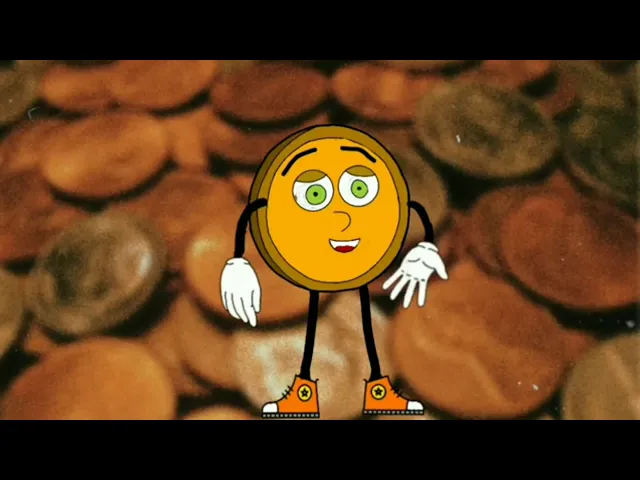
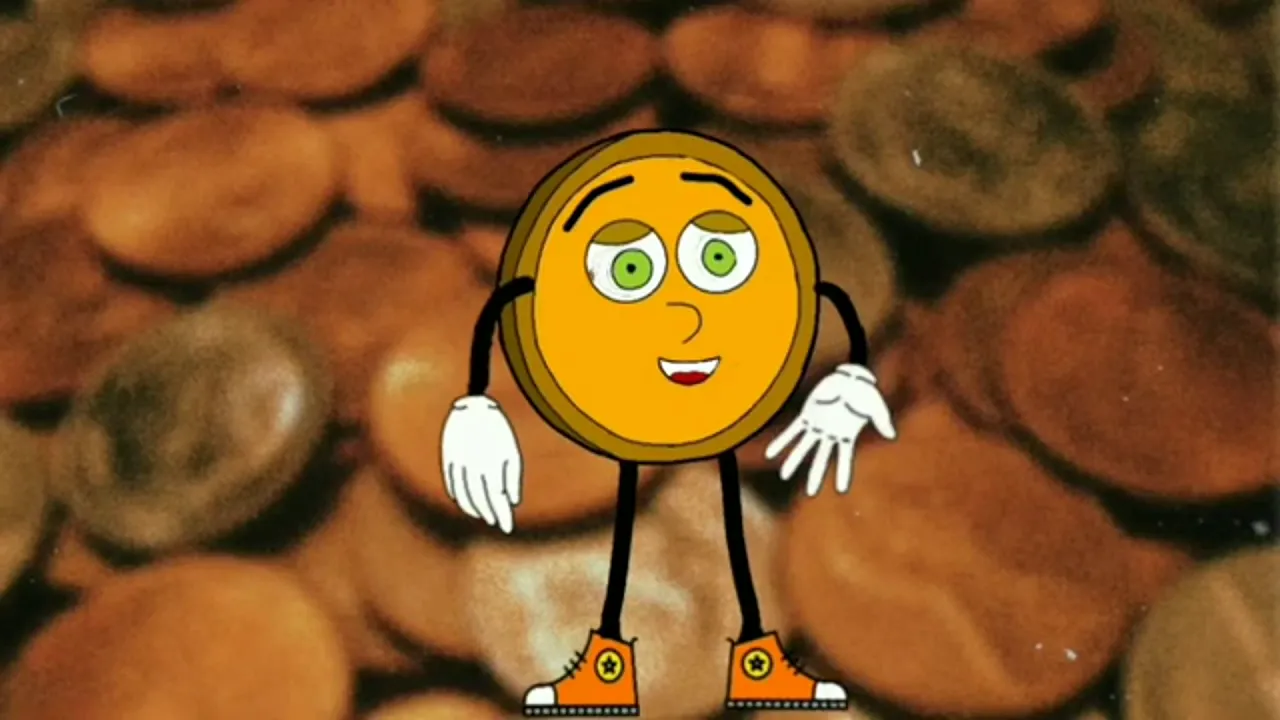
Hello, my name is Tostão and today I'm going to to give you some information about consumerism. So here we go. Have you ever stopped to think about how much consumption we produce on a daily basis?
If we multiply this number by the number of people inhabiting the planet, quite a lot, isn't it? The fact related to the purchase of products or service, in an exaggerated way, is called consumerism. But before we go any further, it's important to I need to know the difference between consumption and consumerism.
The term consumption is linked to the act of consume necessary for all human beings. Consumerism, on the other hand, is related to excessive and alienated consumption. Consumer behavior emerged from the Industrial Revolution, in the 18th century, where the scale of production and volume of goods increased.
Thus, the consumption of products became every time According to a survey, at the Acato Institute, 76% of Brazilians do not practice conscious consumption. This is due to a number of factors, such as for example, the fact that consumerism is now associated with the positive ideas with happiness and a sense of satisfaction. It's also fair to say that companies encourage accelerated, unnecessary consumption through greedy and persuasive advertising, thinking only of profit Obviously, actions would come with consequences.
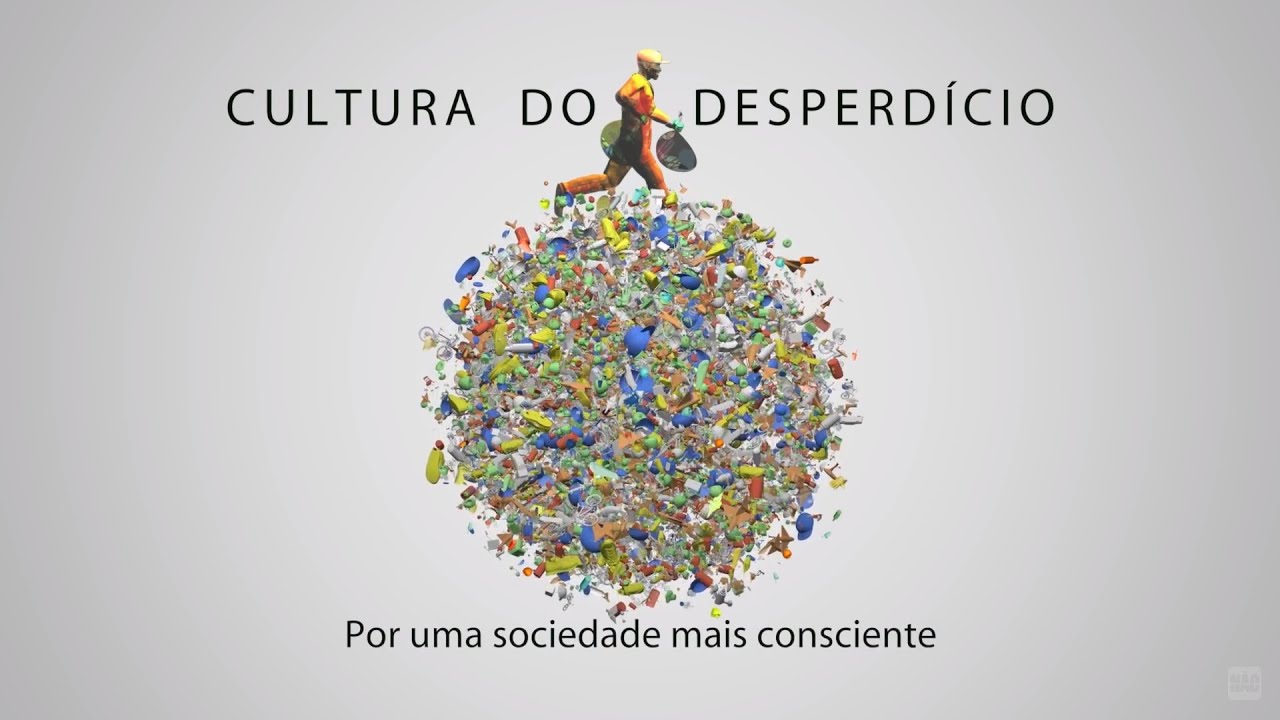
Consumerism generates various impacts, both both social and environmental, for the environment. We can feel the great production of waste, the emission of polluting gases, and the degradation of ecosystems. The consequences for society are related to the loss of relationships social, where we often include people and judge them simply because they are she doesn't own such an object or isn't wearing fashionable clothes.
But what can we do to solve this problem? Leave that question to my friend, who knows a lot about the subject and leaves a lot of people with a headache at the end of the world. Nice to meet you.
My name is Eboleto. But don't be alarmed. Today I bring you only good news.
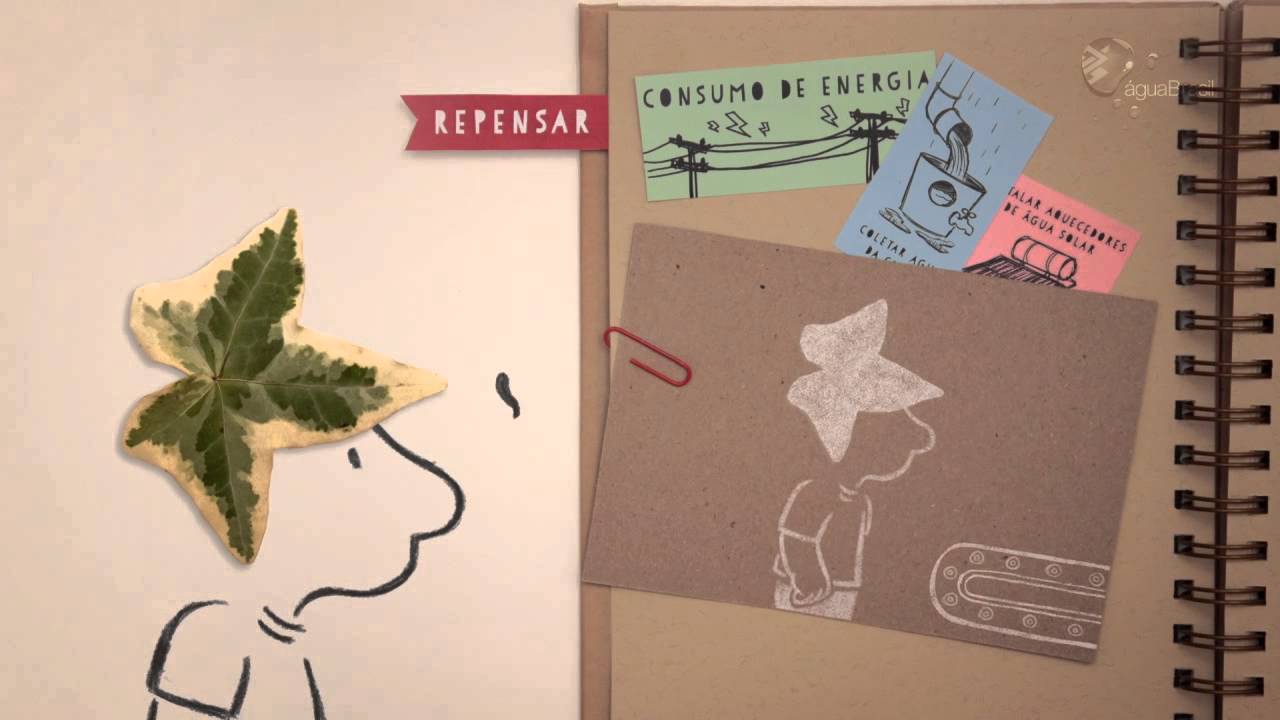
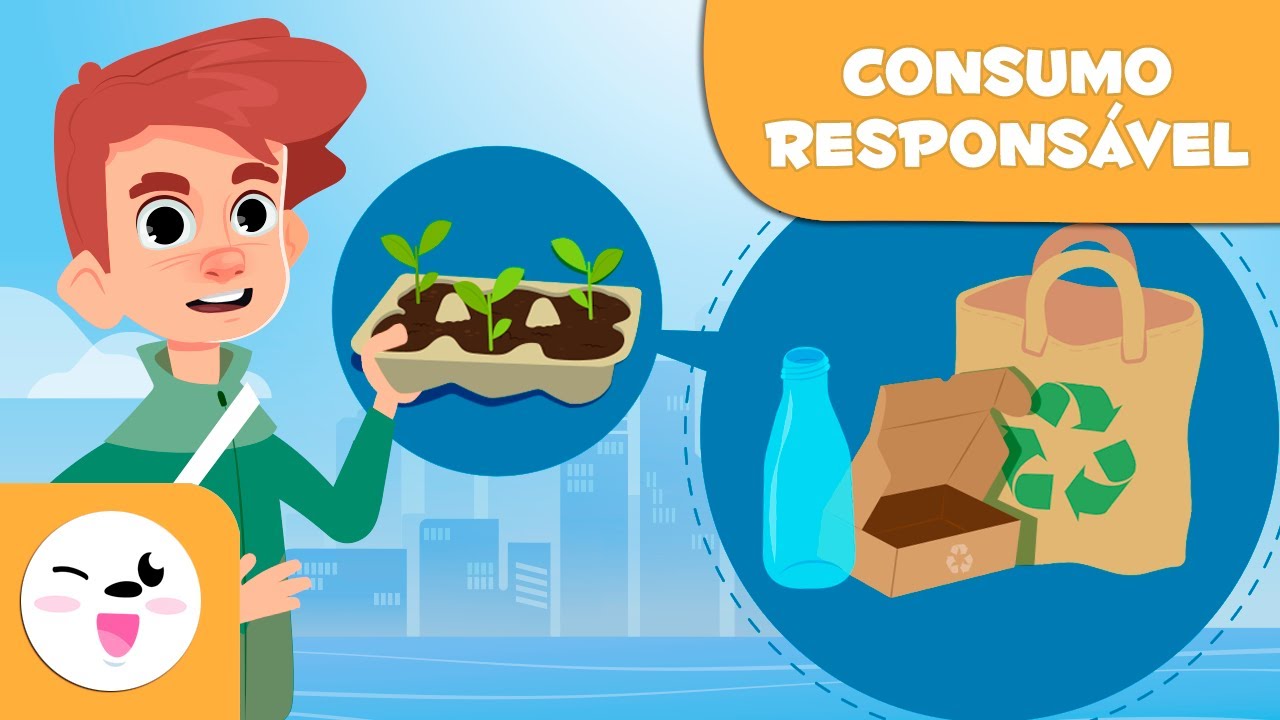
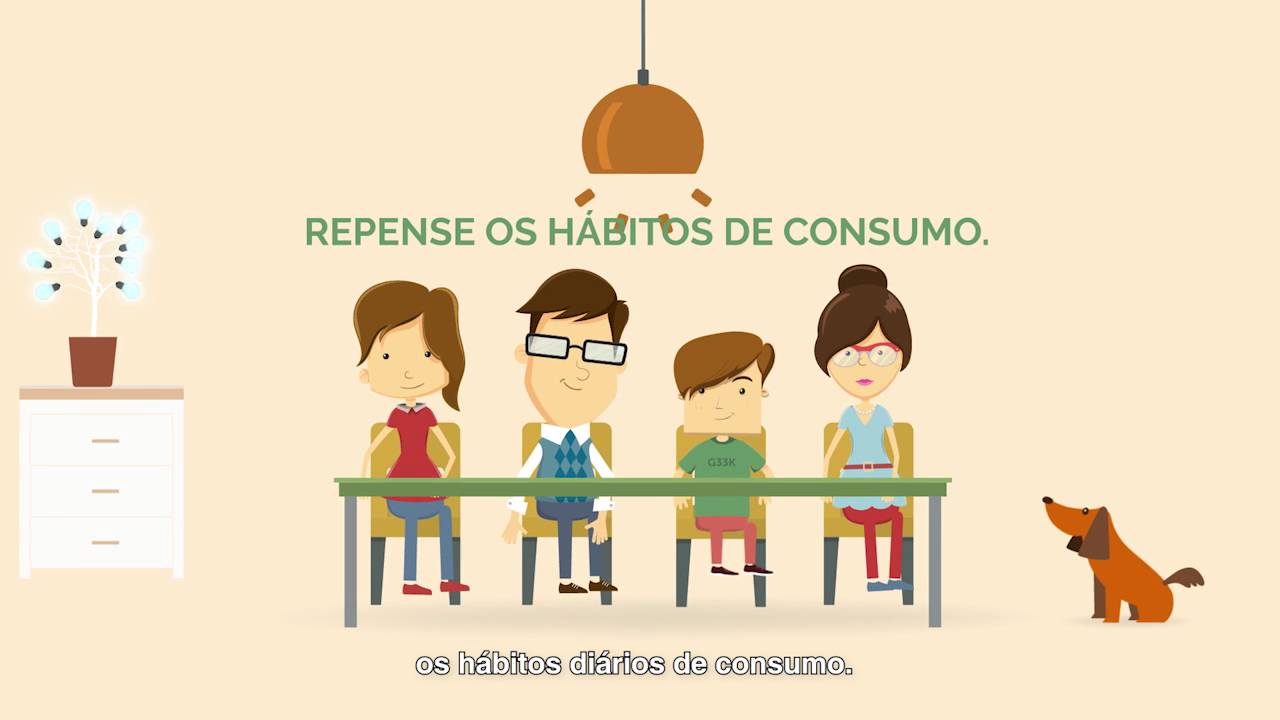
Well, there are several alternatives to reduce cold consumption and the Most of them revolve around becoming a conscious consumer. But what is a conscious consumer? The conscious consumer is the one who takes the environment, human and animal health.
Fair labor relations, in addition to issues such as price and brand, the conscious consumer takes into account the principle of three: reduce, recycle and reuse. In other words, consuming fewer products with a high potential to pose a risk to nature. Reuse everything that is not disposable and transform materials various prime materials for other products.
Therefore, good alternatives such as planning your shopping, using bags to value companies that care about the social and environmental environment. If you prepare the waste, you contribute to becoming a conscious consumer. Other very important things to be consumers: attentive and responsible.
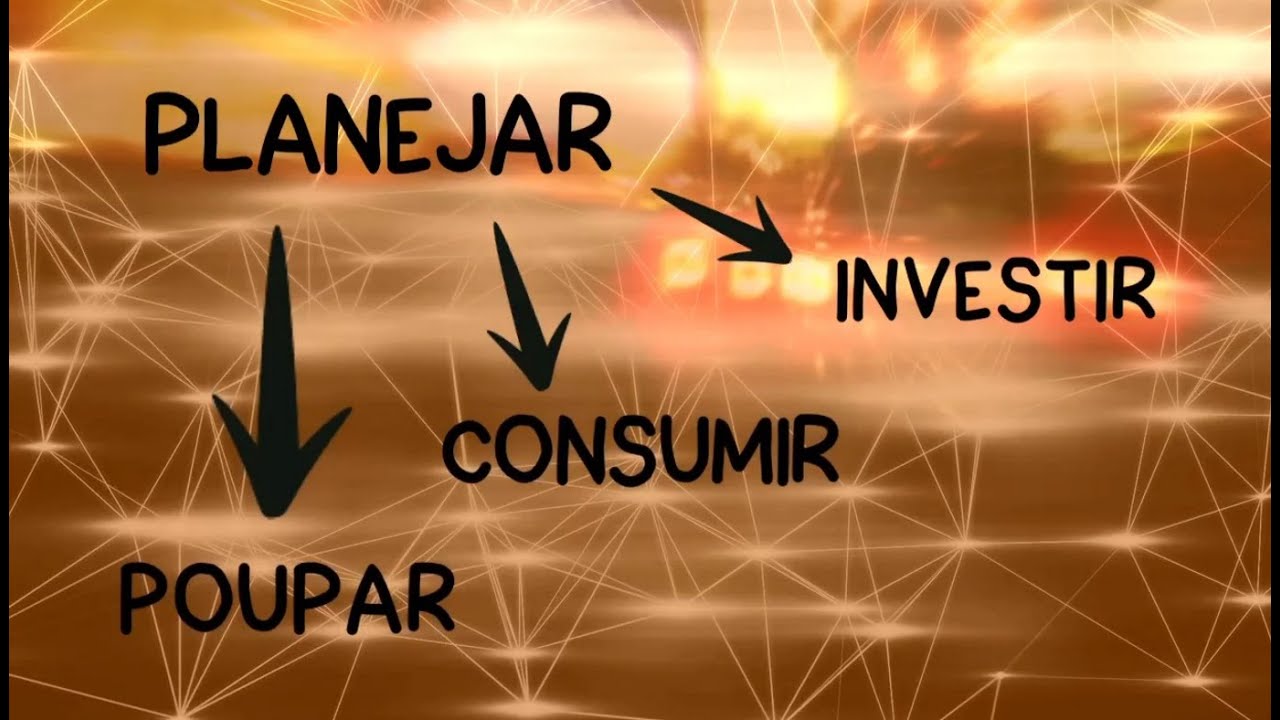
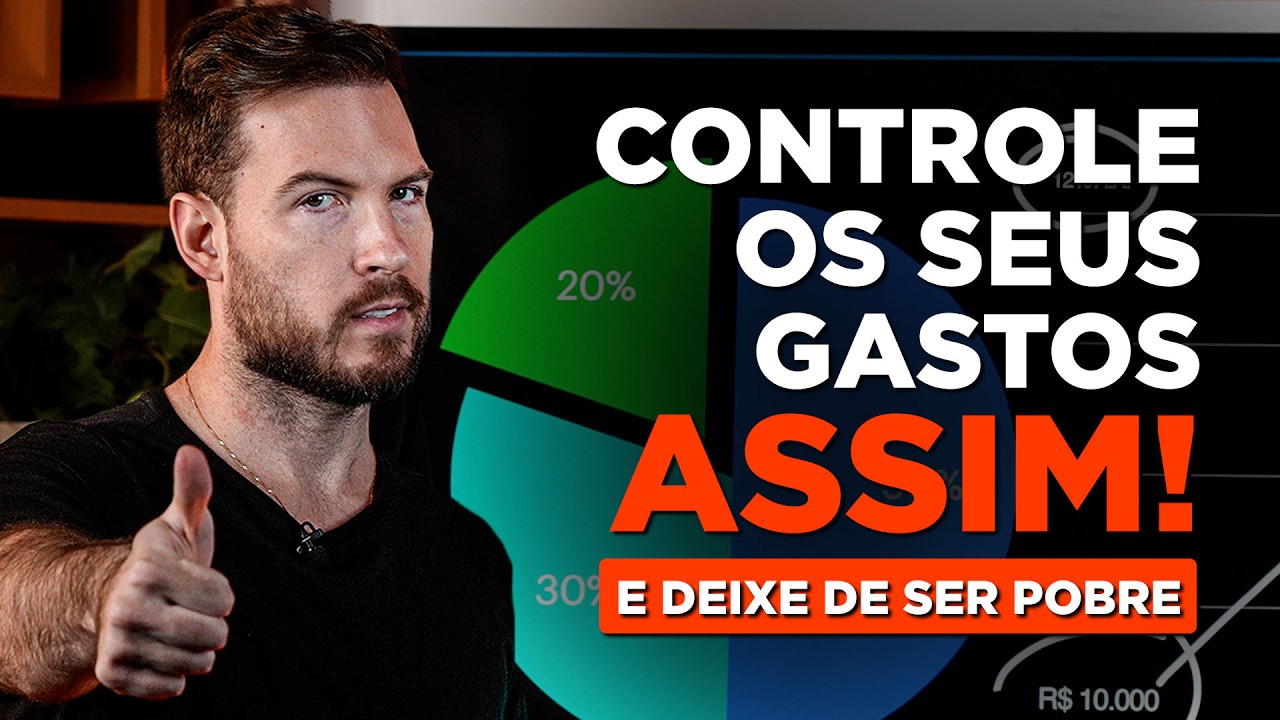
It's about knowing how to plan, calculate and manage your spending, save, invest and also use a great ally that helps a lot to understand the value of money. Financial Mathematics. With it, we can learn to calculate the interest, discount, amount, the value of a loan installment, for example.
You need to be financially responsible and spend less than you earn, evaluate whether you really need that product, and only in the urgency of the purchase. Get started now. Our planet and your pocket thank you.