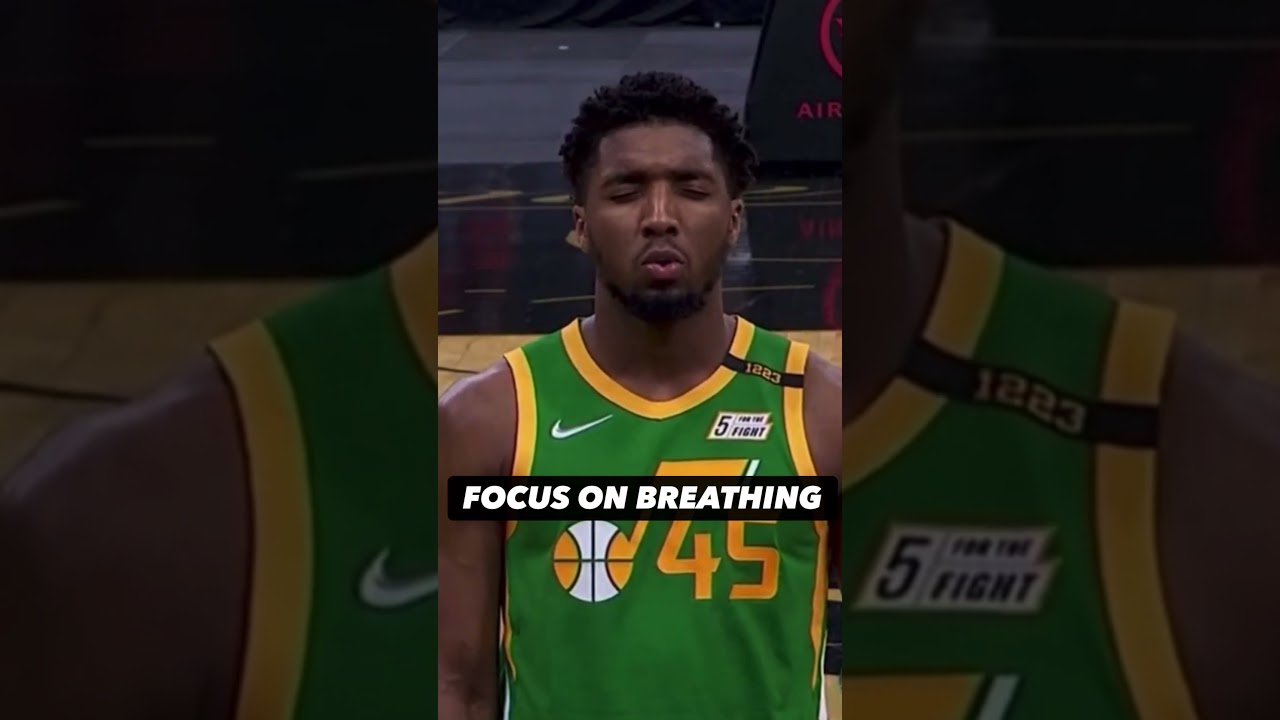
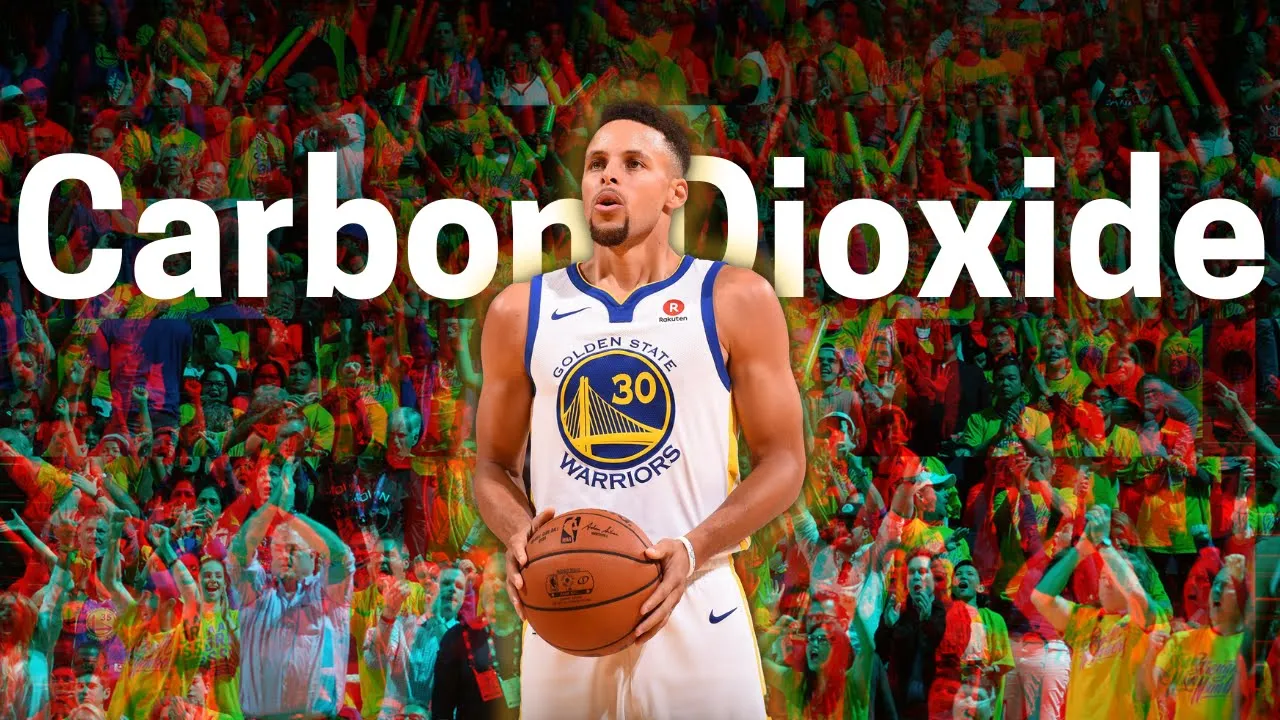
Stops. Klay Thompson. Curry sidestep, 3 pointer, This is Stephen Curry.
It’s the close-out game in the NBA finals, in the hellacious Boston Garden. Curry has been sprinting all over the court the entire game looking for opportunities to score. He’s shooting this shot in the face of the NBA’s defensive player of the year.
Yet, in this moment, he’s so calm, collected, and confident in his abilities, that he doesn’t even need to watch if this shot goes in. He’s completely showboating without a worry. A move that, if failed, embarrasses himself in front of nearly 14 million people watching the biggest game of the year, worldwide.
And of course, it goes down. It’s good, Steph Curry from downtown! How is this even possible?
How is one man seemingly on a different level of consciousness than the rest? Not even slightly intimidated by the immense pressure of the moment, but instead relishing in it. You may say: well, he’s one of the best players ever.
Of course, he’s confident. But Stephen Curry has been in this situation before, and yet the pressure threw his game off. On Curry and Curry’s gonna get hit with a technical!
Eliminate, especially closing out games. Don’t tell me that’s a bad shot, that’s the shot he’s been living on. Same man, same pressure, but vastly different outcomes.
So what changed? Believe it or not, Steph has figured out a way of training his body and mind to adapt to the monumental stress of playing a professional sport at the highest level. And what it is, may just reshape the way you think about handling stress in your own life.
At the simplest level, our bodies produce energy by taking in oxygen from the air we breathe and combining it with the food we eat in a combustion reaction. We often talk about how important the diet is in terms of our overall health. However, perhaps even more fundamental to our quality of life is the other half of this equation, how we breathe.
If we understand that health is primarily determined by our capacity to generate energy efficiently and that stress is the adaptive response to increased energy demand, we can understand how to use our breathing to our advantage. What are two of the dirtiest words in the English language? Well, if you’re concerned with global warming, as so many people are these days, the answer is obvious, the two words are: Carbon Dioxide.
Carbon dioxide has gotten a bad rep as of late for obvious reasons, but its importance to human metabolism cannot be understated. As we’ve touched on previously, it is not just a waste product of respiration, rather it is a driver of energy production, allowing for better oxygen delivery into cells. While Steph Curry is a known killer on the court, what you may not have realized is that Steph has a propensity for playing better at certain locations.
Over the last 3 years, Steph has dramatically improved his on-court production when he visits the two teams that play at, by far, the highest altitudes of them all: The Utah Jazz and the Denver Nuggets. So what’s going on here? Well, Dr Ray Peat has frequently discussed the health protective effects of living at high altitudes, and this seems to be related to the composition of the air up there.
At high elevations, the pressure of carbon dioxide relative to oxygen is significantly increased, allowing for more efficient energy production in the mitochondria. But Curry sank this savage dagger in Boston, a few thousand feet below Salt Lake City and Denver. Believe it or not, Steph has another trick up his sleeve to reap the benefits of carbon dioxide during games.
I’m sure you’re all familiar with the cliche of an anxiety-riddled individual breathing into a bag for dear life. These types of panic attacks are induced by our principle fight or flight hormone, adrenaline. Adrenaline is there to rapidly increase your energy and get you going, and this is accompanied by an increase in oxygen demand, which typically manifests as hyperventilation in this context.
It also coincides with a decrease in the amount of carbon dioxide being produced. The more carbon dioxide you lose, the greater your odds of adrenaline producing this unpleasant response become. Breathing into a paper bag in this instance helps give your system the CO2 back, thus allowing your tissues to be oxygenated properly once again, meaning you start meeting energetic demands, relax and effectively halt the stress reaction.
This doesn’t have to be employed for a full-on anxiety attack though. Sometimes, it can just seem difficult to get enough air, especially in times of stress or increased energy demand. Just from personal experience, and yes I’ve done it enough to know now, it can rapidly lower this sensation and level your head a bit.
For instance, one time I woke up in the middle of the night and couldn’t fall back asleep for a while. I was tossing and turning, my heart was pounding more than I’d like, the classic nighttime adrenaline response. After about 30 minutes of this, I breathed into a paper bag for around a minute, up until it got slightly uncomfortable.
I was able to fall back asleep within minutes, and my adrenaline symptoms had subsided. Now, I know the thought of casually breathing into a bag whenever you start to feel overwhelmed may sound a bit insane. And that’s because it is.
I CAN'T LET THESE PEOPLE PLAY ME. NAME ONE GENIUS THAT AIN’T CRAZY. Fortunately, there are several other breathing techniques that can produce similar effects and can be done in public without the risk of others seeing you and calling 911.
There are also supplements that can help you increase CO2 production and thus improve respiration. Two of my favorites are methylene blue, which can actually sub in for oxygen for an added benefit, and thiamine otherwise known as vitamin B1. We’re pleased to announce partnerships with two great businesses that supply these supplements at a high quality.
Our friends over at MBCure are selling the absolute best price per gram USP grade methylene blue product on the market and BulkSupplements has thiamine and a plethora of other pure and economical supplements that are even at a discount to you. Make sure to use our affiliate links in the description below to support both us and your respiration. The simplest place to start in terms of breathing is picking the correct entrance.
Now, I’m not here to say you shouldn’t breathe through your mouth if you feel it is absolutely necessary, but again, this is an adaptive response to stress. When feasible, breathing through the nose seems to be the superior option. The nasal route increases the relative amount of carbon dioxide produced and retained , meaning greater systemic tissue oxygenation and energy production.
Something that needs to be addressed in this discussion is mewing. To mew, you close your lips with your teeth gently touching. Then, rest your entire tongue on the roof of your mouth with the end of your tongue sitting right behind your teeth without them touching.
Mewing ensures the airway is larger and seems to allow for a more complete nasal inhalation, and thus should be applied to any of the techniques discussed. Next is ensuring the proper route for your respiration. Essentially, there are two primary ways to achieve airflow: thoracic and diaphragmatic breathing.
Thoracic breathing is driven by the “accessory muscles” of respiration, including the upper trapezius and scalene muscles. This results in a breath that is, for lack of a better word, shallow. Diaphragmatic breathing on the other hand is driven by, well, the diaphragm.
It’s also referred to as belly breathing since when you do it correctly it feels like your stomach is being filled with air. This allows the lungs to completely fill, meaning breaths are longer and deeper. The theme of effective breathing methods seems to be the pace, mainly deep, slow exhales.
For example, traditional yoga breathing practices have been heralded for thousands of years for their ability to lower subjective stress and overheating, and these practices typically emphasize a slow exhale. This allows for greater retention of carbon dioxide and can raise energy expenditure and core body temperature. The only problem here is that they promote inhalation with the mouth.
Diaphragmatic breathing, emphasizing nasal inhales and slow exhales, maximizing carbon dioxide production, can increase energy expenditure by over 20 percent! That’s pretty incredible, especially when you consider that it's doing so in a stress reducing, not inducing, manner. It may sound like a bunch of hippie esoteric nonsense, but there’s a good body of research into the anatomical and biochemical phenomena that result in these changes.
A great review in 2015 proposed breathing techniques as primary treatment for anxiety, laying out a mechanistic framework. Anxiety and nervousness, broadly, are mediated in large part due to the sympathetic nervous system and its associated stress hormones. It can be thought of as an “over-excited” state of the body.
As we discussed in our last video, this excitation, on a cellular level, is driven by an increase in intracellular calcium. Salt is something that can help blunt this increase in calcium and help cells get back to their resting state, and it’s no coincidence that salt also helps decrease sympathetic tone. Interestingly, breathing techniques can work in an analogous manner.
By breathing deeply and consciously, and increasing carbon dioxide systemically, intracellular calcium can be lowered. This is probably in part due to CO2’s effect on energy production, which helps get the cells out of their excited state. This seems to have a stabilizing and connecting effect throughout the body.
It allows our breathing and heart rate to couple or synchronize. All of this culminates in us starting to chill out and relax again. Stressful events tend to result in our heart and respiration uncoupling, we hyperventilate for more air and our heart rate gets jacked up.
The slower and deeper we breathe, the better we are able to get the body back to homeostasis. In February of 2021, it became apparent Stephen Curry and his trainers got wind of this information, pun absolutely intended. In fact, they became so fascinated at the possibility of Steph being able to reset his nervous system, breathing and heartbeat through deep breathing that they started training his diaphragm.
You heard that correctly. The diaphragm is in fact a muscle and can be trained like any other. By placing increasingly heavy sandbags below his ribcage, and having Steph practice diaphragmatic breathing, they’ve effectively beefed up his windpipes and consequently increased his ability to lower sympathetic tone.
This gives Steph a few key advantages. First off, he has probably the best conditioning of any player in the history of the game. I mean, this guy literally cannot stand still during a game, he is constantly running all over the place.
Second, by lowering sympathetic tone and adrenaline, it allows him to keep calm and confident under the intense pressure of the NBA. And that allows him to do cool stuff like this “Steph 3” without a care in the world. Now, I wouldn’t necessarily go with that approach unless you have aspirations of becoming a 4 time NBA champion, but there are several techniques that can accomplish similar effects.
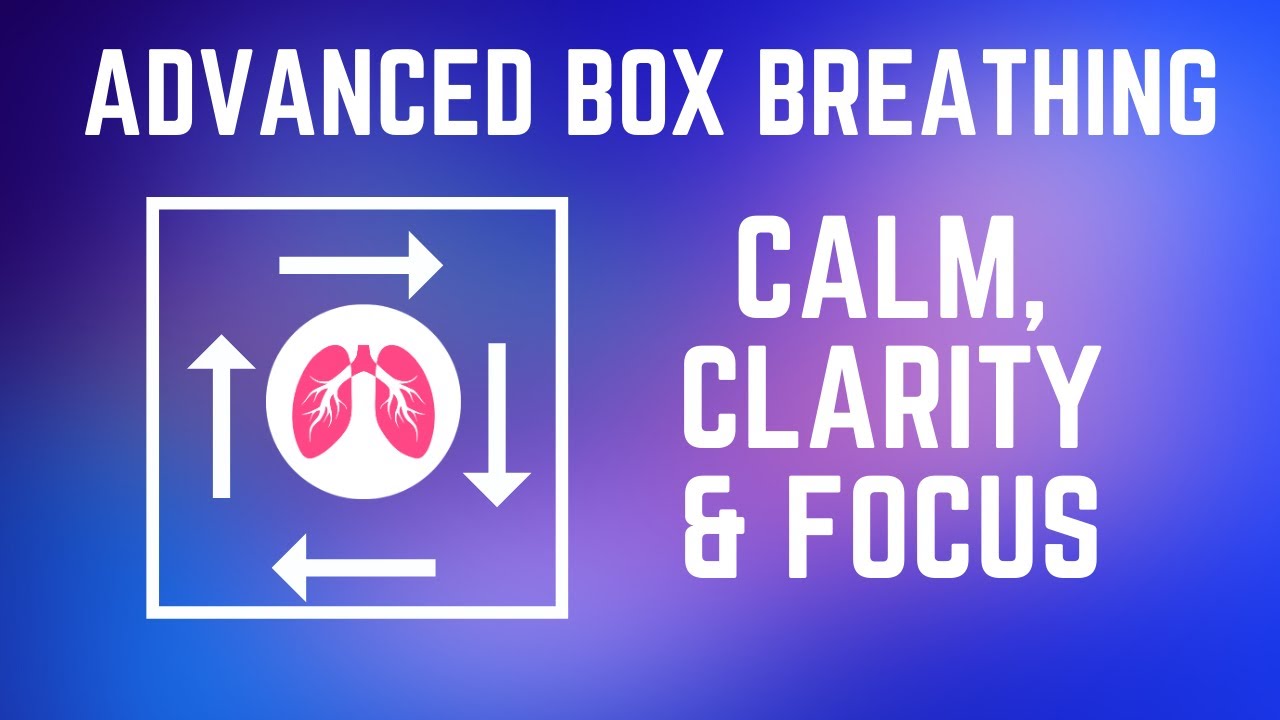
We’ve mentioned bag breathing, which I’ve found to be exceptionally useful despite its goofiness, and diaphragmatic breathing, where slowly breathing through your nose and feeling like your belly gets blown up with air. We’ve also touched on the importance of emphasizing the slow nasal exhale. Then there’s the recently popular 478 method, breathing in for 4 seconds, holding the breath for 7 seconds, and exhaling for 8 seconds.
The most important things seem to be breathing slowly and deeply, preferably through the nose, in order to increase carbon dioxide production and retention. So honestly, I wouldn’t be too worried about which specific technique you go for, whichever feels the most sustainable for you is going to be best. Now, some of you may be thinking: “that sounds great but I can’t really breathe through my nose well, I’m always congested.
” Fortunately, carbon dioxide may just be your best remedy for this bothersome issue. Chronic congestion is thought to be of inflammatory origin, and nasally administered carbon dioxide has shown great benefit for people struggling with this. Interestingly, it seems to accomplish this by reducing the rise in intracellular calcium that is seen in this condition.
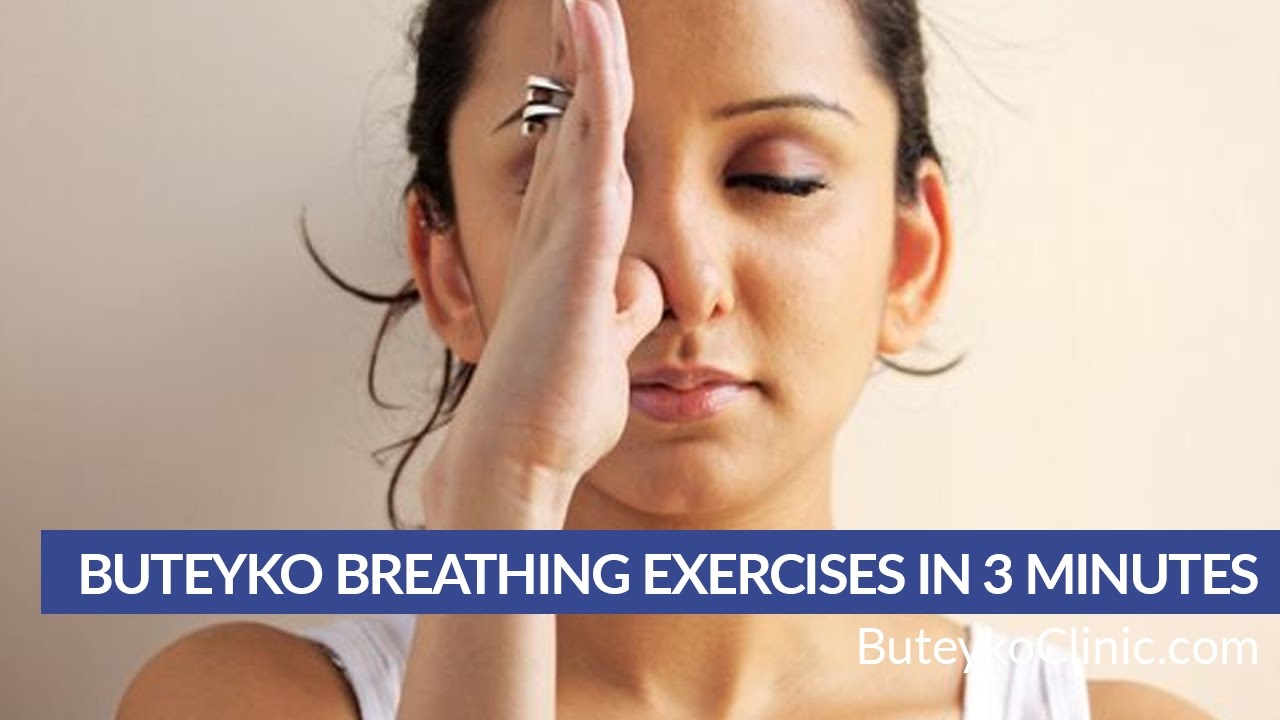
Even if you don’t want to use a CO2 spray, there is an at-home method inspired by Ukrainian doctor, Konstantin Buteyko, that could do the trick. Simply inhale and exhale out of your nose. Immediately after exhaling, hold your breath and close your nose with your fingers.
Keep holding your breath for as long as you comfortably can while tilting your head forward and back. Then make sure you take that next breath in through your nose. Give it a shot if this is a problem for you and let us know if it works in the comments.
Dr Buteyko also developed many other breathing exercises that are different in execution than those previously mentioned but have similar effects of increasing carbon dioxide and lowering the stress response. Here is a brief explanation of how to perform Buteyko Breathing: I’m gonna wait til he exhales then inhale, 1, 2. Exhale 1, 2, 3.
Block your nose and were gonna count, 1, 2, 3. Let it go. Inhale, 1, 2.
Exhale, ,1 2, 3. Block the nose and relax the stomach, 1, 2, 3. While this form of Buteyko Breathing is specific to calming down, there are many different varieties of it that can be used to treat health problems like sleep disorders, panic attacks, rhinitis, anxiety, and most notably asthma.
It’s definitely a topic worth looking into if you suffer from any of these conditions. In general, the principles demonstrated by the various techniques shed light on how stress comes about and how our bodies can handle it when we give it the proper tools. These fundamental principles: energy production, carbon dioxide, cellular excitation, and nervous system control, are all at the core of how we perceive and handle stress, which seems to be at the root of our health problems.
We talk about that more in this video, which I think you guys will really enjoy if you liked the talk about breathing techniques. We also talk about these topics on Twitter so make sure you guys check that out, and we offer in depth one-on-one consultations if you donate on Patreon. As always, don’t let them fool you, subscribe to our channel.