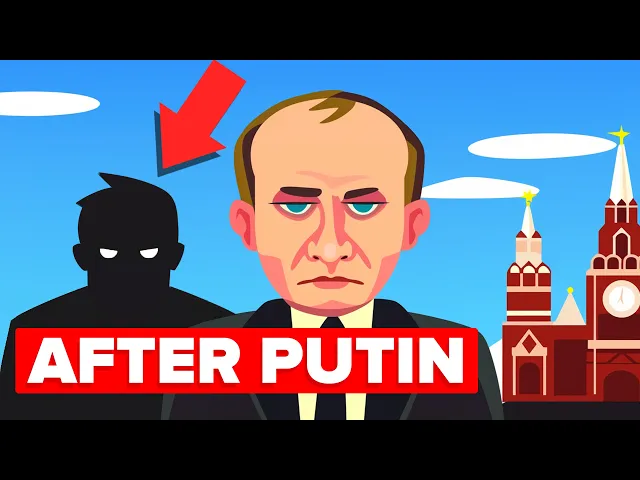
Vladimir Putin’s iron grip on Russia, which began in 2000, has just been extended for another six years—or so it seems. . .
With the Russian leader now in his 70s, rumors about his health are swirling and casting doubt on his ability to hold onto power. That's not helped by the fact that Russia as a whole is teetering on the edge, destabilized by the ongoing and costly war in Ukraine. As the conflict drags into its third year, Putin’s once-unshakable position has, for maybe the first time ever, actually been thrown into doubt.
So, what happens when Putin is no longer in charge? Whether that's from his own choice, or from being overthrown. Who will be the one to stab him in the back and take the throne for themselves?
And would they be any better for Russia? Let's find out. The first such option is arguably Putin’s long time ally Sergei Shoigu.
As Russia’s former Defense Minister, he was one of the people responsible for Russia invading Ukraine in the first place. Although the strategy had flaws in hindsight, Shoigu hasn’t fallen out of Putin’s favor just yet. Shoigu’s political activity spans decades.
During his 20-year tenure as the Minister of Emergency Situations between 1992 and 2012, Shoigu has built up a reputation in Russia as one of the most vocal and visible members of the government. His hands-on approach and willingness to travel cross-country to respond to high-priority natural disasters made him a popular figure at a time when Russia was recovering economically after the collapse of the Soviet Union. His efforts have bolstered the locals’ opinion of the government, which would no doubt create a stable foundation for Russian internal propaganda to take hold throughout the country.
Throughout his extensive political experience, Shoigu has remained one of the most popular, or at least notable, public figures in Russia, largely thanks to his previous military wins in annexing Crimea. But while he is one of the most likely candidates to take the crown, so to speak, there are a few factors working against him. For one, his recent activities in Ukraine have slightly soured the public’s opinion of him.
Shoigu’s failure to take Ukraine quickly has probably caused more losses in the 21st century than any other global conflict based on its duration. As a result of this on May 12, 2024 Putin signed a decree on Sunday appointing Shoigu as secretary of Russia's Security Council. Additionally, Shoigu is only a few years younger than Putin.
Even if he manages to get hold of the presidency, his tenure will likely be much shorter than Putin’s, creating a potential to destabilize the country further as parties scramble to find the new status quo. Based on Putin’s own admissions, he would highly prefer someone younger to take control of Russia in order to ensure that power doesn’t pass through his hands too quickly. That someone younger could be Dmitry Kovalev.
A mysterious Russian member of the Presidential Administration Office, Kovalev, was spotted in a close conversation with Putin during the May 2022 Victory Parade in Moscow. The photo of the pair roused international media due to the fact that Putin famously avoids being in public with other people. Therefore, any sightings of Putin talking to someone are interpreted as them being a possible successor.
However, the information on Kovalev is surprisingly sparse. While the Presidential Administration Office theoretically holds great sway over the presidential post, Kovalev doesn’t seem to be that high on the department’s pecking order. Kovalev’s claims to the presidency would only be realized if Putin decided to personally elect him as a successor through a more prominent political position.
However, this has yet to happen, and Kovalev has remained out of media attention since the original sighting, making him unlikely to be a serious contender. On the other hand, this could just be a part of Putin’s tactic to divert attention and put someone new and young as the head of Russia. But if Putin was looking for successors close to his group of confidants, he would more likely go for Nikolai Patrushev.
As the former head of the Russian spy agency FSB and one of Russian president's aides, Patrushev’s rise to power is strikingly similar to Putin’s. With ties deep into the Russian spy network, Patrushev has the means and motive to direct Russia’s politics to his goals. And, through his common history with Putin as part of the KGB, the pair hold similar worldviews, particularly on the United States’ involvement in Russian affairs.
He once famously accused Washington of pursuing a hidden agenda to collapse the Russian Federation. In some ways, Patrushev would likely have a more extreme reaction to the West trying to temper Russia’s influence on former Soviet countries. Therefore, his presidency could be marred with the same problems for the West as the past few years of Putin's.
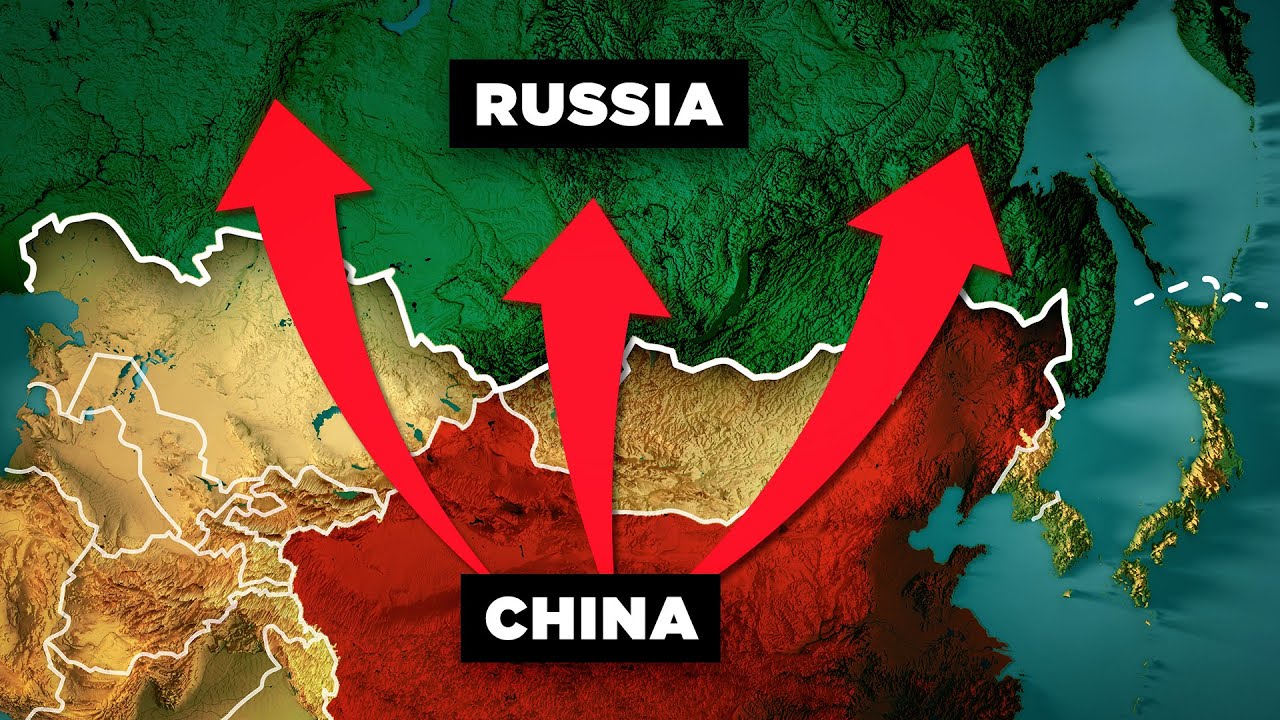
Patrushev’s most recent involvement in Russian politics and diplomacy has sent him to Russia’s eastern flank in China. China has been identified as one of Russia’s main trading and political partners after the invasion, so Patrushev, being the one to facilitate this relationship, is likely one of the most trusted members of Putin’s entourage. Furthermore, if Putin does end up leaving the post, Patrushev’s ties to the military and spy network, as well as a favorable view of Russia’s biggest trading partner, would mean that he would likely face minimal opposition.
However, Patrushev suffers from a problem similar to Shoigu's. He is two years older than Putin, meaning that his rise to power would likely be cut short by speculation of health issues. What Patrushev could do instead is groom his son, Dmitry, for the role.
The 46-year-old deputy prime minister graduated from the FSB academy, putting him squarely within the same political sphere as Putin and Patrushev. Additionally, Patrushev once called the FSB Russia’s new nobility. Due to Dmitry Patrushev’s clear ties to the FSB and Putin’s ability to prepare him for the role through his generational “comradeship” with his father, Dmitry should very well be on everyone’s radar.
Fortunately, Dmitry’s accession as Russia’s president would also alleviate some of the concerns that the West has over Russia’s long-term plans. The young successor could likely be swayed into achieving peace with NATO and is less likely to be threatened by nuclear warfare. While Dmitry would probably not change the nature of the Kremlin’s authoritarian regime, he could have a higher capacity to divert course to something less threatening to Russia’s enemies, saving Russia as a country in the long term.
If Putin wants to avoid that, he’d likely have the presidency passed to someone close to him so the successor could direct the new generation into Putin’s way of thinking. There are a few other possible options from Putin’s inner circle, starting with Alexei Dyumin, who many consider to be Putin’s bodyguard. Dyumin’s claim to fame arose from his 2016 interview where he claimed to save Putin from an attack by a brown bear.
Regardless of the validity of these claims, it set up Dyumin as a fiercely loyal successor who would protect Putin’s interests well beyond the latter’s presidency terms. Furthermore, Dyumin has also been backtracked to Russia’s annexation of Crimea and credited as playing a vital role in leading the “special forces operation,” as it was called in 2014. In 2016, Putin appointed Dyumin as the governor of Tula, a province south of Moscow with key strategic interests, as one of the barriers between the West and Russia’s population and economic center.
With no previous ties to the city or the oblast, many have questioned the exact motive behind such a move. The tactic of appointing governors to nearby (or remote) areas of Russia is not that uncommon. It was one of the primary ways the Kremlin has been able to consolidate power within Moscow.
By sending officials with strong political and ideological ties to other oblasts, the Kremlin has been able to exert considerable power and stifle any attempts of independent leadership. The practice has also been compared to Putin’s rise to power. As Prime Minister of Russia in 1999, Putin was a relatively unknown politician, yet Boris Yeltsin–Russia’s president at the time–personally named him as his successor.
Some believe that these appointed Russian governors, or “parachutists” (sometimes called “Varangians”), are among the prime candidates for future succession. Their current success has been brought about entirely due to the Kremlin’s interference, making them highly unlikely to promote a differing ideology. While Dyumin is considered to be staunchly pro-Putin, another one of Putin’s close historical allies could maintain a more tempered ideology on Russia’s future.
This is, of course, Dmitry Medvedev. The former Russian president was basically given the post by Putin between 2008 and 2012 as a way for Putin to remain in power, even if only behind the scenes. This is due to the Russian Constitution preventing a president from serving for two consecutive terms—something that Putin managed to go around through his 2020 reforms.
Medvedev’s term as Russia’s president was tempered, possibly as a result of Medvedev’s apparent lack of ambition without Putin to guide the country directly. After Medvedev stepped down and Putin resumed his post, Russia’s political endeavors put it in conflict with some citizens, and Putin needed a scapegoat. That turned out to be Medvedev.
In light of a 2020 accusation of embezzlement against Medvedev made by Putin and other members of the president’s inner circle, Medvedev was demoted from Prime Minister to deputy chairman of the Security Council, a role under Putin and Patrushev. However, Medvedev has been making waves in Russia since the invasion of Ukraine. His previously relatively liberal and pro-West views during his presidency were completely abandoned and replaced with staunchly pro-populist, anti-Western views.
This move to align himself with Putin’s ideology is no doubt a way for Medvedev to get back into Putin’s grace as one of his most trusted men. Furthermore, Medvedev is only 58 years old. That puts him somewhere between Putin’s generation and that of Dmitry Patrushev.
This would mean that he could theoretically extend Putin’s ideology for two more terms and prepare the next president to do the same. Alternatively, Medvedev’s previous record of maintaining friendlier ties with the West during his presidency could be seen as the perfect starting point for creating a new path for a future Russia. But it’s not clear how much of Medvedev’s saber-rattling and often maniacal comments on world politics are a ruse to get him back on Putin’s radar as a successor.
Ultimately, Russia’s future under Medvedev could be uncertain. But where the previous Prime Minister has failed, the current one might prevail. The post is currently held by Mikhail Mishustin.
He was appointed Prime Minister after the same changes that spelled doom for Medvedev and allowed Putin to bypass the constitutional lock on the presidency. Mishustin’s history as the director of the Federal Tax Service, a role he was appointed to by Putin in 2010, earned him a stellar reputation as a technocrat and filled the country’s coffers to pursue international interests (such as the invasion of Crimea). As such, Mishustin could be the mediating factor pushing Russia into a true technocracy while ideologically enforcing its rule over former Soviet nations.
It would also mean the heightening of already considerable technological warfare and propaganda between Russia and the West. On the flip side, Mishustin doesn’t have a significant chance to be elected or named as a successor. He would become the acting president only if Putin were incapacitated or deposed without naming his replacement.
Additionally, Mishustin doesn’t have much in terms of political history, making him ill-suited to be the president of one of the largest countries in the world. That’s where another prominent local figure can step up. That person is the Mayor of Moscow, Sergei Sobyanin.
While Sobyanin’s tenure as mayor for the past 14 years hasn’t been particularly notable, perhaps that’s exactly who Russia needs most as Putin’s successor. He hasn’t made headlines for his political opinions, yet under his leadership, Moscow has been able to flourish, becoming the country’s population and economic center. In fact, it holds a considerable amount of power over the entire Federation and accounts for 40% of the country’s GDP.
Sobyanin has managed to enact these changes silently, or at least be the person credited for them. This means that Sobyanin has had plenty of time to learn the inner workings of the Kremlin and could leverage his experience to propel Moscow forward as the nation’s true center. Sobyanin was also previously head of the Kremlin administration between 2005 and 2008 and deputy Prime Minister from 2008 to 2010.
This has likely given him key insights into Putin’s ideology and how it progressed over the years. If Putin fails to select a successor on time, he could maneuver around the political parties and groups and seize an opportunity for himself. Putin’s recent announcement regarding Ukraine has also played into Sobyanin's hands.
With many Russian regions assigned to help rebuild the conquered Ukrainian provinces, Moscow has been given the Luhansk People’s Republic. These efforts have shown to be full of danger, as two car bombs have claimed Russian deputies in Ukraine in 2022. If Sobyanin doubles down on bolstering Luhansk with Moscow’s wealth, it could set him up as a pro-Putin figure and make him a possible successor in the president’s eyes.
However, there are other people who might try to pursue the presidential role due to their long-standing prominent position in Russia’s government. Vyacheslav Volodin has been a part of the Russian government since 1999, rising from the post of regional politician from Saratov and a speaker at the State Duma. During his career, he has been named the Deputy Chairman, the Deputy Prime Minister, and finally, the Chairman of the State Duma since 2016.
This rise gives Volodin key insights into how Russia operates internally on the local, regional, and federal levels. Previously, Volodin has tried to curb the Kremlin’s influence on the nation by giving more power to the State Duma in electing vital governmental offices. It’s a notion that was partially passed in Putin’s 2020 constitutional amendments.
This makes Volodin approximately the fourth most influential person in the country. Additionally, Volodin has been noted to have presidential ambitions, but he doesn’t want to endanger Putin’s rule directly. This has put him in the same circle as Putin’s loyal “siloviki” which can be translated to "men of force” or "enforcers".
Due to Volodin’s experience in leading regional issues, his presidential post would likely help curb Russia’s centralization, at least on the surface. This could help stifle the significant protests from minority groups and independence efforts from farther-off regions, helping Russia stand united after Putin’s rule. The people we’ve mentioned are possible successors only if Putin chooses his successor or the constitution forces a role on the Prime Minister or a similarly high-ranking official.
If that happens, the West would have to contend with yet another authoritarian figure who will share similar views of Russia as an imperialist power. Of course, some successors could have moderating impacts on Russia’s politics, giving the West more options for diplomacy. On the whole, most successors that Putin would name would essentially be extensions of Putin himself, perpetuating his ideology for years to come.
While this is among the most likely scenarios for Russia’s future, it’s not the only possibility considering Putin's advancing age. Putin might not get to leave office peacefully, which could lead to a few different political and ideological paths that could change Russia’s political climate for good. One such option is the breakdown of the authoritarian regime and its replacement with a more democratic system.
While the main leader of the democratic movement in Russia had been Alexei Navalny—a person who was previously named among the top contenders for replacing Putin as president—the movement has been all but stamped out with Navalny’s suspicious death in prison. This goes hand in hand with the Russians’ passive approach to the invasion of Ukraine. With Russia’s propaganda machine working overtime to dissuade its citizens from believing Ukraine has even a chance of repelling the invasion, apathy might just leave Navalny as collateral damage in Russia’s quest to pacify the nation.
That doesn’t mean that democracy might not win out, however. Unrest is still brewing within Russia. Moscow has remained the hub of pro-Putin activity due to its relative distance from the front.
Since Putin’s conscription efforts so far have disproportionally targeted the poorer regions, Muscovites have been basically living in a sequestered country that has yet to be significantly affected by the war. Still, hundreds of thousands of middle-class Russians have fled the country to avoid being drafted. If the war in Ukraine brings about a larger need for manpower, Moscow might be embroiled in larger conscription efforts.
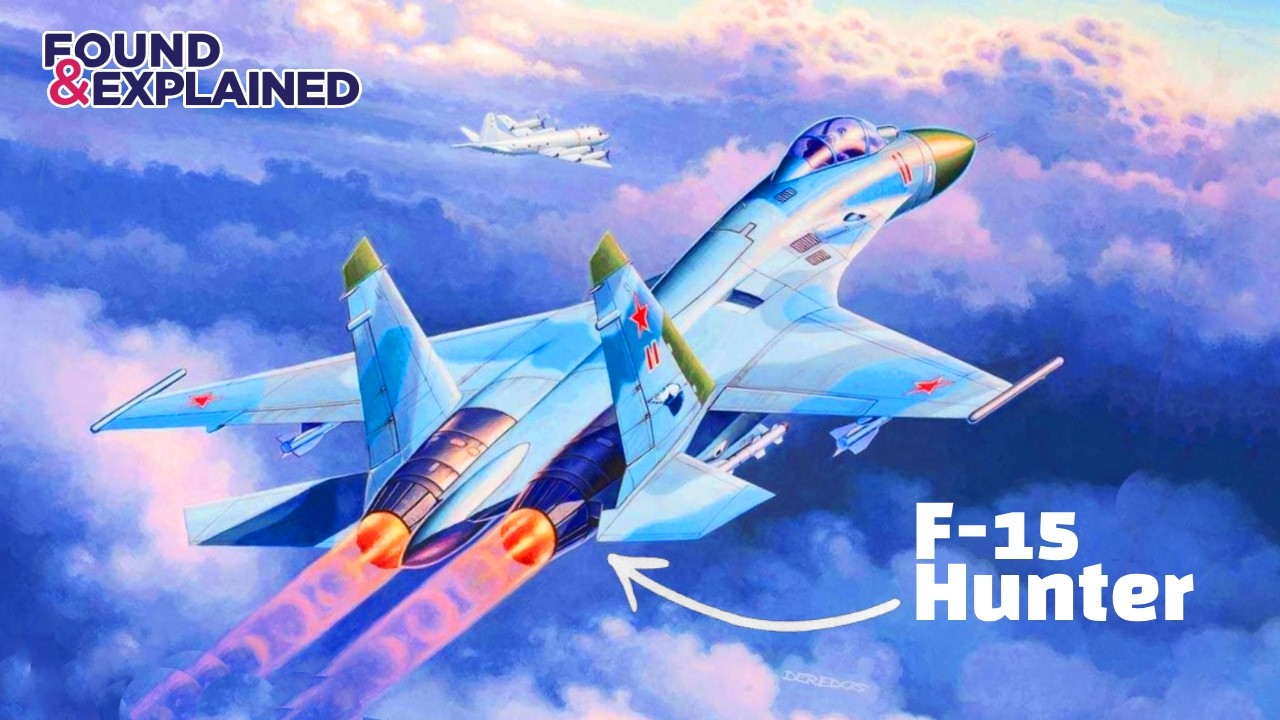
Should that happen, Moscow’s elite might finally realize how the war is starting to affect them personally, rather than only marginally, and rise up against Putin. The victory of democracy would also hinge on how the war in Ukraine is going, and the West can have a profound impact. While the previous financial and equipment aid has helped Ukraine hold off the Russian advance, more modern additions, such as F-15s from NATO countries, could turn the tide in their favor.
These developments and advancements in Ukraine’s military will take time to materialize, which could also align with widespread protests throughout the country. However, even if Putin gets ousted by democratic efforts, the new Russia might not be all that different from the one heralded by Putin. It would be up to the new government to completely remove Putin’s siloviki from power and create a new government that the West can count on to maintain friendly relations and put an end to imperialist ambitions.
Another scenario for Putin’s succession is an all-out struggle for power between the main political factions in Russia. By some counts, there are six main elite groups that will exert their influence over Russia. The first– the siloviki.
They have so far been largely responsible for putting Putin on the post and maintaining Russia’s image as an imperialist nation. Some of Putin’s proposed successors belong to this group, including Patrushev and Shoigu. On the whole, siloviki controls the country’s main military force but doesn’t control Russia’s main economic input.
If they fail to take over the country by brute force, they can hope to negotiate with another group to consolidate power. The second is the military-industrial complex, i. e.
the producer of Russian arms and military equipment. Rostec, the country’s main corporation that oversees armament production, also owns Novikombank. That means that the complex can also manage cash flow between the industries, bolstering its self-sufficiency.
One of the most influential groups is related to the gas extraction and processing industry. The two main players in the group are Gazprom and Novatek. Somewhat curiously, Gazprom also has its own military complement and a media service.
This means that Gazprom could create effective propaganda and information campaigns while creating a stranglehold on Russian politics by controlling one of the country’s main exports. The gas elite’s little brother is the oil extraction industry, headed by Russia’s Rosneft. The energy company doesn’t have nearly as much media and military influence compared to Russia’s gas giant, but it’s also one of the sectors that has more ties to the West since it directly competes for oil coming from the Middle East (one of China’s significant partners).
Another group that can hold significant sway over who can be the next Russian president is the Kovalchuk brothers, Yury and Mikhail. Yury Kovalchuk is the largest shareholder of the Rossiya Bank, which was elevated to one of the largest financial institutions in the country. The Kovalchuks are considered among Putin’s closest friends and have significant stakes in all major state media.
Finally, Russia could usher in a new age of autocratic technocracy with the help of Sergey Kiriyenko, the deputy chief of staff in the Presidential Administration, and Herman Gref, the CEO of Sberbank, the largest bank in Russia. The elite has spearheaded efforts to promote skilled administrators via sponsored plans such as “Leaders of Russia,” “Russia, Land of Opportunities,” and “School of Governors. ” As a result, the elites coming out of these programs can assume vital governmental positions and allow the two oligarchs to perpetuate their plans across Russia.
These six groups are unlikely to have common goals, and each one will try to take over the Russian administration for itself. In some cases, more forward-thinking groups like the technocrats might create a new Russian regime that is open to working alongside the West rather than against it. Others would perpetuate ideologies similar to, or in some cases worse than, Putin’s, plunging the country deeper into war and conquest.
In the worst-case scenario (depending on how you look at it), the Russian Federation could splinter off into its constituent republics, headed by the ideologies imposed on them by the elite that has the biggest hold on them at the time. Remember that Russia has 21 republics, 46 oblasts, three major cities, four autonomous regions, and nine krais, all of which could attempt to work alone and dismantle the federation. While you might consider this separation to be unthinkable, it has happened twice before: in the 1910s during the collapse of the Russian Empire and in 1991 with the dissolution of the Soviet Union.
The process might not be immediate or total, but the rising number of protests that Putin had to quash in recent years might mean that, without him as the peacekeeper, Russian minorities might gain the courage to make their own moves alongside or opposing the elite. So where does all this leave us? Who will rule Russia in the years to come?
With the constitutional changes in 2020, Putin is all but secured to remain the Russian president up until 2036. And while the media has been posting about Putin’s health issues, there are no substantial claims to back them. Additionally, Putin is quite young compared to the two most recent U.
S. presidents. If the West doesn’t keep up the pressure in Ukraine and force Russia to back off, Putin could ride the glory of bringing Ukraine into the fold throughout his two presidential terms.
Even if Putin’s hold on Russia wanes and he’s forced to step down in one way or another, he’s highly unlikely to name a successor unless the writing’s already on the wall. This could be someone completely different from any Western projections or speculations. Just like Putin rose to power in 2000 as a relatively unknown Prime Minister and former KGB member, so too can his successor.
But who do you think is the most likely to be the next leader in Russia? How long has Putin left as the president? Let us know in the comment section below, then check out “Analyzing Russia's Massive Failures in War Against Ukraine.
” Or watch this video instead!