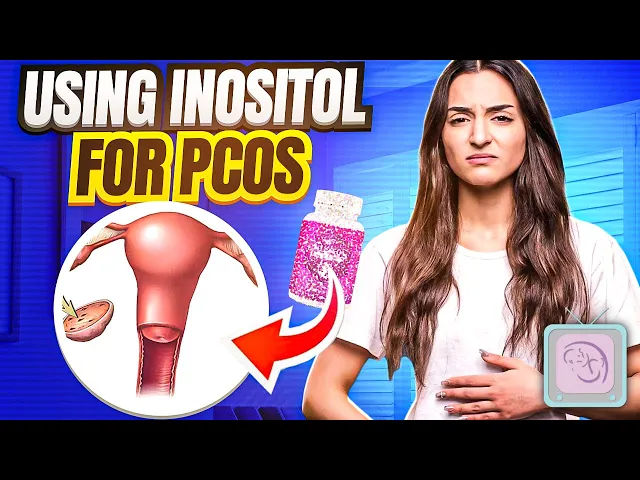
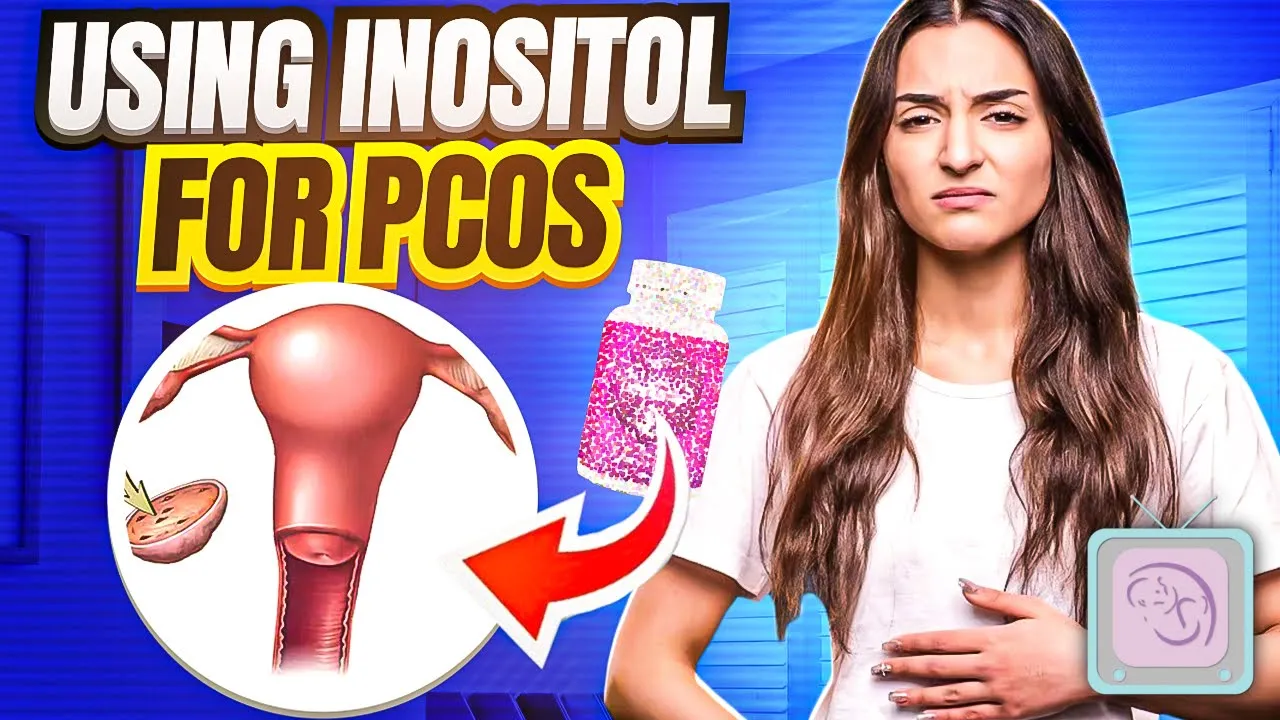
I have gotten many questions about the use of a group of supplements called inositols for the treatment of people with PCOS. What do these chemicals do in your body? Specifically, can these supplements improve the likelihood of ovulation?
Do they increase the chance that you may get pregnant? Stay tuned To understand inositols, you first have to understand a little about PCOS, insulin and insulin resistance. It is very difficult to determine whether treatments for PCOS are effective at increasing fertility.
Part of the problem is that PCOS doesn’t look the same in everybody. Some people with PCOS are obese, while some are thin. Some have high levels of certain hormones like testosterone or AMH, some don’t.
Some have lots of follicles in their ovaries visible on ultrasound but not always. In fact, there are multiple different medical organizations that provide criteria for the diagnosis of PCOS. It is possible to meet the criteria for PCOS in one organization but not in another.
So, it is possible that a particular treatment for PCOS may improve fertility in some types of PCOS patients but not in others. Insulin is a hormone produced in the pancreas that has many functions in the body. Most people know that insulin helps control your blood sugar.
People who don’t make enough insulin may see their blood sugar get higher. If it gets high enough, we call that type 1 diabetes. If people make insulin but their body does not respond the way it should, it is called insulin resistance.
These people may also see their blood sugar get high. If it gets high enough, we call that type 2 diabetes. Insulin resistance is a problem that is common in people with PCOS.
If a person's body does not respond normally to this hormone, it may also contribute to problems with ovulation. People with ovulation problems will often have irregular periods and problems getting pregnant. Metformin is a medication which helps reduce insulin resistance and has been used for many years in PCOS.
Some people with PCOS who are treated with metformin will see their ovulation problems improve and therefore be able to conceive a pregnancy. Okay. now that you have the necessary background information.
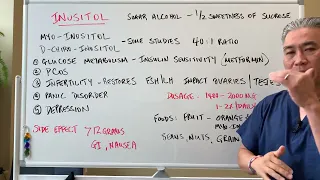
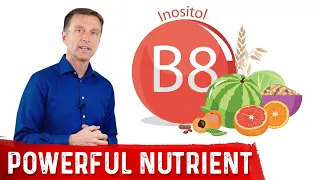
Let’s talk about inositols. Inositols are are a group of molecules known as sugar alcohols. There are nine different types of inositols.
Myo-inositol and D-chiro-inositol are the two main types present in the human body. About 80% of the myo-inositol in the body is made in the kidneys. The rest we get from our diet.
Myo-inositol is present in the greatest amount in fresh fruits and vegetables, and in seeds such as beans, grain, oats and nuts. Inside our cells are enzymes that can convert myoinositol to D chiro inositol. There is some scientific evidence that, in some people, a deficiency of myoinositol or a reduced ability to convert it to D chiro inositol may cause insulin resistance.
Some studies in PCOS patients have found that giving people supplements containing one or both of these inositols may help reduce insulin resistance. Other studies have shown that with inositol treatment, some of the abnormally elevated hormones found in PCOS improved. What about studies specifically about fertility?
There are some but honestly we don’t have really well done studies. For example, some studies appear to show that some PCOS patients who used inositols for several months would see their periods get more regular or show evidence for ovulation. But in many of these studies, it is unclear whether it was the inositols themselves that were the cause of the improvement.
At this point, there are soooo many unanswered questions. Which types of PCOS patients might be helped? Should you take myoinostol or D chiro inositol or both?
Could you accomplish the same thing by eating more fruits and vegetables? What is the correct dose to take? How long should you take it for?
What are the risks of using these supplements? Honestly, it is going to take years before we know the answers to some of these questions. Just because something appeared to help somebody else does not mean it will work for you.
Don’t believe anybody or any website that says they have the answers to these questions - They don't! My InfertilityTV Bottom line is this. Inositols are still an unproven treatment for PCOS but they do show some promise.
The risks appear to be low. For people with PCOS who are not ovulating and are trying to get pregnant, there are other medication options that have much better science backing them up such as metformin or letrozole. But for people who don't want to use those medications or tried them without success and are looking for another option, inositols could be something to consider.