hello friends welcome to itk fun day your own channel where we make it interesting for everyone and in this video we will cover one of the most requested topics from you guys in the field of data and that is master data management or mdm so we will cover three different uh topics today uh firstly we will start with basically what is master data management then uh we will understand it through a real life example my story what happened with me and how i can correlate that with what could have happened because of the lack of
master data management and lastly we'll understand a basic architecture and some products of mdm so i hope this will be an exciting session for everyone so without further ado let's get started thank you friends if you're new to itk funday channel we make it interesting for everyone be it it or non iit we discuss all the latest tools and technologies products productivity hacks and career tips on this channel so if you are new and if you like the content do consider subscribing so friends even before we understand uh the definition of master data management let's
understand it through an example a transaction so suppose customer a uh you know bought product x at a store s1 on first of january uh 2022 at 18 bst for 20 pounds which converts into 26 dollars now in this whole statement we can see three different types of data there is the data like customer product store this data is called as enterprise data because this data rarely changes right uh you have to maintain this data but then apart from that there is some other kind of data will which will continue to change right so suppose
this particular data the time of purchase now this customer can come back again and buy something else right so this is one kind of data and then obviously uh there is another which is this price this can also keep changing maybe the product becomes costlier it could be 25.50 pound and then it gets converted into us dollar so there is some sort of a conversion which is happening between uh british pounds and us dollars so customer product store all these are examples of your master data what you see here is a very good example of
your transactional data then your unit price or the price of your product is getting converted into this u.s dollar so suppose if there is this reference table which is uh you know updated in real time with the latest uh conversion rates of usd and gbp so this particular reference table uh you know is an example of your reference data so friends now as we have a high level understanding of what is master data what is transactional data what is reference data now let us understand the standard definition of master data management so if we go
by the standard definition master data management is a technology enabled discipline under data management area or umbrella where business and i t both come together to maintain and ensure that all your enterprise data is consistently maintained at one common place so it will have all the common definitions policies controls uh data quality everything will be maintained at a one common place and that place would be called as your master data management so friends to understand what happens if you don't have a proper mdm i'll share a personal incident so one day i got a call
from a marketing executive from uh from a bank you can take it as quiz bank and the lady called me and she offered me to you know to apply for a new credit card which was offered by the bank but then i was surprised that why this call is coming to me because i already had that particular credit card and when i informed that to the marketing exec she was little surprised because she was not aware of it so she had to hung up the call because she had no clue how to proceed further with
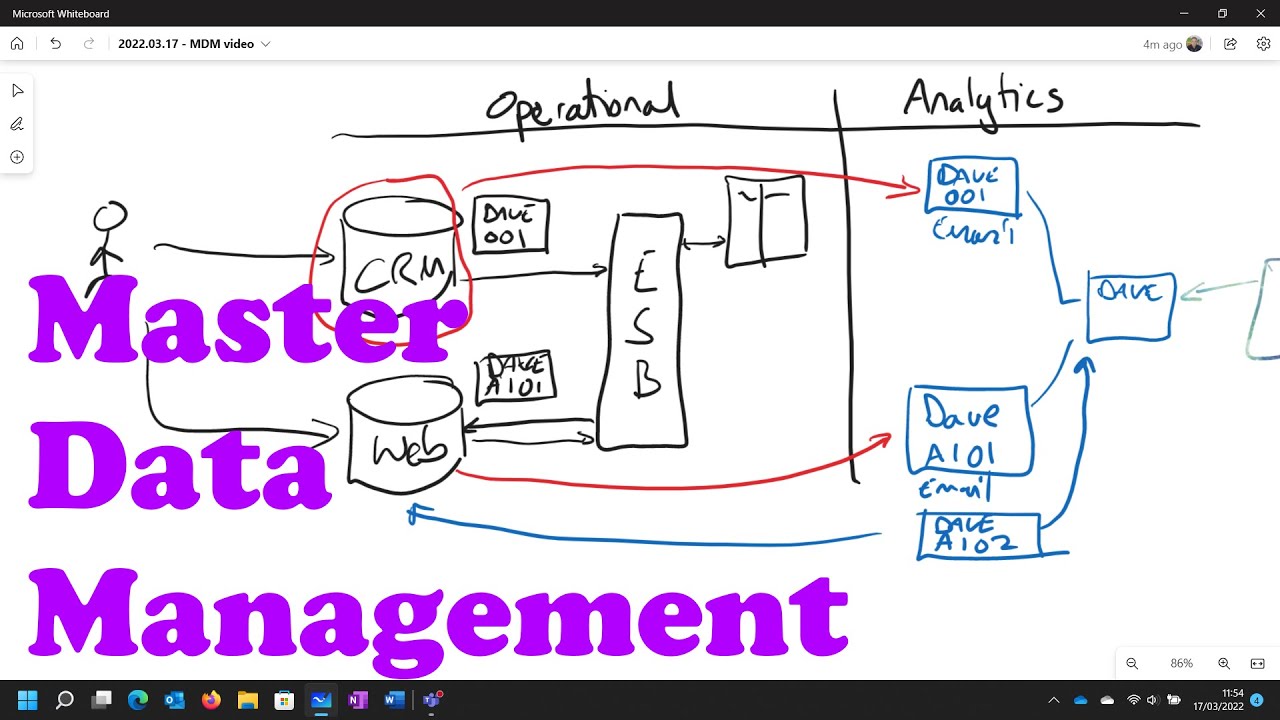
this lead because i was already a customer so what i think might have happened is that there it could be a disconnect between the marketing department and the customer service department as far as the customer is concerned because if i am already having the credit card my details would have been there somewhere entered in the customer service database right but it could be that the name with which i am recorded maybe could be anshul t wherein she was referring to me as mr tiwari so maybe she got this from somewhere else and she had no
idea how to look up this particular customer just based on the name or some other attributes like email address or mobile number in their customer service database so this is where you know master data management would be very handy because instead of having and maintaining separate data silos if you would had a common or a central place where you would have managed your customer entity somewhere in the center so what would have happened the marketing team and the customer service team both the department could refer to this customer data and also this would have enabled
this particular marketing exact to know that i am an existing customer so instead of calling and offering me a new credit card she could have changed his narrative and tried to upsell uh this particular lead with an increase on the credit card limit or she could have also tried cross-selling me with the new credit card offer or something like that so you can understand the business impact if you do not have the data in the central location and uni and uniformly defined across your enterprise systems these kind of scenarios happens as we understood that master
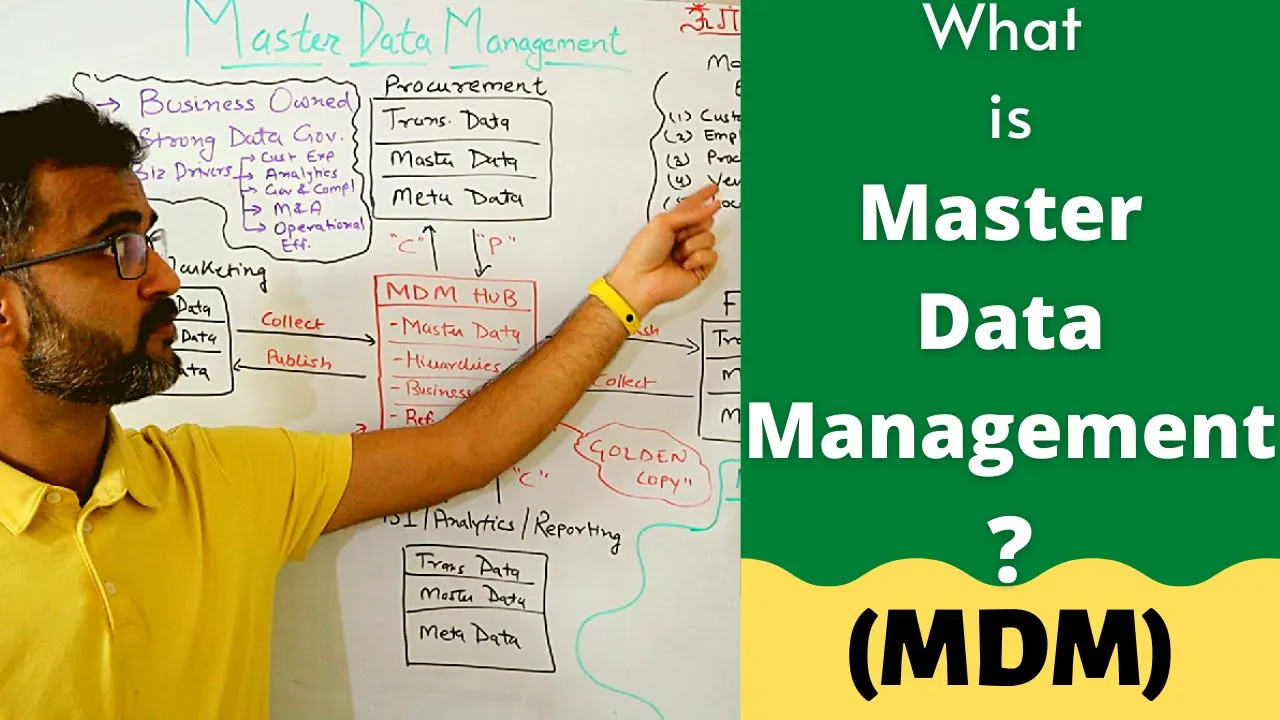
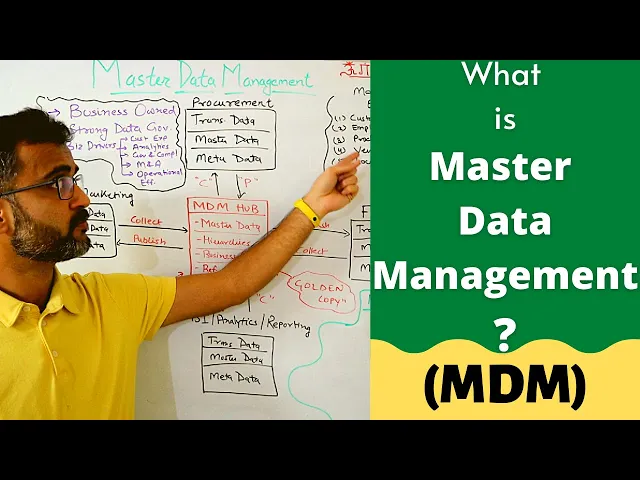
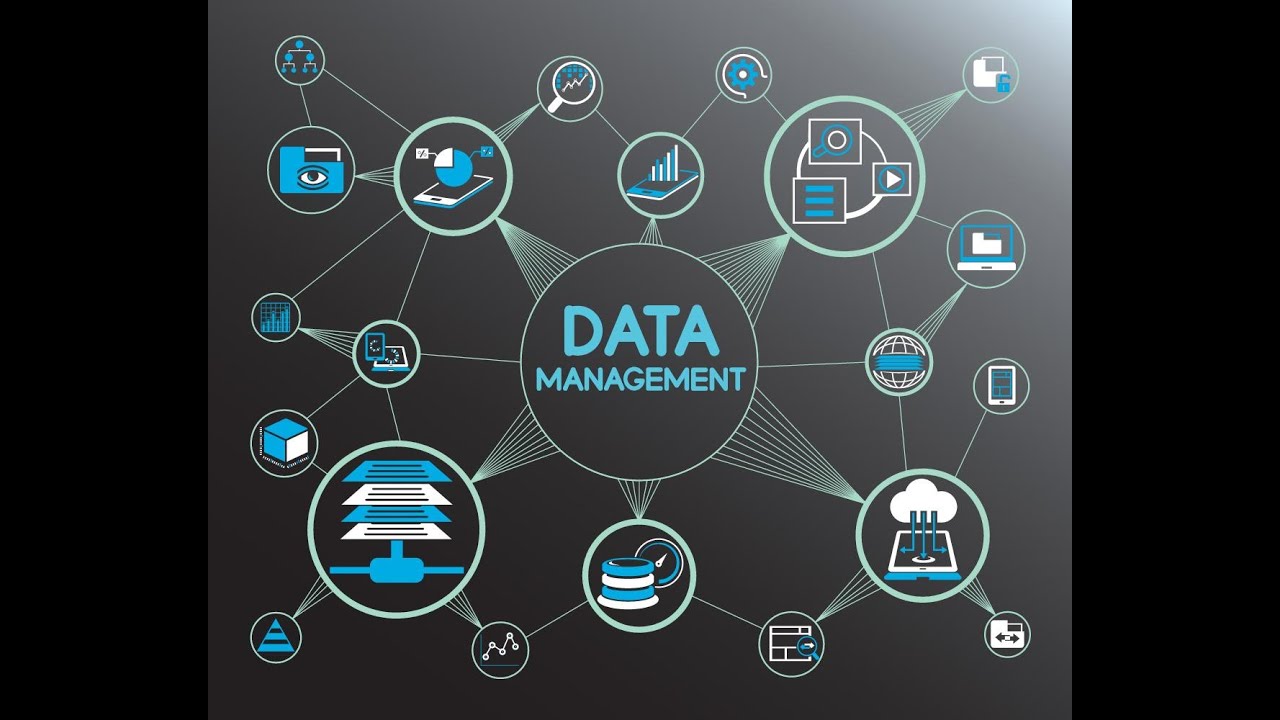
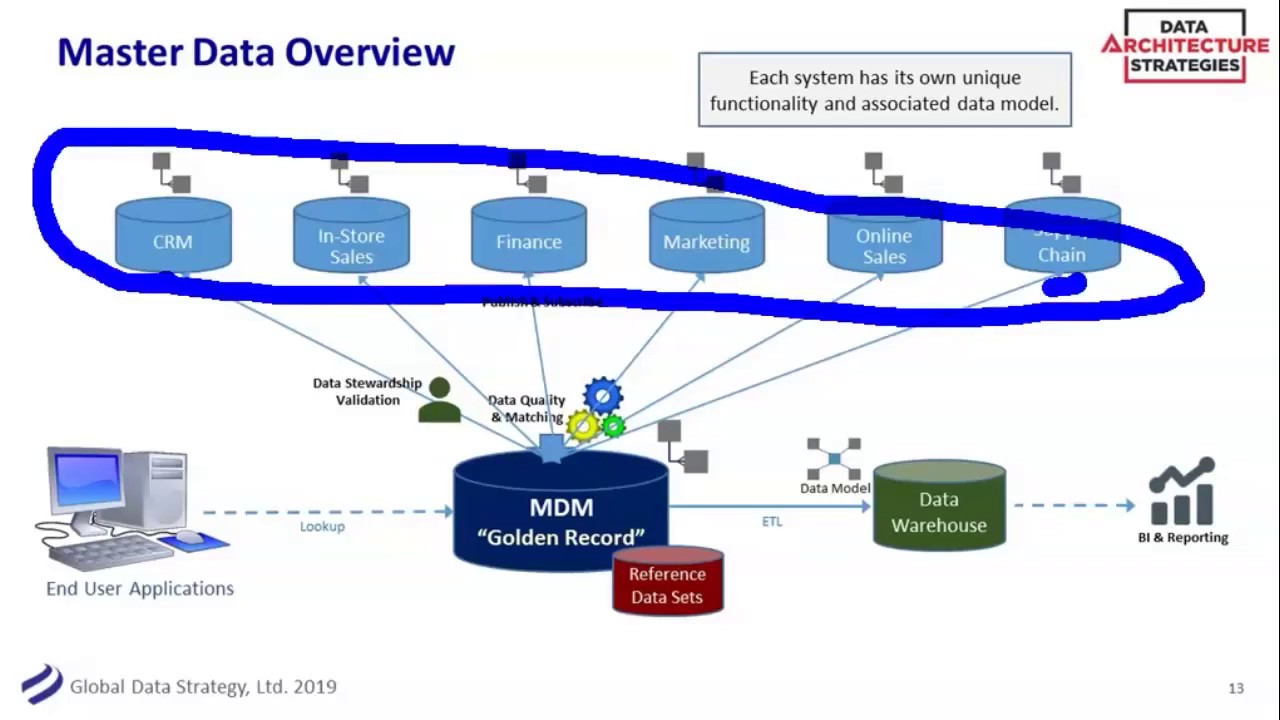
data management sit at the center uh it is kind of a hub architecture so at the center you will have your mdm hub where you will store all your master data and then in this this particular hub will communicate between all the different business functions so for example sales and marketing bi analytics and reporting finance procurement and all the different areas business process management for example and this particular master data management hub would be responsible to maintain and continuously update the master data so what it will do it will continuously collect the data from all
these different systems and also publish the data regularly to these different systems so that whenever these systems are communicating to further downstream systems they are in sync with this particular master data so these master data could have hierarchies also for example location so now in location you can have state city district like that right so all that kind of hierarchy would be maintained here we also maintain business rules in master data hub business rules are the set of definitions and processes which defines a transaction so suppose a customer a buys a product x at a
cost at a store b something like that okay all that business process needs to be defined in order to understand how this master data has to be maintained that's why here i have mentioned that mdm by its very nature should never be it owned it can support mdm from technology perspective but mdm should always be owned by the business because business exactly know how they need to run a certain business process and then the reference data obviously the reference data would also be maintained to have that look up with different external data which will add
context to your master data and that's why we call this as the golden copy so whatever you have here is the single source of truth stored at a central location now what are some features of mdm so very importantly uh let's understand some basic mdm examples like entities customer employee product vendor location parts all these kind of information is considered as your master data now it will vary uh from industry to industry but yeah these are some generic master data example entities now some features of mdm so as i said it has to be business
owned secondly it has to be backed up by strong data governance because we are talking about maintaining something with high quality high standard and some stringent business processes and all of this cannot happen if you do not have a strong data governance framework and that's why master data management falls under the purview of your overall data governance system so that has to be in place then what are some business drivers so basically there are five different drivers five different business drivers which uh drives this need for mdm because what if the cxos of your company
comes and says okay why you want to spend your money into implementing something as a master data management right so these are the business drivers first of all customer experience as i i shared my example you know that was a good you know good example that my experience was not very good why because you know because of that lack of master data management secondly analytics obviously when you are doing uh reporting when you are creating reports your data could not be very correct if you are not managing master data management so analytics is one of
the business drivers or reporting governance and compliance so now more and more data is going on the cloud suppose if you want to run a gdpr assessment that what kind of pii data you are sharing or what kind of pii data is there on the cloud how you will do it if you have the master data management system then it will be very very easy and efficient m a stands for merger and acquisition so for example facebook bought instagram uh some years back and also whatsapp so all these three different companies might have come together
and then if if you need to have a successful merger and acquisition then you need to have master data management because there would be similar entities having different definitions in all these different companies right and obviously uh last but not the least operational efficiency so operational efficiency means improving your operational performance in my case i was a very good customer uh to have a upsell or a cross-sell to different maybe credit cards or maybe increasing my credit card limit but that particular goal was not achieved because of lack of mdm so operational efficiency is increased
when you have mdm you can meet your goals you can meet your slas and you can improve overall business efficiency as well now we have covered a lot of things around mdm but now let's understand some products in the market which helps us implement mdm so friends these are these are four products which i uh know uh implements mdm uh technology wise but as i said uh previously mdm is not only about tools and technologies it's mostly about your business processes but still you will need some technology or a product to implement it so atacama
is a very renowned product to implement all your data quality data governance and mdm solution ibm infosphere mdm again a very good product informatica has always been an exceptional etl product and it has a product called as informatica multi-domain mdm and last but not the least sap erp has a specific product master data governance with sap s4 hana it is a cloud-based product offering from sap sites to recap now we have covered what is mdm what is master data what is reference data what is transactional data we learned from my personal experience how mdm could
affect your business process and then we understood in totality how mdm architecture works what are some master data examples and what are some salient features which should be there in mdm and five different business drivers which can drive the need for mdm in a particular enterprise so friends this brings us to the end of this video and i hope you learned something about mdm if you did please hit the like button hit the subscribe button and the bell icon so that you exactly know when i upload my next video so until next time guys please
keep learning keep sharing all your knowledge with others and yes keep hustling bye for now [Music] you






![What is Data Management? [Intro to Data Migration, MDM, and Data Analytics]](https://img.youtube.com/vi/_ZYSObj99Qw/maxresdefault.jpg)