You're watching FreeSchool! Have you ever had a question about the world, like what plants need to grow, or how to blow bigger bubbles? There is a way to find the answer to these and other questions that is used by scientists.
It is called the Scientific Method. If you use it, you can be a scientist, too! The scientific method is a way to ask and answer scientific questions by making observations and doing experiments.
There are six simple steps to follow. First, ask a question or identify the problem you would like to solve. Second, make observations and do research about your topic.
Observation means to study carefully. Once you have observed and researched your problem, you are ready for step three: form a hypothesis. A hypothesis is an educated guess about how something works.
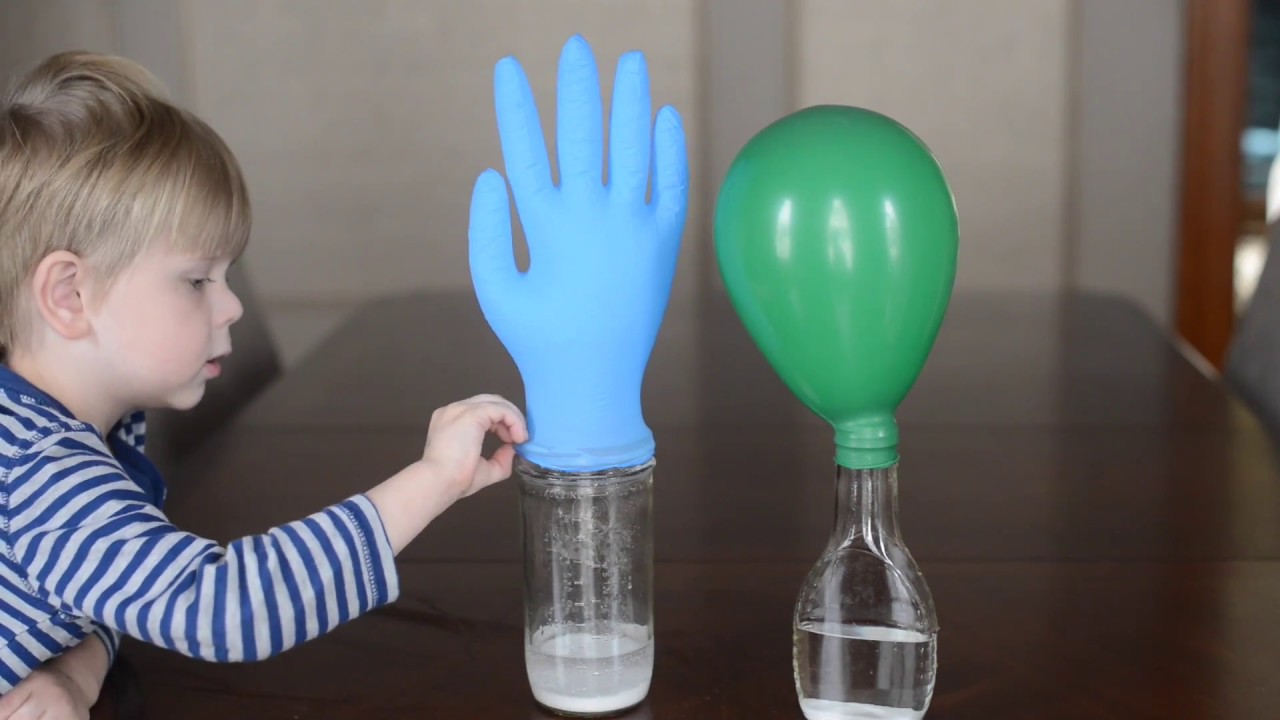
In order to be useful, a hypothesis needs to be testable. This means that you can actually test it and see whether it is true or not. After you have your hypothesis, move on to step four: Design an experiment and test your hypothesis.
When designing an experiment, you must be sure to only test one thing at once. You can do this by making sure to only change one thing, or variable, in each experiment. Everything else must remain the same.
Once you have completed your experiment, analyze your data. To do this you will look at the results of your experiment and try to figure out what it means. Finally, using your data, you can draw a conclusion.
If your conclusion did not support, or agree with, your hypothesis, that's okay! It doesn't mean it was a bad experiment. Using the information from your first experiment, you may need to form a new hypothesis, and create a new experiment to test it.
Even if your conclusion does support your hypothesis, you may have a new question you'd like to test, and can begin the scientific process all over again. The scientific method is a step by step way to solve problems and answer questions logically. Thanks to the scientific method, many important discoveries have been made about our world, but many unanswered questions remain.
Would you like to help answer them? You can! Just remember to be scientific.
Ask a question, make observations, form a hypothesis, design an experiment and test that hypothesis, analyze your data, and draw a conclusion.