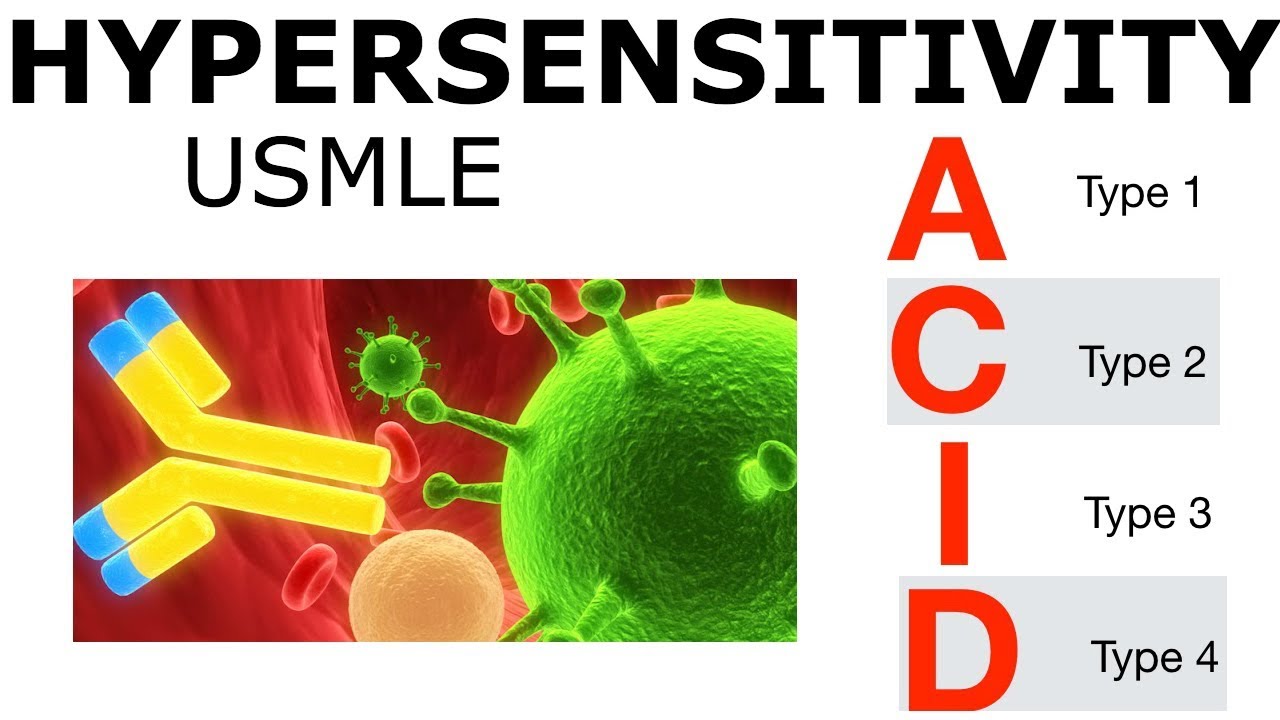
hey guys it's mitochosis perfectionist where medicine makes perfect sense we continue our hypersensitivity reactions discussion in the last video we had an introduction about the four types and why we classify them this way type one type two type 3 and type 4. today we will dig deeper into the first type of hypersensitivity the story of the asthma the atopy the anaphylaxis and the bee sting with that said now let's get started hypersonic type 1 type 2 type 3 type 4 type 1 immediate but type 4 is delayed okay about type 2 cytotoxic look at this
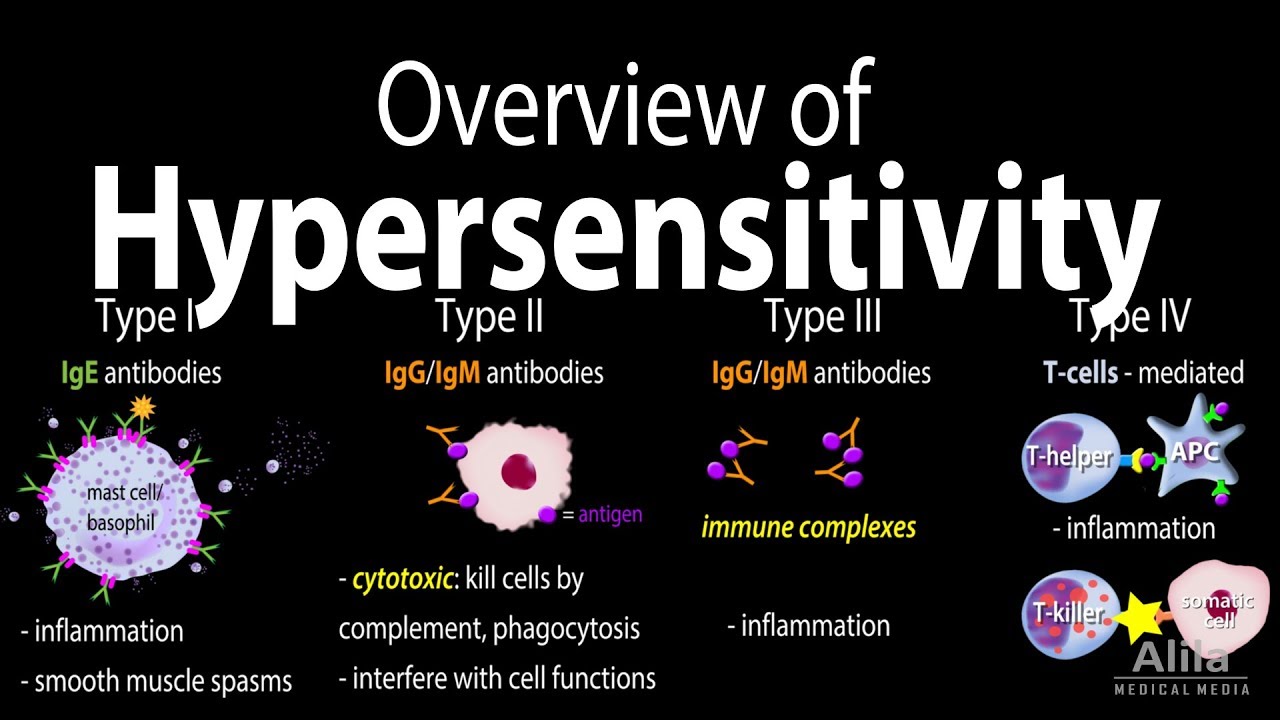
type 2 is psi 2 toxic and type 3 you have three antibodies what do you mean by three i mean the antibodies are floating in the plasma they are floating in your blood they are not bound to cells they are not site to like type 1. also you can describe type 3 by 3 words serum immune complexes hypersensitivity which one is the fastest type 1 which one is the slowest type 4. can you describe type 1 in few words to work immediate anaphylactic ige mast cells they rupture pew they degranulate pu releasing histamine and histamine
can give you the symptoms of an anaphylactic shock how about type 2 cy2 toxic what do you mean i mean i have antibodies okay these antibodies are bound to antigens okay and this happens on the surface of the cell the cell is the situ that's why type 2 is cy2 toxic okay how about type 3 3 is free you have antigens and antibody complexes same as 2 yeah but with one difference the big difference is this happens in the blood and after this since they are hanging around in the blood the antigen antibody complex can
end up being deposited in the blood causing vasculitis in your joints causing arthritis in your kidney causing nephritis etc etc etc in type 1 type 2 type 3 we talked about antibodies like ige like the antibody that is cytotoxic like the antibody that's freely floating in the blood but type 4 has nothing to do with antibodies type 4 has nothing to do with the hemorral immune system type 4 is about t lymphocytes cell mediated immunity no antibodies heck no the t lymphocytes are super sophisticated they communicate with each other via cytokines which include the interleukins
which is the internet of the leukocytes this is also the story of making a granuloma and this takes time here is a quick overview of the four types of hypersensitivity type one immediate okay within minutes all right hey moral immunity which means i'll say antibodies yes such as ige immediate immortal pre-formed antibodies remember ige is ew what do you mean by eo allergy anaphylaxis atopy asthma isn't ill be sting ew how about type 2 type 2 is cy2 toxic okay we have an antigen antibody complex were on the surface of the cell and these antibodies
could inhibit the target most of the time or they could stimulate the target in one case only that's why some crazy textbooks define this specific type as type 5 hypersensitivity but this is a very bizarre classification that only lasted for five minutes and then they went back to classifying hypersensitivity as four types can they inhibit the target sure they can cause inflammation and cell dysfunction inflammation is seen in anti-glomerular basement membrane antibody disease also known as good pasture syndrome rheumatic fever hyper acute transplant rejection this is how your body rejects organs or they can cause
cell dysfunction such as myasthenia gravis and pemphigus vulgaris my muscles are in trouble my skin is toast they stimulate the target organ only in one case which is the case of grave disease i have antibodies against the receptor okay what kind of receptor this is the receptor waiting for the tsh so it's called the csh receptor okay but these antibodies will come and stimulate the target have you ever heard of antibodies that stimulate the target no antibodies are weapons of destruction now this is an exception these are antibodies that stimulate the targets leading to what
well it says if tsh is binding to its receptor oh so a similar effect yeah what does tsh do it tells the thyroid gland to secrete tons of thyroid hormone so graves disease in a sense is a type 2 hypersensitivity reaction okay how about type 3 type 3 is also antigen antibody complex in a different location floating freely in the plasma okay this is the cause of serum sickness which is a diffuse and acute reaction or the arthas reaction it's not diffuse it's very localized in one spot on your skin and it's not that acute
orthos is subacute serum sickness is generalized arthas is localized serum sickness is acute arthas is subacute and subcutaneous love it subacute subcutaneous type 3 is also the tragic story of the nasty immune-mediated vasculitis when these antigen antibody get deposited into the wall of the vessel this is vasculitis they can also get stuck into your kidney immune complex mediated nephritis or into your joints immune complex arthritis this is what happens in lupus this is what happens in rheumatoid arthritis and jazillion other diseases about type 4 type 4 is the most delayed 3 days or about 72
hours or slightly less slightly more this is cell mediated i'm not gonna send antibodies to destroy no i myself i'm gonna go and kill that bacteria face to face i'm gonna have a strong word with this tuberculosis face to face cell to cell cell mediated or cellular immunity if i can kill the stupid invader i will destroy it how will he destroy it well we are t lymphocytes we have t cy2 toxic cells we kill okay but if i can't kill it well at least i can surround it in a granuloma this granuloma can have
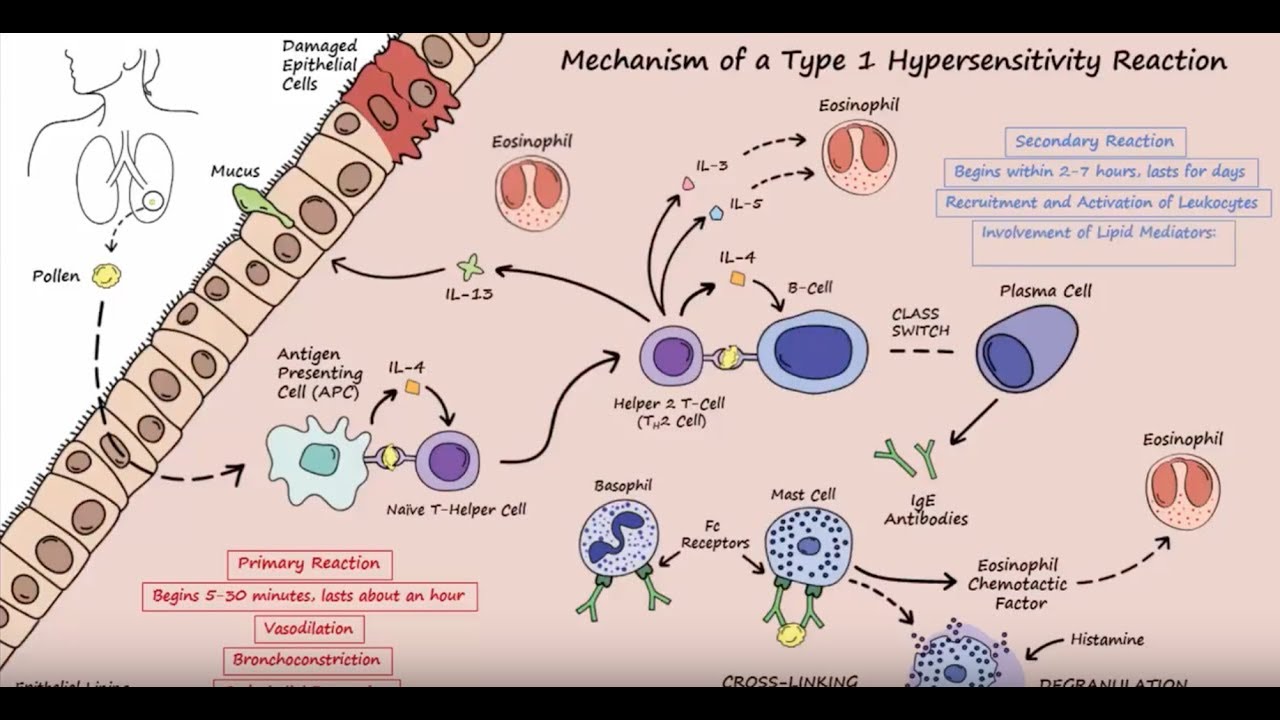
caseous necrosis such as the caseiating granuloma of tuberculosis histoplasmosis blastomycosis coccidioidemicosis or it could be done casey eating basically any other granuloma is going to be non-caseating a famous example is sarcoidosis how to make a granuloma is a story that we'll talk about soon but basically cd4 t lymphocytes will secrete interferon gamma which will stimulate the macrophages to make the granuloma we're done with the overview now let's get into specifics here's type 1 hypersensitivity reaction with the first exposure and antigen enters into my body could be dust pollen etc now it's in my body who's
gonna present it the antigen presenting cell is going to take that antigen process it and present it to whom to your lymphocytes so that the lymphocytes can stop being so naive and grow the fringe toast up when they grow up they become helper cells helper cells okay are you talking about the helper one no t helper one is for type four hypersensitivity i'm talking about the helper two t helper two the one that helps the neighbor yeah and who's your neighbor the b foresight how would you help them i will help them develop from a
naive b them for side into a grown-up mature be an infosight from a lymphocyte that can only make igm and igd to a mature bed and possible that can give you all kinds of antibodies igm iga igg ige igd i did this by the means of interleukin 4 especially to make ige so analogon 4 comes from the th2 to stimulate the b lymphocytes to become mature beta phosite which secretes ige okay i also secrete analookin 5 which stimulates eosinophils but this will happen more with the second exposure so tell me about the second exposure second
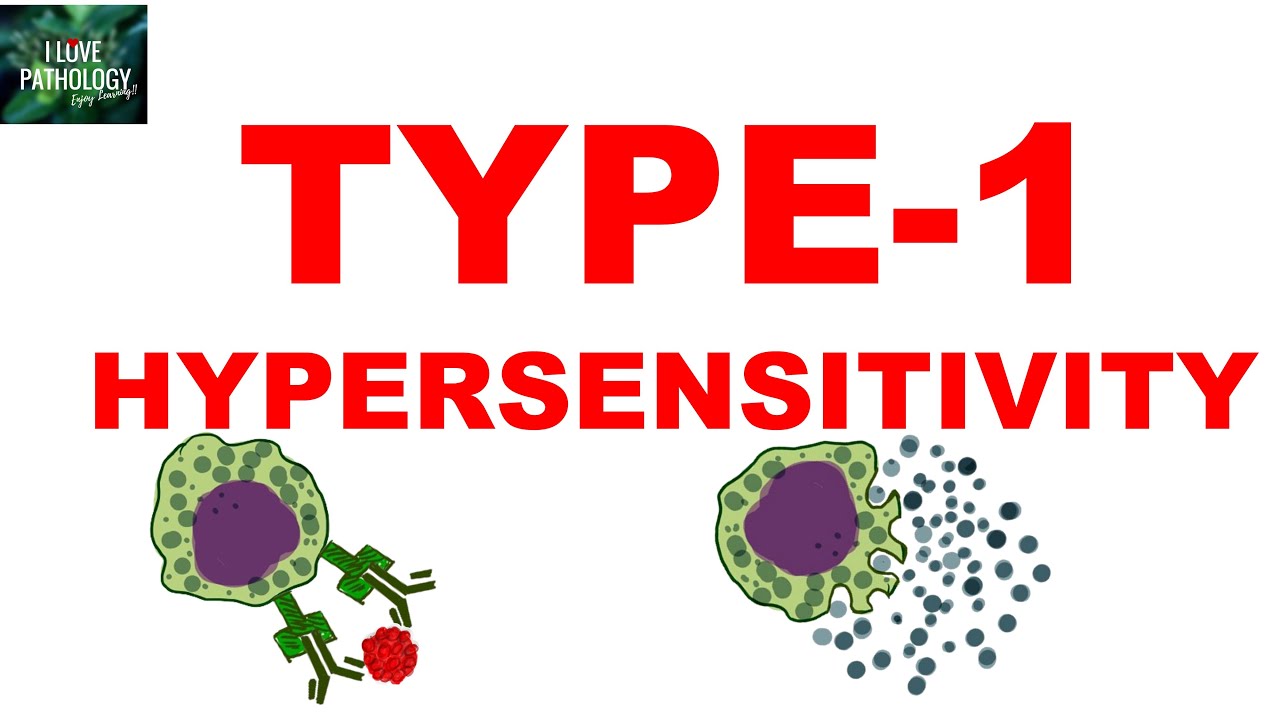
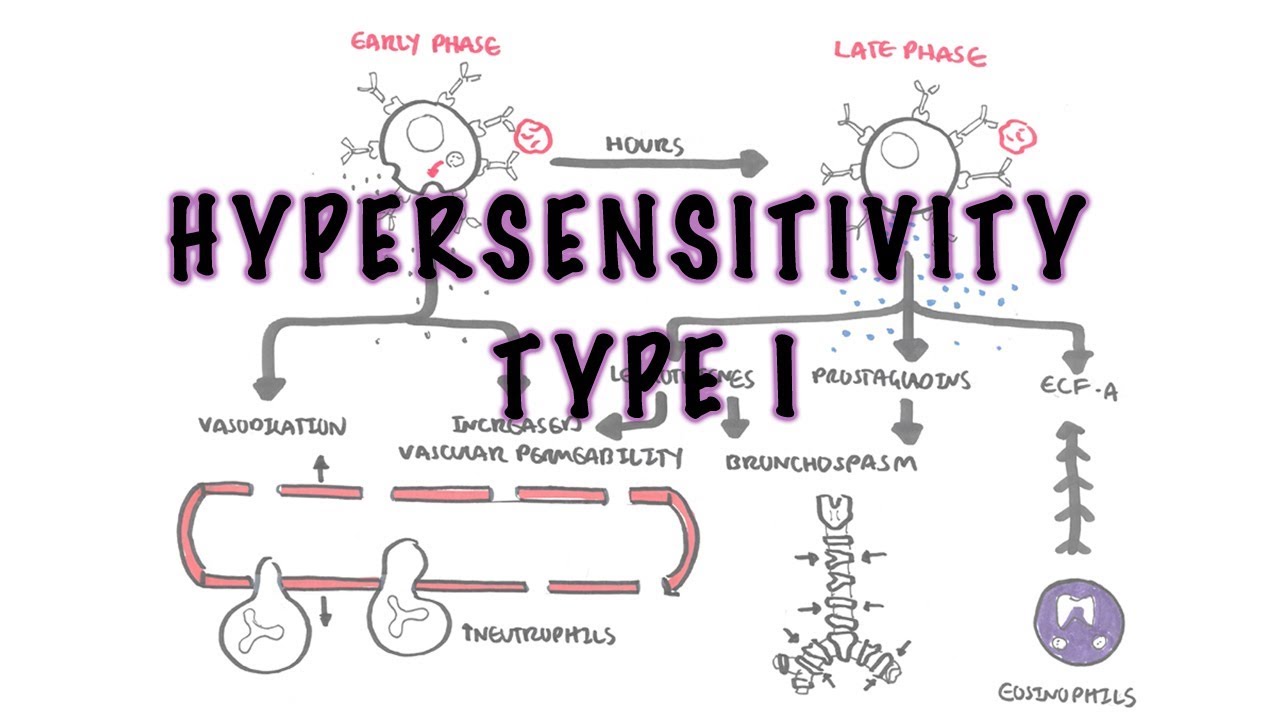
exposure to the same stinking antigen okay we call this re-exposure which causes cross-linking of two ige molecules on the surface of the mast cell the mast cell is full of histamine waiting to explode this cross linking of the two antibodies by the same antigen is the straw that broke the camel's back causing mast cell degranulation pew releasing all kinds of mediators such as histamine serotonin eosinophilic chemotactic factor since it's called chemotactic it's gonna attract taxi from movement the eosinophils by the means of chemicals what does histamine do bronchoconstriction vasodilation increase capillary permeability which causes exudate
and welcome to the land of acute inflammation what does serotonin do bronchoconstriction vasodilation and increased capillary permeability welcome to the land of acute inflammation oh by the way these are pre-formed amines the histamine was already made and ready and loaded inside the mast cell we did not make it de novo the histamine was already there inside the mast cell which was already there just ready to explode waiting for the trigger number three is the eosinophilic chemotactic factor which is going to recruit the eosinophils now these uniforms came to play to do what to secrete histamines
why to clean up this mess to metabolize histamine into degradation products think of this as a kind of a negative feedback thing okay they also secrete aerial sulfates which also metabolizes histamine and leukotrienes so far you know the story of the first exposure to the antigen and the early phase of the second exposure the story of the histamine serotonin and asynophilic chemotactic factor but let me add another aspect the late phase of the second exposure to the same freaking antigen what's gonna happen here the release of prostaglandins leukotrienes and platelet-activating factors so the early phase
was histamine serotonin eosinophilic chemotactic factor the late phases prostaglandin leukotrienes and platelet-activating factors what do prostaglandins do bronchoconstriction and increased mucus secretion what do leukotrons do bronchoconstriction vasodilation what do platelet activating factors do um they activate the platelet oh that makes sense these mediators will prolong the inflammation initiated by the early phase and this happens by recruiting neutrophils eosinophils and monocytes unlike the early phase where these mediators were pre-formed and ready to explode the late phase mediators are made on demand de novo from scratch new stuff these were already there before we saw the antigen
for the second time they just happened to come out of the closet however these were not already there these are made on demand and that's why the late phase is late a classic example of type 1 hypersensitivity is the extrinsic allergic asthma and we have discussed this in detail in my pulmonology playlist these videos are on youtube the notes are on my website type 1 this is the example of asthma we have two types of asthma extrinsic which is allergic and intrinsic which is non-allergic this is of course the allergic one because hypersensitivity is a
high-tend allergy have you ever wondered why we can treat asthma with lipo oxygenase inhibitors and leukotriene receptor antagonists yeah because leukotrienes are involved in the late phase of the second exposure to the same freaking antigen could be dust could be pollen ever wonder why we give asthma patients mast cell stabilizers such as chromoline nidocromin ketotifen because they stabilize the mast cells the releasers of histamine have you ever wondered why we have monoclonal antibodies against interleukin-5 for asthma patients yeah because they destroy interleukin-5 no analogin 5 no eosinophils can i give this drug to a patient
with copd um copd is not caused by eosinophils so most probably not why do we give inhaled steroids for asthma patients because steroids inhibit the production of prostaglandins and locotrienes watch my video on the arachidonic acid pathway ever wonder why we have monoclonal antibodies against ige for asthma patients yeah why is aspirin bad for asthma patients because it increases leukotrienes why are beta blockers bad for asthma patients because they block the beta2 receptor causing bronchoconstriction more wheezing inhaled corticosteroids include buodicinide and fluticasone the antilocal trines you have the lox inhibitor xylutin leukotriene receptor antagonist the
field of has the mast cell stabilizer is chromoline the monoclonal antibody against the eosinophil is been released against ige is on melisumab and don't forget your beta2 agonists muscarinic antagonists asthma has two things decreased diameter of the bronchi hashtag bronchoconstriction and increased bronchial secretion and this is type 1 hypersensitivity reaction so type 1 what do we have we have asthma if you like this video you will adore my renal physiology course available at medicosisperfixnetis.com comes with 10 videos 10 cases with notes of course i also have an endocrine pharmacology course learn everything you need to
know about insulin the different types of insulin how to calculate the dose of insulin and much more and for a limited time get a 60 discount towards everything on my website just by using promo code new year learning at checkout thank you for watching please subscribe hit the bell and click on the join button you can support me here or here go to my website to download my courses be safe stay happy study hard this is medicos's perfect scenarios where medicine makes perfect sense