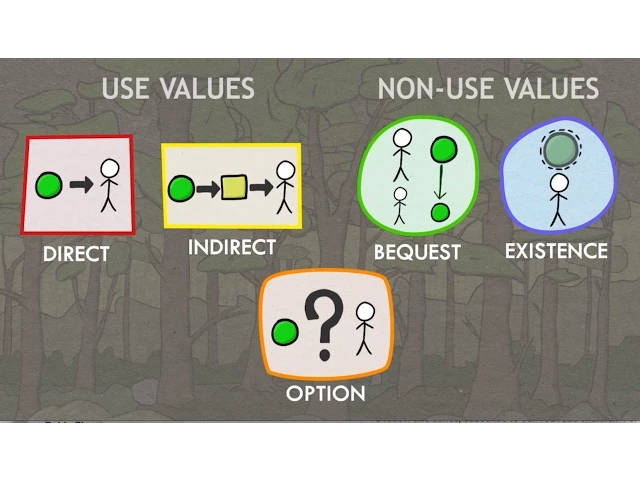
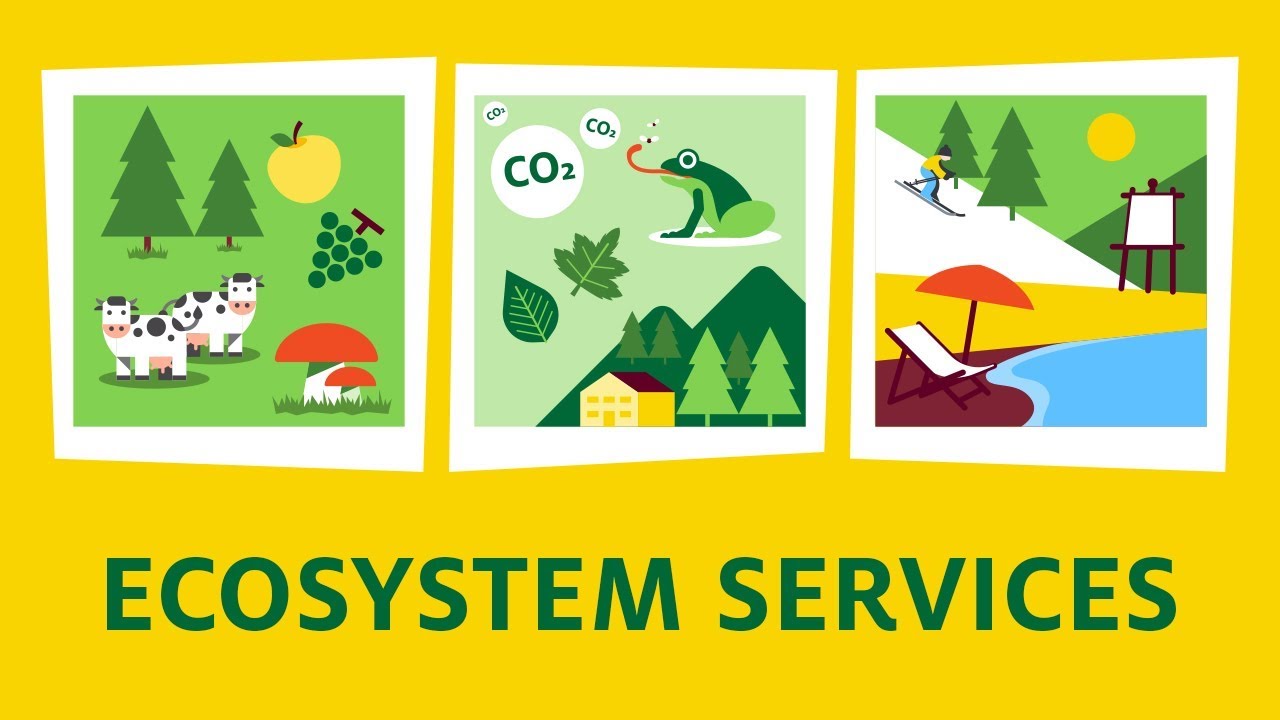
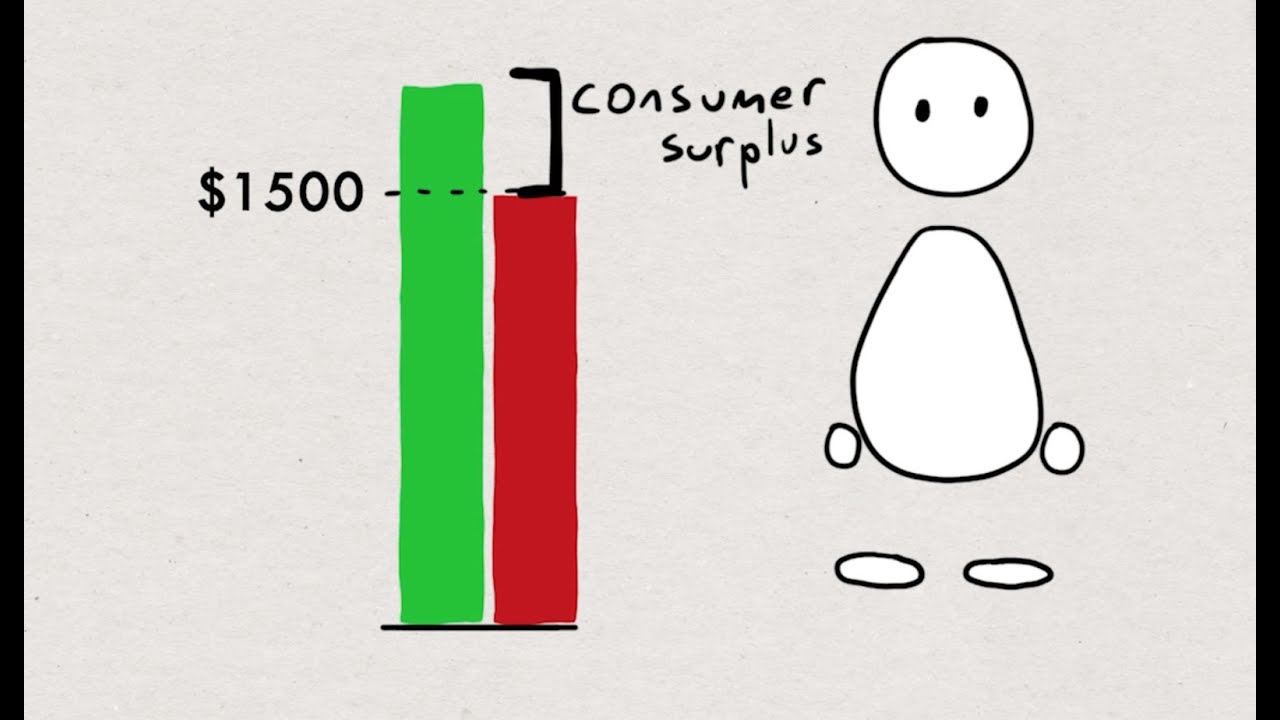
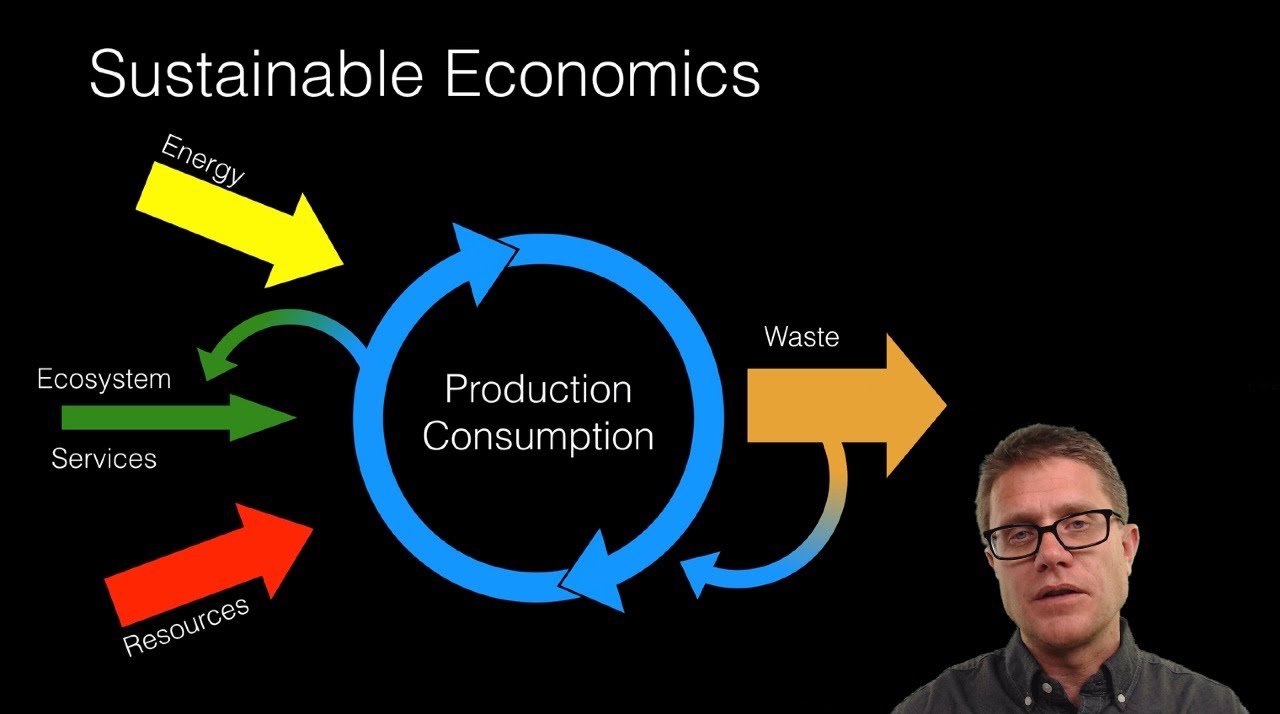
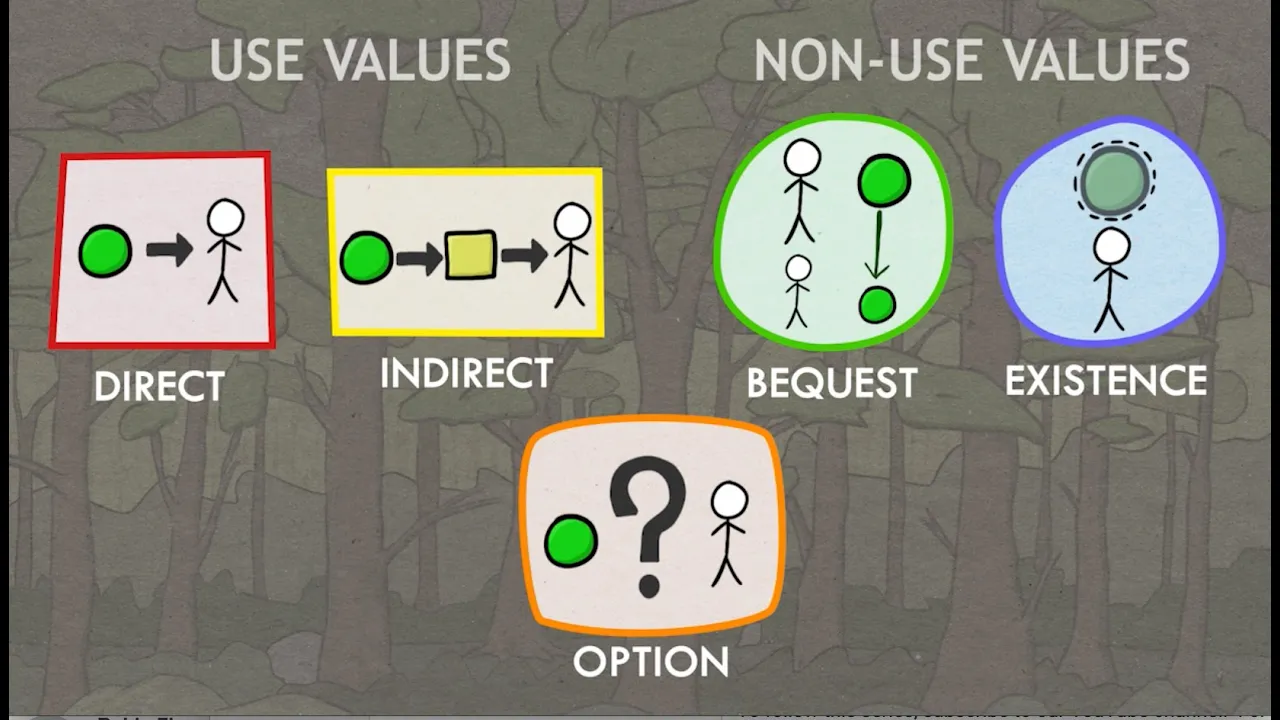
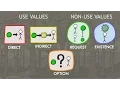
you you if a good or service is provided by nature we'll call them ecosystem services so we would say in this series we're trying to quantify the value of ecosystem services okay let's look at for us and classify the kinds of ecosystem services they offer we can do this for any sort of ecosystem but we're just going to look at forest to narrow our study there are different ways of organizing and classifying the benefits under the system we're looking at there are five classes of ecosystem services first there are direct benefits okay it's when we
get utility from using a substance directly or when our willingness to pay for a thing comes from our value of that thing so from a forest harvesting the wood would be a direct benefit taking water would give a direct benefit getting animals from hunting or trapping would be direct benefits basically taking and using any substance from the forest would give a direct benefit okay it's utility from using the thing directly but walking on a hiking trail would also be a direct benefit it doesn't have to use it up it can be non consumptive as long
as it's still using it directly the utility or benefit comes from direct interaction with that substance so any recreational uses like hiking or fishing or camping or swimming or enjoying scenic views would be direct benefits similar to value from direct uses is value from indirect uses for something we call a direct use we are willing to pay for it because of the utility that thing gives us with an indirect use for example some aspect like a wetland that improves water quality or the way the soil under a forest will allow in filtration increasing the amount
of water available these ecosystem services are giving us utility indirectly through the other thing that we're using so our willingness to pay for them really all depends on our use of this other thing another example if none of our crops required pollination we would not value bees nearly as much as we do right now even though the bees haven't changed so for example with a forest a mangrove on the coast will help lessen the damage from storms taking some of the impact from wind and water this allows a lot of human productions to continue and
save a lot of money in damages forests can help prevent erosion mangroves helping prevent coastal erosion keeping the land from falling into the sea preventing soil erosion protects water sources from pollutants protecting fish habitats among other things the water retention of the soil helps prevent flooding and helps keep water in place lessening the harm from droughts when the rain stops and keeps rivers flowing trees can help reduce the temperature of a microclimate by constantly transferring the energy from the Sun into water that evaporates away also it makes shade and right beside that carbon is sequestered
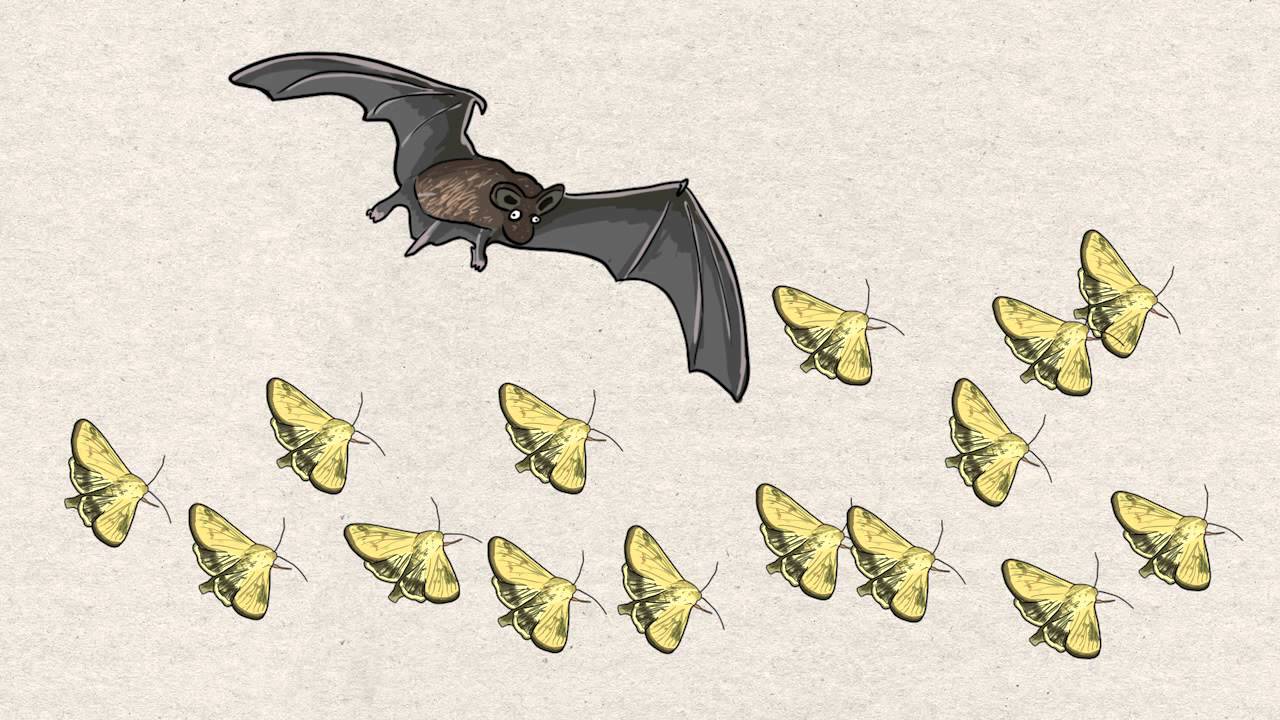
in the soil and the trees which can help reduce the greenhouse effect forests can house natural pollinators that offer a vital service to farmers and lastly pharmaceutical companies often start with natural chemicals as the base from which to build more powerful drugs like aspirin and morphine and farmers and genetic engineers will do a similar thing so a diversity of plants and animals could represent an input into productions like these and otherwise there are a bunch of ecosystem services that seem to correlate with biodiversity that you can look up with indirect environmental services we don't always
know the effects a creature will have for example in India many people do not eat cows because they are considered sacred but there's a lot of cows around it's the vultures and other animals that eat the cows in the 90s the population of vultures dropped from millions to thousands this ended up being attributed to an anti-inflammatory drug that was used to treat some livestock that just happened to be fatal to vultures the uneaten carcasses will have to pollute some water supplies and also the vultures corner of the scavenging niche was filled by dogs and rats
and other animals whose population flourished but while the vultures got will kill any pathogens the dogs and rats guts don't and will become carriers for diseases from the corpse or just other diseases dogs will bite a human but vultures won't the vultures were essentially offering a sanitary carcass disposal service the point is there are a lot of involved interactions between us and the world around us with indirect benefits especially we don't typically appreciate or even know about these things until they're gone so direct uses and indirect uses are use values where the ecosystem is doing
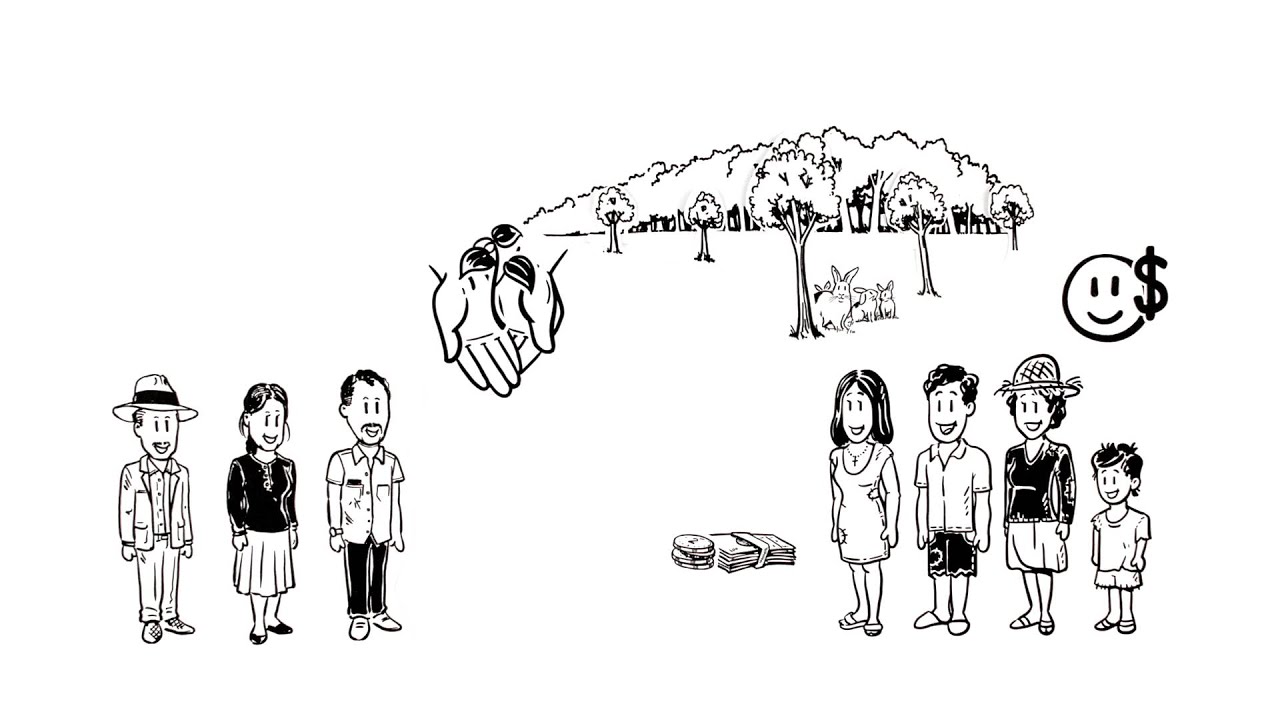
something for us physically and our willingness to pay for them reflects that but there are also non use values where people's willingness to pay comes from less tangible aspects of the ecosystem first up bequest values which would you rather your children or the next generation inheriting a wetland or a parking lot the bequest value isn't about which one offers the greater net present value it's about which feels better to pass on it's a non use value so in terms of force a local community or maybe an Aboriginal community especially may place a high cultural value
on the life that they have formed around the use of a forest this is the entire culture and they want future generations to be able to continue this the bequest value can come from passing on any aspect of the forest depending on what the community values hunting or logging or whatever existence value is another non use value existence value is the utility gained in the satisfaction in knowing something exists like whales or the Grand Canyon or whatever in terms of force the continued existence of for example the Amazon rainforest and the diversity of species at
houses gives people value beyond any physical services they provide although it can be any local forest or species - it's an intangible thing but at the same time it does fuel real money transactions for example people giving money to charities that promise to save the whales or the rainforests or whatever they're not giving as an investment for future vacations they may take it's a willingness to pay to live in a world where the rainforest exists lastly somewhere slightly between the world of use and non use values there are option values option values exists in some
markets for example let's say you're offered this house at a specific price you may not know if you want it or not for whatever reason but it's a limited time offer so you enter into an agreement with the owner that gives you the right to buy it and say three months if you want they're not going to sell it to anyone else but you're going to have to pay for the privilege whether or not you actually end up buying the house you are willing to pay for this option it's the value and having the option
of using something in the future in terms of a forest this could be the option to use the forest for hiking or hunting or fishing or even the option to use it for timber basically any value can be valued for the option of having it so a number of people will have a willingness to pay to keep something around in case they choose to use it in the future especially if the change that's coming is going to be permanent in theory all these values added up together makes the total economic value and we can use
that to compare that to whatever the competition is but some of these will be kind of controversial particularly the non use values and it's a lot of work to try to find the total economic value before and after whatever change especially with a seemingly endless stream of indirect benefits so instead we have to look at the most important aspects to decision-makers and try to only focus on the things that are going to change in the next video we'll look at how to pick the ecosystem service to focus your study on you you you you