how many people do you think are migrants if you watch the news you might think it's a large share refugee crisis new EU migrants distil in your pocket and so immigrant Oh in fact migrants make up only around 3.5 percent of the world's population of these 10 percent of refugees the vast majority are economic migrants if more people migrated the world would be a lot richer the best estimate says that if people were allowed to work where they wanted the world's GDP would be roughly double but many people in rich countries don't want to let
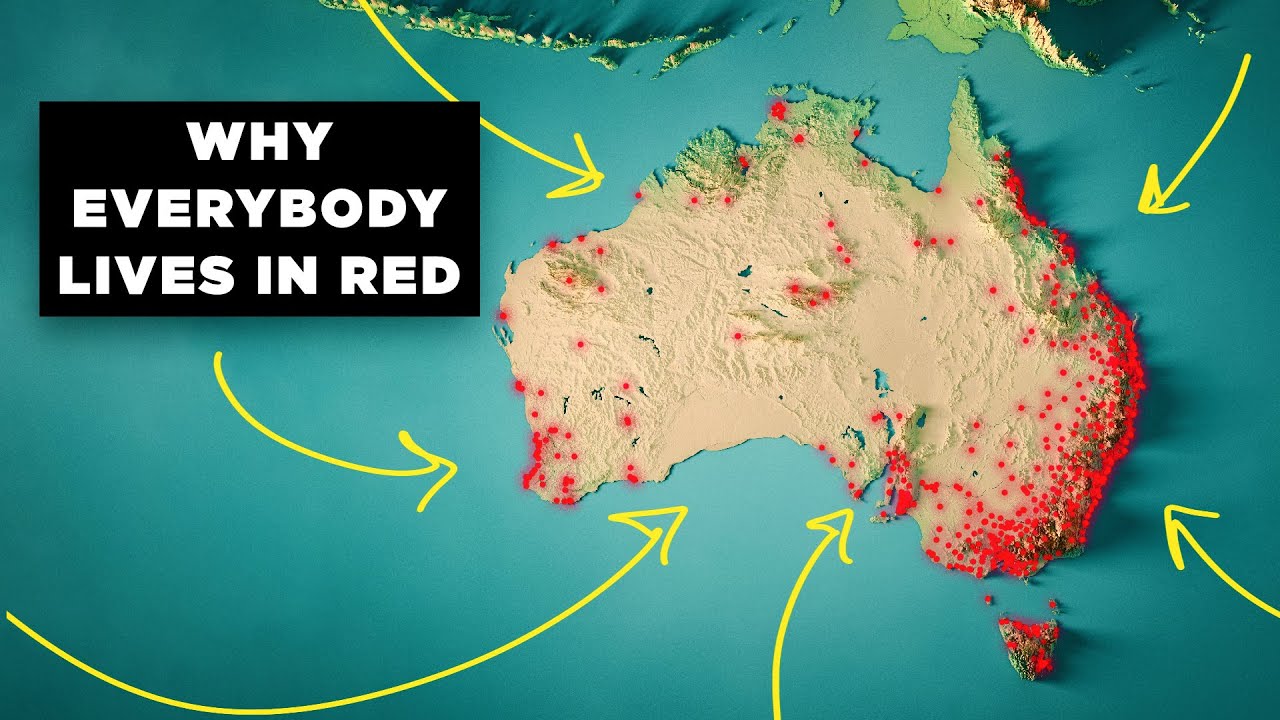
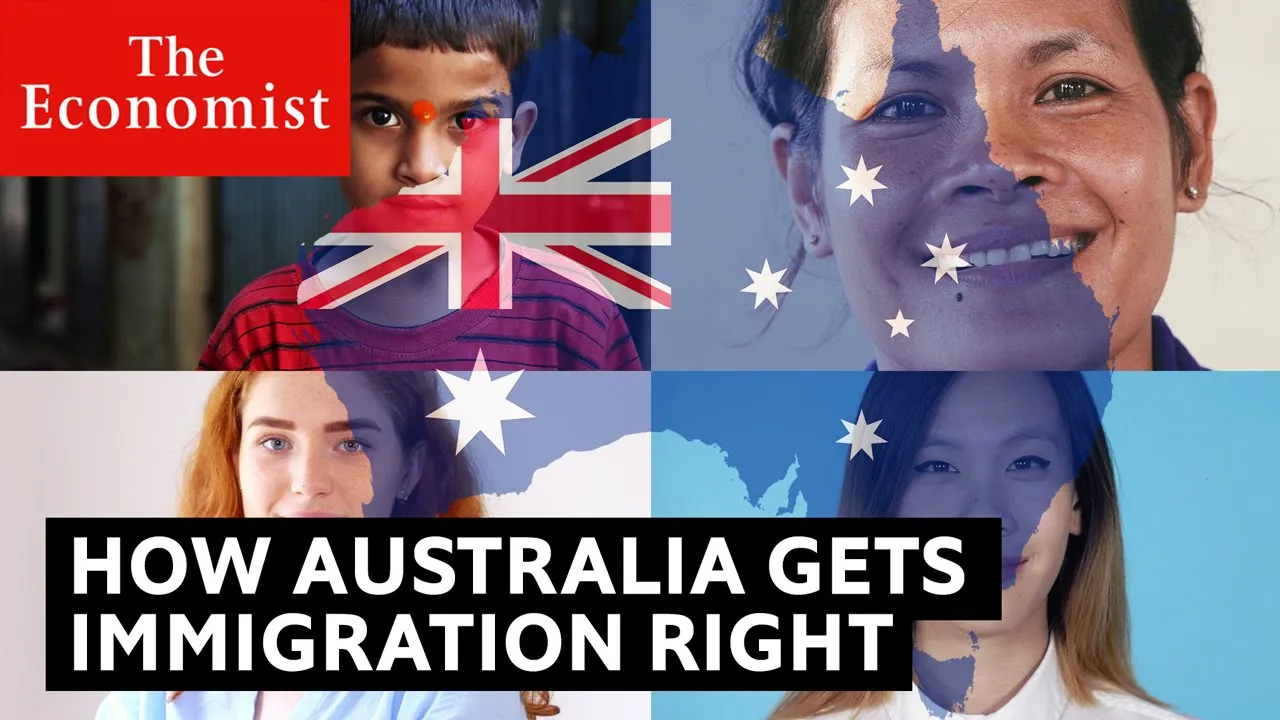
more people in and the debate fears between fear mongering and moralizing we have a president who is a racist xenophobe religious bigot so what should governments do to get migration right these people are migrants living in Australia almost a third of people in Australia were born somewhere else it has the highest migrant share of population of all the big oacd countries and almost double that of America migration was hugely benefited Australia Australian population has doubled since the 1970s and the economy has grown 22 fold and it's also become a more exciting and interesting country Australia
has not had a recession for 28 years thanks partly to its openness to foreign talent you can go to neighborhoods of Sydney where we hear a variety of different languages spoken and you get ideas from everywhere and it makes it easier for them to have trading connections with the rest of the world Anna has been a Sydneysider for almost two years I know the definition is that I moved here as a migrant but I wouldn't call myself a migrant being non-white I think people like me get the impression that that was used in a very
negative way I want to call myself a global person because I believe I can live and work anywhere in the world she moved here with her family from India we were looking at an option out of India we lived in India all our lives I'd been here on holiday in 2008 when I loved the country and that was at that point that I started thinking about it I was very excited until the 1970s Australia had immigration rules that strongly favored Europeans people called it the White Australia Policy but since then the system has been colorblind
and the number of migrants coming from China and India has rapidly increased in the 12 months leading up to June 2018 Australia gave out just over 160,000 permanent work visas ana received one of them Australia gives out far more visas relative to its population than Britain or America it shows that a country can be very open to immigration and very successful but it has to be done the right way wouldn't want to have such a big influx so suddenly that you ended up undermining the institutions that make rich countries rich in the first place but
what we do know is that you can manage a much higher level of migration than is normal at the moment and how do we know that because it's happened you look at somewhere like Australia any rich country could manage that level of migration and then if that works open the gates a bit more you could design a policy that was better both for the native-born and for the rest of the world Australia has found a formula that works Anna came on a skilled independent visa which allows her and her family to live in Australia permanently
and without needing a job in advance the advantages they value your previous work experience in Australia which is a good thing because they're not just looking for entry-level professions Anna's application was accepted because she scored highly on Australia's points-based system here's how it works people who want to move to Australia can put forward an expression of interest they are then awarded points based on their qualifications their age how well they speak English and what skills and work experience they have those with the highest number of points are invited to apply to the Australian government [Music]
Madeleine sumption is a migration policy expert a points-based system is used in Australia Canada New Zealand and a handful of other countries generally in order to increase immigration the points-based system puts the government in the driving seat and they decide what characteristics they think are important the Australian government decides which industries it thinks most need migrants it doesn't always get it right some migrants get visas but can't find a job I think getting your first job in Australia is a big challenge and I think it depends on where you come from as an experienced project
manager Anna got a job quickly most migrants in Australia find work within 18 months but critics say the government should give more say to employers when deciding whom to let into the country in most other rich countries the rules are very different if you come from a poor country it's extremely hard to migrate legally to a rich one unless you already have a well-paid job offer or are a close relative of a citizen the rules in America are particularly baffling America's current system is more restrictive than Australia and less selective a large majority of the
people who get permanent residents there do so via family reunification so because they have a relative there I'm only a smaller portion get in because they have skills they have a system that was designed quite a long time ago and politically it has been very difficult for them to change anything and so they have a number of quite rigid caps which means that they've generated big backlogs the demand for visas is so high they're simply allocating visas by lottery another issue in the United States is that it borders Latin America so a lot of immigrants
can enter illegally simply by dodging the border guards clearly not a problem shared by Australia it's an island so you can't just walk in anyone who comes without permission will be spotted by the Coast Guard they control their borders very closely the fact that they're ruthlessly selective that makes it easier for them to be generous because Australians really do feel that they are in control of who comes Australia's migration success story has made public opinion generally positive towards immigrants everyone at school is very welcoming my workplace was amazing the everyday Australian has been really nice
and warm so it's been a great experience but even here there's still a sizable number of people who want to slow the pace of migration I think the attitude of migration is not as Australian it's everywhere in the world now it's usually apprehension from a very personal point of view that people think there's possibly a loss of their own lifestyle in a democracy no migration policy can succeed unless it wins and retains the consent of voters [Music] some natives strongly object to newcomers they argue that immigrants dragged down wages for the locals and take more
out of the welfare state than they put in both charges are usually false but governments could adopt policies that make it absolutely clear that migrants pay their way if you said to migrants coming to rich countries yes you can come but you're gonna have to pay a little bit of extra tax to do that they would be extremely willing and then suddenly that might change the picture of how people see it people will see it as more of an opportunity and less of a hassle a migrant tax could be spent on things that voters like
such as pensions or public health or the government could simply send the money to voters they could also restrict migrants access to the welfare state this could be for a set number of years as in Britain or permanently like in the Gulf countries that would answer the economic complaints about migration but what are the cultural ones some voters fear the disruption that rapid migration can cause refugees do not assimilate this destroyed migrants tend to cluster which means that some neighborhoods really do change uncomfortably fast governments can encourage immigrants to learn the local language and understand
the culture but many natives prefer their societies the way they are overcoming all these objections will be hard but Australia shows that a country can be twice as open to immigration as America and the result is not a disaster as nativist predict but decades of peace and rising prosperity governments need to show voters two things that they get to choose who comes and that migrants put more in than they take out when they see this voters might be happy to open the door wider if you want to learn more about migration you can click the
link opposite to find further economists coverage some research data and studies used to make this film if you want to watch more films like this don't forget to subscribe thanks for watching you