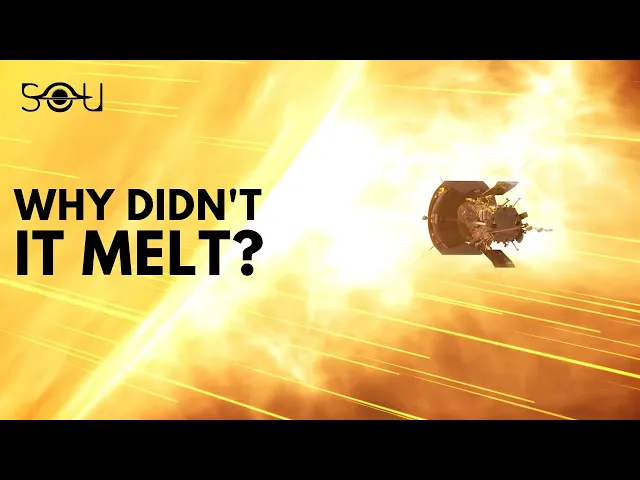
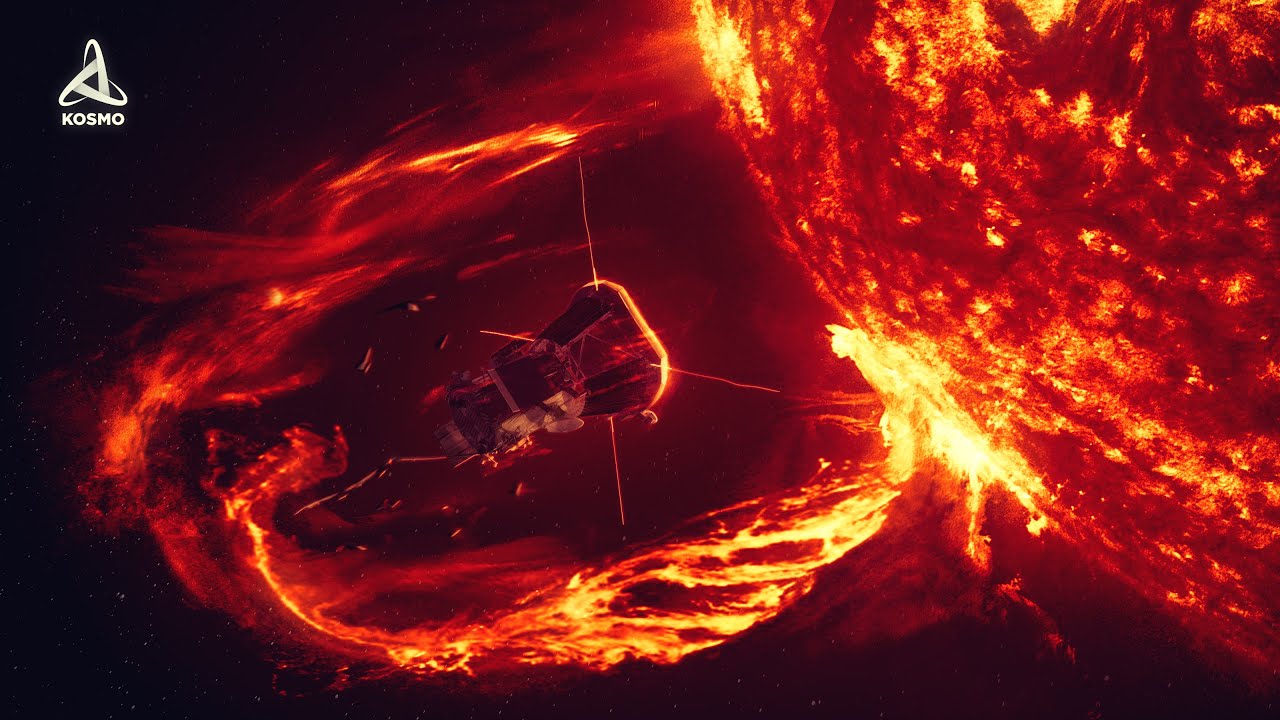
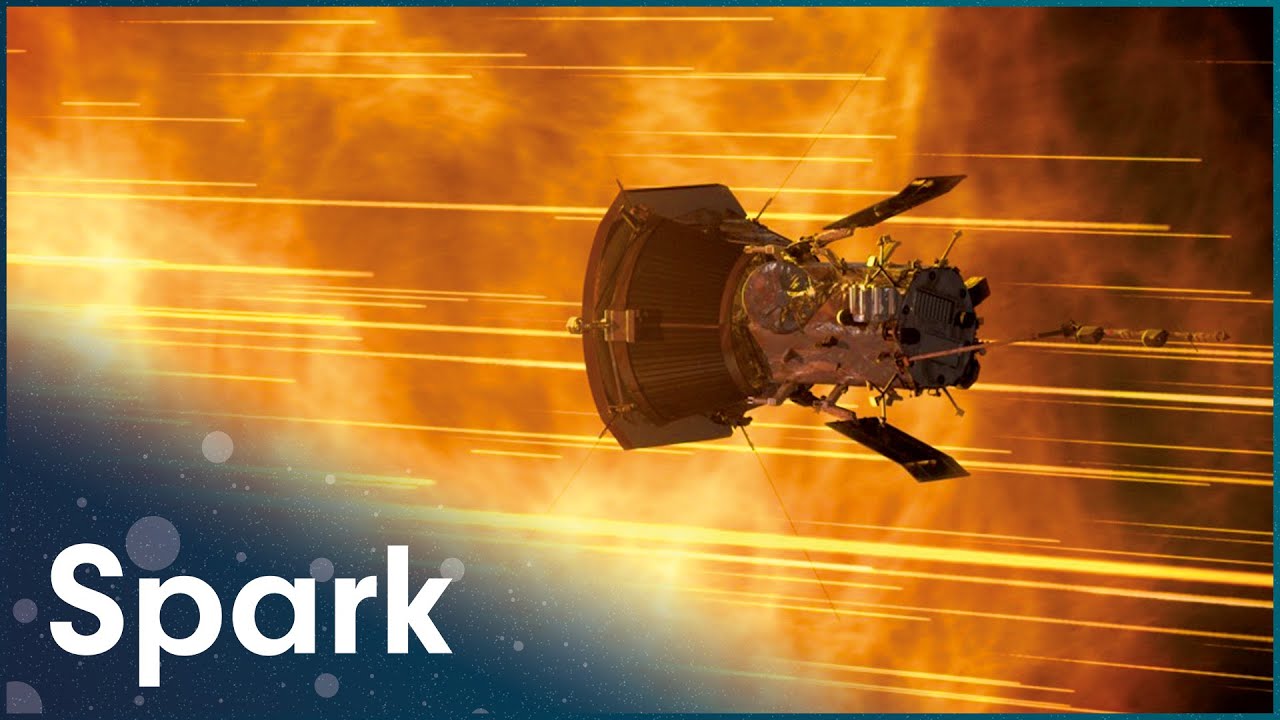
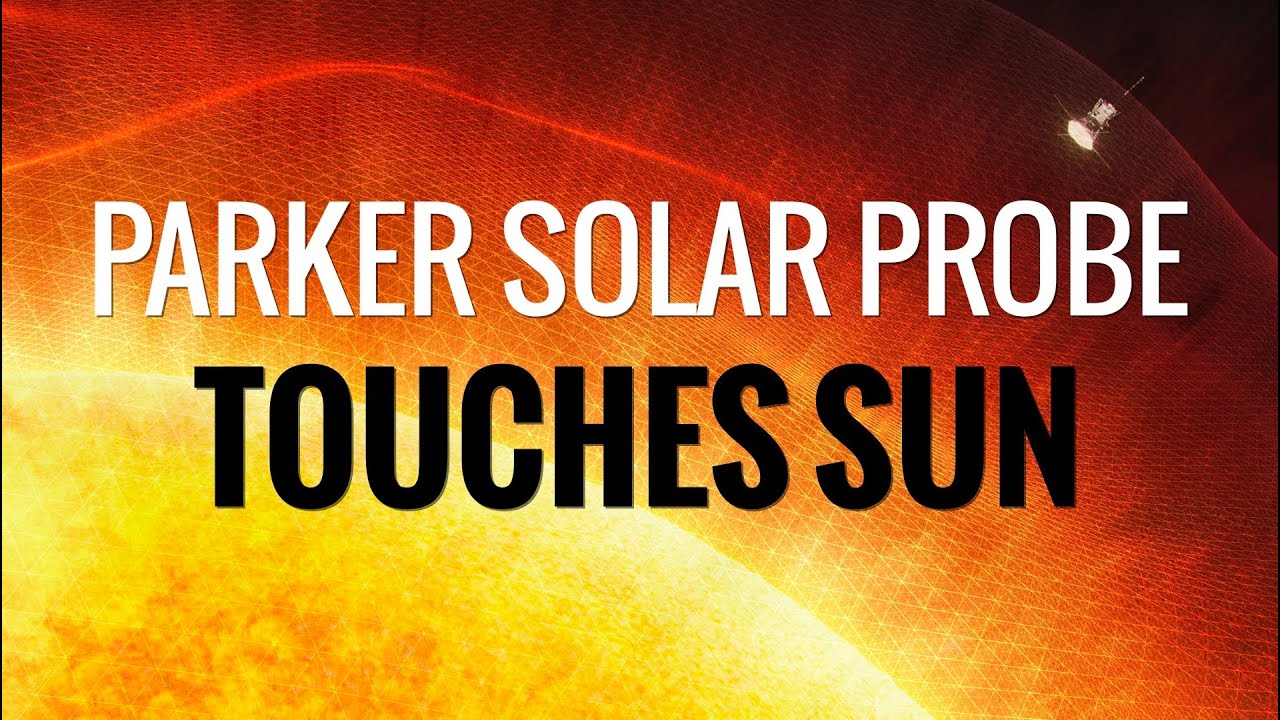
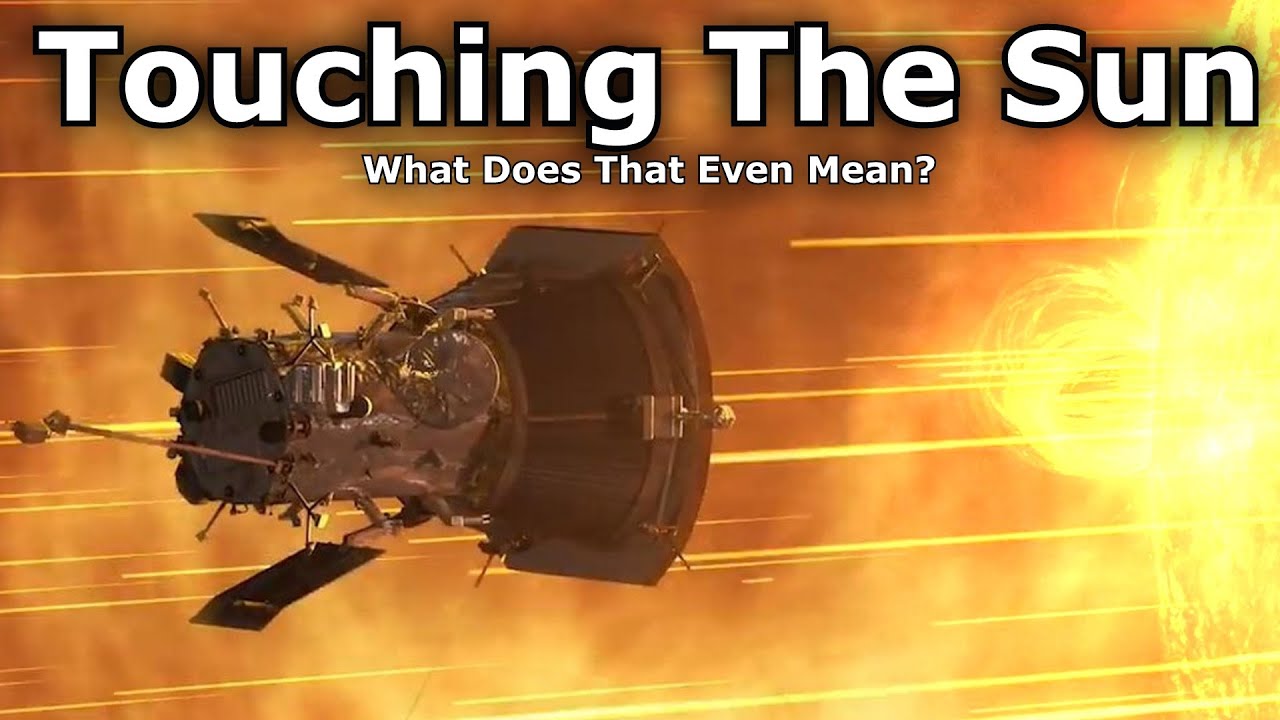
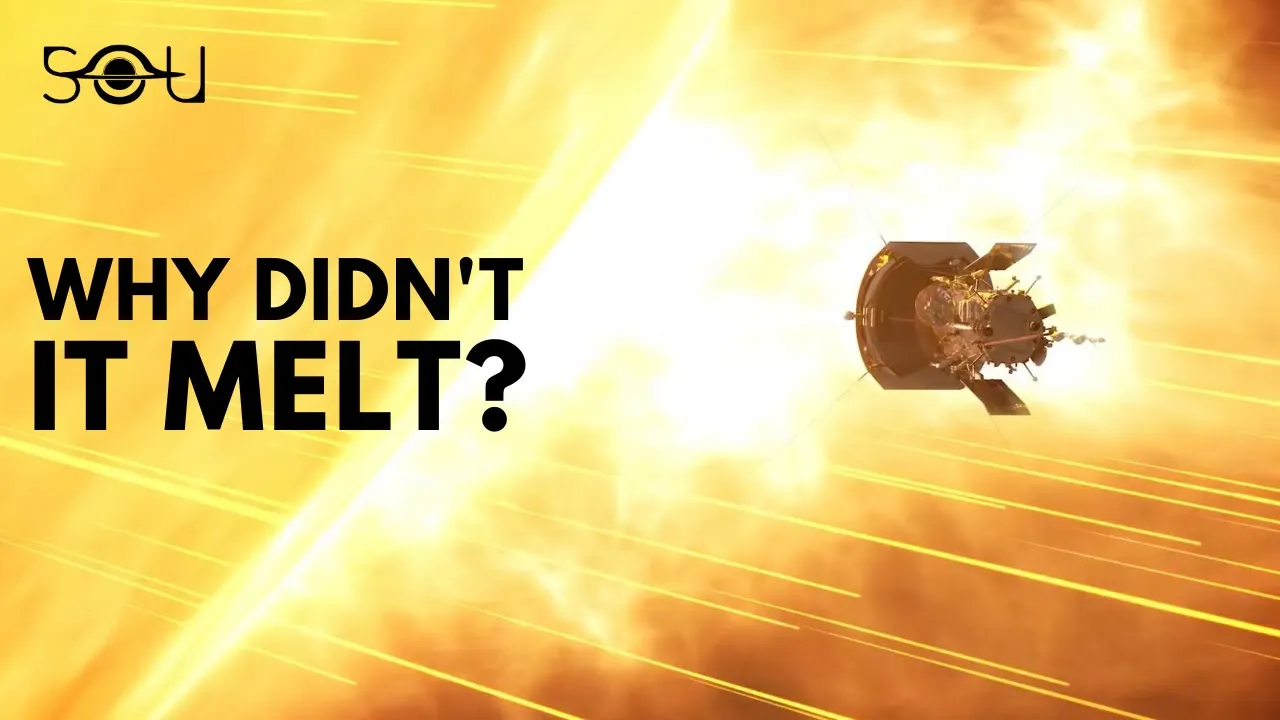
the Parker solar probe created history by becoming the first spacecraft to touch the sun it passed through the sun's upper atmosphere known as the corona temperatures in the Solar Corona can soar up to a million degrees Celsius it's the hottest region of the solar atmosphere but the critical question is why didn't the Parker solar probe melt when it touched the sun no metal can withstand such high temperatures so how did Parker manage to survive after plunging into the solar atmosphere how is it still functioning efficiently after going through such an extreme environment well a part
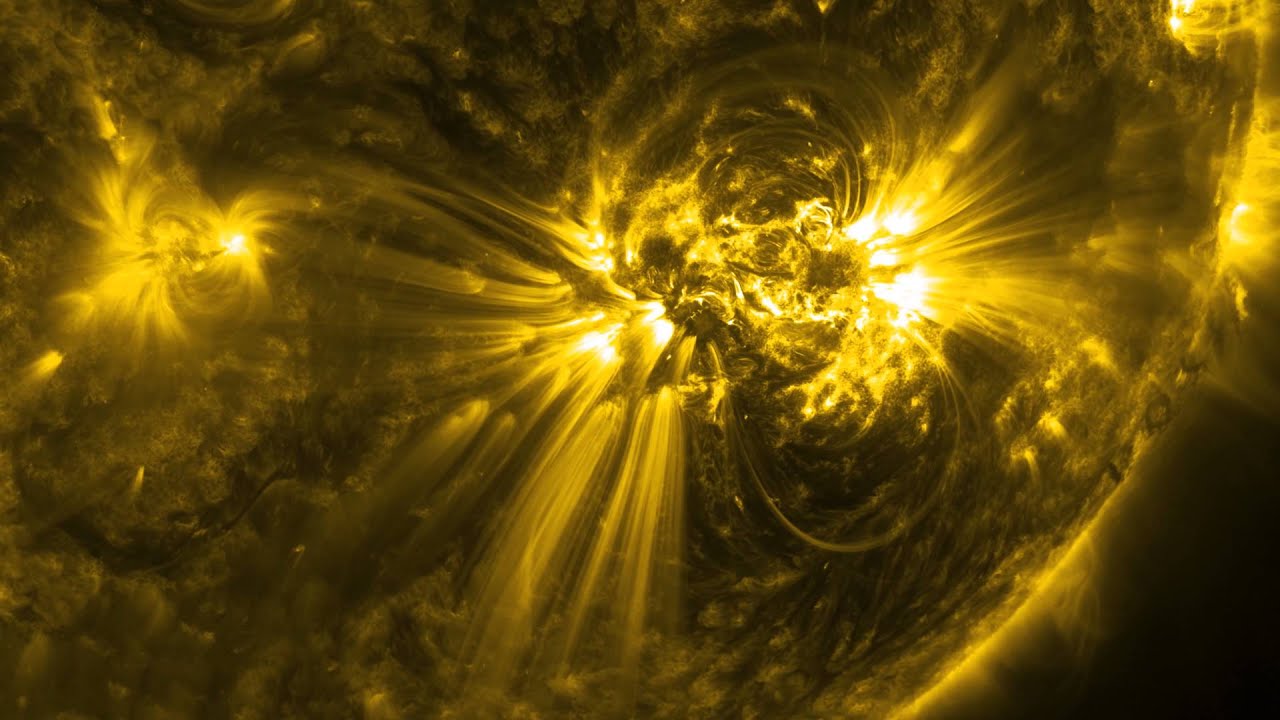
of the answer lies in the Solar Corona itself the fundamental aim of Parker was to study Sun's Corona Corona a Latin word for Crown is the outermost layer of the sun it consists of plasma and extends millions of kilometers into space usually this layer is hidden in the glare of the sun however it can be easily seen during a total solar eclipse and through a coronagraph which blocks direct sunlight from the Sun it is a mysterious region of the star the laws of thermodynamics tell us that heat cannot flow from a cold body to a
hotter one so why is the sun's surface at around 5800 degrees Celsius and the solar Corona at over a million degrees Celsius there may be an unknown mechanism that's heating the corona although the corona has a high temperature its particle density is very low that's where the concept of Heat versus temperature becomes important temperature measures how fast particles are moving on the other hand heat represents the total energy these particles can transfer if so even if particles are vibrating tremendously and have a high temperature if there are very few of them they won't transfer enough
energy as a result they would correspond to lower Heating it's like putting your hands in a heated oven and a bowl of boiling water your hands can stay for a longer period in an oven without getting much heat that's because the particle density is lower than the boiling water bowl for Parker this concept of Heat versus temperature is the backbone behind keeping it safe from melting since the Corona's density is lesser than the visible surface of the Sun the spacecraft encounters fewer hotter particles as a result it doesn't heat as much as it would in
the case of the visible surface eventually the sun-facing heat shield only gets heated to 1400 degrees Celsius or 2500 degrees Fahrenheit even while passing through an atmosphere of several million degrees but still even 1400 degrees Celsius is a lot for reference the temperature of volcanic lava lies between 700 to 1200 degrees Celsius so how does Parker tackle it the answer is in its thermal protection system or TPS it comprises a shield made of carbon composite foam sandwiched between two carbon plates this Shield is 2.4 meters in diameter and 4.5 inches or 0.11 meters thick even
though it's thin it can withstand up to 1650 degrees Celsius and allow Parker to maintain a temperature of 30 degrees Celsius in addition special measures have been taken for wiring the team grew sapphire crystal tubes to suspend the wiring the wires are made from niobium with a high melting point of 2470 degrees Celsius Parker solar probe is not only studying the Sun but it is also being powered by it however as the solar panels get closer to the Sun they might get overheated so to keep things cool out there the spacecraft circulates a single gallon
of water through its solar arrays the water absorbs heat as it passes behind the arrays and then radiates that heat into space as it flows into Parker's radiator finally the heat shield edges are accompanied by seven smart sensors if any of these detect direct sunlight they alert the Central Computer which directs the spacecraft to correct its position this way all the components are safely protected behind the heat shield so this is how Parker is gathering a wealth of information without melting if everything goes as planned the probe will send data from within 6.16 million kilometers
of the sun's surface by the end of the mission this would reveal the solar Secrets at depths that have never been reached before if you enjoyed this video make sure to subscribe to our Channel and press the Bell icon so that you don't miss any future videos of the channel [Music]