Nature is a size queen. While being the biggest often has a huge evolutionary advantage, sometimes being the smallest can also help a species thrive. These formerly full-sized creatures have become fun-sized over time.
These are the world's pygmy animals. Hey, I'm Tasha the Amazon, and you're watching Animalogic Second Nature. Pygmy animals are species or subspecies that are markedly more mini than their more common relatives.
These miniature mammals, birds, reptiles, and fish can be found all over the world. There are a few theories that explain why these miniature versions of certain species came into existence. The most predominant theory about why pygmy animals evolve is something called island dwarfism.
This is an evolutionary phenomenon that occurs when an island population of a species gets smaller generation by generation, sometimes in as little as 2,000 or 3,000 years. One explanation is that a lack of predators and competition on an isolated island habitat means that formerly larger animals don't need to be big to flee or defend themselves. One newly discovered population of tiny, island-dwelling pygmy lemurs, for example, showed zero signs of being afraid of people and were reported to be smaller than their pygmy counterparts on the mainland of Madagascar.
This hints at the fact that they have no natural predators on their tiny island home called Nosy Hara, located just off the north coast of Madagascar. So, some of the smallest lemurs in Madagascar moved to an island and got even smaller. That's the power of island dwarfism.
Nosy Hara has existed for at least 20,000 years, and lemurs have been there for most of that time, so there has been lots of time for these lemurs to turn tiny without any predators to elude. But Nosy Hara isn't just a frolicking ground for tiny lemurs; it's also home to one of the world's most diminutive chameleons, Brookesia micra. This 30 mm long chameleon is about the length of two Skittles and is among the smallest reptiles in the world.
They're only found on this one island and may have gotten this small to exploit a niche in their minuscule habitat. Another theory for island dwarfism is that a smaller island ecosystem forces creatures to become smaller as well, to adapt to more limited resources. Despite Borneo being the third-largest island in the world, island dwarfism likely also plays into the biology of the utterly unique Borneo pygmy elephants.
This distinct subspecies was separated from the rest of its Asian elephant brethren about 300,000 years ago and has since evolved larger ears, straighter tusks, longer tails, and an overall smaller body size of just 2 to 3 meters tall. Not exactly tiny, I know, but being a pygmy is all about being smaller than the average individual. While we don't yet know the exact reason Borneo pygmy elephants got small, a lack of genetic diversity in their tiny population could also be a factor.
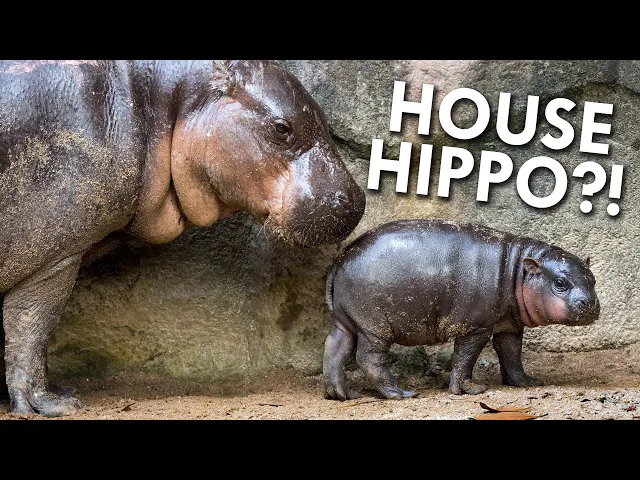
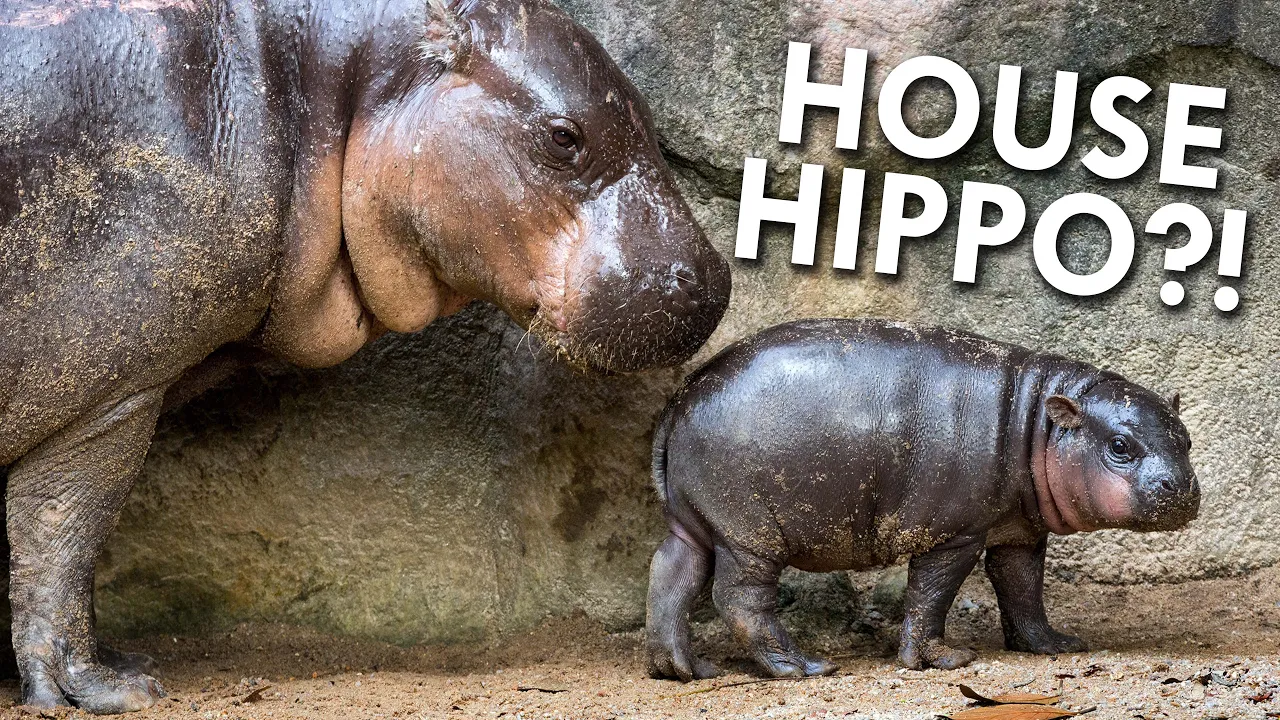
But what about animals that are pygmyfied but aren't island dwellers? Pygmy hippos of West Africa are a great example of a creature downsizing to match its habitat. Pygmy hippos differ greatly from their larger river-dwelling cousins, which are about 10 times their size.
While pygmy hippos spend time hidden in swamps, rivers, or wallows during the heat of the day, they're more adapted to nocturnal life in the forest. Unlike river hippos, which sport eyes on the tops of their heads perfect for peeping out of the water, pygmy hippos have eyes on the sides. Pygmy hippo feet are also less webbed, and their limbs are a lot longer and more nimble, perfect for tramping through the forest all night long.
These pygmy hippos live in a small island of rainforest surrounded by savannah where they can't survive. So even though it's not a literal island, being confined to a small place tends to turn animals into tiny versions of themselves. Pygmy slow lorises are also nocturnal forest dwellers, living up in the trees of Cambodia, Laos, Vietnam, and China.
These primates don't leap but rather move slowly through the canopy. They use specialized teeth to gouge the bark of trees to get at the sap and gum inside, but they'll equally snatch up some bugs or other small prey to snack on. Slow lorises may look unassuming, but they're actually the only venomous primate.
Glands on their forearms secrete a potent venom, and when mixed with their similarly venomous spit, it results in a serious one-two punch that can even incapacitate creatures as large as humans. When a mother pygmy slow loris leaves her baby to forage, she'll lick it all over with venom as a warning designed to deter would-be predators. One evolutionary explanation for how we ended up with two different versions of slow lorises, one size medium and one extra small in the same area, is called character displacement.
This is when similar species living in the same area adapt to exploit different food sources and therefore survive. If this is actually the case for pygmy slow lorises, it is still to be determined. We turn now to the world's teeny tiniest primate, the pygmy marmoset, native to the Amazon basin in South America.
These wee little monkeys are about the weight of a stick of butter. Like pygmy slow lorises, these little primates are also opportunistic sap suckers and bug eaters. One explanation for why they're so small is actually because of their chosen diet.
Smaller food sources, like insects and small amounts of sap, cannot support a larger primate body. This is likely why pygmy marmosets are so minuscule and have a lower metabolic rate than other primates, another case of character displacement. While island dwellers have the luxury to become small in the absence of predators, other creatures become small to avoid them.
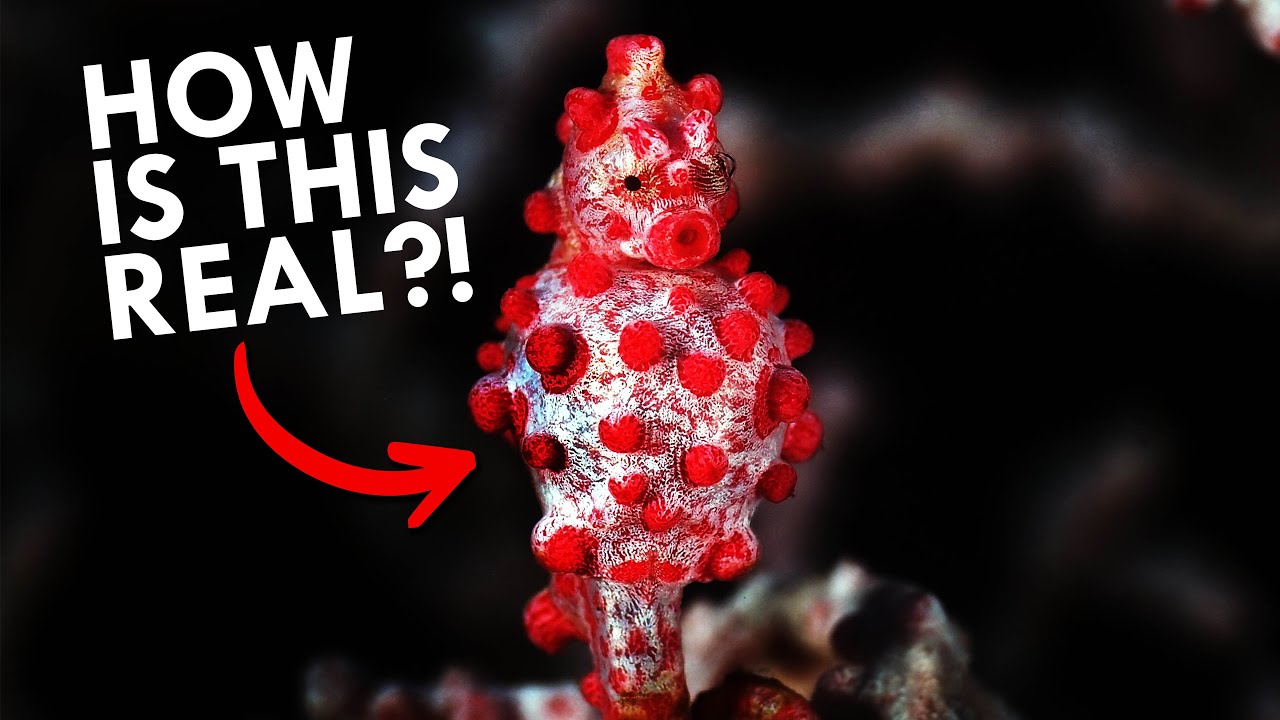
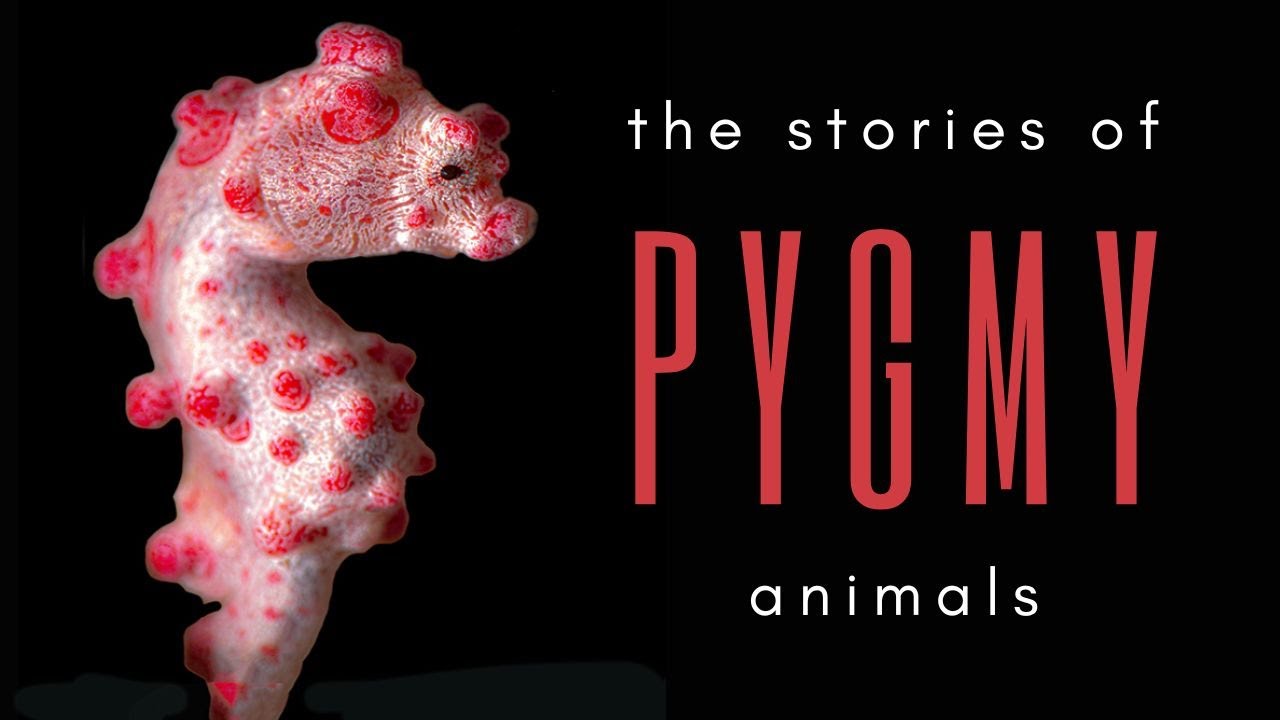
In the case of pygmy seahorses, their tiny size is what helps keep them keeping on, along with their impeccable camouflage. These 1 to 3 cm fish are the perfect size to seamlessly blend in with their coral surroundings in the tropical waters of the Indian and Pacific Oceans. You'd be hard-pressed to find one, and that's just the way they like it.
Pygmy owls, on the other hand, are greatly feared despite being no taller than a smartphone. They are vicious predators who spend most of their time hunting. Unlike most owls, pygmy owls hunt during the day and lack many of the adaptations of other owls, like silent flight feathers, excellent hearing, and unparalleled night vision.
And yet, their agility and hunting prowess allow them to hunt small diurnal birds like chickadees and hummingbirds. When you specialize in small prey, being as quick as them is a must. These mini versions of their full-sized relatives have evolved for all the right reasons, and not just to be adorable.
[music] So what should we talk about next? Let me know in the comments, and don't forget to subscribe for new videos every week. Bye!
Only connect the viewer. You come here; let me tell you about pygmy animals. Are you ready?
Is that a real thumb? Okay.