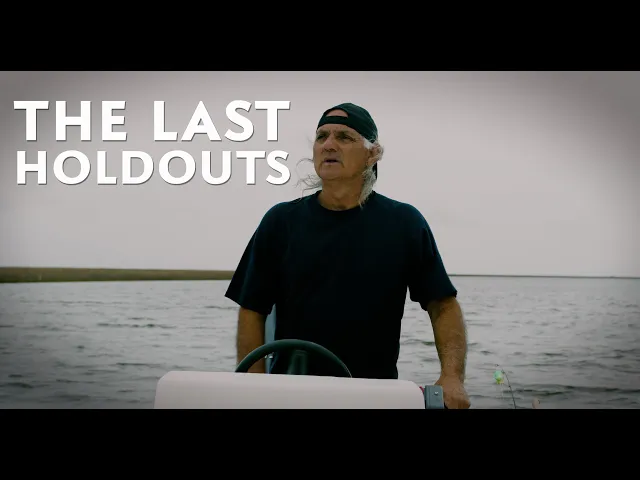
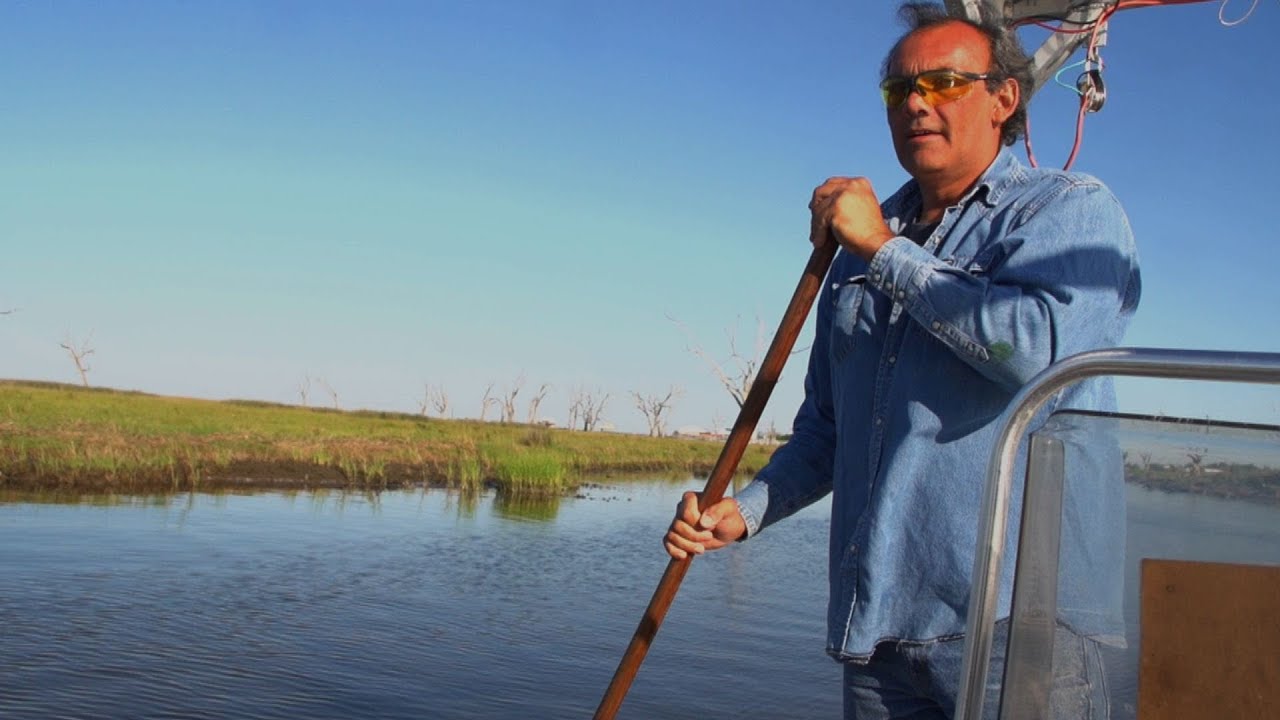
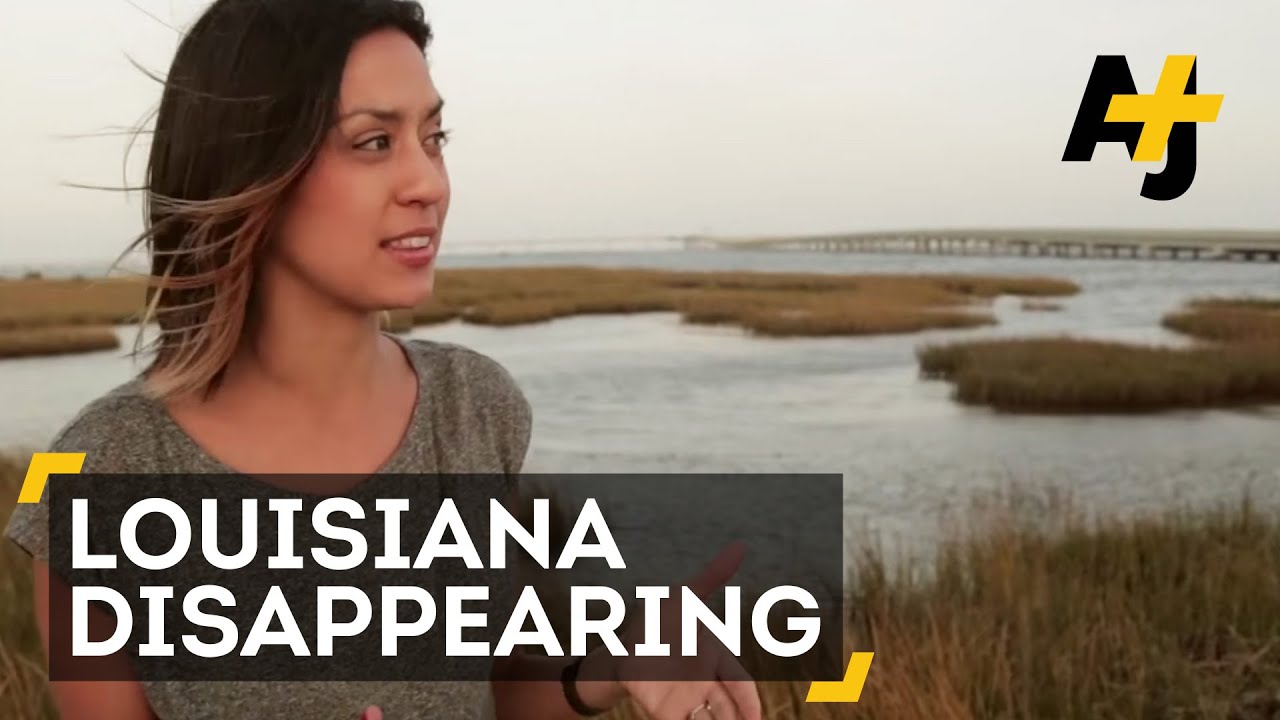
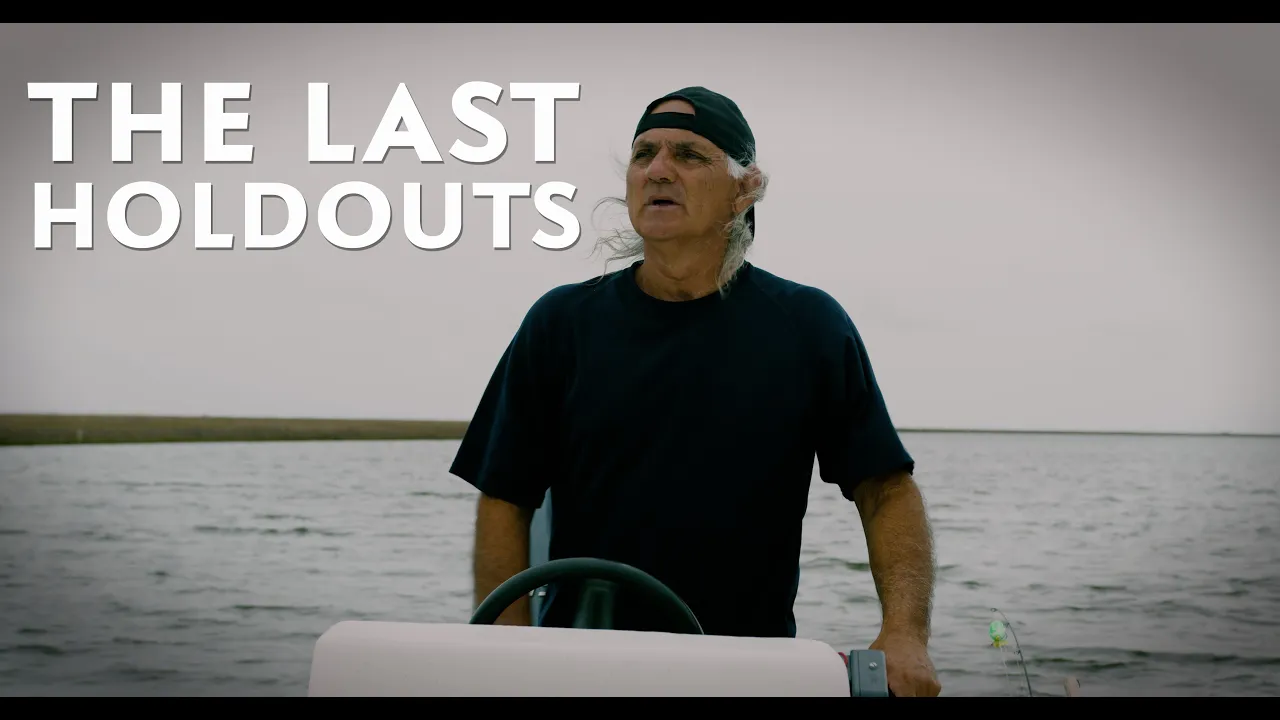
sixty-five-year-old donald dardar has been living off the land in ponochan's louisiana his whole life his father taught him how to hunt when he was just a child my dad taught me everything that i needed to know about surviving neutral goon uh muskrat otter but over the last several decades rising water and sinking land have drowned most of his childhood hunting grounds but i've seen a lot of that a lot of that disappearing places where we used to used to have land before now we're shrimping on top of that and the land's completely completely gone marshes
that were once thick and fertile are now a network of ever-growing saltwater canals like now the the places that we used to do the trapping for the for the animal you know that it just washed all out away and we washed all the land out now we're fishing we just uh kept adapting to the changes that's our way of life down here and that's what we've been doing but that way of life is disappearing louisiana loses a football field of coastline every hour that's 16 square miles a year and according to scientists things are only
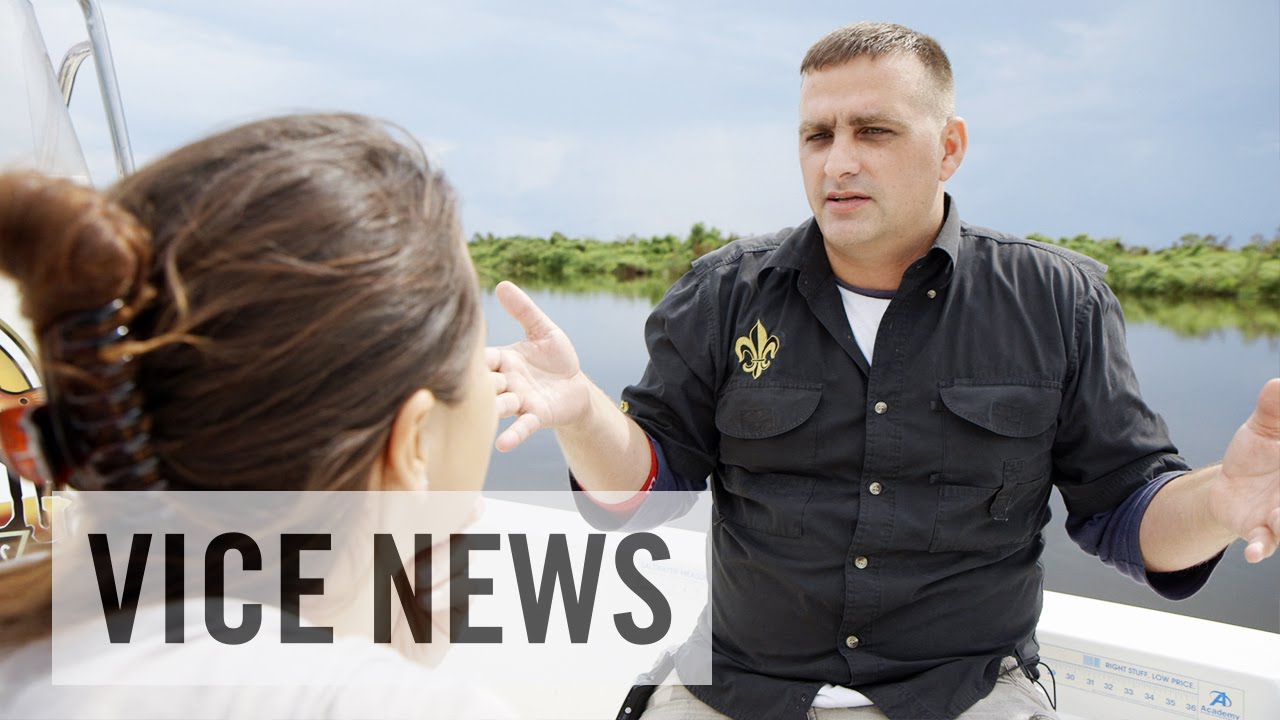
getting worse these marshes they play a really essential role in the life cycle of a lot of marine organisms unfortunately for us here in louisiana our marshes are probably among the most vulnerable on earth because they're very low lying they're sitting right above sea level pornichens and his neighbor the isle de jean charles are about 90 minutes southwest of new orleans at some points these communities are just a foot above sea level indigenous tribes such as the biloxi chichamacha choctaw have lived here since the 1800s but soon all their homes might be washed away southeast
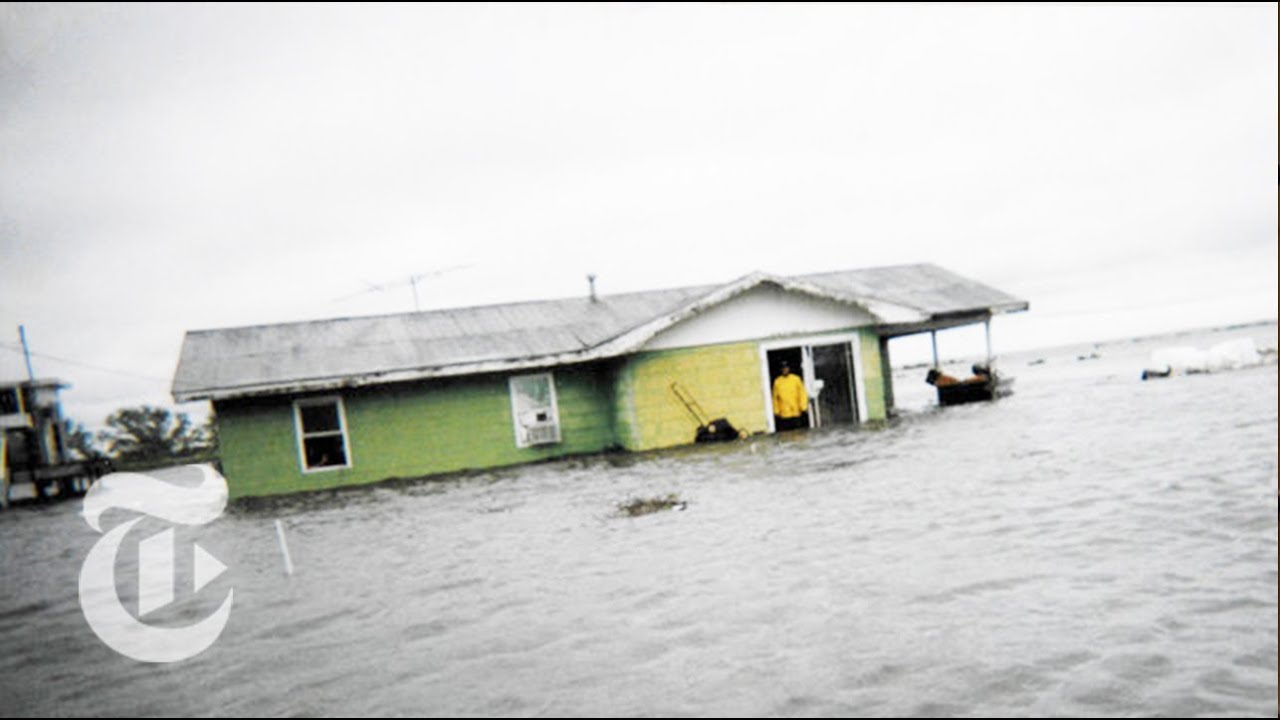
louisiana the southern part of terrebonne parish had really suffered a lot because you get a tide that comes in from the south south east southwest and that water has to go someplace so unless you stop that or slow it down it'll it'll eat up the land [Music] it's been real tough you can hear the shingles coming off the island has been in the news for years when storms come so do massive floods even high tide will cover island road the only way in and out this area has become an early warning about the threats of
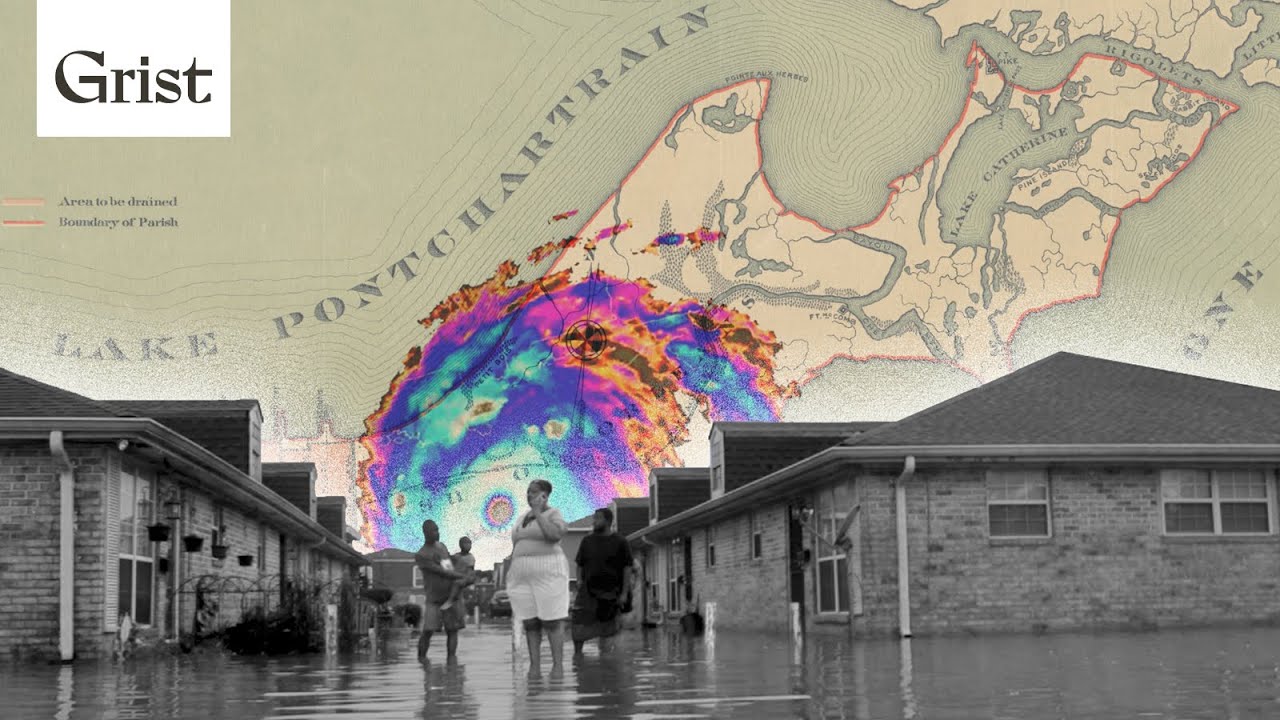
climate change worldwide however the tribes have always been resilient for generations they've rebuilt homes raised them on stilts and despite constant flooding and cleanup they've stayed but now people have reached a breaking point it was only fitting in 2020 that this hurricane season would be a historic one breaking multiple records including the most named storms for the second after a 2020 season that saw five major storms hit the coast even longtime holdouts like chris brunet have decided to leave like many from the tribe he's taken a deal from the state to move inland it has
been a decision that i hesitated to make until the last day it was a yes with hesitation because this place has always been home but residents of al dijon charles have little choice the louisiana coast is eroding four times faster than other areas around the world some of this has been caused by climate change but a series of man-made decisions has also played a huge role in 1927 the great mississippi flood killed 500 people and left 600 000 homeless in response the army corps of engineers built a series of levees to prevent another overflow but
these levees also stopped the mississippi river for bringing much needed sediment to the delta and as a result what what used to happen naturally was that during the spring flood a lot of water and sediment would basically disperse across this very large area and add a thin additional layer pretty much every year and that allowed these wetlands to kind of keep up with rising sea level but once we built the levees to prevent flooding that sedimentation stopped and the the sinking did not stop in the far-flung search for oil modern geologists and geophysicists often make
use of the helicopter and the marsh buggy a special vehicle which can take them into almost an accessible swamp land around the same time oil and gas companies discovered rich oil reserves under the marshland and in the gulf without laws to protect the marshes they dug thousands of miles of canals to transport crews and equipment to and from their oil wells and the problem is that these canals they have widened uh they you know you get wave erosion so the edges of those marshes along the canals they they kind of retreat so in some cases
you know the widening has has literally turned into entire open water bodies that have formed and uh that that's what helped bring that salt water faster further in inland you know so that's what uh messed up a lot of emotions for the for the end if you very abruptly start digging these canals then suddenly saltwater is going to penetrate into you know environments that are not really adapted to that you get these very kind of disruptive changes and all of these things kind of contribute to you know weakening uh the entire system the levees kept
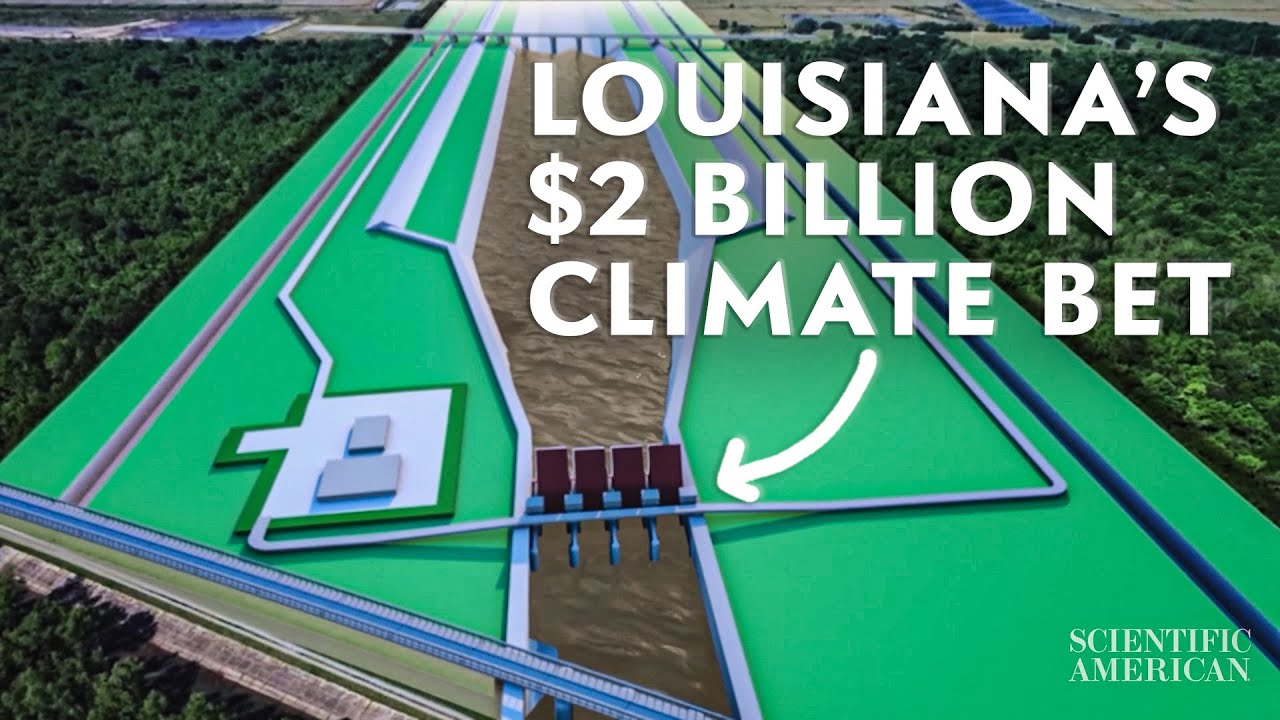
the delta from regrowing the oil and gas companies dug even more and then the world's oceans started rising faster sea levels are now increasing by three millimeters a year global warming is melting ice and the oceans are heating up and expanding you know all the predictions are that it's going to ramp up further in the future now it's going to depend on human actions how much it's going to ramp up in the future in response the state of louisiana is building a barrier between the land and the water the morganza to the gulf levee protection
system is a 98 mile 3 billion dollar wall designed to block the rising gulf water but al dejean charles falls outside the levee ring the island has been sacrificed and the state has other plans for the tribe in 2016 louisiana won a 48 million dollar hud grant to build a resettlement area in the town of schriever 35 miles inland the people al dejean charles will get a new home for free but they must give up residency on the island because they didn't want to include us in the morganza to the gulf hurricane protection system now
i got to go there let go of my house i mean where the fairness in that i mean uh it's it's like it makes no sense this new development is being built on old sugar cane fields far from the water there's no hunting or fishing here but after decades of fighting mother nature tribal members like brunei took the deal and i didn't think that that was going to happen in my time but it is and that's still a strange feeling it really is the development is scheduled to be completed by the end of 2021 but
delays caused by covet 19 may push that date back teresa dardar donald's wife has no plans to move from her home the couple live just inside the levee ring their home is protected but teresa still feels too much of her indigenous culture has already been lost sure we could build a house buy a house somewhere else but it it would never be the same this is the roots this just like a plant you de-root a plant and you leave it in the sun it's gonna die i got that many more years left so i figured
i'm gonna ride up my ears i'm sure here we should still have enough land for my for my time anyway but uh i hope i don't i don't even see it this right here all disappear be heartbreaking to see all this land going louisiana is not the only place where coastal erosion is an immediate threat well there are some countries that will disappear altogether we have we have all these mega cities in these very low-lying environments and they are you know facing uh very similar issues i mean ill-dejean is of course already being relocated and
it's a complex operation now just imagine if you have to do this for a community that is like a thousand people or ten thousand people or a hundred thousand people or a million people because that's where we're headed eventually and it's i don't think anyone really knows how that's going to work [Music] you