The main reason we went with Formlabs for SLS is because they have a fantastic reputation. We know that their customer service is good and also we've seen lots of sample parts and we know the quality is amazing. So we thought if we can start delivering parts like these to our customers, then it's just going to take off and they're going to be thrilled.
FLEX 3D are able to offer not only 3D printing services, but also CAD design, reverse engineering and consultation as well. A lot of people have designs and they want to 3D print them even in mass production, and the design is just not suited to 3D printing at all. So taking our experience and sitting down with the customer and saying, if you make these tweaks, things get cheaper, the quality gets better, it's really valuable and we try and give that as much as we can with new customers.
Typically, we're asked to produce prototypes for products that will then be injection moulded or produced some other way. Often customers come back to us and say they didn't expect the prototype to look so good, and they ask for quotes for batch production. And then that's actually what we're really aiming for, is batch production of end use products, or at least parts, to go into assemblies in a commercial or industrial environment.
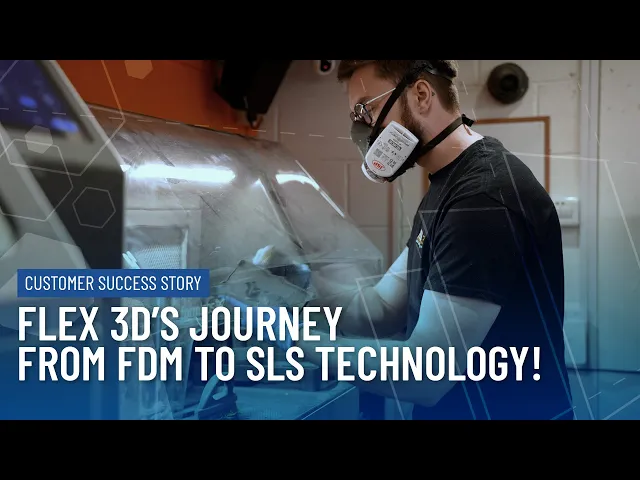
Initially we went with FDM printing just because the barrier to entry is really low and the materials that you're using aren't messy, they're not smelly, and the post-processing can just be done in a domestic environment. So that's why we went with FDM. One of the key limitations that we kept running into with FDM 3D printing is the reliability.
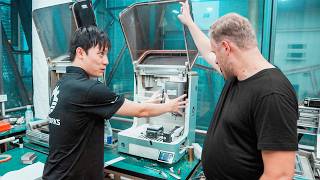
We'd find that prints would warp, prints would fail, and the end finish and colour of the parts might vary between printer or brand of filament. And this made it very difficult to offer a professional service. We went with the Fuse 1+ 30W, and we loaded that up with PA 12 Nylon, which made the most sense for us for the applications that we’re going to be producing parts for.
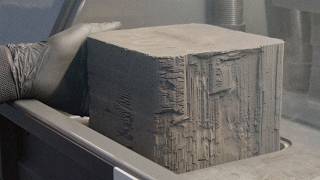
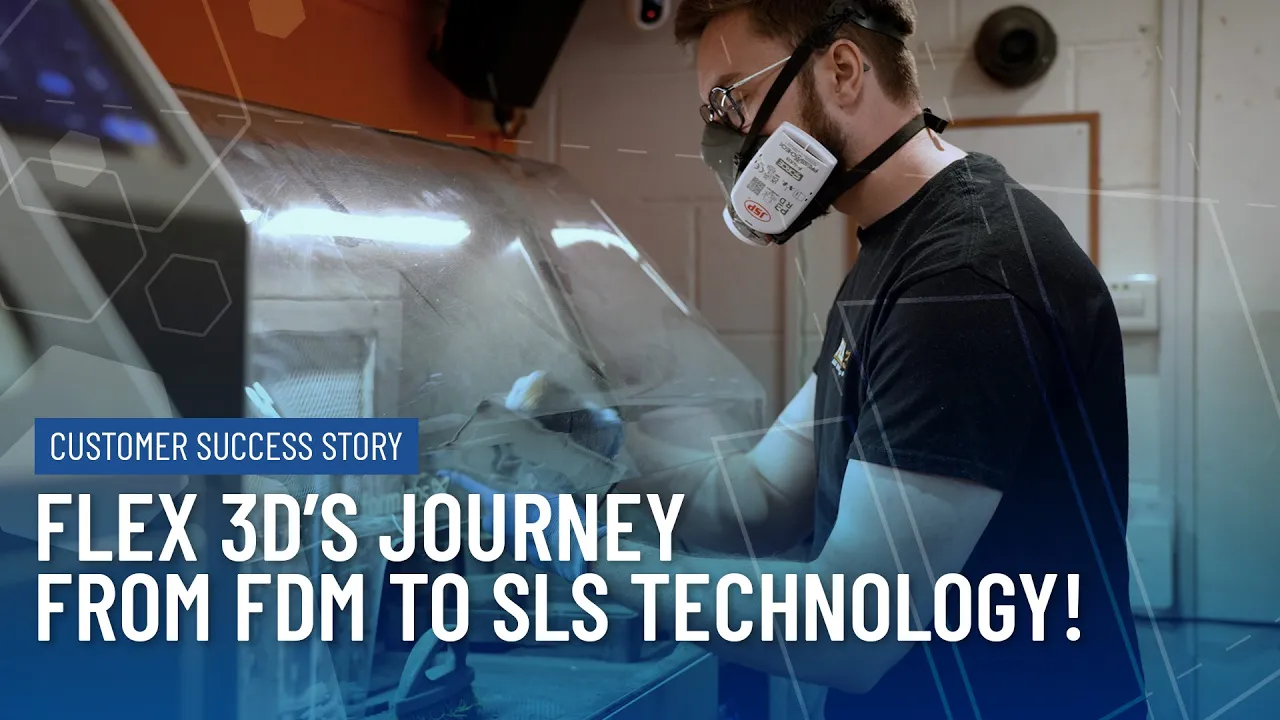
We went for the full Blast and Sift combo workflow as well, which makes the post-processing super, super easy and keeps our professional quality up of the parts that we're providing. Bringing SLS in-house has meant that we can increase our turnaround time on SLS parts. Previously, we had manufacturing partners that we'd work with.
But our margins on top of their prices were super high and the lead times were just insanely long. And so for us to now be offering two day turnarounds on such industrial parts is fantastic. People sometimes will need a replacement Nylon gear for a machine, and while that machine's down, it's costing their business money.
So if we can turn it around in two days, we've saved that customer loads of money. So that turnaround time is key for us, it's been a really valuable USP. Most of our customers actually didn't need SLS and that's why they used us in the first place.
But we've blown a few of them away by just sending a sample print of their normally FDM printed product in SLS, and they just had no idea these things were even possible with 3D printing. So it's put us into a new league where we can approach larger companies and blow away our existing customer base. We found that the support from Solid Print3D was more than just a reseller.
They clearly run the machines themselves. They have them set up. They've got lots of experience.
So when we have specific questions, they're really able to help. In fact, when we were setting up our air compressor, we had an issue where we couldn't find this quick release valve. And I just called up one of the guys and they already knew exactly this problem, and they just sent me a link and I ordered it arrived the next day.
So it's really helpful to have people who've gone through the same problems that we're going to run into, especially when you bring in a new technology, because it can be a bit scary.