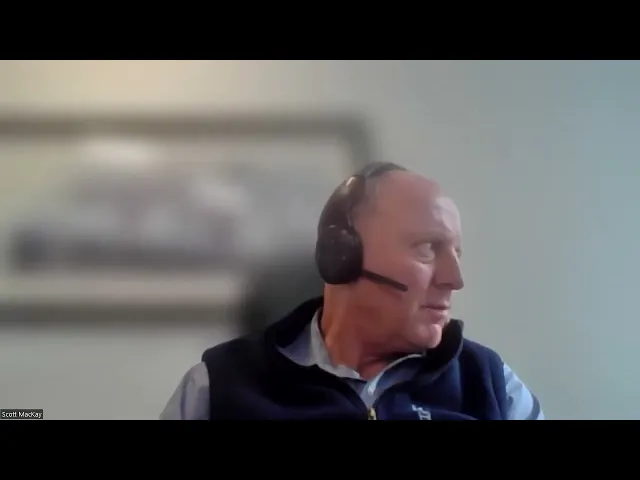
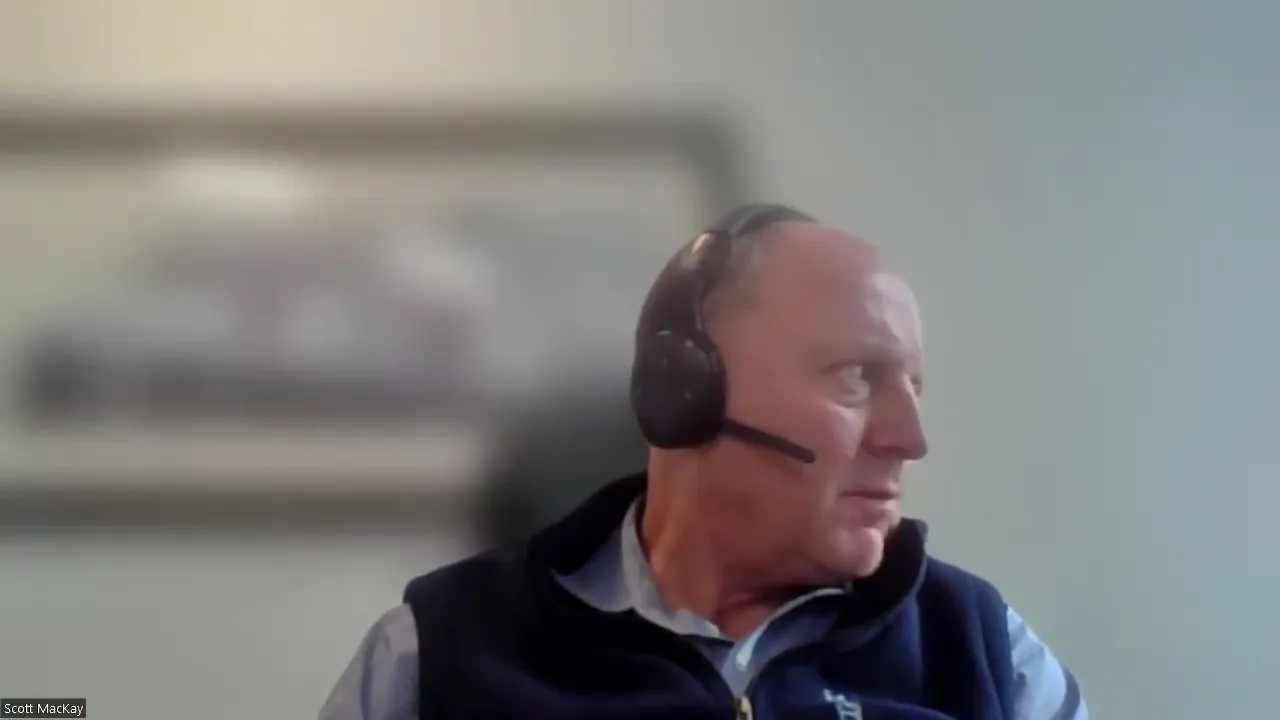
I'm delighted to be here with Scott McKay the president of probe research here in Winnipeg I've known Scott for many years worked with him on several projects and I've always been impressed with his approach to marketing research I think this is one of the areas that is certainly misunderstood and when we come out of the coveted lockdowns and see all the companies that are doing research and online and contact with customers to try and figure out what they're thinking and doing big question in my mind was always was the research effective or not and while
that's a longer question to consider I've asked Scott to talk to us today about how to focus on making sure that your insights are valuable when you decide to conduct market research so Scott the first question that I'd like to get your input on is what do you see as the most important first step when a marketer decides they need to conduct some market research yeah so you know this is um this is always not a straightforward answer uh here because what happens is people sometimes call us up and ask us to conduct research and
I don't really know what happened before that why it is that they've come to this moment where they're asking for uh marketing research because I'm not a marketer myself I'm a marketing researcher so um but it seems to me that usually what these people are trying to do is fill in some kind of void an information void and the more people recognize that these voids can be addressed the better sometimes I think many people just go on with their businesses or their organizations not knowing that right under their nose is a methodology that could answer
a bunch of questions for them so my job I guess in the extent that I I'm a marketer for my own business and we are a business is to tell people about these approaches and let them know that there are ways to fill these information voids um so people come to us and they want to find out something that they don't know and they want to sometimes establish Benchmark or Baseline information on a go forward basis so they want to get kpis and they want to know about their net promoter score and they want to
know if people are aware of them and their performance and satisfaction Etc and they want to be able to revisit those numbers once in a while and see whether they're making any progress so a modern marketer I think depends on marketing research to guide them and inform them as to the success or or lack of success of their efforts um so one thing I ask these people is what is it you really need to know and what is missing that would help you to advance your business or improve your efficiency or make you more competitive
or whatever the case may be so I do have an educational role to play for these to for these organizations as well to let them know what's out there and what kind of information we could give you that might be useful I I hope that answers your question it does it leads me to a quote I'm trying to remember if it was a David Ogilvy quote or somebody else who once said your research can often be compared to a drunk and a Lamppost are you using it for illumination or support that leads to my next
question which is what are some of the pitfalls or concerns of poor market research that you've seen during your career yeah so you know this is a very uh common and dangerous uh phenomenon which is organizations and and businesses that approach me and say you know um a couple years ago we conducted a survey and we used um one of our partners daughters who was a summer student in the university and she went out and she collected some information and we're just not really sure if that is true or not so they they somehow went
through the initial efforts or they since it made some kind of Quasi effort here but they just didn't have at the end of the day enough confidence that those results were correct um and this this happens when companies and you know this sounds self-promoting but when companies do this stuff internally it almost always winds up that they just don't have the confidence that those numbers are real and they probably shouldn't have the confidence because they probably are not real and if you think about it um conducting research that is incorrect is far more dangerous than
not doing anything at all in my opinion because if you did believe that those were the results and you put your heart into the to understanding what you think are these results and then you act upon them and the numbers were actually incorrect in the first place the information was correct incorrect you can really go down a dark hole and and and and and uh this is very dangerous so I I do think people have to not do these things internally not cut corners and um see that that this is being done uh professionally so
this is something I do see a lot and I I guess I maybe see it less often than I did at the beginning of my career about 30 years ago and I think that's because of the people like the business students that you guys that you educate and others are educating and my friend Chris Adams and others who teach in the business world really want to instill into these students the value of doing marketing research professionally so but it still happens and it's always distressing to see it and as I say I think it's very
dangerous and it'd be worse to do nothing than to do a bad research project well and I think it's kind of add to that Scott what's you know the Advent of tools like SurveyMonkey and others people think hey I can just do this on my own and they ask questions that are again formulated to either tell them the answer that they think they want to hear or they're just completely asking the wrong question which leads to your comment about they're gonna get wrong information one of the things that you could do is at a minimum
you could help them just craft better questions knowing what they're looking for yes and Tim you know the the the fact that these tools these software platforms like SurveyMonkey now exists and are basically free is very you know this is a very powerful thing and uh companies can use those tools effectively um and you know it's come a long way we the first software we bought that that allowed you to sort of respond and to fill out a survey form themselves uh cost a hundred thousand dollars and just to just to possess this kind of
software was a huge deal and uh it was a barrier to entry into the market of competitors of ours because you know you had to really put your money where your mouth is now anyone can just go online and download a questionnaire form but that doesn't mean they know how to answer the ask the questions as you point out and uh it doesn't mean that they know how to sequence those questions and I guess the other sort of elephant in the room here is that when an organization itself is behind the research and sponsoring the
research and it says hey I'm so and so vice president of human resources and I want you to do this survey today um people people aren't less inclined to be to participate in the first place or to provide full and Frank uh commentary because they feel that this would identify them and they're just not confident that that that the results they're providing are confidential and this is something that you really do get when you contract with a third party is not only a professional survey design but solid assurances that those results will stay with the
research company and not be passed on and and so I think that's also very valuable absolutely and I can attest to that from having worked with you that that's one of the benefits of using a third party is that objectivity and Independence and the confidentiality people feel more comfortable for sure yeah so my last question is what guidance would you provide marketing students as they look to use market research during their careers you know Tim this is a great question and it's kind of the question I've been asking myself for years because um you know
as I said I've been in this for 30 years so a lot of the people that I now deal with it with as clients were in my early years students and um so I have a vested interest in seeing that students understand what we do because I think one day they're going to come out of this and become a perhaps a user of marketing research so um is it the best thing I could think of would be to have actually somebody come and immerse themselves like I would love to have an uh an MBA student
or somebody who studies business come and one of your students sit with me don't sit with me but hang out with me and immerse themselves um what will embed themselves let's say uh in the company for uh a week and really see what it is we do and how we do it and I think then then when they go on to other roles in in professional roles they will remember here's a tool that these people did all day long and here's how it worked and these tools by the way are always changing too um the
marketing research industry moves at the speed of sound and uh methodologies that worked two years ago are not as effective and a new one has come on stream and new software and new approaches and so um it's really important I think that students stay abreast of these technological and even sort of the art behind this the changes that are always going on in marketing research now the problem of course with embedding a student in our organization as much as I would like to do that is that a lot of this information is highly confidential and
I'm not sure that our all our clients would appreciate someone who doesn't work for us being able to see what we do but if we could get around that somehow I think some kind of immersion which we'd be happy to do would be valuable for the student and for us in the future just to to share that information and it'll expose these students to our methodologies and techniques I think what you've described there's God is is great advice for a young marketer and anything that they want to do is to immerse themselves and learn come
in with skepticism and questions and tap into the knowledge of folks like yourself that as you say have 30 plus years in the industry have seen those changes have seen what's happened with clients with tools Etc the good and the bad and and you know an example of this would be we have a client I'll just name them even it's the City of Calgary and the City of Calgary has a lot of people now in various Departments of the city infrastructure there who have come from the world of marketing research and they have a sort
of a little Secretariat within the City of Calgary that oversees the procurement of marketing research services and these people are terrific because they know what's available and they know what it should cost and they know how to discriminate between good and bad marketing research and so they're just terrific and so I can I can say that someone who's really been close to it is in a much better position to leverage that and use those those tools effectively that's terrific what a great example thanks Scott I just want to on behalf of all the students thank
you very much for your time and insights today there's going to be people looking at this for the next few years and I know it's going to be valuable for them as they start in their careers and the understanding of marketing research is importance to an organization to get good data as you describe cannot be understated and I thank you very much for your insights thank you Tim and send some students my way I will thank you okay okay see you later thanks bye