Are you interested in creating your own payment gateway? Perhaps you have a unique idea building a payment gateway for your local country or you need a payment gateway for your huge retail business or you need a payment gateway as a white label solution or you need a solution to control each and every transaction due to local regulations. Well, stay with me because I’ll give you a step-by-step guide on how to develop your payment gateway, how to create an architecture, how to hire the best software development team and how to outplay your competitors.
I'm Dennis Babych, the Director of a software development company, my team and I created more than 200+ mobile and web apps. My goal today is to guide you through the framework of system architecture, validating your payment gateway idea, identifying benefits and challenges during the development process, navigate through the process of creating your payment gateway, sharing niche insights and revealing a real price to build something like that. Let's get started!
Now, I'd like to be 100% transparent here. This video is not about how to code a payment gateway within 5, 10 or even 100 hours, many YouTubers is doing that but it’s just a huge fake. If so many companies out there hiring software engineers paying them huge salaries to create an app with a 12+ month period then why do you think yet another YouTuber will give you a silver bullet on how to do that in 5 hours?
First of all, we have to identify who really need to build a payment gateway. It’s reasonable if you are big business that need to reduce it’s expenditures creating your own bridge of communication with banks, or if you have some unique game changing idea that can compete with Stripe or with your local competitor, or if your market is empty and you wanna become the first one on this market. Now, let's start by identifying the core components of your payment gateway.
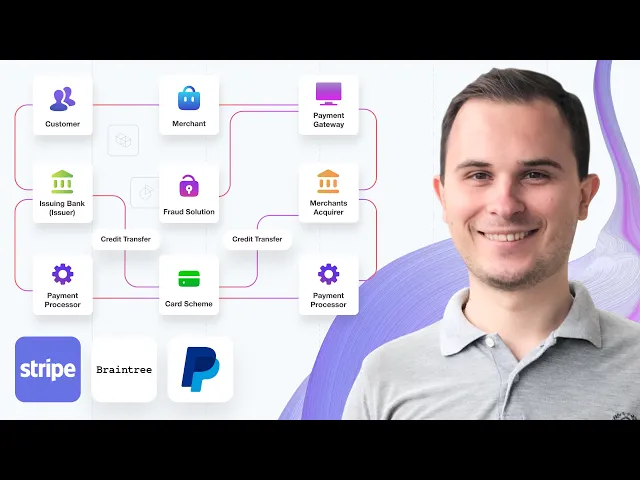
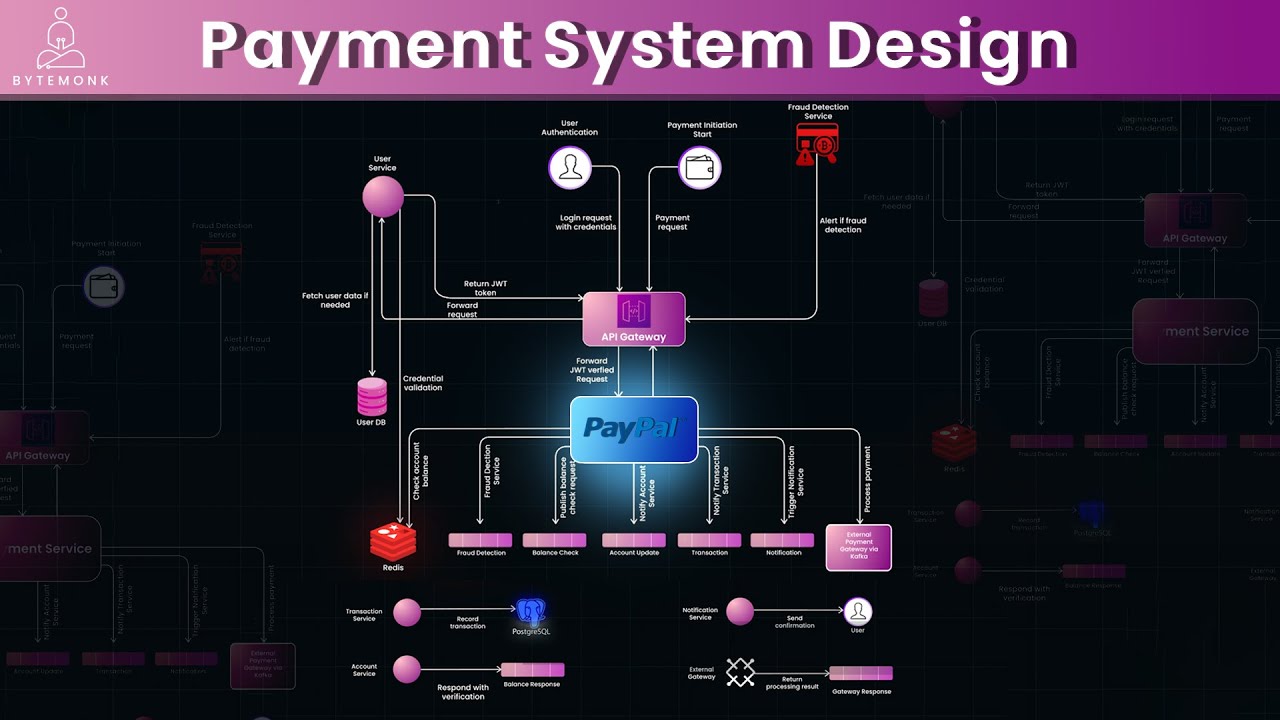
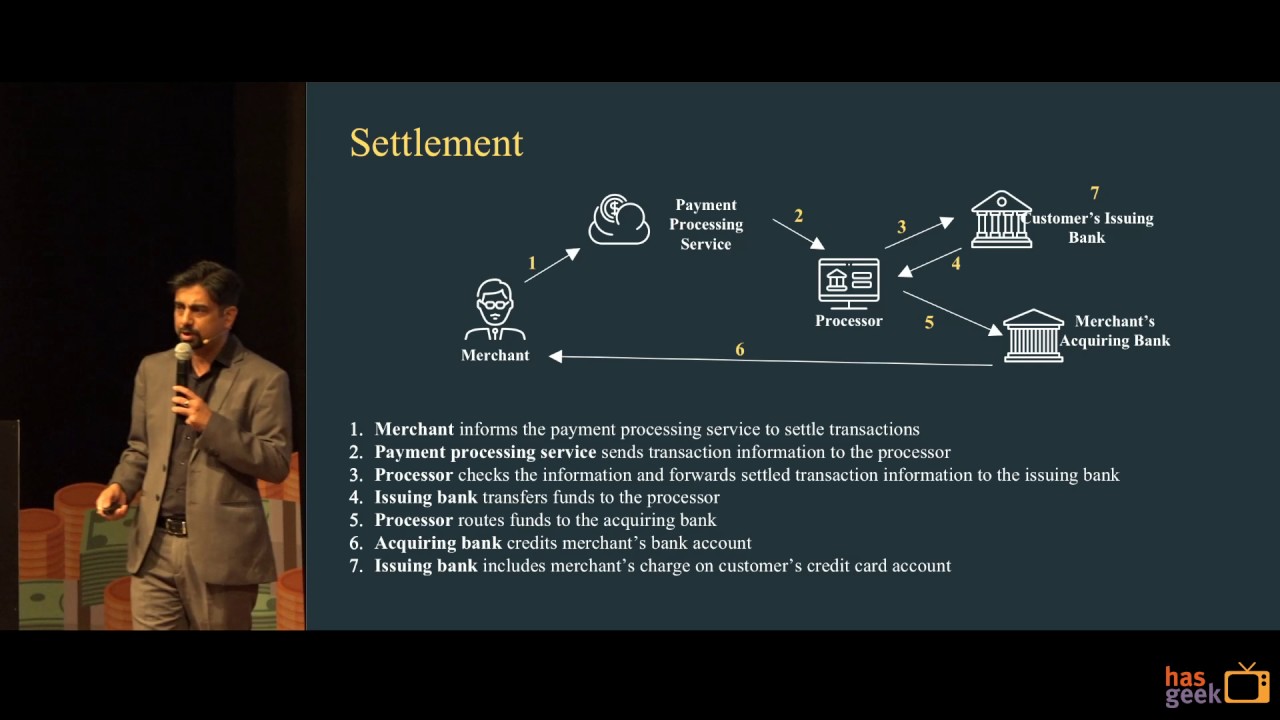
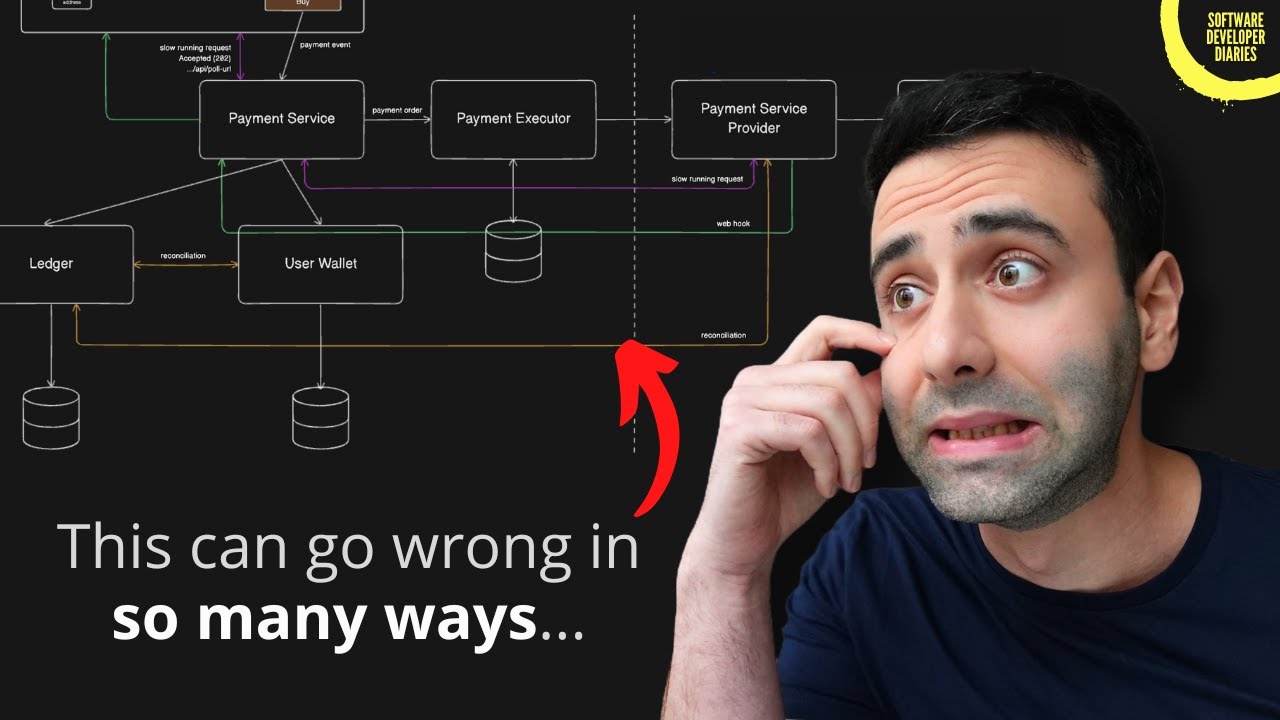
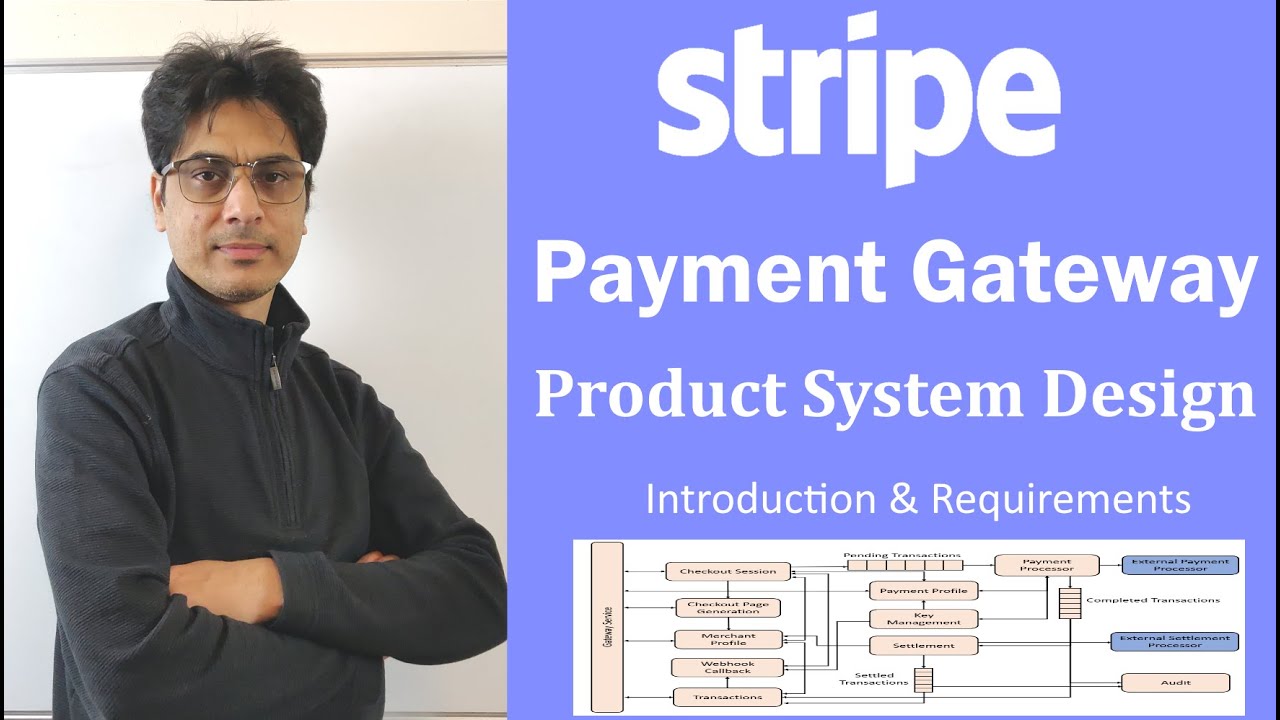
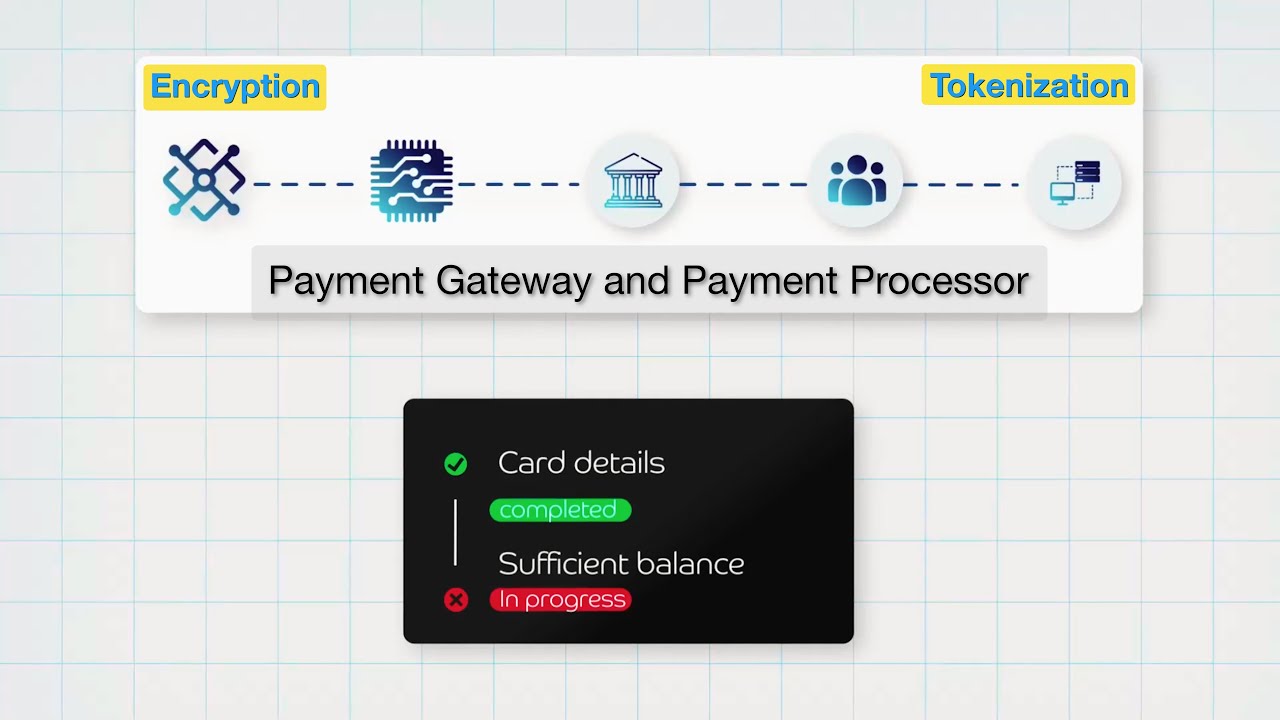
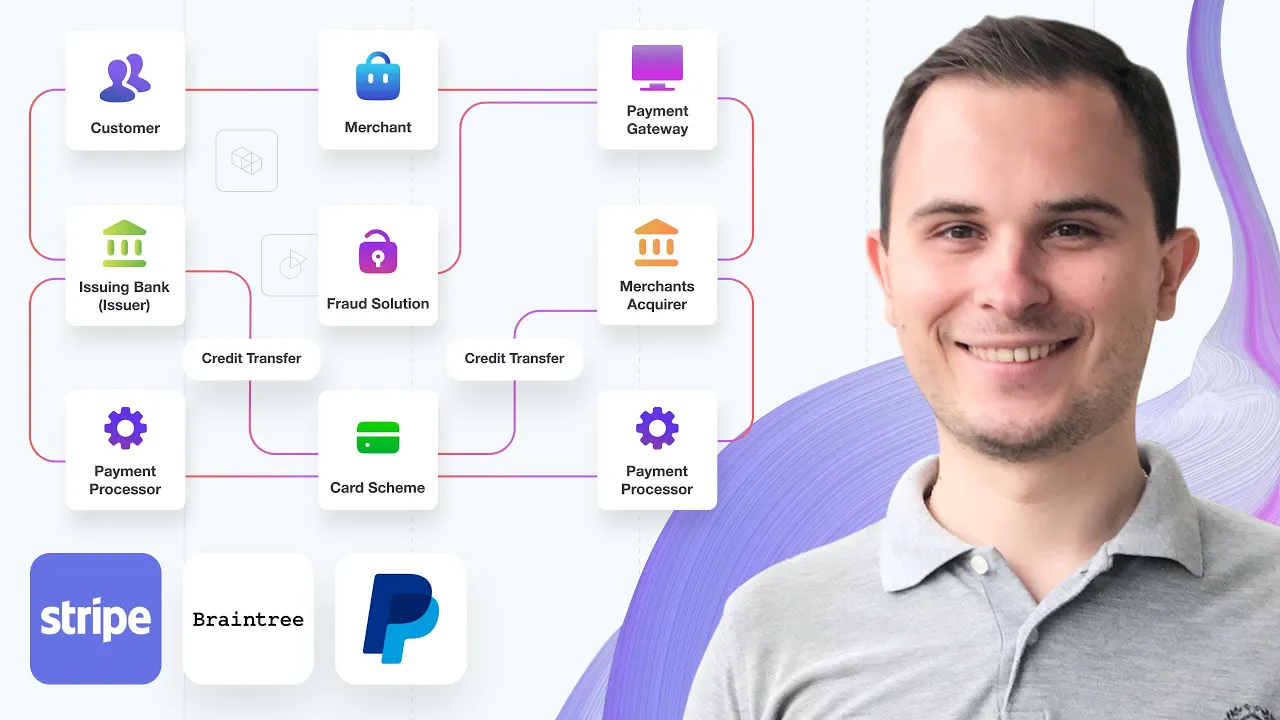
Depending on your business goals the architecture will look like customer that sends a payment request to their merchant, then the request goes to your payment gateway which might have some unique services, under the hood your payment system will communicate with card network, bank, merchant bank, risk management tools and so on. Now, pros and cons of building your own payment gateway. Pros, you can reduce transaction fee if you are a huge retail company or an IT company, bank and so on.
You can then modify your payment gateway according to your tailored business needs adding new features that can become market game changers, you can transform your payment gateway into a white label and conquer other countries and markets. Disadvantages, custom software development especially in the fintech area is very very expensive. You will pay an arm and a leg.
Creating custom software solution will require following tons of different local regulation and compliance guidelines. The software development timeline will require from 12 to 24 months to develop the solution, also cost of maintaining the cloud infrastructure would be huge because you would have to create isolated enveiroments, duplicated services for platform stability and so on. Now, let’s discuss the price of your custom payment gateway.
It will include basic modules like web merchant profile, main gateway block with transactions, authorisations, compliance, multi currency support, fraud detection, super admin zone and many more. Also, there are several things you have to keep in mind such as: quality assurance, bug fixing, project management, maintenance and risks. Estimating the cost of developing unique features, I mean your unique features, at this stage, can be quite challenging.
But don't worry, I'm here to provide you with pricing for the basic MVP functionality. Here's a pro tip for you: if an investor contract requires an in-house development team, you'll need to allocate a budget based on US or EU rates. However, you always have the option to outsource your software development expenditures to Ukraine, which can be a significant game-changer when you are seeking value for money.
Ukraine is an absolute hidden gem in the software development world. Many successful startups such as GitLab, Grammarly, and Jooble have already recognized the huge value of hiring Ukrainian developers to build top-notch software. Ukrainian developers have excellent English skills, extensive experience in outsourcing development, strong math background, they have innovative thinking which help them always think outside of the box, on top of that they are hard workers.
But please keep in mind that in some cases and countries you have to combine Ukrainian developers with your local developers due to bank compliance and national regulation policies. Look, when you are creating your payment gateway, you have to have enough funds to create a software solution but at the same time you do not have to create a full product, your goal is to create a minimum viable product. Let’s be honest you can’t compete with Stripe that is a billion dollars company.
That’s mean that your solution have to be unique but at the same time it has to have limited functionality. Business is a war according to Sun Tzu. And here is another twist, you have to make one quick strike to break the reality and market defence and win the war quickly.
It's not about just doing more; it's about doing what's right and effective. Utilize the proper frameworks, tools, and strategies to achieve your goals as fast as possible. So, what is the first step to achieve that?
Create the MVP. Minimum Viable Product. MVP is not just a buzzword.
It's a philosophy of each and every process in your business, which means that you have to put all your focus and attention on things that are really important and get rid of all the unimportant nonsense. Picture this, you're aiming to build a payment gateway. You're looking at payment processing, fraud detection, International payments, crypto integration, invoicing system and so on.
But hold on a minute. Do you truly need a custom fraud detection system right now? Could you, perhaps, use a third-party service which you can easily integrate?
And that crypto integration – is it urgent? Maybe it's one of those things that can wait until your version 2. 0 Take one of my fintech clients; at the beginning, we managed to create a simple algo trading system for traders where they was able test and train their AI with our data.
After huge user engagement we added integration with all popular brokers and exchanges which helped founder raise $1. 5M. So, features are not solving the problem of your audience and feature obsession, as I said earlier, can kill your startup.
Let’s be honest, no one expects that you will create the best product from day one, but people are always looking for a tool that will solve their specific problem, even if this tool is not perfect. But here is the tricky thing, if you are creating a clone of an existing solution then you have to create a unique service that you will propose to your customers. Because if you are creating 3rd payment gateway clone without any unique advantages then you will be a commodity in your customers' eyes and they will find just the cheapest or more stable solution.
Hidden gem: you can check negative comments of your competitors audience to find out what real problems users are trying to solve and where you have to put your focus to create a successful clone. Alright, each and every business starts with the business plan. But I’m sure you already getting bored when you hear these words, that’s why you should use the MVP approach even in the business plan creation process and for this Lean Canvas modified tool is the best tool.
It's like a business plan on a napkin that uncovers all hidden aspects that you need to focus on. This knowledge comes from 3 different sources, Lean Startup Eric Ries, Ash Maurya and his basic lean canvas and the experience of my 1000+ Lean Canvas workshops with my clients. By the way, if you want learn more about Lean Canvas, watch this video.
Link in the description. So, it starts with understanding your user groups and their main pain points. What are their struggles?
What issues can your service address and make their lives easier? Hidden gem: Never put the government as your customers. You customers can be only businesses or individuals.
When you become big multi billion company like Microsoft and you will have your own lobby in parliament then you can work with government. Next, explore your competitors and the solutions they offer. Identify their advantages, disadvantages, and their strategies that you can adapt.
Your goal is to find the space where you can outshine your competitors by creating a unique solution for your specific niche without reinventing the wheel. On top of that, look at the industry giants for inspiration. They've mastered the game, and you can learn from them by studying their user flows and proven methodologies.
However, don't limit your research only to the big players! Expand your scope and explore startups in smaller niches and different countries. You never know what you might discover - there could be a hidden gem that gives you a competitive edge in the market.
Trust me, this exploration could be the most beneficial factor in your startup's success. On top of that, you can learn which startup ideas was successful and which one fails. Business it’s a war and you have to learn from your competitors fails and success and adopt it to your business immediately.
The one who adopt faster will win. Next, your unique unfair advantage. This is the most powerful factor that sets you apart from your rivals.
It could be your personal charisma, networking, secret and unfair knowledge, AI advantage and so on. For example, my friend Carl when he was working in the corporate sector he found out that many employees order food from different restaurants and he had access to these corporate companies' contact databases which become his unfair advantage when he decided to create his own food delivery service for a corporate sector and he received $25M in funding at the end of the day. Ok, once you've identified your unique edge, it's time to target your early adopters.
These individuals will be the pioneers who will test your service and give you the most valuable feedback at the early stage. Discover where they spend their time online and create a cool marketing hook to engage them. Give them something truly unique and powerful.
Broadcast your unique offer via social media, Discord, Telegram, Influencers or just regular ads. By keeping a close eye on how your app's doing and really diving into the feedback from your users, you can shed light on what needs to be changed or improved and so on. By the way, if the info that I’m sharing now resonate with you, please hit that like button and subscribe to stay updated and gain more business insights.
Thanks! But how to save money during the software development process? Well, you have to identify your product market fit which is basically a simple features list that will solve your users' problems.
When you have this list then you can develop only these features and cut all other nonsense. Picture this you have an exciting idea for your app. Before starting the software development phase, it's important to identify pains and gains of your users.
It could be something like: simple process of repeatable transactions, subscription tool like in Patreon, crypto payments and so on. Once you have identified all these issues, it's the perfect time to leverage your platform to tackle them. You can provide solutions such as: a token that you will use to help users make reputable payments without entering credit card details each time or subscription feature that your clients could use on their websites or some integration with popular exchanges to create a crypto payments under the hood.
Look, when you prioritize the platform value for your audience on front and keep that at the core of everything you do, you're setting up your business to become a money-making machine from day one. Remember, small companies and startups can easily outperform industry leaders by being agile, flexible, and focusing on unique problems and local niches. You don't have to compete with everyone in the market.
Instead, concentrate on a specific audience and provide them with the best possible value. And always keep in mind that it's crucial to fall in love with your customers' problems and not just your solutions. When we are talking about love, one of the most fundamental things that you have to keep in mind it’s your personal care and love for your customers.
Your customer it’s your God and you have to serve them, solve their issues and find a way on how you can disrupt old fashion market by adding small things but what makes all the difference. Let me illustrate this with an example. One crypto company funded two software development teams simultaneously to develop two different crypto wallets.
At the end of the day, they had two different but similar products. Both functioned, but only one gained a huge fan base while the other was really unsuccessful. What made the difference?
One team, during the design and programming stage, fully missed or ignored an issue in one crypto network where a transaction often required 5 to 10 attempts due to network glitches. Their solution was just a simple popup with an error notification. It was not the part of their job description, so they just ignored that.
The other team, however, came up with a system solution where all these repeated attempts happen in the background, showing the user only a beautiful progress bar. Once a transaction was completed after 5 or 10 attempts, a congratulatory popup appeared. Can you guess which approach brought user engagement and satisfaction?
Look, the love and assistance that your app provides should always aid your customers in addressing their problems. Offer them unique care; that can truly make a world of difference. Okay, once you've done a deep dive into your customers' needs, pinpointed all your customers' problems, finished competitors' research and come up with a bunch of software solutions, it's a perfect time to properly prioritize your software features to create your MVP.
You have to figure out which features are must-haves, should have, could have, and won't be developed. This savvy approach not only gives you a solid game plan for the essential features your app needs without busting the budget, but it also lets you pivot as necessary without burning through all your resources. Plus, it helps you with finding the path to your app's core idea and crystallize your project's main objectives, translating them into the software features that should be on your development list.
Hidden gem: you would have to pivot a few times until you find a really perfect solution that will suit all your users' needs, that’s why limiting yourself with the amount of features for the MVP is so important. And that's where a story map comes into play. With a well-crafted story map, you can break down the user requirements and map out the essential features that need to be developed and launched quickly.
But hold on, there's more! To ensure maximum user engagement and satisfaction, it's important to develop separate story maps for each user type. Think of it as providing each user group with their own treasure map, guiding them directly to the features that are most important to them.
By doing this, you can identify the specific needs of each group and prioritize the features accordingly. This way, your MVP will meet their crucial needs and provide the best possible value at this stage. Thus, the real power of a story map lies in its capacity to help you save funds on one side, while simultaneously enabling you to concentrate on providing the most value to your audience at the right stage on the other side.
Alright, let's talk about the business logic of your app and the UX design. Please, please keep in mind that this is the most important part of the design stage. Trust me UI is worth nothing if the UX is bad.
So, the UI it’s like a skin and the UX it’s like a skeleton. UX design is the blueprint of your app business logic, where you create every possible user case and scenario. It helps you uncover all the hidden or unexpected user flows.
For example, let's say you're in the process of creating your Stripe clone. You've covered the basic functions like login, generating code that users can insert to their websites, payment dashboard and so on. But what about situations where user need to make a refund?
Have you incorporated a feature or a functionality for that? These are the types of issues where mockups and UX design business logic will help you identify potential gaps. Look, once again, the UX design serves as the foundation for your app's functionality and user experience, and it's crucial to make this foundation rock solid.
Next, let's discuss UI Design, where two key aspects are crucial. In the early stages of your journey, UI design might not be a top priority, unless you are targeting a specific niche or a community. For an MVP, the UI design should be accessible to users of all age groups.
This means the UI should be modern but not too fancy. Also, your UI design should facilitate users in solving their problems with the fewest clicks possible. Because each additional click will cost you a user and their engagement.
So, your job here is to incorporate well-known icons, design intuitive elements, their locations, and a simple color scheme that will help your users swiftly and effectively navigate your app. Forget about branding, fancy logos, animations and other visual design nonsense. At the early stage, this won't bring value neither to you nor to your customers.
Center your design around your users' problems, minimizing clicks, accelerating user goal paths, and simple but modern design esthetics. Consider the example of my friends Tim and Brian, who successfully created a tax SaaS system using just a basic bootstrap design. Within a few years, they managed to achieve a successful exit by selling their SaaS to HappyTax.
However, branding, logos, and animations become valuable assets only when your app is operational and you're planning to attract investors and raise funds. This is precisely what happened with my friend James and his food delivery app Foodstuff. Initially, the logo was just simple text and the UI design was basic.
Later, we transformed it into a unique design with branding colors and more, in order to secure funding via crowdfunding. Here's a helpful pro tip for you - to generate really cool UI design style and ideas, explore portfolios on websites like Behance or Drbble. Search for web and mobile apps, and incorporate design elements that catch your attention.
And remember what Picasso said, "good artists copy, great artists steal. " If you found value in these tips, please show your support by hitting that like button and subscribing to my channel. Your support will boost this video visibility in the YouTube algorithm and you don't miss any valuable business videos from me.
Thank you! Now, let's discuss your business incorporation structure. Remember, this isn't legal advice; it's merely an observation of business practices and what savvy entrepreneurs do.
Initially, you must consider that your company's location should be appealing to your investors, as an investor from the States is unlikely to send money to a company based in Germany. Also, it's important to plan for your potential exit or IPO in advance. Discuss these options with your international tax advisors, not just local ones.
Your objective is to figure out how to incorporate your company internationally in a manner that allows you to pay the lowest possible taxes throughout the development process and upon your exit. So, are you interested in delving deeper into the world of startups, AI and businesses? Do you want to connect with business-minded founders and entrepreneurs where I share tons of insights and host live chats?
If so, click the link in the video description and join me on my Telegram channel right now. Now, let's delve into the tech stack. This is one of the most critical aspects when creating your payment gateway.
Therefore, choosing the right tech stack is vital to avoid challenges such as slow user interfaces, non-scalable and non-maintainable cloud infrastructure, high costs, payment and subscription issues, and the risk of your app going offline during traffic spikes. So, if you're planning to create your payment gateway, it's essential to select the appropriate tech stack that enables rapid development of your minimum viable product. Python, Node.
js, Core Java or Golang are excellent options. Most services are using specifically Java because it is enterprise ready but it’s not a mandatory option. Web app can be created using frameworks like Angular, React or Vue.
js. Keep in mind, that you have to use a Microservices architecture to make sure that all you blocks and modules working independently and if one of them will go down, then the rest will continue working. Also, Microservices architecture will make your maintenance, support and updates easier.
During the DevOps setup you may need to work with many different cloud providers such as AWS, Google Cloud, Heroku, Digital Ocean and so on. The reason is because you may find some services cheaper, some services will be more stable and some services you have to have in some of your local government jurisdiction like isolated environment and not all cloud provider provide these services. Hidden gem: To fully control your software developers and own the code, you need to create an account on GitHub, GitLab or anything similar then add your developers, and monitor how frequently they push code updates to your GitHub repository.
This approach ensures you are the actual owner of the code with a documented history. Also, don't forget to specify in your contract that you own the code and intellectual property. Look, choosing a proper technical stack on each stage of your software development journey is like receiving an accurate diagnosis after a blood test.
Ok, when you already jumped into this journey you have to choose the right framework to follow. I recommend you utilize for your MVP the Agile process, one of the most powerful methodologies out there that can significantly speed up your development process. However, did you know that in some situations, it can actually slow down your project by up to 30%?
Picture this: you have a team of 5 developers who understand their roles, communicate effectively, and have made significant progress in coding the product, they could use simple tools like Trello, Notion, Miro, Asana, Monday, Google Docs, and quick Zoom meetings. However, as your team expands to 15 or more people, you may face some challenges such as: losing your key developers, complex and time-consuming onboarding processes, reduced team productivity, communication issues, missed deadlines, and a decline in code quality and architecture. To avoid these problems, it's important to: * Hire a tech lead to oversee the team and code architecture.
* Find a project manager with a tech background * Implement SCRUM, Sprints, Backlog, and Retrospective processes. * Conduct daily standups to keep everyone updated on pending tasks. * Utilize advanced tools like Jira to manage tasks and track your team's velocity.
Choosing the right tools at the appropriate stage can accelerate your progress toward achieving your Minimum Viable Product. However, keep in mind that even the best tools can lead to failure without the necessary knowledge or expertise. Ok, when your project is up and running you have to collect valuable data.
So, collecting user analytics is a crucial practice in the tech industry, allowing you to uncover essential metrics like unique visitors, user behavior, and session frequency. Using powerful tools such as Google Analytics, Sessionstack, Firebase, and Mixpanel will enable you to gather valuable data. But keep in mind that your analytic tools should never track user credit card details because it’s illegal.
So when you are doing the analytics setup keep that in mind. Also, you may have some local restriction like GDPR in Europe that could affect your analytics setup. By consistently tracking your app's performance and analyzing your users' feedback, churn rate and conversion rate you can pinpoint areas that require improvements to ensure your users' engagement, satisfaction and your app's profits.
Now, let's talk about a real game-changer that you must leverage in your business: AI. Utilizing the power of AI can be your unfair advantage. Picture this: you are creating your own payment gateway, that collecting tons of data regarding user purchases, time, purchase frequency and so on.
So, using tools like LangChain, you can transform this data into a vector format and with Large Learning Model integration like ChatGPT you can share this data anonymously to your merchant customers via simple chat or dashboards which will help them better understand their customers, increase their sales and modify ads according to real user behaviour. Alright, if you wanna build your own payment gateway and you need my support just shoot me a message via Calendly, and we can have a 30-minute call about your problem and how we can transform it into a money-making machine. Yes, my software development services will cost you a dollar, but at the end of the day, you will have your app with the right set of features to disrupt the market and maybe even utilize the power of AI opportunity before it's too late.
So, what are you waiting for? Schedule a meeting; let's make it happen. See you!