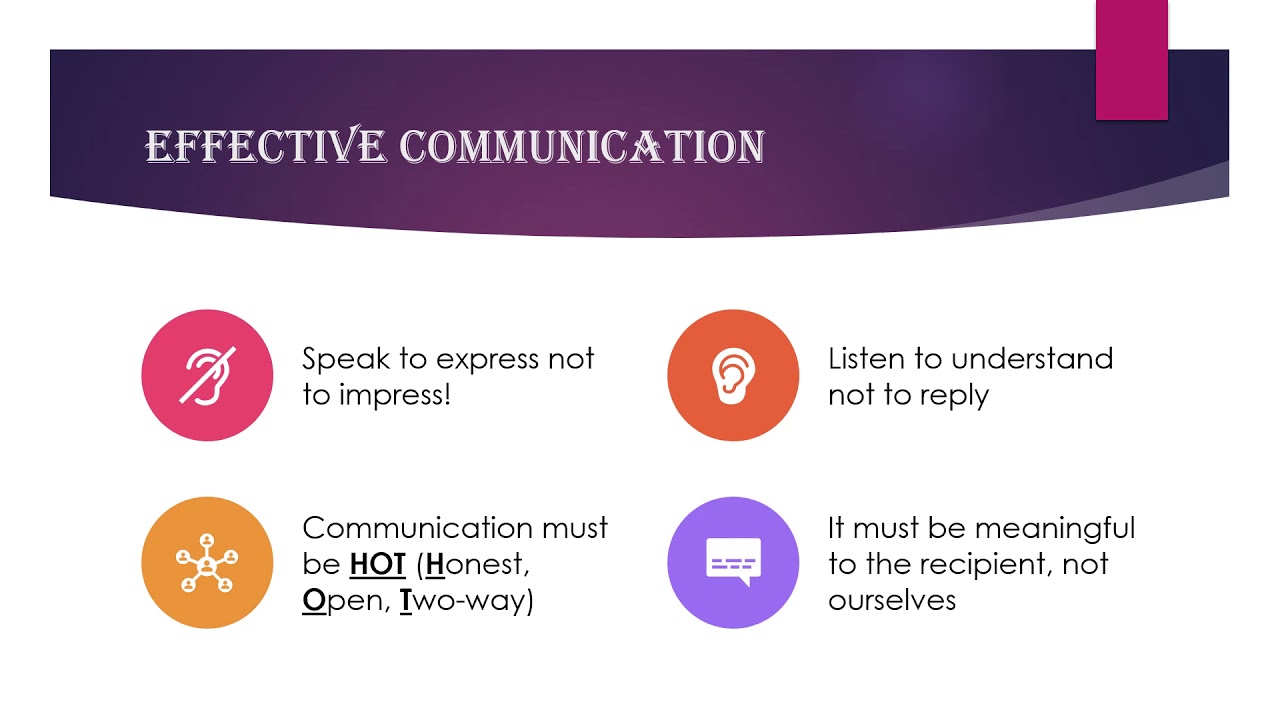
welcome to the second lecture on the topic communication communication so far we've discussed that it is a process why do we call it as a process because like a process it also has the prerequisites like it has an input which is the message it has a certain channel and also it has a certain desired output that is produced now other than this we've discussed in the first lecture that when it comes to communication communication needs to be hot hot would mean honest open-ended and two-way there always should be an inclusion of two parties there should
be two parties involved and one has to communicate with the other and the other has to reciprocate so this is what we've done also we have discussed the principles of communication wherein we discussed seven words starting with the letter c and that's why we called it seven cs of communication or the principles of seventies uh principles of communication termed as seven seas having done that now we shall discuss the evolution of communication how did it all start from where did it start what was the need of improvement and how did we improve what was the
development that took place from one stage to another let's have a look into that now this was the initial stage of communication now communication here would mean that there are two parties involved one is the sender and the other is the the receiver of the message so this happens to be the first stage of communication wherein we have a a certain message that messages with some human being with some sender this sender if i talk of the very initial stages then the sender who had the message he or she used to inscribe certain symbols on
the walls of the caves where the stone man used to reside and once that inscription was over the other people could identify they could decipher that code that okay this particular symbol would mean this so maybe the person wanted to say this because till then there was no language till then there was no uh kind of paper invented so that the human being could write on it so it was just the predict usage of symbols to show the particular emotion sentiment message that the person had so the people used to inscribe or draw on the
walls of the caves where they used to live that was the very initial thing when we used inscription now eventually then we there were certain developments made and then what we started doing was we started sending human beings with the message like for instance i am giving a message to somebody to pass it on to you so i will send a person i will tell the person the message i am not writing anything because so far the paper has not been invented right so i am telling you that this is the message for the sender
for the receiver now that person will go to the receiver and depending upon his retention depending upon his terms with me he will try to deliver that message why why have i put two things here retention of course is a problem with everybody if it is a very short message yes the person would be able to do that because see suppose i only have to say maybe my mother is far off and i wish to only tell her that i love you so if that i love you is the message that i need to send
to my mother and i'm asking some some person to do that for me in that case that very small message the person will not forget right and the person without forgetting we will deliver the information as it is but depending upon though the message is short but depending upon what what the relations do i have with that person suppose the very previous day i had scolded that person very badly and now he is planning to take a revenge on me now i tell him that please go to my mother tell her that i love her
he goes he remembers the message precisely but then what he delivers is that your daughter is saying that she doesn't love you and it is better that you're far off from her and don't drive over to meet her right i'm talking of the age when there were no paper no no phones no mobile phones no cell phones no landline phones nothing right so we used to rely on the humans so that is why i said that it depends upon the retention of the person too it also depends upon the relation that the person has with
you if the person wants to create troubles in your life then the person will manipulate the data they'll manipulate the information will change the information we deteriorate the information and pass it on to the receiver now receiver because had no options of getting back to the sender the message that my mother would have got that okay she hates you and she is better off without you she's enjoying her life alone maybe the mother would would take it because you know there's no ways in which she can ask me so that was the initial phases when
we used to rely on the memory of the person and also the relations now then this is about a small message that i'm talking now if the message is big suppose i wish to convey a lot of my feelings to my mother who's far off and i'm sending this very man i have good terms with this with this man so maybe i keep helping him in one way the other so he is kind of a person i can rely on i can count on that he will not change the information i have given him a
lot of uh information on the message a big message to him for to be delivered to my mother now depending upon again the retention may be of the 20 things i asked him to deliver to tell my mother maybe he could only recall 15 because there was a huge distance to cover and my human memory we can't really depend upon that hundred percent so depending upon the retention maybe my that five five messages of the 20 messages that initially i had told him he could only deliver 15 so there's a loss of data so this
was a problem with stage one that we had to rely on the human retention and also on the great deal of things depended upon the relations so then maybe we evolved from that stage into the second stage of communication now for this stage first stage we only have a sender who has a message through a transmission channel who happens to be a human being here he or she will the sender will give that information to this to this channel human and then the channel will deliver it to the receiver this is the first stage considering
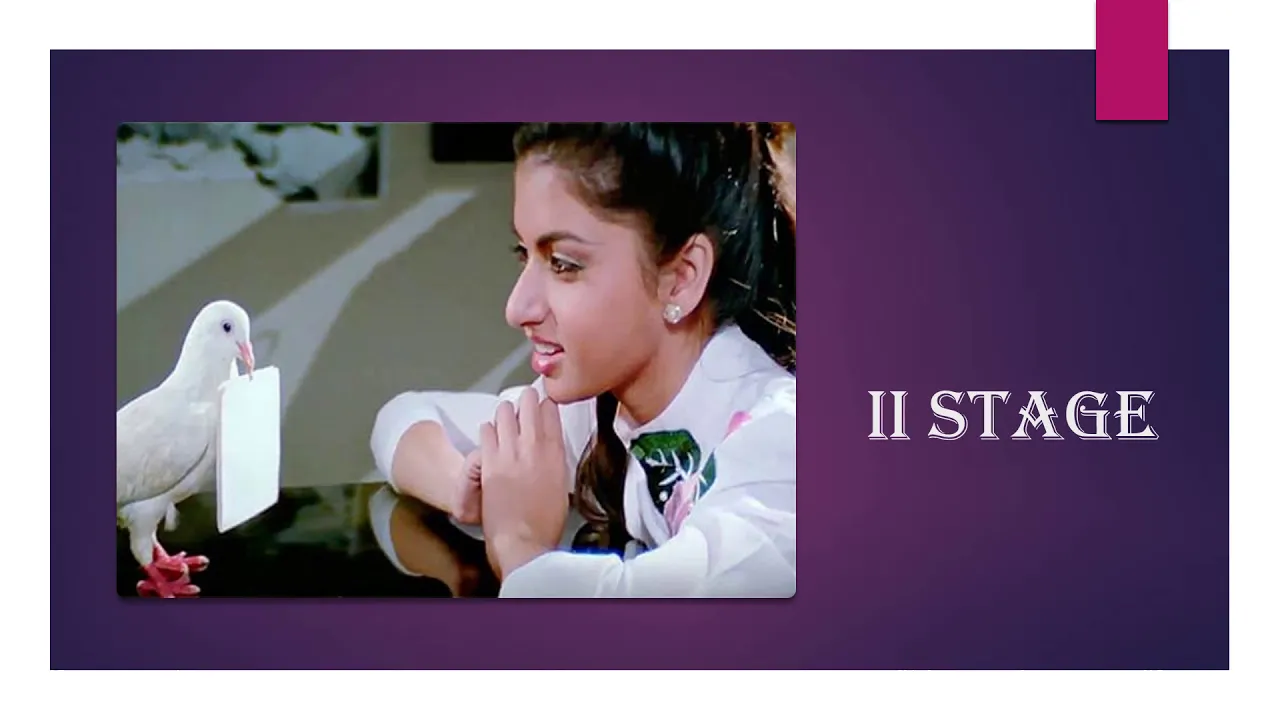
the failures of the first stage wherein my data i had to rely on the retention of the person so my data in a way would get deteriorated if the data is lengthy the person will forget it so therefore in order to overcome that kind of a drawback what happened then was how it evolved into the second stage was that now we started using somebody some one fine day somebody invented paper or maybe writing was invented and we started writing on either on a piece of paper or on cloths so here that the cloth i'm talking
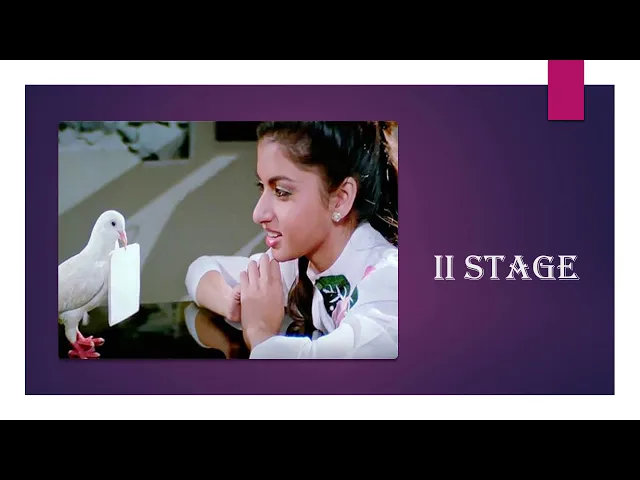
about you have scrolls those big scrolls the messages written in the scroll is rolled and then either a piece of paper or the scroll is used to deliver the message now what is the channel here this is not the paper is not the channel it is only the means the channel is either i can choose a bird like pigeon in this case the photo that you're saying it's a very uh kind of famous movie bollywood movie which is manipur and there they use this pigeon to deliver the information written on a piece of paper and
this pigeon used to deliver this information from one end to another in now the thing that is challenging today to understood is that how come did this pigeon know the exact address and how did he how did this pigeon how did it trace the individual to whom maybe the address of course some somehow some magic powers were there and here the the pigeon it understood that okay this is where i need to deliver but then to whom is it to be delivered that again needs a lot of science now to discover that fact to know
that fact so here the stage 2 we could use a pigeon for doing that which is now of course not very relatable but then yes of course we can use pigeons to deliver the information then of course having seen the series like game of thrones and the movies like harry potter we know that there are other birds other than pigeon also we can use a lot of birds to communicate to send the chat to to send the information one from from one place to another like for instance game of thrones the very famous game of
thrones that uses ribbon to send that information from one end to another end and likewise for harry potter porter most of the times there are owls or big birds which are carrying the information and they're dropping it on the head or maybe or to the particular desired person so this is how in the second stage we not only depended upon humans yes of course humans were used but then the dependence of you know sending that information now also shifted to also shifted to birds and animals so this is the scroll that i'm talking about if
you can see at the the right corner there is a man who's reading something from a scroll so here there is a scene of a famous movie bahubali the second part of it the conclusion wherein just to recall i hope everybody has seen the movie but then yes just to recall uh the the queen of one of the empires the kingdom she sends she's she's written she's asked somebody to write a marriage proposal for the princess of some other kingdom to marry her her son so this is how the message used to float from one
end to the other end either using humans you're giving them a scroll with a big message written on it and then the person could read it when as and when the person reaches the destination or you could always use the birds like pigeon like raven like owl or maybe animals also can be could be used to transfer like for instance you would have seen in some movies that you know camels carry a lot of data from one country one boundary of a certain country to another so we can have the usage of animals like camel
or any other animal for that matter to smuggle the data or to import or exports the information so this is what the stage two was all about and of course we can you know tame our train our dogs and cats to do that like for instance if somebody has an ulceration or a very good breed which is considered to be an intelligent breed they usually train the dogs to to do this like for instance at seven o'clock uh in in the morning the the owner of that pet dog is sitting on the chair sipping the
cup of tea and the dog knows that this is the time for my master to read the newspaper and because the dog has been trained to do that so the dog will very quickly run to the gate grab that newspaper that the newspaper delivery boy would have thrown inside the campus the promises would carry the newspaper the dog would carry the newspaper in his in its mouth and will take it to the to the owner and the things are sorted so this is another way of getting the information delivered from one and one and to
the other like that that is what we are discussing here in the stage two that the stage two had um the usage of humans it also had the usage of animals and also had the usage of birds to deliver the information from one end to another end now to sum up there is a sender that the sender has the message that has to be floated across and then we have a transmission channel the transmission channel could be humans it could be birds it could be animals and here when we are talking about the second stage
we also can talk of postcards so postcards why are we talking about postcards here because see postcards is is very equivalent to all these things for all the things that we've used so far for example a bird or maybe an animal or maybe humans to deliver the information if that message landed into the hands of somebody to whom it is not intended to be to be reaching in that case the data is lost there is no safety that you're giving to your data right likewise for a postcard if you've seen what a postcard looks like
one side of the postcard has a certain space to to write in the address you flip the side and you have some space to write your message and then you post it like that without covering it so whosoever is able to read during the transit of that postcard from your place to the place of the receiver anybody who could read and who could make out exactly as to what you've written maybe the because of the handwriting whether is it legible or not he or she could understand the message written right so this stage again like
the first stage it had a lot of difficulties one of the difficulty was a serious threat of data security data safety your data was not safe because anybody and everybody who could read the message during the transit would could read it so there was nothing private about the data there was nothing confidential about the data wherein there were some data that had to be kept very confidential but then because you did not have means to do that the data was revealed to everybody and anybody whosoever could or whoever wanted to so this was the second
stage wherein again this stage had some uh problems people still had some challenges that they faced in terms of data security now to overcome this this problem these drawbacks of the second stage the problems of data security that anybody could read it uh and of course the second stage catered well to the retention vola problem wherein we are not now rely relying on the retention at the center the amount of data the message the length of the message that the sender wishes to send the sender would just very simply write it on a piece of
paper and then float it across but then still we had that data safety anybody who had an access to that postcard or that scroll or that paper on which you're writing the the content of the data on he or she if you if the person could read could read what you've written so there was no nothing confidential about it the third stage catered to that problem now now the third stage we there was somebody who invented envelopes or we can always we have a mention of inline letters here what are indian letters if you can
see at the top right corner there's a blue colored paper now if you see have a look closely at it this the right side of that paper there's a stamp you need not stick a stamp on it you know like the way we used to when we used to maybe your generation has also done that till the time internet was not very much used it was not very pocket friendly what we used to do was maybe during diwali or christmas or new years we used to send those greeting cards put them in the envelope write
the address of the recipe and then send it across so we were relying on that right and now with the with the invention of envelopes the data was safe and even if somebody tried to temper with that data somebody tried to open that envelope the seal would broke and then the people the recipient would know that yes the data has been tempered with so the person will be cautious like for the very case indian letters so this right side you could write the address the pin code that's i see just where you've written this address
on the top half of it the the below portion had a few lines for your the the sender's address and then the left side and the entire rare side of it it was all blank for you to write down your letter so you had ample of space to write the letter and then if you can see that there is the this the top right corner the right side of it it has a certain uh like um you know if i cut my maybe a hexagon in exact half you i can say that there are three
edges so this this particular thing was there so that when you fold the letter you apply some additive and then you stick it on that face of the inline letter and now your letter is secure nobody can read what is written inside right so here what we did was we tried to give one kind of a feature safety feature to our writing anybody who had an access to that indian letter or the envelope unless the things are tempered with which of course uh can be very easily identified people could not really know what is there
inside the letter or inside the envelope so this using this we tried to give some security so there was a security feature that got added but the problem was that because we are sending it across to people so we are relying on the postal services now during transit if suppose there are noise noise here does not mean only the sound that disturbs us it would also be any kind of disturbance that interferes with the message for example during transit the postman is carrying your letter in his bag and it starts raining it starts raining the
the back of the postman is not a waterproof one your indian letter is not waterproof your envelope is not waterproof so the data will be lost because the ink will be you know will be washed off so there though we tried to add in a security feature wherein nobody could have a direct access to the data that is inside because it was very prep properly packed and the information was kept safe but then we could not avoid the external artifacts we could not avoid the noise we could not avoid the features like rain snow storm
etc during transit if something may happen the data again could get lost so there though we tried to give some security by keeping by folding the the letter and then sealing it but then it we could not save it from that external noise external disturbance that during transit the letter would have to face so though we tried uh to develop a better system than the stage two but still third stage was not a very foolproof kind of a stage having said that now we there was there was an a need of evolving or developing a
better system for communication so now somebody said that yes if i have to keep my data safe baby what i'll have to do is because my third gen third phase third stage still i if even if i could protect it by sealing it but then people could temper with the things and there are people who can temper with the things in a way that nobody will be able to get to know that yes this is the data that is inside people who could still open the envelope without letting the other people know that it has
been tempered with and read the content so just to avoid that somebody suggested that why not encode the information that we're sending why not modulate it so encoding and modulation would mean that for example i have to write i love you to my mother i don't want my dad to know that because maybe i'm only writing to my mother and my dad might feel offended because i did not say i love you to him so in that case what will happen is i will write it in a code language that my only my mother is
able to understand even if my mother has to explain what is written inside the letter and if she wants uh you know to the dad not to feel bad about it she manipulated she was she will just say that okay she's written me i love you both right so here the data the original data that i had now this data could be easily encoded into a certain code that is well understood by the receiver this the only benefit of using encoder and decoder will be when the sender and the receiver at the same page when
it comes to that code when they are in sync when they're synchronized that this is how the original data is converted into the coded data and this is how the coded data will be converted back to the to the original data so only when the sender and the receiver are in perfect sync will will this encoder and decode this be working so that means what we need to say here is that encoder and decoders are devices that are coding our data putting them into a form which is not easily readable we which is not easily
you know which cannot be easily comprehended by a lot of people only the two people aware of that code will be able to guess what is written so this encoder is nothing but a it's a kind of a modulator a modulator in the technical terms what is it doing you have a message signal for example you've written something in on a piece of paper you're folding that piece of paper and putting inside the inside the envelope so this encoder is doing the same thing this modulator is doing the same thing you have a message signal
that has some amplitude i hope by now you understand what is amplitude so suppose the amplitude of that signal that i have which is my message signal suppose is five see right it is five volt signal that has some data in it and i have to send that data from my end to the receivers and now what what will i do to save this data mine is i will take a carrier wave may be of a greater amplitude suppose the 5 volt data signal that i have now i have chosen a carrier to be supposed
15 volt so which which can easily accommodate that 5 volt signal inside it and now when i'm sending that 15 volt data which is carrying my message signal which is only 5 volt even if that during transit there are cert any kind of a noise that is any kind of a disturbance that is trying to interfere with my son with my signal i have given it double protection what double protection i want i am i have put an envelope around it a shield around it so that if anything may happen it will happen only to
the carrier signal it will not be able to penetrate into till till till my message signal so that is one sec safety and plus i'm encoding it into a certain different code therefore even if the noise comes even if there is somebody who's tempering with my data he or she will not be able to understand the message because i have encoded it so there were there was two kind two-way security that was given to this by this encoder right so we we will also be calling it modulator more often so you can use the words
interchangeably though uh talking in the communication terms electronic terms i cannot really put them as equivalent as analogous but yes when it comes to professional communication i can interchangeably use the two terms as modulator and encoder and demodulator and decoder you can use either of the terms right so we have a sender who has a message this message is then encoded and then encoded messages put on a transmission channel using some transmission channel which could be now anything it could be analog the signal digital signal discrete signal any signal and this this particular channel is
then carrying the information to the receiving end upon receiving upon reaching the receiving end the message is first fed into the decoder which is in sync with the encoder so it knows how to convert the data or to retrieve that message signal 5 volt signal so here it will decode it into the original form that the sender has as a message and then once it has been decoded that decoded message which is the original form of message that the sender had is then given to the receiver now receiver has received the information now though this
was a very bright looking kind of a stage wherein the external disturbance could not affect my data my data was safe secure intact and it could travel a lot of a lot of distance but then now this stage also had a big problem what was the problem the problem was that even if sender has encoded it and put it on the best of the transmission channel the easiest and the quickest or whatever and maybe the receiver has given out a desired output but there were no means using which the receiver could tell this about this
feedback about this output to the sender so this was a big time drawback here this was a major drawback of the fourth stage that though my data was safe and secure but there were no means using which the sender you could get to know that yes my data has reached the destination but whether the receiver has received it whether the receiver is understood whether the receiver will be able to meet the deadline depending upon the kind of message that information that the receiver has this particular stage offered no such way or means of delivering that
information from the receiver to the sender so there was something missing in that this stage though the data is safe now but then there is something big missing in this particular stage now the thing that is missing is a feedback a feedback is something that is the most important when i talk of communication suppose i'm teaching you this topic and i because it is a one way communication that i'm trying to do with you right now because then though you're involved but you're passively involved you're not an active animal we can't have uh an eye
to eye chat when you're going through the through the this particular lecture so because you're not able to give your immediate feedback to me suppose you did not understand what an encoder is housed how does it work you want me to explain now you will have till the time we have a live interaction because giving this video to you would not solve that purpose and it did not offer you any a platform using which you can come back to me stating that i did not understand this thing or maybe i've understood it please don't elaborate
it more in the next lecture whatever your your feedback be right so this feedback element was then in the fifth stage added to this fourth stage wherein we said that the sender will send the message will be it should be encoded at the sending end will be put into the transmission channel through a certain optimal means it will be transferred to the receiving receiving uh area receiving section or the receiving the destination and then upon reaching the destination there will be a decoder which will be in sync with the encoder that would mean it will
know how is it to be decoded back to the original form and then after decoding it to the original form the receiver receives it now whatever feedback whatever information that receiver has related to the data that information now using this feedback can be given to the sender so we have a means now using which the sender could go back directly to the sender telling him that yes this is well understood right so one of the benefit here would be that the sender will get to know ins almost instantaneously the day the moment the receiver receives
it depending upon the villain wish of course the receiver may send the information to the sender that yes i have received it so the sender can rest assured that yes my data has been forwarded it has been very well received perceived analyzed and understood and now i can relax till the time i have the output with me so this feedback thing came up in the fifth stage and this is the stage that we're using right now other than using an encoder and a decoder for safeguarding the content the data that has to be shared we
also are using this feedback using which the sender can can come back to the the receiver can back come back to the sender stating this yet yes i have understood the concept or no i haven't understood it at all or have partially understood it so this is how now at present the communication is working thank you so much for being such patient audience i hope you've understood this this concept of evolution how did the event communication evolve from the stone age to the right to the age that we are right we are at right now
and i hope you've understood that what was the basic need of evolving from one stage to another stage where are we right now and what possibilities do you have to improve upon this current stage you could have a research done on the current the current stage phase of communication the generation of communication that is currently on and then maybe you can be a researcher yourself you can add in a few things delete a few things to make it a better kind of a process thank you so much for the patient hearing i hope you've understood
it thank you