hey drivers Brian your honest mechanic here today we're looking into something I see destroying engines way too often cold start mistakes now I'm not being dramatic when I say these mistakes can literally cut 15,000 to 25,000 mil off your engine's life so let's break down the five biggest cold start mistakes that are killing your engine and more importantly how you can avoid them the first mistake I often see is people jumping in the car and immediately revving their engine cold here's what's actually happening inside when your engine is cold all those metal components your Pistons
cylinder walls everything they're actually smaller than they should be metal expands when it heats up and these parts are precisely engineered to work at operating temperature when you rev a cold engine you're basically forcing these cold contracted parts to Slam against each other you might hear what we call piston slap that rattling noise when your engines cold those Pistons are literally slapping against the cylinder walls because they haven't expanded to their proper size yet do this enough times and you're looking at scored cylinder walls and worn piston rings trust me that is not a repair
bill you want to see now here's a surprising one that's bound to stir up debate letting your car idle for 10 minutes in the driveway a lot of people think this is the right way to warm up their engine but it's actually doing more harm than good here's why when your engine's idling cold it's running rich on fuel which means excess fuel is seeping past those cold piston rings and diluting your oil plus idling doesn't generate much heat so the engine warms up painfully slowly I've seen cars take 15 to 20 minutes to reach operating
temperature just idling instead start your car wait about 30 to 60 seconds for the oil to circulate and then drive gently the key word here is gently driving under light load warms the engine up faster and avoids the damage caused by excessive idling speaking of oil this next mistake is all about what's flowing through your engine many people Overlook the importance of using the correct oil viscosity for their CLI when your engine's cold the oil is thicker and moves slower even modern synthetic oils aren't immune to this in those first few seconds after startup your
engine's parts are running with minimal lubrication think about it your oil pump is pushing thick cold oil through tiny passages until it fully circulates there's metal on-metal contact that's why using the manufacturer's recommended oil viscosity is non-negotiable especially in Winter and again those first 30 to 60 seconds after startup are critical wait for the oil to circulate before putting any load on the engine now that your engine is running let's talk about another common habit that can cause serious damage shutting down your engine before it's fully warmed up you start your car drive 2 minutes
to the store and shut it off seems harmless right wrong during that short run your engine hasn't gotten hot enough to burn off moisture and fuel that build up in the oil over time this causes the oil to break down and promotes internal corrosion it's especially bad in Winter where short trips are common and engines struggle to reach optimal temperature to avoid this try to plan your trip so your engine has enough time to warm up fully if you're only driving a short distance consider walking or combining errands into one longer trip it's better for
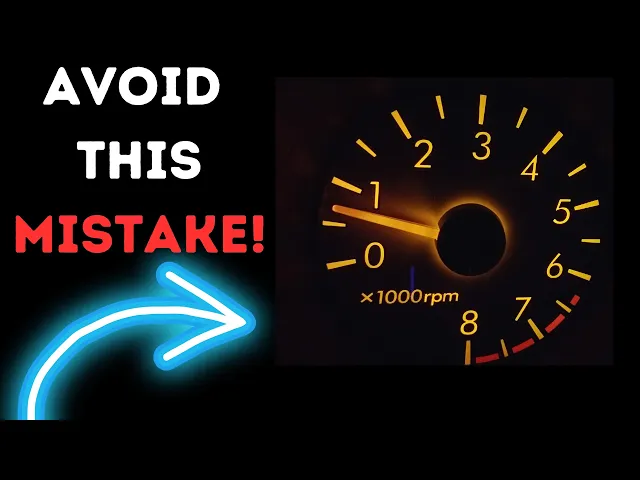
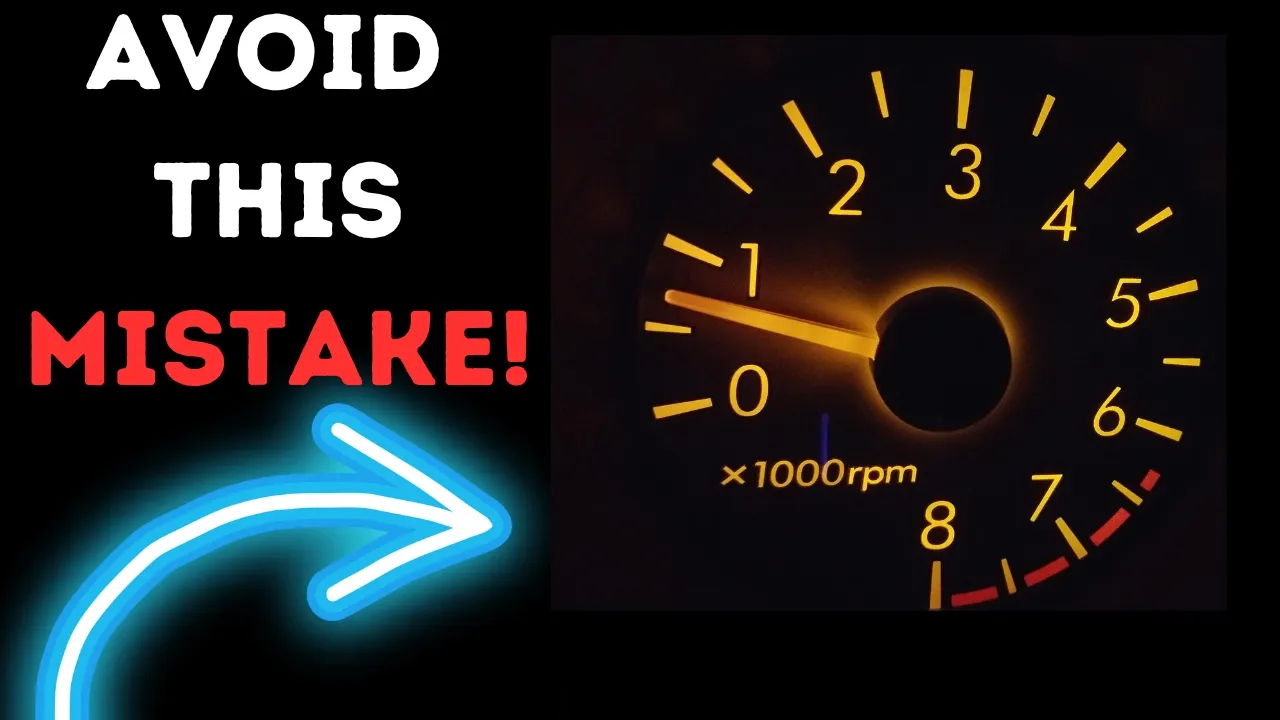
your engine and your wallet in the long run so what's the correct cold start routine it's simple start your engine and wait 30 to 60 seconds for the oil to circulate Drive gently keep it under 2,5 100 revolutions per minute and avoid Full Throttle until the temperature gauge is in the normal range for turbocharged engines give it a bit more time before pushing boost these small habits make a huge difference I've rebuilt enough engines to see the pattern the ones that fail early almost always suffered from poor cold start practices treat your engine right when
it's cold and it'll reward you with years of reliable service