[Music] hello English teachers let's talk about how children learn it is helpful to know what experts like Jean Piaget Lev Vygotsky and Jerome Bruner say about how children learn first let me start with a question if you want to teach a child what scissors are what would you do read them a definition from the dictionary explain the purpose of scissors and how to hold them no you give them a pair of scissors and have them use them but be careful scissors are sharp so how do children learn they learn by doing Jean Piaget helped us
understand that children are active learners and thinkers children learn by interacting with their environment so when you are teaching English you should bring in realia or real objects it's like the scissors if you are teaching your young learners about toys bring in toys for them to touch and play with even better have your students bring in their favorite toy to share and talk about children also learn through social interaction Vygotsky helped us understand that we learn through interaction with others for example children learn to walk and talk with guidance from their parents for your students
the interaction with you the teacher is extremely important your students need a guide to learn new things the younger your students are the more they depend on you to help them learn this brings us to the next point children learn effectively through scaffolding by adults Bruner's work showed us some effective ways to scaffold instructions for young learners but first do you know what the word scaffolding means in picture you can see scaffolding it is the frame that construction workers stand on to repair or build something in this picture the men are standing on the scaffolding
to construct a big building as English teachers we are the scaffolding for our students you have to hold your students up as they build their understanding of language how can we scaffold or support our learners in the classroom we can apply some of the practices that Bruner suggested in our classrooms create interest in the task one important note if the task is not interesting to children you are going to have a difficult time making them interested in it if the task is to copy sentences from the board into a notebook I am Not sure you
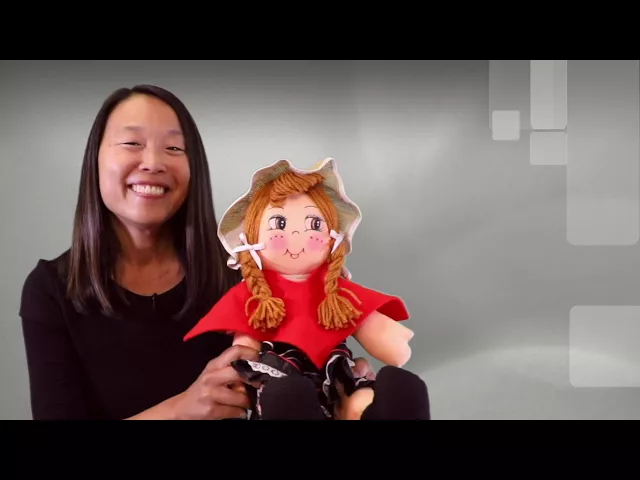
can create interest in it however you can create interest in a storytelling activity a song or a game use these types of activities to teach language and you will have your students attention break the task down into smaller steps this is so important remember when you plan your activities break the test down into achievable steps for example don't start class by asking your students to show and tell their favorite toy first review the names of all the toys doll ball car then teach students to answer the question what is it by saying it's uh and
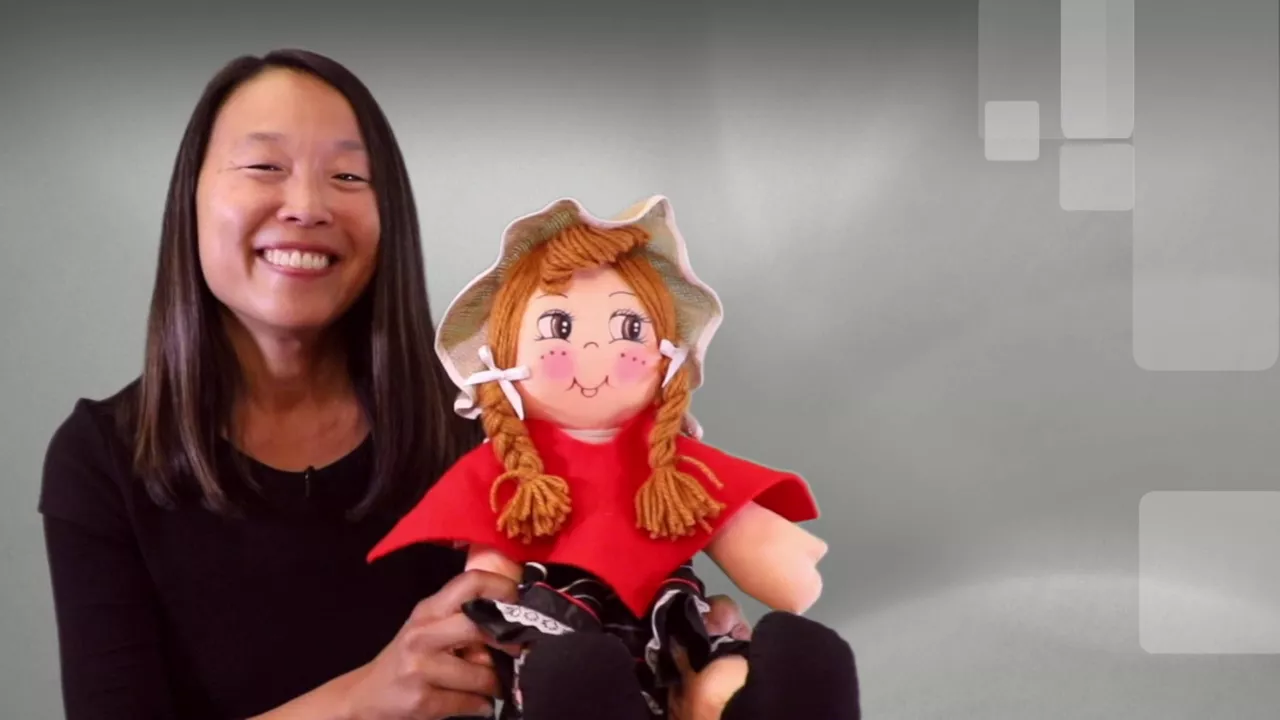
have them fill in the blank when you hold up a toy what is it it's a doll what is it it's a ball great then you can give students a model for their show-and-tell this is my favorite toy it's a doll then help students during the show-and-tell remember you were trying to set your learners up for success step by step model your expectations I cannot emphasize this enough model model model you have to show them what you expect them to do as we just saw if you give students a model and show them what to
say they will be more successful remember don't just tell your young learners what to do show them how to do it remind students of the purpose of the activity make sure they know what they're doing and why of course this means your activities should actually have a purpose or goal for communication maybe it's a short dialogue about meeting someone for the first time or making an invitation to a class party or sharing a toy with a friend be sure your activity is meaningful and relevant to your young learners control frustration during the task sometimes children
become frustrated or stop working on the task to be honest as a teacher I found that when my students were frustrated and not behaving it was usually because I did not scaffold my students learning effectively there was always less frustration when I created interest broke it down into smaller achievable steps modeled my expectations and had a task with real or relevant purpose so to review how do children learn let's see if you remember children are blank learners and thinkers right children are active learners and thinkers next children learn through social blank write children learn through
social interaction last children learn effectively through blank by adults correct children learn effectively through scaffolding by adults great job so based on how children learn what can you do to be more successful with young learners in the classroom you can promote active learning encourage social interaction and scaffold students learning remember to bring in materials and activities that make learning meaningful and interesting for children teach them step by step and model model model to set them up for success and most of all make English fun if they love it they learn it [Music] [Music]