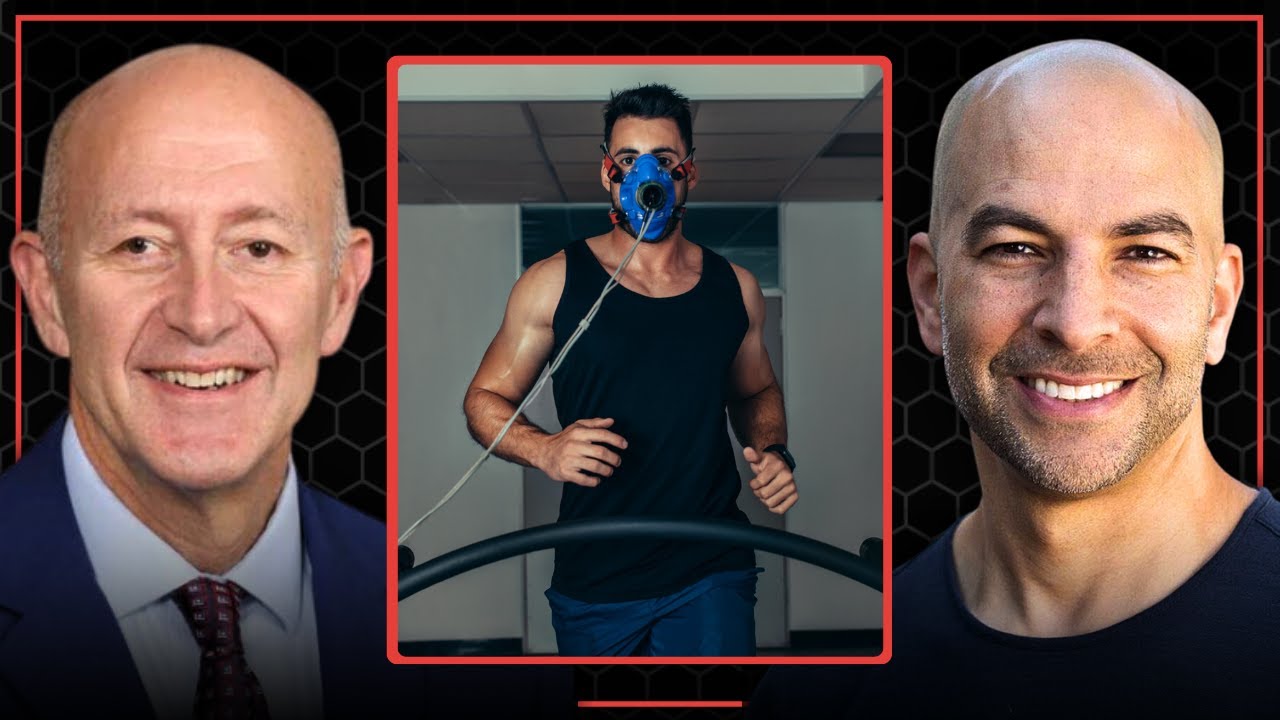
There's some evidence that the cardiovascular the cardiac output response in females may be blunted compared to males but these studies tend to be relatively small and it's hard to say is this a true biological sex difference or is this just inter-individual differences in training responsiveness I think the best answer could be I think there's much greater inter-individual differences in training Responsiveness regardless of if you identify as a man or a woman or you're a biological male or biological female that's not to say there's no sex based differences at all but I think in a lot
of things they tend to be relatively subtle they may be real but we really need some very large scale studies to to pull this out and tease this out you know to be clear males and females can both respond robustly to interval style training there might be some subtle Differences there that may be related to biological sex foreign [Music] thank you to bite toothpaste for sponsoring this episode of the show did you know that not only when you brush your teeth you get cleaner teeth but you also ingest a lot of toothpaste that's one of
the reasons why I love bite it's exactly that it's one bite you pop it in your mouth you chew it up and you start Don't swallow it and you start brushing your teeth it is a dry toothpaste tablet with clean ingredients sulfate free palm oil free and glycerin free I love this not only do I love it because it eliminates a ton of waste but I am not swallowing that five percent of toothpaste every single time I brush because that's how much you would swallow that is a lot of toothpaste over a period of time
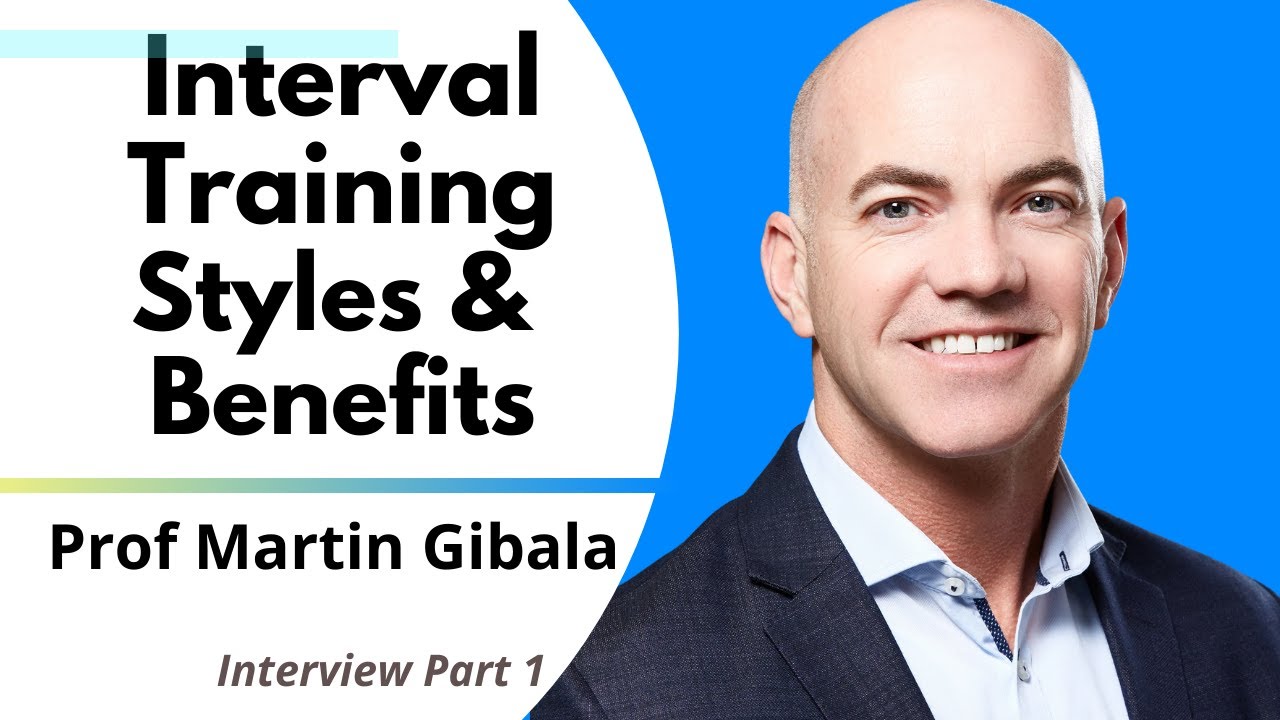
they come in refillable glass jars and nobody likes someone Who's walking around with bad breath it is an amazing amazing product bite is offering my listeners 20 off your first order you can go to try byte.com drlion or use the code Dr Lion at checkout that's try bite.com slash Dr Lyon bite makes plastic free alternatives for everything on your bathroom sink this is a great company from toothpaste to mouthwash to toothbrushes to deodorant the whole nine yards so check out trybite.com Dr Martin gobala thank you so much for joining me on the Dr Gabrielle lion
show it is a great privilege to talk about all things high intensity interval training nice uh thank you for the opportunity this is going to be great um so basically when I asked to Phillips this was a handful of years ago I said so tell me who is the guy the guy to go to for high intensity interval training and of course you were number one on the List I would love for you to share a little bit about your research how you got where you are and um what you are currently doing in your
lab yeah so happy to delve into that and you know I think interval training right off the top it's one of those things we tend to ReDiscover every decade or so so sometimes I'm called the guru but it makes me quite uncomfortable because clearly there's many good people working in the area and a lot of good folks have Come uh before me in even in studying this from a scientific perspective but you know athletes have been using interval training since the turn of the century uh it's actually been Advanced as a means to enhance health
for many many decades and we started getting into this research probably about 15 years ago the classic story that I tell is I I teach an undergraduate course a senior course called the integrative physiology of human performance and the students Are always very interested in the training regimes of elite athletes and so I would ask them why do why does sprinting help aerobic performance or make these you know why do athletes practice interval training to enhance their endurance performance and it was a way to teach them a little bit about the biochemistry and when I
first got into this I was a busy young Professor with a working spouse two young children and so quite ironically for a professor of Exercise physiology I found myself a little time to exercise and train and so that led to a personal and professional interest that you know last has lasted now almost 20 years and you still love it I I do I you know I I definitely practice what I preach um you know we're not only saying it's the only way to get fit or to enhance your health but it's certainly a very effective
option I think I would say that a lot of people really Agree and you know my patients they always ask me well how do we define interval training and in the literature and obviously on social media there's multiple it just seems as if there's a lot of discussion but truly there's various kinds of interval training so I would love for you to lay the foundation of those definitions yeah absolutely so interval training to me at least is just alternating periods of more intense Effort with recovery and how we Define more intents we can get into
and Recovery can be complete rest or just lower intensity activity so let's first separate interval training from high intensity interval training you can do moderate interval training which might be an example of intermittent walking you know the classic example where you're out for a walk with your spouse or partner at night or walking the dog you just pick up the pace for a few Light posts you're not necessarily getting into the high intensity or vigorous intensity range but that's an example to me at least of of interval training so I think it I I like
to have this Broad all-encompassing Philosophy for what constitutes interval training now what is what is high intensity interval training this is sort of front of mind because I'm actually writing a review article right now with my postdoc and a couple of other Distinguished professors uh on this topic of what means high intensity interval training whether you're interested for health or performance and so I I I on a on a health side you know if we look at the who guidelines the authoritative guidelines for physical activity intensity classification The Who basically has three light moderate and
vigorous and of course you know vigorous is uh defined by rpe or Mets uh and so I think or I like to position or Think of high intensity interval training is generally equating with vigorous type effort you know if you look at the American College of sports medicine guidelines they expand out the exercise categories to include very light um and a near maximal to maximal type exercise but they also have a vigorous intensity range and so the point here is often people will say well it's around somewhere about 80 percent of your Maximum heart rate
or above we're trying to sort of reframe the messaging a little bit or propose let's just think of it as vigorous intensity type effort whether you define that based on heart rate rpe percentages of VO2 max vigorous intensity effort range is well defined in the public health and exercise prescription guidelines and that's how I would like people to think about high intensity interval training and then there's a more intense version called Sprint interval training that would be in that near maximal to maximal type effort range if you're an athlete and you know just to finish
on the athlete side athletes talk about domain-based training and so there's a classic three domain model for for athletes moderate heavy severe intensities and then of course many athletes want to break that down further into Zone training four five six six seven eight zones and so on the athlete Side of things I think you're in the severe intensity domain which is typically defined as being above your second lactate threshold or critical power critical speed so you know in sum I think we can have this broad definition of high intensity interval training and then contextualize it
whether you're an athlete or whether you're someone who's interested in General Health and performance and there's no single metric that's Appropriate for everyone or explicitly defines it based on one marker that's really fascinating because oftentimes when we think about dosing something as it relates to a treatment in my mind we also need to think about dosing exercise and what I'm hearing you say is that that dose is different for everybody as it relates to perceived exertion how would an individual know that they are working hard enough to get a Physiological or metabolic adaptation yeah so
you know and I I how's this I don't want to hedge with all my answers or be the classic scientist who says well it depends right and there's a lot of gray but for all of this of course there is and so of course it depends what your starting point is you know I could take 100 individuals and for some a given dose of exercise is hardly a physiological stress at all for them if they're relatively fit and if they're Quite fit of course uh it may be too much for them or overwhelm them but
in terms of rpe the classic scales there's sort of two classic scales right if you go back to the work of of gun or Borg there's the 6 to 20 scale um and typically uh there we'd be talking 14 out of 20 on that scale would be getting into the vigorous intensity range if you use a 0 to 10 or a 1 1 to 10 scale which I think makes an intuitive sense for a lot more Individuals or people can think of okay zero is laying in bed you know complete rest and 10 is Sprint
from danger Pace or Sprint to save your child from an oncoming car well if we say that uh vigorous intensity exercise is a 7 on a 10 scale okay you can start to con you know contextualize that a little bit so in terms of the rpe that's what we're talking about in terms of high intensity if we're going to say that's into that vigorous intensity range Let's say someone is an individual who's relatively fit and they've really focused on strength training how much high intensity interval training should they impart yeah so again the classic question
again my first answer to that would be uh everyone's different and and frog given exercise program some are going to thrive some some are going to wither and so it really uh depends on on the individual and their tolerability from a Strength training perspective and we really haven't even talked about you know high intensity resistance exercise or high intensity functional training that's even more challenging or there's I I think even less Clarity around what constitutes that so maybe even just back up a bit you know the first question is is resistance xrc exercise high intensity
interval training maybe you know I I I think this idea of high intensity functional training where We're talking you know functional style movements often body weight style uh movements that can broadly count as as interval training but it's you know it's a different stimulus than when we think of traditional high intensity interval training which is aerobic based running cycling things like that so how much is is too much I think it depends on first of all um you know what's your goals what why are you doing this type of training and What's your specific goal
what's the overall volume of work that that you're doing you know are you lifting or training six days a week are you also employing cardio uh with that uh so when we talk about potential risk of over training it it does depend on on the overall volume of uh of exercise so you know regrettably I I can't give you a a definitive answer in saying two sessions a week three sessions a week is is the ideal or or perfect for most individuals You know you look on the internet or read a magazine you'll say you
can't do more than one hit session a week if you're doing it right because you'll break down or some people say I only do interval training and I'm fine so it it it really depends as it relates to some of the metabolic adaptations for would you say classic high intensity interval training is the like you said a bike training or Sprint training it's some kind of movement not Body weight not uh weight training so if we were to Define high intensity interval training what are some of the metabolic responses yeah you anticipate in how long
does it take to see some kind of metabolic response yeah so you know high intensity interval training when we use traditional aerobic slash endurance type activities cycling running elliptical swimming things like that those would be the classic examples Um it's a pronounced physiological stress and so the major responses that we see are an enhanced aerobic capacity and increased ability to transport and utilize oxygen and so the physiological systems involved there are heart lungs blood vessels skeletal muscle their ability to use the oxygen and so absolutely we can then see an enhancement or Improvement in cardiac
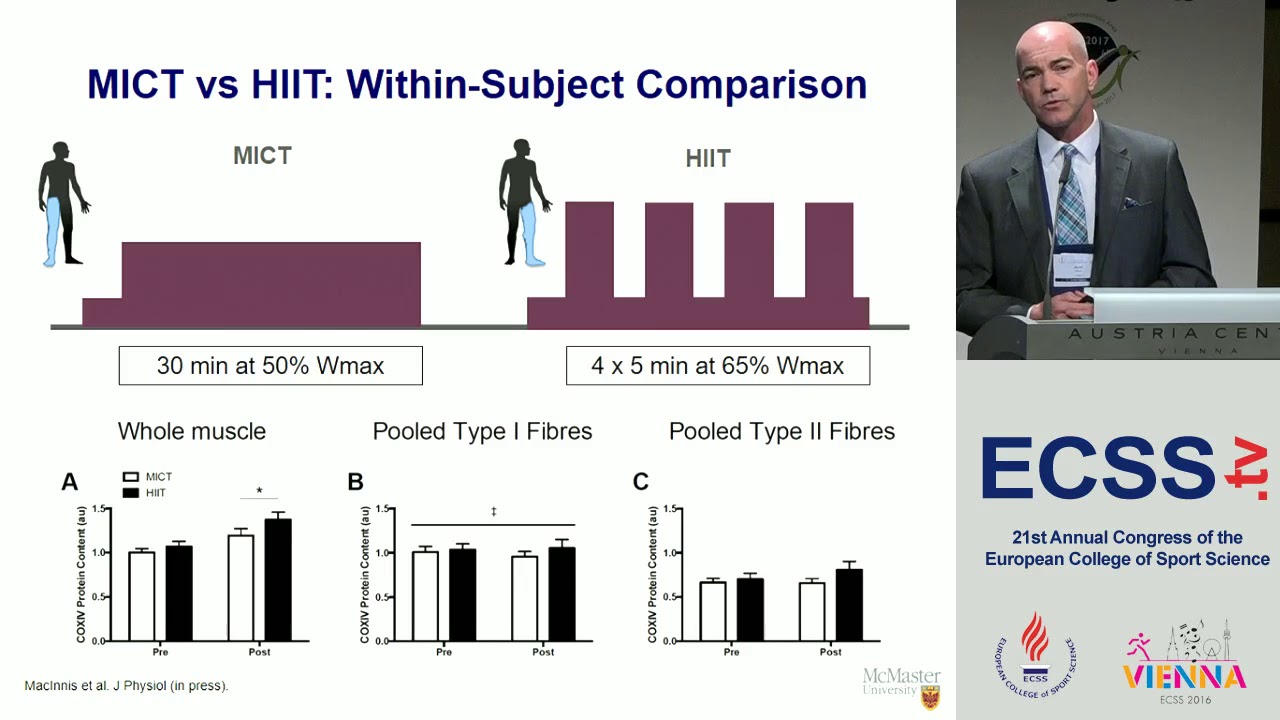
function stroke volume goes up Peak cardiac output increases blood volume uh Can can increase skeletal muscle mitochondria you know the components of skeletal muscle that utilize oxygen to burn fuels like sugars and fats to produce energy we can see very rapid remodeling or an increase in in mitochondrial content literally within a couple of sessions you can see those changes again depending on on the starting point now we can have many of those same changes with traditional continuous aerobic style training and so I like to think of it as the physiology is the same but how
you stimulate the physiology in order to adapt and respond that there's different inputs there that can be effective now if you look at what Elite endurance athletes do any serious Elite endurance athlete practices interval training because the the evidence is very clear that they're going to optimize or further enhance the physiology in order to optimize performance as opposed to just Continuous moderate steady state training all the time that's a very very valuable when an individual thinks okay I'm going to sit down sit down on your airdyne bike whatever and do a interval training session is
there a certain amount of time for example does it need to reach 20 seconds does it need to reach 10 seconds is there a goal that an individual can shoot for and let's just assume that this is a non-sedentary Individual so I my my personal opinion here but I think backed up by by some research or you know if I look at my my personal sense is ideally you want to get your heart rate into that vigorous range so you want to get into that vigorous range let's say based on a heart rate response for
at least 10 minutes and so there's many in order to sort of have a minimal training stimulus now there's many ways That you can do that so for example you could do three twenty second all-out bursts of activity with a short warm-up a short cool down and a little bit of recovery in between and if we look at the heart rate response it gets up very quickly and it stays elevated for about 10 minutes and so you know that that's where the the title of my book came from based on some of our research looking
at three twenty second uh efforts now that's not saying it's the optimal way To train it's not saying that that's appropriate uh for everyone or or the best you know you could also use less intense intervals with shorter recovery periods so one minute on one minute off is another example you know and just doing five of those sessions again you're going to get into that eighty percent heart rate range uh for at least 10 minutes I I tend to think that's about the minimum uh stimulus uh that that's required the caveat there to that Is
some of the work that we're starting to do now looking at what we've called exercise snacks we're not the first to use that term but we've defined this as one minute bursts a vigorous effort that are performed periodically throughout the day and so the analogy there is you know you're heading to work in the morning one minute uh vigorous effort a couple of times a day maybe at lunch before you leave for the day and this could be body weight style exercise at Your desk you can imagine me getting up right now doing a series
of air squats or burpees uh for a minute you know there the recovery periods are very very long but there's some preliminary work to say even that type of stimulus is enough to enhance cardio respiratory Fitness or or VO2 max again it's not ideal but it's another strategy that someone might employ and so maybe that's cumulative adding it up over the course of the day And would that be less ideal than doing it all at once I I think so right and so um I'll give you a very specific example so when we've looked at
those three 22nd bursts of effort and people do that over a 10 minute Period start to finish so you can imagine one session during the day three twenty second bursts over a 10 minute period if they do that three times a week for six weeks we see a one met Improvement about a ten percent boost in their cardio respiratory Fitness now when we've looked at the exercise snacks approach so basically a very similar dose of exercise but spread over the course of the day the Improvement in Fitness is smaller you know these are small studies
not all head-to-head comparisons not systematic randomized controlled trials but the takeaway there is the longer the recovery period the the less the stimulus and you know when you stack the stimuli close together of course it Makes intuitive sense but there is scientific data that would uh that would suggest that would you say that the what would be at the higher end if 10 minutes is the lower would you say doubling that would be adequate per an ideal session yeah so um you know 20 25 minutes of intervals I think is a more standard or traditional
or typical uh hit session again for that average individual or the the general person who's already fit and looking to Further enhance uh their their performance not for the elite athlete obviously you sometimes go much longer than that but yeah I think you know 20 25 minutes I hate to use that term sweet spot but it seems to be an appropriate dose uh and and many of our studies for example we've done that ten by one workout so one minute on one minute off repeated 10 times uh or we've used other ways where the the
interval training session lasts about 20 or 25 minutes And how often could an individual do that um I know you're going to say it probably depends on the other activities let's say that this was the only thing that they were going to do how many times a week could they do that are our studies the vast majority of studies are three times a week um and yeah again not that I'm suggesting anyone on a train the way that I personally train but you know I'm Sure the question will come up we do in our house
uh you know typically I you know I'm I'm a committed exerciser I don't need to be motivated to exercise like many of your listeners of course but I tend to go uh three sessions a week of aerobic based cardio style interval training much of that is on a psychologometer a stationary geometer or outside if I can uh ride obviously when the weather's nice and that's interspersed with I guess what you'd Call high intensity functional training body weight style exercise small equipment style uh exercise so that's typically six sessions a week uh three of those are
exactly what I just described to you as high intensity cardio Style file interval training and the other ones how long do those other sessions last yeah rarely am I exercising for more than half an hour so the bodyweight sessions again tend to be around the same thing you know you're Looking at probably 15 20 um sets in total of various bodyweight style exercises that lasts about half an hour now you know in in the late spring the summer uh the fall I I like to cycle a lot outside and so my my cycling moves from
20 minutes 30 minute interval sessions on a stationary bike uh so much longer rides outside because because I enjoy that and uh of course any inner any cycling outside almost invariably involves interval uh training on unless It's a very flat course that you're only riding but you know around here there's some Hills and Valleys and uh so it's it's uh it's natural interval training of course yeah sound it actually sounds like a lot of fun what impact do does interval training have on body composition uh so like most forms of exercise interval training can be
used as a strategy to assist with weight management and elicit some changes in body composition I think It's important that we don't overstate it of course and as you well know in a many of your listeners I'm sure you know nutrition is the primary uh driver there but there are data to suggest that you can see an increase in lean body mass a reduction in fat Mass with with interval training they tend to be uh you know subtle we're not talking massive changes in body composition unless there's a a pronounced dietary component to that and
it would also depend on the type of Interval training you know if we're talking what we've you know defined here is functional style interval training with more of a resistive element that you're going to see greater increases in muscle hypertrophy potentially your strength gains and so a greater stimulus for uh for a lean mass uh Improvement you know if we if we look at often people say well how can interval be effective at all for weight loss or Weight Management you know because They're often very very short personal trainers talk about the afterburn effect there's
definitely something to that so the more vigorous the preceding exercise even if it's short metabolic rate increases in recovery again it's often overstated but there's definitely something to these small transient boosts and metabolic rate adding up over time and supporting weight management body composition changes um again especially over time Special thank you to Cozy Health for sponsoring this episode of the show I have been using Cozy Health products for years now why Cozy Health Cozy Health makes amazing red light therapy devices if you do not own a red light therapy device this is your chance
I use a large wall panel and I also travel with a small handheld number one it improves my energy it is great for skin there's some evidence that it reduces wrinkles also increases hair growth it's a really Amazing amazing product and there's science behind photo biomodulation which is exactly what red light is and cozies red light devices have a red and a near infrared wavelength and they're very transparent about the numbers the other thing that I love about Cozy is it uses flicker free Power drivers so there is a potential harmful effect with the flicker
it eliminates that it is built to be EMF free from a distance of four inches EMF is something that people Often ask about or worry about this is a EMF free device from the distance of four inches great customer service you actually get a 60-day money-back guarantee on every purchase you cannot beat it head on over to cozyhealth.com drlion and use the code Dr Lion at checkout and you'll get 10 off your first order and in any of your studies did you also look at blood biomarkers like triglycerides glucose insulin yeah we Look at those
a lot we we've looked at a lot of basically glycemic metrics so we've looked at static blood glucose measures we looked at various measures of insulin sensitivity we've used continuous glucose monitoring in some of our studies and yes we can see improvements in various metrics certainly of glycemic control with the various interval training models that we've used some others have shown some changes in in blood fats again Consistent with an enhanced Health profile when we look at numerous commonly measured blood markers of Health so in a weight neutral individual let's say that they're healthy athletic
individual um in perhaps the the study do you see changes that are short-term as it relates to triglycerides or insulin regulation or does it really require a 12-week Period um you can definitely see changes within about six weeks or so now how long those would persist if someone just stopped you know we'd probably see a fairly rapid uh Decline and you would be well aware of the whole uh I don't want to call it a controversy but I think you know there there's does exercise training elicit chronic improvements in insulin sensitivity or is it just
the fact that you're doing repeated acute Bouts and you're seeing the the residual effect of that previous bout and as soon as you stop it's it's going to go away but in our studies uh often our studies are six weeks in duration we see measurable improvements in various markers of glycemic control glucose parameters um so that that's sort of the timeline that we're looking uh at and of course it depends on the starting uh capacity of an individual we've seen marked Changes in glucose control using continuous glucose monitoring with six sessions over 2 two weeks
in individuals who are older with type 2 diabetes so you can see very rapid changes again depending where the starting level is if you alluded to people who are already quite fit you know there's there's only so much improvement you can get when you already have good tight glycemic control to start and as it relates to the Aging Population do you see you know there's a lot of discussion about how VO2 max decreases as individuals age I often wonder is this also related to muscle mass are there changes that we anticipate for an older individual
or can those be mitigated based on their activity level in general yeah the most common metric that we measure and arguably the most common probably inarguably the most common metric looked in the literature across ages different Types of mineral training is cardio respiratory Fitness as objectively measured with a VO2 max test and that's as you allude to because it's such an important marker of of Health you know risk for direct correlations uh you know between risk of dying from all causes uh risk of developing type 2 diabetes cardiovascular disease and so if you can enhance
or maintain your cardio respiratory Fitness as long as you can that's generally a good strategy and Interval training can be a very effective way in order uh to do that you know you alluded to sarcopenia you know I think we could there could be a really good debate around you know if you could only do one uh do you want to try and enhance cardio respiratory Fitness or do you want to try and enhance muscle strength as as you age clearly you want to do both and that's where I think functional style high intensity interval
training can be very effective because You're getting the strength uh benefit especially lower body strength depending on the movements that you're using and if you keep the recovery period short high intensity functional training can lead to improvements or at least the maintenance of cardio respiratory Fitness as as well and we know that there's many types of interval training including functional style training that have been applied safely and efficaciously in older individuals uh in You know we're talking even into octogenarians uh so like many forms of exercise we can appropriately tailor it to the uh to
the individual and so you know to just say that every everyone can do interval training or no one can do interval training those those blanket start statements just aren't appropriate are there ever times where an individual say they're they're relatively untrained and they're unable to utilize their skeletal muscle enough to bring up their Heart rate do you see that we have not in our uh studies even with some fairly deconditioned uh individuals uh I have not done these studies but some of my colleagues and there is work for example looking at individuals with spinal cord
injury especially lower body spinal cord injury where those individuals can perform arm crate arm cranking exercise in order to out to try and elicit a cardiospiratory stress and so that style of exercise in individuals Like that can can also be effectively applied so my short answer to your question is no we have not seen a situation where you know people are unable unable to sufficiently activate their skeletal muscles to get a cardiovascular training stimulus so essentially everybody could do this so essentially yes unless there's an explicit contraindication right and of course you know if someone
is just very deconditioned just starting out you know I don't think they need to be afraid of interval training they might not necessarily want to jump right into high intensity or certainly Sprint interval training but you know just that idea of Hills and Valleys uh light to moderate alternating pattern of activity can be extremely effective and so ideally I think we would always suggest that people start with moderate sort of preconditioning before they start to push themselves you know that being said High intensity interval training has been uh applied to many different uh in individuals
um you know again I'm not a medical doctor I'm not a cardiologist but there are explicit conditions uh unstable angina for example where this might be absolutely contraindicated but it's more I would say the exception than the rule for as a general statement can most people perform interval type exercise that's very valuable because oftentimes People will think about all the roadblocks to training and nothing is more important than the physical health you know really leveraging that skeletal muscle can you define Sprint interval training and when that would be utilized yeah so again our working definition
and I think this generally aligns with how it's often used uh you know why don't I start with the performance side because maybe it's a little bit easier there Sprint interval training would be a at a Pace that's above maximal aerobic work rate so maximal aerobic speed if you're a runner maximum aerobic power if you're a cyclist so you can imagine what is the power or speed that elicits your VO2 max but of course you can work well above that up to what coaches and athletes refer to maximal Sprint speed and that difference between maximal
aerobic work rate and maximal Sprint rate is sometimes called your anaerobic speed Reserve but the bottom line is working Above VO2 max work rate Pace constitutes Sprint interval type training in a performance setting where there we're usually often aware of what Peak workloads our Peak work rates are on the the health on the health side again I would go back to this uh the the ACSM definition of near maximal to maximal exercise and there we're talking you know above about 91 percent of VO2 max above 95 of heart rate Max 17 out of 20 on
an rpe scale so again those are Contextualized reasonable values if you will or thresholds for what distinguishes this particularly intense variant Sprint interval training from other forms of lower intensity high intensity interval training and it's very uncomfortable it is that you know there's no free lunch here right if if you want you're not going to look forward to this session or if you are you are definitely doing it wrong absolutely it's an uncomfortable form of Exercise the pace required to do it right is uncomfortable um you know and this is where it's really important to
to understand the Nuance of well what is hit what is sit because I would submit that sometimes you know for the folks who aren't fans of interval training and there's some vocal ones out there of course they will try to sometimes position interval training as only Sprint type interval training or these all-out Wingate type Efforts and say well no one's going to do that and of course many people are unwilling or unable to do that style of training but there's a there's a huge range there I think when it comes to high intensity uh interval
training essentially everyone can do high intensity interval training Sprint interval training is somewhat of its own Beast right to even know that you're reaching that Max Capacity yeah I I think that's fair to say and even when We say everyone can do hit um you know the vast majority of people can uh and there may be some who yeah right it's contrary indicated for but yeah that I think that's a fair analogy how you just uh place that and we discussed that the length of time a minimum effective dose would be about 10 minutes of
high intensity interval training a sweet spot would be 20 to 25 minutes where does a Sprint interval training fall in that yeah and so when I said that you know 10 Minutes uh those three twenty second bursts of training are are Sprint type efforts right and so that would be an example of where you know one minute of intermittent sprinting over a 10 minute period we know that that is sufficient to get into that elevated heart rate uh range and we know that type of training leads to marked and robust increases in in mitochondrial uh
content so again if you're able and willing to do that Sprint type effort uh It can be an extremely certainly time efficient uh way for for people to train uh but it's it's just one flavor so one minute over 10 minutes at Max effort exactly one minute total that's exactly right and so you know to say it explicitly for your listeners in these studies we've generally done uh a three minute warm-up 20 second all-out Sprint two minutes of recovery another 20 second Sprint two minutes of recovery a Final 20 second Sprint another two minutes of
recovery and so if you add that up it's 10 minutes from start to finish and within that only one minute of hard effort one minute of all-out effort as three twenty second bursts that's incredible that's so efficient and effective as it relates to sex differences men and women do you see that some individuals respond better Than others how can we think about that yeah absolutely so there are definitely suggestions in the literature including from our own laboratory where uh biological males and biological females show some slightly different responses so for example there's some evidence that
the cardiovascular the peak cardiac output response in females may be blunted compared to uh males but these studies tend to be relatively small and it's hard to say is this a true Biological sex difference or is this just inter-individual differences in training responsiveness and I I'm more I think I think the best answer could be I think there's much greater inter-individual differences in training responsiveness regardless of if you identify as a man or a woman or a biological male or biological female that's not to say there's no sex based differences at all but I think
in a lot of things they tend to be relatively Subtle they may be real but we really need some very large scale studies to to pull this out and tease this out you know to be clear males and females can both respond robustly to interval style training there might be some subtle differences there that may be related to biological sex thank you to first form for sponsoring this episode of the show I would love to highlight Opti greens 50 it is a greens superfood with phytonutrients digestive Enzymes and probiotics in it it comes in a
pack with 30 servings so they're individual serving packs which make it very easy to travel with one of the reasons I love optigraines 50 is that it is low temperature processed meaning it maintains its nutrient value there is no artificial colors flavors sweeteners or preservatives it is 100 non-GMO and gluten free there is a whole host of things in it including barley grass organic spirulina wheat grass oat grass All the grasses kale rice bran cranberry Wildberry all wow sorry wild bilberry that is just a sliver of the extensive amount of phyto new nutrient containing compounds
in it I think that it is a wonderful product and most importantly it tastes really great head on over to firstform.com Dr lion check out optigreens 50 you can read over their 15 000 reviews on this product it is one of their most successful products that is How much people love it go to firstform.com adductor Lion and get yours today and you had mentioned that there's a influence on mitochondria mitochondrial Health what are some of so I'm curious as to what are some of those influences and then my next question is do you also see
changes in fiber type so so my listeners are very interested in aging and protecting themselves about at least you guys better be aging protecting Themselves against sarcopenia which we know that there are fiber type changes what are some of the fiber type changes that you've seen in high intensity training and also again some of those other adaptations like mitochondria yeah so you know our our a very primary focus of my laboratory has been on on mitochondria and so you can measure those in in different ways we can look at for example acute markers of Mitochondrial
biogenesis so you can imagine these are molecular proteins that are turned on or triggered after a single session of exercise including hit or Sprint type protocols and we can see robust phosphorylation or increased activation of many of these mitochondrial biogenesis proteins you know after a few days or weeks or months we see measurable increases in mitochondrial protein content so we'll pick specific proteins that we know are Integral to mitochondria and we'll measure those in different ways either the maximum activity or the content of those and we see that they're increased you can also measure something
called mitochondrial respiration which is a measure of sort of how functional the mitochondria are literally how much oxygen is that unit of mitochondria using so there's various metrics that we've used and shown that all of them can be increased to varying degrees we All these are hard studies to do but in collaboration uh with some colleagues down uh in Australia we have done some Fiber type specific responses both acutely and after a period of training and we can see stimulation of both of those things acute biomarkers as well as training markers in both fiber types
type 1 type 2 muscle fibers there's not a massive hypertrophy response so you can basically with traditional aerobic style interval training if we'll use That broad term you see an improvement in the metabolic profile of the fibers an enhanced mitochondrial content which should suggest greater ability to burn fat and sugars but we don't see marked hypertrophy growth of those muscle fibers so Sprint and hit are not really a massive hypertrophic stimulus but they do Target the fibers to make them more metabolically healthy if you will and metabolic Health there's a lot of discussion in the
literature and just Within uh probably Mutual colleagues of ours about flux glycogen flux can you talk a little bit about the substrate utilization I think would be very valuable for people as they're thinking about it yeah absolutely so you know again generally speaking when we talk about substrate flux or often the term as metabolic flexibility so you would like to provide or you'd like to have muscle fibers that are very flexible in terms of what fuels they'll utilize in Different uh you know how how much in different rates and so uh you know broadly speaking
that aligns or correlates very well with mitochondrial health and function so if you enhance your mitochondria um you you tend to have a greater capacity to utilize both sugars and fats muscle glycogen triglyceride you know bloodborne fats blood-borne sugars um and and so in my view many types of exercise training will enhance Mitochondrial content mitochondrial function mitochondrial health and that in turn translates into greater metabolic flexibility and the ability to use sugars or fats depending on when the need arises and so we'll often see is in resting conditions the ability to utilize lipid at rest
or burn fat at rest is enhanced and it's also enhanced during exercise and then when you really have to drop the hammer and perform hard you can oxidize or burn through sugar Glycogen at a higher rate as well so it's sort of like the overall capacity increases and then at a given situation rest moderate exercise high intensity exercise you can shift the type of fuel that you're using in those various States so essentially you train your body not just physically but you're training your body to use substrates effectively especially the times in which you should
be whether it's they're using free fatty Acids or glucose as it relates to nutrition have you thought much about nutrition for improvement in an individual's capacity to perform hit or even Sprint interval so now that we've just talked about high intensity interval and we know that Sprint interval is its own Beast I am very hesitant to even lump those nutritional aspects together so I will let you take it away and decide if they should be lumped together or not yeah so no that's Uh that that's great I we have been interested for the potential for
nutrition to augment responses I would say that exercise whether it's hit or sit that's the big hammer and there's maybe subtle influences of nutrition so for example we've given specific supplements or compounds in an effort to try and enhance various indices and we see very very subtle effects we've had people train in the fed or fasted uh state for example other work that's Looked at carbohydrate restriction or carbohydrate supplementation again maybe on the Restriction side you can see some uh there's some suggestions of maybe some enhancements in in in in mitochondria um you know that's
a really loaded issue and it doesn't mean that people should you know train glycogen depleted or anything like that or certainly not race glycogen uh depleted but suffice to say nutrition can subtly modify some of These responses that we see to hit and sit but it tends to be small and subtle and the the main stimulus is is the exercise stimulus and is it small and subtle because of the amount of time of the activity I I um possibly but I I think just more exercise is such a powerful stimulus that the modifications that you
can get through nutrition tend to be relatively uh subtle and you know and of course writ large the a limitation of the field Is many studies you know they tend to be relatively small in terms of number of participants and they tend to be relatively short term you know a three-month training study if you do it well it's hard to do and and you know that's a relatively short period of time there certainly aren't large-scale randomized clinical studies looking at the effect of the interactive effects of nutrition and interval training there are now some very
long duration high Intensity interval training studies for example the generation 100 study uh followed older individuals over five years of interval or moderate uh uh moderate continuous style training so there are some longer duration studies now but they're still the uh they're more the exception than the rule um I have a feeling I know what you're going to say so I'm going to say don't say as long as you get it in okay so I'm I'm get I'm laying it out there Does so the intensity the capacity to perform high intensity interval training probably affects
the nervous system and potentially can really the body would experience say a stress different than an individual who is going to do maybe deadlifts or squats does timing matter so you're not allowed to say only as long as you get it in that day is there some benefit to doing it earlier on in the day from Um perhaps asleep or some kind of recovery or metabolic benefit or cortisol benefit versus if an individual is doing a Sprint interval training at eight o'clock at night maybe and why I say maybe is if you do it in
the morning you're more likely to get it in right I have colleagues who'll talk about your you got so much battery life through the day right Stuart Phillips definitely talks about this and my exercise Behavior colleagues talk About the battery and over the course of the day the battery drains down and so you could argue that while the battery is nice and high at the start of the day you get it in and maybe you're going to give a little more effort or something like that um maybe that then primes your system and again we're
using very loose words here but somehow uh primes your system then that then you're going to hit it with you know big breakfast after that And the muscles are primed to absorb the sugar stored as muscle glycogen maybe less of the blood sugar gets shunted off to you know uh more negative effects so I think you could you could make a case for doing interval training in the morning but I yeah you said I can't say it so that's the best evidence that I could give you oh so as it stands right now it doesn't
really matter if you're gonna do it in the morning or do it at night you Have to know yourself potentially it could disrupt your sleep have you looked at any hormone responses cortisol testosterone is that anything that you guys are working on in your lab we haven't done a no the short answer is no we haven't done a lot of that um so I'll I'll just leave it at the ad and say I can't speak authoritatively to the role of hormones other than clearly you know you have massive catecholamine responses when you do this type
of of Training uh but we also know that they Spike and then they come back down so I I don't um you know I I know there's some suggestions out there that you have chronic increases in cortisol and that could lead to you know some deleterious effects but I I don't see a lot of evidence for that when I look at the literature currently I would agree with you perhaps it's people that are not wanting to exercise Maybe um as it relates to supplementation do you ever recommend creatine or things of that nature or is
there particular supplements that you think are useful so you know I I'm a proponent of of of using uh natural foods natural diet uh you know when we when you look at the number of supplements that are out there where there's robust evidence that they really may work it's it's precious few uh of course Um you know could an individual supplement with creatine for example and would that potentiate responses I think you'd make a really good theoretical argument for that I would say the evidence right now for that is is limited um you know it
again there's there's good theoretical rationale or caffeine would Be another example right because we know with either creatine or caffeine if you do repeated Sprints you can see an increase a slight boost in power and so presumably then the cumulative stress over time May facilitate some greater adaptations or responses and there's no doubt that if you look at acute situations you can see that there's just not great data right now in my mind to suggest that any particular supplement is going to absolutely potentiate Responses you know can can selected supplements be used uh quite effectively
by athletes you know absolutely right I'm a big fan of the Australian Institute of sport pyramid you've probably seen it in various versions where you know you have to get the base right right in terms of fundamental nutrition fundamental sleep fundamental training if all of those things are right then right at the top of the pyramid you know you can potentiate some Selected responses but for the vast majority of us we don't have the pyramid right or there's so much variability in the pyramid and that's where I think any slight benefit that you might get
from supplementation is going to be washed out by all this variability of I didn't sleep very last well every night or you know my diet hasn't been consistently well or I missed those training sessions yeah yeah I I can I can definitely appreciate That you've been doing this for how many years 15 years now certainly certainly that means that you know what is coming on the Forefront that there are probably things emerging on the Forefront that we have no idea of that are really within academics deeply you know deeply embedded in academics that we have
not seen what are those things well so I I would say a I'll use a you know I'll use a holy grail for example would be Individualized exercise prescription that you know that and I I it's a bit like personalized medicine you know it it's an attractive concept um I think it's going to be actually very hard to achieve but there are definitely people looking at you know what are these molecular signals and it you know it's too simplistic to say we're going to identify the exercise gene or the Sprint gene or the hit gene
or something like that you know people Have it or they don't we know they should train in that manner but I know there's very robust work that's happening right now um you know with these incredible bioinformetrics and and these amazing research platforms that are trying to look at you know these clusters of proteins that you see are only these protein signals are only activated to go up with this particular uh type of training and so that's where then you Might be able to get to well if we know an athlete has as this sort of
molecular signature maybe they might respond more to this type of training or that type of training you know there's a field of metabolomics which is similar analogy but maybe you're looking at a saliva sample or a blood sample and ideally you see well if they have this chemical signature we know that they may respond robustly to this type of exercise to enhance their glucose control and so They're definitely studies going on that are looking at that but again you need a lot of people you need to train lots of people different ways and see who
responds or not and what their you know metabolic profiles were to begin with but I think that's just a fascinating area of research where there will be advances you know the pace of which are are hard to to say but you know like we see examples of that in medicine you know oncology and cancer biology would Be a very clear example of that this show is brought to you by inside tracker as you know I believe blood work is very important and especially on the topic of high intensity interval training over a period of time
you will see your blood markers improve inside tracker allows you to examine what is going on in your own body inside tracker has made a great number of strides this past year in adding new biomarkers for example APO B which is a critical marker for heart Health as well as three hormone markers that are especially important for addressing symptoms related to aging and overall well-being inside tracker has recently added insulin which is a key biomarker for sustained energy and an early warning sign for several chronic diseases especially as it relates to muscle health I love
inside tracker it is your responsibility to take control of your health and the only way that you're going to to do it is if you get Regular blood work which I do and I strongly suggest that you do it as well and for a limited time only you'll get twenty percent off the entire inside tracker store which is very generous of them just go to inside tracker.com drlion that's inside like inside your body inside tracker.com Dr lion how far away do you think that we are from being able to uh lever to push that lever
We're far away if we're thinking in terms of you know a parent might take their kid in and get a you know a tissue sample and and say Junior's going to be a world-class Sprinter like we're we're far far away from that I don't think we're that far away from starting to identify you know people who have this metabolic signature or profile uh you know a particular if they have these few explicit proteins uh lumped together we know that they respond very robustly to Uh heavy uh resistance training um you know I I don't know
yet that we're going to do much about that you know we're certainly not talking about Gene manipulation or anything like that but it just might help people especially you know the hard gainers or you know whatever type of exercise you find you're not responsive to that it may just help explain that um for you I think that would be really incredible one of the other things and There's a lot of people in Copenhagen a lot of people bente Patterson and a handful of people in Copenhagen that are really looking to think about and provide a
dose response do you think that there's going to be a role for say for example blood markers that we're not typically measuring like myokines yes uh you know that was going to be another example um that I that I was going to point to yeah absolutely right there we're Looking at um these you know mild kinds extra kinds they go by different names uh you know bdnf obviously with the brain is getting a lot of attention uh right now I I do think uh some advancements can be made in terms of okay what are the
best stimuli in order to enhance or stimulate changes in these specific proteins or markers uh and then can we tie those to neurogenesis or brain health or other specific metabolic Health outcomes yes I Think there's going to be advances in that area absolutely that is something I'm so interested in and I think it's incredibly profound if that can happen think about the impact and influence that would have on individuals health I have been seeing patients for over a decade and often people will say well I go I go to the gym I work out and
you see them and they may be working out but you know that their body composition hasn't changed They may be very dedicated they're just not getting the stimulus that they need and perhaps it's that they're just not doing the activity necessary or the activity that is necessary for their body to produce the myokines or the gene expression that we need and if if we could really Target that you know from a muscle-centric medicine perspective we could change the trajectory of health and as a researcher you're probably cringing because I'm talking in an Absolute here but
you know um muscle health and that input of exercise is everything yeah no I agree 100 with you and you know by the same token we know you know go back to the classic studies of Heritage and other studies we know there are individuals who can do six months of supervised structured exercise training and their VO2 max doesn't budge and it's not like they weren't putting in the effort or doing the work or they were cheating on Their training diary but you know what explains that right what explains those people or the very few people
who might go down in their VO2 max now you know we call them non-responders doesn't mean they're non-responders to everything they might still have an improved blood pressure profile or or glucose control profile but it would be um profound I think to start to be able to explain why does that happen and could we Identify those individuals in advance and say like this type of traditional approach to exercise or Diet is is not ideal for you and there is some evidence to say that well if you tweak it or you're training this way or you
take this particular supplement that might help potentiate responsiveness in you yeah that would be incredible and hopefully we're not too far off and we can start leveraging that so what's next for you So our we're big on we're big on the exercise snack stuff trying to and and again a lot of our studies are what I call small proof of concept studies right I like to think that we sometimes ask uh cool questions um and you know but these Studies have limitations of course and if you do very invasive human research you're typically not doing
thousands of of uh participants uh because these studies Are expensive and again very uh invasive so definitely one aspect of my lab is moving towards larger randomized controlled trials right and so we have two studies ongoing right now uh with my primary collaborator uh Dr John little at the University of British Columbia looking at exercise snack interventions what we call technologically enabled so we're working with an industry partner and so people will get a prompt on their phone a message that says hey it's time For your exercise snack and then they can choose what snack
they want to do it shows them a video to do the snack hard you know it's right there in front of you you just got to follow along and do the exercise snack and we're comparing that so those snacks are vigorous in nature and there's another group who's also getting um a snack but it's lower intensity in nature and obviously a hypothesis is the Groups that do the more vigorous exercise snacks over a couple of months of that type of training are going to see a greater Improvement in their cardio spiritual Fitness greater blood profile
and so that work is ongoing right now we're just about to start a very similar study in individuals with type 2 diabetes you know clearly lack of time is an excuse for many people it's not the primary barrier it's an often cited Barrier for why people are not active but the reality is that many people are looking for time efficient options or they will say I see the guidelines but how little do I really have to do how little can I get away with and so we think that work will make a contribution by saying
you know what if you do three exercise snacks a day a few times a week for 12 weeks you can see improvements in your blood sugar profile Um so that work is ongoing I was very privileged to be part of a very large study uh that was published at the end of last year that was mining UK biobank data so you may be aware of the UK biobank it's a very big collection of data in the United Kingdom and so it enables you to follow large groups of individuals over time and that work showed that
as little as three to four minutes a day a vigorous Intermittent physical activity not even structured exercise three to four minutes a day of vigorous intermittent lifestyle physical activity was associated with about a 25 percent lower mortality compared to people who did none of that so that work to me is quite compelling and so we're clearly I'm a proponent of vigorous intensity exercise low dose vigorous intensity exercise for those who are unwilling to engage in large volumes of exercise and we're Trying to now look at that on several fronts certainly the small basic mechanistic work
controlled randomized trials and collaborating with some other experts on these larger databases and to me they're all sort of suggesting the same thing and that's it refigures exercise or physical activity can be extremely beneficial to your health well I think that that's incredible I'm so grateful for your time and you're Just the contribution that you're doing is wonderful you are articulate and charismatic which always you know scientists don't always get to uh have those qualities I really appreciate it and you also have a book I do so a couple years old now but it's called
the one minute workout but it basically talks about a lot of the underlying science uh hopefully in an accessible uh manner you know the way that we write scientific articles is Obviously the very different from how we might try and explain communicate science uh to uh to the general public but we consider we touch on many of the things that we spoke about uh today and so I appreciate that plug and I appreciate your interest in our work and I I hope some of this conversation is of interest uh to your listeners it will be
we'll link where to find you on Twitter and uh we'll link a few of your papers we'll put that in the newsletter we have A newsletter we'll review one of your papers and put it in there thank you again so much for your time thank you [Music]