This is a dollar, the kind you and I contribute to our local and state government when we pay taxes. When we send these dollars to New York City, Rochester or Albany, they turn into public funds that help pay for services that keep our cities running. But on their way to turning into schools and subway cars these dollars travel through a shadowy corridor, a place where our interests are not served: Wall Street.
The funds we send to the government need to be held somewhere. The problem is, Wall Street banks that hold public money operate with zero accountability to the very people who generated these funds: us. So what kinds of investments are Wall Street banks making?
They're giving loans to predatory developers and landlords, while denying them to Black and brown homeowners and small businesses. They're pumping money into fossil fuels and lobbying against renewable energy. And they're funding prisons and immigrant detention centers, fueling and profiting from mass incarceration.
Let's not forget these are the same banks that crashed our economy in 2008 and reaped record profits during the pandemic, while extracting billions of dollars in fees from struggling New Yorkers. Isn't there somewhere else we could put our public money? I'm so glad you asked.
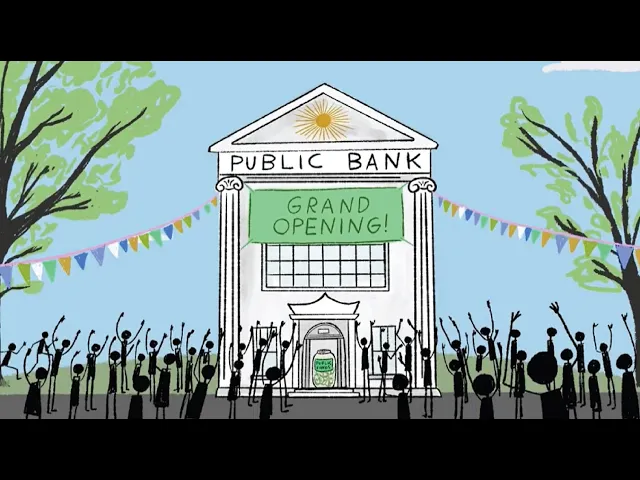
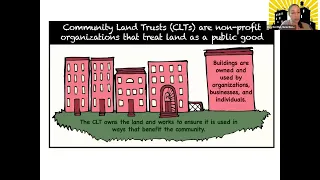
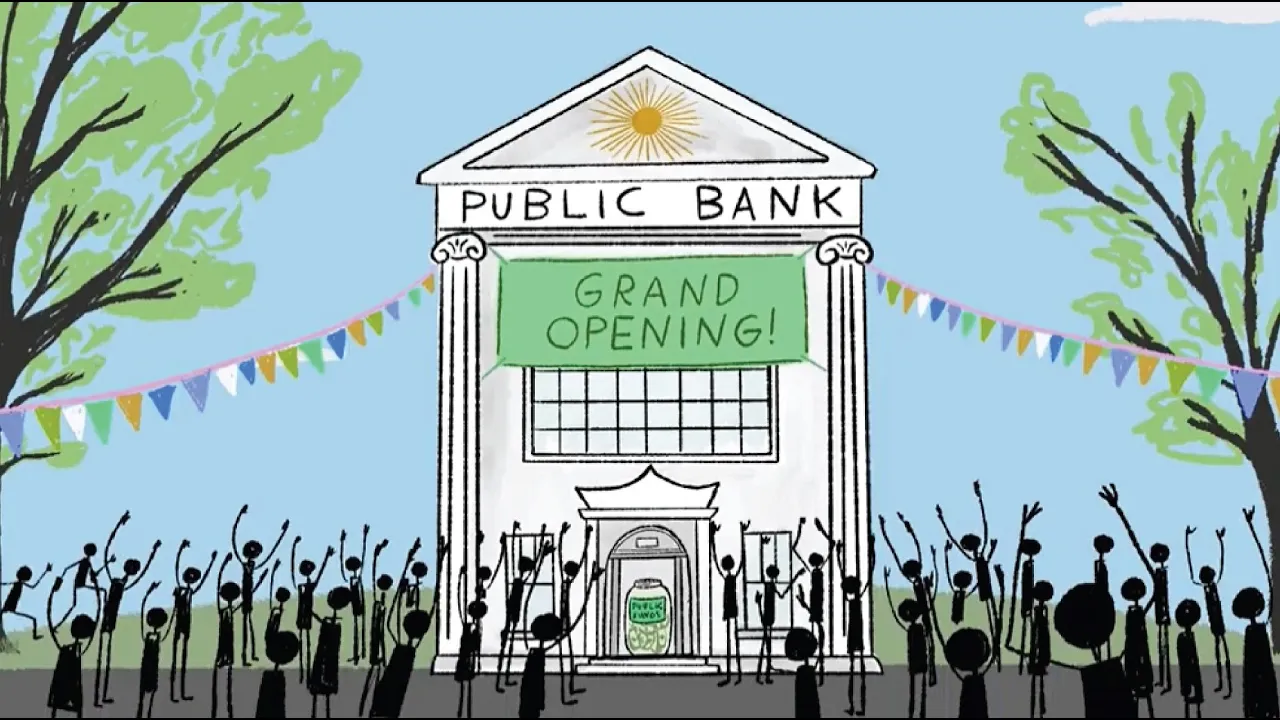
With a public bank, we can ensure that all of our public dollars work for the public good. Instead of lining private pockets, our money would build collective community wealth. A public bank would fund community land trusts, permanently-affordable housing, and worker-owned businesses.
It would invest in clean energy and a just transition in frontline communities. And it would partner with community credit unions and others to expand fair banking services and create living-wage jobs. Hundreds of public banks exist around the world, including here in the U.
S. , with the century-old state Bank of North Dakota. It's time to bring public banking to New York.
Let's put our dollars to work for our communities and build an economy that works for everyone. Join the movement. Check out these state and local coalitions to learn more and take action.