there are many people on this channel that have commented that they use 70 milligrams of five ants or 50 milligrams of adderall a day in my opinion this is severe abuse good morning friends we're here to talk about dopamine today i thought i'd have a little chat with you guys i haven't really prepared for this but the idea came about because we got a comment on the uh youtube channel today from someone asking whether wellbutrin aka bupropion a pharmacologic drug could be used to enhance the effects of amphetamine the subscriber who asked this was actually
asking about well butron's effect on cyp enzymes in the liver however i thought this was a great question and something i should have addressed more clearly in a video before of course guys i want you to keep in mind i will eventually do a series on dopamine which will be very comprehensive like my series on serotonin and this video today will not be that comprehensive but i hope it'll be very useful for you guys so to begin with i want to explain why dopamine is such an important hormone and why we're interested in people who
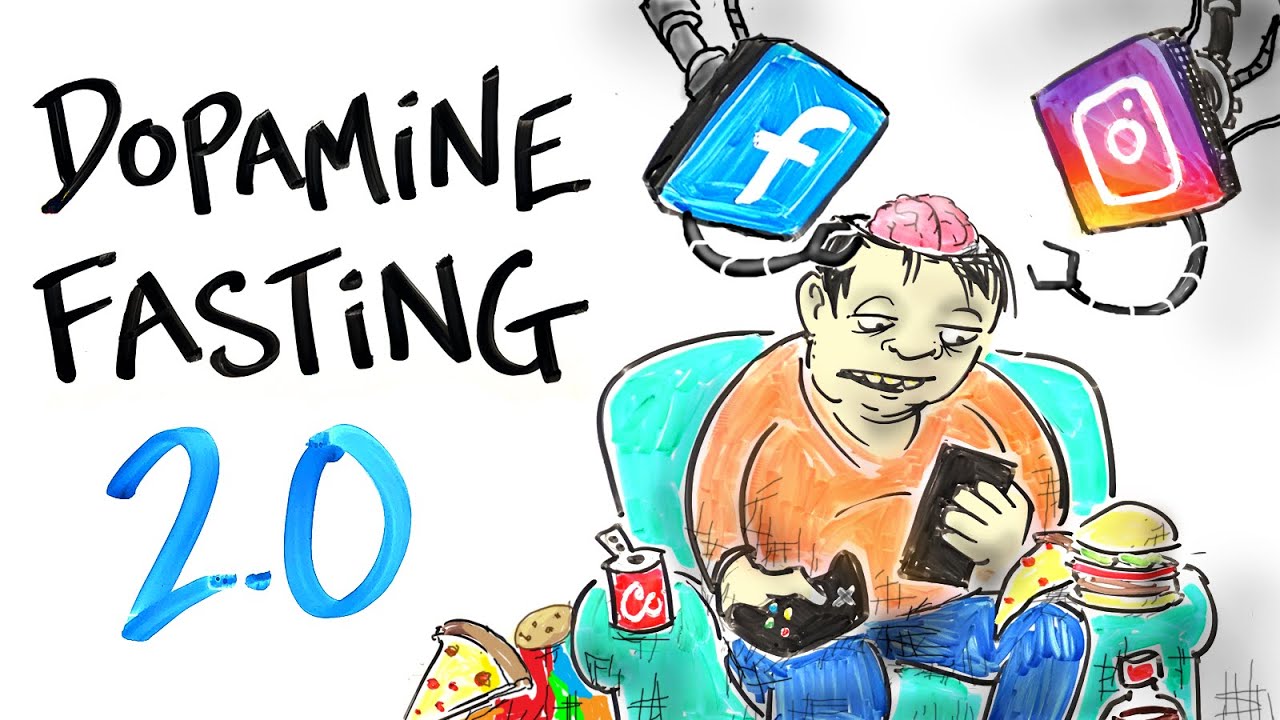
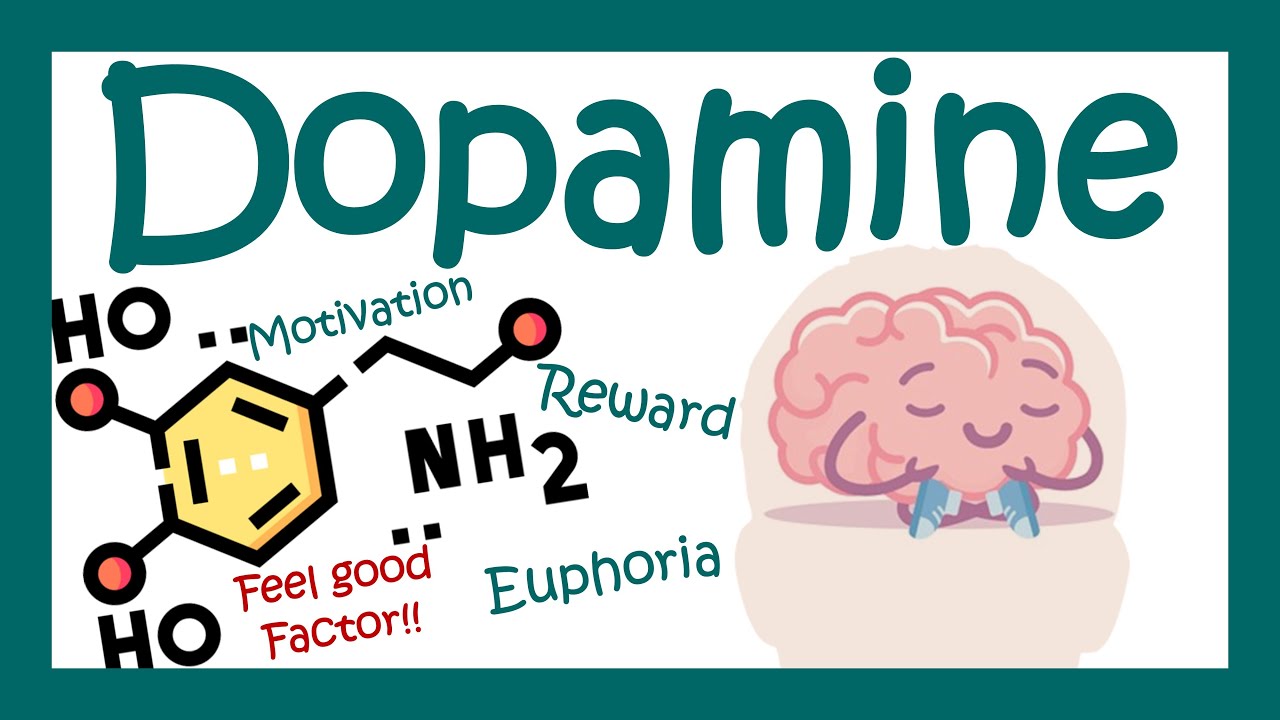
are interested in cognitive enhancement or improving their ability to use their mind to get their goals accomplished are so obsessed with dopamine the reason is that dopamine is a hormone that drives uh drive ambition as well as it it provides a certain reward for doing something because of this reason dopamine is also very involved in addiction and dopamine also has concerns with regard to its dysregulation when dopamine becomes dysregulated people can develop certain psychological disorders that we've discussed before like bipolar disorder or schizophrenia however the reason why manipulating dopamine is so useful is that naturally
some of us get what's called dopamine transmission when we do things that are naturally fun for us or rewarding for us so for me for example i didn't get much dopamine transmission when i was studying naturally so for people like me manipulating the system to cause dopamine transmission while we're doing something that we don't naturally find that rewarding can make that activity rewarding can habituate us to that activity because dopamine is a habituating hormone also and can improve concentration and focus tremendously so back to the dangers of manipulating dopamine before we get started i want
to make clear the main danger that psychiatrists and other doctors will be concerned about when they prescribe to you dopaminergic medications is that you may become addicted to them dopamine is the hormone that makes people addicted to not dependent on but addicted to many drugs so for example heroin agonizes the more opioid receptor and downstream to that causes dopamine transmission so does thc for example it agonizes the cb1 receptor and downstream to that causes dopamine transmission amphetamine is the drug that directly causes dopamine transmission and so psychiatrists are very concerned with prescribing short release amphetamines
to people including the brand name adroll and other variants that's why they prescribe sometimes long release extended release versions of adderall or of dextroamphetamine called vyvanse the extended release versions because they're causing dopamine transmission throughout the day don't allow you to as clearly associate taking the drug with the dopamine transmission so they're thought to cause potentially less likelihood of addiction or abuse additionally they also cause less psychic shifts so if you take a dopamine transmitter in the morning like amphetamine and then later in the day don't have as much dopamine transmission because it's out of
your system you have a psychic shift from the morning to the evening also for example if you do what i recommend for myself and for some other people not taking a dopamine transmitter every day of the week then say four or five days of the week you have a certain amount of dopamine transmission in the morning and then you have a paucity or less dopamine transmission on other days this can cause anxiety for certain people can cause mood stabilization issues and things like that so that's the reason they often recommend extended release formulations and that's
the reason that psychiatrists are generally quite concerned about combining dopaminergic medications together also again the other issue being of course dopamine dysregulation usually this will happen depending on people's genetics when they abuse the dopaminergic drugs sometimes dopamine can become dysregulated and over time you can get higher and higher dopamine signaling from the same drug often this happens if it's used consistently days in a row not so much if people take days off so what i wanted to discuss here today was sort of the biology of dopamine briefly so that we can look at what are
some points in the biology that we can manipulate to get the desired outcomes and to reduce the amount of dopamine transmit transmitting drugs that we need to use so think of it this way your brain has cells these cells are called neurons the main cells that we discuss but all that's important is that you know that there's a couple of cells in your brain that are often trying to communicate usually the first cell will transmit a hormone to the second cell to communicate this hormone in this case that we're interested in is dopamine so say
one cell transmits dopamine to the other cell the other cell has a receptor sort of like a flag for dopamine once it senses dopamine it changes its activity according to that hormone now what happens here is the first cell transmits dopamine to the second cell then something called the dopamine transporter aka dat dat takes dopamine from between what they call the synaptic cleft which is this which is in between the two neurons takes it from in between there and outside of the synaptic cleft so the dopamine transporter is what removes dopamine from that line of
communication it takes it out of the synaptic cleft and into what's called the extracellular space in the brain that's the space between the direct lines of communication outside so what you have is transmission of dopamine from one cell to the next then the dopamine transporter removing the dopamine and then when the dopamine goes into the extracellular space you have what are called degradation enzymes these are enzymes that break down dopamine they include enzymes like monoamine oxidase a and b compt as well as aldehyde dehydrogenase for example which you guys may remember aldehyde dehydrogenase actually metabolizes
one for butane ideal also in your liver anyway so that's that's what happens there there's three points of it and these are three there's actually much more things you can do also there you can replace dopamine you can increase the transmission of dopamine from its synthesis originally there are many other things you can do but pharmacologically these are three points at which you can attack the system the drug that causes the transmission of dopamine which means if you take this drug the cells in your brain that contain dopamine will be more likely to transmit it
to the cell that it's communicating to the drug that does that classically is amphetamine amphetamine does that best i think amphetamine has two isomer forms one is levoamphetamine and one is dextroamphetamine you can read about isomer forms online they're sort of like symmetric opposites of the molecule dextroamphetamine has a little bit more dopaminergic effects and a little bit less noradrenergic effects than levo amphetamine adderall is a branded mixture an exact mixture of these two isomer forms amphetamine salts are an equal mixture of these two isomer forms you can also get specifically dextromphetamine it's called dexadrine
they come in five milligram tablets in the u.s also so you have a choice so you can use amphetamine to cause the transmission of dopamine amphetamine also inhibits the reuptake of dopamine which means that it inhibits the activity of that which is trying to take dopamine out of the synaptic cleft what does that mean it feels like you feel dopamine more when that happens so amphetamine has two activities but really the reason we use amphetamine is because it's unique in being the only drug that cleanly causes dopamine transmission and this also has a very long
history of use so a very good safety profile i mean relatively you can use amphetamine to cause the transmission and inhibit the reuptake but say you wanted to lower your amphetamine dose say you were using a 5 milligram or 10 milligram dose and you don't want to use more but you need you want to get more of a dopaminergic effect from it you can use another drug the drug that the subscriber asked about which is called bupropion to inhibit the reuptake further bupropion has some other activities honestly that are not all very attractive but it
inhibits the activity of that the dopamine transporter by the way there are also herbs and other things that are phytochemicals that do that also but we won't get into those today so what does this mean if you use a little bit of wellbutrin bupropion in addition to the amphetamine you can inhibit the reuptake of that further without causing more dopamine transmission remember dopamine transmission is unique in that it's the most addictive part of using a dopaminergic drug and also dopamine transmission in my experience causes the most downregulation of dopamine receptors remember dopamine is an excitatory
hormone in the brain and excitatory hormones can be neurotoxic so you can think of dopamine as a neurotoxin when it's very elevated so because of that reason your cells when they feel too much dopamine will down regulate those flags those receptors for dopamine so we always want to be careful about this down regulation because when the down regulation of dopamine receptors comes about people often start to increase their dose or feel that they have tachyphylaxis a reduced effect of the drug over time and they don't get all the benefits that they want out of it
those are two points at which you can manipulate the system but there's a third point too remember dopamine is eventually taken out of the synaptic left by that and put in the extracellular space and in the extracellular space dopamine also has activities but it feels quite different you can inhibit the degradation of dopamine in the extracellular space by inhibiting one of those degradation enzymes or more than one of them now in parkinson's disease they try to inhibit comp and monoamine oxidase a also but i think that the the cleanest way to do this is by
inhibiting the activity of monoamine oxidase b which is a more selective enzyme there are drugs that do that my favorite one is a drug that's quite hard to pick procure because it's new it's called sephina mine i've talked about it in other videos as well what am i talking about here i'm talking about three drugs used to cause the transmission inhibit the reuptake and then when it is up took to inhibit the degradation of dopamine slightly these things all feel quite different and it takes someone's trial and error to know exactly what works best for
them for concentration or for improving their ability to habituate themselves to something some people because of their polymorphisms in their brain will benefit much more from inhibiting the reuptake of dopamine so for example you guys may have heard of the compt comt polymorphisms that people say make certain people worriers and other people warriors well you can change sort of your shift on that by affecting the degradation enzymes other than compt because dopamine is one of the most important hormones that kant is affecting generally in my experience inhibiting the degradation of dopamine it can cause a
bit of anxiety it can cause a little bit of like racy thoughts but for people who are under stimulated it can be a low-hanging fruit so that you can limit the amount of the other drugs that you may need to use the whole point of this why i'm talking to you guys about this is because i strongly recommend against people using more than 10 milligrams of amphetamine more than four or five days a week there are many people on this channel that have commented that they use 70 milligrams of five ants or 50 milligrams of
adderall a day in my opinion this is severe abuse i really feel like the doctors that are prescribing these medications to you guys are quite reckless but unfortunately the way doctors are are incentivized in the us is that they can't go against the status quo that much so if a doctor prescribes a little bit of amphetamine with wellbutrin to you or especially with cepheidamide it may raise some red flags so they would rather raise the dose of one drug rather than experiment with some other mechanisms to manipulate the dopamine system so anyway i just wanted
to bring this thought up to you guys you always want to limit the amount of direct transmission you're causing and you don't want to do that more than once a day certainly but one thing you can do something that i do for example is use something like five to ten milligrams of dextroamphetamine in the morning under your doctor's supervision combined with something like 100 to 150 milligrams of wellbutrin that then can be redosed say three hours later and then originally combined with something like 25 to 50 milligrams of sephinamide and you can alter the doses
of each of these except the amphetamine to see what feels best for you you may find that a higher dose of a monoamine oxidase b inhibitor which inhibits the degradation of dopamine may work better for you than having a higher dose of wellbutrin other people may find because of their polymorphisms in the that transporter than the dopamine transporter that wellbutrin is particularly useful for them in either case i think opening up your mind to these three points of manipulation of the dopamine system that are low hanging fruit and quite easy to manipulate will limit the
amount of harm that you do with it with amphetamine and potentially could give you better results than just raising your dose of amphetamine always be careful not to do this seven days a week if you do you will adapt to it and it will not have a tremendous impact on you but if you only do it for five days a week or so and i've tried this over years and years you'll find that even though the the other two days of the week your focus is probably subpar the other five days is superior to what
you had naturally and you'll end up with a net positive i hope this was helpful for you guys i'll certainly follow through with more videos on the subject in the future but i thought it would be good to discuss this this idea of limiting dopamine transmission by using something that inhibits that or something that inhibits one of the degradation enzymes i hope this is helpful to you guys and i look forward to speaking to you soon [Music] you