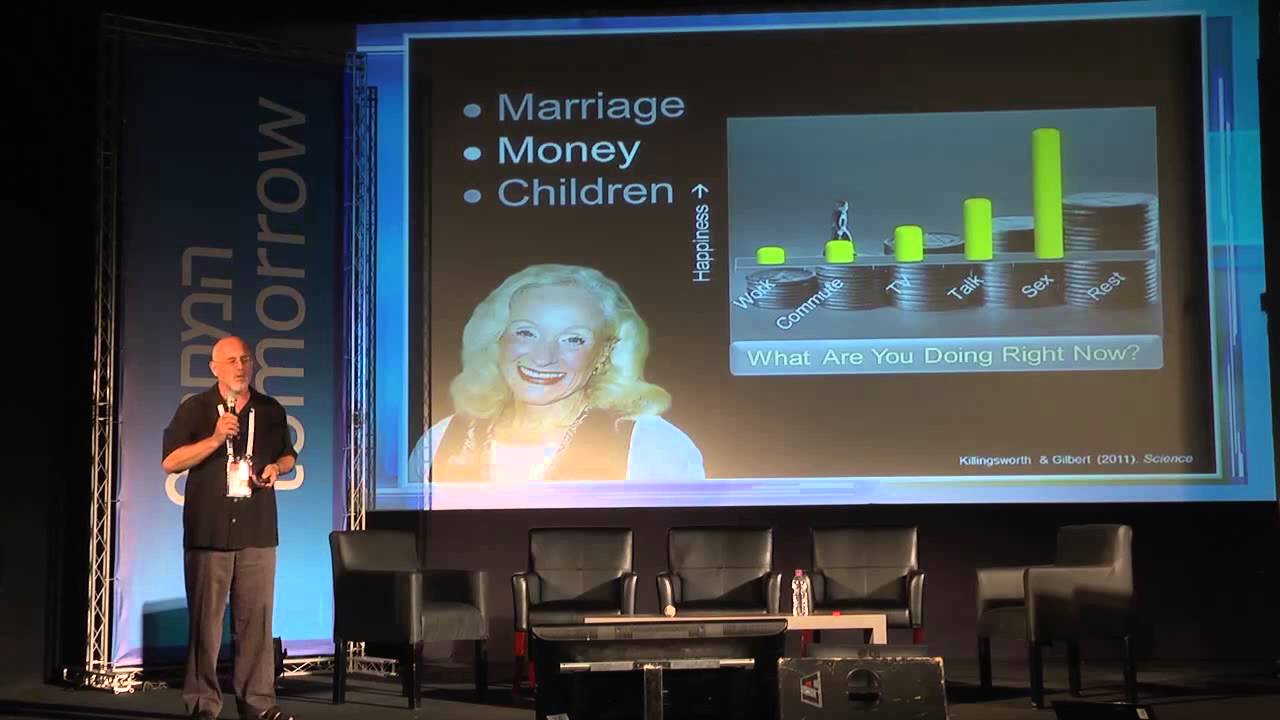
Have to say of all the challenges we've ever had at one of these lectures having too few seats occurs very rarely so I am so very excited and grateful to see all of you here this evening my name is Michael Feltner I have the privilege of serving as the interim dean of Seaver College in the current academic year before beginning this evenings program and introducing our esteemed speaker dr. Sonja Lyubomirsky I want to introduce a Two distinguished guests present this afternoon first I want to acknowledge the dean emeritus of Sieber college and the individual for
whom this lecture series is named former dean David Baird David were honored that you joined us tonight next it's my sincere privilege to recognize Melanie flaminia Melanie and her husband Richard are the benefactors of the W David Baird distinguished lecture series the flaminia has endowed this lecture series To honor Dean Baird for his service to Pepperdine and Malibu and to broaden the educational experience for all in our community Melanie is a professional singer known throughout the music world as Emmy Page and she also supports Pepperdine in many ways and one of those is as a
member of the Sivir College Board of Visitors Melanie's joined here this evening by your daughter amber and amber holds a master's of Arts in psychology from Pepperdine University Graduate School of Education in psychology so Melanie and amber we're very grateful that you're here tonight and if I may could I ask that you please stand so we can express our appreciation thank you very much before we begin a few words about our format for this evening following her introduction dr. Luber Mizuki will speak for approximately 45 minutes and she is committed to concluding her lecture by
6:00 p.m. if not earlier the reason I say that is I have a suspicion that a few of our guests this evening may have a 6 o'clock class so we would ask that you please wait until the conclusion of the lecture before dismissing for your four-year six o'clock class at the conclusion the lecture will have a very brief pause to allow you to depart and then will follow with a question and answer period I encourage everyone who does not have a Commitment at 6 p.m. to please remain with us for the Q&A those are very
lively and entertaining sessions and I think you'll find it informative following the Q & A dr. Lyubomirsky will be available to sign copies of her books and we have representatives from the bookstore present this evening and they also have copies of the books for sale to introduce our distinguished guests this evening is dr. Steve rouse Steve is a renowned member of the cebra college Faculty a professor of psychology and he serves as the chairperson of the social science division during his time at Pepperdine Steve has been honoured with a Frank R Seaver endowed professorship and
he was the 2007 recipient of a Howard a white award for teaching excellence please join me in welcoming dr. Steve Ralph Hey good afternoon to begin let's play a quick round of repeat after me okay so I'm gonna say some things I'd like you To just say everything I said back to me okay Lou Gehrig was the first baseball player to have his uniform number retired good okay Lou good okay tie your shoelace in a bow good bow great Simba's friend Tim own was a meerkat Mir great okay it is better to ski than to
snowboard ski Lou bo Mir ski lube Amir ski excellent excellent great job in the past few years a lot of my students have been reading the research of tonight's Lecture dr. Sonja Lyubomirsky you see in one of my classes personality psychology my students are required to write a term paper not about a topic in personality but instead about the research and conducted by a contemporary personality researcher I give my students a list of some of the most prolific and influential modern personality researchers and teach them how to conduct a search of the articles written by
one particular person then I Encourage them to simply pick an a a few names at random and read the titles and abstracts of their work and find someone whose research captures their interest well in the past few years a lot of my students have opted to write about dr. Luba Minsky's research but can you blame them I mean imagine that you come across a person who's written articles with titles like recalling positive events at work make employees feel happier move more but interact less then another one I like this one in defensive Parenthood children are
associated with more joy than misery and then another one is it possible to become happier and if so how who wouldn't want to know more about topics like this well in welcoming dr. Luba Mirsky to the podium I could talk more in depth about the 55 peer-reviewed journal articles that she published each one exemplifying a methodologically strong research or I could talk about her 13 chapters in Scholarly edited books or her New York Times bestselling popular books or I could even play for you the rap that was written to summarize her research but instead I'd
like to to end my comments by reading to you a comment that was written to me by one of my students who wrote a term paper about Luba me about dr. Luba Mears keys were researched this past semester the spaß semester sorry the student wrote her research has affected me in a Positive way I never expected after studying her research I am more mindful grateful kind curious and accepting what better way to commence this year's Dean's lecture series than to hear from researcher who can make a term paper a life-changing experience please join me in
welcoming dr. Sonja Lyubomirsky thank you so much thank you so much it's so wonderful to be here to be invited to be part of this very eminent lecture series like I just want to make sure that I Start my powerpoint by the way I'm sure you know you're you have one of the most beautiful campuses in the entire world that's really great to be here I live in Santa Monica so not too far away always happy to to come here so I'm going to be talking about my research on happiness and as you can see
I also provide a little mnemonic here which you don't need about how to pronounce my name my name means love and peace in Russian I come from Russia so I think it's kind of Appropriate for someone who studies happiness so I'm gonna be talking about my research on happiness these are my wonderful collaborators and I'll be referring to a couple of my books today the howl of happiness and the myths of happiness so during the Second World War aviation experts spent a lot of energy and resources studying military planes that went down and one day
somebody asked why don't we study the planes that stay up in the air and I think that's a Really apt metaphor for the research that I and my colleagues do we study why happy people are happy why healthy people are healthy Weiss successful people are successful by the way there are two seats right there anyone wants seats and a couple others that I see towards the front so we'll be talking about happiness how many people here wouldn't mind being happier than you currently are okay Wow okay and how many of you have friends family Colleagues
parents who you would like to be happier okay pretty much everyone so I can't promise that I'm going to make you all happier but I will arm you with a lot of information based on research I believe that all of us want to be happier we we might define that word happiness differently we might pursue it differently but I would argue that almost everything we do in our lives in a sense is you know aimed at becoming happier sort of doing things that give Us meaning and happiness so researchers have actually asked the question of
how important happiness is by going around the world and asking people how important is happiness to you I'm going to give you a sample of just a few countries us Greece Germany at South Africa China and Argentina I was just giving talks in both Argentina and Germany about happiness so I put those up for them so on a scale of one to seven how happiness is how important is Happiness to you Americans rated about a six point six so pretty high that's not surprising some people think that Americans are kind of preoccupied with happiness maybe
even obsessed with happiness it's embedded in our Declaration of Independence and but what about other countries around the world what do they think so here's the data for other countries also you know very high very high importance place to unhappiness I should mention that there Are some significant differences in this graph so people in Germany and China actually rate the importance of happiness as lower than other countries around a six but still it's it's you know quite high so I would again I would argue that happiness is perhaps even a universal goal even in the
country where I'm from from Russia I came here when I was ten years old you know people talk about the importance of suffering right so you have to suffer to build character To gain salvation into the next life and of course there's other cultures and religious traditions that kind of focus on suffering but even in Russia when you ask people what do you want most for your children they'll say I want my children to be happy so I think it sort of depends on how you ask the question so you know many people if not
most people want to be happy so is happiness a good thing you know some people think that happy people are Selfish they're kind of focused on themselves right it's all kind of about me me me they're not very focused on others that happiness is really about pleasure so my colleagues and I try to address this question we did what's called a meta-analysis which is a study of studies we looked at 225 studies that were done unhappiness and what we found were that happy people were more successful actually in health in relationships and in work so
for example We found that happier people are more productive at work and more creative lots of studies show that if you measure happiness at work the happiest the happiest people today will be more productive say in three years happy will make more money and they have better jobs so of course the causal direction goes both ways having money makes you happier but also happy people are better at accruing more money happier people are better leaders And negotiators happier people have better relationships they're more likely to marry less likely to divorce and one of my favorite
studies researchers looked at college yearbooks they looked at the yearbooks from Mills college you know which is a Women's College in Northern California and they found that they coded the pictures in those yearbooks okay from now on you're going to all take a look at your high school or college yearbook photos to see if These women show genuine happiness in their college yearbook photos okay and there's something that you can't it's called a Duchenne smile you can't fake it very few people unless you're a really good actor can fake a Duchenne sort of an authentic
smile women who were eight who showed genuine happiness and their college yearbook photos at age 21 were more likely to be married by age 27 and had more satisfying marriages at age 52 it's kind Of amazing it was something that carry through happier people have more social support they say they have more friends happy people are also healthier I'm going to talk about that in a second they even live longer and you know contrary to this perception that happy people are more kind of ego-centered or selfish happier people actually more other-centered they're more charitable they
give bigger tips if you know individuals who are depressed or if you Yourself have been depressed you know the depression is actually makes people kind of focus inward and that's you know people say that that's adaptive right when you're sad or depressed you need to focus on yourself to understand your problems and so you can argue that when you're happy you actually kind of have the luxury of focusing on others right you're not sort of so focused on your own problems so happier people are more philanthropic and happier people are so More resilient they cope
better with stress and trauma okay so let me talk a for a bit about okay I already talked a little bit of marriage about health okay so why do you think maybe I'll throw this out why do you think happier people are healthier what's a what's a reason don't be shy actually so the egg may exercise more maybe they have better health habits any other ideas what better diet they're getting the endorphins so I think someone said less Stress less stress okay so lots of different different reasons well researchers have explored these different reasons and
it's true that happier people do have better health habits one thing they're interested in isn't is in the immune system do happier people or having positive emotions frequently does that is that associated with having a stronger immune system or immune function so for example let's say you know you all have flown on airplanes Some people every time they fly they get sick right they're sort of rhinoviruses cold viruses in the airplane some people never get sick or sometimes you get sick sometimes you don't and maybe it has something to do with the strength of your
immune system so in one stay which I call the cold virus study um there's a picture of the cold virus lovely isn't it called the rhinovirus in this study researchers found healthy Volunteers they had them complete a measure of happiness and then they injected the cold virus into their noses okay not maybe not a study everyone would want to be in but they were paid handsomely to be in the study $800 $800 but it wasn't just the cold virus after these healthy volunteers of all ages got the cold virus they also they quarantined them they
put them in a motel for 5 days I mean they could do whatever they wanted but they needed to Stay there and then monitor them for a month to see the relationship between happiness and who developed symptoms of a cold so they all were exposed to the cold virus but who actually got sick so they measured like cough and mucus and all that and they found that happier volunteers were less likely to develop symptoms of a cold and actually recovered faster other studies have shown same kind of thing as a recent study showed that happier
people who Receive the hepatitis B vaccination showed a stronger immuno protective response to the vaccination by the way this was found when when when researchers controlled for things like body mass index and age and ethnicity so wasn't the in depression too so wasn't the case that happier people were just less likely to be depressed or thinner or younger okay so that didn't explain the finding ok so this is just one example I don't have a lot of time today Kind of going through all these sites but they're about 200 or more studies showing that happy
people are better off in terms of health career and relationships ok so how we hopefully I've convinced you that happiness is something that most people want and that it's a good thing that it's associated with all kinds of good stuff and success but a lot of us have the wrong idea about what will make us happy so my most recent book is called the myths of Happiness I want to mention a little bit today and it's really about kind of this idea that you know a lot of us have that little I'm not happy and
see if this describes you okay or people you know well I'm not happy now but I will be happy when okay and then you name a bunch of things like when I'm married then I'll be you know when I want to have a boyfriend when I have a baby when I get that job I really want when I strike it rich when I Make money that's when I'll be happy when I move to that city where I always wanted to live in and and then people also talk about so so these are kind of reasons
that we feel that we'll only be happy people also have ideas about what kinds of things will make them kind of unhappy forever will make them terribly unhappy being single not finding a life partner getting divorced getting old especially getting old with unfulfilled dreams having a health Condition and and so I talked about sort of how how these myths play out in our in our everyday lives and and I kind of try to debunk them so let me kind of show you some data because I'm a research scientist so first I want to talk about
divorce um so a lot of people feel that you know I mean divorces are terrible you know very difficult life event and but a lot of people say well I can never I can get a divorce it'll be just so horrible I Won't recover from it and make me terribly unhappy kind of forever and so here's data from a study of about 10,000 people 8,000 people they were followed every year for about 10 15 years every year they're asked how happy are you and some of them got divorced in the middle of the study some
of them got a new jobs from the milazzo job so they were kind of looking at people's happiness before and after major life events so this is the data on divorce so so this is Happiness year 0 is the the year of the event in this case divorce and whenever you see an asterisk or a triangle that means that people sort of baseline happiness has either dipped significantly below I mean sorry their happiness a significant line or has risen significantly above so you see 0 years 0 and I'm kind of hiding part of the data
year 0 is the year of the divorce you see how two years before the divorce people's happiness is already Lower than they it used to be does that make sense maybe that's kind of the you know things aren't going well in the relationship then they get divorced so what happens the five years after divorce okay look at that okay so for year four or five after the divorce people are way happier than they ever were in the relationship now we don't have data kind of going even farther maybe ten years back 15 years back and
actually have a friend Who's going through just a terrible divorce right now terrible terrible and I sent her this graph and she told me that she looks at the graph every day every day now of course is an average it doesn't mean that it's going to happen exactly that way for you it's an average over many many people so this so show shows how resilient people are and here's data for being laid off so these are people who are laid off from their jobs you see the Year before the layoff people are already less happy
than they were so maybe there's an indication in their workplace that they're going to be layoffs coming maybe it's not you know the company is not doing so well and then it takes about four years for be able to recover from that here's widowhood widowhood is a much more kind of severe event people become very unhappy a year before the the spouse is probably having health Problems and then people and then there's a rise in happiness but takes five years to kind of get back and get over the baseline so that's what a hood so
the take-home points or the take-home point is that people are remarkably resilient that almost nothing is as misery inducing as we think it will be so we think like oh I'll be terribly unhappy if I get divorced even if I become widowed or I don't make as much money as I thought I would if I get Diagnosed with a medical condition studies show that people who are facing adversities actually report kind of a silver lining and one of my favorite studies women who have breast cancer reported that sorry two-thirds of women with breast cancer reported
that the cancer led to positive changes in their law they said that it led them to kind of appreciate the preciousness of life it was a sort of a wake-up call they Realized what their real priorities are maybe it's it's family over versus work or maybe it's that they really wanted to be a teacher or an artist they realized who their true friends are and then they realize that they have strengths that maybe they'd even know they had maybe kind of a maturity or courage or humility or sort of just the ability to get through
the day and lots of studies on this show the same kind of thing that people who are overcoming adversity 'z Sort of realize that they have strengths that they'd even know they have not not not to say that we should all kind of experience adverse events just so we can grow but but this is by the way it's called post-traumatic growth okay so these are so that's why I sort of call all of these myths now I'm not saying that we should all get divorced or you know not have kids we all are going to
get old so we don't have a choice about that on but I think it's important to Kind of look at the research and because sometimes kind of a misunderstanding of what truly makes you happy or unhappy can lead you to make some poor decision so I'll say a little bit more about that okay so what now this kind of resilience that people have also has what I would call a dark side so people human beings have the ability to get used to almost everything in their lives whether it's illness or divorce or sort of downsizing
having less money that we want but it Turns out that we're also really good at getting used to the positive things as well so I'm sure you've all discovered this you get a new gadget or a new car or you move to a nicer home a nicer apartment at first you're really thrilled about it and then you get used to it right and then you you want even more this is called hedonic adaptation so one example I like to use is a number of years ago I had LASIK anyone here has had LASIK you know
I used to hate Glasses and contact lenses and I was almost blind I couldn't you know see very well at all and you know it's like 2-minute procedure and I had 20/20 vision and you know how long it took me to adapt to that vision and so take it for granted two weeks you know two weeks after a lifetime of sort of near blindness so you know human beings are just very good at getting used to good things we get used to being a college student being called a dad being Called a doctor and so
if we get used to sort of almost everything positive then how can we sort of ever become happier that's something that I I'll talk about so let's let let me let me talk about marriage right weddings so you know getting married I think was one of the best things that that have ever happened to me but people adapt to even things like marriage okay so here's the same data from the same study by the way all of These data are for females but the data from males are almost identical I just didn't want to show
too much okay so years zero is the year of the wedding you see negative one year before people already happier than their baseline does that make sense yeah they're in a great relationship maybe they're engaged so what do you think happens after you get married how long do you think the boost in happiness lasts all right shout it out to what two years that's very Pessimistic six months or any I'm just I'm kidding them what any other guesses seven years you know you hear about the seven-year itch right that must come from some research okay
the the answer is two years two years after two years you're back to the baseline now of course is a lot of variation some people get happier and they stay happier that's actually those are the people I really interested in talking to them like what is it that they're doing differently Some people actually get unhappy after they get married so this is a an average so kind of again the take-home points is from the from this research on myths is that there's no really there's no magic formula for happiness and there's no sure course towards
misery and then we have to understand that life's turning points do not have to become major crises so yeah so like when you get married when you get divorced maybe you make more money you lose Money there they're not necessarily kind of times where you're suddenly going to be a lot happier a lot less happy forever and being less excited with your marriage or with your new house or with your new gadget is not a cause of concern sometimes people envy what we all know people who like constantly changing jobs right they're like they're they
get it they're a new job they're excited then they're kind of bored oh let me get another job and then they Keep moving and same thing for relationships right or or cars I read somewhere I think it was like the average American owns a car for something like two years something ridiculous like that and people of course like the leased cars because they can get new ones so we just get bored and like we're like oh I want something new and different so that kind of belief in thinking like thinking oh there must be something
wrong with me because I'm Not you know as excited with my relationship or my job as I used to be people have to understand that that's part of human nature now sometimes your relationship or your job or your house really does need changing but often that's not the case we're just as we're just undergoing this very natural process of hedonic so remember that hedonic adaptation remember that and recognize it when you see it happening to yourself Now how do we how do we kind of keep that excitement alive how do we not adapt to our
new marriage or a new job or a new car well it's hard to do but there are I talk about in them in my book about sort of how to use variety and novelty and surprise and appreciation to try to not adapt so appreciation is pretty obvious you move into a new home and you really try that or you get a new car and you try to appreciate that Home or car to really to really think about like not take it for granted that's a that takes effort variety novelty surprise if we open ourselves up
to challenges opportunities growth experiences meeting new people we're less likely to adapt right so a relationship where you kind of do the same thing every Friday Saturday night you're going to adapt to it but a relationship that kind of keeps you growing maybe together you you take up New hobbies you meet new people that can prevent you from adapting so those are sort of some of the strategies people can use okay okay now what about children so you heard I have this article about in called in defense of parenthood okay this is what happens whether
this is a picture of one of my I have four kids and I but although I started doing this research when I had two on picture of one of mine like five minutes after Birth and so what happens after the birth of a child so you see negative one year negative one already people are happier now they're not pregnant yet right because these are actually both true for both men and women but you know maybe you're in a new related and Yorick's you know anticipating having a child and then the happiness going to drops and
then recovers now what is happening I kind of like to ask this what is happening at year two three that You think is making happiness drop for most people what exhaustion I know but why not year one right you isn't isn't a newborn or child is running number number two Oh terrible twos terrible twos know it well I don't think that's what it is I think it's number two right so people are having another child when they're - when the first one is two or three and I think that really puts them over the edge
now I I caught my students and I have been doing research on sort Of parenting and Happiness and we find that the the question of like our parents happier than people who don't have kids is actually not the right question to ask because there's all kinds of parents and there are all kinds of non parents so what we have found we have a paper on this is that parents are happier than their child free and I've learned to say not child less but child free right child less is politically incorrect parents are happier than non
Parents if they're middle-aged or old okay so if you're okay those of you contemplating Parenthood in college college students who are parents are much less happy than their peers who we don't have kids now of course people who are older also have older kids so that that has that as an influence so if you have kids who are either in middle childhood or grown you tend to be happier than people your age who who don't have kids the data on marital Satisfaction shows that the happiest time in a marriage is when the kids are are
gone when they when they have flown the nest okay that's called the empty nest so those of you the students here you have causes you her you have improved your parents marriages if you've actually of course left the house I don't know if everyone here has left the house and the second happiest time is if you have is during the honeymoon period of the marriage right so that's Before kids the the least happy time would it would you think it is teenagers yeah that's exactly right the least happy time is teenagers the second least is
when you have at least one child under five so I have two teenagers 13 and 15 and two children under five but we're doing we're doing okay we're doing good yeah okay so if you're married also as opposed to a single parent you tend to be happier if your father sorry to say fathers are a lot happier than men Without children mothers with children are about the same in happiness as mothers without children if your children live with you if their biological or adopted having step kids is not associated with bigger more happiness and if
your children are relatively trouble-free which seems kind of a obvious point but research shows that all parents will overall all parents report no matter whether you're married or how old you are having more Meaning than people who don't have kids so there's a difference between happiness and meeting okay so to continue I've sort of shown you a some some research about like the benefits of happiness and kind of misconceptions we have that happiness so when we have kids when we get married or when we are diagnosed with an illness or how can we become happier
how can we sustain that happiness that's kind of the question that's been driving a lot Of my work is it possible to become happier and if it's possibly to become happier can we actually sustain that because we all know how to become happier for five minutes right so there's a lot of self-help literature I don't know if any of you actually go to real bookstores or only virtual bookstores it no matter which kind of bookstore you see lots of titles with happiness in it in them here's just examples of some bestsellers happiness Is free and
it's easier than you think and that's interesting that's actually kind of the opposite of what I'm going to argue today which is that happiness is harder to attain than you think but you can't really sell books right that are called like happiness is really hard to attain you could be happy no matter what happy for no reason so again there's a there's kind of a a theme and a lot of the titles and again it's maybe it's just the publishers driving this That's like happiness is easy and free I get called by media all the
time pretty much every day I get an email from reporters and sometimes the the women's magazines are kind of the worst because they'll ask me like give me five 5-minute happiness strategies it's always like five-minute happiness strategies I and I tell them I can't do that you can't become happier in five minutes my favorite book is you can be the wife of a happy husband actually if You look at the date this book is not my favorite book actually so it argues that women should be submissive to their husbands kind of do what their husbands
want and then you can have a happy husband so I'm not actually recommending that book okay so there are three reasons that researchers actually have been pessimistic about whether you can even become happier okay one reason is is another this is one another one of my kids who is really Happy is that we're all born with a genetically determined setpoint for happiness so lots of research in the field of behavior genetics that shows that identical twins who share 100% of their DNA are much more similar in their happiness than our fraternal twins or any twins
here okay not as many as I expected but so virtual twins are not as similar in their happiness so that suggests that there's a genetic component to happiness that it There is some truth to the idea that kind of you're either born either have it or you don't it's not the full truth but there is some truth to that so if happiness is partly genetic does that mean we can't change it can we not become happier so that's sort of it's a reason for pessimism those of you here who have children or siblings you know
that some are just happier than others and that's true definitely true for my kids Happiness is part of our personality it's a lifelong trait and those of you who've taken personality psychology know that you're that personality is pretty stable across the life term you can change person I used to be thought that you can't change someone's personality after age 30 and that's actually not true there's actually an article that was literally called you can change someone's personality after age 30 but rank there's there's really high Rank order stability in personality okay so think about your
high school class the kids who are the most extroverted in your high school class are probably 10 20 30 years later probably still kind of in that upper you know quartile of extraversion and and that the same thing goes for happiness so if happiness is a lifelong straight it's part of our personality then how can we really change it and then there's hedonic adaptation which we've already talked About so if we adapt to almost every good thing that ever happens to us then how can we become happier so those are the sort of the reasons
to be pessimistic now wouldn't be here today if I didn't think that there's actually reason or cause for optimism so my argument kind of a nutshell is that despite the finding that our happiness is partly genetically influenced and despite their finding that our life situations like getting Married or having kids or getting a new job have a surprisingly small influence on our happiness because we tend to adapt I argue still a very large portion of happiness is under our control and my book the health happiness says that that's 40% and that that number is an
estimate so don't take it too seriously I actually now have a warning on my slide saying these numbers are approximate because people just think they're set in stone so when you ask the Question what determines happiness about 50% of individual differences in happening so when you take everyone in this room and you ask the question why are some people here happier than others about 50% of the answer is because of genetics that's pretty large percentage about 10% of the answer is a because of life circumstances now this is assuming that you're kind of relatively comfortable
and you're not in like a horrible relationship you're not poor 10% is lower than most people expect and so that leaves about 40% probably less I don't know what the exact number is but a large portion of happiness that's under our control through the ways that we behave and the ways that we think so there are things we can do to become happier you know it takes work it takes effort so that's really what a lot of my research is about now what is it that we can do to become happier so this is the
part that's like really unsurprising if You I don't know read magazines if you read books newspapers you watch TV you might have you probably have heard about like what what kinds of things people can do to become happier so happy people tend to express gratitude they're more forgiving they're more likely to have significant life goals something to look forward to they're more likely to be spiritual or religious they meditate in Jay gauge and exercise all of these strategies Have been associated with greater happiness and many of them have been tested in experimental research to sort
of show that they can actually make people happier so they're probably a hundred strategies out there so what I do in my research I actually test them systematically so just because someone tells you oh you should count your blessings and you'll be happier that doesn't mean that that's going to be effective okay so what I do are called Happiness interventions and an intervention is kind of like a clinical trial so clinical trials might test a new drug and there'll be a control group and clinical trials also might test like what's the right dosage of the
drug or are there people who maybe shouldn't take this drug or maybe if you have a certain condition you shouldn't combine sort of two or more drugs so in a sense I'm doing the same thing but I'm focusing on happiness strategies instead Of drug treatments or other kinds of treatments okay so these are some examples of happiness interventions that we've conducted in my laboratory with my grad students and if anyone here who's interested in getting a PhD in psychology and or positive psychology um email me we have some room for new grad students over the
course of the next few years so what we do is again happiness interventions where we ask people over The course of several weeks or months on a regular basis to try to be more grateful to try to be more kind to others to savor their their positive experiences and of course we follow them across time and we measure their happiness usually just by asking them how happy are you um and we also always have a control group some kind of neutral group that we can compare the experimental group to so I'm just going to give
you a flavor of some of the Research that I've done and these are also things that you could try yourself and my research articles which are on my website which you can easily get to by just googling my name and my books also sort of describe these okay so we did a study for where we asked people to count their blessings for six weeks so I'm not a big fan actually of counting blessings I always thought it was kind of hokey but a lot of people tell me that it works for them they really makes
them Happier so I did a study to test it so we had people write down oh these were students actually these were college students in this study we have studies of all kinds of populations this one was with college students we asked them either once a week every Sunday night write down five things that you're grateful for or three times a week every Tuesday Thursday or and Sunday night write down what you're grateful for pretty simple right so here we actually Were interested in whether this works and also in the importance of dosage right so
like three times versus once you know what's more effective so here's what we found so these are histograms they show changes in gratitude on the left and changes in happiness from before to after the six-week intervention now the control group is the green bar for some reason the control group actually got less happy over time we can talk about that later If you're interested okay but the important finding the red bar is once a week you're counting blessings every Sunday night the orange is three times a week people who count their blessings three times a
week did not become more grateful they did not become happier those who did it once a week on average got happier got more grateful now why is that we have some ideas we think maybe kind of became a chore for people to do It three times a week so some things sometimes these activities lose their freshness and meaning when you do them too often and although some people tell me oh I count my blessings every day and that works for them and that's great so it's also important to find what fits your personality I'll talk
about that in a minute this is a great study that had students evaluate their college professors and in one condition they asked them first write down something Like write down 12 things that you like about your professor and another condition I think they had them like write down three things that you liked about your professor and then they had them rate the professor which group do you think like their professor overall more the one that wrote down three things so sometimes writing down too much maybe you can't think of ten things and then you conclude
like oh I must not like This person and maybe the same thing happened with our gratitude manipulation right it's like you can't think of things to be grateful for so it could backfire we're still working on this okay so I want to talk about the importance of fit because a lot of people do come to me and say oh I hate counting my blessings I have a colleague who would never ever do such a thing but he discovered that writing emails sort of gratitude kind of Emails to important people in his life like mentors teachers
coaches parents was very meaningful to him so I've got interested in the importance of fit that you have to kind of choose what practice and what strategy fits your personality kind of fits your goals fits your strengths and fits maybe the source of your unhappiness whatever it is it's making you unhappy I have there's an iPhone application based on my research is actually now not being supported - Well it's like cost $0.99 it's called live happy I don't make any money off of it I use it for research so I'm going to show you some
data from it we're now working on live happy 2.0 so those of you who like couldn't got to adapt it to your gadgets and have gotten now the new like iPhone 6 or whatever then you need to wait for I live happy 2.0 so this in this particular iPhone app we have 8 different strategies that people can use with using their phones and so for Example gratitude Journal on the upper left hand corner you can write emails or texts or call someone on your context list and thank them for something one of my favorites is
the savoring album on the lower left hand corner and where you can pull up a photo from your photo album and write about or take a photo of someone you love or a place you find beautiful and write about it kind of savor it so the ideas that you use your phone to engage in these different Happiness strategies because we thought oh people have their phones all the time so be easy to do this um but we also are collecting data so we ask people how happy they are before and after sort of throughout their
experience and we asked them about fit how much - are you enjoying doing this how natural does it feel for you to do this and this is what we found these are the eight activities and this is sort of the average fit for our users interestingly the gratitude Journal was pretty low and fit on but actually it doesn't really matter what the fit is because going to differ for different people what matters is the sari for you and if you can see this the higher the fit with a particular activity the more likely users tried
that activity and the more likely that they benefited from it by actually becoming happier so maybe that's kind of obvious ok so I want to tell you about another study fairly quickly that we did Where we asked people to try to become more optimistic and the intervention we use as we asked people and actually this study also was done with students I've tried to pick up some studies with students we asked students imagine yourself in 10 years we think 10 years is kind of a good amount of time and imagine your dreams coming true so
like in 10 years you have your ideal job or your ideal partner whatever and and every week for for eight weeks they Wrote about this for in different domains in life sort of career health romantic life family life okay so those are the instructions kind of think about your future write about everything going well so it's essentially an optimism exercise and then we also had a gratitude condition we had students write Gretton people were randomly assigned to one of these groups write gratitude letters so every week you choose a person in your life who's maybe
Really helped you had an impact on you and you write them a gratitude letter you actually could write to the same person across a couple or two three weeks or you can choose a new person every week and these are actual actual sample essays that students wrote here's one that a student wrote this is the optimism condition and this is about their family life and they wrote I guess that if things were ideal I would have moved my family is and I would have Relationship with my family again having my sisters and their husbands over
for supper and game night possibly adopting a child or two so you know they sort of write about kind of their life that they imagine in ten years this is a letter that a student wrote in the gratitude conditioned ear I just put took the name out I just wanted to write you a quick note to let you know how grateful I am I know I don't tell you the how this often I appreciate all the Times at work when you would bring me in lunch or special treats you always made me feel welcome so
with this example of a gratitude letter so we had people write gratitude letters we also had people try to be optimistic we also had a control group and in this study we're particularly interested in the importance of motivation you know if you want to become happier you got to be motivated and put the effort into it and So we had half of our students sort of self selected into the study because they were really motivated to become happier and half you know didn't really care okay so these are this is happiness change in happiness from
before to after the study on the Left the green bar is the students who were sort of not really that motivated about happiness the red bar people were motivated and six months after the study was over which actually for us is a kind of a long time you've Long forgotten being in that experiment so the red bars that the motivated subjects are still happier whether they practice gratitude or optimism so motivation is really important okay and what about social support you know I'm a runner and so I want and I have a buddy that I
run with so when I wake up in the morning I don't want to get it get out of bed but I know that she's gonna be waiting for me at our sort of predetermined spot and she'll be should Be really upset if I wasn't there and I probably play the same role for her and so we were looking at the importance of kind of having support your family friends maybe a buddy to kind of practice these activities with and so this study we asked people to think of their best possible selves you know their dreams
coming true in the future and so the red bar shows that people who practiced optimism got happier relative to the control group but then the green Bar shows that if you had social support you got even happier so again maybe this kind of an obvious finding but it's important to show that social support is important as matters and another question that we're interested in is whether our happiness interventions might might help people who are depressed and so you know sort of the question kind of is is if you're depressed would you benefit even more from
these kinds of interventions from Trying to express gratitude or optimism or do kind acts maybe because of floor effect if you're kind of over here you have more room to improve and you're more motive to improve or maybe if you're depressed you're going to benefit less because you if you can't get out of the house you know you're not going to go out and do acts of kindness for people we actually did one study with with college students and we found that asking depressed College students to write gratitude letters actually made them a little less
happy and we were surprised we actually stopped the study and it turned out that they just they felt like a failure they're like I don't have anything to be grateful for so it just was too difficult a task and what we're finding is when people are depressed you have to kind of start with a very small kind of intervention like think about a good thing in your life the word grateful can Actually be hard to wrap your mind around when you're depressed and and I give a lot of talks to mental health professionals and they'll
tell me the same thing that their clients will say I can't do this now this is one of my favorite findings I'm going to show today we're also interesting the importance of culture and so let me before I show this let me explain kind of what what what we did so we have a collaboration in South Korea and so we Had South Korean college students and American college students do acts of kindness on a regular basis for I believe for six weeks or write gratitude letters and so this is the data for Americans the American
students and we found that this is change in happiness from before to after the six weeks so zero is kind of before the study one is three weeks into it and two is right after the studies over and you see that whatever I think that's teal the teal Line students who wrote letters of gratitude got happier over time you see that got happy over time students who did acts of kindness and a regular basis that's the red line got happier over time these are American students these are UC Riverside where I teach and this is
what we found for the Korean students it's really interesting so the Korean students who did acts of kindness got a little happier and the Korean students who wrote gratitude letters actually got Less happy and so we've been very interested in this finding we've talked to a lot of people from Korea and our collaborators who say that you know gratitude is kind of a mixed emotional experience in Korea that there's sort of this expectation of reciprocation when you express gratitude and sometimes it gave you thing like you're not supposed to thank your parents it's almost insulting
like well of course I did this to you for you I'm your parent so we've just finished a study in France at different companies in France and we found that writing gratitude letters for these French participants it made them feel happier and more uplifted and more inspired but it also made them feel indebted and embarrassed and guilty so gratitude could have kind of this mixed emotional experience so sometimes it might even backfire so that's something that we're interested in studying as well okay so Very quickly what's next we're looking at how positive activities work does
age matter we've looked we've done studies with teenagers and with kids we were actually really worried that teenagers would not like want to write gratitude letters some of you are teenagers and actually they loved it they said they recognized that they weren't grateful enough we just finished a study with teenagers in the UK 16 year olds and we're looking at these were twins so We're looking at kind of possible genetic influences on who benefits from a happiness activity and who doesn't we don't have the full data yet Oh in terms of age I also want
to add that turns out that older people are happier than younger people and by older I mean like 40s 50s 60s into 70s and and it turns out that they're emotionally wiser it's kind of like older people know what makes them happy and that's what they do they know certain people make them happy And that's who they spend time with and and so and that's an interesting finding themselves in itself we're also interested in measuring behaviors so we've done studies where we have people wear these badges and the badges have an accelerometer in them just
like your gadgets might so it measures physical activity and they also send and receive infrared signals so if you're all wearing badges I can see who's talking to who like who interacts more so we did A study this again this is one of the titles that you heard about today from professor rouse so we did a study in a Japanese company well we asked them to write down three things that went well at work and you can translate this to school also you can also try to do this three things that went well at work
or school that was the experiment group and the control group wrote about three tasks that they accomplished people who wrote down three things that Well at work got happier more connected with others and they moved more it looks like they had more energy at work and they left work early which we think is a good thing because at this Japanese company most people worked in - like 11:00 or 12:00 at night so anyway so that's kind of interesting so I would sort of leave that for you that that kind of practice every week thinking about
what went well at school or work and I'm going to end with a quote from Aristotle who 2,000 years ago kind of spoke basically described the gist of my research which is that happiness depends upon ourselves thank you if you have a question for our speaker please raise your hand we'll give you the microphone and we'll begin thank you I wanted to follow up on the depresses strange you mentioned that at least the example you gave when speaking of people who were depressed that the experiment didn't really work for them are there Experiments that do
yes so there's not a lot so that there are more research this needs to be done so Marty Seligman who's at Penn did a study with severely depressed people where we asked them every day to write down three good things so that's kind of where my suggestion comes from that to make it like very simple and they had a pretty incredible response to that so I just think using the word gratitude makes it I don't know just makes it harder to for Depressed people to again they kind of wrap their minds around it so I
don't really know of a lot of studies with depressed people like with doing other kinds of positive activities so it's just there's more than needs to be done but um but again I think starting kind of simple you know I do a lot of studies where I haven't really discussed them but what I ask people to do acts of kindness and so yeah if you're like really depressed you're not going to go Out and like you know meet people and do nice things for them but maybe you might do acts of kindness that are from
your using your computer or you know some some simpler way so you have to kind of tailor the strategy to the individual thank you yes so right here oh well you know why don't you go first is you have the mic and then you'll be next to you good okay oh hi I I just I'm really struck by the fact that you can get used To positive things in your life yeah and so I was wondering if there were any studies done that measured like the long-term effect of like the gratitude acts of gratitude or
doing random acts of kindness because based off the adaptive that adapt then like it would seem like those things would wear off - yeah that's an excellent question right so we get used to like new gadgets and new life circumstances but we also can get used to new activities right so new Practices although the adaptation is slower right in part because there is more kind of variety and novelty so if you're going around doing acts of kindness you might meet new people right there's sort of some surprises so you're not going to adapt as fast
and actually I find that depending on the study like six nine twelve months is when people tend to adapt and and so what we do is we tell people to try to kind of vary what they do maybe very like like in the IPhone app where we have a different strategy so you don't do the same thing you might switch to another activity or practice but absolutely they're people do it apt to activities when you were talking about the parenting and you had said the difference with happiness and meaningfulness I was wondering if you could
talk about the measurements for meaningfulness because there would be empathy or spiritual development in that sure sure and I you know just such a Short talk I didn't go into kind of even definitions of happiness and meaning I'm so happy 'no sizz defined as having two components the sense that your life is good that you're satisfied with your life that you're progressing towards your life goals but also positive emotions are experiencing curiosity pride affection of joy etc and so you kind of need both of those for how being us now meaning is max I'm not
a meaning researcher I'm not sure if I can Give a good definition of meaning but in terms of measurement we've used measures that are just kind of ask people like how much meaning do you have in your life like I I feel like my life has meaning or I think my life is meaningless reverse coded so these are self-report measures so yeah they I think empathy and spirituality would play a role in that but it's not part of the measure you know I think it's a coral coral it so people who are for Example more
religious and spiritual report more meaning and so like the studies with parents some studies measure both you know either usually either happiness or meaning and then they find you know that pretty much in most studies on average people who have kids for port for meaning but they don't necessarily always report more happiness the reason I asked because they asked in research out of UCLA shows that empathy is one of The five distinguishing features when you have spiritual development so that's always asking more about empathy especially relating to parenting yeah yeah of course at the search
engine question I just don't know any research on empathy and parenting I guess that's a great maybe there isn't another field but not in my field so that's a great opening for future researchers thank you yeah I was wondering if you found a correlation between friendship and Happiness and like if someone had a friendship with their family with that making more happy or how many friends they had so and I haven't done this research myself but yet there's a very strong correlation between happiness and friendship both the number of friends and the quality of friendships
and the quality of support I don't know of any studies that actually experimentally test this like the activity would be ok try to make a new friend or try to Enhance your friendships and I'll be a great again the great study to do I would be shocked if it didn't work you know if I have a chapter in my first book the health happiness on relationships and how people who nurture relationships are happier Thanks there's someone behind I have a question during health crises have you seen any research or have you done any research on
how to maintain your happiness or your level of Contentment during a health crises right right so um I myself don't do research in this area but there really is a pretty big literature on this people study individuals facing all kinds of you know medical crises and/or chronic conditions or pain and so and I actually have a chapter in the health happiness about about some of this and a lot of coping and kind of what coping strategies are good like again this is going to sound kind of simplistic but You know looking on the bright side
you know trying to grow from the experience not dwelling on the negative so this is called post-traumatic growth how can you kind of grow from traumas not that everyone does but again I'm not an expert in it but I could suggest either maybe start with that chapter because it has some references that you can look at and you could always email me if you want sort of more references thanks yeah hi um first I just wanted to say thank You so much I really look forward to reading both of your books I'm second as someone
who has close friends who has family with a history of substance abuse I was wondering if you have studied um graphs like you have with cancer in widowhood etc that show a growth and happiness after people give up alcohol or smoking or drugs and on what happens after that point at zero yeah Wow yeah I don't know any research on that I that would be so interesting to look at Um I do have a colleague actually who studies alcoholism and he studies former alcoholic so people who used to be alcoholic and they are no longer
well I mean I guess they considered themselves lifelong I'll call it but they don't use and he said he's Redemption and how people talk about that experience in using the words sort of the language of redemption like it was a redemptive experience and they're kind of better off now and they're more mature and more Complex and happier now so that's something to look at his name is will Dunlop D UNL Opie but those that's more of a narrative kind of perspective I don't know I don't know any research on the kind that you're asking well
lots of questions hi sorry I wanted to make sure we look at this oh sorry sorry no there what multiple mics so I have a question about sort of the communal conditions right so I for Example scanned on Netflix and I've seen a film that describes a place where there's a higher proportion of people that are happy right in comparison to other locations so I'm thinking about an institutional context like this what what are some of the conditions that might actually foster happiness from a communal perspective not just an individualistic perspective while that's valuable and
important I'm also interested in how to extend this to sort Of structural space sure sure very good and difficult question to answer so actually the city of Santa Monica right now is engaged in kind of a well-being initiative right I just took their survey where they're measuring the citizens the residents happiness and well-being and trying to understand kind of what they can do to improve the city in ways they kind of foster the residents well-being um so that's a really hard question um and I'm not an Expert in it I know at the level of
like Nations what has been associated most with happiness are equal rights democracy democratic institutions you know in GDP so like wealth you know money you know although the it's all correlational right so nations that are wealthier also happened to have be more likely to have like things like equal rights and democracy and and what makes people really unhappy is economic uncertainty Political uncertainty like war not surprisingly and graft and corruption so that's kind of I mean obvious kind of general answers in terms of like more community level you know social capital where whatever can like
foster relationships you know better family and neighborhood relationships I think would increase happiness so again it's not really my area it's almost like you want to talk to a sociologist but that's a start thank you yeah hi once again thank You for coming and talking I was just curious if you know of any research that studied the relationship between happiness and music or music preference Wow well I don't know any about music preference and maybe there's no relationship but certainly it's funny a lot of experiments induce happiness using music so we all know listening to
sort of upbeat music can make us happy listening to sad music and make us sad so so Researchers actually often use music as a manipulation to mean you know to induce certain kinds of emotions so that's I guess the only way I know how to answer that question but I don't know any research on just yeah music preference yeah thanks yeah so it seems like in our society extroverts are oftentimes like exalted for being happier having more fun or having more friends so in your research have you noticed any difference introverts an Extra right right
so it's funny actually this question came up recently I was part of this you know there's this course I think it's EDX at Berkeley that you know you can do one of those MOOC the MOOCs you know on the science of happiness going on right now and I was doing a web chat with the students it's a free course for anyone around the world and Pete that was like a question that came up repeatedly people kept saying you know because it there is a Correlation which extent and happiness extroverts are more likely to be happy
if people get saying well but you know I'm an introverted I'm really happy and why can't introverts be happy and some of you may be familiar with Susan Cain's book and TED talk on introverts called quiet selects like 1/3 of people in the world are introverts and all I can say is it isn't it is a correlation and what I think I think I don't have the data but I think what happens is that if you Look at extroverts more of them are happy so like let's just let's just pull it out of a hat
you know out of a hundred extroverts maybe eighty are happier and twenty are less happy out of introverts maybe it's more like a 50/50 which means there's plenty of happy introverts but just the I mean this is my guest not having the data in front of me but just the association is a little less strong so that's kind of my answer but of course is just you know Extroverts are also more likely to have had a more friends it does you don't have to have a lot of friends to be happy you can have just
one or two like really solid close relationships so yeah really good question yes I do happy people tend to surround themselves with happy people and vice versa and then a follow-up question if you have a community of happy people and you introduce people who are less happy do they rise to the Level or does the level come down gosh that's a great question I don't know the answer that second question I'd be a great experiment to do not sure how you do that I'm you could even do it like just in a group like a
class you know or like a team at at a work setting um so I don't okay so there is research on emotional contagion and it shows that emotions are contagious so you know when you're around happier people you it does affect your happiness if you're around Satur people it makes you a little more sad there's research that was done a famous study was done in colleges showing that this happens like in dorm in dorms if you're assigned to a roommate who's depressive for example you become a little bit more sad yourself that makes sense right
you kind of are talking about depressing things yeah so I know about that work specifically so there is some there is emotional contagion okay yes Hi your research have you found any correlation between happiness and managing ones expectations right so really you're getting at kind of the heart of sort of what to do with hedonic adaptation right that what happens when you adapt is that your expectations change so let's say you buy a new house in a in a new neighborhood and it's a bigger house than used to have one thing that happens is you
start kind of changing your expectations you start Comparing yourself with your neighbors who might have even bigger houses and so suddenly your expectations rise now you want you know a deck or you want something even more so your expectations keep rising in fact one really intriguing study that I read not too long ago showed that like Denmark is often a country that is shown to have the highest happiness it doesn't really matter like it's not significantly higher than other countries but it tends To be on top and once that he showed that the Danes had
lower expectations and maybe that's why they're happier so um I don't know of any work that actually manipulate actually gets people to change their expectations I think it's really hard to do and I would not advise people I actually have a section in the myths of happiness about this and I say I don't advise people to lower their expectations necessarily but I think They're different kinds of expectations when you're about to give a talk I think it's good to have high expectations and aspirations like I'm gonna I expect to do well and it can create
a self-fulfilling prophecy right if you have high expectations but I think just in terms of like once you're in a you know a new job or you buy a house or in a relationship that you don't want to have your expectations constantly escalating because then you're never Going to be satisfied so you're like my husband used to cook dinner like half the time now he cooks dinner all the time every night and now I kind of expect him to come to dinner every night so I'm not I take it for granted right so that's anyway
very complex question thank you we keep switching sides right so oh okay um I just wanted to ask I'm number one thank you for coming and number two based on your studies of people who are Who have been depressed and their happiness levels on what interventions could we do as a community to sort of help them because obviously the happy happiness interventions have not been very effective right right well first I just want to say that um I mean I did mention the gratitude letter intervention that was not effective but but but simpler ones have
been shown to be effective right so one idea again just to if you have say depressed Friends to encourage them to do something very simple like every day write down one good thing that happened today okay just kind of start small maybe then later you can go to two good things or or do a nice deed and it could be something very very simple you know every day do like one look because the thing about doing X of kindness is that it takes the focus off of you and puts it on to someone else so
you don't want to do too much because that it could Actually be a burden but if you do little things that could make you happier and in terms of but also respond and again I have a chapter on this in my first book is that some many depressed individuals need professional treatment so I'm not saying that you know you should forego treatment and just do like write down three good things every day and you'll be better sometimes some people need drugs and they need they need Professional you know mental health care so that's something that's
the first thing I would say is like if you know people who are depressed encourage them to seek professional help but then maybe at the same time or maybe after the kind of the the treatment has ended they can do kind of little things like doing little X of kindness or you know and I have again I have there's a hundred strategies they can use those are just some examples Thanks okay hi this might Be kind of similar to the question that you just answered about expectations but I'm really curious about the idea of whether
the pursuit of happiness in itself makes happiness more elusive so I'm wondering if you have seen a discrepancy in results between like research participants that might pursue happiness directly and those who might pursue it indirectly yeah that's an excellent question so there's actually a new line of research that basically Shows what you are suggesting so if you pursue happiness kind of to directly like to deliberately and you monitor it all the time like am I happy yet am i happy yet you know kind of like people you know if you're Lu if you try to
lose weight you don't want to weigh yourself like three times a day then it can backfire right so if you're to like you know kind of obsessed with it and so and it's and it's somewhat obvious right just like with any goal you don't want To kind of be too obsessed with it and don't you don't want to monitor your kind of success too often so kind of like you suggest what I suggest is that people to try to pursue happiness indirectly so so you kind of focus on like I'm going to try to be
more grateful oh I'm going to try to be more kind to other people or nurture my relationships or pursue new goals with sort of happiness that's kind of a great by-product yeah and going back to the Introvert extrovert of paradigm and introverts are kind of introverted because they find extrovert of tendencies to be uncomfortable so if extroverts are considered and have been found to be more happy would it be conducive for an introvert to attempt to do extrovert of things and be uncomfortable or would it be you know in the long end payoff yeah I
mean I feel like you almost answered your question yourself because I think I mean I think My intuition is no right that it's gonna if you're an introvert is gonna yeah it's going to make you uncomfortable and it's not going to make you happier to kind of become an extrovert there are some exceptions and I will kind of to get personal here I used to be path a lot kind of introverted and sort of pathologically shy when I was little my parents tell me that I basically did not speak to adults outside the family until
age like 11 and I just got out of it Like I just were the kind of force of will and effort I decided to become an extrovert but I think that's pretty rare I've met other people who tell me they've done the same thing but I think it's yep pretty rare most people you know that's their personality and it you know and I talked about the importance of fit right if if being like around a lot of people all the time if that doesn't fit your personality that's not going to be good so there's so
many Other ways to become happier that I don't think there's a need for introverts to turn into extroverts I'll be our last question maybe that thank you these have been amazing questions really really great questions and you've been anticipating like whole fields of research that either exists or don't exist okay last question hi there first of all thank you very much for coming it's been a privilege Listening to you um so I'm really interested and I don't know I I keep on seeing things online about the effects of social media unhappiness and just how people
there's like active use of social media and passive use and people kind of it all seems to be kind of conjecture to me but I was curious as to what kind of research and studies you had seen as to the effects of social media unhappiness thank you it's such a great question and it is really confusing because there's Such so many mixed results so I don't they have a bottom line I can tell you about some of the findings so if you have an unusual interest or condition like illness or maybe you're a parent of
a disabled child like finding those communities online with social media has been amazing for people like that if you're shy so I have a daughter clearly inherited for me who's very shy you know I think for shy kids being on social media actually can be great on The other hand there's some like recent research that showed that for example people feel more depressed after going on Facebook because they and ideas that like people kind of boast and they always talk about all the positive things that are happening to them you know we don't we don't
post like pictures of ourselves yelling at our kids right I would kind of dare anyone to do that but anyway so yeah there's like these mixed effects and then on the Other hand more social more kind of well-adjusted extroverted people are actually on social media but that's probably just a correlation that if you're kind of if you have a lot of friends off of the media you're more likely to use it so they're just such mixed findings and I I don't really have an answer because I think it clearly it sort of depends how you
use it and and using anything too much everything that's in moderation right didn't is That the darest all also talk about the golden mean so everything in moderation including you know technology so thank you that's a great way to end







![Gratitude Works!: The Science and Practice of Saying Thanks [Robert Emmons]](https://img.youtube.com/vi/BF7xS_nPbZ0/maxresdefault.jpg)