On 20 August 2018 Venezuela should have a new currency, the Sovereign Bolivar. In the meantime the arrival of this currency at minus 0 has been postponed by a few months and the number of zeros has risen to 5. This desire to eliminate zeroes can be explained quite well, today the largest notes in circulation 100,000 bolivar is not enough to buy a single cup of coffee.
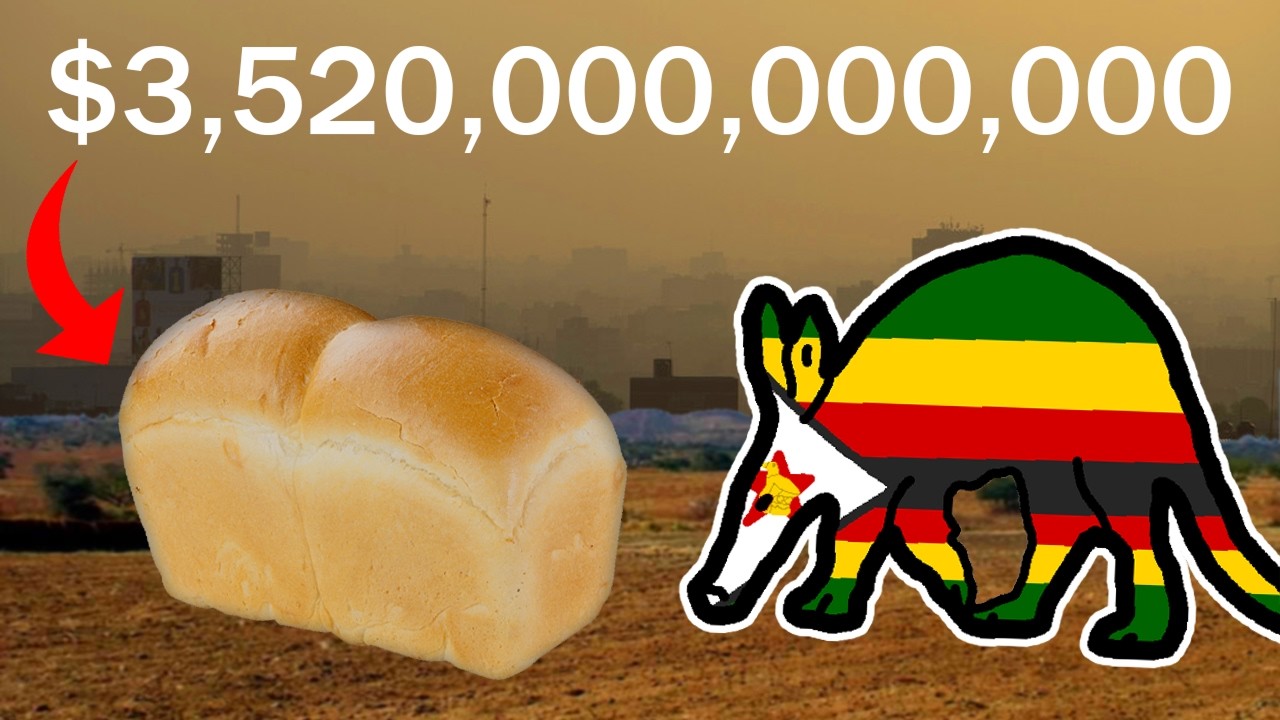
You need two million bolivars for that. Actually 100,000 is closer to the price of a photocopy or a piece of egg, and the objective of this new currency with less than zero is probably to avoid the situation in Zimbabwe in 2008, and their $100,000 billion collector's bill. Venezuelan currency is no longer even worth the paper used to print it Venezuelan currency is no longer even worth the paper used to print it The consequence is that today the Venezuelans are all millionaires but poor.
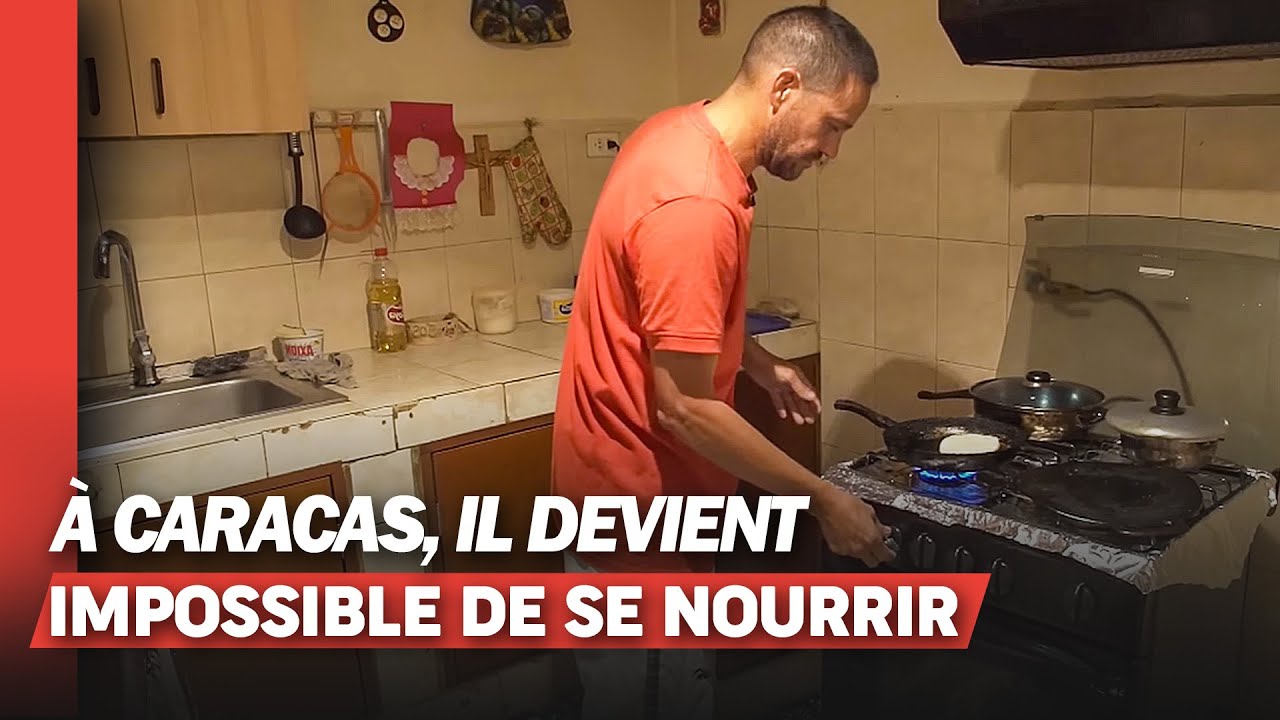
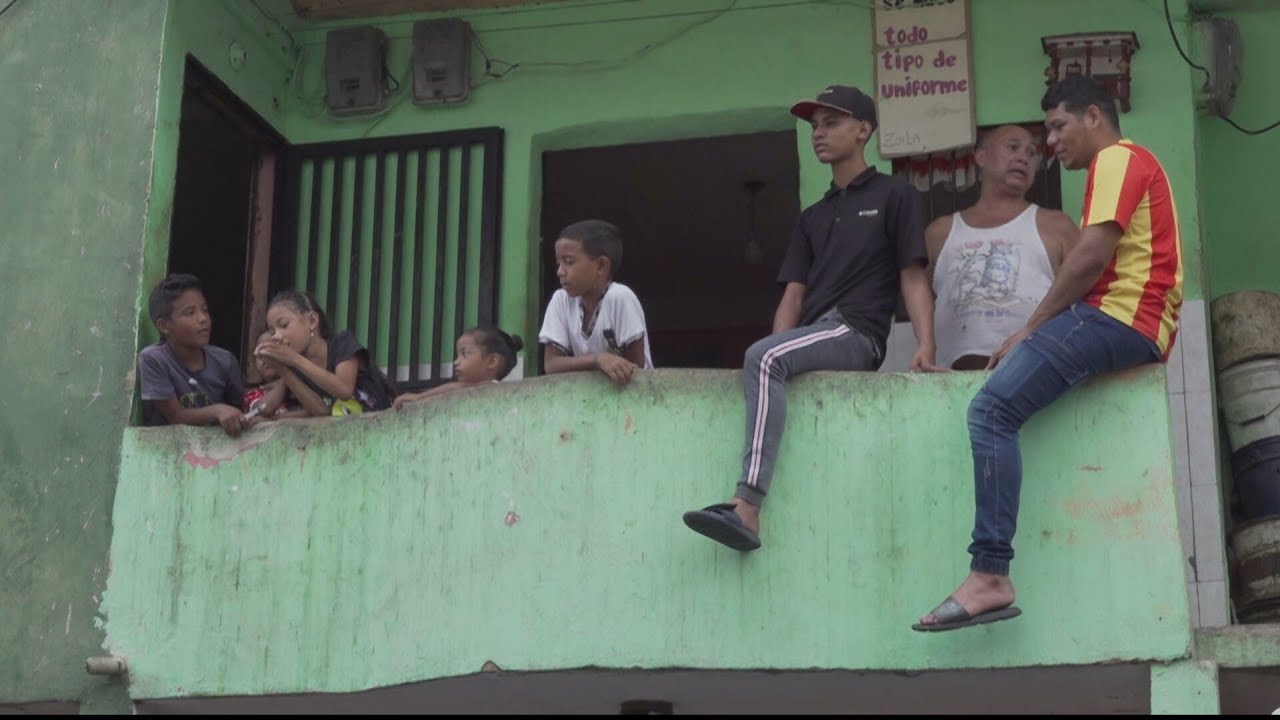
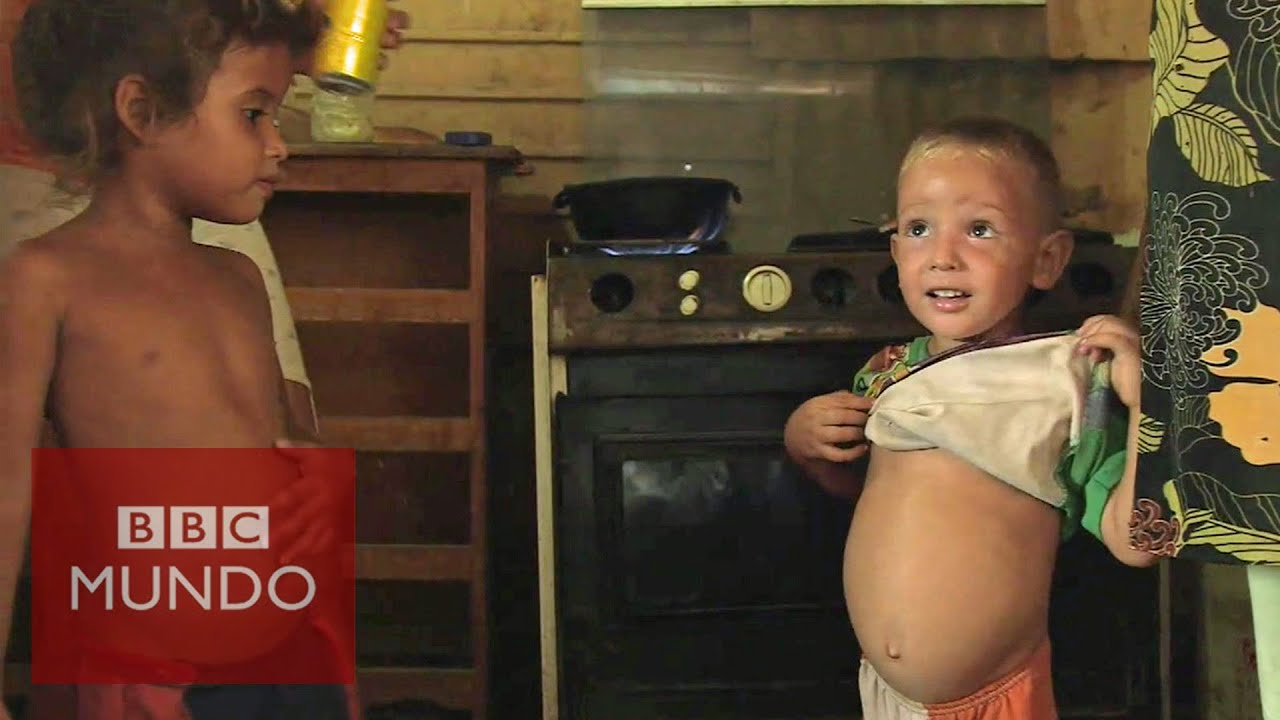
Most cannot afford to buy everyday goods. this university professor explains on twitter that despite his salary and the minimum is set at 5 million bolivars- he can't buy new shoes, and it's also about food, it's not a famine the size of Sudan in 2017, but hospitals saw a 30% increase in deaths among children under one year of age in 2016 and doctors report many malnourished children. Today the situation is much more difficult to follow, published since the dismissal of the minister who published the negative 2016 figures.
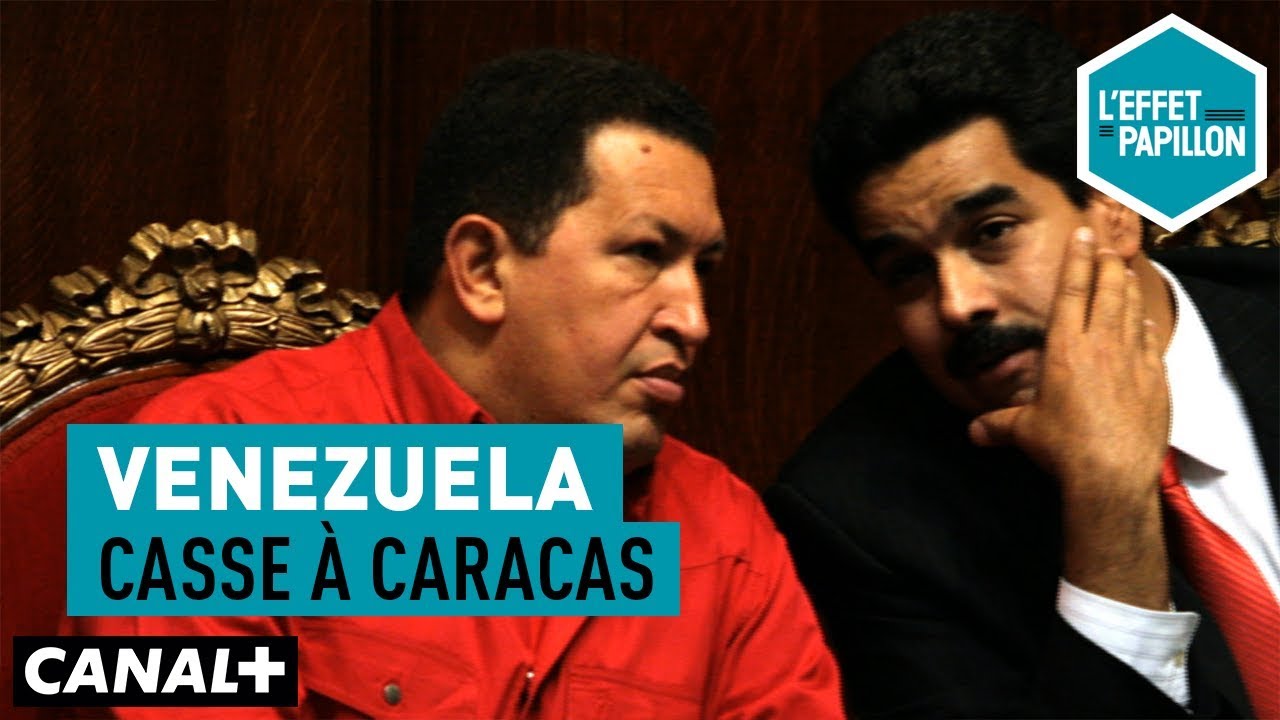
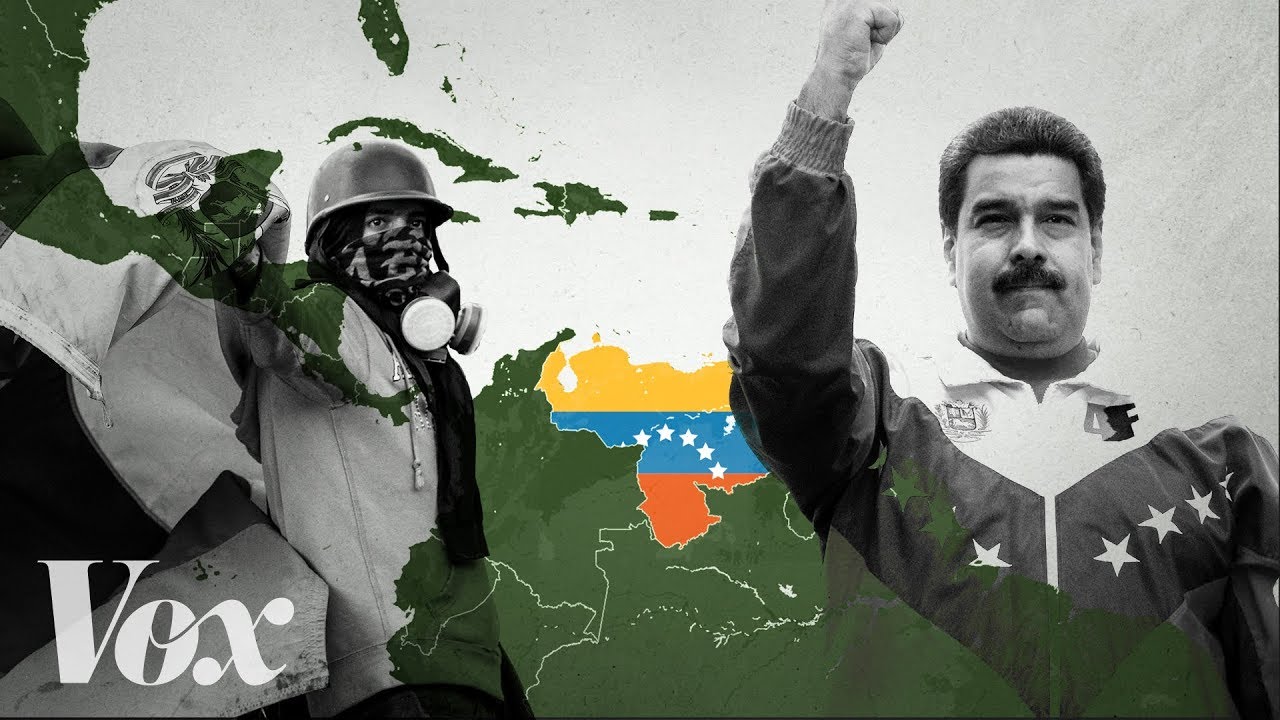
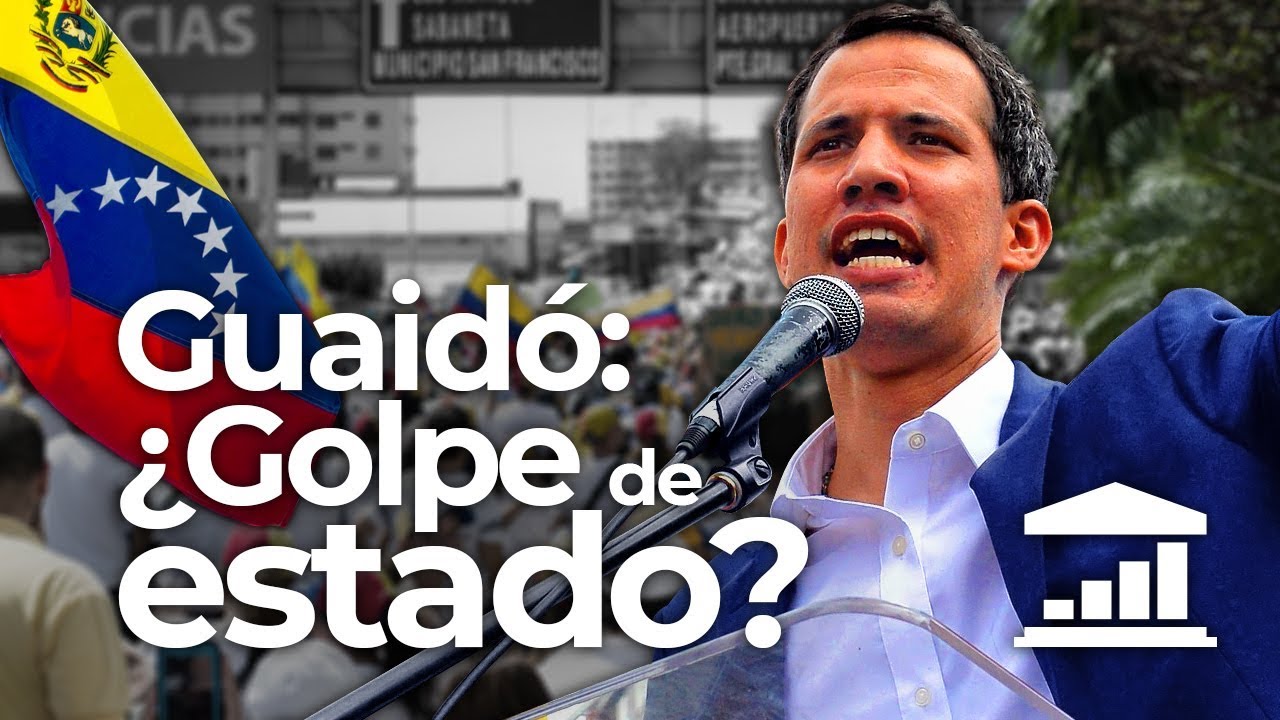
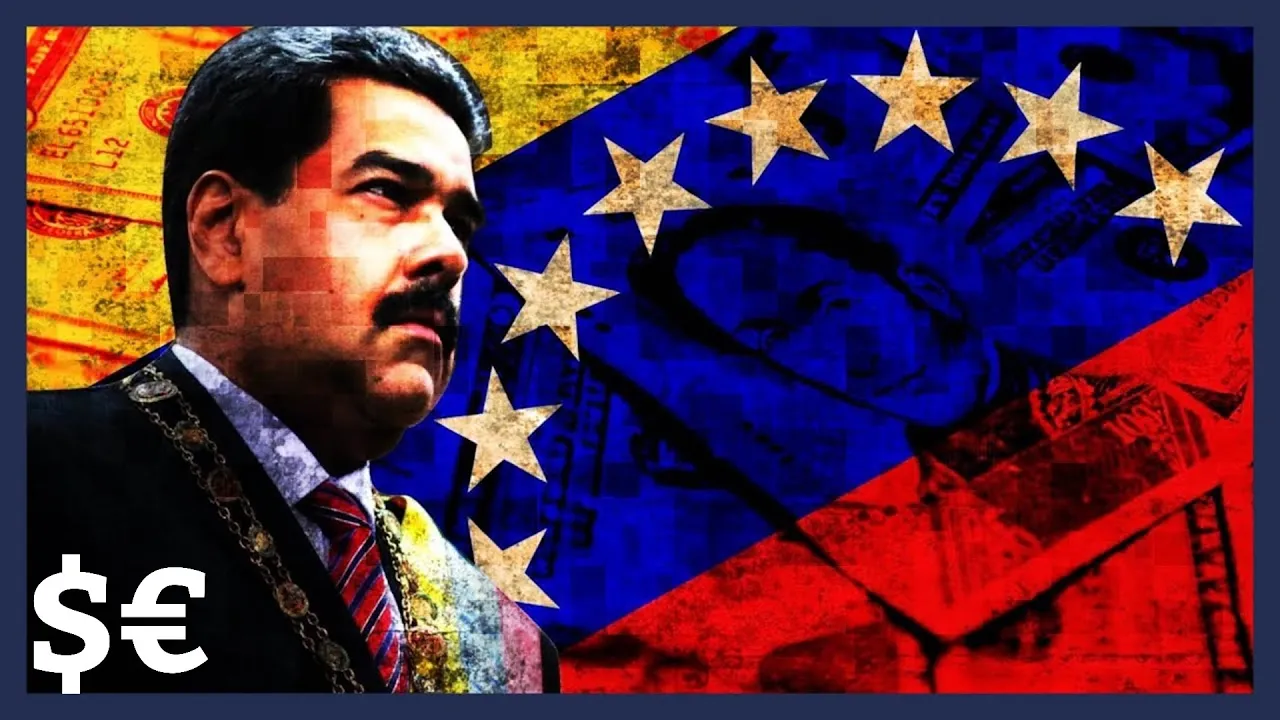
This fall in the value of the bolivar and poverty are not the only events. The crisis is also political, after Chavez died and Nicolás Maduro came to power in 2013, the highly contested elections, gigantic and violent demonstrations took place, the US and the European Union have imposed economic sanctions and over one million five hundred thousand Venezuelans have emigrated since 2014. An upside-down revolution for the Bolivarian Republic of Venezuela.
A country that has been considered a possible, socialism model after Chavez came to power in 1999 but that was mostly before his death and the economic, political crisis, but that was mostly before his death and the economic, political crisis, Before 2013, this country is the richest in South America. thanks to huge oil reserves, GDP per capita was one of the highest among its neighbours and the poverty rate fell from 2005 onwards. and unlike some oil countries like Saudi Arabia or Qatar, the government said it wanted to share part of the oil rent to the most modest populations and through redistribution programmes.
But everything in this country has been financed solely by the oil rent other industries have not been encouraged to develop at all or when they have been encouraged to develop at all it wasn't enough. In the end the agriculture the manufacture all disappeared only the oil and the money of the oil remains Who represented up to 95% of the country's income everything must then be imported including medicines and food. In addition to the oil rent Venezuela borrowed as shown by the 63 billion dollars lent by China between 2004 and 2014.
Borrowings whose effect is almost invisible in the economy since even the public oil company, PDVSA has not benefited sufficiently from investment to maintain its production, judging by the decline in oil production since 1997 and the state of infrastructure on Lake Maracaibo today. Generally good management of a natural resource, implies keeping part of the funds to respond to a period of falling prices. This is the idea behind sovereign wealth funds present in certain countries with natural resources, such as Norway, which has $1 trillion!
This is also the case in the United Arab Emirates and Chile, for example. In short, Venezuela, in addition to having become entirely dependent on oil, has not put in place the tools to avoiding a fall in oil prices is inevitable. Like many other countries before him, he succumbed to the resource curse: It's a thesis, actually.
against intuitive at the base since in general when a country richly endowed in minerals or oil, there's a tendency to say it's an opportunity, and from 1995 on. some researchers including Sakhs and Warner who actually defended the opposite thesis, who say it can be a curse to be over endowed with natural resources. We talked about all these topics in more detail in one of our lives playing petronia a game where we advise a president who discovers an oil field.
But I want to come back to the subject of the bolivar of its loss of values and its consequences, The economic term is inflation and in the Venezuelan case it is an extreme case of hyperinflation hyperinflation and if a similar event takes place in the European Union, it is necessary to imagine that a coffee or a baguette at 1€, would be worth 12 months later €20,000 or €30,000 if your salary goes up that much, you can tell yourself it's not really a problem, except not really, already that means all his savings are gone, did you have a hard time getting $2,000 today, tell you when case of hyperinflation you could only buy a fraction of a chopstick with all the money you saved last year. So you have to live day to day because it becomes very difficult to save, and second, it means that as soon as you make money. it's losing value and we need to get rid of it as soon as possible.
This is what Venezuelans are doing today is the most practical method is to buy dollars or any other foreign currency. but it's not necessarily accessible to all Venezuelans and the system is a little complicated. but basically very well connected people can get very low dollar rates and the others have to buy them illegally, for the most modest there are other solutions like buying consumer products like eggs or sugar that keep their value better.
After hyperinflation phenomena, this is neither new nor rare, there have been more than 50 and this is a problem that arose with the invention of money, and According to historians, inflation even played a role in the fall of the Roman Empire. What we do know is that a phenomenon hyperinflation and very difficult to stop prices often rise faster and faster it's a vicious circle that can go on for years and years. On the other hand the solutions are really violent that can pass from the abandonment of the national currency as in Zimbabwe where they now use the US dollar or by an austerity policy and an increase in taxes as in Argentina, another country that has suffered from dramatic hyperinflation.
There may be other solutions, but creating a new currency to remove 5-0 is not one of them. this measure solves only one problem, that of having to bring kilos of paper to pay for coffee. Nicolás maduro admitted that economic mistakes were made but the cause for him would come from elsewhere they criticize the interference of foreign countries, especially the United States, which as soon as Chavez came to power sought to isolate Venezuela without, however, refusing to buy their oil.
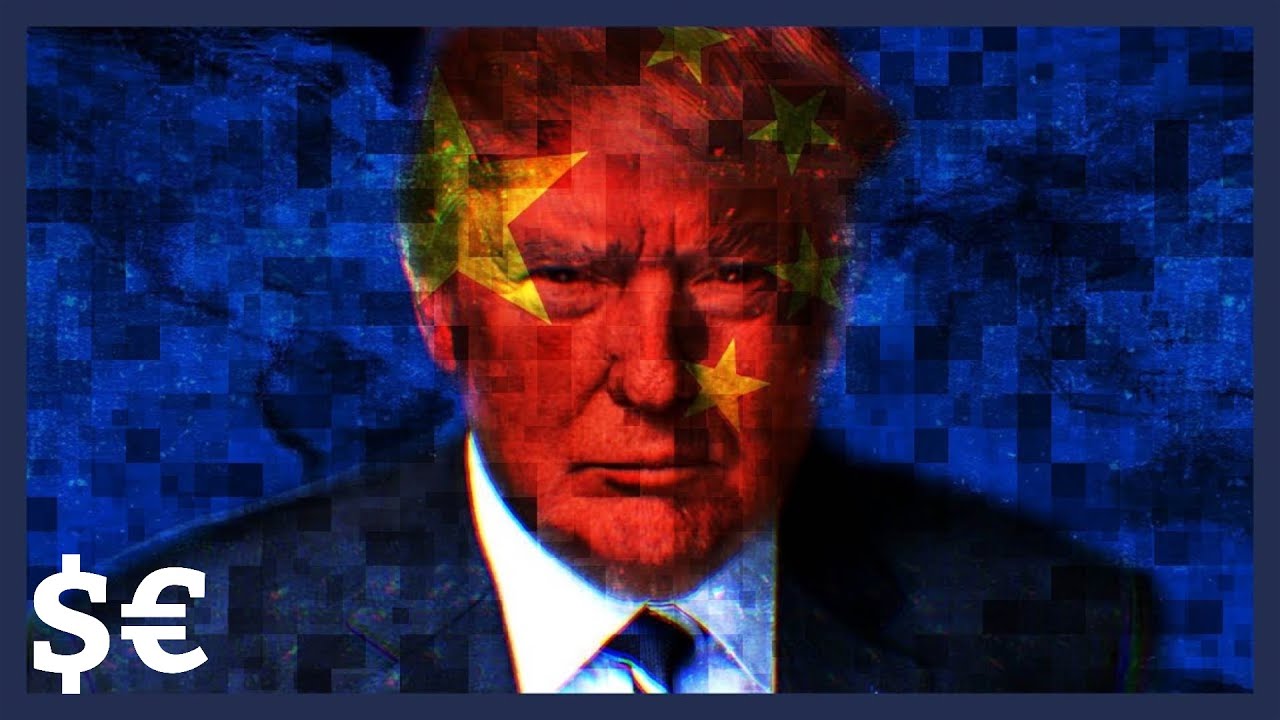
Of course with Trump this hostility took a new turn But more than this tweet it is the American economic sanctions of 2017 that are aggravating today this economic crisis remains that without solution the new currency the sovereign bolivar is not even in circulation yet that its future is compromised. do not hesitate to go for a ride on Utip to support us with or without money and join us on discord to discuss the subject of this episode or something else it was Stupid economics on this. .
. Small note of end of episode if you find inconsistencies at the level of the prices it is normal they change too regularly to be coherent for example minimum wage changed four times in six months on 1 January they were around 800 thousand bolivar on 1 March it was 1 point 3 million on May 1 2. 5 million and on June 16 to 5 million.
. . In short, it is difficult to be precise under these conditions, Moreover it is one of the problems of the inflation nobody really knows the price of the things so much they evolve quickly.