[Music] Hey there, welcome back. Or if you're new, welcome. This is the 8 Minute English Podcast on the Learn English Podcast channel.
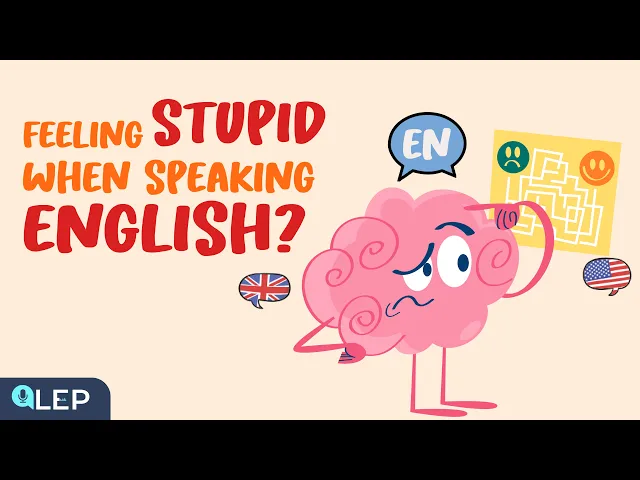
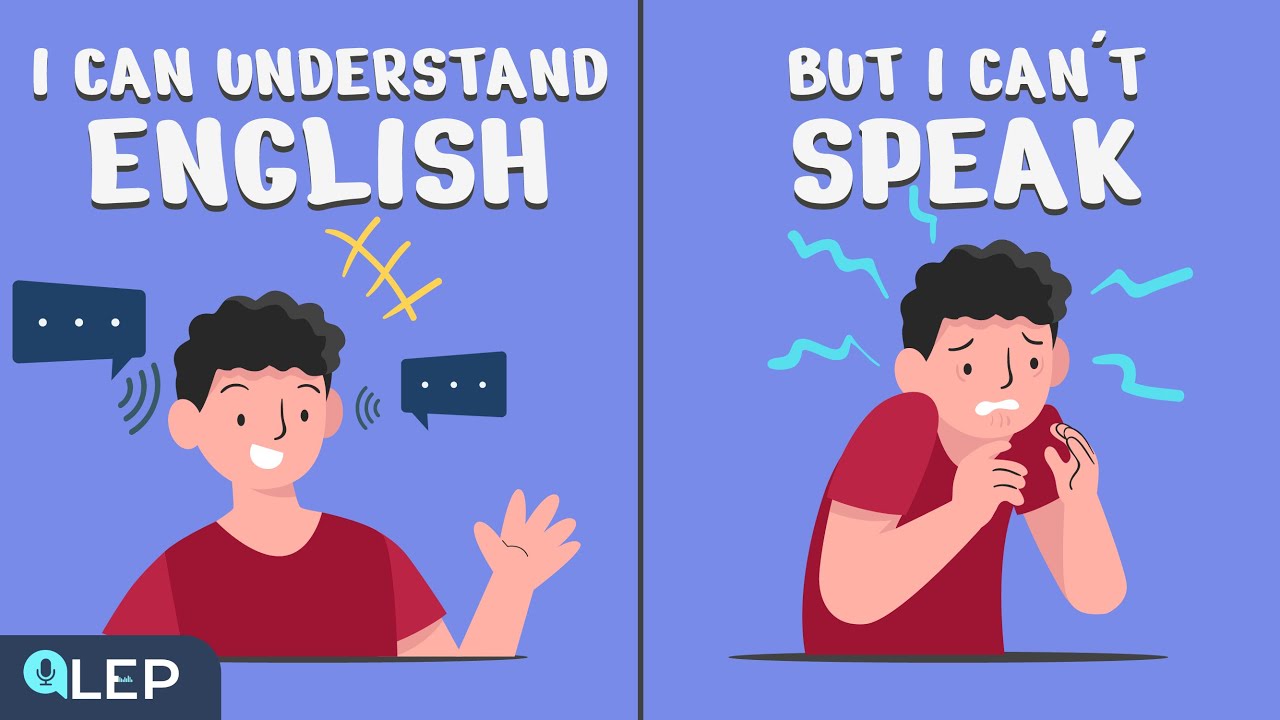
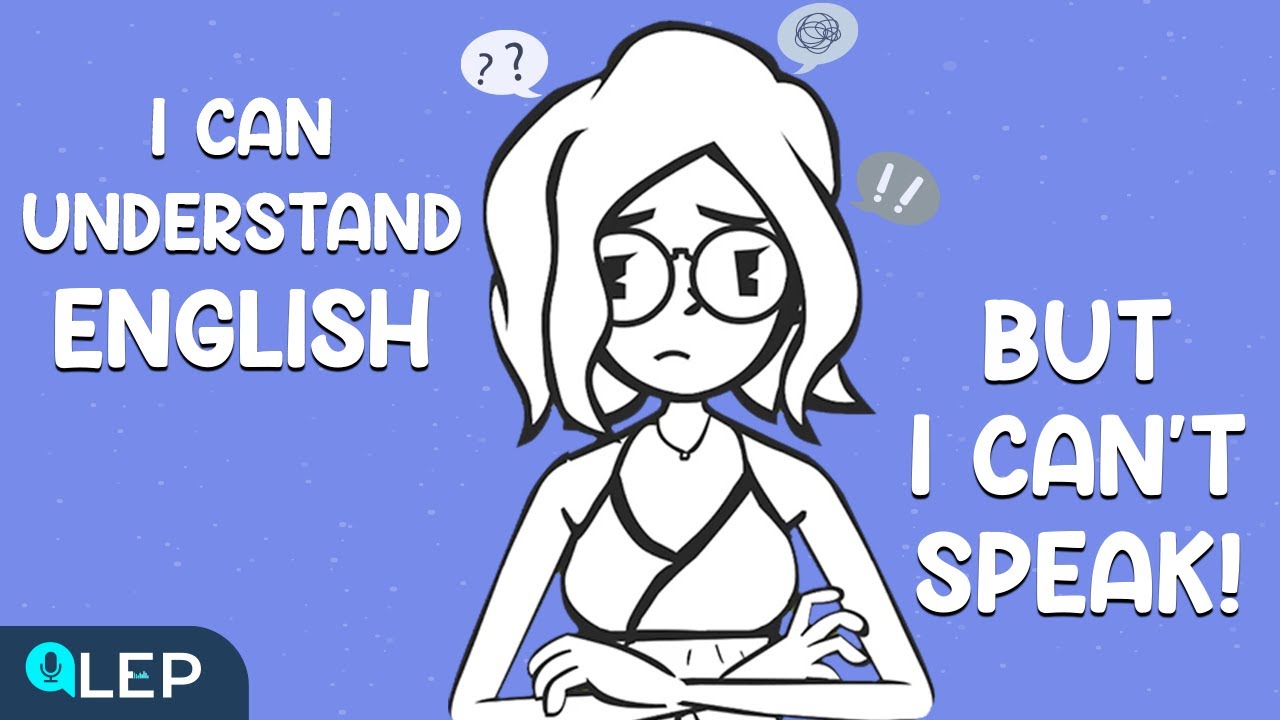
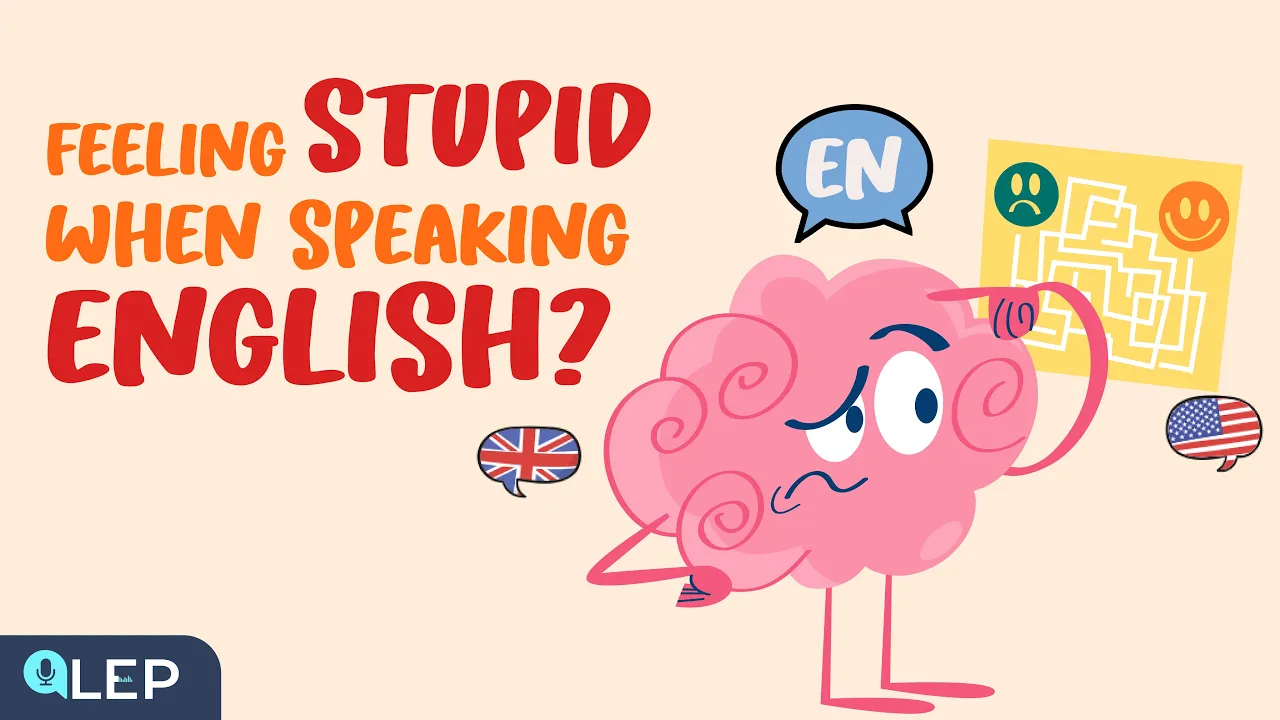
I'm Nathan, your host, and it's great to have you here. So guys, let's be real. Have you ever felt stupid when speaking English?
You say something, but the moment the words leave your mouth, you think, "Wow, did I just sound like a 5-year-old? " So, you just avoid speaking altogether because you'd rather not risk embarrassing yourself? Yeah?
Well, guess what? You're not alone. And here's the truth.
It has nothing to do with intelligence. Today, we're breaking this down with Sophie, a language coach, and one of her former students, Daniel, who's been in your shoes. Stick around to find out why this happens and how to stop feeling this way.
Don't forget the free PDF with tips and vocab. You can download it from the link below. Okay, time to spill the tea.
[Music] So, what's it like working as a marketing manager for a big international company? Honestly, it's amazing. Love to hear that.
But in the beginning, it was rough, especially having to speak English all the time. Oh, yeah. I hear that a lot.
Many of my students also struggle with going from textbook English to actually holding a conversation in real life. When I was studying in Canada, I could write essays with no problem, but talking, total train wreck. That's super common.
But remember, English doesn't define how smart you are. Then why did I feel like I lost half my brain cells every time I spoke English? When you speak a second language, your brain has to juggle vocabulary, grammar, and meaning all at once.
So, naturally, it slows down. Yeah, that makes sense. In fact, a study by Jean Mark Dewale found that multilingual people often feel less logical when they switch languages.
But that's just in their heads, right? Exactly. It's all in the perception.
Your intelligence stays the same. Oh, so I wasn't just bad at English. Nope.
Man, I wish I had known that earlier. I really thought I was just thick as a brick. You weren't, and neither were my students.
You guys need to change your mindset. English isn't an IQ test. But it's hard not to compare.
In Korean, I can say exactly what I mean. But in English, I sound like a little kid. Okay, but do little kids freak out over every mistake when they're learning to talk?
Uh, no. I guess not. That's what you need.
Talk like a kid. Think like a kid. No fear.
Even I, a native speaker, mess up all the time. Wait, really? Oh, for sure.
Sometimes I catch myself saying eated instead of ate or he don't know instead of he doesn't know. And how do you feel when that happens? I just laugh and move on with my life.
Huh? I wish I had your spirit back then. And I could tell you stories about how badly I spoke French when I first started, but we'd be here all day.
No need. I get the picture. So basically, it's normal to feel dumb when we're learning a new language, right?
And the key word is feel. It's just your brain getting up to speed. But let's be real.
For the longest time, I was terrified of speaking because I didn't want to sound dumb. I hear you. But you know what?
Mistakes aren't the enemy. Staying quiet is I know. That's why I had a speaking buddy.
It helped a lot. That's a solid strategy. Another fun trick.
Well, this might sound kind of silly, but I just pretended I was playing a confident English-speaking character in a movie. It took the pressure off. That's actually genius and fun.
I also started recording myself. Super awkward at first, but later I could actually hear my progress. I often tell my students to do that, too.
It helps you figure out what to fix and what you're already nailing. I guess the key is to just keep talking, even if it's a mess. You know why?
Because every time you mess up, your brain learns. That's progress, not failure. Fair enough.
At some point, I just made peace with my mistakes. Now I see them as free lessons. Love that mindset.
Oh, here's another trick I tell my students to boost their confidence. What's that? Fake it till you make it.
I love that tip. Honestly, that applies to everything in life, not just learning a language. Yeah, it's kind of like the placebo effect.
If you act confident, your brain starts believing it. That's so true. The moment I stopped taking corrections personally, I actually got better.
I mean, why be scared of free corrections? Yep. Whether people corrected me nicely or not, I took it as free help.
And most of the time, people aren't judging you. They're just trying to help. Especially when it comes to grammar.
Oh, grammar. So many people stress over it when speaking English. I used to freak out about grammar, but now, who cares if I use past simple instead of present perfect?
Couldn't agree more. If your message gets across, that's what matters. It's not like my co-workers are going to stop talking to me just because I messed up the order of adjectives.
Without a doubt. And I realized I don't need fancy sentences. Short, simple ones do the job just fine.
Yep. Keep it simple. Once you're comfortable, then you can level up.
Let's talk about some important vocabulary related to our topic. The first phrase is train wreck. It means a big mess or a disaster.
Daniel said that at first talking in English was a train wreck for him because textbook English is so different from real life. Then we have thick as a brick. It means not very smart.
Daniel thought he was thick as a brick because he spoke English like a kid. Let's take a look at up to speed. This phrase means performing or working at full speed.
Sophie explained that Daniel felt dumb while speaking English because his brain was getting up to speed. What about make peace with something? It means to accept something and stop feeling bad about it.
Daniel said he made peace with his mistakes because he saw them as free lessons. The last phrase is take something personally. It means to feel hurt or upset because of what someone says or does.
Daniel no longer took corrections personally because he had stopped feeling hurt by them. Let's take a look at the two key questions from today's discussion. The first question is, why do many people feel dumb when speaking a second language?
One reason is that the brain has to process vocabulary, grammar, and meaning all at once, which slows things down. But in reality, your intelligence stays the same. Now, here's the second question.
What are some ways to overcome the fear of speaking a new language? For me, having a speaking buddy or pretending to act confident can really help. How about you?
Tell me your thoughts in the comment section [Music] below. We just listened to an awesome conversation about getting over the fear of speaking English. I hope it gives a confidence boost to anyone struggling with it.
Just remember, mistakes aren't failures. They're proof that you're learning. The more you speak, the more natural it feels.
So, don't let fear call the shots. Keep practicing, keep pushing yourself, and most importantly, have fun with it. And if you ever feel stuck, just fake it till you make it.
Confidence comes with practice. If you enjoyed this episode, don't forget to hit that subscribe button for more tips and real life stories. Thanks for hanging out with me today.
Stay curious, keep learning, and I'll catch you next time.