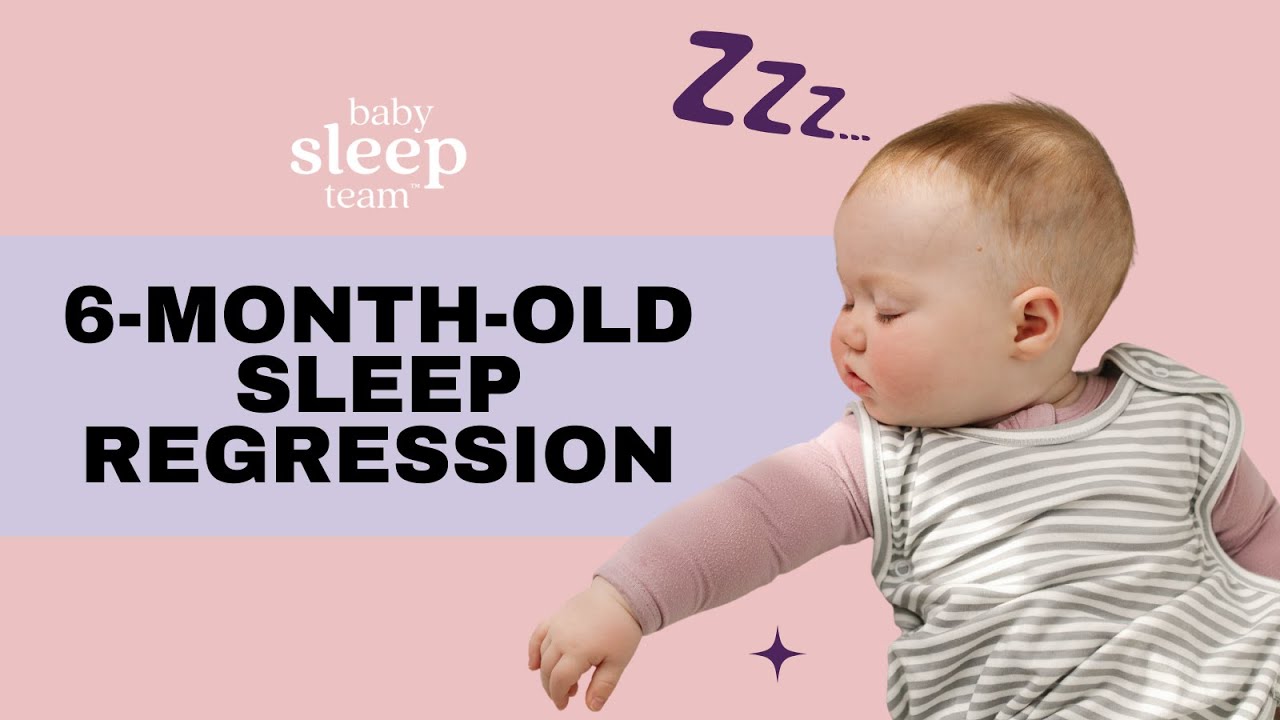
you've finally gotten your baby into a good sleep Rhythm dare I say they're sleeping through the night you yourself are starting to enjoy some better nighttime rest and you are loving life and then they start to wake up again throughout the night or naps or crap when they weren't what is happening why is everything changing or that common phrase why is there a sleep progression today we'll dive into sleep regressions we'll talk about why they can happen why I think we as modern parents are stressing out about them too much and how to approach them and stay tuned for what not to do during a sleep progression I'm DrMona a pediatrician and Mom I help Empower parents with easy to understand and digest information so you can be the calm confident parent I know you are make sure to like this video And subscribe here to ped do talk TV to stay up to date on the latest videos and new content and let's get to it I don't love the term which I will get into but a sleep aggression is when a child who is going to sleep easily or sleeping longer stretches is now waking up more or having a harder time going to sleep this pH can happen at any point and is most common in the first two years but the name itself is surrounded with fear with parents in a rhythm already stressing out about upcoming sleep regressions that they're losing sleep over thinking about this future loss of sleep when it hasn't even happened yet so really don't dread them I get it it can feel overwhelming when you just get into a rhythm and then it gets thrown off but manage Expectations by saying to yourself I can teach my baby foundational sleep skills but change will happen and I will navigate these periods because the thing is especially in the first year they're common some babies can experience it more than others whether your baby was sleep trained or not all kids will go through what I like to call periods of changes in sleep patterns versus regressions regressions make it sound negative when in actuality many sleep regressions are aligned with developmental changes or progressions which we'll get into the most obvious sign is a baby or toddler who was sleeping well and all of a sudden is not your baby was napping and is no longer napping your baby was napping well but is now having shorter naps your baby is having early wakings when that wasn't happening before or they're having trouble falling asleep at bedtime more frequent night wakings or increased fussiness with any of these signs basically think of any change in what was considered the normal sleep pattern for that child at that phase of their life a lot of parents fear regressions because it challenges expectation and routine you got into but remember something that it is common for various reasons there are many reasons a change in their expected sleep pattern can happen and developmental progressions are one of the biggest reasons rolling crawling babbling talking walking all of these skills are exciting and new and they may be working on these skills at bed time or nap time their developing brains may be prioritizing these activities over sleep because hey why sleep when you can practice sitting rolling talking to yourself because of this sleep can get a bit disorganized for a little while along with developmental progressions General growth spurts in some cases babies and todlers in growth spurts can actually sleep more While others can sleep less so it really depends on the child traveling can also cause sleep pattern and changes and any change in routine like starting group Child Care changes in sleep needs is a big reason this can mean between 6 to 9 months when the baby is dropping from 3 to 2 naps and again from 11 to 18 months when the baby is dropping from 2 to one nap they are going through what seems to be a regression because they may need a shift in their overall sleep routine and schedule separation anxiety is another one which can occur between 9 months and 15 months and so your typical baby who's like cool good night is all of a sudden like wait what come back here the most important thing for me to distinguish from a sleep progression is are they waking up due to an illness or teething because pain or illness may need more intervention so how do you know with teething your baby baby may be in pain and it could very well wake them up you will see swollen or red gums increased drooling from Baseline and you may even see that white tooth at the gum line or breaking through for this definitely provide teething Comfort I have a free downloadable PDF available in the caption for remedies but sometimes pain meds like ibuprofen or acetaminophen may be needed for sensitive teethers when that tooth is coming through and it's disrupting their sleep with an illness your baby may have a runny nose cough vomiting or may even have a fever if that's the case you may also consider close intervention and using fever reducing or pain reducing medications like ibuprofen or acetaminophen as that can make sleep harder if your baby is running a persistent fever and or they're tugging their ears confirm with your pediatrician that it's not anything that needs further intervention like treatment for an ear infection teething can cause ear pain but if there's a fever with ear pain it's a good idea to make sure it's not an infection and that we're not chalking this all up to just a sleep progression with a teething free illness free sleep progression the baby will be free from any signs of illness like fever or significant cough during a sleep progression you may also notice increased fussiness or change in their temperament they may need extra cuddles or contact throughout the day they also may be napping less during the day or be harder to settle for naps finally they may be waking earlier in the morning than they were prior during sleep progressions you may note all of these changes or only only a few as it varies from child to child so I made this satirical graphic because really you'll hear a bunch of experts throughout various ages when sleep regressions happen and the truth is there's no science and evidence behind all of these and some kids have them and some kids don't I sort of chuckle when people discuss regressions because it's pretty much possible every other month in infancy oh yeah 4 month 6 month 8 month 12 month 15 month 18 month two years three years I mean Hello that's their entire baby toddler years expecting all these regressions can make you lose sleep because your baby is sleeping and you're worrying about them not sleeping enjoy the sleep when you have it and tackle it when there is a regression if it even happens think of our parents when we were little they weren't panicking with every regression because that terminology just didn't exist so you don't have to either the most common sleep progression you will hear about is around 4 months of age and this can be related to changes in sleep architecture where their sleep wake cycle is a more mature pattern like an adult compared to an infants but like I said for some babies this can happen earlier or not impact the child at all and for many babies it can coincide with rolling so we can posee the question is it sleep architecture changes or just rolling or other Milestones like we discussed so the thing is the length of them can depend depend on your baby's Baseline sleep skills for example a baby who has some self soothing practice or was sleep trained may have shorter periods of regressions than a baby or toddler who hasn't had that a consistent approach matters so the regression doesn't become a permanent thing I think of sleep regressions like periods of food refusal although there is a period we don't want to make it a permanent thing if the regression is related to teething or illness it can last as long as the peak of that so 40 to 72 hours for teething and the same for the peak of the illness Whenever there is a change in a child's normal sleep monitor it for 3 days for teething illness Etc and if it continues consider the following tip one like I said manage your mindset and expectations sleep regressions progressions whatever you want to call they happen try not to panic if you notice a regression start it will not last forever and with consistency your child will get back to sleeping for their Baseline again tip two make sure the reason isn't teething or illness if so you may need more intervention such as medications or teething toys for teething like I mentioned tip three pay attention to their sleep needs like I mentioned could this be a change in their nap needs or wake Windows wake windows are suggested times your baby is awake from their last sleep before they may get tired again here's an example of sleep needs by age this is approximate but can be a good starting point for troubleshooting for naps needing to be dropped remember that this can happen from 3 to 2 naps sometime between 6 to 9 months and from 2 to one nap between 11 and 18 months for more on Nap dropping check out my new mom survival guide course tip four continue sleep teaching or sleep training this may not be your cup of tea and that's okay but to be clear sleep teaching at 3 months before the first regression can be helpful I Am pro sleep teaching and training because I do see how beneficial it can be in periods of regressions as well if you don't want to start sleep training at least try to incorporate five minute pauses into your sleep routine this means that when your baby wakes up and starts to fuss give them 5 minutes before intervening this gives them time to practice the skill of self- soothing which babies are capable of doing often babies make noises as they move in between sleep cycles so they may not even be fully awake if they are crying or grunting sometimes intervening at the time can actually disrupt their sleep cycle completely and make it harder for them to go to sleep so give them some time to figure it out on their own and if they're still fussing or crying you're going to go in as you normally would but this 5 minute rule can really surprise you and they may actually go back to sleep you may even reconsider sleep training during a regression especially if it's lasting more than a week and teething and illness have been ruled out regardless of if you sleep train or not here are some other tips tip five practice skills during the day because majority of regressions are due to developmental progressions continue to practice those skills during weight time practice walking babbling with them get outside rolling talking whatever it is let them do it during wake time to hopefully minimize the need to do it when they should be sleeping tip six continue with a routine including a bedtime routine if you've establish that it's not a need of a schedule change keep offering their naps and bedtime on a routine the consistency and routine help them to reestablish their Rhythm don't move bedtime too late especially past 8:30 p. m. in hopes to getting their sleep schedule changed an appropriate bedtime for a baby over 4 months is sometime between 7:00 p.
m. to 8:30 p. m.