memories of the pandemic of 1918 loom over the current global battle against the corona virus and though it's too soon to say how comparable the current outbreak will be there are lessons to be learned from that earlier time as we hear from Martha teichner the outbreak is growing more deaths more cases as thousands of Americans begin to self quarantine if the outbreak of kovat 19 has a bull's-eye in the US its Washington state most of those cases are linked to a nursing home outside Seattle schools and universities closed a gauge of alarm here Washington State's
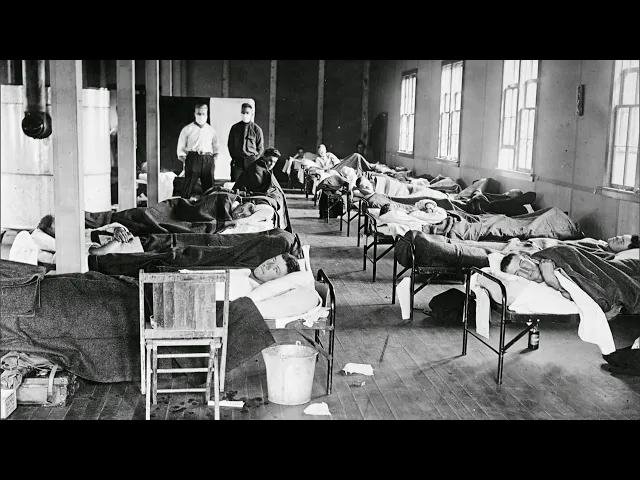
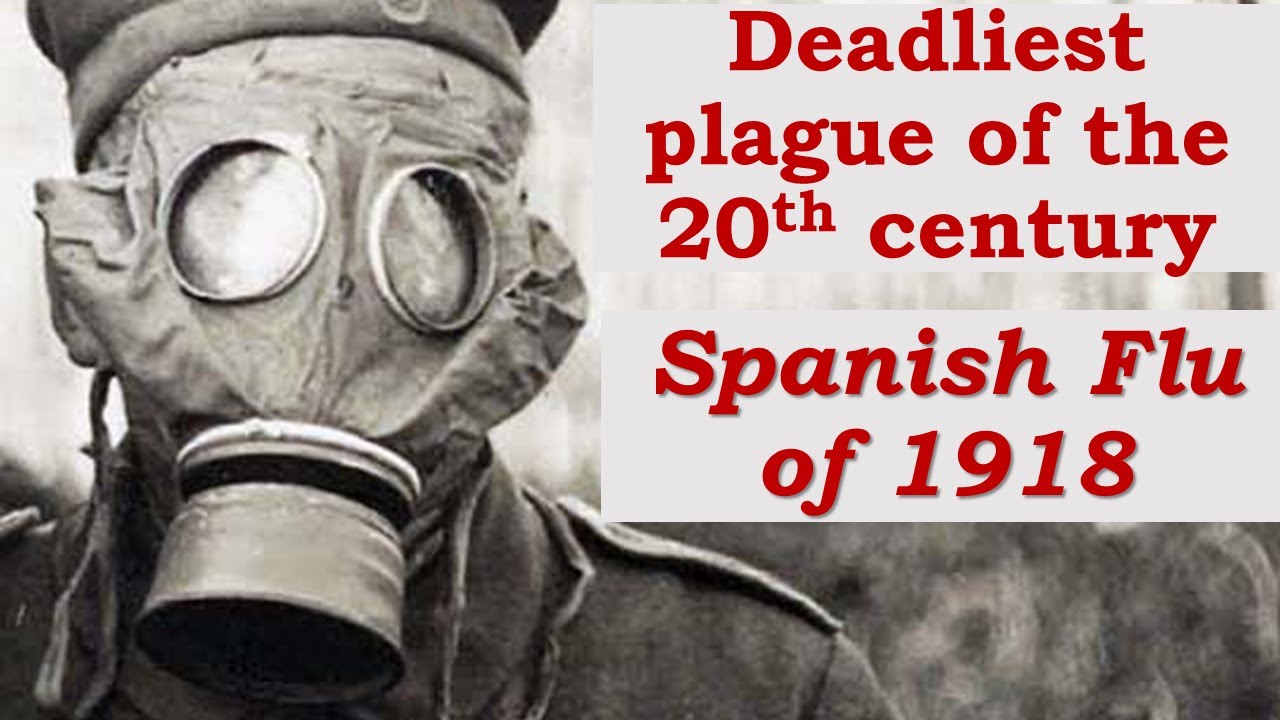
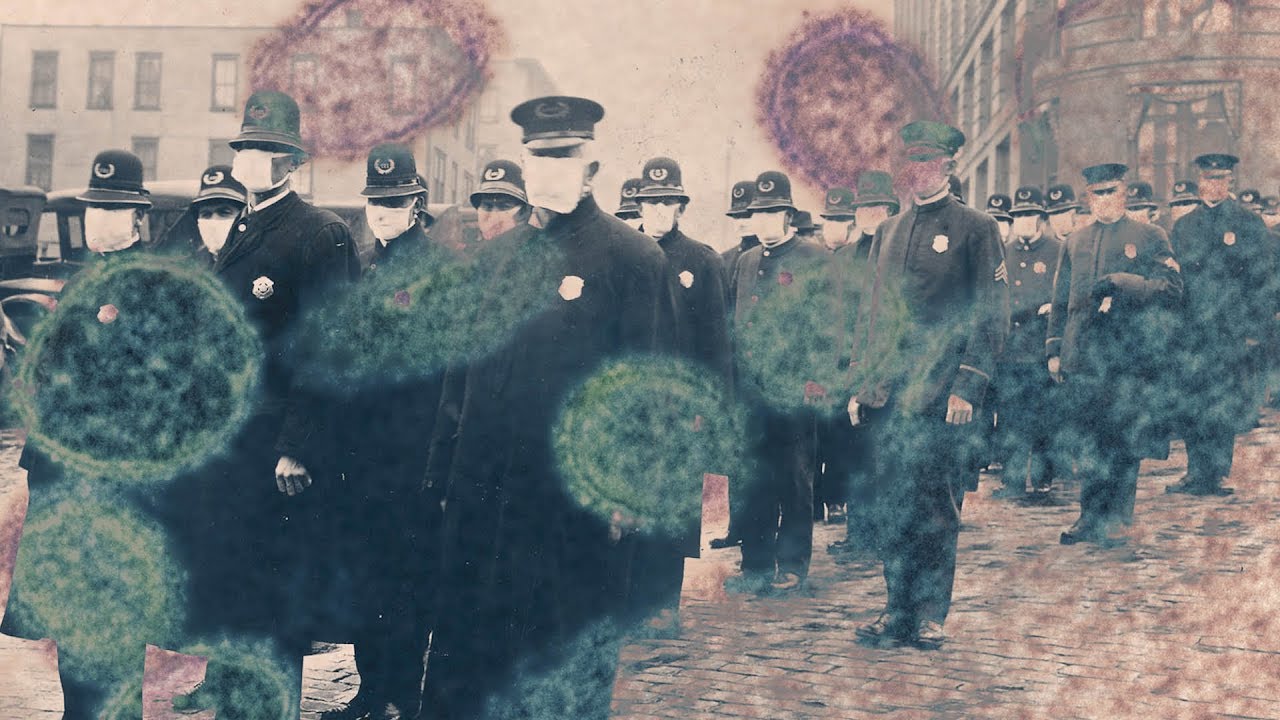
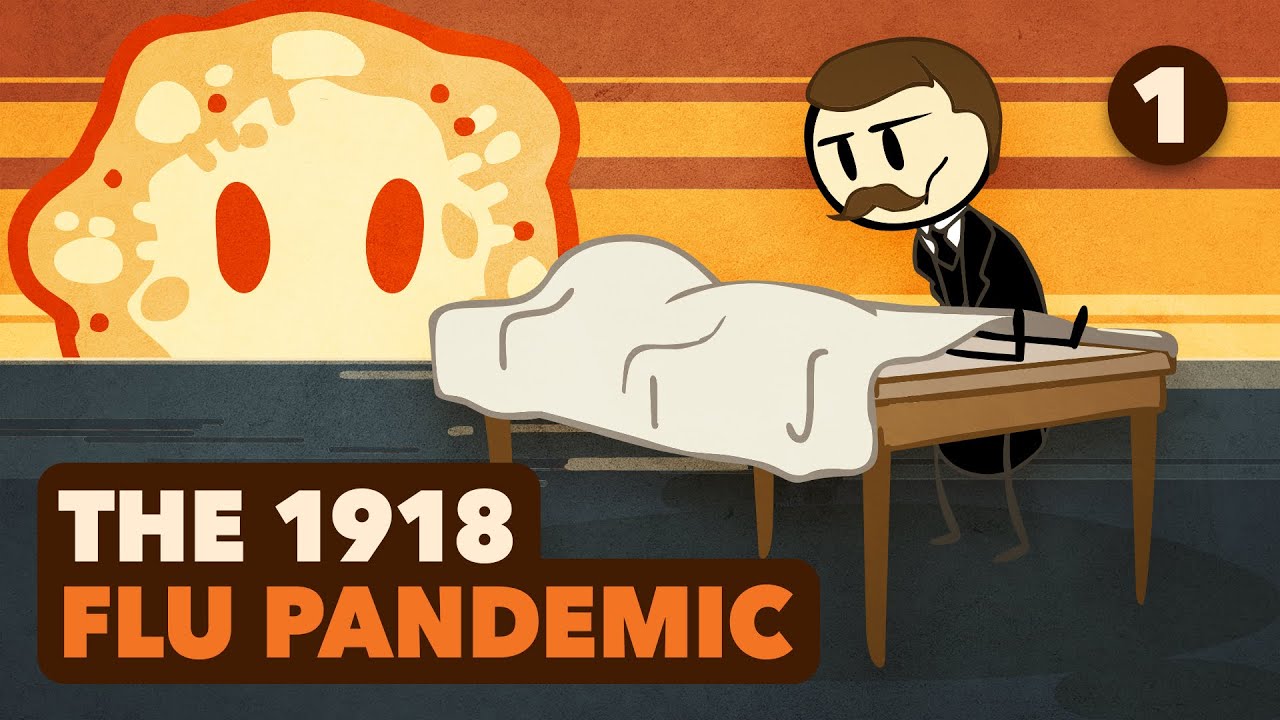
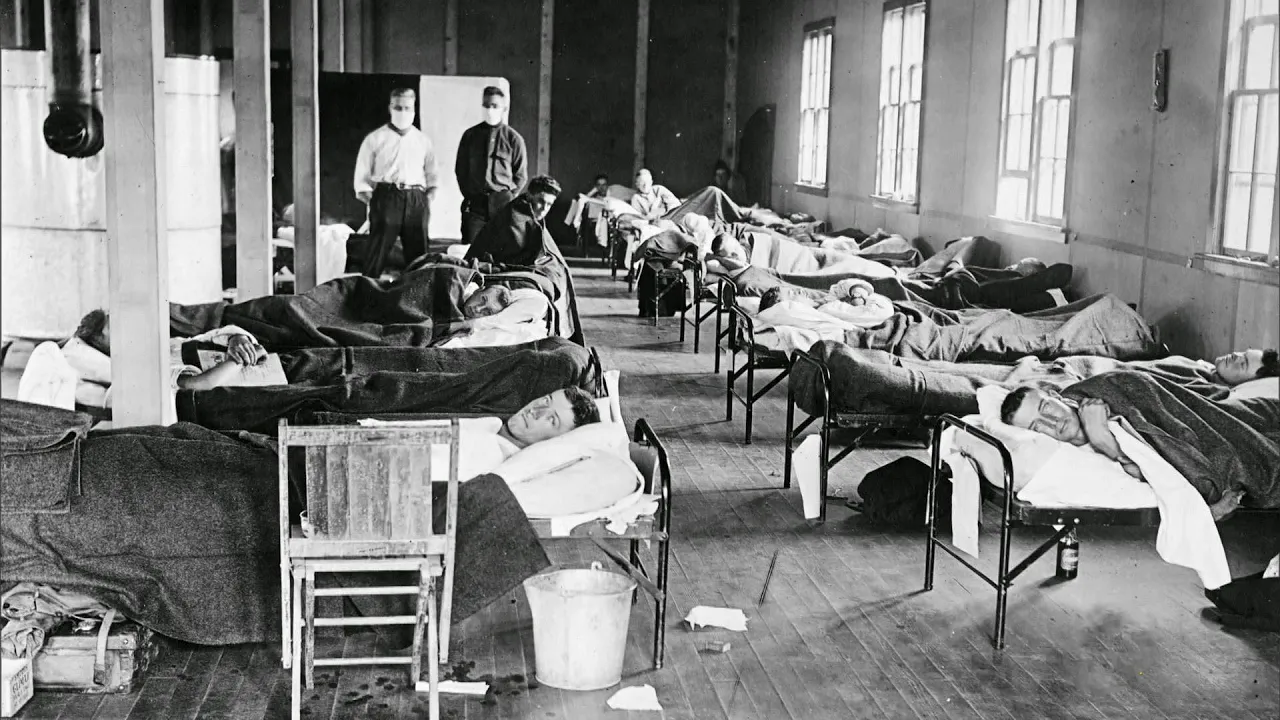
death toll continues to rise seen in Seattle a lot of masks but not for the first time substitute Spanish flu for corona virus 1918 for 2020 and just look Seattle seized by the Godzilla of modern pandemics the 1918 flu killed 675 thousand Americans 50 to 100 million people died worldwide and that's equivalent to 225 to 450 million people today most and the numbers are staggering John Barry wrote a history of the 1918 flu he is on the adjunct faculty of Tulane University there was a mild spring wave that was hit or miss it came back
in the fall with more than a vengeance probably 60 to 70 percent of the deaths actually occurred in an incredibly short time of probably about 14 or 15 weeks from late September 1918 until you know through December maybe a little into January in that time during the final months of World War one more soldiers died of the flu than were killed on the battlefield during four years of fighting as opposed to the coronavirus the most vulnerable were in their 20s the most horrific symptoms really were you could bleed not only from your nose and mouth
but from your eyes and ears people were turning so dark blue from lack of oxygen in the book I quote one doctor writing a colleague saying that he could not tell white soldiers from african-american soldiers it was called the Spanish flu but that was only because Spain which was not at war allowed the press to report on it openly unlike here the first serious outbreak in the United States began at cap Funston now Fort Riley in Kansas as infected soldiers from across the country made their way to the trenches in France the virus spread but
the nation wasn't told a year earlier President Woodrow Wilson had rammed through Congress the Sedition Act making it a crime to say or publish anything negative that would affect the war effort Wilson created what was called the committee for Public Information the architect of that committee said truth and falsehood are arbitrary terms the force of an idea lies in its inspirational value it matters very little if it is true or false was that a license to lie to the American public it was precisely that in the United States you had National Public Health leaders saying
such things as quote this is ordinary influenza by another name unquote at the local level the same kind of thing was occurring with deadly consequences no more so than in Philadelphia which went ahead with a huge war bond parade in the fall of 1918 when the virus was at its most virulent newspapers killed stories quoting the medical community saying don't do it so 48 hours later influenza exploded around the city the result is it's one of the hardest hit cities in the world and the mass graves being dug by steam shovels and so forth and
how many people died about 14,500 in Philadelphia compare the signs that went up then to now notice that hand-washing wasn't mentioned Americans could see for themselves in spite of what they were told they thought they were less likely to catch the flu outside they did whatever they could given what they didn't know back in 1918 they had no idea what it was that they were suffering from and what it was that they were being killed by and to me that's the most frightening aspect of the 1918 epidemic dr. Jeremy Brown is director of emergency care
research at the National Institutes of Health but spoke to us in a personal capacity viruses would not be discovered for another 15 or 20 years that's very different to today we know what it is that it that is causing the disease Brown has written extensively about influenza and argues that 2020 will not be another 1918 thanks to advances in science back in 1918 the basic treatments that were offered were enemas whiskey and bloodletting our hospitals as we know them today were quite different there were no intensive care doctors who really understand how to treat the
very sickest patients there were no antibiotics to treat any secondary infection so it's a very very different time in a very different way of practicing medicine back then but for John Berry there is a takeaway from then that still applies the biggest lesson from the 1918 pandemic is clearly to tell the truth what are the consequences if the truth isn't told I think more people will die yeah clearly that was the case in 1918 people can deal with the truth it's the unknown that's much scarier you you