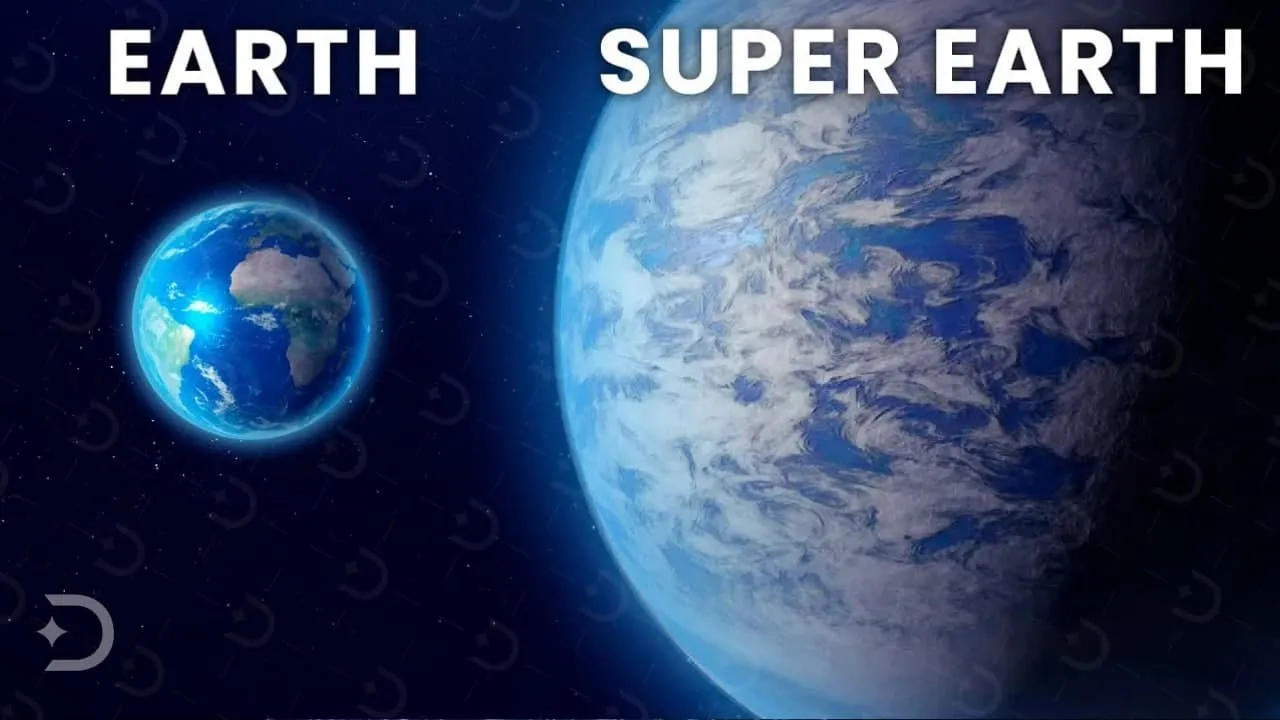
[Music] scientists have been finding exoplanets that could be potentially habitable for some time now there are hundreds of millions of them out there and more found every day there isn't a planet like ours anywhere in the universe that we know of but now scientists say they have found exoplanets that could be more habitable than the earth but do they really exist an exoplanet or extrasolar planet is any world that orbits a star outside of our solar system exoplanets can range in size from gas giant larger than jupiter to small rocky planets like mars and earth most of the planets that have been discovered lie in a small region of the milky way galaxy and we know from observations made by nasa's kepler space telescope mission that there are more planets than there are stars the first exoplanets were discovered in the 1990s and since then we've discovered thousands more using several different methods but it's not an easy task finding them there could be at least 300 million potentially habitable exoplanets in our milky way galaxy alone the u. s space agency's kepler space telescope spent nine years on a planet-hunting mission and identified thousands of these exoplanets in our galaxy before it ran out of fuel in 2018 after going through all the data kepler collected those 300 million rocky planets could be capable of supporting liquid water on their surface this is just a rough estimate as there are between 100 and 400 billion stars in the milky way and every one of those stars probably hosts at least one planet that means they are likely trillions of planets out there [Music] you may think it's as simple as using a telescope to find them but it's rare to see an exoplanet the way you would see saturn from earth this is called direct imaging and very few exoplanets have been found this way most exoplanets are found by using the transit method which measures the dimming of a star as a planet passes in front of it we can also find exoplanets by measuring the star's light spectrum for signs of a planet pulling on the star causing the light to shift or finding them using gravitational lensing using all these together is allowing us to find more exoplanets every day in the vast universe if we're going to look for exoplanets that could support life as we know it the first place to look are planets that orbit their host stars in the habitable zone or what some scientists call the goldilocks zone this is the area around a star where it's not too hot or too cold for liquid water to exist but the planet also has to be the right size and the type of star that the exoplanet orbits has to be a certain type and it should be stable our own sun a yellow dwarf has had a stable existence for over 4. 5 billion years but this is not always the case for different stars in other systems but we'll talk more about different types of stars in a moment first detected by the harps telescope in 2016 proxima b is the closest alien exoplanet to our solar system at 4.
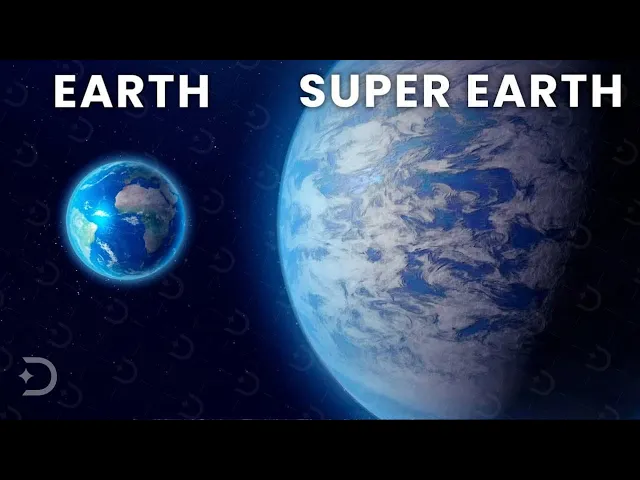
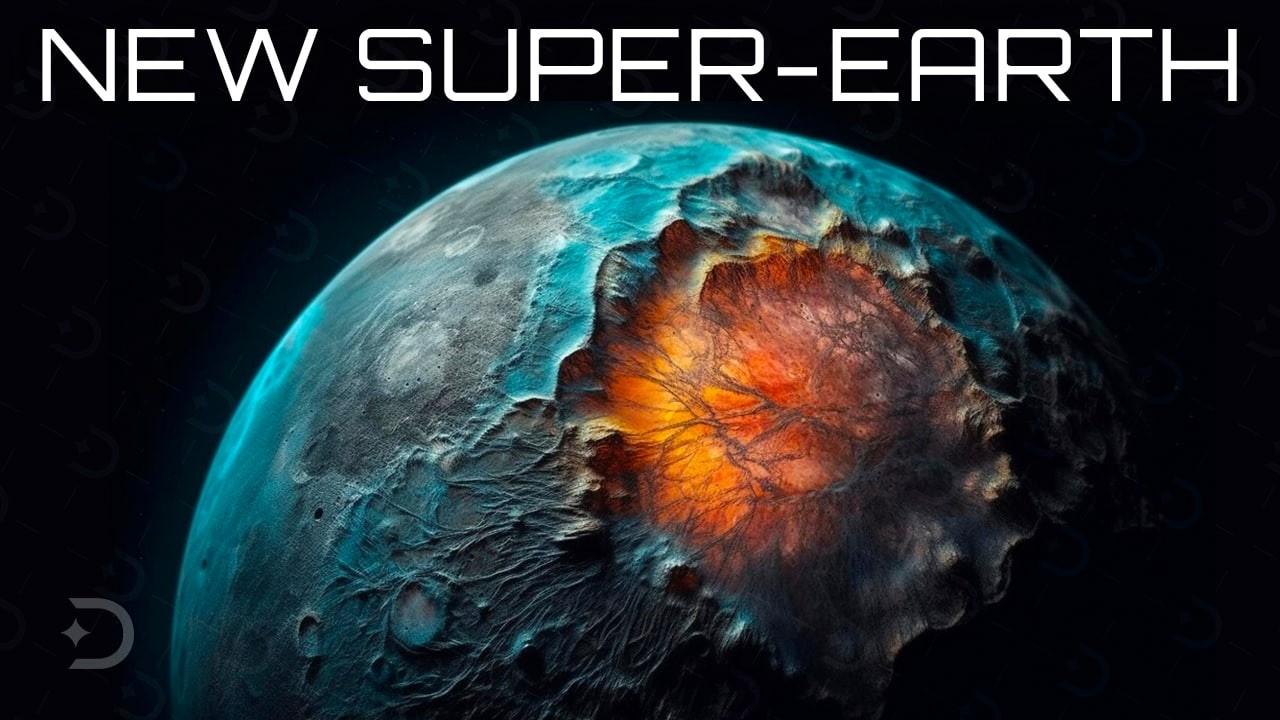
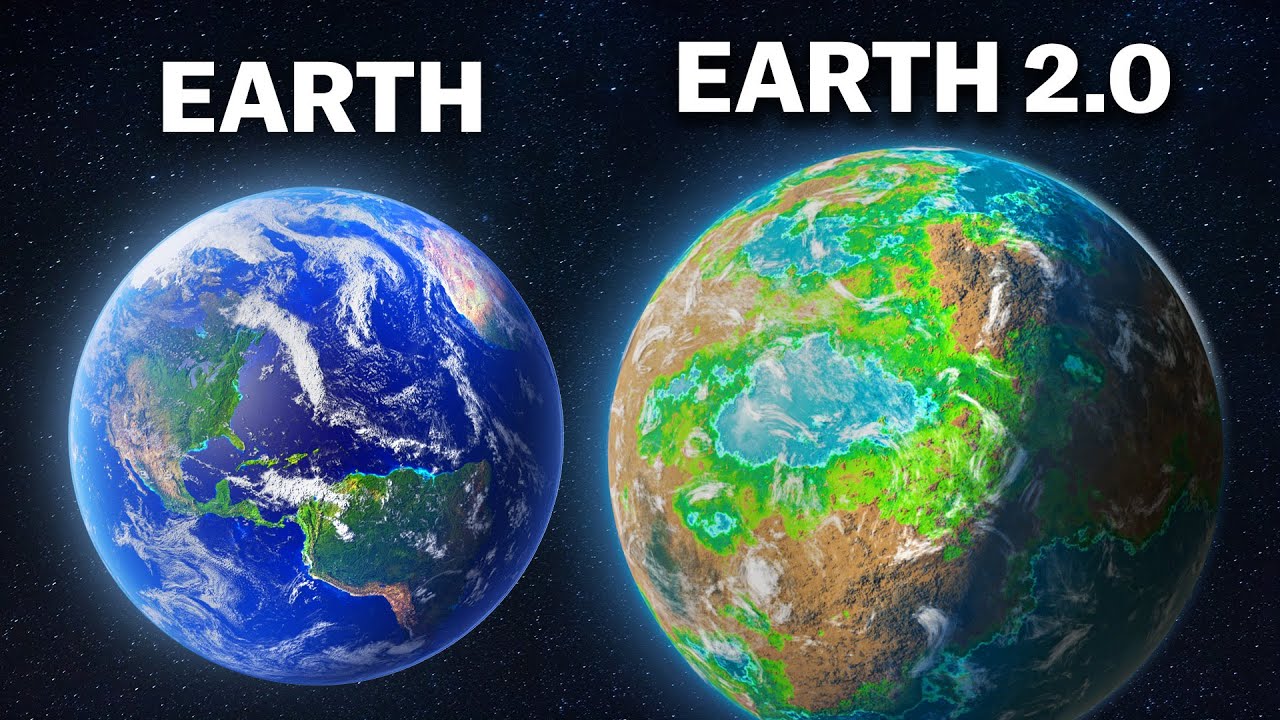
2 light years from earth it lies in the habitable zone of its red dwarf star proxima centauri and was thought to be a minimum 1. 3 earth masses but a new telescope named espresso recently discovered proxima b to be only 17 more massive than our planet making it more earth-like than it previously been thought and a candidate for life because it's the right distance from its host star to have liquid water scientists believed that the planet could be habitable and future generations of superfast spacecraft could travel to the planet in search for life but that same year a massive solar flare had erupted from the red dwarf star proxima centrali that was 1 000 times brighter than the star itself it hit proxima b with 4 000 times more ultraviolet radiation than the earth would get from a solar flare from our sun and researchers believe that this could have wiped out all traces of life on the planet but proxima b is not the only candidate as a habitable planet scientists now say they've discovered 24 super habitable planets or exo moons that could be better suited for the emergence and evolution of life the concept super habitable came from two researchers in 2014 renee heller and john armstrong have stated it takes much more for an exoplanet to be habitable than just being in the habitable zone things that would make a planet more suitable for life as we know it means they could be older larger warmer wetter could have higher levels of oxygen and a longer living star heller and armstrong have proposed that the required size of a super earth would have to be two earth masses because radioactive decay in the planet's interior would last longer to provide heat and the stronger gravity would hold on to the atmosphere longer these 24 super habitable exoplanets were chosen because they have a star of the right size lifespan and lie in the habitable zone many of these orbit around g-dwarf stars similar to our sun but researchers also looked for exoplanets orbiting around k stars orange dwarf stars that are cooler less massive less luminous and there are 50 more orange dwarfs than yellow dwarfs in the milky way while these sun-like stars might not sound ideal for life they have a big advantage their lifetimes are anywhere from 17 billion to 70 billion years compared to the 10 billion year lifespan of our sun if life started on a planet orbiting a k star life would have had much more time to evolve than life on earth has so far considering it took complex life 3. 5 billion years to evolve on earth and 4 billion years for advanced life such as humans a larger size exoplanet could mean more space for land mass and habitat these super habitable worlds would also have a higher gravity and a thicker atmosphere allowing beneficial organisms to travel through the air spreading life planetary scientists say the sweet spot age of a super habitable exoplanet is about five to eight billion years of course a more super habitable planet would need water for life as we know it to survive planets with more moisture and an average surface temperature eight degrees fahrenheit warmer than earth could make them more habitable since we understand there is more diversity of life in warmer and wetter climates some of these more habitable planets could resemble the earth in the early carboniferous period about 359 million years ago when the planets had the climate of a tropical rainforest gliese 667cc is the next closest super-habitable exoplanet which orbits a red dwarf star in the glee 667 triple star system yes three stars if you were standing on gliese 667cc this is likely what you would see in the day sky gliese 667cc lies 23.
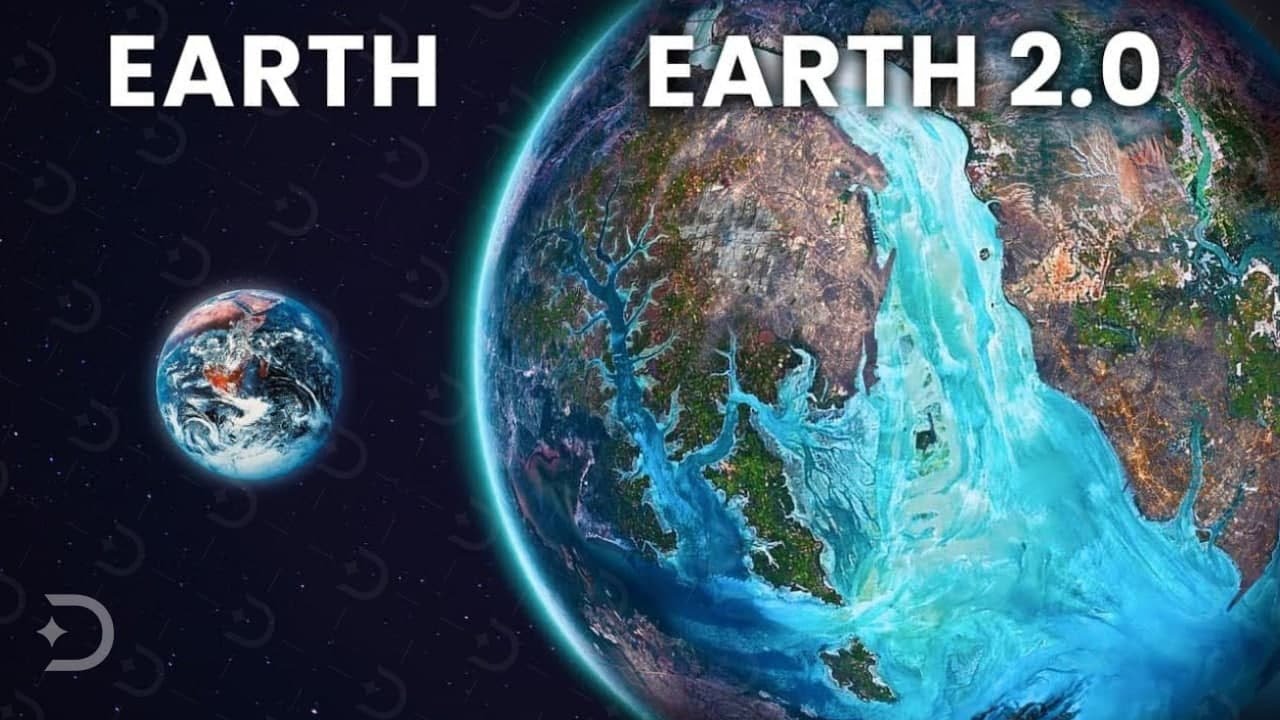
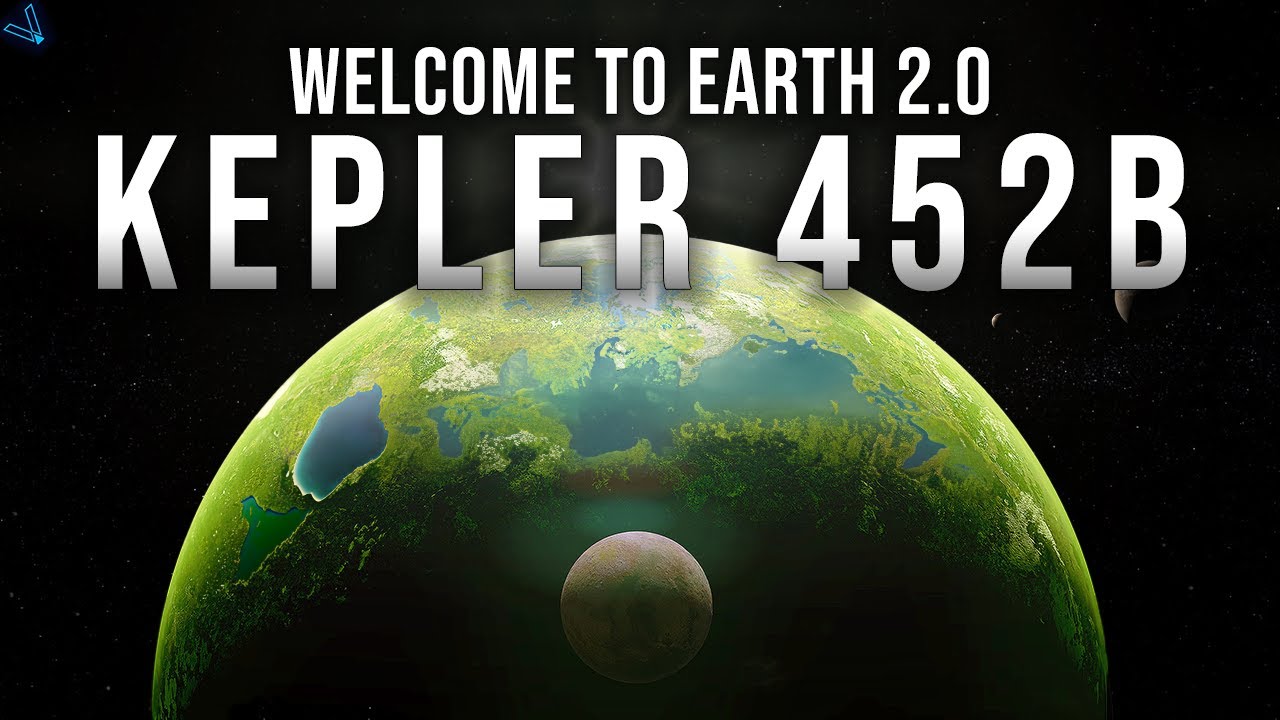
62 light years from earth and is a minimum of 3. 7 earth masses another possible super habitable world could be kepler-452b it's sometimes called earth 2. 0 and orbits a g-type star which is very similar to our sun except that it's 1.