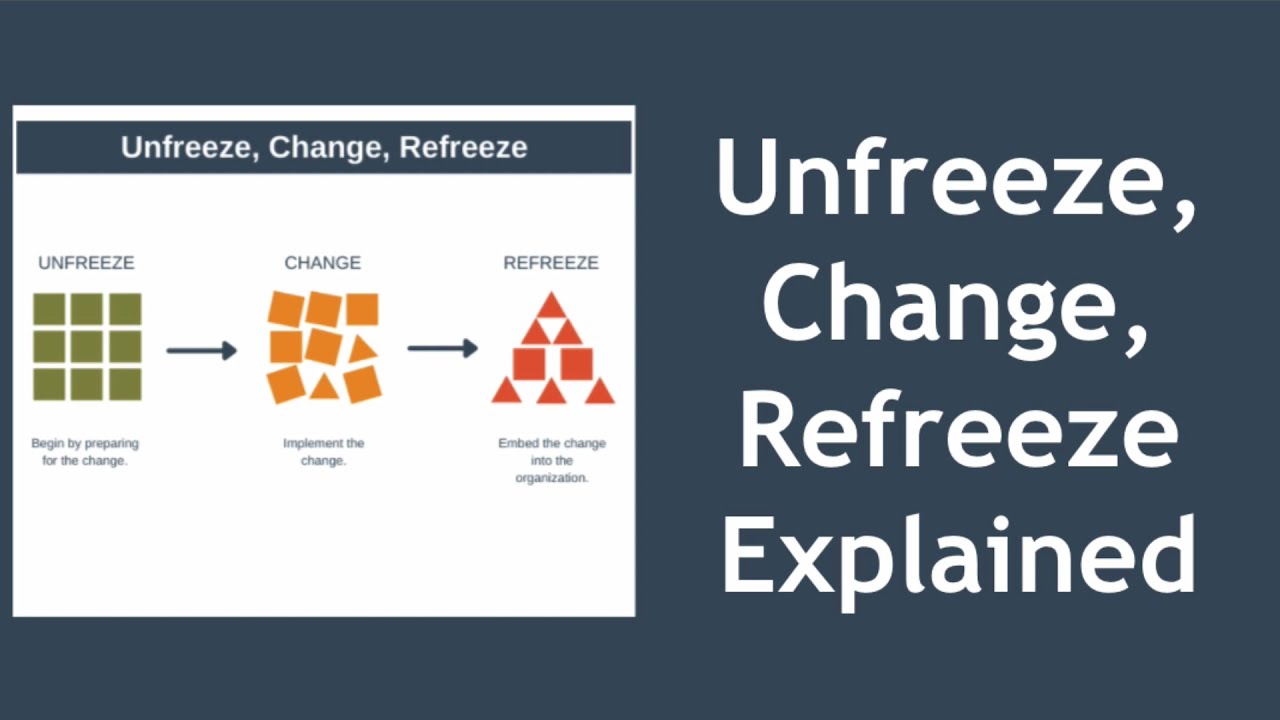
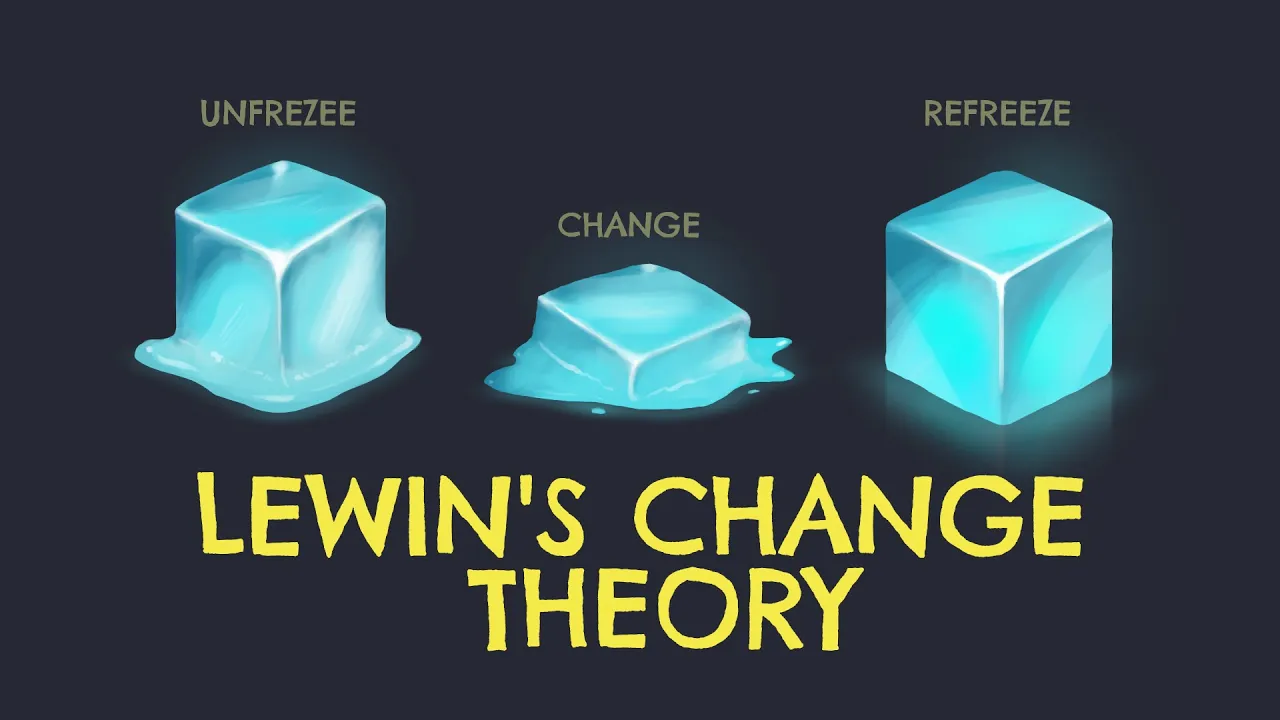
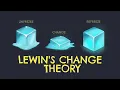
welcome to practical psychology in this video you'll learn about lewin's change theory which looks at the way that we behave and change in organizations let's get started it seems like every school in psychology has some sort of father freud is considered the father of psychoanalysis john b watson is considered the father of behaviorism and if you've watched any of our previous videos on kurt lewin you may know that he is considered the father of social psychology what specifically is lewin's change theory kurt lewin shares a specific model of change called the unfreeze change freeze model
lewin's change theory is one of the social psychologists most important contributions to the field two building blocks of lewin's change theory are driving and resisting forces lewin believed that all behavior was a dynamic balance of forces that moved in one of two directions driving forces drove people towards change and resisting forces prevented them from making the change if driving forces were stronger than resisting forces change could occur if both driving and resisting forces were equal behavior stood at an equilibrium change does not occur here either in order to change behavior you had to address driving
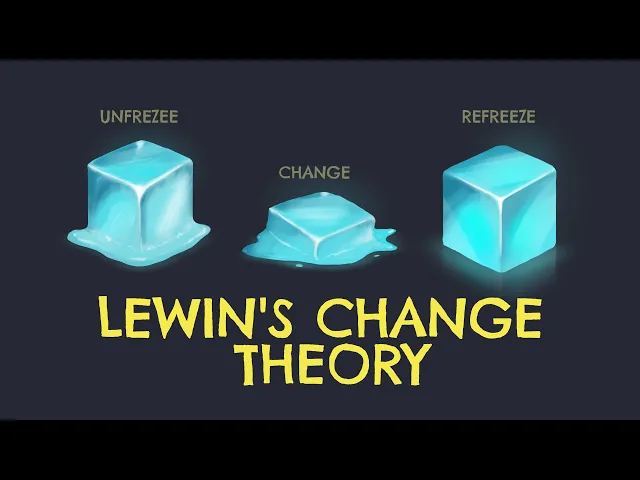
and restraining forces lewin proposed a model for implementing a long lasting change called unfreeze change refreeze model in order to understand this model you'll need to think of a block of ice let's say that you have a big cube of ice you want to change the ice into a big cone of ice how do you do so without changing the amount of ice that you have one way to do so is to unfreeze change and refreeze the ice once the ice is melted into water you can transfer it to a mold that looks like a
cone and refreeze it to its new shape when this model is applied to an organization such as a business charity or educational institution you probably won't have to worry about freezing or melting but similarly you have to melt the entire structure to its core before implementing changes and setting the organization up for a new structure this is why the model is still in use today by analyzing the thoughts feelings and values that are behind current practices you can implement change in a positive way upper management may have to direct the organization's thoughts by sharing their
own thoughts feelings and values that enforce the change but once this is done everyone will be on board and each person will be more likely to gravitate toward change let's go through each of the three steps in lewin's change model the first step is to unfreeze lewin believed that you could approach the unfreezing process through one of three ways the first is to ramp up driving forces that direct behavior toward the intended change the second is to slow down the resisting forces that are encouraging people to cling to the status quo and the third is
to use a combination of both to move the equilibrium toward change before you choose a path to take you will need to evaluate the situation at hand understanding driving and restraining forces requires an understanding of an organization's core values and beliefs in some cases the organization must go through a process of unlearning this unlearning goes deep after all the decisions that have been made up to this point rest on the core beliefs and values of the organization what values are supporting the old method how do they contribute to harmful or outdated practices in the state
that you you're in today people at the highest levels of an organization must understand what needs to be unfrozen before the true unfreezing can happen once a set plan is in place communication must happen everyone throughout the organization must be on the same page about why a change needs to be made and what beliefs values or processes must be replaced there will likely be a pushback to change which is why upper management must have a solid plan and motivation for change a thorough understanding of both the driving and restraining forces within the organization will also
help management prepare for any pushback and to plan for ways to increase driving forces toward change secondly then the change process adjusts an organization's behavior thoughts and feelings once a clear plan is in place it must be communicated and the change must start rolling out this change must be swift think about jumping in a pool of cold water and you have to dive in so the adjustment will be painless walking into the pool slowly will be a painful and much longer process everyone must make that dive in order for the whole organization to change and
adjust this means that upper management should not only communicate the benefits of change to the organization but they should also involve each and every member in the change process everyone should be able to communicate the why and how behind the change last but not least is the refreeze stage this stage is crucial for determining how long the change lasts throughout the organization if you are looking for a permanent change you will have to put practices in place that cement the changes into the minds and behaviors of the organization this could involve changing handbooks contracts or
training materials so future members of the organization move forward with the changes maybe you focus on the members you have it might be time to pull from our behaviorist friends positive reinforcement of change can help it stick for example let's say you want to encourage your team to show up to team building events there are many ways to go about this change providing incentives mandating team building events or setting up campaigns that encourage team bonding will help but we can look at this example too through the lens of lewin's change theory in the unfreeze phase
you may ramp up driving forces by evaluating both your core values and when your team building events are taking place if your team tends to consist of parents who value spending time with family they're not going to want to skip dinner time for team building considering everyone's schedule or sending out a survey asking for the best time to have events might be a great first step to making this change then we get to the change phase you have to communicate with your team that this survey was sent out so that team building events could be
easier to attend speak to your core values how will team cohesion and bonding help you reach your goals and speak to who you are as a company how will these events benefit all the people who you want to attend last is the refreeze phase when your team members show up to the event reward them share photos of how much fun you are having and make a point to schedule the next few events immediately so members are excited and make time in their schedule team building will become a more permanent part of your organization this model
cannot be completed overnight it probably cannot be completed in three nights either in order to make a sweeping change throughout an organization you need planning communication and consistency taking shortcuts or neglecting any of these elements will prevent people from understanding why the change must be made how to do it and that the change is permanent you can also use this model to make personal changes what beliefs and values are driving your current habits how can you adjust them and look at change in a positive light how can you make these changes consistent maybe try thinking
about lewin's change theory as you plan for your next big change that's all for today thanks for listening we hope you learned something and we hope to see you in our next video