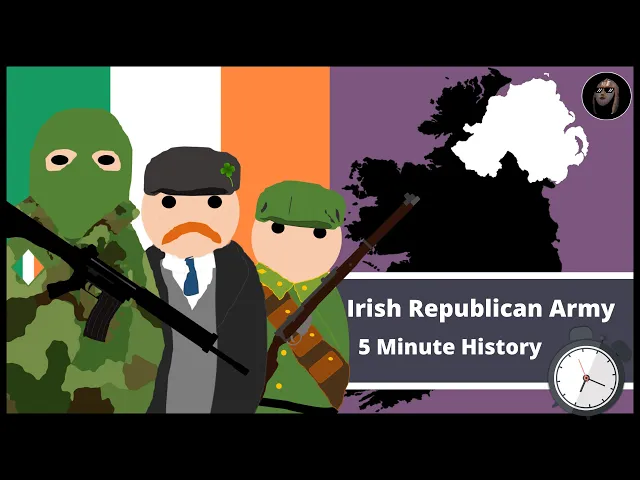
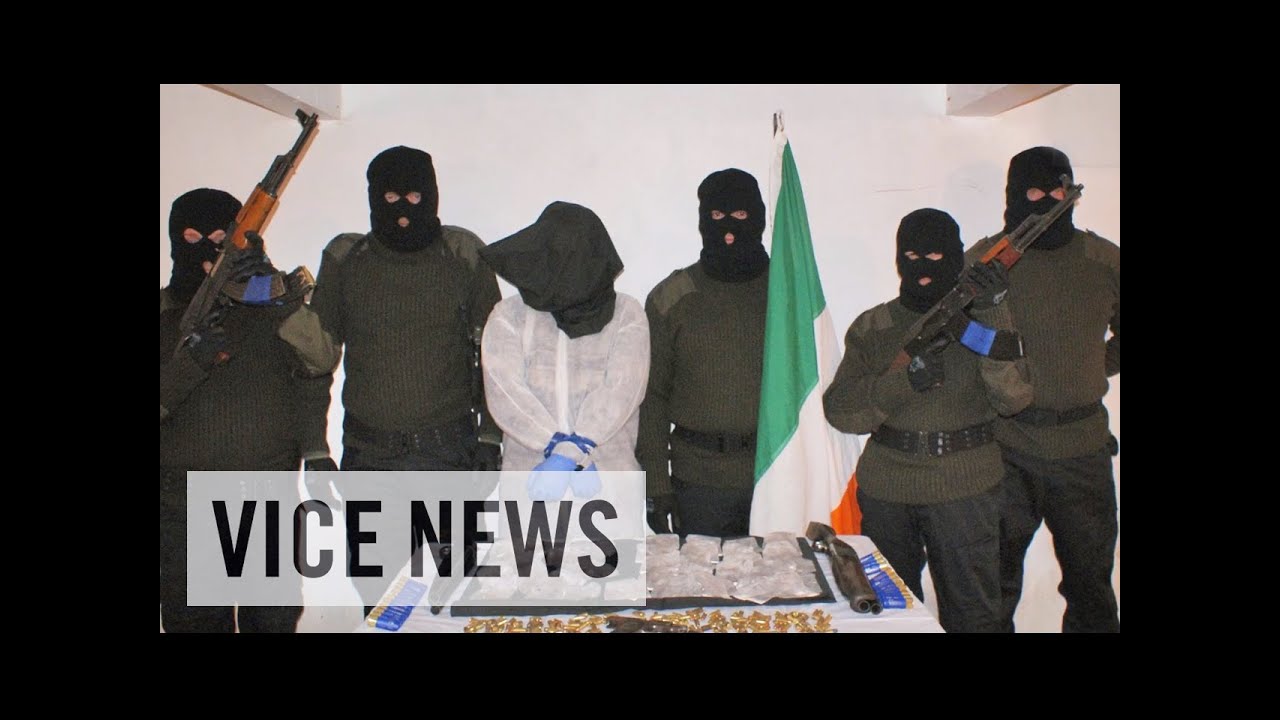
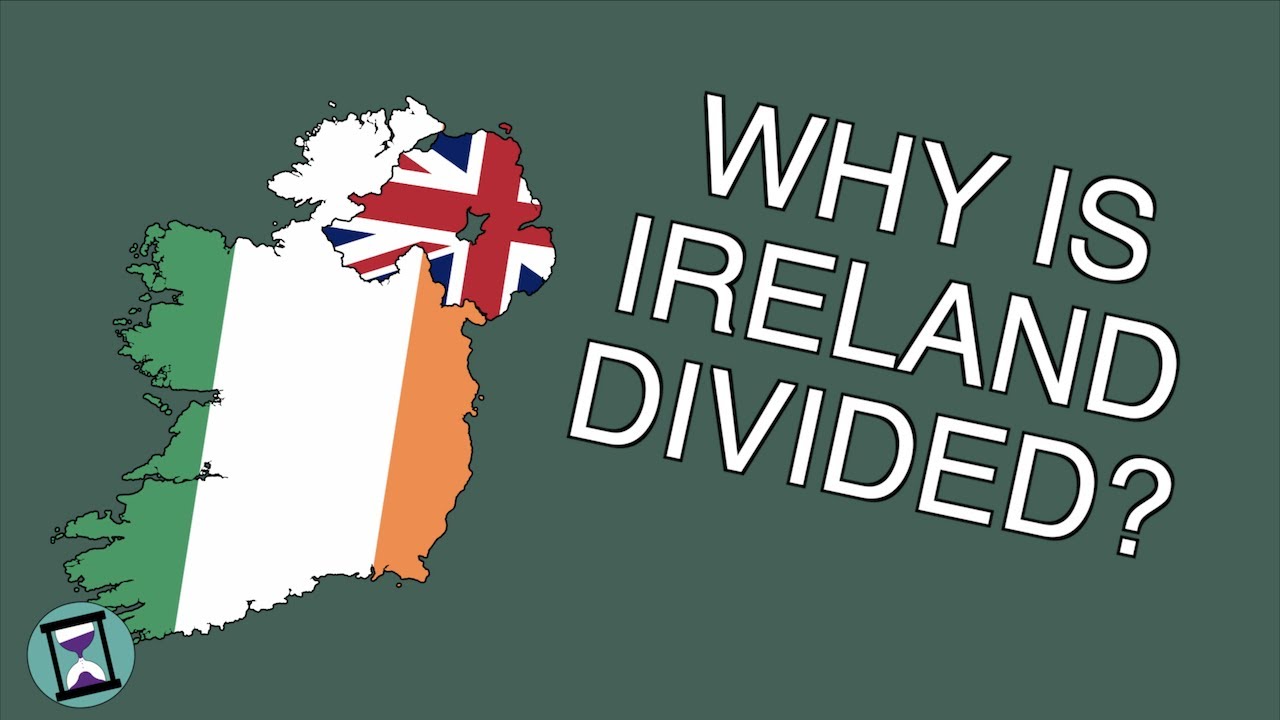
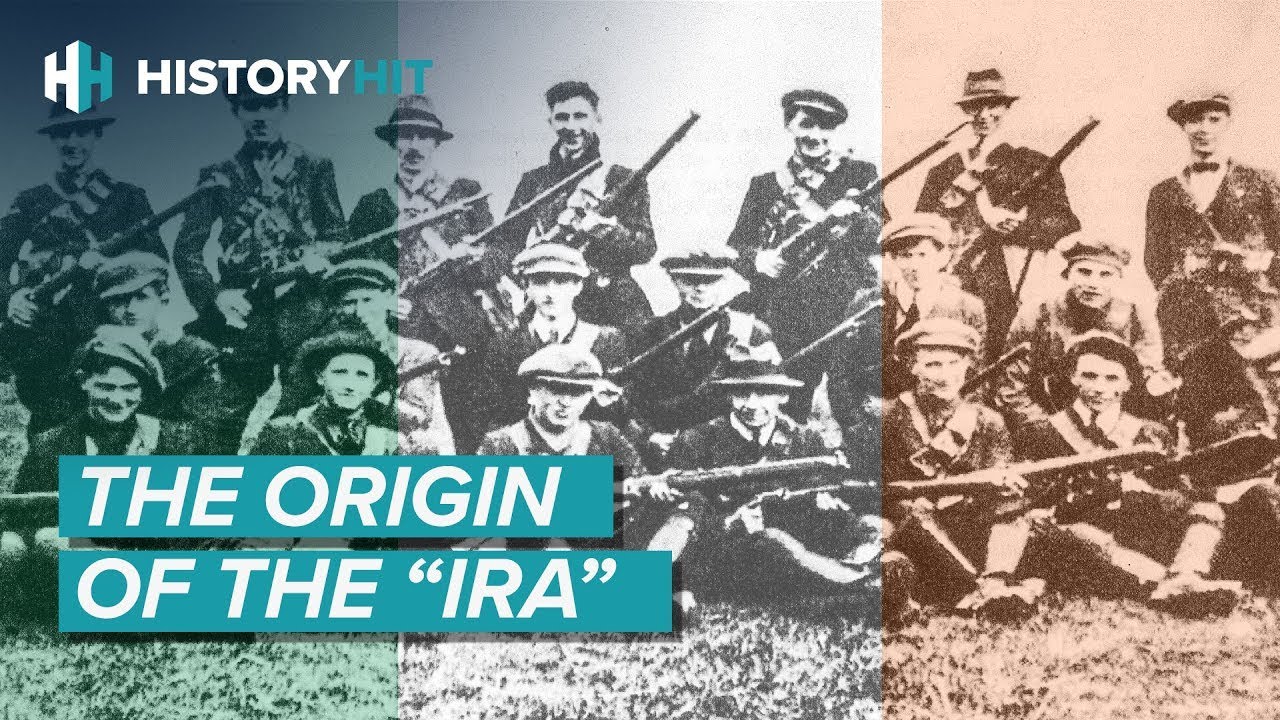
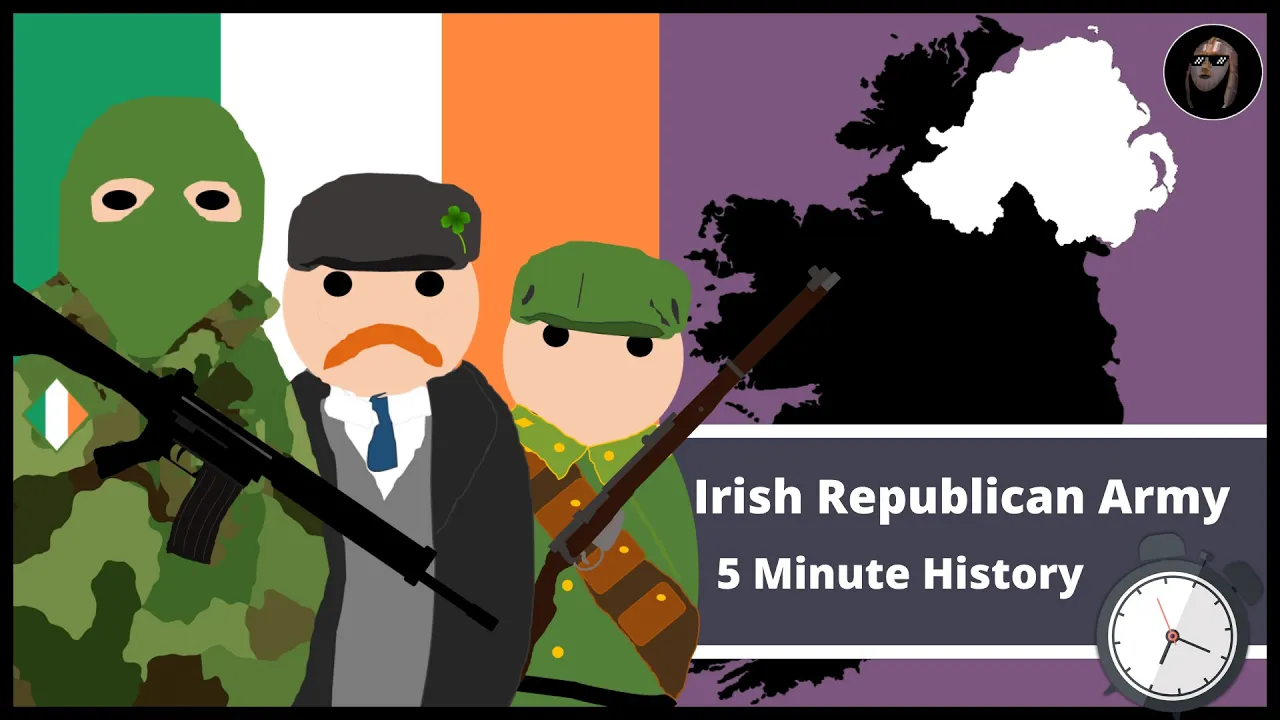
who were the ira ira stands for the irish republican army and is the name used by several different groups who wish to bring northern ireland which is currently controlled by the united kingdom and unify it with the rest of ireland although at various times they opposed both the irish state to the south and the current british state you can trace their existence back to 1916 when irish republicans wishing to make ireland independent took over various parts of the country in the easter rising however they were soon quelled in 1917 the ira was formed from the
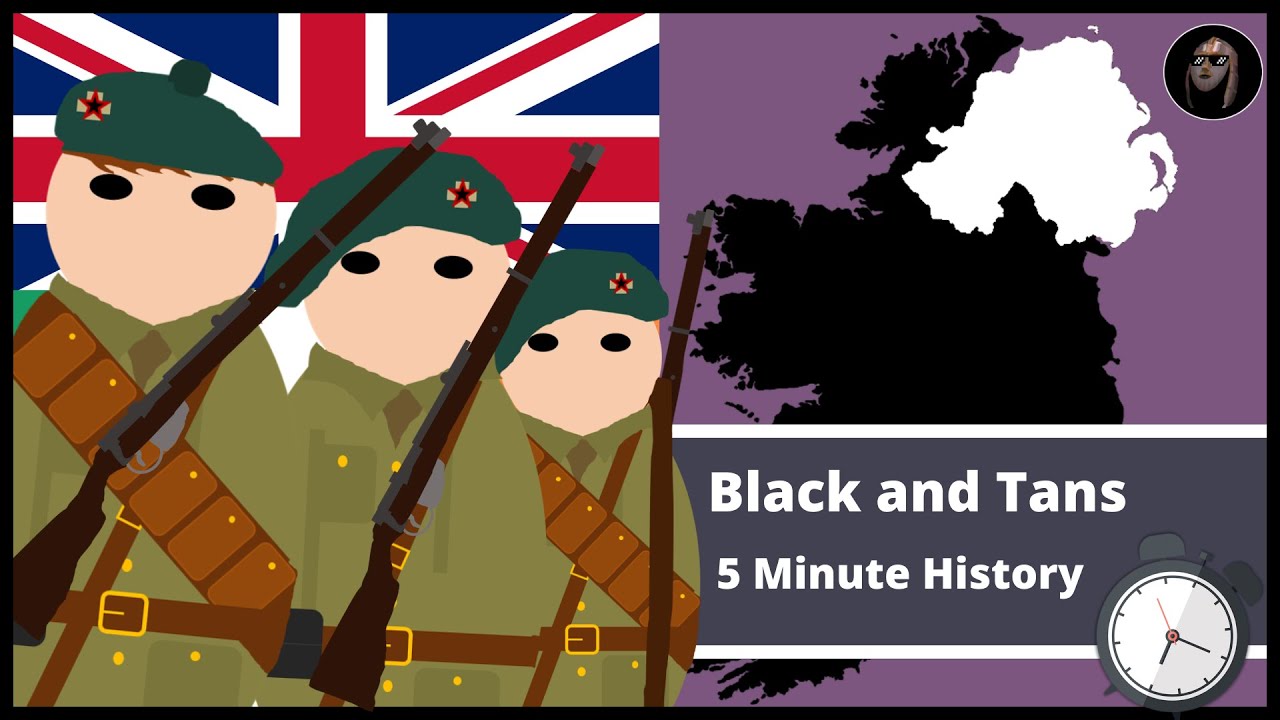
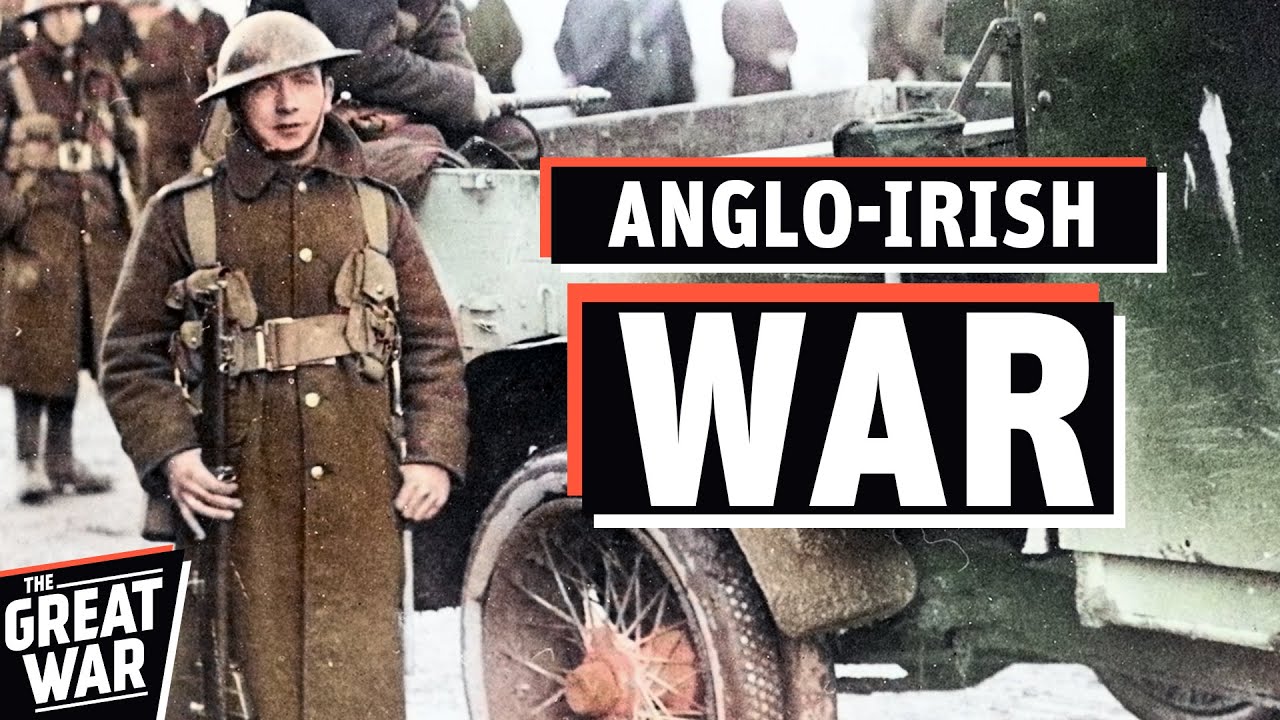
remnants of those who had fought in the easter rising as well as new volunteers and british army soldiers returning from the first world war thus creating the ira in 1919 when the anglo-irish war against the british started they made up the backbone of the irish forces and was seen as the national army of the new irish republic in 1922 the british agreed to recognize the irish free state based on a treaty signed the year earlier which would make all of ireland apart from the northern six counties a new irish republic however the ira was split
on whether to agree to this deal or not falling into the pro-treaty camp that did and became the new irish government and the anti-treaty camp that continued to fight against it which would spark the irish civil war in which the pro and anti-treaty ira fought against one another both continuing to use the term ira in 1923 this war came to an end when the pro-treaty also aided by the british was successful in defeating the anti-treaty ira which then went underground following the civil war the ira became increasingly politically left-wing looking towards the new soviet power
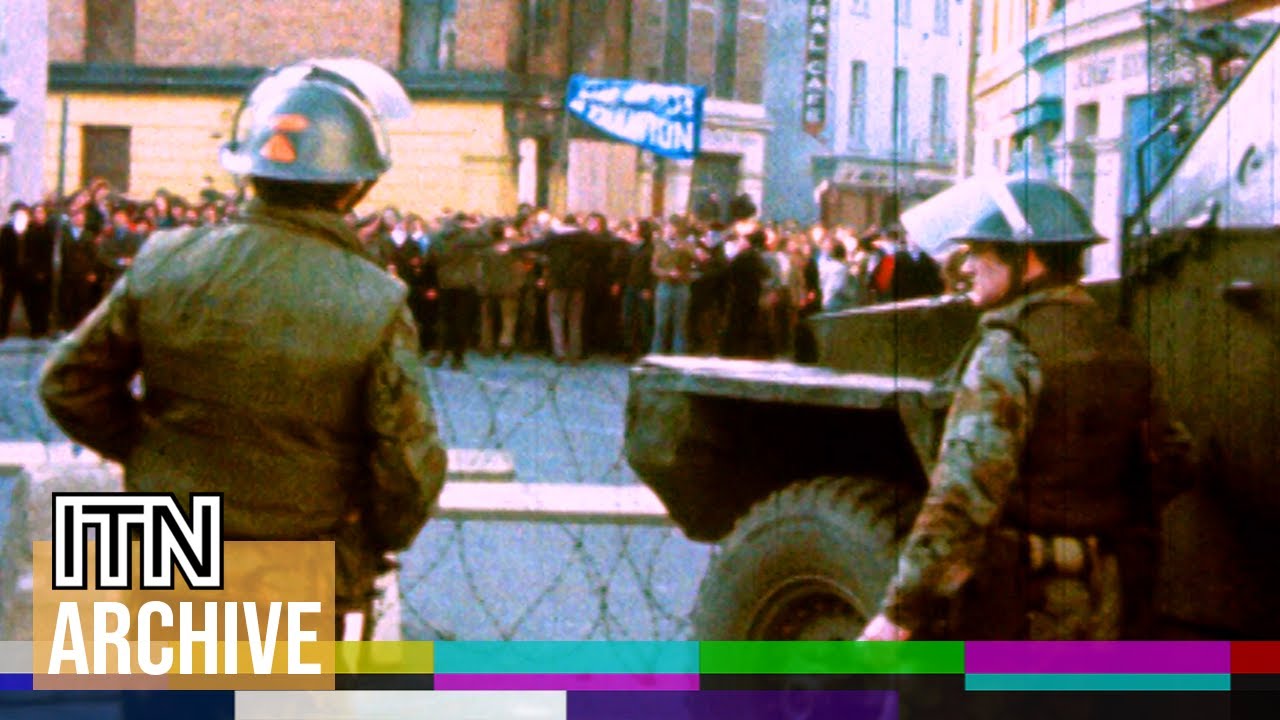
in the east as a possible way of finding arms and fighting back against both the irish government that it recognized as illegitimate and against northern ireland which remained in the united kingdom the ira came to prominence again during the troubles in the 1960s in northern ireland when a catholic civil rights movement was cracked down upon by the protestants and by the british as well and this led to sectarian violence between the communities and the eventual sending of troops by the british the catholics as largely being republican were on the same side as the ira and
the ira increasingly became seen as the only force capable of protecting the catholic community when relationship with the british army soured in 1969 however the old political divide within the ira came to the fore and it split in two the official ira being the ira with a dash of marxism the other side of the ira being the provisional ira often shortened to the provos who were less enamored with the idea of a radical left-wing marxist ira as well as the idea that they would actually sit in the seats won in political elections in both the
republic of ireland and in northern ireland which was being proposed by the official ira and although initially they were the smaller of the parties by 1972 when they went on the offensive they became the larger of the ira the provisional ira unlike the official ira that went into politics wanted a more militaristic approach using attacks against british and northern irish police and soldiers as well as increasingly bombings kidnappings and attacks against protestants in general within northern ireland and later across the irish sea in britain as well they were receiving their funding from the irish diaspora
in places like the united states as well as arms from libya which was sending them during the reign of qadhafi in 1986 there was a split in the provisional ira and a new group called the continuity ira was formed this was because of a recent convention which had said that the long-held position of abstentionism in which political electors that had won a seat in the irish doyle parliament would not take them would now indeed be able to take their seats if they were called upon thus making the provisional ira a more political rather than just
militant party and it's the case that in 1994 when a ceasefire deal was reached by the provisional ira the continuity ira broke away and in fact did not observe this ceasefire in the first place this ceasefire came about as the british promised that they would hold to a referendum in both the republic of ireland and northern ireland on self-determination but only on the condition that the ira called a ceasefire which they did although this broke down by 1996 because of talks about this armament that the ira couldn't agree to and so a new wave of
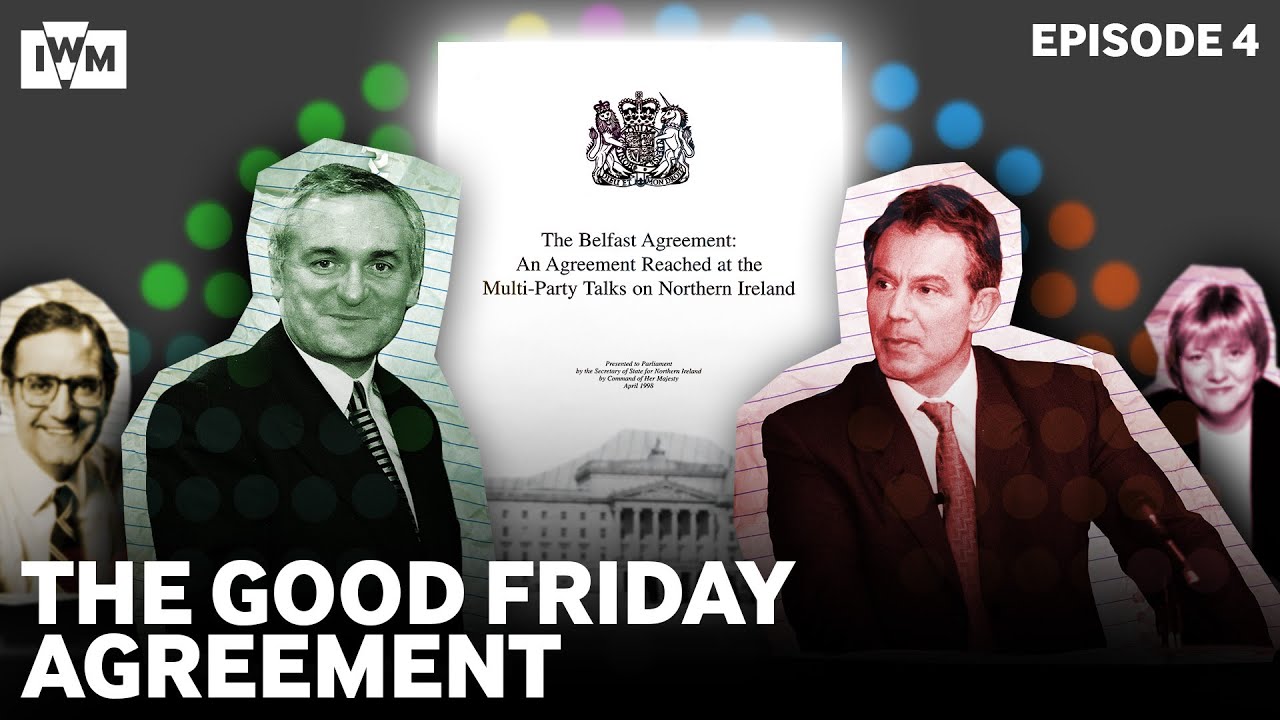
bombings hit especially england as well as the military barracks in germany and several in northern ireland however by 1997 progress was being made towards the good friday agreement which would bring a more lasting peace and would stop with the violence of the ira however the continuity ira would indeed continue as well as a new group forming called the real ira that both promised to carry on with their attacks although the members of the older ira like jerry adams and martin mcguinness became part of the political process with the party of sinn fein which meant that
the ira was far less powerful than it had been and by 2005 they had indeed given up pretty much all the weapons that the provisional ira had used were being handed over and disarmed although there were still several groups active as in 2012 a new group was announced called the new ira which was a melding of many different republican parties together although as of yet the violence has not seen anywhere near the level that it had from the 90s and earlier which is a very good thing for the people of northern ireland today