[Music] go [Music] [Music] welcome back to making the switch a series of freight Waves truck Tech special editions focusing on the promise of renewable natural gas to increase natural gas use in commercial Trucking our Focus today is on one truckload carrier story of using CG and RNG as alternatives to diesel we spent time this summer with Paper Transport or PTI at their headquarters in Green Bay Wisconsin PTI was an early adopter of natural gas power trains in its Fleet the company sees a step change coming in natural gas adoption for two main reasons the first
is the increasing availability of low and net zeroc carbon RNG the second is the new and more powerful 15 L natural gas powered engine from Cummins that is now in production between this final episode of making the switch and the five earlier shows available in on YouTube it's clear that this story is only beginning Dan depper vice president of Maintenance here at PTI good to see you and thank you for taking the time to have us in absolutely you know there's a ton of stuff that we want to get cover on this but you know
one of probably the best way to do this you know PTI has been involved with uh uh CG and uh natural gas really from the beginning yeah your history sort of started early on and maybe it wasn't the best time for for that technology you know the actually the the first few days are on the job for me was a notification that we had purchased some of these and they hadn't been delivered yet but we had to put together the whole you know chassis tank package and and coordinate all of that here right here in
Green Bay even mhm and those things all came from different places that's obviously changed a lot uh you know with companies like hexagon and others that you know will give you an entire system it's a lot easier now yeah so the specking thing let's go ahead and talk about specking I mean it's it's one of those things where you do a diesel a certain way is it dramatically different for a CG truck no no I mean really what what we're solving for anytime we're specking is what's the use case for the truck and so what
becomes important with CG is the range and you know you the trucks that we have here are specs with 175 dge which gives us plenty of range to get you know get through a day and and fuel once a day um and so that's that's kind of the first step but then when it comes to to specking the rest of the vehicle it's really very similar to specking a diesel um you know we get all of the safety systems that we want on there it's a much more integrated cab design than what we had on
those first trucks back in the day you know it's been actually really exciting just in the last um year or so just the Resurgence of of customer demand and it's mainly be because of the 15 liter and because of RNG now okay so today though it's a 12 L you you've got a 15 L getting ready to test it Y and that sort of thing and and of course you know but the 12 L there's certain routes that it works for you're not you're not doing uh Colorado mountains with it but you are going from
here in Green Bay say to Chicago you're doing you know those kinds of routes um route planning how does that how does that figure you're 10% CNG right roughly of your Fleet how does route planning work for you yeah a lot of where we're running it is in dedicated routes and so we know our fueling infrastructure then um that's all planned out before we even say yes to the purchase of the truck um but we did you know for a while we ran random Network OTR in the Midwest and we were able to do it
um but most of what we're running now is dedicated route you know we're running in St Louis we're running in Southern California we're running here um we're running out in the Northeast um all with CG trucks so it's be it's become much easier you do have to be deliberate and be mindful about where where the station infrastructure is and where your Freight is but in a dedicated environment that works really well what about your loads I mean you would think obviously you have you know cube out and you've got you know weight out right and
when I heard St Louis I thought of Budweiser I thought of beer cans they weigh more than potato chips do we're we're grossing out on everyone almost I mean we're heavy um we're at 880,000 on on over 80% of our freight you know with the 12 ler we want to be again mindful of those routes we're not hitting huge mountainous ranges with that we 10 um but but we're not and with the 15 ler it does open that type of freight up to us it's been mainly driven by the customer demand for it um because
we're we're a service provider and businesses to business sales we're here to serve what our customers need and um you know again what we've seen is just that Resurgence of with RNG too right so your customers are asking you for this some are not all I'm sure but some are asking for this there is going to be sort of that pencil and you have a finance background when you're at Snider and so I'm sure you can answer and do answer these questions uh how does this pencil out versus a diesel purchase yeah we you know
it is a higher upfront cost it's lower fuel um lower fuel cost it is a little bit lower fuel efficiency but you know we look at it over the life of the truck for 5 600,000 miles which is typically what we're keeping equipment for and you know at that it's very comparable to diesel it is slightly higher if you know a few cents a mile higher but we're we're in the ballpark and that's all relative to where diesel price is right so that you know that magic diesel price number around 375 um that's probably where
you're going to see par if Diesel's much higher than that the CG will actually be less expensive MH on the systems like you say in the old days you had to piece everything together yourself it didn't sound like a fun a fun project uh but now you've got uh you know back of cab you've got tanks if you want those you can do uh any number of things are there certain applications that make more sense for you in terms of how you equip um that home daily Freight is going to be is going to be
a great application for this we it doesn't need to you know we've got overnight Freight in our Network right now where we're running it but you just have to make sure that you've got the station infrastructure so that's really the um the planning side of it that we have to worry about is just where is a station infrastructure and overlaying that with the freight Network the the truck is going to get the range that a driver needs in a day um so that's that's kind of not a concern anymore with the fueling infrastructure you said
if you're running dedicated routes you know where the fueling is yeah are you looking at anything uh you know I think you had some history maybe even owning uh you know part part of a either behind the fence or a station network uh now you just relying on others to do that is right yep and and that um you know the history was owning the station just to get this up and running it was never never the end goal um and there is enough public infrastructure out there right now that's that's not anything we wanted
to be in um but just necessary to get it up and running sure let's talk about RNG itself I mean when we talk about environmental benefits we're talking about potentially negative Net Zero carbon which is huge might even get you a nod from the California resources board someday uh right now I don't think it does but maybe it will uh you know Net Zero carbon is huge and it's something that presumably I me we're here in the dairy State aren't we this in Wisconsin and where does a lot of RNG come from it comes from
dairy right and landfill and others from from capturing methane from from dairy um and then landfill still is I think slightly carbon uh negative but uh Dairy is by far the the best offset that you can get and this is something I presume that goes to your marketing people as they're as they're talking to customers and saying you know we've got a place to go to get RNG and there's more and more of it coming I mean the numbers nationally are good they're huge in California 98% or something like that uh you know so so
RNG is becoming the factor over just you know regular that's yeah absolutely and and we um you know we'll work with our customers through that programming just to make sure that they're they're feeling comfortable with the credits right um and where where they're sourcing the credits from um all of that stuff our commercial team works you know with our customers on the credits actually go towards uh TCO don't they towards FAL C of ownership I mean if you're generating credits for yeah not for us you know we're we're passing that credit on to our customers
who have those those sustainability scorecards and that's really what I think has drive has driven a lot of the adoption of RNG because you know most most of the global lands have their CG or excuse me their sustainability score cards and through Co a lot of them I think have moved backwards on it a little bit right and so they're really looking for Solutions and and battery is not ready for Long Haul right um hydrogen is a long way off still I believe and so a lot of them are left with you know what can
we do right now and that's what we think you know CG trucks can just really fill that void uh for for quite a while um so it feels like the pieces of the puzzle are coming together really well right now um for kind of large CG adoption yeah that's what the all right so one of the P one of the areas that's so important in terms of uh renewable natural gas natural gas trucks is the driver I'm with lee pson lee is a 10-year veteran hey good to see you man thanks a 10-year veteran here
at PTI and you have been had some experience now quite a bit of experience I guess with driving the 12 L uh Cummins uh now natural gas engine you also drive diesel y what's the biggest difference for you to me there's uh over time the technology got really good and I I don't now with the the newer trucks I don't see no difference whatsoever um I got the same power same torque um have no problems going up hills and stuff like what I do uh versus the diesel so now the technology is there and it
to me it's the same you uh your route pretty much uh Green Bay to Chicago that that kind of thing not a ton of Hills there but you're able to sort of do everything you need to do in that natural gas truck now we've got a newer version coming I realize you haven't had a chance to to drive that yet but uh presumably that will bring it even to Greater parody I guess with oh yeah yeah you know that should Advance the guys that do uh climb Hills more uh the M you know more mountain
regions and that to have that power to get up over that Hill which is really important so you know especially when you're heavy and and you're coming out of uh say Budweiser out of St Louis and you're taking it someplace you know that that's a pretty heavy load and I I believe that 15 leader should handle that no problem yeah so one of the things that I think maybe didn't help natural gas in the early days was you know it didn't have a great reputation but you said things have really improved you're talking to a
colleague now who hasn't driven one of these what do you tell him just not to be afraid uh just like anything over time technology improves and it it gets to be at a level where you're not going to see the difference um just you know uh it got a bad WP at the beginning cuz you know it it wasn't all that great you lost a lot of power but over time now it's right with the diesel just don't be afraid of it try it you know make your own opinion for yourself and me personally I
like it cuz it's a lot more quieter than a diesel yeah now that quietness thing that's a big deal when you're shifting all the time and things like that right I mean you know you're just not getting as much feedback I'm guessing right exactly it's nice and smooth quiet you know you can just relax some more you know relaxing at the end of the day you're you've driven 10 hours 11 hours I guess it's the most but 10 hours in a in a in a natural gas truck and you driven the same uh distance in
a in a diesel are you more relaxed after the natural gas trip than you are after a yeah everything's to me is the same there's really not no difference in there you just you know you're doing a better thing for the environment you know running a CG and then if the technology is there why not do it right sure sure the U the idea of driving a diesel all day you kind of come out maybe smell a little bit like the diesel at the end of the day does that happen with natural gas no not
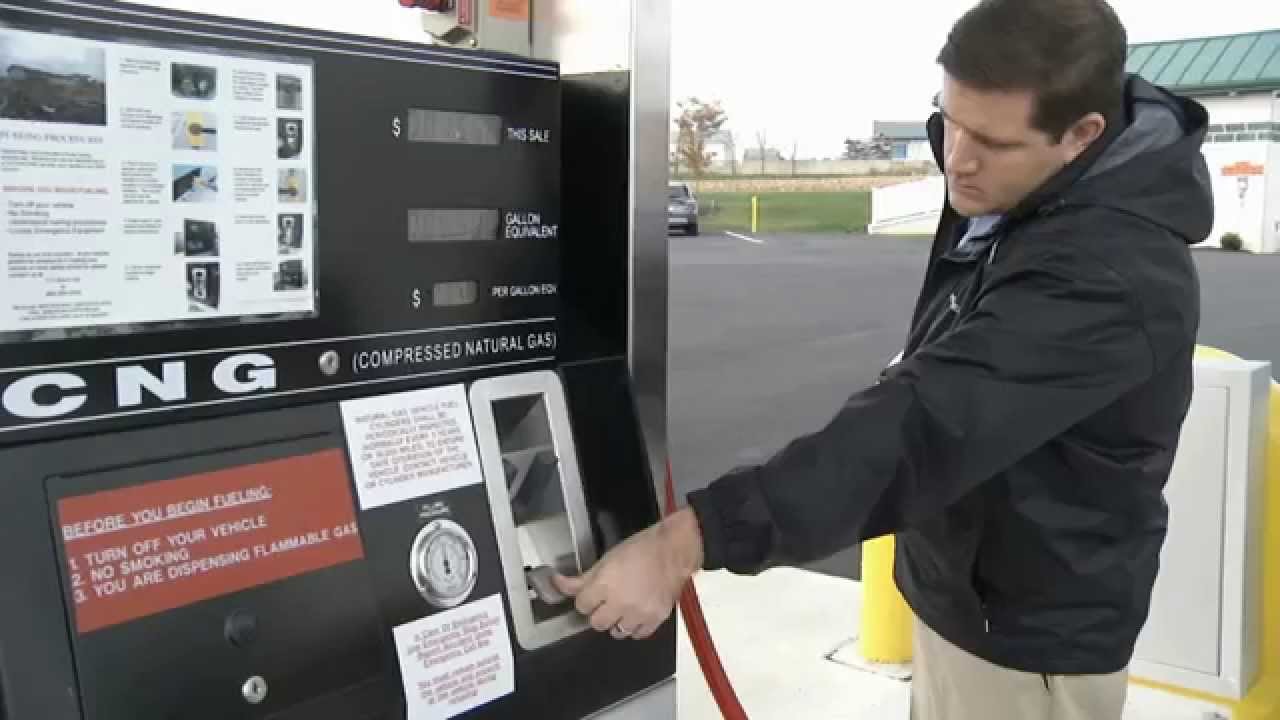
not at all it's just a little bit when you go to plug it in to fill it up just like a diesel you're going to get some fumes but the same thing when you plug it in you're just smell just a little little um CNG there and then um you know there's no no issue there whatsoever yeah when you go to fill up and I know PTI gets a bulk discount of course for you know buying Nation G but uh you know your fuel card or whatever is going to tell you how much you're spending
it's it's significantly different oh yeah yeah like uh last time I filled out uh the CG cost a buck 99 or uh Diesel's at what $4 $450 something around right around there so that's a that's a nice savings yeah yeah for sure Jared stle Chief commercial officer here at PTI thanks for the time you know what I understand you have got a long and deep background in CG why don't you tell us a little bit about that how how you got here sure absolutely it does go back well over a decade uh when I started
in developing natural gas fueling infrastructure so the stations and uh had a lot of success there did that for a few years and Paper Transport was my customer at the time and uh we were able to get a lot done in that space and they've been running natural gas trucks ever since I joined the team here this past November and now looking to expand the use of natural gas trucks with our customers you know I think You' said that the important thing is first make sure it's a good fit in terms of equipment right absolutely
and that's got to be the first consideration then what happens when you talk to a customer about CG yeah once we kind of determine the prerequisites are there the application a lot of miles you know you want that truck more likely than not to come back to the same spot if you can use that same fueling station if possible or same set of stations so typically a dedicated application right and once that prerequisite is there you find customers that understand that as long as there's a commitment say a three to 5year Commitment the total cost
of ownership can be break even plus you have the sustainability benefits see now that's exactly where I wanted to go I wanted to ask you I'm I'm scales of Justice here I've got sustainability here I've got TCO here are they really going to match up well I think first you want to look at the largest group of shippers and what are they interested in and the largest population is going to be first interested in TCO right is this going to pencil out is my leadership team going to support this and really the application matters there
it doesn't always pencil out if you don't put enough miles on the truck okay so the the bigger investment in the truck requires a lot more miles to save more money on the variable cost then you have shippers that are also interested in the sustainability side which is kind of a whole different uh message especially when the TCO is there not only and I want to talk about your uh sustainability targets but also your customers they're getting pushed a little bit aren't absolutely I need you to fix this for me right yeah we are hearing
a lot of that and again it can be fixed right but it's not always broken entirely there's really great applications where you're getting high MPG uh you might have an application where a different alternative fuel uh is applicable but for a drop in fuel like this where you can get several hundred miles per truck per day or slip seat the truck then you can help your customer so what what we pride ourselves in is helping our customers achieve the goals that their customers may have whether that is carbon intensity reduction or perhaps just getting that
with the same cost how do you get to zero or below well you prevent the methane from getting into the environment and uh within 50 Mi of me here we've got some of the largest digestor I think in the United States and they're harvesting my word the methane and that fuel is ultimately that methane is natural gas which we're using in our trucks for our customers to really get the carbon intensity down to zero depending upon the circumstance we're looking and and I think you know from a customer standpoint I mean you know so many
Technologies come be it electrification or whatever it is and you buy one or you buy true to check it out I think you've indicated you've got some customers kind of ready to take the leap here absolutely we have a couple agreements that we're about to move forward with where we're deploying more natural gas power trucks with renewable natural gas and in applications again Allan where we can get a lot of miles on that truck and we also can enable a driver work at time at home experience that is more frequent because we're fueling at the
same spot and we're getting those uh long runs but in the same region if you will well I've heard all the while we' we've visited with you and others that dedicated routes uh you know not return to base that's not exactly it but something close is is something that really makes sense for this so as you're looking at that that checklist if you will right you know it's a dedicated route I can make this work I know where the fueling is and and that sort of thing so I guess I want to kind of let
you go with the idea of helping me understand PTI is 10% natural gas in in your Fleet uh how did that come about and and what is the dedication that you have as a company to it yeah I I think it's a fascinating story because it does go back now over a decade right and you don't just flip the switch they were innovators in in this environment they were some of the first uh the first trucking company outside of California one of the first to implement it so they have a long history and I think
you have to have a willingness to see it through right you can't just give up after one poor experience and make sure that you have customers partners that will do the same uh suppliers that'll do the same and really have that ability to see it through and as a result of that we're seeing new technology now right and it's well publicized that the the Comm 15 laders is out there on the horizon and uh as a result we're in a position now to take advantage of that deploy that and really take it from 10% to
you know some Next Level you an accountant you did accounting business so you know pies right a pie gets big bigger with something like the 15 L rather than you having to get a bigger slice of what's there right I mean so new opportunities new routes new applications right absolutely we we will grow the overall pie here at PTI but we also want to make sure that that percentage that is natural gas continues to grow as well uh by identifying customers that the total cost of ownership makes sense for them because the diesel price in
their area is routinely over $ a gallon what natural gas can do giv gives you stability so if you want stability in your cost over the next 3 to 5 years this is the application especially when you have dedicated customers that you want us to help you serve Jared thanks so much for your time the explanation it's it's good to understand what you're doing here with this as well as for your customers thank you thank you thanks for the time so we really want to thank the folks here at PTI you know they were really
generous with their time showing us their their equipment showing us really the customer side of the of the RNG and the CNG business it is so important you know when you listen to people like Dan deler and Jared settle you understand that there is a business case here for RNG and for uh CNG trucks we're so close now to seeing this really begin to Blossom with a new 15 lader coming from Cummins but we find that the current 12 L has grown up it's matured it's something that these guys can not just sell but they
can be confident in from a running standpoint a maintenance standpoint dedicated routes are important and they're doing those too hope you got a lot out of this one thanks for joining [Music]