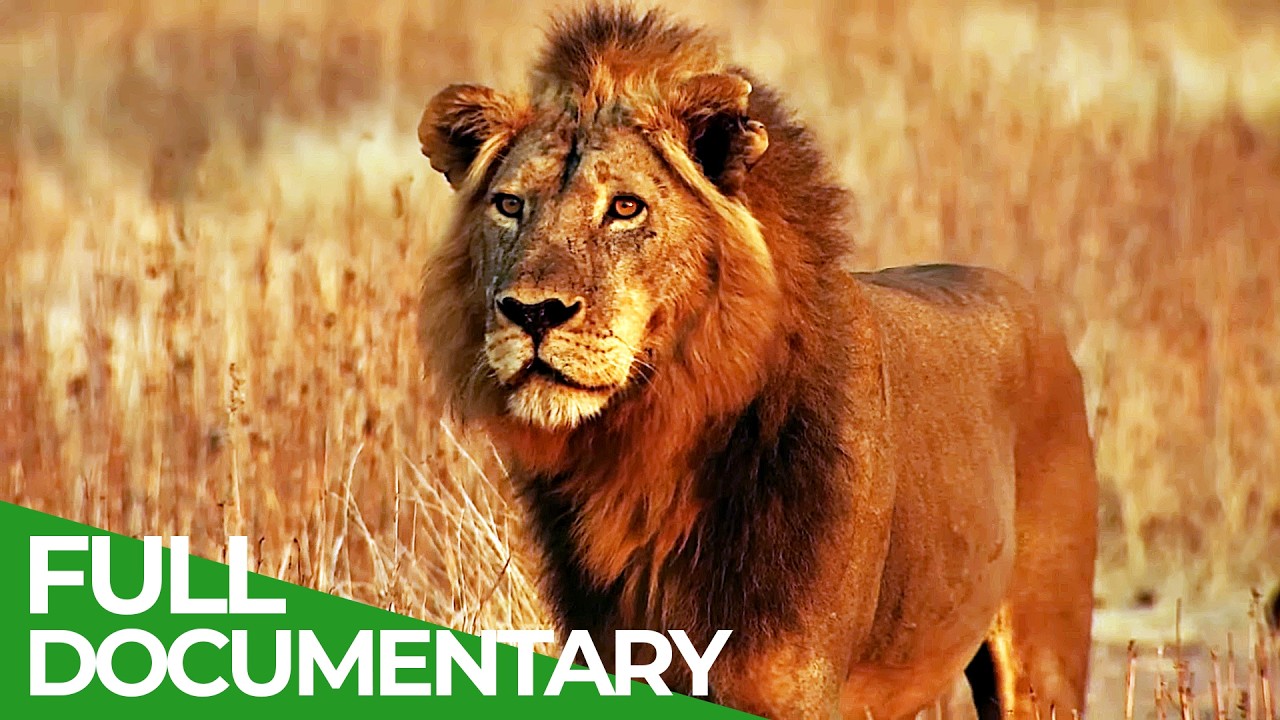
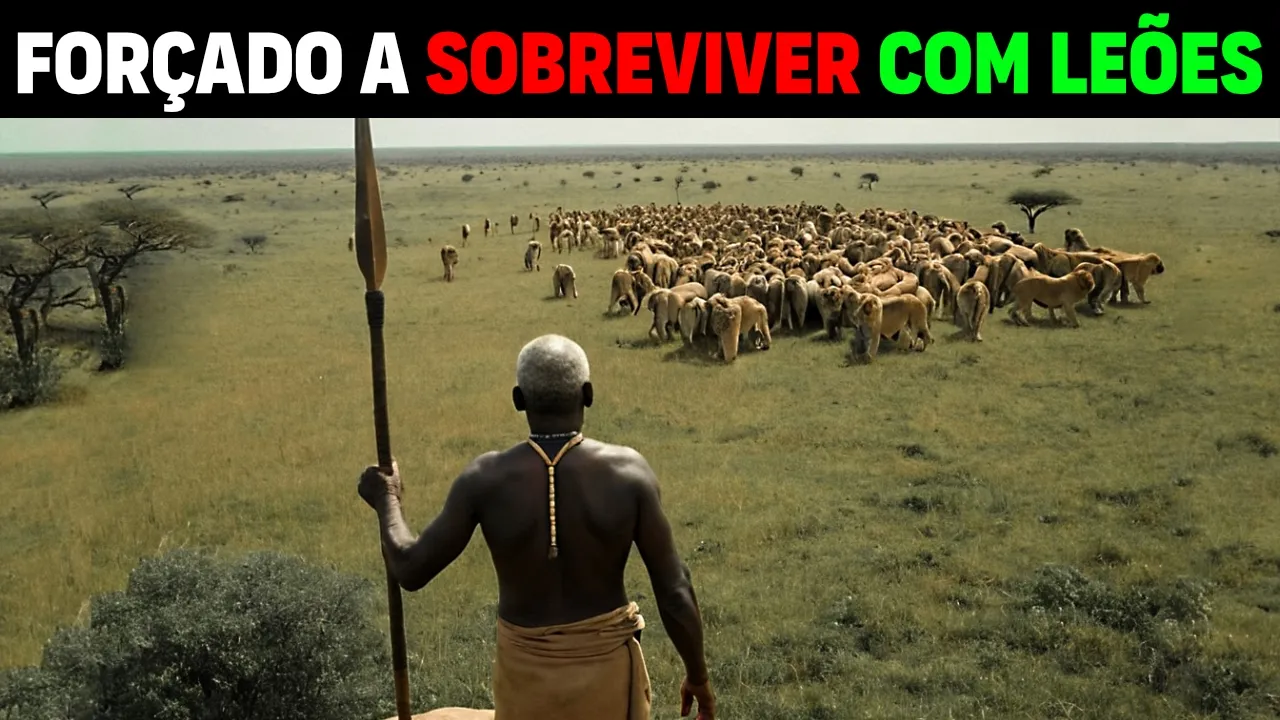
Would you live surrounded by lions? Tell me now, which is the worst situation: Living in an environment with wild lions accustomed to their natural prey, or living in an environment with lions that were fed until a certain age and then released to fend for themselves in the wild? Well.
. . we know that when a predator finds it difficult to hunt the animals that are naturally part of their menu, they tend to target comfortable situations.
. . In this case, humans would make a great dinner, wouldn't they?
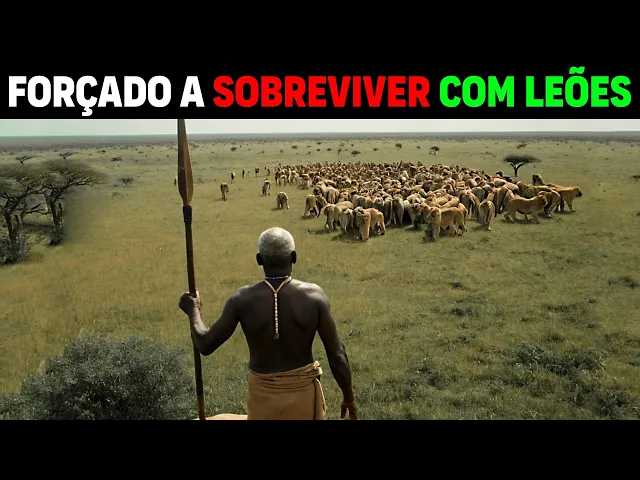
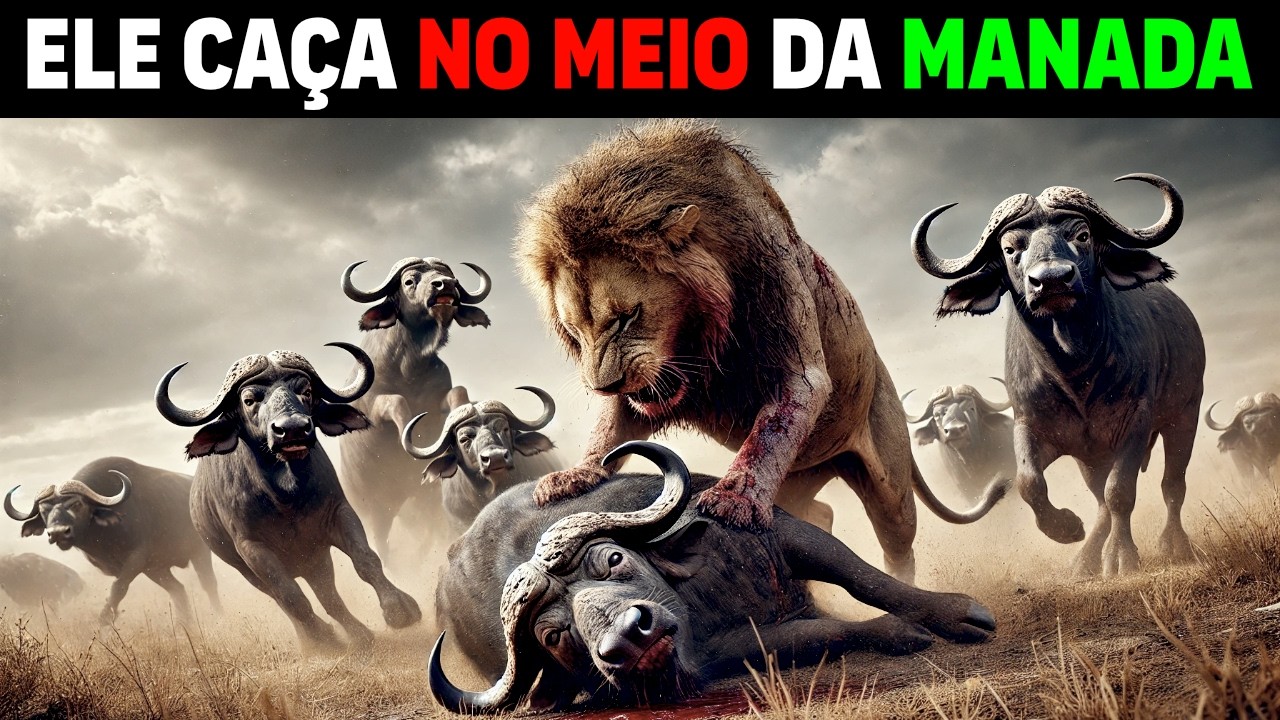
I really wish this was a fictional story, but unfortunately what is happening in Tanzania is real, serious and scary. Private breeding of lions en masse that after a while are released into game reserves. But the lions that escape the rifles do not know how to hunt their natural prey, and target the tribe that shares the same geographic space with them.
The question remains: Does human management of wild lands contribute to conservation or contribute to accelerated decline? Leave your like, subscribe and come and learn more about wild stories. Let's go to the video.
Selous Game Reserve - Tanzania, Africa. In southern Tanzania, where rivers meander through ancient forests and savannah stretches as far as the eye can see, lies the legendary Selous Game Reserve. With more than 50,000 square kilometers of protected land, and another part for legalized hunting of animals, mainly lions.
Legal hunting can be a good measure to contain species that can become real pests and damage the environment, such as wild pigs. Or even conserve majestic species like lions, for example. It may seem contradictory, but when there is serious control over the number of animals to be hunted and serious punishments for those caught disobeying the rules, conservation numbers tend to rise.
This does not mean that we support hunting, but the topic here is different. After all, a different type of legal lion hunting has occurred in Tanzania and appears to be harmful to animals and humans there. Breeding lions in captivity for release into private hunting areas is a controversial and dangerous approach.
After all, lions that are bred in captivity, when they fail to hunt naturally, target easier prey, the tribes' goats and even the tribe itself. Traditionally farmers and livestock herders, the Sukuma have shared the land with the big cats for centuries. His life is marked by an eternal cycle of coexistence and conflict.
For generations, the Sukuma hunted lions only when necessary to protect livestock. However, the scenario changed. Now, the Sukuma face lions to defend their lives.
The Day Yusufu Lost More than His Arms The morning seemed promising for Yusufu Shabani Difika, a father of two and respected member of the Sukuma community. As he did almost every day, he went to the edge of the forest near the Selous Reserve, where he cultivated a small plot of land. The birdsong mingled with the distant sound of the bells of the goats that grazed under his supervision.
But that morning, something was wrong. The animals were restless, moving nervously, as if they sensed an invisible presence. Yusufu barely had time to react.
A ferocious roar cut through the air, followed by a swift, lethal movement. A lion, larger than he had ever seen, leaped from the nearby bushes, heading straight for the goats. In a desperate attempt to protect his herd — and his family's livelihood — Yusufu ran towards the lion, wielding only a rusty machete.
What followed was a brutal confrontation. The lion, in a predator's impulse, diverted its attack towards Yusufu, grabbing him with its sharp claws. The man fought with all his might, but the feline was fast, fierce and relentless.
Yusufu's screams echoed across the savannah, alerting other members of the village, who came running towards him. When the group arrived, the lion had already disappeared into the forest, but the damage was done. Yusufu was seriously injured, with both arms so damaged that they had to be amputated to save his life.
That day Yusufu lost more than his arms, but also his ability to put bread on his family's table. The attack on Yusufu was not an isolated incident. In recent years, stories like his have become frighteningly common among the Sukuma who live on the edges of the Selous Reserve.
Lions, who previously targeted livestock as their main prey, now appeared to be turning to something easier: humans themselves. The village began to organize itself methodically, improving its hunting strategies. The use of a dance wielding spears and bows was developed as a strategy to confuse the lion before attacking and give time for the human counterattack.
Young Sukuma began to be trained to track the big cats, learning to identify signs of their presence, such as footprints and remains of prey. And guards are always posted around the tribe, searching everything with their watchful eye. On a hot, muggy day typical of the Tanzanian savannah, Mzee Kado, the Sukuma tribe's most experienced goat herder, rose early as he had done for decades.
In his late 70s, he was known for his wisdom and dedication to protecting the village's livestock. That morning, Mzee Kado decided to bring fresh water to the goats, who were confined in a makeshift enclosure on the outskirts of the village. During the day, it is considered the best time for humans to move around calmly, as this is the lions' rest time.
However, one of them decides to go against the rules of their species. The old man walked slowly, holding two buckets of water, when he reached the enclosure and carefully secured the door to ensure the animals were safe. But safety was an illusion.
From within the tall vegetation near the enclosure, a lone male lion lay in wait. When Mzee Kado turned his back to return to the village, the lion jumped out. The roar broke the morning silence, and the attack was swift and lethal.
Other tribesmen, who were standing guard a few meters away, heard the terrifying sound and ran towards the enclosure. Armed with spears and bows, they arrived in time to kill the lion, but not to save the life of Mzee Kado, who succumbed to his injuries. For the Sukuma, the attack was yet another warning that coexistence with these majestic predators has become an unequal struggle.
The balance that once allowed both humans and lions to share the same land has been eroded by mismanaged policies, controversial conservation practices and the growing impact of human presence in wild lands. A Call to Balance To obtain money to improve their defense weapons, lion skeletons have been sold by Sukumas who receive traders from the Far East who sell lion bone powder in a totally alternative culture that has not proven its effectiveness. Something that puts these cats even more at the target of slaughter.
The story of the Sukuma and the lions in the Selous savannah is more than a narrative of conflict between humans and animals. It is a reflection on the complex challenges we face in trying to protect wildlife while ensuring the survival of the communities that live in direct contact with it. On the other hand, the Sukuma, who for generations have been silent guardians of this land, now find themselves in a disadvantaged position.
Without adequate support to protect their communities and livestock, they are forced to take drastic measures that could further compromise wild lion populations. If you believe that it is possible to find a balance between conservation and human survival, comment below, respecting cultures and peoples. Leave your like and subscribe to the channel, it's free and helps us a lot.
Thank you very much for watching until the end. I went.