[Music] [Music] [Music] [Music] [Music] well good morning everybody and welcome to this crucial discussion here at the world economic Forum 2024 on transforming energy demand my name is Tanya Brier and I'm an anchor from CNBC and I'm thrilled to moderate this session this morning so you've seen some statistics there on the video by 2050 estimates indicate that the global economy will have doubled in size and will be serving a population of over 10 billion people in this context improving Energy Efficiency is critical to delivering an affordable secure and climate aligned future research in the recent
white paper transforming energy demand published by the world economic Forum shows that there are many tangible actions that all businesses can take today to act on energy demand so what can companies and governments do to enable economic growth through transforming energy demand just before we start I'd just like a few housekeeping points I'd like to remind you that this session is being live streamed around the world we have audience members from all over joining us online and of course for you in the room as well please remember to use the hash wef 24 when sharing
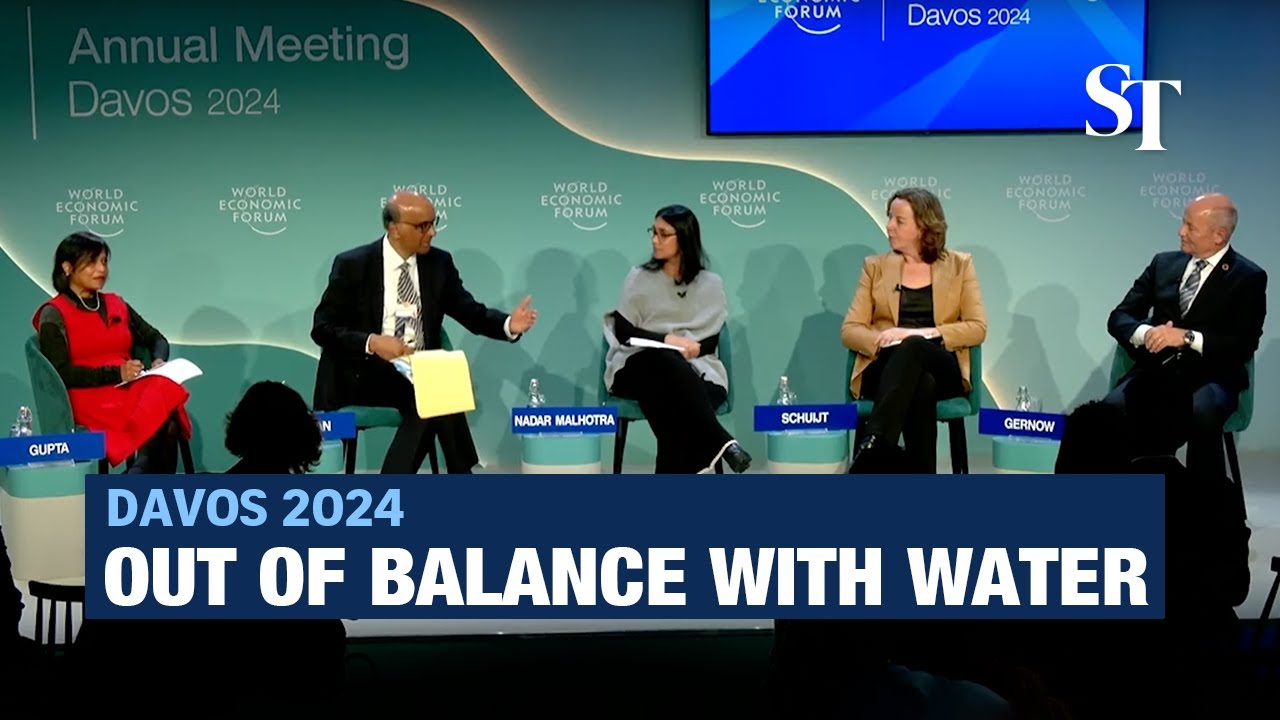
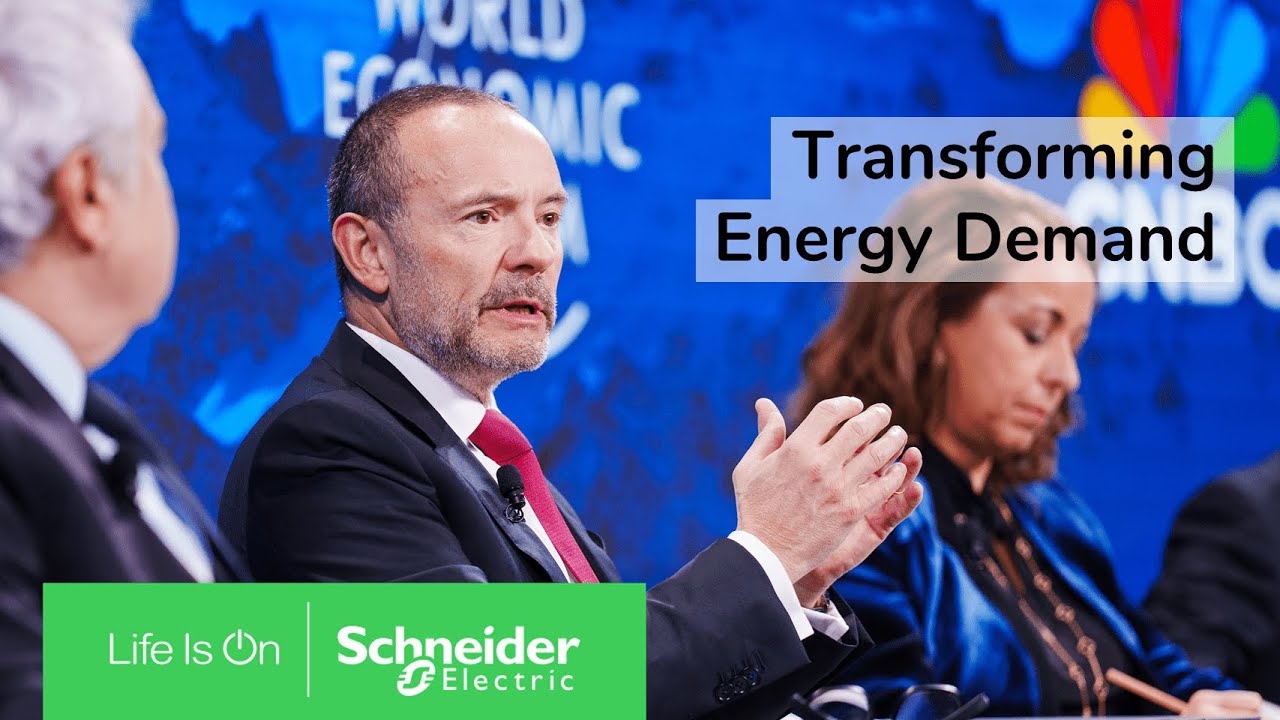
any updates on your social media channels and there will be time later on in this session for your questions it's now time to introduce my very distinguished panel please welcome right next to me here Dr fatty Burl executive director of the International Energy agency welcome fatty Peter herwick chief executive officer Schneider Electric welcome Peter Dr ilam cadri chief executive officer and chairman of the executive committee science Co Dr Annie Shaw Group chief executive officer and managing director Mahindra group and last but not least bringing up the rear Bobby Moritz Global chair PWC United Kingdom Bob
so Dr barl what can companies and governments do to enable economic growth we've just seen at cop 28 of course the pledge by over 120 countries to double the global average annual rate of Energy Efficiency improvements historically as we were talking before we've seen a focus on Supply but now it's crucial to talk about demand why so first of all this a great day the reason is in dasos in World economic Forum I think is the for the 14th year in a row that the Energy Efficiency takes such a prominent role the opening day we
have we have a session on Energy Efficiency it is really a dream uh for the people like me that there is a growing attention Energy Efficiency finally yeah so for us for many of us Energy Efficiency is very important because they are so strong drivers very simple first if we want to protect the consumers from high energy bill Energy Efficiency is a must you use you use less energy second it is good for your security energy security for the governments for the for the uh Nations to have more secure energy if you use less energy
you import less energy third for the industries for their competitiveness it's a key issue if a industry company wants to be competitive Vis A the others you have to reduce the cost of uh energy and Energy Efficiency is critical and fourth is uh the environmental footprint climate change for all these reasons normally you would think as the Americans would say it's a no-brainer but we have not seen enough policy attention and Energy Efficiency so as such today is a very good day now you mentioned the cop 28 you are right it is uh one of
the important outcomes of cop 28 and we have as International Energy agenc together working with cop 28 presidency we we made five conditions to consider that the cop 28 would be a successful one and one of them was doubling the rate of Energy Efficiency Improvement together with renewable tripling and the others so more than uh the 120 countries use it as in a separate document but at the end of the final document 200 countries signed off we are committing ourselves we are making this pledge to double the rate of energy efficienc this is great it's
a great news of course we have to see what we what come out so and the good another good news is when we look at the last two years after the when we have the global energy crisis after 24th of February 2021 in the last two years 75% of the countries around the world strengthen or put new Energy Efficiency standards this excellent news it is driven by I think the the governments got it at the end many governments that if if I want to secure my Energy System I have to use less energy plus High
Energy prices might have been another uh driver so what do we need to do now so first of all I am a big fan of Standards we have to have standards of the the equipment we use at home for industry the motors for the cars and others there should be standards first of all uh uh set and then monitored and implemented this is the first thing uh first second electrification of our H Energy System it is going well for the time being and I hope it will go better we are seeing in transportation sector there
is a very strong move uh we have a we have a colleague from uh the manufacturing in car manufacturing industry here uh 3 years ago one out of 25 cars sold in the world was electric car and now it is one out of five cars sold is electric it is going to grow very strongly so the heating at home it is going more and more uh the the the heat pumps leaving aside the fossil fuel heaters behind this and there are many other ways this is the second one standards electrification and the third one is
the most important one maybe Investments we need to Triple the investment in uh the Energy Efficiency uh measures which in most cases pay back in two or three years of uh time it's a very lucrative business but the governments need to uh uh give the incentives especially low and mid- inome uh groups to make the first investment to buy heat pump or to have electric car or or others so uh all in all I believe there is a new era starting uh for the acceleration of Energy Efficiency around the world we all understood it's a
good thing to do regardless of climate regardless of something else just for our pockets for our energy security and also remain competitive the the companies to finish with the companies the companies who do not H put enough EMP Energy Efficiency will be less competitive Vis A others this a real fact now how fast can these actions be implemented do you think Peter the ones that Pat's talking about well you know I think the time is now to do it and technology today is available uh to take out 70% of the CO2 emissions with today's technology
let's put this a little bit into a perspective 80% of the carbon generation is related to energy 30% in buildings 30% in infrastructure and Industry industry and 30% in transportation and then a little bit of the rest now if we look at buildings for example since it's a third of of the block to put it into perspective you said earlier until 2050 we have 10 billion people um on the planet that's two billion more than we have today plus there are a billion people that don't have access to energy today we want to bring them
also into into the fold of having access to energy because it's the passport to a good life so 3 billion people that need to put will be put into energy at that point in time and that also need housing just to give you an idea we need to build until 2050 what China has built and what Europe has built just to house these people now all the infrastructure in buildings that are there in Europe they're going to be there in 2050 we're not going to rip everything down and build it new so we need to
renew knew what's there and we need to do it at speed now the payback period and you know many of us are are business people so we're worry about the payback period the payback period of renewing your your building or your facility can be two to three years and I want to go all the way down to an example so people can see that it's actually working we've been working with um um a Japanese company in the pharmaceutical space Takeda and their facilities in in sing Singapore we've um we've put systems in to understand how
the energy is used we help them to reduce it to be more efficient then of course we added also together some solar rooftop to it put a little bit of What's called the micro grid into the building so they can manage their uh energy today they're net negative they're actually Furnishing 15% of the energy into the grid renewable energy into the grid of course you can say well they have uh they have the luxury of having a big rooftop and a lot of solar yeah that's one solution but we can talk also about the 600y
old hotel that we've done in France with with clients and the payback period again two to three years so the action is now we need to have governments understand and also you know if there if there is a good policy to to to subsidize Let's uh let's do it well when you're discussing the transforming energy demand Dr cadri with policy makers what area do you want help from um so talking about this energy I think I want to come back to what was said before talking about the policy makers there are three pillars which are
really good in the report is save energy don't waste it's Nob brainer to take the American saying second is Energy Efficiency and three is value chain partnership we cannot do it alone and I represent here the chemical industry right so I do whatever Peter says so on our sit around the world that put solar where our site is blessed with with solar Etc and indeed there is efficiency but in the heart to Abate we have a bigger problem right in how to carbon decarbonize our industry so um we are doing all of this we're working
on process efficiency right um I think the energy crisis in Europe was a wake up call and we didn't waste this good crisis we start living with less gas in Europe with we we started reimagining our energy input first right going to biomass looking at other ways of producing steam um the excess of energy like you said Peter we as an industrial leader and player and we're not an energy maker we are selling energy into the grid and into the communities the excess energy and this is great while improving the efficiency of our steam operations
up to 5% reduction in every site just steam so those are great things and digitalization II is making the invisible visible in an old industry like the chemical industry which is great and that's what we like as Leaders is to see the hidden part of the iceberg to cut the waste and if we reuse those byproducts Etc is not a waste anymore so what I tell to the policy makers we need energy affordable at scale um because I'm not an energy maker when I'm ready to decarbonize my site I need it available 247 365 days
a year at the right price in Europe and we are here in Europe is too expensive still and we know it's not competitive as compared to other regions in the world I tell them to rethink regulation okay I love regulation it needs to be harmonized simplified specifically in the EU we need Unity not uniformity always but we need unity and it's still still too long uh to get a permit it's permitting is insane two to three years to get just a permit Etc so we need that second we need the reinforce reinforcement of Ip and
protection specifically for the good guys who are doing the right thing we need regulatory recognition where is it from the regulatory point of you but also link the dots with the investment Community to promote the people who are doing the right thing and the last one it's scale up Innovation I think Peter said it very well Innovations are there We Are Scientists we are bringing those Innovations and but we don't need anecdotes we need to sit on critical mass mainstream and and that's why we need regulatory environments you know friendly to business to help us
to scale them up to be able to go faster in our decarbonation efforts and therefore to make it cheaper and more affordable for many other players and value chain is important small and medium-sized companies are today suffering from those green revolutions which are not easy for them to embark on so cheaper and making it more affordable are key issues Dr sha what initial Financial sacrifices to companies would have to make to implement these energy demand saving actions I think it's a myth that you need financial sacrifices for this and let me start with a dream
what if the world requires less than half the amount of energy it needs today to operate in exactly the same manner that it operates today this is possible I represent the Mahindra group we operate in 20 industries from Automotive Farm to real estate solar hospitality and so on but let me talk talk about two of our industries that are the most users of energy Auto and farm equipment or tractors we began a journey in 2008 and we've been measuring the amount of energy required to produce One Automobile or an equivalent unit of automobile which is
how many Autos can be produced in a thousand minutes um and similarly the amount amount of energy required for one unit of tractors we have a 95% energy productivity in this time period in Auto and 87% in farm what that means is we have effectively reduced energy usage almost by half so this is possible the question is how and I'd say there are four key areas that we focused on one is the simplest one which is energy efficient equipment uh that's a no-brainer that that requires some investment has the second is process changes and technology
today affords a number of different process changes from the simplest things of if if you don't need a machine it turns off automatically uh to heat transfers to a number of other areas the third is supply chain collaboration example here is a certain type of paint allows us to use less energy in the paint process and fourth is a product and design of products and here I'll take an example on buildings uh we've just launched uh two residential complexes which are Net Zero and that's based on the design of the buildings on how they position
how they use a sunlight on putting uh both wind and solar in the buildings taking energy Off the Grid a number of other initiatives where these are Net Zero residential communities that we've set up so these are the various actions that can be put together and what we've seen is that through multiple projects the payback period is typically 12 to 18 18 months so there are no Financial sacrifices in doing that uh there is no Silver Bullet though I will not sit here and say that here are three things you can do and this happens
overnight uh our team has literally done 3,600 projects in the last 16 years uh we are at a run rate of 300 projects a year and each project has obviously a small impact but collectively when you put them together you see the impact that's far greater and the question then is how do we scale and this is where I I would give a lot of credit to the world economic Forum in terms of what it's done over the years uh the first M Coalition discussions like this where we can exchange ideas um one of the
initiatives we have is partnering with Johnson Controls now which has uh a lot of technology for buildings again and taking that to everyone in India to say here's technology that you can use uh without being commercial on it and just sharing that best practice uh in terms of what we've learned so this is again the power of discussions we have in terms of how do we translate that to action on the ground Bob how do we translate that to action on the ground how do you align the public and private sector so the good news
are going last and the bad news are going last is you may run out of time but you can actually pick up a couple of points along the way and pivot and I do want to bring a couple of examples to life what my fellow speakers have talked about so great news that we're having this conversation to raise the awareness but let's go a little deeper on awareness in our own PWC coo survey that we launched last night when talk about the issue of climate and Emissions 75% of 4,000 CEOs around the world saying they're
actually taking action in the Energy Efficiency space and the reality is if we are taking those actions as you just said we wouldn't be having these conversations that we took the right actions at scale and that's the real challenge right now number two just to reinforce if you read the we study and credit to the we for pulling this together what we wanted to do is get a Awareness on the singularity of the issue and if you go back to some of the major messages coming out of the cop meeting we had let's make sure
we reduce Admissions and think through what I'll call the carbon intensive phase out in terms of what you need to do for energy you needed to increase Renewables and you needed to deal with the efficiency point on energy and we're trying to singularly get some more focus on that last point of the three because the other two have gotten a lot of time and attention recently now again let's take that back to a business perspective for a moment in most of the organizations that might be in the room here today you probably have a centralized
point of view of where to connect with and ultimately contract to get the supply of energy you have a decentralized view of how to think about the use and consumption of energy and that's the major Point here so when we talk about awareness we're looking to do two things create the focal point to say we got to focus on consumption now and second awareness of the many different choices of on the menu of which you can pick many of them small little ones that'll move the ball forward and we're looking for incremental savings at scale
so as you go back to what the we has done with the IBC and Peter talked about it previously it's what can we do now to a create the awareness B can we share more best practices and give people more of a menu of choices to make some decisions on and these decisions go in the area of savings which is quick easy a decision just needs to be made it's an operating expenditure there's other decisions that are more around efficiency that may be capex and you do have to make some Investments but as Peter said
the ROI is almost immediate and third is how do we actually get the Partnerships together and this goes now to the partnership point we need Partnerships across the sectors and the commercial side because if we come together to sh share best practice and maybe take action you actually get an amplifying effect in fact we think that's the biggest amplifying effect when you look at you you can do on the savings side versus the efficiency side and the second piece of that partnership is with governments and the next phase of work has to be how can
we work with governments to say what are the right policy changes to be made to accelerate the curve we've been talking about some of the policy changes on increasing Renewables yeah now what do we do to actually have the right dog L on policy changes to enhance the efficiency points and that's the next phase here that we got to create awareness for and get some of the G7 and G20 countries really focused on those points how do you get that collaboration how do you encourage the public private sector governments to go in the same direction
look the reality is you've got a um a a force for Change and a Force for good that rests in your business Community because there's a commercial rationale behind this yeah it makes it makes economic sense to do it you know this is what what Bob said and one of the points we haven't touched on is the uh creating visibility so digitize across your across your facilities you've done it in Mahindra you know we've worked with other clients for example to uh to only understand in all the campuses all the buildings all the factories all
you know data centers whatever you have create visibility at the top floor how much energy am I using what type of energy am I using how much CO2 am I generating and then task somebody to go deep and get it done the more important thing though if I can just to pick up on Peter's point at the cop meeting we hosted a session a small group much smaller than this where you had a couple of policy makers and a number of business people in the room and many of them said we're on this and we're
not just let's be honest we're not at the level of scale and urgency that's needed and for that matter for the level of opportunity that exists in the corporates because pet Point there's bottomline potential here as well why did they feel they want it though Bob because I don't I'm not aware of all the different choices I have I'm aware of what I know and what I'm actioning today there's lots of other things as Peter and Dr sh said that we can actually be doing more of so if we get that competitive uh sharing together
sharing across the business community and sharing across governments there's more awareness at a granular level and now I know what i is the world of possibilities I can now start to take those actions so should I say you something yes of course now I I believe the Energy Efficiency I everybody when you go to a meeting energy meeting I don't see anybody who would disagree that Energy Efficiency is a good thing everybody says good thing but it is not moving very fast what is the reason first of all I don't think that the Energy Efficiency
will improve by saying the people let's improve the Energy Efficiency in the television making the advertisements on in the schools it can help a bit but it is not the main story and the companies wouldn't take the Energy Efficiency measures make the Investments only to or the mainly I should say to make a a public service they would only do most of them at least if they have a commercial interest on that to be very Frank on that so I with all respect to my colleagues here so therefore there should be some uh mechanisms to
make sure that the company is if they put the Energy Efficiency measures in place they will have a Competitive Edge Vis A others this is number one number two also for the the consumers the households and the others they wouldn't save energy just for the sake of uh saving energy there should be I may be seem too of a government point of view but there should be standards without standards and Norms this would not work I give you one example today the biggest challenge we are facing in the world in terms of the climate change
the most of the emissions come from the power generation okay and when you look at the Asia you know what is the number one by far number one driver of power demand it is by far it is air conditioners and they will grow very strongly very strongly air conditioners and when you look at the Asian countries developing Asian countries the amount of energy you need you need for an air conditioner to provide the same Comfort compared to Japan you need three times more electricity because they are inefficient if they hit the standards like Japan the
Asian developing countries for example they would need less electricity and we would need to build less power plants and therefore there will be less problem of climate change and others and also we keep the money in the pocket so therefore two things there should be a commercial interest and the second there should be standards put set by the governments and they should be reinforced and implemented PTY what if the governments change and what if you have governments let's say that the change that are not supportive of these kind of policies yes I think we have
to make the governments understand that a if they do that it is good for their budget okay they they will save money good for their the security the energy Security National Security and uh good for their carbon footprint some governments don't get it some governments get it but the Energy Efficiency is a complicated business you have to coordinate it among the different Ministries it is not only energy Ministry energy Ministry finance ministry the the indust Ministry you have to have a coordination and you have to get the coordination done it is the reason why we
are working many governments around the world we brought about 60 governments last year in in Paris in Versa to give them the guidance there and it is a reason many governments are picking up and putting new standards and norms and they are following it because they understood that this not for the sake of the world for dreams and ethopia and everything it is for real life it better for their budget it will be better for the energy security and better for the carbon footprint so this is the this is the issue and I see that
the the change in the last two years as I mentioned 75% of the countries put new Energy Efficiency standards or strengthen them is a result of two things we and the others pushing it very strongly and the second High Energy prices because there is a a driver there too yeah of course don't care I think there is a big elephant in the room called competitiveness um and with all of this I think we are we have great examples industrial examples we are ready as uh innovators right to provide solutions to um decarbonization uh but competitiveness
is important and when you have energy prices which are four times higher in Europe than in other places in the world there are many people in the industry value chain chemical industry value chain are represents here who are suffering and when we say Energy savings let's put it right we will not be winning by decreasing the carbon Footprints and saving energy by decreasing the industrial output this is called industrial suicide we need to do more with less when we when we will continue industrially producing right creating jobs creating environment which is is business friendly so
I think that's the big for me big question therefore we need to create also demand for those new Innovations right and the demands come science Co is a leading actor in batteries but without charging station in of charging stations the end user you are not going to buy a EV or hybrid car right so we need those charging stations we need an infrastructure to promote our clean Mobility Solutions right and accelerate them to cannibalize our own business and allow the word to turn more Greener but with affordability in mind so I think that's for me
important keep competitiveness in mind all the regions in the world are not equal Europe is not a fossil fuel region right and it will never be and in our of of course we are cleaning our home looking at electrifying our processes as much as we can moving from coal to gas by the way which is good and whenever we can move to biomass we do it as well but we need here policy makers and authorities to support us with the ecosystem to make it Plug and Play Because the hard to Abate the heavy industry this
is where we can have the highest impact Dr sha can I ask you about emerging markets and developing economies facing the largest increases in energy demand can these economies follow the same p Cas of change as developed countries do you think I think the developing countries can actually create a better set of outcomes and India is leading that today uh even if you look at renewable energy uh India is putting in 500 gwatt of renewable energy by 2030 uh the beauty there is that the cost of solar energy in India is far lower than traditional
energy and uh We've run a solar business and we're moving all our plants now with captive solar energy we can set up a captive plant in one part of the country and have it transmit over the grid wherever you want and uh it's a 30 to 40% saving in energy so it's a no-brainer coming back to what you said earlier uh for companies to come in and and do that so I think emerging countries are going to in some ways show the way and rewrite the rules in terms of how energy can be used if
we go back to the earlier discussion this is not in my view about regulatory I do agree that standards will help and especially air conditions is a great example but this is a very different problem than what we see in the rest of energy issues the reason for that is one everyone agrees that we'd love to spend less energy to produce the same set of things there is no debate on that that that's makes us more competitive that's commercial for us Etc the question is how and here I go back to my earlier point which
is there is no easy answer so it's not for CEOs to come in and say I'm going to focus on this one project make this project work and that's my solution it's about getting the entire organization committed to it because that's where the results are going to come and unless that culture change is driven across the organization I go back to what Bob was saying about best practice sharing and show them here are things that you can do that's where the difficulty comes in right there isn't something I can show in the next 3 months
said I've got an answer on this I solve this problem right it's a long-term problem we have to solve just something you you made in India a very good thing LED lighting that's right this is a huge program LED lighting and we are taking is a best practice and we went to Indonesia because in the Energy Efficiency it is uh unlike the other parts of the energy sector it is much easier to share the best practices because they are not very different from from each other it is it can be lighting it can be the
the air conditions it can be the cars uh the standards for the cars and others so therefore the what India has done and LED lighting is an excellent example to be shared as a best practice with the rest of the world and it's is not only it doesn't need to come only from the developed countries to developing countries it can go from a developing countries to another developing countries if a successful one in my view it's a very successful one the LED lighting you have achieved there exactly right and I would just add to it
which is as you talked about what can governments do the government in India is proactively pushing climate change in a very big way right I represent fiki which is one of India's oldest and largest um industry associations and in discussions with the government they're actually pushing industry to actually do a lot more a lot faster Peter you want I wanted to come back to the white paper that we've done together with the we because we've deliberately picked quite a few examples and I think it's about these examples it's a very complex environment whether it you
know air conditioning in building building management system you know efficient pumps that ought to be used in uh in buildings and so forth in manufacturing in environment is again different whether you have heart to bait and you don't have enough electricity to substitute um steam process with electricity when you when you go into light manufacturing it's a it's a different story you go into a data center these are to a large extent carbon neutral today and there is some work to be done even even more so we pick these examples in the white paper and
I invite everybody um who who has the power to make change to read some of those and we will come out with um with you know Lighthouse examples so we we can share and it's not about who has done what but what's possible practical examples and now I'd like to open up questions yes sir and if I can ask you to keep your question short and keep it as a question not a commentary and introduce yourself as well thank you so much sir you're first he thank you indeed uh I'm k m minister of energy
and environment Finland which is a small but energy incentive country and uh we had last year actually already 94% uh fossil free electricity and we've decreased emissions by almost 90% since uh 2010 the problem is uh seasonality we had last year 467 hours of negative electricity price so more than 19 days in a row if you put it but on the other hand two weeks ago we had a day where we were having two Eur per Kow hour for almost whole day and uh my question for you is that how you see this balancing balancing
challenge that this it is the result or the answer more from the demand side that do we see potential for for example buildings or electric vehicles taking the largest part of the uh demand response and and and balancing uh challenge or does this mean that we actually need clean base load as nuclear we need flexible uh weather independent energy not only wind and solar because this is what we are now considering heavily and of course we try to solve with all these angles but you can now give your wise advice thank you so much Dr
B I know you want to answer so what you can uh do is in Finland or the countries like that there are three areas one uh demand start response and this is more the U making sure that in the difficult times the efficiency measures come in place this can be as a result of again standard Norms or a different type of pricing of uh electricity and the second one is in addition to the uh to the Renewables it is important to have uh the the Hydro power or nuclear power uh in the mix and I
believe with the increasing share of uh uh Renewables and in the countries where there's a is the issue nuclear power can play important role and this is the reason why we are seeing around the world nuclear power is making a strong comeback absolutely the um of course I think the investment needs to go largely all into the into the grid to to understand who are the the main consumers and then as you walk down in in the grid you you come to be at campuses or you come to um you large Industrials or you come
to to users that can actually fluctuate the um uh the energy that they that they need good example are for example also data centers that do um AI modeling because they don't need exactly the same power over time they can go up and down but those that requires contracts between uh the generation unit and and the user and the demand response can be fully digitized so it you know you have one of the most complex problems at the at the end of the day but you it's good that we have countries that are so far
in the renewable space now um how much can we shape off the Peaks and fill the troughs that's the next challenge to have and I think digitization of the grid into the micro grid into the big users will help to to do it one point that we can't forget is today we are so focused on energy consumption the dialogues that we're having on what I'll call the traditional energy sources we have to be equally as focused on reduction and efficiency and savings of the renewable energy sources to avoid again a repeat of the same problem
because right now we still don't have enough Supply around the world on the renewable side to deal with this issue so we actually have to be smart on both and I don't want to have us Focus just on one side or the other it's a broader energy efficient point that we should be talking about let's just take another question we have time for one more we have another question from our audience audience yes thank you if you could introduce yourself thank you Idris Kell from Turkey ER em energy groups uh CEO me the renewable Investments
certainly are capex intensive front-loaded Investments that required significant financing and the financing certainly during last few years has been both expensive and inaccessible to many countries to have the INF infrastructure to make them more efficient is one thing that requires sometimes little or no money and several hundreds of projects to make it more efficient it looks good for the leaders but to actually undertake an investment of you know the billions of dollars the you need the counterparties that actually we that are going to take the risk of the country that you are going to build
the Renewables or the nuclear so forth then for turkey it has been really challenging in the during last four five years but at the end as Mr Bol commonly says that we live in the same environment like to solve one country's environmental issue and to make it better does not help so long as you don't actually distribute the same way to entire Globe so how can the Emerging Market countries have access to finance at a reasonable cost because it's good for everyone and uh who can actually undertake this and ml are one of them that
I know but I think it's not uh at the end is not enough and uh given the cost of financing for the banks it's it's not lucrative enough how can we solve the issue for the emerging countries to to do the especially the renewable Investments thank you for your question Dr sha so let me share our story in Renewables uh 3 years ago we were looking at a Renewables business with a dilemma should we expand or should we sell the business and the reason for that is to meet the goals for India we needed somewhere
between 5 to1 billion of long-term capital if we were to stay in the Renewables business and what helped was first a set of regulations that enable projects to work efficiently over 25 years second was Market mechanisms to create an investment structure uh an invit that allowed us to attract capital from sources around the world we just listed that invit yesterday and uh we have all the capital that we need and more we had to tell a a lot of investors sorry we don't need more Capital anymore uh so capital is there if you've got the
right Market mechanisms around it if the projects work if you can show the returns over time and you have the regulatory framework to make it happen capital is there man just say one yes sir so I think the cop 28 we started with cop 28 there were many many good uh outcomes such as the tripping of the renewable efficiency doubling of tripping of the Renewables doubling of energy efficiency mean reduction moving away from fossil fusees but one thing I wish it came out it didn't come strongly maybe it is for Baku now in aaban we
will have it namely how we are going to finance the clean energy investment in emerging and developing countries this is the key issue many countries work for cop 28 many colleagues are here I see the Norwegian Minister who is one of the architects of it so there very good results but this is the main thing left and it is the when we look at the last five years clean energy investment increased from 1 trillion to $1.8 trillion big increase whereas the fossil fuel Investments remain the same but the problem is all of this increase came
from the advanced economies and China what about the rest so we need everybody to be on board so therefore it will be great if we the next uh cop cop 20 night in buaku can have a look at this missing bit and which mean for me the fault line of our fight against climate change and how we are going to support the emerging and developing countries for clean energy Investments Dr B thank you so much unfortunately we've run out of time I'd just like a very brief closing remark from each of you with everything going
on in our world with all the geopolitical crisis economic headwinds how do we keep this topic as a priority what is your message Bob I'll start with you it's a fairly simple one read the report 30% savings on the energy usage $2 trillion of savings from an economic commercial perspective and that gets to your competitive Point thank you Dr sha I think there's a very strong commercial argument to save energy it's just about how we do it and this is where working together as a group to share best practices is going to enable us to
get there Dr kry Innovation is there Ingenuity is there uh we can do it we cannot do it alone so let's do it together Peter time is now it makes economic sense to do it Solutions are available I Echo Bob read the report so oh I wouldn't say read the report because there are soorts what I would say is that let's trust the people in terms of saving the energy but not so much uh let's make the standards and the regulations ready so that uh we move in the right direction thank you so much thank
you to everyone for joining us today thank you