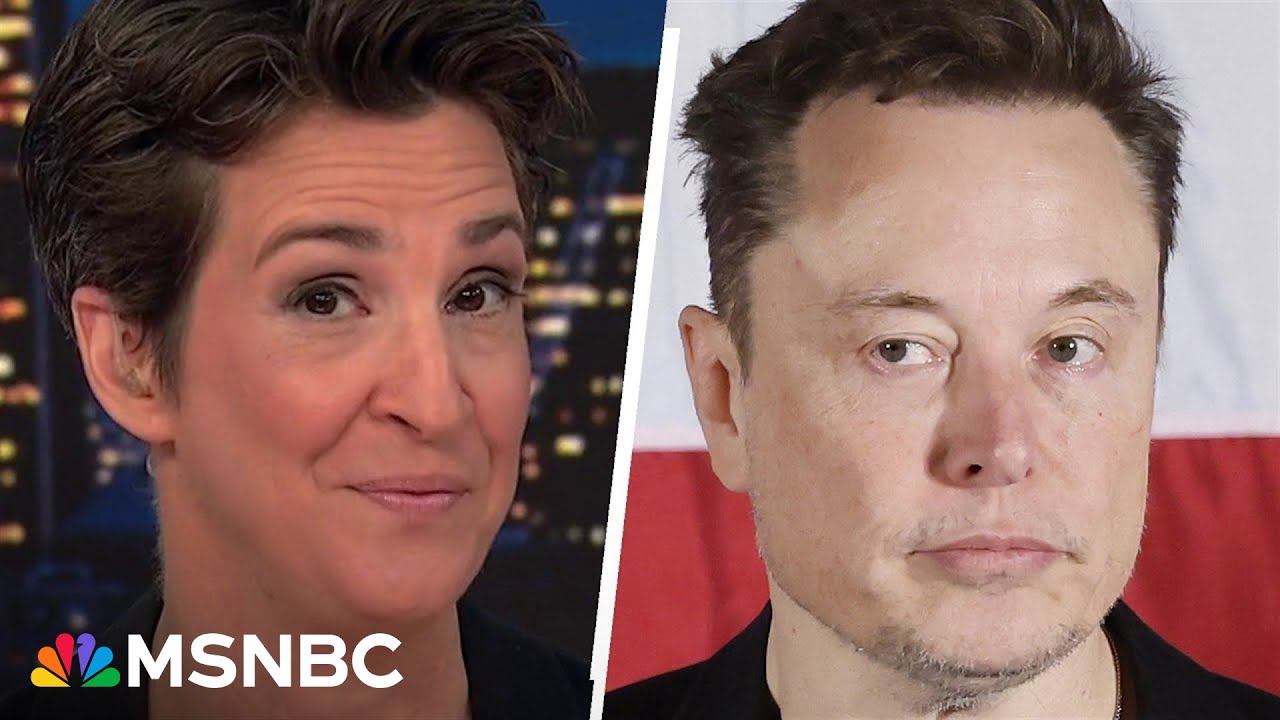
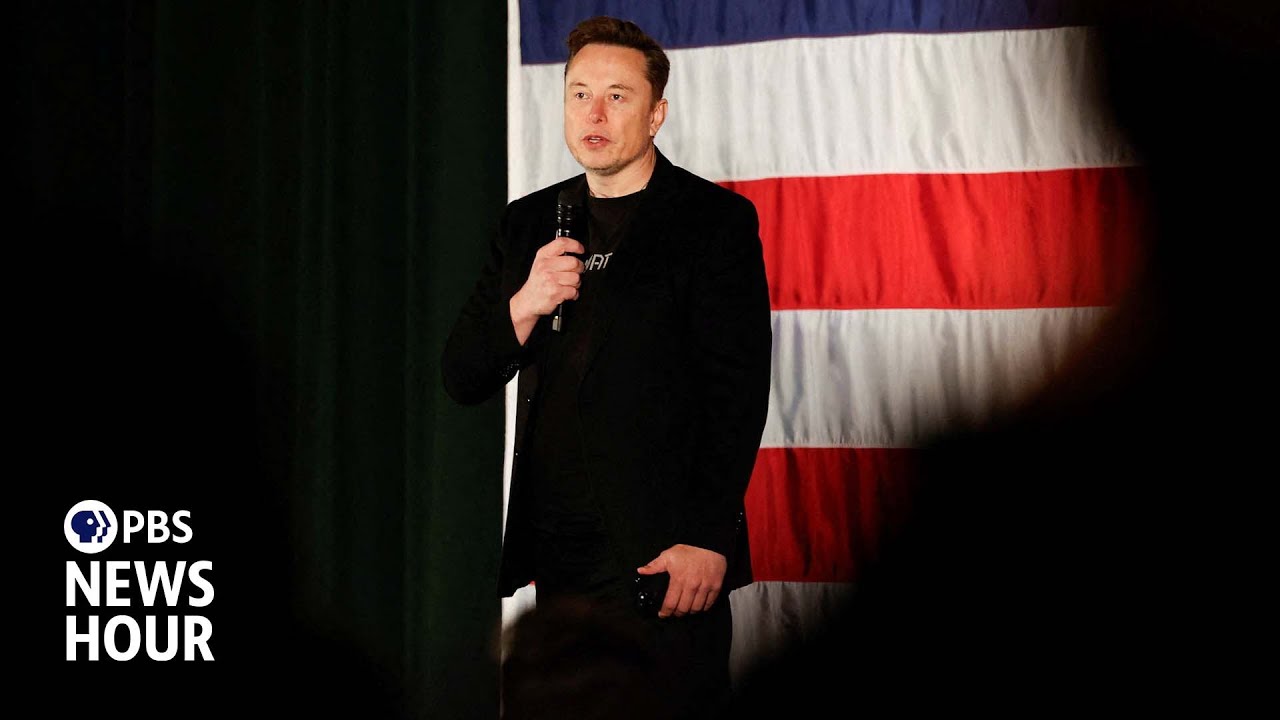
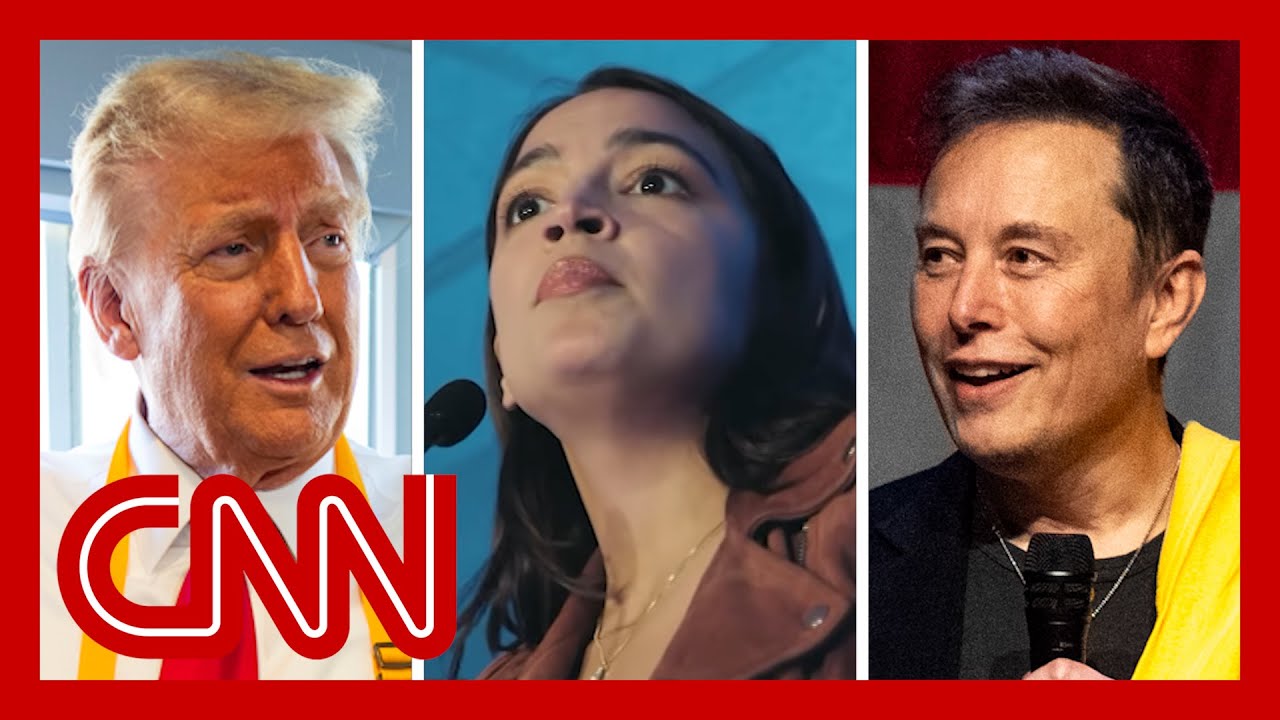
New questions about whether billionaire Trump ally Elon Musk has crossed the legal line by offering a daily million dollar cash giveaway to some voters. Our Brian Todd is taking a closer look for us Brian. Musk is taking a staunch support of Trump to another new level.
He really is, Wolf. Some critics are calling this a stunt. Others are questioning its legality.
But Elon Musk is defending the giveaway, saying he's only trying to recruit voters who are devoted to the Constitution. But sure. Thanks.
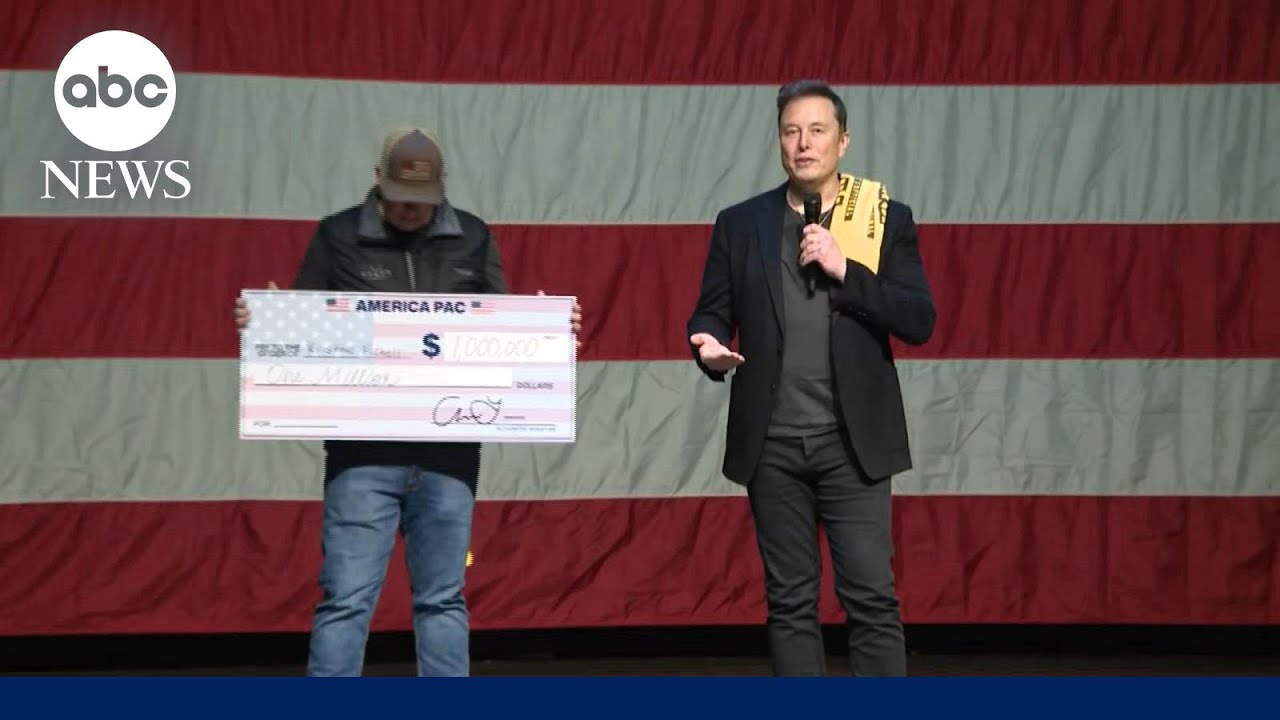
New concerns being raised tonight over how the world's richest person is throwing his money around on behalf of Donald Trump. The next thing we'd like to do is to announce today's winner of the million dollar prize. Elon Musk has announced that he'll be giving away $1,000,000 a day randomly to registered voters, but it's only in seven battleground states and only if they sign a petition from Musk's super PAC saying they support the First Amendment right to free speech and the Second Amendment right to bear arms.
And all you have to do is sign a petition in support of the Constitution. If you already believe in the Constitution, you're just signing something you already believe and you can win $1,000,000. That's awesome, but not so awesome to some election law experts and to the Democratic governor of Pennsylvania, one of those battleground states.
I think it's something that law enforcement can take a look at, but it does raise some serious questions. Why might it be illegal for Musk to pay people to register and sign that petition? A vote buying in this country has been a problem in our long history.
It is criminal to offer payment or accept payment to anything of value in exchange for registering or voting. It's also been applied to when Ben and Jerry's wanted to offer free ice cream cones. If you showed up with your I Voted sticker.
Musk has already given million dollar checks to at least two people in Pennsylvania, where he's been stumping for Trump. So, by the way, John had no no idea. So anyway, you're welcome.
And on ABC's The View. Kamala Harris, his running mate Tim Walz, slammed Musk's giveaway as a sign of desperation from their opponents. Well, I think that's what you do when you have no plan for the public, when you have no economic plan that's going to benefit the middle class.
Musk has already given more than $75 million to his own pro-Trump super PAC. Donald Trump has to be has to win this election. It really does.
Analysts say the Justice Department could pursue charges against the billionaire for this million dollar giveaway. But you're putting the department of Justice injecting itself into a hotly contested, disputed case of interpretation of a criminal law. Just weeks ahead of the election, which is, I don't think, where the Department of Justice wants to find itself.
Musk's side is saying the giveaway is legal, a job opportunity because the winners have appeared in promotional videos and will serve as spokespeople. It certainly doesn't make it all better. There are laws around what constitutes work for hire, whether you're being paid fair market value for those kinds of things.
Now, if this giveaway is pursued further legally, would the recipients eventually have to give the money back? Analysts say that's not clear. One expert says there are rules saying that money that's been wrongfully taken does have to be given back.
But he also says this situation with Elon Musk is uncharted territory Wolf. Brian Todd reporting for us. Brian, thank you very much.
Let's get some analysis right now from our CNN senior legal analyst, Ali Hoenig. Ali, what do you think? Could this be a violation of federal election law?
Well, it's definitely close to the line, Wolf. And in my view, it's probably over the line. Here's why.
It is a federal crime to pay somebody to vote or register. But there's a wrinkle here which is that there's a contingency built in. What Musk is saying is essentially, if you are registered, then you might win this prize.
However, if we look at the justice manual, which is DOJ's internal guidance to prosecutors, it says that where there is a lottery, where there is some contingency involved, that probably still qualifies under the law. Now, that's based on one case from a federal court of appeals back in 1983. So it's not entirely clear, Wolf.
It's a thorny issue for sure. Let me read to you and our viewers what the federal law on this specific issue states. And I'm not reading from the law, whoever knowingly or willfully pays or offers to pay or accepts payment, either for registration to vote or for voting shall be fined not more than $10,000 or imprisoned, not more than five years or both.
So what does that say to you about what Musk is doing? Well, Wolf, this is yet another one of these wild hypotheticals that has come to life. We've never seen a situation exactly like this.
And so DOJ is going to have a very difficult decision to make. But I do want to stress this. Nobody should expect to see an indictment drop or any specific action out of DOJ in the next 15 days between now and the election, because DOJ has a policy saying we try to avoid bringing charges or bringing investigative steps too close to an election that could influence voters.
Frankly, I don't think they'd know either way whether this might motivate Harris voters or Trump voters. So I think for that reason, we shouldn't expect anything soon. But DOJ is going to have to go back to its experts and come up with a solution to a question that's never quite been asked before.
You think a musk could face other legal challenges? So keep an eye on this. Even if there's no criminal prosecution, it could be that somebody brings a civil lawsuit, could be a campaign, could be a political committee, it could be an individual goes to a judge and says, I would like an injunction order Elon Musk to stop doing this.
But to do that, Wolf, first of all, the person has to have standing, meaning they have to be able to show they were legally injured in some way. And second of all, the person who brings this type of lawsuit would have to show that they have some basis in the law for a remedy, that there's what we call a cause of action, that there's a law that says you can sue for this type of violation. The criminal law does not count there.
So it could be that we see somebody sue here in the next few days. But again, we're in uncharted territory. Ali Hoenig, thanks very much for the analysis.