hey friends welcome back to productivity club the ongoing series where we discuss methods strategies tools that help us do more of the things that matter to us in a way that's fun and that's sustainable now the problem that i've always had with time management over the last several years and that a lot of you guys seem to have as well is just overwhelm in terms of there is an endless list of things that i want to do but then when i actually get down to doing them i end up doing very few of them or
i end up taking too much on and then i end up feeling like i don't really have the time for it but what i've realized recently is that it's not really about time management because all of us kind of do have the time to do stuff at least for me it's not really that i don't have the time because i could make the time it's that i don't have the energy one solution to this problem is to find ways to make the things that you're doing more energizing and in a way this is the thesis
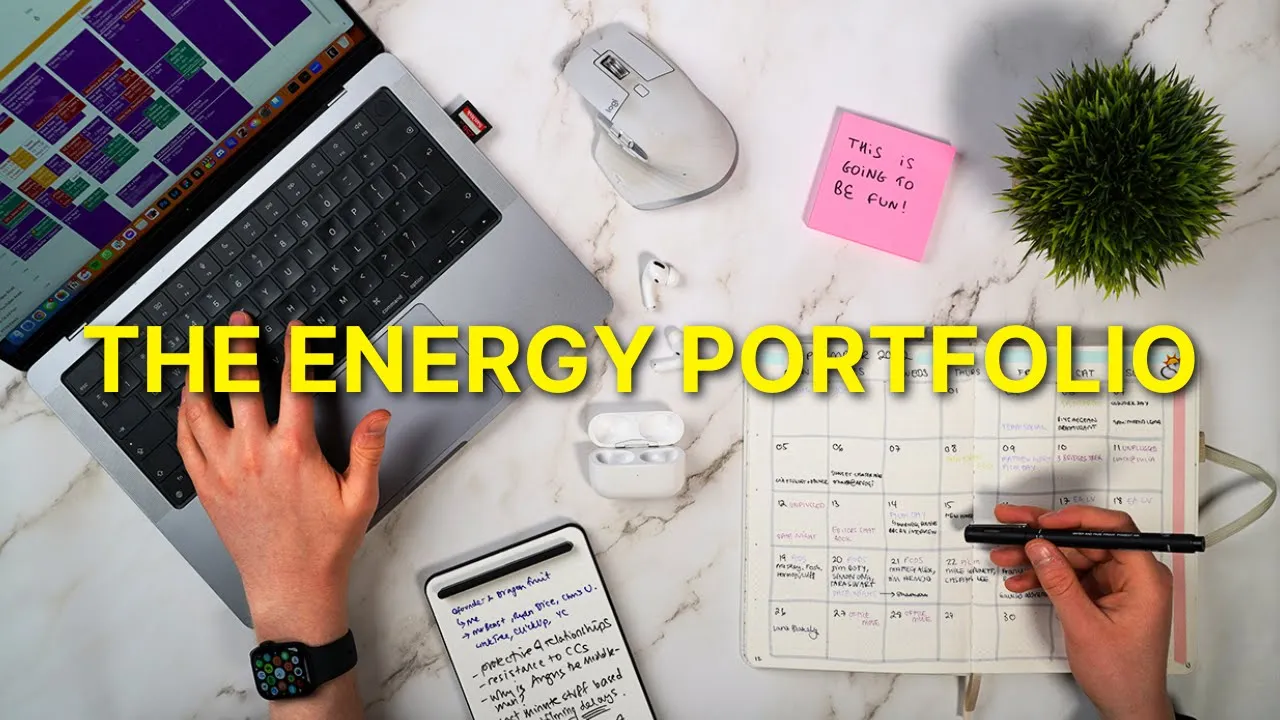
of the book that i'm writing and i'm definitely going to be making more videos around that core idea because i've been doing a bunch of research looking into the scientific papers around like what is the things that give us energy but that's not the point of this video the point of this video is method number two for kind of managing our energy and that is this idea of the energy investment portfolio right so what is the energy investment portfolio basically it is a glorified to-do list or rather a glorified projects list but i've been finding
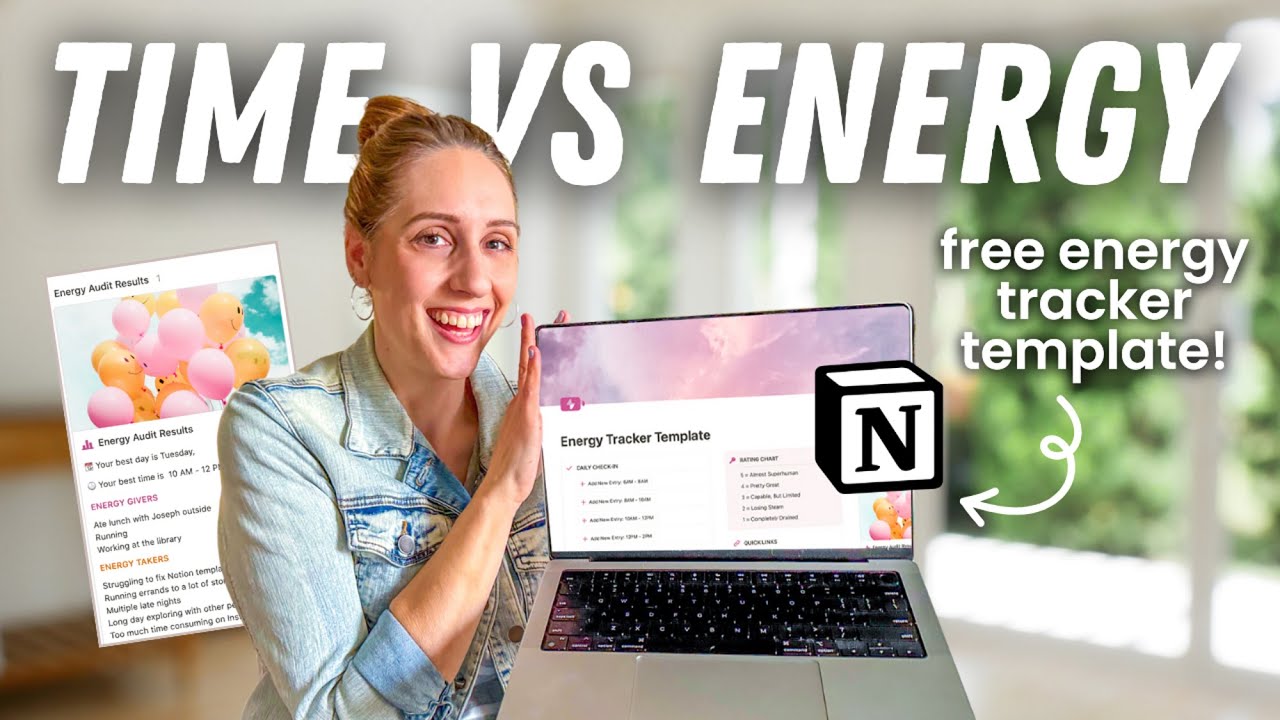
that framing it in this way really helps me at least manage my energy in a way that makes more sense so i'm just going to show you what that looks like i use notion for it we've got a template linked in the video description if you want to check it out no they're not sponsoring this video but like you can check it out if you want but you can really create the system in any kind of app you can use pen and paper you can use journal you can use todoist things or like a number
of a zillion apps that you can use for this thing but i'm going to show you in notion exactly what this looks like and here is how it works we have the energy investment portfolio and we basically have four columns or rather three columns and then the second one is split up into two the first column is the bucket list this is everything that i think i want to do so mandarin glamping mountain biking wakeboarding scuba diving coat surfing bungee jumping learn parkour learn motorbiking learn street hypnosis stay in a treehouse learn to cook road
trip usa nevada archery get good at acro yoga surfing trip to bristol japanese et cetera et cetera et cetera et cetera then in the middle we have kind of the projects in progress and i call these the active investments and the passive income i like the money terminology is kind of fun feel free to call this whatever you want but i found that this kind of taps into the sort of obsessed with money part of my personality and i'm very familiar with like the idea of an active investment and passive income which is why we're
using this terminology so the active investments that i'm actively investing my energy into and this is sort of in my personal life rather than my work life i have a work-life example i'll show you in a second but the active projects that i'm investing my energy into are at the moment two things uh number one trying to organize two singing lessons per week because i really want to get better at singing i really love musical theater singers and i want to try and become good and i know that getting more singing lessons with my singing
teacher josh uh will hopefully help with that and i also want to make sure that every week i'm doing a podcast episode of not overthinking with my brother link down below if you want to check it out then we have the passive income column now this is basically projects that are on autopilot or that someone else is taking care of so in this case we've got two projects on my personal life the first one is that gyming three times a week but this is basically on autopilot because now i've got a personal trainer when i
didn't have a personal trainer this was very much an active investment i had to actively invest energy and brain space and mind space and all those things motivational force into actually getting to the gym three times a week but now that i've actually kind of outsourced that to a personal trainer and every week he's just like all right what sessions are we doing and i just have to look at my calendar and be like monday wednesday friday done in a way that is now on autopilot so going to the gym three times a week is
no longer something i have to actively invest energy into obviously i'm still investing energy into it when i go to the gym but this idea of energy investment is really more about like headspace than it is about like the actual physical kilojoules or kilocalories of energy that we're investing into our specific work and we've got another project which is you know find a new place to live where i have somewhat delegated that to angus because we're trying to figure out like can we figure out like a live work situation and find like a commercial building
that i can live in as well all that stuff angus is on the case and so right now i've it's in the passive income category because i am not actively investing energy into it but as soon as angus is like alright here are some five places we have to look at that's going to now become an active investment and it's going to become a thing that i actively have to put time and energy into and then we've got the completed column which is you know surf trip to morocco is the bull wedding speech a few
other random bits and bobs but the core idea here is that this middle column the active investment column needs to be capped at a certain number now what is that number what is that number of active projects a few months ago i was trying to do a bunch of the stuff at once i had learned mandarin on the list i was trying to have guitar lessons as well get better at acoustic guitar i was trying to have piano lessons as well learn piano and at the same time i was trying to have i was trying
to kind of dabble with music theory along with a bunch of other things and that felt very overwhelming it felt like oh my god i feel like i'm trying to do too much oh also i was also trying to have art lessons at the same time this was something last year actually and this list was too much did i found that one two three four five six seven eight eight projects on this list was just too much for me to handle and i was feeling that feeling of overwhelm and that feeling of burnout and that
feeling of like oh what's the point of doing all this i was getting to like my art and guitar lessons and even though they were fun like i'd i'd have that feeling of oh my god i really can't be bothered to do this and i recognize that whenever i have that feeling of like ugh i can't be bothered to do this and if i have that feeling more than like once or twice in a row and it becomes a pattern that means i'm probably taking on too many projects and so what i've realized over time
is that the the fewer things i have in the active investment column the happier i am with life and the more attention i can give to those things and the more effective i feel um and having read a bunch of business books and listened to a bunch of podcasts with like ceos and billionaires and startup founders and stuff they all basically say that like limit your number of projects in progress and so learning mandarin is now back on the bucket list it's something i'm not gonna take seriously in this season of life similarly guitar piano
music theory art lessons these are all things i want to do at some point but i know that in this current season of life that's not actually going to be helping me because it's going to lead to this overwhelm and lead to this feeling of burnout now that tends to beg the question for like how many projects should you have going at a given moment and i think this is going to vary for different people i've been speaking to basically everyone i know about this over the last several months i think the number is basically
five plus or minus two so somewhere between three and seven seems to be around about the number that seems to be reasonable for most people coincidentally this is you know if you look into the research behind working memory this is how many chunks of information we can hold in our working memory in the random access memory the ram of our brain is how many chunks of information we can hold at a given moment so for example when they do studies where they ask people to memorize bits of numbers generally people can memorize five plus or
minus two chunks of information and i think that seems to be round about accurate for this active investment stuff as well usually people i've spoken to if i think of myself when i've got like more than seven projects on the go it feels like i'm completely scattered and i'm gonna kind of burn out doing those things whereas when i have less than that it feels much more manageable and basically the smaller this number is like i only really need to put my kind of personal life effort into these two or three extra things each week
that then starts to feel really good i do have a separate work one where i kind of think about projects on the work list but that's like a side point we're focusing on the personal one here and i think this is sort of like a dunbar number so done by number that you might have heard of is like the number of kind of people we can have kind of close relationships with at a given time i think we have a dunbar number for active projects and i think that number is five plus or minus two
now a few other things to mention about this so why is it called an energy investment portfolio firstly because i like the finance terminology and i think it's just kind of fun to think of it in those terms but secondly it's an energy investment portfolio because just like we think of investing our money into assets that compound like the stock market or bitcoin not right now or like real estate which will hopefully compound over time we can also think of investing our energy into projects that compound so for example a lot of the things on
this list are skills and habits so i know that to get better at singing i just need to consistently show up to singing lessons and hopefully that will compound over time and i'll be able to then be a good singer or be a way better singer than i currently am with the compound and growth and that's why i'm thinking of this as an investment portfolio like what are the projects i'm investing energy and time and attention into because i am investing in those things and i'm hoping that they will have a return further down the
line there are some projects you know my surfing trip to morocco generally things that are trips or one-off projects where there's no compounding returns on those that's sort of the equivalent of kind of buying a property doing it up and then selling it where you're not really benefiting from from compounding there but it is still an investment in that you're investing into this thing so that you can do this thing and gain a return from it even though it's a one-off return and the surf trip to morocco was sick the trip to istanbul was sick
and so i like to put when i'm organizing something big into the active investment thing as well because organizing three holidays at a time is actually too overwhelming and i can't do it but i know that if you know every month or so i'm trying to organize something new i'll just chuck it into the active investment list and then in my mind i'll know oh okay this is what i'm organizing and then once it's done once it's been organized so let's say for example my next trip is wake boarding trip to barley and i can
give it a little type of trip just for fun while i'm still organizing it i'll often put it over here it needs organizing then conveniently in notion i can use the notion card feature to like you know put in details of the trip and i can do all the things on notion i've made zillions of videos about notions so you can check those out if you're not familiar with notion and then once the trip is organized i'll chuck it in passive income because now i don't need to do any work for it anymore so it's
just kind of passive doesn't quite work with the idea of passive income but you get what i mean and then when the trip's done it'll just go into completed so then i'll know that okay cool i now currently like right now i'm not in the process of organizing a major trip and i know i have space in my brain to organize a major trip so now i'll be thinking huh okay cool you know actually i think a mountain biking trip would be quite fun cool let's just find a date in the diary and organize it
and invite some friends to it and this kind of attitude has actually made me take a lot more trips over the last few months than i i've taken before because now i know that sort of trip organizing is an investment i could make and when that slot is empty it feels great because it means i can just organize the next one and just to speak to something my english teacher used to say back in school the secret to happiness is to have something to do someone to love and something to look forward to and so
in this case these trips are the something to look forward to that i have and the rest of the stuff especially the work stuff is the something to do and we'll talk more about someone to love in a later video now if you're having a look at this notion template and you're thinking that sounds interesting but you're thinking you might want to potentially try and use notion to build this or anything else for yourself you might like to check out my brand new class on skillshare which is all about notion for beginners and how to
maximize your productivity using notion and thank you skillshare so much for sponsoring this video if you haven't heard by now skillshare is the world's best platform for learning basically anything on the internet they've got thousands and thousands of classes on all sorts of topics from entrepreneurship business to interior design to cooking to music theory loads of stuff but the best thing about skillshare is that i've been personally teaching classes on skillshare since 2019 and now i've got around a dozen classes on skillshare including my brand new one which we've literally just finished filming with this
fancy ass setup that we've got here all about how to use notion for beginners in the class we're going to go over all of the details around beginner intermediate advanced notion how to use pages and blocks and databases and relations and embeds and widgets and all that cool stuff that notion can do and so if you haven't gotten started with using notion yet or even if you have you might like to check out the class which you can do by hitting the link in the video description which will give you a totally free 30-day free
trial to skillshare and then during the free trial you're more than welcome to watch any and all of my classes i've got this notion class i've got three classes themed around productivity that are super popular i've got one newer ish one which is all about how to get started with youtube for beginners if you're interested in potentially starting your own youtube channel and getting a slice of that youtube revenue pie and then you can browse all of the other classes on skillshare to your heart's content so thank you so much skillshare for sponsoring this video
and if you'd like to sign up then check out the link in the video description if you're one of the first 1 000 people to hit that link you will get the free 30-day trial so thank you skillshare for sponsoring the video let's get on with the video final thing to mention on this front uh you will notice that none of these are particularly smart you might be familiar with like the paradigm of goal setting called smart goals specific measurable achievable realistic and time-bound or something like that and technically you know learn music theory is
not a very good goal right because like how will i know when i've learned music theory people would normally say that to make that an effective goal you should say pass the grade 8 a b rsm exam in music theory by this date and then that becomes achievable and measurable and time-bound and all that stuff but to be honest i have never really vibed with that type of goal setting what i generally prefer to do is just have a very rough idea of like okay these are the broad projects i'm working on i know in
my own mind why i'm working on them i know that they're going to be connected to things i actually care about which is why they're on the list but i don't need to try and build a complex system that kind of takes the joy out of working on the stuff i know that some people love this you know my friend august bradley has an incredible youtube channel where he goes in depth about like going ham and all these complex notion features and he loves being able to connect every single project in his life to some
kind of wider goal and i find that incredibly inspiring but i've tried that system and i find that generally whenever i have complexity in a system complexity reduces my creativity and reduces my productivity and reduces my enjoyment of life so these are all deliberately vague because the point of this isn't so that i have like a surefire complex system of working towards any goals the point is that so i can keep track of like am i doing too many things because that's always a risk in anyone's life that i've ever spoken to the risk is
not am i doing too little it tends to be am i doing too much especially for people who are ambitious which tends to really only be the sorts of people i speak to and i found that over time the fewer projects i have in active investments like generally less than five ideally less than three the less likely i am to burn out and the more likely i am to enjoy the journey while it being sustainable right so how else can you use this energy investment portfolio uh the other thing to think about is with active
investments you have to be actively putting some amount of effort into them and so again i don't like complexity but the thing i ask myself when i look at this is what progress can i make on this thing this week just this week i don't think in terms of this month or this quarter or anything like that i'm not thinking i'm not making a whole list of actions that are required in this project i'm just thinking okay what progress can i make on this this week people like to make long lists of action points again
i've tried this i've tried every productivity method under the sun where you have a project and you break it down into the 50 different steps that it's going to take and you tick off one at a time but i always found with those at least for me that just writing down those steps was its own exercise in procrastination and once i'd written down all the steps i kind of lost interest in the project because it's just like okay now i actually have to do the work whereas i find that when i just take it a
day at a time or a week at a time and just think only what is the next action that just makes me make so much more progress on anything than worrying about the whole shebang list of steps final tip when it comes to this stuff is that i generally find it super helpful to really kind of try and try and monitor my own energy levels when it comes to these sorts of projects and over time i've started to recognize the feeling of you know when i feel like a project is draining my energy so for
example when i have art lessons and i had i was having art lessons three to three days a week and i found that there was they were draining my energy rather than energizing me usually that is a sign that something is off and i recognize that feeling of like oh this feels a bit raining try and figure out okay what's off about this and then sometimes the answer is to scrap the project and put it back to the bucket list sometimes the answer is to delete it all together because i've realized i actually don't care
about taking our lessons anymore or sometimes the answer is okay let me figure out a way to make this a bit more fun a bit more energizing i guess overall the meta point behind this video and why i love this way of thinking about time management compared to what i used to before this is something oliver bergman talks about in his book 4000 weeks basically the idea is that actually time is finite energy is finite like we cannot do all the things and as much as productivity gurus like me might pedal the narrative that actually
you can have it all and as long as you are efficient with your time you you too can build a side hustle and learn the language and start a youtube channel and like have a healthy relationship and like work for 60 hours a week like that narrative is a little bit old i don't think i ever used to peddle that narrative but like people had the vibe that oh my god ali must be a machine you must be so efficient all the time i always used to be a bit surprised by that and my friends
would be surprised because they'd be like they'd see me and they'd they'd see that i waste so much time and they'd be wondering why why the internet considers me some sort of productivity guru the thing that clicked for me when i read 4000 weeks and when i interviewed oliver burkman on my podcast is this idea of embracing finitude embracing the fact that we cannot do it all i just suck at replying to whatsapp messages i'm never going to be able to reply to all my friends and rather than feel bad about it and think oh
if only i was more efficient on the toilet i'd be able to reply to messages i just think you know what it's fine some friends will go without a reply and i'm okay with that and i'm sad to be disappointing them but ultimately i'm okay with it because my time and my energy is finite and i can only do certain things so for example replying to friends whatsapp messages within an hour is not on the list of active investments although for some of my friends they really value that they see as a big priority in
their life and therefore they tend to do more of it anyway if you enjoyed this video you might like to check out my book summary of 4000 weeks which is going to be linked over there that is time and how to use it it's the most kind of philosophical take on time management and productivity that i've read in recent years and over there you can find my interview with oliver berkman on the deep dive podcast where we explore the topic in depth thank you so much for watching have a great day and we'll see you
in the next video bye