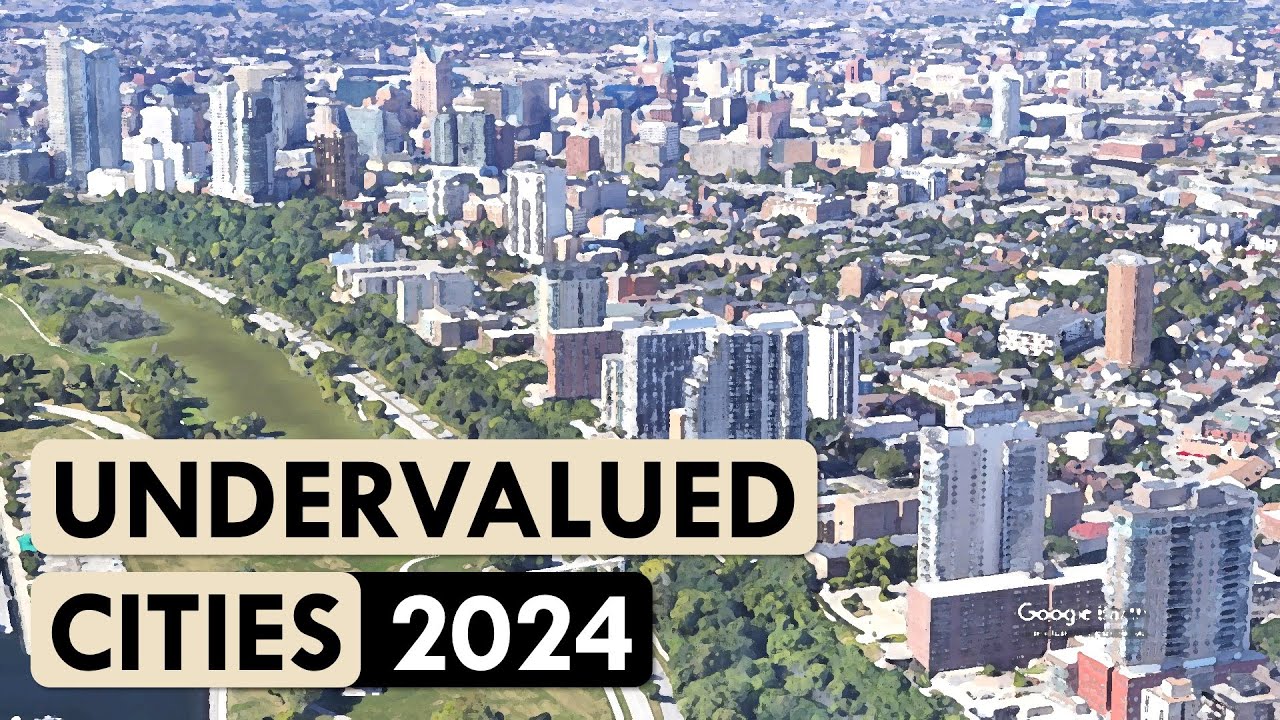
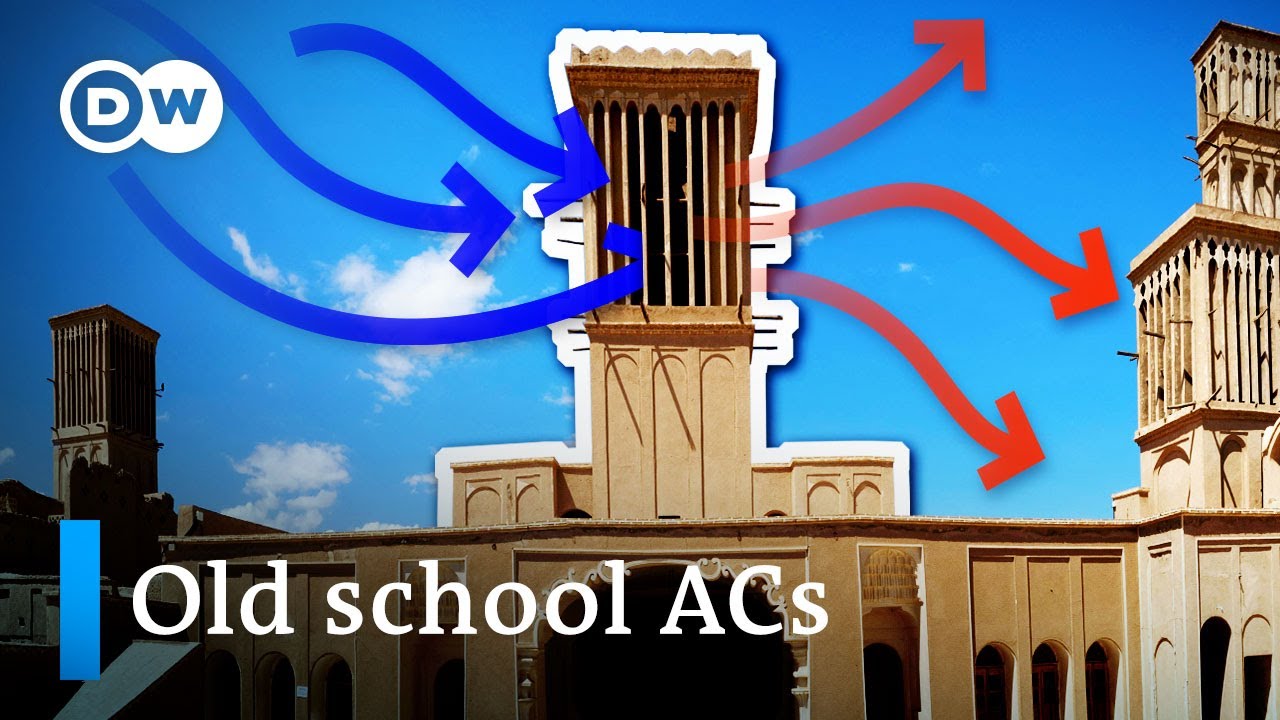
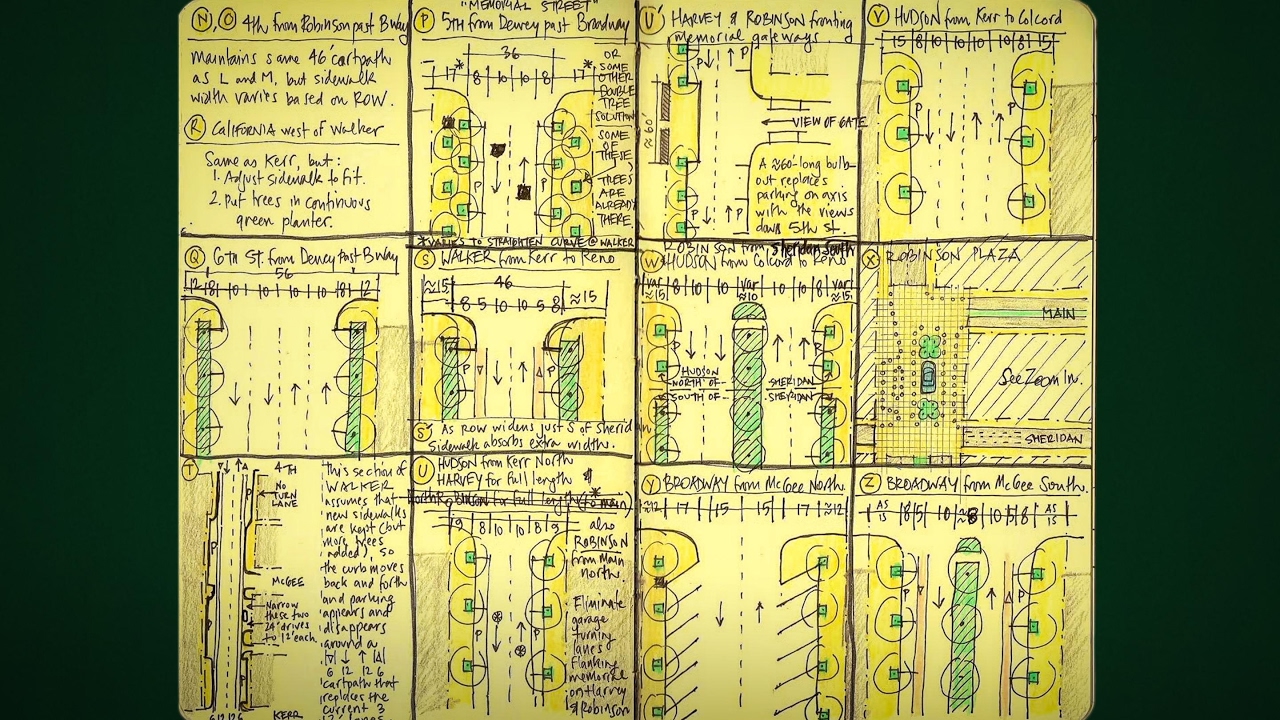
these are images of some of the oldest cities from around the world and they all have something in common they were built with human Connection in mind narrow streets buildings close together homes mixed with workplaces and shops Central Public spaces now look at many of today's American cities and you'll notice features that are quite different wide roads houses built far away from workplaces and shops parking lots exhaust these are cities built for cars cities face Monumental challenges in the 21st century climate change maintaining Human Health and Social equality so as we look to build the
next generation of cities what can we learn from the past we don't actually need to go that far back to see how cars have altered the American cityscape if you look at at film in the early 20th century you see this amazing ballet of streetcars and horses and Buggies and tons of people walking this is Jeff Speck he's a trained architect and certified city planner that really changed in the middle of the 20th century when someone decided that streets were for moving Vehicles only for moving cars only and trucks and they were no longer social
spaces that belong to everyone a large amount of subsidies at the federal state and local level go to building car related infrastructure versus other forms of transportation this is Adrian Salazar and he's the policy director at the Grassroots Global Justice Alliance a member of the green New Deal Network that's because as soon as cars became widely accessible to people who lived in America the automobile industry started to leverage its power to try to influence City Planning and it has been designed in policies in zoning laws that actually make these things farther apart from each other
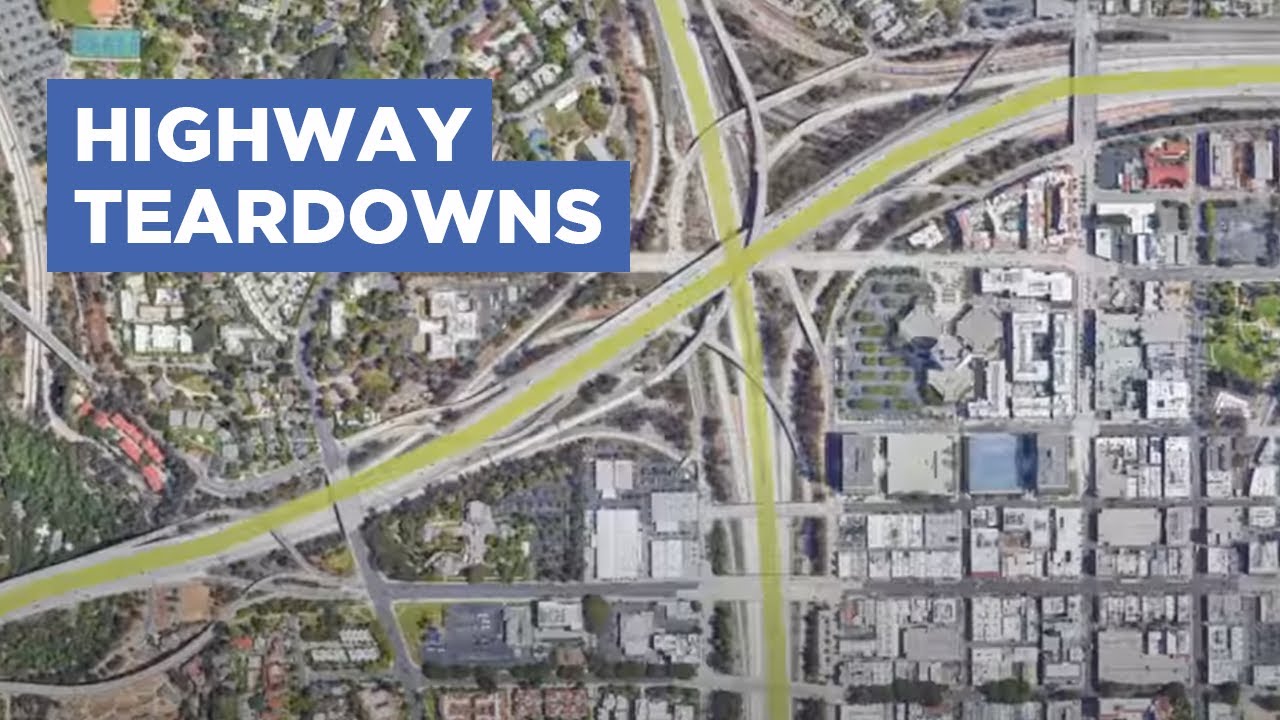
where residential zones are separate from commercial zones and that has produced a drastic inequity in the way that people move about one piece of legislation was the Federal Highway Act of 1956 which created the interstate highways that we still use today the highways impacted American cities negatively in two principal ways first they made a very easy for folks to abandon the city and then secondly is that they were typically run through poor and working-class communities typically communities of color they destroyed neighborhoods they destroyed lives and as cars multiplied so did the air pollution they expelled
and the emissions they contributed to climate change in the United States the transportation sector is actually one of the largest sectors contributing to greenhouse gas emissions in the country and for us to be able to address those emissions means rethinking how we design our cities and how we live in them when I'm working on a new place or trying to make an existing Place more walkable I look at four things is the walk useful is the walk safe is the walk comfortable and is the walk interesting and if you can do all four of those
things together you've created the most sustainable kind of place the damage that was done to America's cities may require government investment in current Solutions like public transit and modern Road designs so what can we do it's going to take a just transition of our entire economy that leaves nobody behind and investing into a regenerative economy an economy of care that uplifts people and the green new deal to me is really a vision of a suite of policies that set the direction towards that future to address the climate crisis to address our crises of inequality of
racial Injustice of economic uh under investment in communities that's why Collective power and working together and organizing is so important because it amplifies our power and it it shows that the vision of the world that we're fighting for has movements behind it increasing access to public transit and active Transportation like walking and biking may be a key part of addressing climate change and building the next generation of cities and by giving cities back to the people they will emphasize what past cities used to human connection