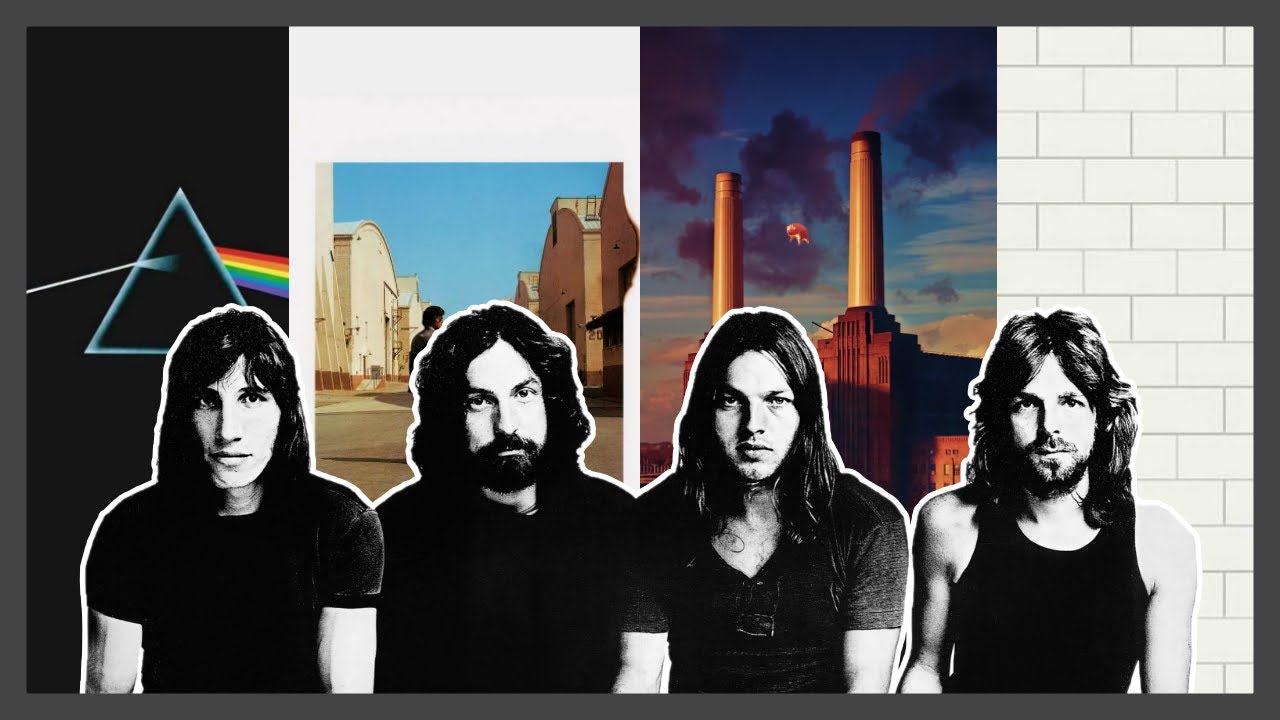
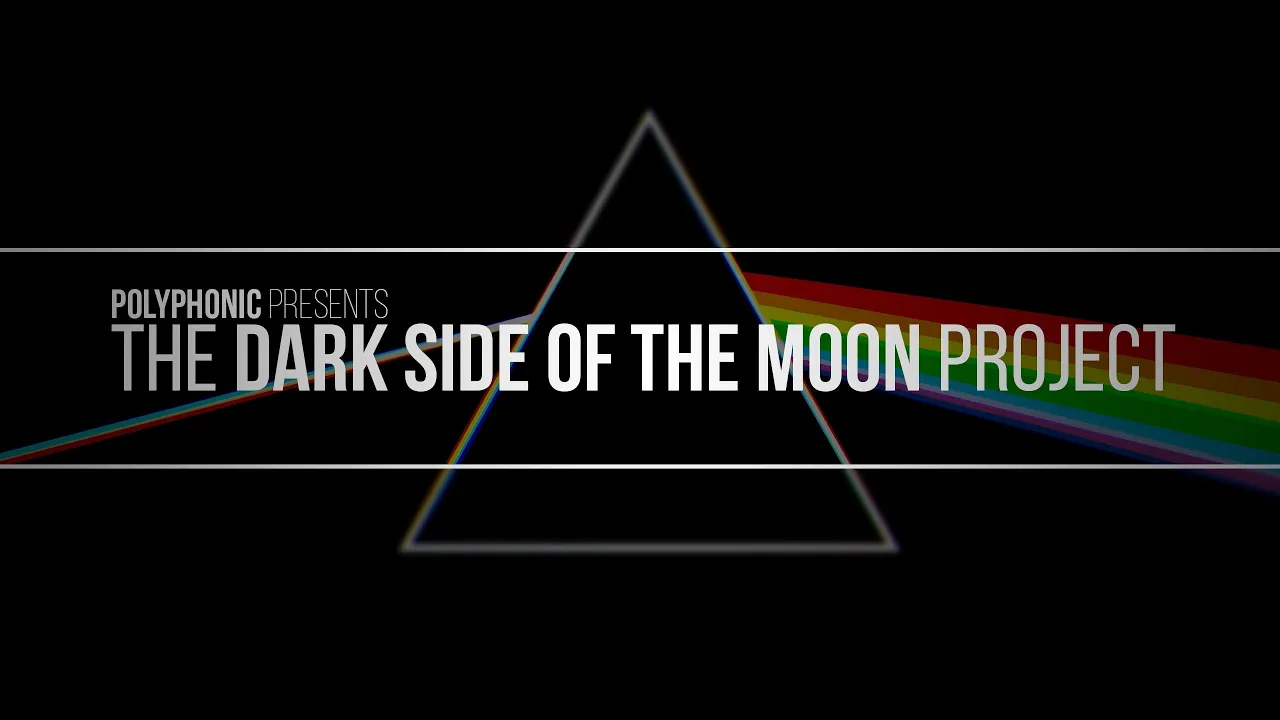
The video you're about to watch is a compilation of a series I did a few years ago telling the story of Dark Side of the Moon one track at a time given that this year is the 50th anniversary and with Roger waters's weird new Rogers version release of the album I thought it would be fun to compile them all in one spot for your convenient viewing unfortunately I'm probably going to have to trim some clips for copyright reasons So if you want to watch the full thing with no ads and no trims you can check
it out on nebula this is a project that I had always wanted to do and nebula made a reality so if this is the sort of thing that you like existing supporting nebula is a great way to make more things like this happen check it out with the link in the [Music] description for many people myself- included Dark Side of the Moon is the Crown Jewel in Pink Floyd's catalog the band started recording it in 1972 when their most iconic lineup was at their most productive they were pushing boundaries and experimenting making use of cuttingedge
Technologies at the time like synthesizers tape loops and multi-track recording and the engineering was done by Alan Parsons one of the greatest ever to work a studio console even the artwork is near Perfection created by the Legends at Hypnosis and on top of all of this the album is a high concept lyrical Masterpiece that delves into everything that makes up human life upon release Dark Side of the Moon was immediately met with commercial and critical success it topped Billboard's album chart and stayed there for an incredible 741 weeks that's 14 years taking all this into
account it's no surprise that dark side of the moon is often lotted by fans and critics alike as one of the greatest Albums ever recorded over the next eight videos we're going to take a real close look at why that is we're going to explore the lyricism musicality and history of Dark Side of the Moon and we're going to try to come to a deeper understanding of why it's so magnificent welcome to the dark side of the moon project before it all begins before the beautiful Melodies before the polished solos before the heart-wrenching lyrics we
open on a single Heartbeat it's a simple touch but it gets to the humanity that's at the core of Dark Side of the Moon it provides a universal starting point and that heartbeat will eventually come full circle in the finale out of this heartbeat grows an overture of sorts foreshadowing the rest of the album Dark Side of the Moon is at least in the broadest sense an album about life it's about the stresses and struggles that make human existence what it is it's About all the noise that constantly surrounds us and about trying to cut
through that noise to find truth beauty and meaning and all of these things begin from the same place from being thrust into the world and greeting it with a heartbeat and a breath speak to me is a birth in the form of a sound collage it's made of bits and pieces of sound that will appear throughout the rest of the album there's the ticking clock of time the cash register of money Claire tor's vocals from the Great Gig in the sky the helicopter from On The Run and the Mad man's laugh from brain damage in
a minute long swell Pink Floyd shows us all that is to come among this sound collage is a pair of spoken word Parts too these spoken word parts are members of Studio staff and various people in Pink Floyd's Entourage while the band were working on Dark Side of the Moon Roger Waters recorded interviews with all of these people he Would put them in front of a microphone in a darkened studio and show them flashcards the questions would start easy asking about foods and colors before moving into deeper questions about the subject's lives questions like when
was the last time you were violent followed by were you in the right absolutely in the the two answers featured on speak to me focus on Madness foreshadowing another theme that will drive Dark Side of the Moon in fact it's Not just present on this album one of Pink Floyd's biggest Fascinations across their entire career was mental illness a big reason for this is Sid Barrett a former frontman who experienced serious struggles with mental illness and eventually had to be kicked out of the band the presence of Sid Barrett is felt throughout Dark Side of
the Moon with musings on how Modern Life can bring about Madness speak to me as an overture a glance into everything that will come In the album and then it erupts seamlessly into brief we emerg from the chaos into a mellow piece a minute of instrumentals before the lyrics open with a simple command breathe in that opening line breathe in the air had been used by Roger Waters on another song 3 years earlier also called breathe Waters worked alongside Ron Geeson on that track which was created for a documentary about human biology called The [Music]
body though it opens on the same line the lyrics and music to Water's song with gon are quite different from the Dark Side of the Moon track and this is because of his band mates while Waters wrote all the lyrics for Dark Side of the Moon the song is brought to life by musical contributions from Richard Wright and David Gilmore Wright wrote the keyboard piece that provides the Basis of the song inspired partially by Miles Davis's Landmark album kind of blue a top wr's keyboards David Gilmore's guitar Soares in calming waves Gilmore used a lap
steel guitar to get part of the song's subtle sound while the other comes from a piece of technology called A univ vibe the univi was a foot pedal that created phasing effects for the guitar embracing new music Technologies was a key part of Dark Side of the Moon so it's fitting That it should play such an important role in the opening track the lyrics to Breathe seem to be a parent talking to a child giving them life but telling them not to leave don't leave me it's an introduction and the story of a person's potential
the Smiles they'll give the tears they'll cry but it comes with a somber reminder in the end you are the sum of your experiences All see all the sentiment is something that will be mirrored later on in the album's climax eclipse the second verse of breathe serves as an exploration of one of the broadest themes of Dark Side of the Moon Modern Life it sings of the way you'll spend your life toiling working to try to make it to bed only to wake up and do it all over again Done to down it's time to
dig another in the second half of the verse Gilmore admits that this doesn't have to be the only option though if you ride the tide if you follow the safe path you'll live long and fly high but not everybody rides the tide some prefer to chase after the biggest waves live on the edge and go for Glory but as Gilmore sings this comes at a cost the risk of ending your life [Music] Early all too many great minds ride that big wave and when it comes crashing into Shore they burn out along with it breathe
hints at the glory that can come from breaking from the mold and and trying to create Beauty to find your own fulfillment but it also says that this is a risk it's an introduction that already starts to dive into the difficult choices of Modern Life and these discussions will continue to flourish throughout the album these Parallels are part of what makes Dark Side of the Moon so great musical lyrical and philosophical Concepts visited in the first track play out over the course of the next 38 minutes it's not that dark side of the moon is
the only album ever to do this but I think few have done it with such Clarity and cohesion every track on Dark Side of the Moon can stand alone as a song but also feels connected a tiny intricate piece in a vast puzzle and so speak to me and Breathe our A fitting opening Suite showing us the world that we're about to be violently thrust into as the album continues speak to me and breathe introduce the listener to the world of Dark Side of the Moon they foreshadow the rest of the album and set the
Sonic tone then coming out of breathe we come face to face with the madness of Modern Life the chaos of travel the pressure of work and the general confusion that is trying to understand what Being Human Means in the Modern Age the third song on Dark Side of the Moon is an exploration into all of this and more but before we can understand On The Run we need to go back and look at the making of Dark Side of the Moon you see Dark Side of the Moon was wasn't written like a typical album it
started out with a few weeks in a rehearsal space during which Pink Floyd wrote a rough outline for the piece then the band took that on tour even though it was far from Completion they performed 16 dates in the UK playing the album in full each night as they were performing these dates Pink Floyd worked through the album fine-tuning it and developing it in saucer full of secrets the Pink Floyd Odyssey Nick Mason talked about the benefits of working on an album like this it was a hell of a good way to develop a record
you really get familiar with it you learn the pieces you like and what you don't like and it's quite Interesting for the audience to hear a piece developed if people saw it four times it would have been very different each time during this tour the spot occupied by Al theun featured a completely different song the original version of the song was called the travel sequence and it was more of an open guitar-based Jam [Music] in fact the travel sequence remained for most of the recording of Dark Side of The Moon but then late in the
process someone brought in an EMS vcs3 synthesizer when Pink Floyd saw how it worked the entire band were instantly entranced they came up with an eight note sequence that became the basis for an entirely new song next they took that sequence and passed it through a number of filters modulating it throughout the song and passing it left and right through the mix the result was something frantic chaotic and completely novel They knew they had a base to build on and so they replaced the travel sequence layering all kinds of sounds and strange effects over the
synth passage this frantic chaos became a perfect musical representation of the uncertainty of travel one of the great stresses of the Modern Age one of the audio clips used by the band is a voice going through an airport PA system to and then the sample is subtle but noticeable and it places us right in The Madness of an airport groups of people running every which way to get to their Gates I think that the airport is a good setting for the stress too it's a place where there's a lack of control over your direction your
schedule and even your life it's a purely modern invention completely removed from our ancestral Origins when you're in an airport you are not the master of your own destiny you're putting your time and your life in the hands of strangers on Top of the airport sample the music itself imitates Vehicles thanks to its use of the Doppler effect the Doppler effect is what happens when a moving object emits waves in this case sound waves as an object moves the waves in front of it will Bunch up while the waves behind it spread out to someone
listening who's standing still or moving at a slower Pace this creates a pitch shift as the object comes towards you the shortening waves create a higher Pitch and then as it passes the waves widen and the pitch lowers in the modern world you probably hear the Doppler effect hundreds of times a day the best example is of course the sound of a car driving past you by using the Doppler effect on the Run creates a sense of movement a sense of things flying by you but I think on the run is more than just travel
like so much of dark side of the moon it's a meditation on every frantic aspect of Modern Life it's about how Technology and urbanization has created a noisy chaotic world around us this is a message that has only grown in relevance as we pushed into the digital age Pink Floyd represent This Modern auditory chaos with samples that mimic the noise pollution of cities a lot of these sounds came thanks to Alan Parsons after Pink Floyd were done recording he would often bring a microphone around the studio and play around with sounds putting them into Songs
for the band to hear the next day this is where the footsteps and all the Run came from a recording of assistant engineer Peter James running around the [Music] studio rather than describing anxiety lyrically this allows you to experience the anxiety orally and it rattles you deep to your core it makes your heartbeat quicker it makes pressure build in your chest Richard Wright was particularly afraid of travel because of How it induced the fear of death into him and the song induces that same fear as the pressure is building the band drops a vocal s
Le from one of their interviews the only real words to On the Run and in that moment we shift from one anxiety to an even greater one the fear of mortality it's a simple comment that brings up the impermanence of life if you blink life can pass you by in a days of missed flights lost time and Chaos it's a reminder that in the end no Matter how much you can control some things are out of your reach and this reflection on mortality and travel ends on a morose note a plane crashing and exploding it's
a dark end to an intense song and it brings us towards the middle section of Dark Side of the Moon where we'll Muse further on mortality and try to find some meaning among the chaos of Modern Life every minute of every day your life is passing you by all are lives are passing Us by and there's not A thing we can do about it minute by minute second by second we are all racing towards our own inevitable mortality it's a scary thought and one that we often go Great Lengths to avoid confronting but on the
fourth track of Dark Side of the Moon Pink Floyd looked this thought dead in the eyeing away the moment that make up of all the struggles that Pink Floyd talk about throughout Dark Side of the Moon time is the most universal no Matter who you are no matter where you live no matter how rich or how poor you are you'll always have to face time and try as we may none of us will ever truly be able to preserve a beautiful moment in time no matter what we do the seconds will keep on ticking what
we can do is try to make the best of what we're given try to cherish those beautiful moments before they're washed away like so many grains of sand and that's the message that Floyd sing on time before we get Into that message though we open with the most jarring moment on all of Dark Side of the Moon this cacophony of clocks pulls you out of the dazed Panic of on the run and into clear awareness while also laying out the main theme of the song like most of the sound collages on Dark Side of the
Moon this assortment of clocks was assembled by Alan Parsons He didn't originally put them together for Dark Side of the Moon but rather for another Release he had planned to show off what the new technologies of quadrophonic sound could do but then he heard Pink Floyd working on time he thought the sound collage would fit perfectly with the song so he dug up his recordings and offered them to the band and they did work perfectly waking you from the implied death at the end of On The Run once the bells die out we find ourselves
in a Spacey intro propelled by a Nick Mason Roto solo [Music] thanks to that solo Mason got a writing credit on the song making it the only song on all of Dark Side of the Moon that features all four members as songwriters as Mason solos the rest of the band lays down imposing atmosphere then we break into the first verse here we're met with an all too familiar scene for many of us aboard youth wasting time in a small town waiting for someone or something to show you Way when you're young time seems to be
the last concern in the world you've got so much time that you're trying to find ways to waste it you drive around with your buddies making Mischief you lay around in the sun you fill your days with nothingness as you wait for real life to begin but all of that changes and the changes come at you fast Roger Waters talked about this experience in an interview with Mojo I had the strangest Feeling growing up and I know a lot of people share this that childhood and Adolescence and one's early adult life are preparing for something
that's going to happen later I suddenly thought at 29 hang on it's happening it has been right from the beginning and there isn't suddenly a line when the training stops and Life Starts at the end of the first verse Richard Wright sings that feeling in one of the most heartbreakingly human and real moments of the entire album no One told you when to run you miss the starting from there we jump into a passionate guitar solo by David Gilmore this is sho's typical song structure for rock usually solos form the bridge of a song pushing
the momentum towards a finale but here Gilmore's passion Cuts right through the center of the song in playing with structure like this Pink Floyd's music amplifies the anxiety of the lyrics the solo comes at you fast Sooner than expected just as life does and the solo itself is remarkable we can really look at it in two sections the first is a desperate section that runs about a minute in this first part Gilmore captures the pained anxiety of watching your life pass before your eyes then a warm chorus of backup singers flood your ears musically it's
the same as Richard writes vocal passages in the song It's a melancholic acceptance of the Inevitability of time this Melancholy is only a brief break though as we launch back into desperation in the second verse C up with the sun singing this verse is one of many parallels that reveal themselves throughout Dark Side of the Moon Gilmore's singing Here Echoes the end of the first verse which was sung by Wright both feature images of sunshine and the metaphor of life as running a race here though the race has started and you already find yourself Desperately
running to catch up desperately running to find your life it's the same Sunshine that you laid in when you were younger but its meaning is different each time the Sun sinks behind the Horizon it marks another day passing it marks your life ticking away one day closer to death right's half of the second verse is the opposite of Gilmore section in the first verse where Gilmore sings about wasting time Wright sings about Not being able to find time he sings of the national Spirit of England how it feels as though everyone is in the same
boat trying desperately to get a grasp of their own life trying to catch up to time hanging on in quiet desper English the verse ends with a break of the fourth wall Wright announces that the song is over but there's no real resolution No Chorus no final solo it just ends time is gone the song is over thought I'd something more To say once again the music is reflecting the anxieties present in the lyrics we don't get any answers to the questions it's asked we don't get a catharsis and so it is when you reach
the end of your life you thought you'd have more to say more to do we all want to be a part of something big or profound but in the end we spend so much of our Lives wasting time or chasing time while the song Time ends on this thought the recording Itself has another piece of music stapled to the end a repre of breathe tying back to the birth we saw two tracks ago this verse of breathe talks of aging and returning home to a place of comfort home home [Music] again it's a rest after
the tension and stress that have dominated ated the last two songs but it's not all comforting The song brings in another image the tolling of a bell far away that Bell is an announcement that we're going to keep following the rabbit hole down deeper into the core of humanity the tolling bell calls back to the ringing clocks at the beginning but it also suggests a funeral it's the shadow of mortality that hangs over all of Dark Side of the Moon and death comes hand inand with a new discussion spirituality religion and the afterlife All of
these topics will be explored in the next song as we push towards the end of side [Music] a long before Modern Life long before technology and Society long before humans were ever organized into civilization one fear ruled Supreme in the heart of man the fear of death and that fear still Reigns Chief among all anxieties in the modern world and it looms like an albatross over the first Side of Dark Side of the Moon in breathe we warn of racing towards an early grave and On The Run we get the statement here today gone tomorrow
and the entirety of time is driven by the reality of just how short life can be so it's only natural that the first side of Dark Side of the Moon Ends by looking death straight in the eye and asking one of the great questions of human existence what happens next next the working title for the great gig in the Sky was the mortality sequence a name that makes its place in the album abundantly clear but that wasn't what Richard Wright had in mind when he first wrote the piece in fact he didn't particularly have anything
in mind he was just playing around with chords he liked those chords proved to be problematic for Pink Floyd in the album's development the band loved them they were soft and soothing but had a kind of latent Darkness they fit Perfectly with the musical identity of Dark Side of the Moon but the band didn't know how to make them fit its philosophical identity so over the next few months they took the song that would become the Great Gig in the sky through a number of iterations first it was the religion song which heavily featured Church
organ this organ was paired with recordings of people reading various Bible [Music] Verses that version didn't quite work though so they tried scrapping the Bible verses and replacing them with audio from NASA first the mo December 1972 ad this aesthetic calls to question how small we all are in The Wider universe but even that wasn't quite right for Pink Floyd they needed something to capture the profundity of death religion and the afterlife words didn't seem to Be enough for it but the band still needed something human in there to ground it so they decided to
try having a singer whale over wri's instrumentation and that's that's where Claire Tori comes in they had pictured a gospel singer but Alan Parsons had something else in mind he had heard Tori sing on top of the Pop's cover sessions and was impressed by her voice so he booked her and brought her in the studio in her first take Tori improvised words Singing O's and babies but David Gilmore stopped her he told her the band didn't want any words and so Tori thought to make herself an instrument from there she improvised one of the most
astounding vocal performances ever put to [Music] tape Pink Floyd had their mortality sequence the song itself is divided into two main sections the first is loud and pained tor's screams sound like Someone's Soul being torn out it's a representation of the fight against mortality with Nick Mason's thumping drums it's a defiant resistance against the inev then Midway through the song slows and quiets into a dark acceptance of your [Music] fate in this sense it almost seems to Echo David Gilmore's guitar solo on time fiery passion followed by calm reflection the title of the Great Gig
in The sky relates to Pink Floyd's own life and anxieties one of the reasons the fear of death was so close at hand for Pink Floyd and Richard W in particular was because of their job as touring musicians they were always on planes and trains moving around from place to place surrounded by large crowds of people and so it's natural that their take on the afterlife is a continuation of this touring is just one gig after another so when you die what comes next is simply Another gig the last gig the Great Gig in the
sky Pink Floyd's use of religion in the context of Dark Side of the Moon reflected their own views religion is intensely tied to mortality in Dark Side of the Moon but it also sits alongside criticisms of greed and War both Gilmore and Roger Waters have been vocal about their atheism throughout their career Gilmore once said I'm an atheist and I don't have any belief in an afterlife you could say that I'm resigned to the Fact that this wonderful life that we get here is it with this taken into account the name the Great Gig in
the sky carries a deep irony to it for Pink Floyd there is no real great gig and that's a fact that makes death more terrifying but it also makes life more meaningful they lean into this irony with the vocal samples they use to open and close the song and I am not frightened of dying anytime will do I don't mind why should I be frightened of Dying see no reason for it you got to go sometime that clip was said by the doorman at ABY Road Studios Jerry OD Driscoll and it adds a kind of
tongue and cheek quality to the song The Great k in the sky is a song about the fear of death nestled in the middle of an album about the stresses and Terrors of humanity and yet the only words in it are about why you shouldn't fear death the nonchalant with which Driscoll talks about death creates a stark Juxtaposition when placed next to the power of the music it reminds us that death doesn't care whether we're afraid of it or not it comes either way this is the Brilliance of Pink Floyd even when discussing topics that
have been written about again and again they're able to put twists and create new interpretations the Great Gig in the sky is far from the first song to tackle death and certainly not the last but it may be one of the finest and its place In the album is carefully chosen the gr King in the sky ends the first side of the record that means when you originally listened to Dark Side of the Moon on vinyl you were left with a moment of silence as you got up to flip the record it's a moment of
reflection a moment to Stew in the emotion that you've just heard on the aide of Dark Side of the Moon we've been brought from birth to death and glimpsed many of the pressures In between but as we flip the record over Pink Floyd will dive deeper into modern society and come to a stirring conclusion about just what it all will do to a person time is money you've got to spend money to make money money makes the world go round and money is the root of all evil but money can't buy you love we have
so many sayings about money because For Better or Worse it's one of the biggest driving forces behind the modern world and that's what makes it Such a good starting point for the second side of Dark Side of the Moon no meditation on Modern Life would be complete without looking at the great force that drives at all and Pink Floyd put money into their album in the most literal way possible money opens on a sound collage of cash registers paper and coins unlike most of the sound collages on Dark Side of the Moon this actually wasn't
put together by Alan Parsons but Instead by Roger Waters himself and I think that today we may take for granted the in genuity and effort that went into making that sound collage in a digital workstation you could throw together a similar Loop in just 5 minutes but Waters wasn't working digitally to create that Loop he individually cut up seven pieces of tape and spliced them together by hand the result was a long piece of tape by some accounts as long as 20 ft this length meant that in order To run the tape through the recorder
they needed to run it around a microphone stand this kind of Studio Innovation was paired with musical Innovation one of the most distinct aspects of money is its 74 time signature that gives the song an energy and Swagger that are a rarity on Dark Side of the Moon and that Bas Rift complement the lyrics [Music] Perfectly those lyrics are sardonic and filled with irony they're written from the perspective of someone with an exorbitant amount of wealth The Voice parrots the greed is good mentality that would come to dominate much of the Western World in the
Years After Dark Side of the Moon new car they dream me football team the cynicism of these lyrics is aided by the jaunty Baseline and David Gilmore's sarcastic vocal delivery by doing this Pink Floyd cut through the feel-good things we tell ourselves about money and get to the core of why we're so drawn to money in the first place because money lets us buy things we want and money makes us feel powerful after a pair of verses in this style we move to the song's middle section which is powered by a series of solos first
we get a wailing saxophone piece by dick Perry that seems to Complement the images of exorbitant wealth then the song shifts to four four time and David Gilmore pulls out a heavy dark solo one of the most iconic of his career Gilmore's solo goes through three movements Each of which has its own distinct Vibe Gilmore described the sound of the first solo as wet soaking it in the Reverb And Delay that defines so much of Dark Side of the Moon [Music] [Music] Sam then we transition into what Gilmore called the dry section in contrast with
the space of the first solo the second section is small and [Music] compact the vast Reverb effects are gone as the band tries to shift into a simpler setup one that dropped the Spacey profundity so prevalent in Pink Floyd's music and changed to the sound of four men jamming out in a small route [Music] With the Solo's final movement the effects come back in dramatic fashion Gilmore switches from his Stratocaster into a custom Lewis guitar that lets him belt out soaring high notes these solos show off Gilmore's guitar prowess and the vision of the band
in Just 2 minutes minutes they take you through a ride of different emotions different soundscapes before ending on a walk down back to the original 74 RI when we come out the other side of The solos the lyrics are no longer ironic they've become an explicit condemnation of the ills brought on by greed and the hypocrisy baked into our own thoughts on money share fa don't take a SCE of my that hypocrisy is present not just in those that celebrate money but also in those who condemn it including Roger Waters himself in a 1993 interview
with the Observer Waters addressed this money interested me enormously I remember Thinking well this is it and I have to decide whether I'm really a socialist or not I'm still keen on a General Welfare Society but I became a capitalist you have to accept it I remember coveting a Bentley like crazy the only way to get something like that was through rock or the football pools I very much wanted all that material stuff there's a paradox built into our society when it comes to money many want to free themselves from its hold and many want
To believe that money isn't essential to living a good life but it's hard to truly stand by these things when we're raised in a society that's driven by money and we're taught to organize our very identities around the pursuit of money from a young age we're shown images of glamour images of owning football teams and buying Lear Jets and we're told these are the markers of success we all dream of being rich and famous and so we buy into the Self-perpetuating narratives of capitalism for Pink Floyd Against All Odds it worked money became the band's
first true hit and helped to propel Dark Side of the Moon to its legendary levels of success and that's one thing capitalism is able to do with terrifying efficiency art that seeks to criticize the engine of the machine is turned into fuel to feed that very engine money itself became commodified and gave Pink Floyd the kind of power that they were Criticizing in the song but at least to me that doesn't devalue the points that Waters was making in the song if anything the lyrics of money have become more relevant than ever in our time
there's been a whole new class of wealth multi billionaires hoarding more money than they could possibly spend in their lifetime meanwhile dire economic situations among the working class are helping to fuel populist politics across the globe every day countless heinous Acts are committed in the name of making more money sometimes they're desperate acts by those on the fringes of society but altogether too often it's those who have money who continue to exploit people in the name of greed on Dark Side of the Moon Pink Floyd sought to to explore all the pressures in modern society
that could drive someone mad and money is not just one of those pressures it's the driving force behind so much of the modern world many of the pressures Pink Floyd sing about on Dark Side of the Moon are tied deeply to money the stress of travel the fear of lost time and even religion is often driven by money and greed in the modern world at the end of the song we get more interview Snippets the this time answers to the questions when was the last time you were violent and were you in the right I
certainly was in the right by ending like this Pink Floyd show how money and greed can drive us to violence But they also set up a thematic link to the next song on the album as we will look at the atrocities of War and the motivations of those who perpetuate [Music] [Applause] it the history of humankind is a history of conflict the means of conflict may change as May the justifications but the conflict remains on an individual level and on a societal level we are always at war with one Another when it came time to
approach this complicated topic on Dark Side of the Moon Pink Floyd did so with a leftover piano piece and a calm meditative hand the result was us and them one of the most raw most human moments on all of Dark Side of the Moon a lot of that emotion is thanks to Richard Wright who wrote the piano piece at the core of the song originally that piece had no lyrical accompaniment instead it was written as part of the Score to Michelangelo antonioni's film zisy point shot throughout 1968 and 1969 zabriski point was a piece of
countercultural filmmaking that explored the radical youths of the hippie movement fittingly antonioni recruited psychedelic bands to score the movie including Kaleidoscope the grateful Dad and of course Pink Floyd So Wright wrote a piano piece that he dubbed the violent sequence that piece reflects on a lot of wri's personal influences particularly In the realm of jazz unlike most of his bandmates Wright was a student of jazz and in particular of Miles Davis Wright was drawn to the way Davis's music moved slowly drawing the emotion out of each and every note the Jazz influence comes through clearly
when you see the chords that make up Us and Them rather than the straightforward chords of rock and roll Wright built the song around strange ambiguous chord centers the result of all of this was a Song that was calm but dark and stunningly [Music] beautiful but it turned out that wasn't what antonioni wanted his film to sound like when he approached Pink Floyd antonioni was hoping for something more along the lines of careful with that ax Eugene in the end Pink Floyd re-recorded that song for the film and put the other material they wrote on
the Shelf over the next few years the violent sequence Would make some appearances at live shows but it wouldn't really develop much more until Pink Floyd began to work on the album that would become dark side of the moon that's when Roger Waters devised some lyrics that would work with wr's auster p piano like writes music those lyrical passages are wide open and minimal they're structured around three different kinds of conflict in human society War racism and class struggle Rogers explained as much to louder sound The first verse is about going to war how on
the front line we don't get much chance to communicate with one another because someone else has decided that we shouldn't the second verse is about civil liberties racism and color Prejudice the last verse is about passing a [ __ ] in the street and not helping by looking at conflict on a human level like this Waters highlights the way that we're impacted by the broader systems around us and by doing It with sparse words he allows wr's piano and Dick Perry saxophone to breathe this was part of a concerted effort by Waters to simplify his
lyrics Gilmore explained this to louder sound Roger tried definitely in his lyrics to make them simple straightforward and easy to understand partly because people read things into other lyrics that weren't there the first verse of Us and Them is the most straightforward it's a look at War from the perspective of unwilling soldiers God only knows it's not what we would choose to Waters posits that it's the higher ups in society the generals that sit far from the front who control the solders Destinies and send them off to die this latter point is underscored by a
stunning Coral arrangement from the and the FR right down That Arrangement is a careful balance of Harmony between the members of Pink Floyd and the backup singers Gilmore elaborated to Ultimate Classic Rock I did I don't know how many Harmony vocals then the girls on top it's really great really uplifting you can move one element a fraction and the whole thing Falls to Pieces the end result is something powerful and religious it has a new dimension to the the lyrics Just as people devote their entire lives to Religion many people devote themselves to the perceived
binaries in life we coales into ingroups and form our identities around who we perceive to be like us and who we perceive to be like them of course in the end most of these things are completely arbitrary and that's what Rogers writes about in the second verse and who knows which is which and and who is [Music] Who in the back half of the second verse Rogers reflects on the military once more this time the way that propaganda is used to create divisions that encourage people to kill their fellow man with one of the things
that makes Dark Side of the Moon thrive is the way Pink Floyd are able to look at things on a broader societal level but then pull in close and explore how these Concepts play out in our day-to-day life they're Able to do this through the use of waters interview Snippets short sharp shock they don't do it again these Snippets are conversational slices of Life they reflect on our own realities the bridge for us and Them uses a clip from an interview with one of Pink Floyd's Ries Roger manifold that clip features manifold talking about getting
into a scuffle with a cab driver who insulted his long hair dig it I mean he got off light cuz I could have given him A freshing I only him once our interpersonal conflicts and scuffles are borne out of the same place as our broader societal issues they're born out of breaking people off into groups designating one us and the other them and what comes from this is unnecessary suffering and alienation these feelings play out in dick Perry's saxophone solo it starts as a slow lament but grows to something huge and profound a heart-wrenching whale
about the Conflicts within our society the final verse ties us and them back into the previous song Money it explores how greed drives class divide in society and in the final moments of the song waters depicts the end result of modern alienation and division the weight of modern society which Pink Floyd have sung about the entire album makes it hard for us to focus on the suffering of individual human beings around us modernity has Brought us Untold wonders things that would seem magic to our ancestors only a few Generations back and yet we're still alienated
we still find ourselves tied up in the same issues that have plagued Humanity for its entire history War racism class ultimately this is the paradoxical reality in which we live we have more than we ever could have asked for but it's paid for with the price of other human lives and it's paid for with the price of our own mental health Us And Them pushes toward the final movement of Dark Side of the Moon having looked at all of the stresses and pressures that Define the modern existence Pink Floyd prepared to explore the cost of
modernity in the album's final few songs according to Legend when Henry Ford first released his Model T car he told customers you can have it in any color you like as long as it's black decades later Roger came about that same Joke by way of a merchant Who Sold wees out of the back of his van in Cambridge the merchant would offer up sets of China saying you can have them all any color you like they're all blue in an interview with Phil Rose Roger Waters described what that sentiment meant to him it denotes offering
a choice when there is none and it's also interesting that in the phrase any color you like they're all blue I don't know why but in my mind it's always they're all blue Which if you think about it relates very much to light and dark sun and moon good and evil you make your choice but it's always blue in the Modern Age more people than ever have choice in how they live their life in the entire history of mankind never have so many people had the freedom to choose where they live what they eat how
they dress what media they consume but still so much of our lives are out of control we have no say in the place we're born and raised or The class we're born into we have no say in the color of our skin or in the people we love and we have no say in everything that goes on around us pandemics and natural disasters Wars and economic recessions can and do wreck havoc in our lives at any given time so in the Modern Age though it may feel like we have a whole spectrum of color to
choose in the end they're all blue and that illusion of choice is The Core theme of any color you like and given That the song is an instrumental understanding its title is key to understanding the role it plays on the album though David Gilmore claimed that any color you like has little impact on the wider Narrative of the album wat said it still plays into that scope to understand how any color you like slots in I think it's important to look at the track sequencing of Dark Side of the Moon the the album was created
not as a collection of songs but instead as a Cohesive unit when viewed through this lens you can see the role that any color you like plays in the musical flow of the album it serves to transition us from the discussions of Modern Life to the revelation of what it'll do to the human mind but even as any color you like prepares us for the end of the album it also looks back on where we've come the music of any color you like is built around the same rhythm as [Music] Breathe this marks the third
appearance of the album after the repre at the end of time in a lot of ways this rhythm is the Beating Heart at the center of Dark Side of the Moon whenever we venture too far away this Rhythm returns to bring us home it's a reminder of where we came from in the album but also where we came from in life the first time the Rhythm appears it's breathe a song about birth and Childhood then we hear it again at the end of time as we return home to die in its final iteration the rhythm
is shifted slightly it's played a bit faster with some more bounce and the key has changed there's a kind of joy and freedom to any color you like in an album so meticulously planned it's freeing to hear Pink Floyd let loose and tear out an impulsive jam and perhaps more than any other song on the album any color You like pairs perfectly with its iconic artwork Dark Side of the Moon may have the single most iconic album cover in music history it's elegant and simplistic but it also seems to hint at a profound mystery the
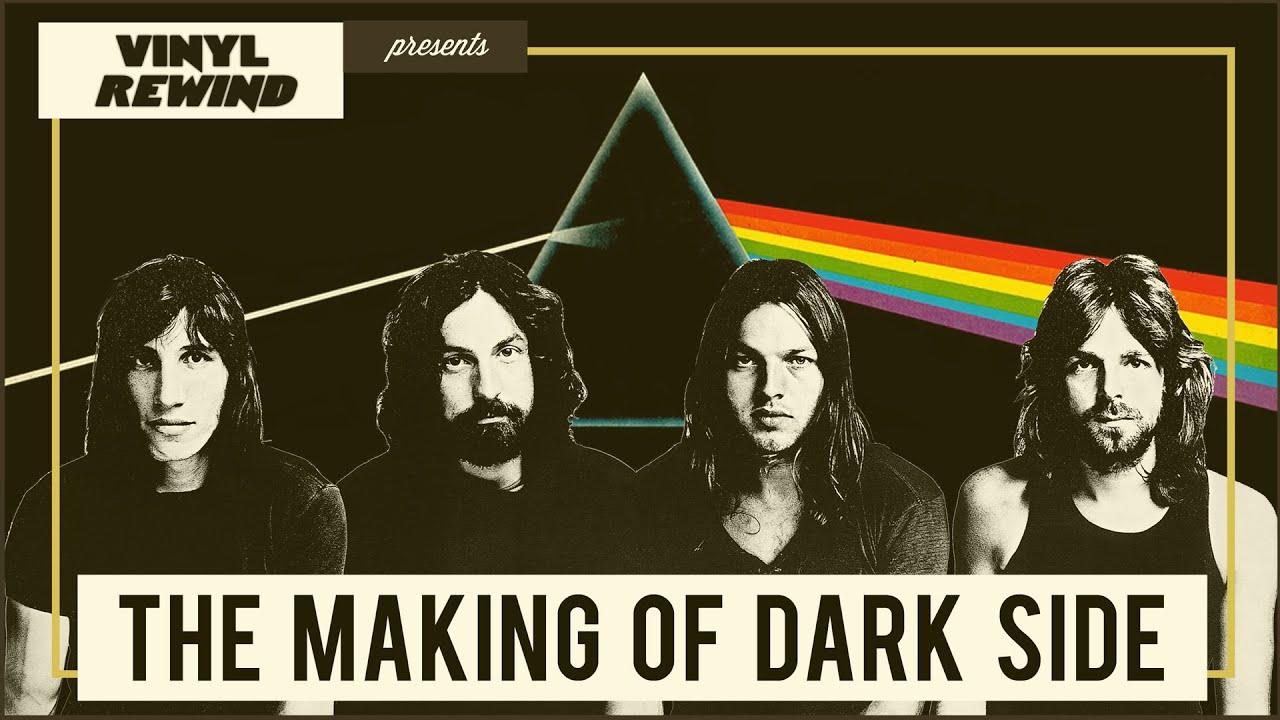
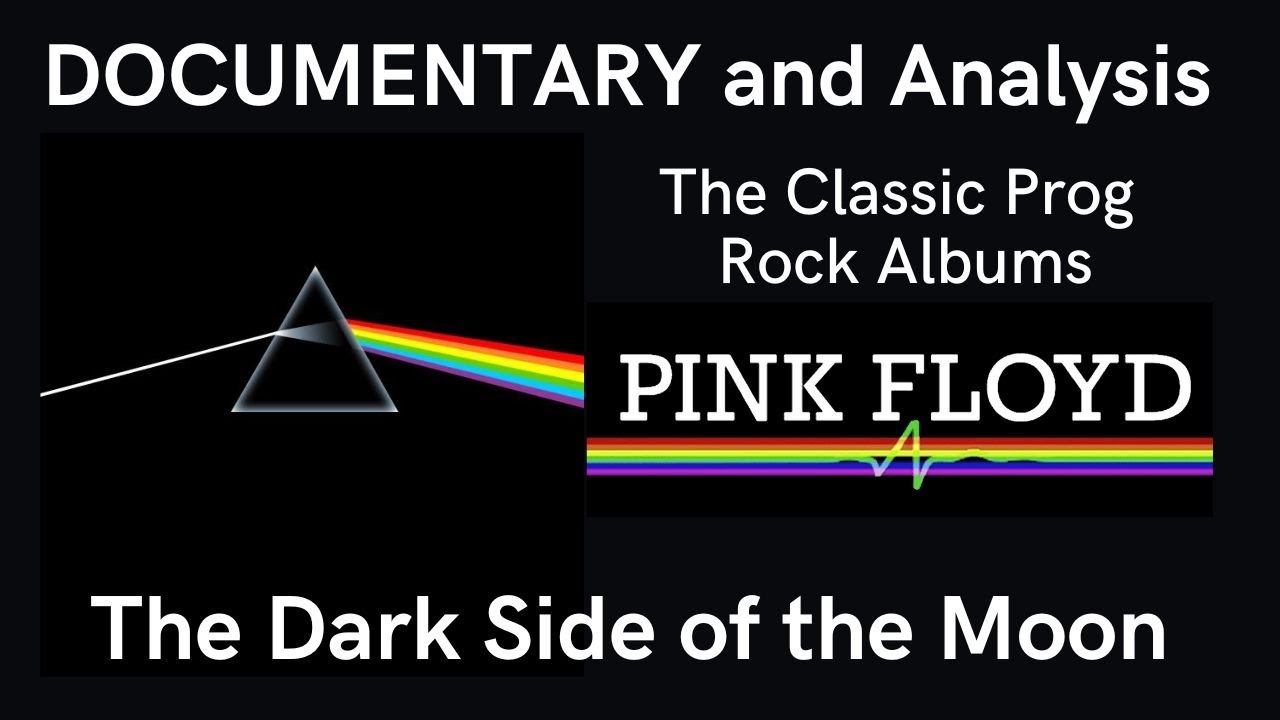
artwork was designed by hypnosis a creative house led by storm thorgerson and Aubrey Powell hypnosis were good friends with Pink Floyd and are responsible for the look of almost all of the band's discography in the case of Dark Side of The Moon they were given simple directions by Richard Wright do something clean elegant and graphic they came up with a few Concepts including one that featured the Silver Surfer but then thorgersen found a picture of a prism refracting light it reminded him of the laser light shows that had become a key part of Pink Floyd's
performances but there was a deeper meaning too as thorgerson explained to the Rolling Stone I think The triangle which is a symbol of thought and ambition was very much a subject of Roger lyrics so the triangle was a very useful icon to deploy Bo this triangle Motif was repeated throughout the entirety of the album's packaging inside of the album hypnosis put inserts including stickers and an infrared photograph of the Pyramids of Giza taken by thorgerson himself some of the album artwork was also built around Suggestions by the band it was Roger Waters who suggested the
prism be flipped and continued across the gatefold he also suggested the inside artwork the peaks of a heart monitor graph when taken as a whole the packaging of Dark Side of the Moon reflects the themes of the album and it also captures the dark and mystifying mood of the music when it comes to any color you like the cover plays right into the moral of the title because at the end of the day the modern age has Given us Myriad colors to choose from Myriad paths to walk down but in the end all paths lead
to the same inevitable destination and in the end all colors are really just different parts of the same light and as well as exploring the illusion of choice any color you like functions as a very important transition we've looked at some of the major forces in Modern Life and in the final two songs of the album we'll explore what these forces will do to the human Mind Madness Insanity lunacy Human Society have given mental illness a lot of labels over the years most of these terms are packed with stigma and have done more to harm
than help those that struggle with mental illness and with each new label people have ascribed new causes people have thought mental illness was caused by Supernatural forces by imbalances in the humors or even by staring at the moon in Dark Side of the Moon Pink Floyd put Forth their own take on mental illness they say that it is UN inevitable result of our modern existence Pink Floyd have come to this conclusion in part because of their own personal experiences through their friend and bandmate Sid Barrett Sid Barrett was a musical Visionary and a founding member
of Pink Floyd he fronted the band for their first album Piper at the Gates of Dawn and contributed to their second a saucer full of secrets he was by all accounts a Cheerful quirky man and was relentlessly creative but in the fall of 1967 all of this began to change Barrett became more distant and withdrawn he started having memory issues not recognizing people he'd known for years and he would nod off into deep depressions and catatonic States soon enough this mental health was affecting Pink Floyd Barrett would show up at practice without his guitar and
sometimes he would even be so far gone that he couldn't hold his guitar Pick so in 1968 Pink Floyd had to fire their friend from the band and Barrett's condition declined over the next few years and by 1972 he had disappeared entirely from public life but even though he was no longer a part of the band Sid Barrett's presence remained in Pink Floyd's music throughout the rest of their career in Dark Side of the Moon Sid Barrett enters the stage in the opening moments of brain [Applause] Damage is on the brain damage was one of
the earliest songs that Roger Waters wrote for Dark Side of the Moon and he admitted that he was working through his feelings about Sid Barrett while writing it speaking with classic rock magazine he said the grass was the square in between River Cam and King's College Chapel The Lunatic was Sid really he was obviously in my mind throughout brain damage Roger Waters Works through the perception of Lunacy in society why is it that those who step off the prescribed path those who are willing to walk on the grass are ostracized from society in the second
verse we see an even more Insidious pattern developing you raise the blade you make the change rearrange I'm the rest of dark side of the moon has painted a bleak image of our modern Capitalist Society we're thrust into a world against our will and find ourselves whisked into a lightning Pace existence we fight each other over Petty squabbles while the old Power structures remain we Chase time pray for money and make constant meaningless choices all with the Spectre of death hanging over our head and when all of this breaks you and you can no longer
function under the alienation of the modern world you're either forced to conform or locked away From society entirely Declarations of mental illness have long been used as an excuse to discredit and lock up people challenging unjust systems in brain damage Waters is associating himself as someone willing to challenge our social structures with his mentally ill friend Sid Barrett and well it is specifically about Barrett if we pull back it's about more than just him Waters is challenging a society that is devoid of empathy for any on the fringes the versus of brain Damage and their
exploration of lunacy gave Dark Side of the Moon its original subtitle a piece for assorted lunatics and fittingly it's the chorus of brain damage that gives the album its final name and if your head explodes with too I'll see you the Theon the chorus of brain damage AG is an Outreach to those on the fringes those who live on the Dark Side of the Moon Roger Waters and all of Pink Floyd Are admitting that the modern age has driven them to their wits end as well it's beaten them down and left them despondent stolen their
friends and left them with demons of their own water says as much in Pink Floyd bricks in the wall the line I'll see you on the dark side of the moon is me speaking to the listener saying I know you have these bad feelings and impulses because I do too and one of the ways I can make direct contact with you is to share with You the fact that I feel bad sometimes the desent to the dark side of the moon plays out in the music of brain damage as well in the verses it's slow
and quiet but the chorus is a triumphant stereo soundscape calling back to the huge Coral Arrangements during the album's most spiritual moments and brain damage builds to a stirring conclusion an epigraph of sorts for Sid Barrett see you on The of the Moon the Moon has a history as is a symbol of mental illness the word lunatic even comes from the Latin lunatic which means of the moon so for Pink Floyd The Dark Side of the Moon is representative of those that don't get the light of society one of the questions Roger Waters asked his
interviewees while making the album was what do you think of the Dark Side of the Moon this was the response from Road Manager Peter watts and his wife Patricia [Music] and with that thought Pink Floyd explode into the finale of dark side of the [Music] moon when the lyrics start we're thrown back to the beginning of the album a warning put forth in its opening Suite all you touch and all you see is all your life will ever be all your life will ever be All that you touch and all that you see all that
you [Music] taste after exploring all that Society asks of you exploring all that the human mind demands of itself Pink Floyd are reminding you that in the end you are the sum of your experiences and actions and nothing more eclipse is a mantra of sorts and the music plays into this relig it it's aided by stunning vocal Arrangements provided by Doris Troy Leslie Duncan Liza strike and Barry St John you meet everyone you meet everyone Eclipse was one of the last pieces written for Dark Side of the Moon the band knew the album needed a
finale and so Waters looked back on the album and wrote a piece that would Encompass all of the the themes and tie it all together he explained these themes in Pink Floyd bricks in the wall the album uses the Sun and the Moon as symbols the light and the dark the good and the bad The life force as opposed to the death Force I think it's a very simple statement saying that all the good things life can offer are there for us to grasp but that the influence of some dark force in our Natures prevents
us from seizing them throughout Dark Side of the Moon Pink Floyd have given a broad overview of what it meant to be alive in their era and they did so using masterful music that pushed technological boundaries and changed Music history forever through stunning vocal performances Flawless guitar and impeccable production Pink Floyd have brought us from birth to death and beyond they've shown us the difficult realities of the world in which we live and they've reached out an arm and offered to help us and to share in our sorrow and in the final moments of the
album Pink Floyd deliver their ultimate thesis [Music] All is go and all to come and everything the sun is in from the Sun Islip by the moon [Music] it's a simple message but one that still resonates to this day you only get one life so make sure you use it well cherish the time that you have and be aware of the way that you are capable of changing the world show empathy for your other human beings and be aware of the Thousand forces Constantly pushing and pulling on your own life and never forget that while
it may seem distant now you never know when the eclipse will come and even if you've lived your whole life in the sun you never know when you might find yourself on the Dark Side of the Moon [Music] there is no dark side in the moon really matter of fact it's all dark
![Pink Floyd - The Dark Side Of The Moon (50th Anniversary) [2023 Remaster] {Full Album}](https://img.youtube.com/vi/k9ynZnEBtvw/maxresdefault.jpg)