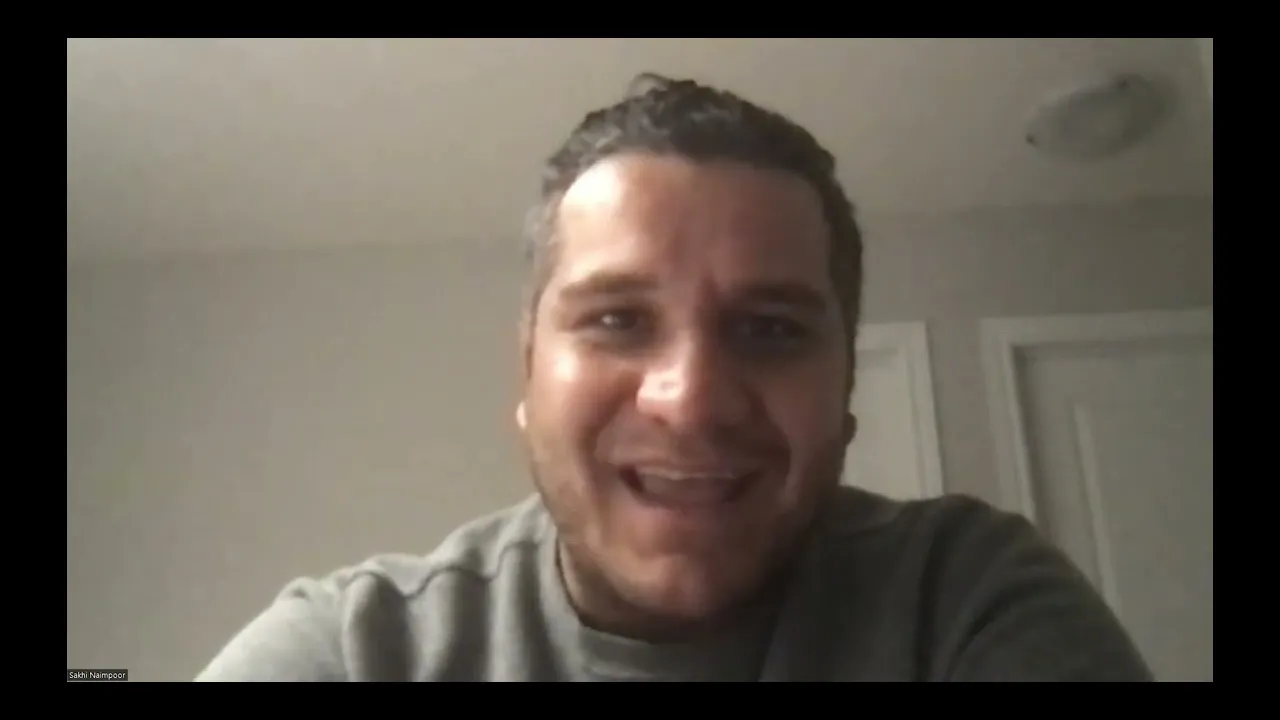
hey hello everybody I'm really happy to introduce you to Dr saki Nour and D Dr Nur was able to come in at the last minute it's Wednesday night and I was very pleased that he committed he's in a different time zone I'm not even sure where he is right now but he'll tell us a little bit more but before well just say hi to the students zachi please just wave hello everyone at Western it's uh great to speak to everyone virtually as much as I would like to be present physically just the time constraints don't
allow me to uh be there but I do hope to uh come in in the near future so it's great to be here and great to be uh talking to you guys okay so we only have 15 minutes I'm just going to share Dr nur's uh biography he's the former deputy director the deputy director of the national directorate of security in Afghanistan and before that appointment he served as the senior adviser to the Minister of Defense so saaki specializes in International Security and in Nat and also in security sector reform he's a registered business executive
member of the asia-pacific economic cooperation organization and he graduated with a PhD about two years ago or is it three years ago from the political science department under my supervision so Saki and I have known each other for long long time it does take a long time to do a PhD but I'm going to fire at you with some questions Zaki and you can answer them we only have about 15 minutes so my first question is have you ever experienced suicide terrorism or terrorism have you ever seen it with your own eyes can you tell
the students a little bit about what that's like um so uh in my previous role or in my previous life I should say uh I have seen it very many times it is an unfortunate uh reality when you're facing issues of terrorism and suicide bombings have become a harsh reality in the battlefield and uh has become become the M sarand of very many gorilla groups Insurgent groups given that it is efficient in terms of at least causing the maximum damage uh of course utilizing the misery and poverty and especially in the third world so absolutely
so have you did you have any bodyguards that were killed or I you I know you had bodyguards did you experience anything like that directly uh I've had uh some of my security detail Personnel who were uh uh who were killed in suicide bombings and uh especially in Cabell uh back in 200 back in 2013 and uh more recently back when I was in Afghanistan in 2020 so I've had at least six or seven of my uh secur uh security detail Personnel who were uh killed due to Suicide bombings well the main target was to
uh attack my Convoy but uh my security Personnel took the bulk of the damage and protecting me and protecting other uh high ranking officials who were with me and they were murdered in Cobble in 2020 and also in 2013 so yes I have witnessed it it is a harsh reality and it is something that stays with you forever and it replays in your mind and head over and over again what do you think can be done to prevent suicide terrorism what sort of act need to be taken do we need to change the belief systems
of the adance do we need to educate them soft power do we need to have PRS to vent anger do we need to combat poverty in Afghanistan what about education or do you think it's just impossible to uh to stop the belief systems the ideologies of suicide terrorism from fermenting in in a Petri dish in Afghanistan uh that is a great question Erica and I personally think that there are very many experts in my field in security sector and uh being one yourself we both know that it has become virtually impossible to defeat a belief
system and ideology um there are very many normative pieces that are published in International Security journals and a lot of this comes from academics who have never stepped outside of an Tower who have never been practitioners who have never witnessed the harsh realities of what terrorism looks like on the ground you know it's it feels good to publish a paper on something that you believe that you're an expert on but you have zero practical experience and you believe that your normative assumptions which emanate from your belief structures out in the west and how it can
be applied to the third world country which is so far detached from our cultural values what we take to uh Norms of Civility and all that so in my personal opinion I think it is very hard to uh wage a war against belief systems I think the 20y year war in Afghanistan perhaps 20 and a half year war in Afghanistan showed the world it is impossible to attack an ideology at its core eliminating poverty is a um great step forward when you provide economic opportunities um then that incentive to engage in war against the state
and perhaps the legitimacy of the state in a way slowly dissipates but somebody recently asked me at one of my uh talks was that what does a Taliban fighter look like for instance and my answer is that that it looks like a 16-year-old unemployed youth with a lack of of opportunities for progression with a lack of economic opportunities and at the same time when the central state has weak legitimacy it provides those vulnerable Youth and vulnerable men predominantly men uh provides them the so poverty is the key motive to engage in armed conflict poverty but
there are so many poor young men all around the world that NATO decision makers got tired of spending so much money on Afghanistan for so many years and so as you recall in April 21 they decided to the United States decided to finally completely withdraw despite the conditions on the ground because they wanted to withdraw by n by the 20th anniversary of September 911 so so do you think that that decision was a good one I recall that you were saying that Afghanistan would be able to defend itself without help from the United States I
recall you saying to me very fervently that you could do so for a couple of years well that that estimate was completely wrong Zaki how could you be so wrong uh absolutely and I uh uh at that time I was the deput deputy director uh of national directorate of security the NDS um from our calculations we were adamant that we would be able to defend the urban cities we had a capacity of 350,000 soldiers and we what really uh affected the morale of our security forces was the abrupt decision to end us support we were
under under the impression that that the US withdrawal would not be so abrupt if it was a gradual and transitional process it would have been something that would have provided the morale and boost for our soldiers to fight the war at least try to maintain our presence in major Urban centers there there's no simple explanation as to how the regime and the entire security apparatuses fell like a house of carts um there was a lot of corruption there were a lot of deals that were made with the Taliban behind closed doors and it was pretty
much at the end it seemed like they tied our hands and uh kind of left us with the mess and the soldiers had no leadership the M the main leadership of of all the security apparatuses had left I was one of the last people to board a flight an emergency evacuation flight to UAE but I do not blame the security forces perhaps I do blame the decision makers I was I still am off the belief that we could have defended Afghanistan a lot better had we had the US support for a bit longer in terms
of at least their support but I was wrong and let talk about Ashraf County the president on August on August 15 2021 did you think he would take off in helicopter with $169 million did he leave you on the ground what happened there did you get any information ahead of time no we did not have any information that he was going to sleep uh as a matter of fact a week prior I spoke to his senior advisor and I was in a meeting where he was attending as well and we did make it very clear
that if there are plans to flee we should perhaps work towards a transitional government and what he stated was that he was going to stay there was no intent on his part to flee um I think Ash of G is definitely the previous president of Afghanistan he is definitely responsible for the bulk of the state's failure failure to negotiate failure to bring other stakeholders to the negotiating table I was left on the ground like millions of other Afghans uh you can only imagine what would have happened if uh you would have been if if myself
and my colleagues had fallen into Taliban hands um it was a it was just a very very dire situation where nobody knew what was going on including American policy makers they didn't even know you could you could see how the evacuation went um was terrible they had trouble getting US soldiers out so we had no idea and yes I was left behind and it was a like I said just a dire situation unpredictable situation and it it it was unprecedented especially on the part of the US military because being such a professional military force we
did not understand that how this could have happened how they would have allowed cble to fall when they still had thousands of soldiers stationed approximately 5 kilometers away from the Heart of the City so when you left you went to Dubai and then what did you think you should do next did you think you should have resigned your position what did you think did you suffer from PTSD from all the violence that you've seen what kinds of what was what what happened next for the students to know when I did go to Dubai and this
is something I openly talk about because we're all humans we're all vulnerable uh pts is still a part of my life and it is something that still um is with me I went to the by had a total nervous meltdown uh I planned on staying there for a week I ended up staying there for 7 months I had a total nervous meltdown uh PTSD came on uh came on Force I had trouble collecting myself Gathering my thoughts just trying to put everything into perspective and unfortunately I couldn't and you know I finally gave up and
I went and sought help which I believe that every reasonable individual would do and I tried to build my life Peace by piece Peace by peace and finally it took me six to seven months to get out of that rut and uh you know it's one thing to talk about PTSD and and it's another thing to experience it it is nerve wrecking it it robs you of your purpose in life your motivation uh you do not know what to do especially when you're all alone so I had learned to pretty much learn to live again
as a as a human under new circumstances as a civilian at that point um so you you can't go back to Afghanistan ever you'll never be able to go back there unless there's well I wouldn't say never but I would say that given the circumstances uh it is almost next to impossible for me to go back to Afghanistan and uh there's no reason for will happen Zaki if Isis um obtains biological uh Warfare weapons and then from Afghanistan uses something to to try to hit the West do you think because of the Ukraine crisis there's
enough resources to attack Afghanistan and take it take it take over the Taliban do you think that's possible um that's a good question Erica so latest intelligence reports state that Isis does not have the the strength or capabilities to establish a long-term base in Afghanistan they're always on the run the Taliban or the perhaps there Arch enemies there has been instances of cooperation between the Taliban and Isis when when the uh Afghan government was in power but they are Arch foes from what we understand at this point uh they're always on the one they do
not have a stronghold and at this point I just don't see how that would happen where they would get a hold of biological weapons in Afghan because they're so wealthy I mean they were ranked as the richest wealthiest terrorist organization in the world by Forbes so because they're so wealthy do you think that they could obtain something but I think that that wealth and that caliphate has uh Fallen apart and Isis is not the Isis of 2014 2015 or even 2017 anymore the leadership has been decimated by by NATO all by the NATO alliance especially
the United States their leadership is taken out um there are some sleeper cells and a lot of these so-called Isis groups are Loosely affiliated with just the banner they do not even understand what the main core purpose is they know that establishment of a caliphate is next to impossible so there a bunch of sleeper cells funded by external intelligence agencies from what we know to achieve their own goals and especially in um in parts of the third world where they're affli with uh the with the curse of terrorism with the realities of poverty and uh
lack of opportunities so I do not personally think that Isis is capable of establishing a stronghold in Afghanistan but I should add that should they ever God forbid get their hands on chemical or biological weapons them trying to use it against the West it's inevitable I think uh their ruthlessness has been uh exhibited to the world they have shown what they would do but but it's just a fact of whether they would do that and in in in terms of being able to do that in the current realities I think it's it's uh I think
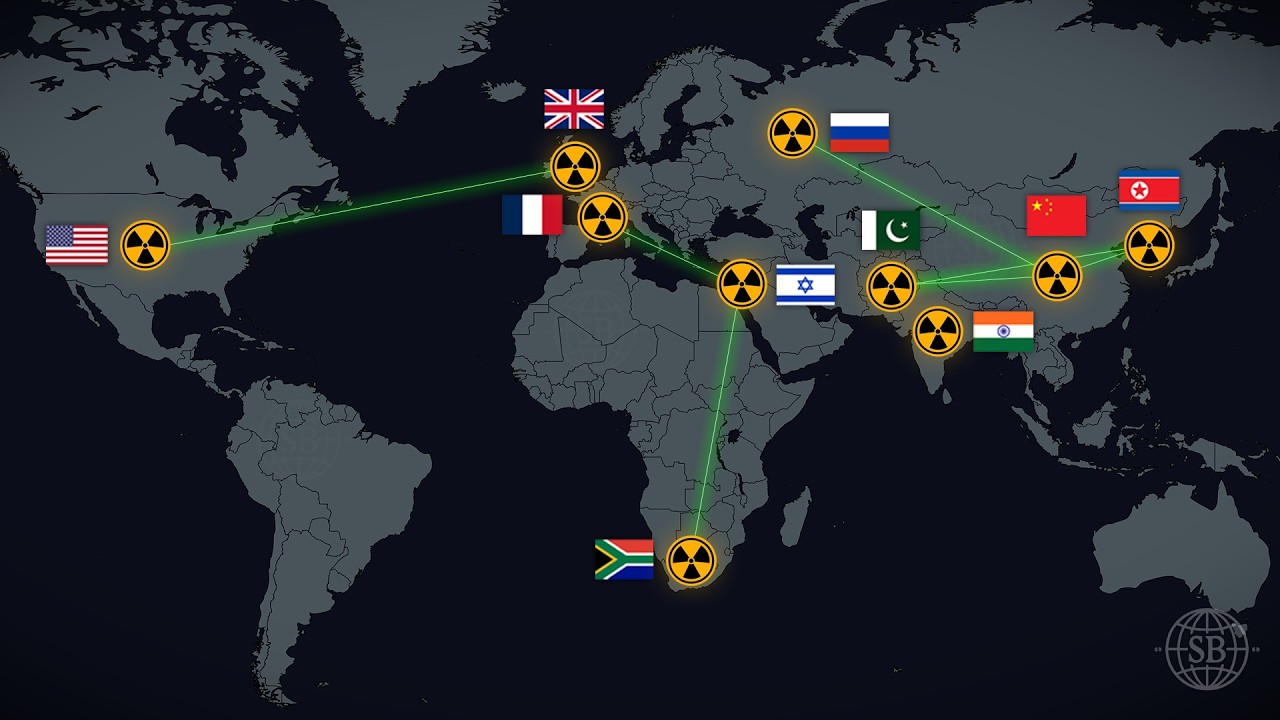
it's almost next to uh impossible at this point but I think where the real threat of terrorism right now is is in Pakistan given the economic down and Rogue actors within the Pakistani State and given that Pakistan is a nuclear power itself and uh so the United States as far as back as 2007 they had concerns that should Rog State actors or perhaps even Rogue elements within the Pakistani State or the military establishment get their hands on the nuclear weapons that could pose a serious threat not just to the west to the to the region
and almost the entire world I think that's and Pakistan's dealing with a renewed uh flare up of Insurgency and terrorism like you saw with the attack the brutal attacks that took per uh took um place in Pasha I believe it was about two weeks ago so it was a cause of concern you know it's funny saki I go on the Pakistan news and Western doesn't want me to they warn me not to I said no no I got to talk to I think it's called erdu news news or something anyway so I get all those
sorts of questions about nuclear issues and nuclear weapons but we did talk a little bit in this class about Pakistan and and the and maybe the black market from Afghanistan and them perhaps contributing more and more armaments small arms and light weapons to Afghanistan so can you tell the class any more about and this will be my last question what are you doing what's your plans for the future I had great plans for you for to be part of the Afghan government but that doesn't look like that's going to happen well in my lifetime U
but maybe in yours so what what are your plans just let's your plans were shattered but now you've come back and and you're in the United States or somewhere well I'm a I'm currently uh living overseas and I do not live in Canada anymore but my plans are uh to be a contributor to the realm of counterterrorism and uh help security agencies uh come up with novel ways of tackling Insurgency I know it's a vague answer but unfortunately given my position I am very restricted as to how much I can say but my long-term plans
are always to be in the counterterrorism sector and uh contribute with my expertise to uh prevent the malice of terrorism from spreading another thing your should class should know and I will say this is that uh Erica trained me as a practitioner I wasn't trained as an academic and uh the schools back from 2014 when I was a doctoral student at Western so I've always been trained as a practitioner I will remain a practitioner and uh like I said at the start of my lecture I mean at the start of this uh I don't know
if you could consider this a lecture but it's just a little at the start like I said at the start of you were we I trained you to be practical but academ the Ivory Tower where I'm sitting right now right right so a practitioner as well and her and I have traveled her and I have traveled quite a bit from we travel a lot together you and I we've been from un to Nato to Qatar to Europe you name it so yes my goals are as a student you came with me to many places but
now I can't go with you anymore because you get through security five minutes and then I'm sitting in the line waiting and waiting and waiting yeah right okay well that's good I I I hope that changes gonna pause you have any further questions for me my time zone it's around uh 4 am here oh really I don't even know where you are okay that's good thank you very much zachi for doing this well it's been great talking and uh to your students I say best of luck and uh it's been great talking to you guys
and hopefully what one day we could meet in person and should there be any questions you can always get my email address from Erica and uh talk no no no no saki we're not going to do that there's too many students I I can't give your email out to that many I'm sorry but but that that said I'm sure that they appreciate this Zoom recording thank you so much for coming in at for thank you so much it's very great