do Bim Specialists or people who usually work with Bim get paid better within the architecture world this recruiter like when I was joining Bamo actually told me that if you go to the interior designer out you can never come back to our architecture I was scared I also thought you know you know revit equals to him it's not um it's it's a big it's an important tool for sure like not to Discount that uh but there are other tools welcome to blessedarck guys and today on this channel we have with us Neha sadruddin who is
currently a project by manager at Grimshaw architects in this interview she talks about her experience about learning Bim and finally Landing a job at Bjarke Ingels group we also cover topics like the salaries of Bim Specialists and why Neha finally decided to leave big it is a great and insightful conversation so let's get right to it all right welcome to the channel welcome to blessedarck you know a past couple of months so many people have uh you know on my channel been discussing Bim wanting to know so much more about Bim and that is why
it is so nice to have you today on this channel so that we can sort of discuss everything there is to know about Bim so thank you so much for being here yeah thank you thanks for having me I know you've been trying to schedule this for a while um so I'm glad that we finally are making it happen so I want to Dive Right into our discussion um and we'll come to the juicy stuff to the Bim part A little later but before that I actually wanted to start with your background so I want
to first start with uh when did you graduate studying architecture and where did you study so I graduated in 16 from Pratt Institute it's an art and design school here in New York and they have a they have a very good program for architecture both undergrad and grad so I did my bachelors and it's a typical five-year program um so yeah so you know once you graduated um where did you start working what was your first job so I actually moved to San Francisco to work at an interior design firm called uh Bamo they specialize
in multi-residential and Hospitality design and at the time I was more interested in exploring Interiors because I thought that I didn't know too much about it so I sort of went in that direction and also wanted to try out a new city so that's uh that was where I started we were sort of discussing when we had sort of discussed for this interview and you had told me an interesting story of how you actually ended up studying Bim a little bit or training in it so uh let's hear a little bit about that how did
you actually start with Bim luckily for me when I I joined Bamo that's where I got introduced properly introduced to to Bim um before that I'd only taken like a rabbit course or class in school which I didn't do very well at and I was like this is totally not for me but I got reintroduced um to the program at my first job at bamo where they actually lucky for me they were transitioning from CAD to Bim and so they were looking for more people who sort of were interested in learning or already had some
background in it so they asked me if I if I care to learn um and I being you know sort of very motivated I was like yeah yeah I'm I'm down to learn and let's see if I can really sort of understand it so I was also curious uh as to what this whole thing is about and um so so they put me on a project that was delivering in Bim and that was like kind of my first um opportunity to kind of really get into it and it was a lot of sort of self-learning
so I I was looking up Google and I was looking up um all these like forums and YouTube videos um just to understand what it is um there were some seniors who you know had had experience so I was definitely kind of seeking their help as well but then after that after that project was done I I I kind of realized okay there's like a very big sort of learning curve here um and I enjoyed it so I was like okay I don't want to go back to CAD because if I do then I'm gonna
forget this um you know forget everything that I've learned so I approached my supervisor and I told her I was like can you please make sure that um you know I'm not put on CAD projects but I don't one I don't enjoy it as as much but do I also want to keep honing this skill she was very very respectful of that and also very encouraging and supportive and because they needed they needed that skill so much anyway so it kind of worked for them too around the same time that I joined um they had
hired a Bim manager to help with this transition uh from cat to Bim so there was a lot of work that had to be done to set up like office standards libraries you know training materials all the all those um in-house setup requirements so when whenever I had some downtime from projects I would work with her to to set up these things as well one that helped me to understand okay what does it take to like really set up this Bim infrastructure inside an office also kind of helped me understand more um about it and
also a brush up my skills um so that's how I sort of got into it and um it's now you know now I'm here now I'm like completely in immersed in this niche you know it's actually very interesting to hear like you know that it started off as you know something that the office was also looking for and you were also sort of up for it and that's how it started and I love the fact that your office was also so encouraging that you wanted to continue within Bim um and they were very supportive with
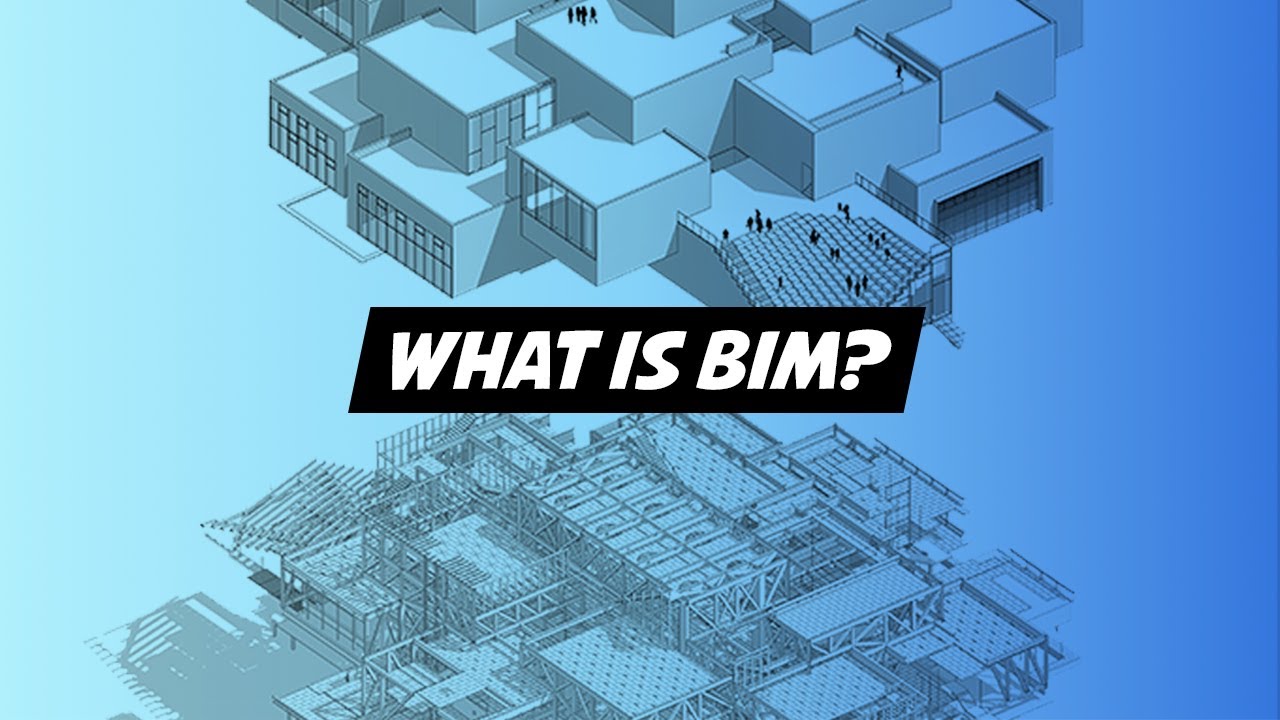
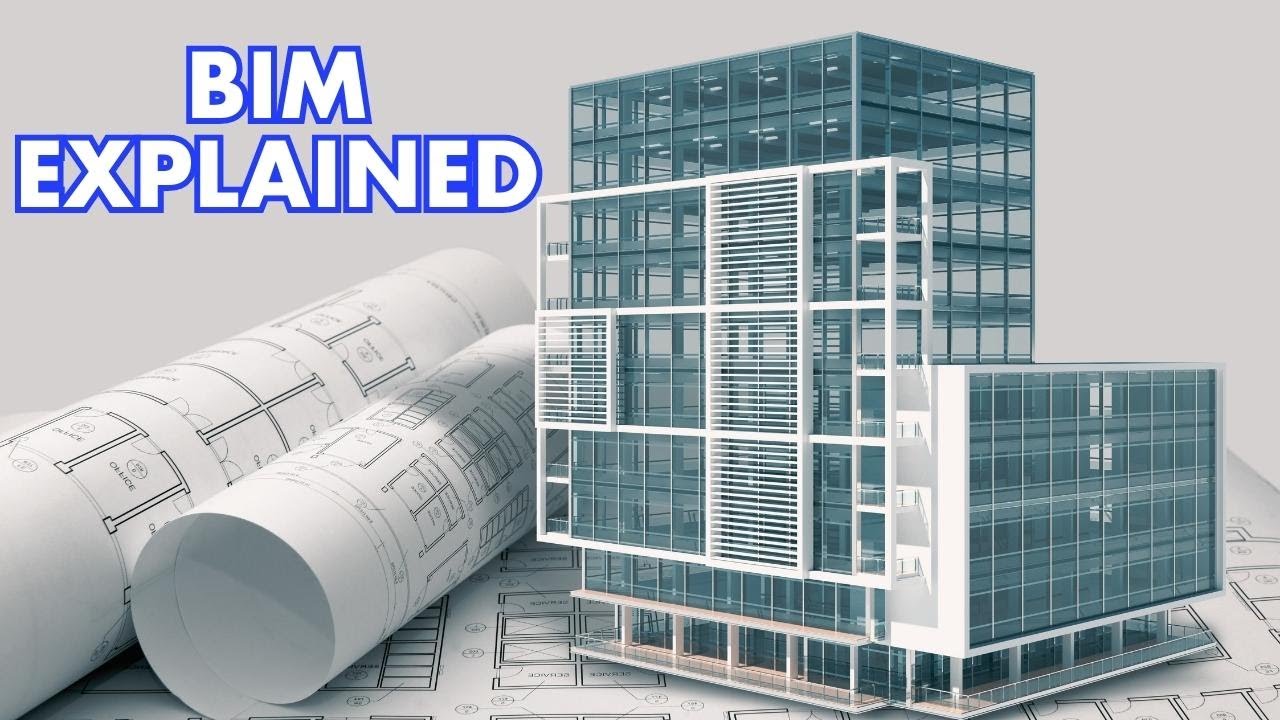
that um you know you mentioned Revit you mentioned that you had you know started a little bit of Revit when you were studying but it was very different from what actually Bim was so so let's actually discuss this because a lot of people equate Bim to Revit or vice versa so um you know what does Bim actually mean so the the literal description or definition um of them is building information modeling it includes a lot of tools um one of them is is rabbit so Revit is a part of Bim but bimin itself is it's
a process it's a project delivery approach um whereby multiple disciplines um come together collaborate on one platform and manage and coordinate you know all the information from all these different disciplines um more efficiently all that information is not just you know used during construction or during the design and construction it's also used after the idea is to use you know this data that you're Gathering and um kind of modeling while you're designing and constructing and using that to later manage and operate the building as well because the building is going to go through sort of
sort of multiple say either Renovations or maintenance um so you can look at it as three big phases design construction and then operations and management or maintenance so that's what Bim allows you to do it allows you to maintain this information um throughout the life cycle of of the building and be a bit more efficient compared to the cad sort of approach I mean that's interesting to hear because a lot of people when I was also studying um I had the same thing that you know I just thought Bim was 3D modeling in Revit uh
and you know that you would just have that concrete beam depth and that that is what we meant yeah I've been guilty of that too I also thought you know you know rabbit equals to him it's not um it's it's a big it is an important tool for sure like not to Discount that but there are other tools it's there's a whole you know it comes it's one of one of the tools um that really helps with it but there's there's other tools there's novice works there is for class detection for management like depending on
what you are trying to get out of or what which part of the process you're actually involved in um so Revit is just one part of it um yeah now we are halfway through our list but before we continue I want to tell you about the sponsors of this video skillshare now skillshare is a platform that helps you upskill basically it has a selection of courses from amazing instructors around the world which covers so many topics as for designers and Architects they have classes on graphic design logo creation animation and many more I even came
across Stephen Rubio's course called architectural digital collage now we know Steven and he does some amazing work in this course he tells you exactly how to create digital collages like this there are also many other classes but this is the one I recommend you start with and by the way all of this is completely free the first thousand people that click on the link in the description get access to the whole skillshare catalog completely free for a month so do check it out and now let's get back to our video alright so now let's come
to uh uh big so your next job was becoming a Bim specialist at Big so first of all let's talk about how you actually got a job there I applied um yeah yeah uh not uh nothing you know sort of out of the ordinary that you have to do um I'll I will say that it wasn't um it wasn't the first job that I applied to when I did decide to kind of start looking again I I think at the time I had been at Bama for three years and I was sort of realizing that
okay I've done interiors and now I kind of want to go back to architecture I also wanted to go back to New York so those are the two main sort of factors that I uh was basing my decision on and I didn't only sort of apply for Bim rolls in the beginning I was applying to I was still applying to design roles and you know it took me about six to eight months to really kind of filter out um the roles that I didn't want actually didn't want to do so um I know there are
a lot of people who are like yeah let's just apply to everything I've done that too um you know uh but I think realizing that okay these are the things that I actually want to be doing um helps you then kind of you know Channel your energy into or or Focus the energy on to just you know one type of application or the applications that actually matter to you so once I kind of decided that okay I want to explore the Bim Bim route that's that's when I started to apply uh to open specific roles
and uh people is one of them I was a little bit late in that process um so they had an opening that was about two months old so I went ahead and applied but I did also reach out to um to the manager who then became my manager to just make sure that the opening you know was still they were still accepting applications they were still interviewing so that you know sort of helped me stand out from the rest of the applications because I got a phone call out of it so there was a little
bit more of an interaction and I could really present my interest a lot better so I definitely encourage everybody to to use LinkedIn to their benefit um it's it's a great resource it's not wasn't always there so it actually is making making it easier for you to to get the job that you really want um so even if there isn't an opening um somewhere if there is a team that you want to be a part of I I always encourage people to kind of reach out to to the people in that team just to get
an idea of like what is it like like to be part of it so that later when there is an opening they might even you know remember you and they might even just reach out to you before they post the opening so I think there's a lot of benefits to networking you know within what you said there were two interesting points one was when you just said I applied is I think one of the first things is is you do have to sort of apply as well to first of all get a job there it's
it's build up your your folio build up your work as much as you can and then actually apply and I think reaching out was a great and this is something I think a lot of people will take from it is reaching out to people just being in communication with people who are at the firms and at the particular departments that you're looking forward to the second thing I found really really interesting was that you know when you said that you realize that your interests were more towards uh the construction side of thing and that is
when you properly started applying for Bim and you know that is interesting to hear because architecture today is very very diverse and that is what I keep telling people it's so diverse like within architecture there's so many things to do and so uh that traditional architect route which used to exist exist 50 years ago today that specialized into 10 different professions uh and So within architecture you can then get in realize which one you're better at or which one you have more of an inkling to and then sort of go towards that and that you
only get once you're in the profession you cannot get a handle of all of that once you're starting of course yeah no I totally agree and there's yeah there's multiple career paths now I was also quite scared actually in the beginning where I was like oh if I go down go down this path and you know what if I don't like it or what if I'm not good at it you know how do I get what if I have to get back to um the design path or you know how do I then how am
I gonna pivot again um am I gonna get stuck it's all it's all in your head I remember somebody this recruiter like when I was um joining Bama actually um told me that if you go to the interior design route you can never come back to architecture um and I I mean I was a bit scared and you know and I did decide that oh now I want to go back to architecture like you know her words were like really kind of um ringing in my head and I I was scared but I don't know
like you shouldn't let somebody like deter you from trying and I feel like if you're just trying too hard enough and you can you can make it happen so I think pivoting is it's becoming very common now like nobody holds the same position throughout their life it's you know um so people are more accepting of um people like coming from different backgrounds um so I I don't think that should kind of restrict you or um hold you back from exploring something new even if you don't know too much about it um yes very true so
when you were working at Big you went on to become from a Bim specialist to a senior Bim specialist so what exactly is the difference between the two roles and um can you also tell us a little bit about the hierarchy that exists within let's say the Bim group I don't think in terms of like the work there's too much too much like difference at Big like we were you know a team of three people so uh we always kind of would um divide the project work the the roles stayed pretty much the same I
I would say that it's more about responsibility it's more about you know um experience that you kind of or the senior title kind of comes with experience um and also a little bit more Independence so you are able to kind of Take Charge of the projects um so you're less kind of reliant on on your seniors um because you kind of you know know a little bit more and um are able to run with it on your own so I think it's more of just that you can now that you can lead the Vim deliverables
or the Bim side of things you kind of run with it on your own so I think a senior just is it's more about just an experienced thing but I think overall the role sort of stays the same where you are partly supporting projects and partly um developing in-house sort of Standards or libraries any sort of r d type of work um depending on what your what your organization kind of is interested in or or needs work in in terms of hierarchy uh I I think that the the junior most role is is a Bim
specialist some offices I think also have the title Bim coordinator I think those are kind of similar um and then you have senior Urban specialist um project the manager which is what I am currently you can then become a studio or office band manager where you are kind of responsible for the entire team above that would be like a Bim director or a head of Department um you know some some uh some offices have a head of design technology as well well so that kind of encapsulates like all things design technology so viz or computational
like all of those things so there's I think Bim then becomes one Department under that so that is roughly the kind of hierarchy that I've I've seen and um that I know of let's also talk a little bit about your experience at Big like how was working there like yeah it was great um I have really fond memories of it and um you know it's they're a very talented uh group of people um very exciting projects um every project is very very different um in in the form in you know the design and so every
every project kind of brought a new challenge that um was definitely super sort of fun to to be a part of and the people you know the people are also very creative and I I had a terrific time um working there yeah so after big you sort of of today work at Grimshaw Architects and you are a Bim manager now firstly but like why did you decide to leave big um and and pursue Grimshaw Architects I just thought it was a opportunity you know to learn something new to um sort of work with a new
group of people understand how a different office kind of works it was mostly to kind of diversify my experience um rather than something that I wasn't happy about at Big it was just you know I wanted to explore something new I think every time I change jobs it's mostly you know you you just want to gain a different perspective different experience I wouldn't say that um the design technology team at Grimshaw is is bigger um they have they have more offices around the globe so I was interested in kind of being part of a paper
group just um just kind of see how how you know a bigger organization kind of deals with uh design technology or approaches it and um so so that was the initial thing like exposure and and experience all right so um you know when we talk about Bim in the architecture industry today so what do you think is the importance of Bim in the overall architecture industry how important is it uh like having the Bim knowledge or for firms to get integrated with Bim and also do Bim Specialists or people who usually work with Bim get
paid better within the architecture world yes yes I think that um Bim it as a skill is definitely you know high in demand right now and it's continue continuing to grow because more and more offices are sort of moving away from the cad um approach they are adopting Bim and so that skill is I think gonna continue to be in demand um for a while clients also these days want um you know Architects and or the entire sort of um design team to deliver in them so they have requirements I think it's going to continue
to grow the construction I think industry is is you know is moving away from the analog uh sort of format it's the digitization of construction is going to continue to happen so Bim is you know one part of upon part of that so it's the it's kind of the future and I think as Architects you are only going to benefit from having those skills there's no downside to it you can you can have been skills and you can continue to be an architect and continue to design as well it doesn't mean that just because like
the Bim specialist the Bim manager route is not the only career path that um that is open to people with Bim skills um that is just one one route you can be part of the Bim team or you can be continue to be part of the design team um and um also have those skills and you will be valued a lot more um than somebody who doesn't uh in terms of pay yes I can't deny that it is um it does pay higher I've read you know it's probably maybe 20 to 30 percent um higher
I'm not entirely certain on those statistics but it's a I think a significant uh pay Gap RP rise so it's high demand low Supply so that that guide is a explains it and I don't know so you're saying if you get enough if we succeed in getting enough people trained in vim and you're saying right there it's always like I mean it's not like Bim is gonna be you know the thing for yeah there will always be something new maybe a new thing that's gonna come out and then um people are gonna require expertise in
that so I think that um for now Bim is is the one that's in demand so it pays I think you've touched upon an interesting point there is that you know as soon new things keep coming up the more willing you are to learn newer things and specialize in that you're also paid more because again you'll be one of the few people who actually have knowledge in that right now uh Bim is that right now is because it is spreading all over the world and not as many people have the knowledge but it is also
important to hold on to that learning of newer skills uh and being open to them as soon as they come out so you know if somebody wants to sort of uh upscale in Bim and you know uh want to learn it so like where does one begin so there is two two things that I in sort of you know talk about or emphasize on is one you know if you want to learn the skills there's plenty of courses out there um there there are plenty of sort of videos um or YouTube channels um that you
know specifically um have tutorials for for Revit or navisworks um Dynamo like all of those tools um so one part of it is to to start learning the tools I think that's a great way to kind of get started and that's how you will understand how it kind of ties into the entire process and the other thing is definitely sort of being on a project that is delivering in them um you need to kind of understand the construction process which right out of school you pretty much don't know anything um about how a project gets
constructed right so to see a project from inception through you know at least through the end of like um the documentation of it um you I would say it's important to kind of have that experience uh so that if so that you can then understand okay how does Bim make this better or how you know you can then understand how to strategize they kind of kind of work together it's not just oh if you know Revit then you're done or if you know like two or three tools then you're done um I think it's the
tools and then also the experience of being on projects and building projects so if somebody is applying for you know a Bim role within a company what should their portfolio be would it be different from an architecture portfolio let's say yes I would probably encourage them to um show their Bim skills right if it's a Bim specific role so um definitely include any projects that you've done in using any of the Bim tools whether it's Revit whether it's navisworks um any scripting or any even like automation like today like even coding is like a a
good skill to have like um if you want to be part of maybe not the VM team but like a design technology department like some people kind of some offices have um have that as well I would probably not put in so much design related uh projects or work um just because you do tend to not be that involved in design so you know unless you're doing like it's a modeling task or something like that I would I would um definitely put that in um the other thing is like any experience to show that you
have delivered or been on a project and like you know how to document a project um that I think is very very important um so if you have been working if um and you have some professional experience in delivering a project and documenting it um definitely show that or you know what I did when I was applying um I I spoke about like working with the Bim manager to develop the office sort of content and libraries um so that is you know something that you could also add yeah I think that pretty much covers uh
all the questions that I had for you today um but let's come to our last question which is basically something I ask everybody but I think for you it will be much more specified to a Bim specialist role is is what advice do you have somebody who wants to pursue this pursue Bim as a field of interest and maybe is is a student or is a fresh graduate if you haven't sort of taken any courses like maybe you want to start like looking at courses um there are there's um plenty of those out there there
is the LinkedIn learning courses there is one is 2X um that has a pretty good course there's also Revit pure um which is a one of my favorite like YouTube channels they have great sort of tutorials um so I think it would uh you know if you're looking at that definitely use those to to start upskilling try it out talk to people um talk to people who are in those roles um just to understand whether it's something that you will are interested in or will like and will be good at um also get experience like
don't don't focus on just learning tools focus on understanding like the industry and the workflows that that are you know part of uh part of the industry so because there is there is a strategy component um if you want to invest especially if you want to go like the bin specialist route um I think you should know how to strategize you should know how to decide like what kind of workflows are going to work best for a particular project depending on its constraints and budget every time you are on a project like I I always
go back to analyze you know what could I have done better um sometimes you know there's no perfect project there's always a learning curve with each project so if say or to a certain task is taking super long maybe there is a tool out there that's going to help automate it um so those those are the kind of things that um you know your day-to-day will look like um in a Bim role so maybe start you know thinking about those things perfect um thank you so much Neha thank you so much for taking out the
time uh for this video and I'm sure like uh people would have a lot of questions also like Beyond this video also maybe we could do a part two later and people could let us know uh you know questions and everything or anything going through your head in the comments below maybe we could discuss below or do another video later but like let's have a discussion going and thank you so much Neha for taking out the time no thanks for having me it was a pleasure and that was it you guys that was my complete
conversation with Neha of course if you have any questions about what we discussed today you can let me know in the comments below also do not forget to give this video a thumbs up to like it and to subscribe to bless dark also hit the Bell icon so you're notified whenever a new video comes up if you wish to support bless dark you can do so via three sources through patreon through YouTube memberships and through PayPal the links for all three are in the description below and I will see you soon with more such content
until then bye bye