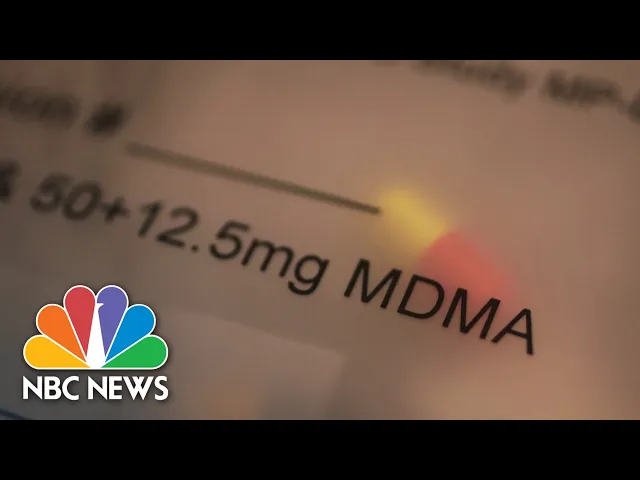
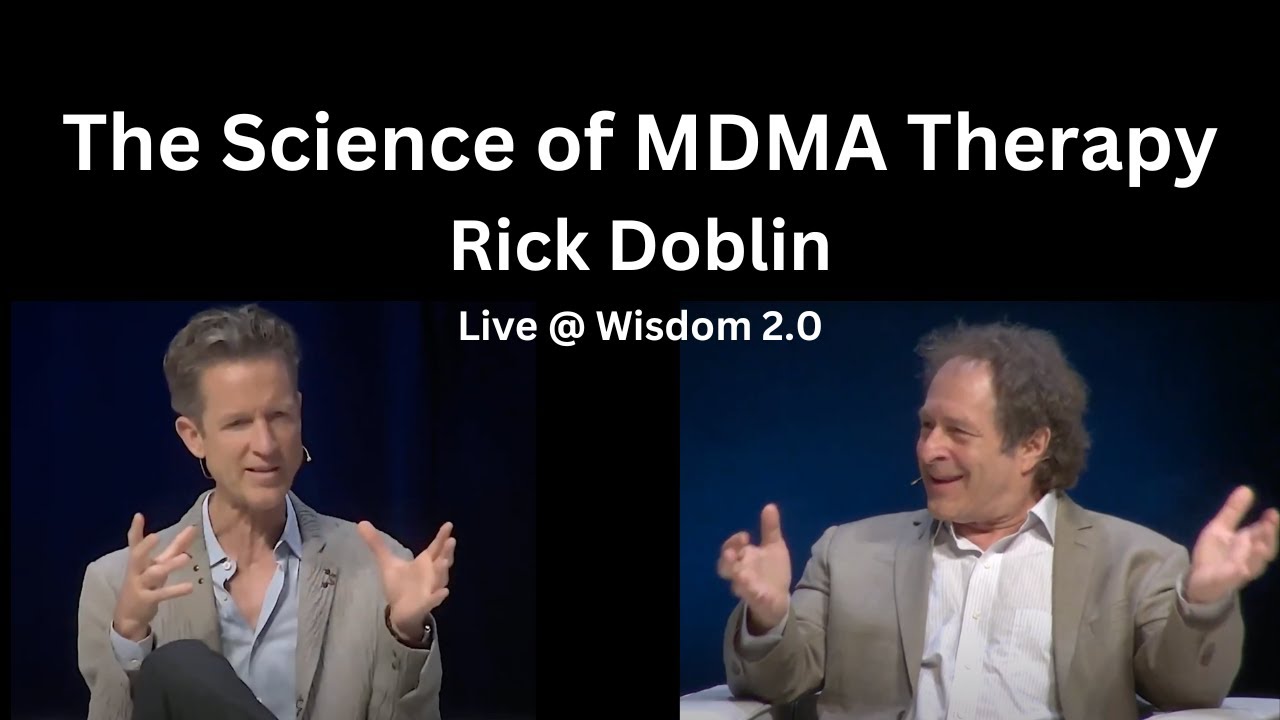
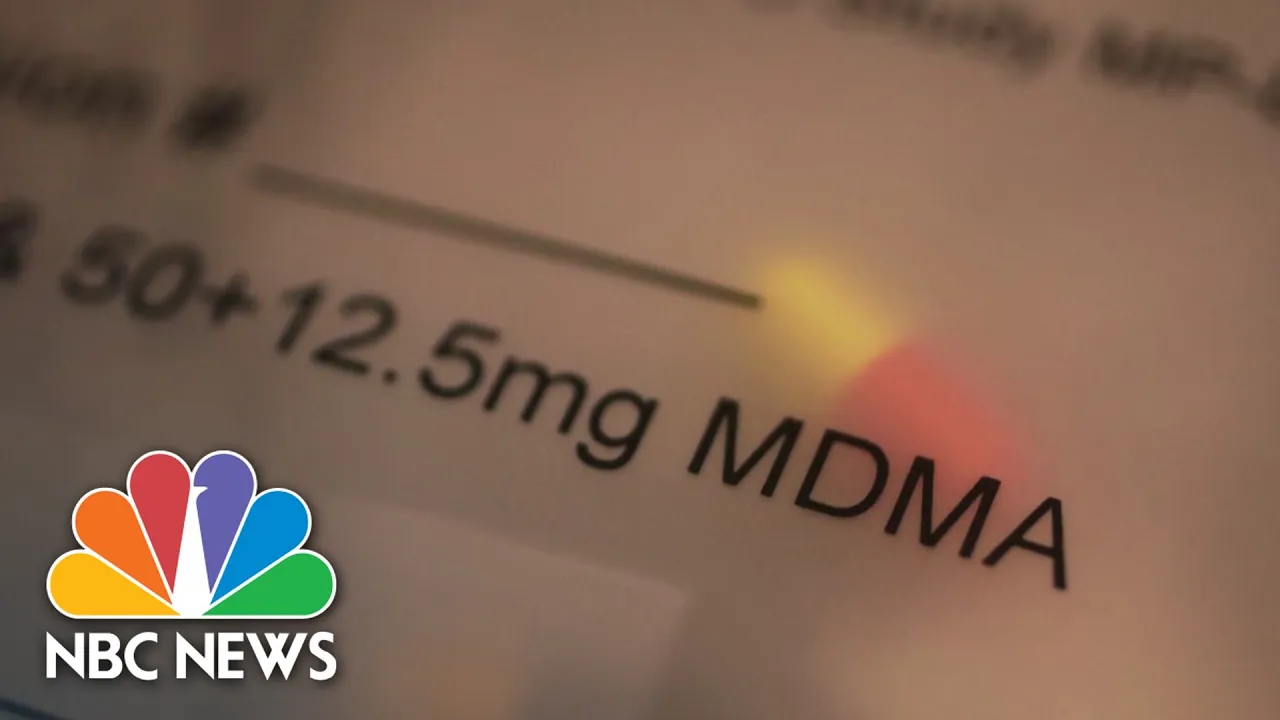
post-traumatic stress disorder is a painful and potentially debilitating condition that affects an estimated seven percent of americans in their lifetime and existing treatments are only modestly effective well a new study published in nature medicine shows that for people suffering with severe ptsd the benefit of talk therapy could be greatly improved with an unlikely drug mdma popularly known as ecstasy the authors hope it will lead to an fda approved treatment for ptsd by 2023. dr rick doblin founder and executive director of the multidisciplinary association for psychedelic studies sponsored this experiment and he joins us now doctor
good morning thank you so much for being here so this is the first fda approved phase three clinical trial to study mdma's use in therapy tell us what did you find thank you very much for having me it's also the first fda approved phase three study of any psychedelic assisted psychotherapy not even in the 60s did we get this far wow what we found is that for severe chronic ptsd patients and we enrolled ptsd patients who had previously attempted suicide as well so this was the hardest cases we showed that two months after the last
experimental session 67 percent of these people who had ptsd an average of 14 years one third had ptsd over 20 years the two-month follow-up two-thirds no longer had ptsd they didn't qualify for a diagnosis compared to 32 percent in the control group that got therapy without mdma and we had a terrific safety record and we had very large effect sizes it was better than we had hoped wow so doctor what does mdma are ecstasy as many know it due to the brain that from what you can tell helps make traditional therapy more effective one of
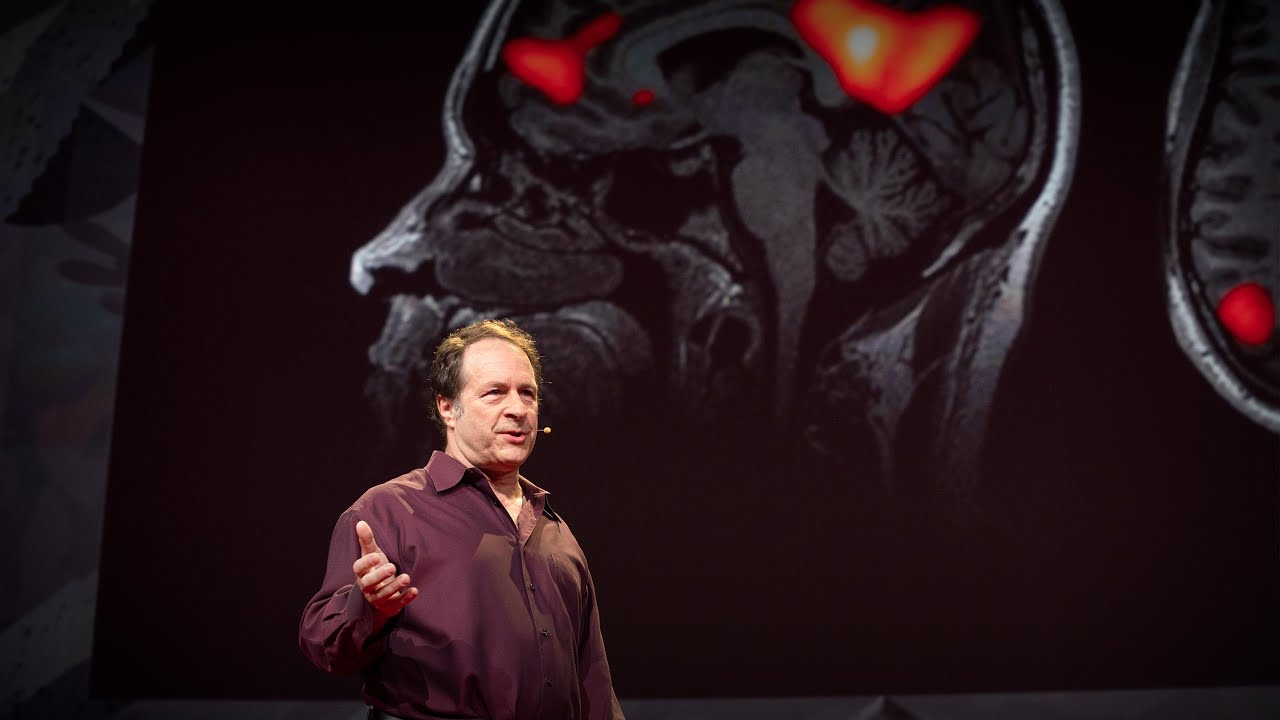
the most important things it does is it quiets the amygdala which is our fear response part of the brain so that emotions that are connected with fearful memories are difficult for people to process that's why for people that have ptsd that it's sort of never in the past it's always about to happen and so with the amygdala being quieted people can experience these memories and express and release the fears and emotions without being overwhelmed mdma also releases oxytocin which is the hormone of love of nursing mothers and it builds a sense of trust and connection
between the therapists and the patient and it fills people with self-love self-acceptance and the ability to release and process emotions so here's the question probably on everyone's mind what about negative side effects are there any yeah oh every drug has benefits and side effects mdma increases blood pressure so we exclude people that have uncontrolled hypertension in the therapeutic setting there's very minimal side effects we see sweating we see a slight temperature increase sometimes people have jaw tensions but in the doses that we're using there's really no physiological lasting side effects the most important one is
psychological is that if people take mdma and they're unprepared for challenging emotional memories to come to the surface and they're not ready to open up to that and try to suppress their feelings then they can end up worse off for months or years later so i'd say the psychological side effects are also what makes it therapeutic is that they come to the surface these difficult emotions but you have to be ready to process them if you're just taking this for a good time it could be problematic but mdma was a therapy drug before it became
a party drug and most people don't realize that and we're trying to bring it back to being a therapy drug all right dr doblin thank you so much really interesting stuff thank you for joining us to tell us about it thank you for having me hey nbc news viewers thanks for checking out our youtube channel subscribe by clicking on that button down here and click on any of the videos over here to watch the latest interviews show highlights and digital exclusives thanks for watching