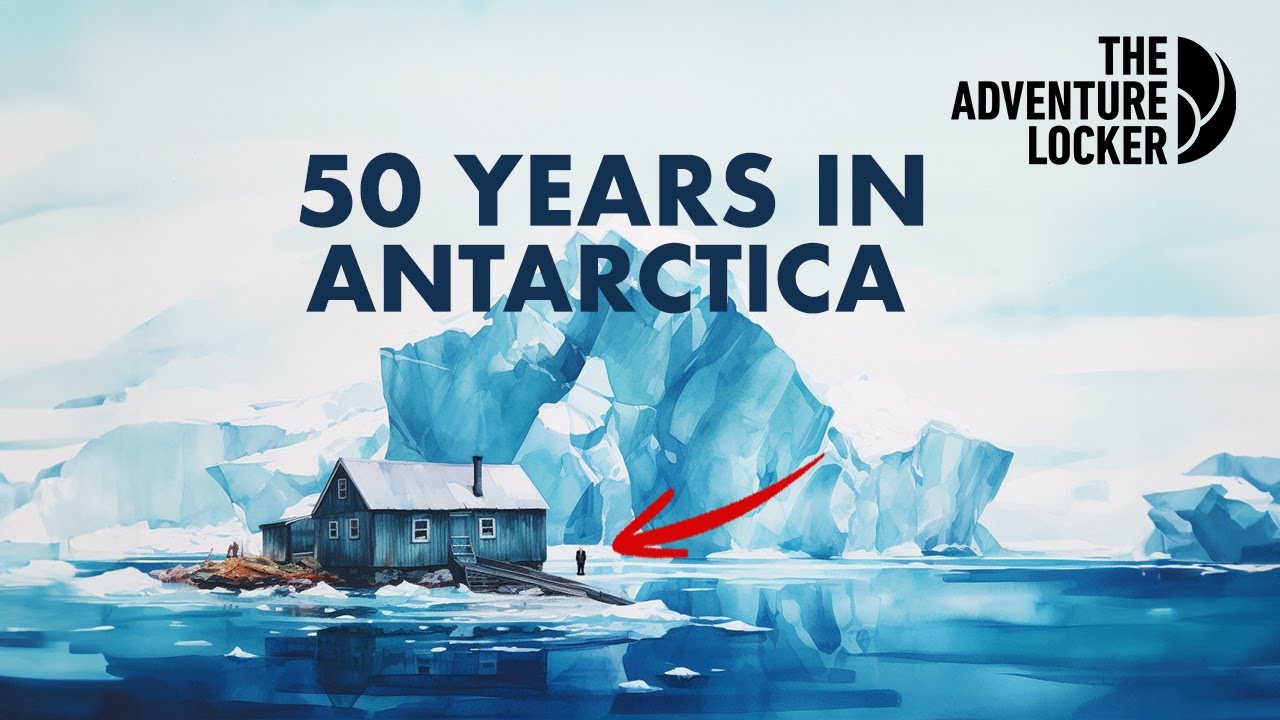
if you want to spend a long time in this place you may need to consider taking health precautions such as having your wisdom teeth removed or getting an appendectomy in advance there are absolutely no reptiles or amphibians here and all land mammals are brought exclusively by humans there's been no rain here for almost 2 million years but at the same time 80 percent of the world's fresh water reserves are stored here antarctica the coldest and probably the most mysterious continent on the planet over the past century humanity has studied its surface quite well but we
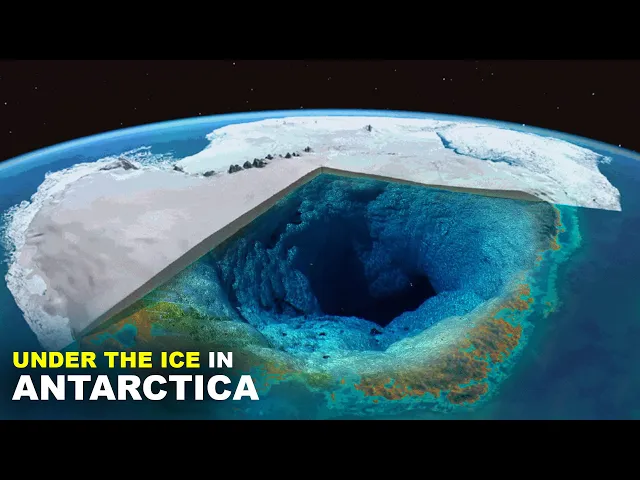
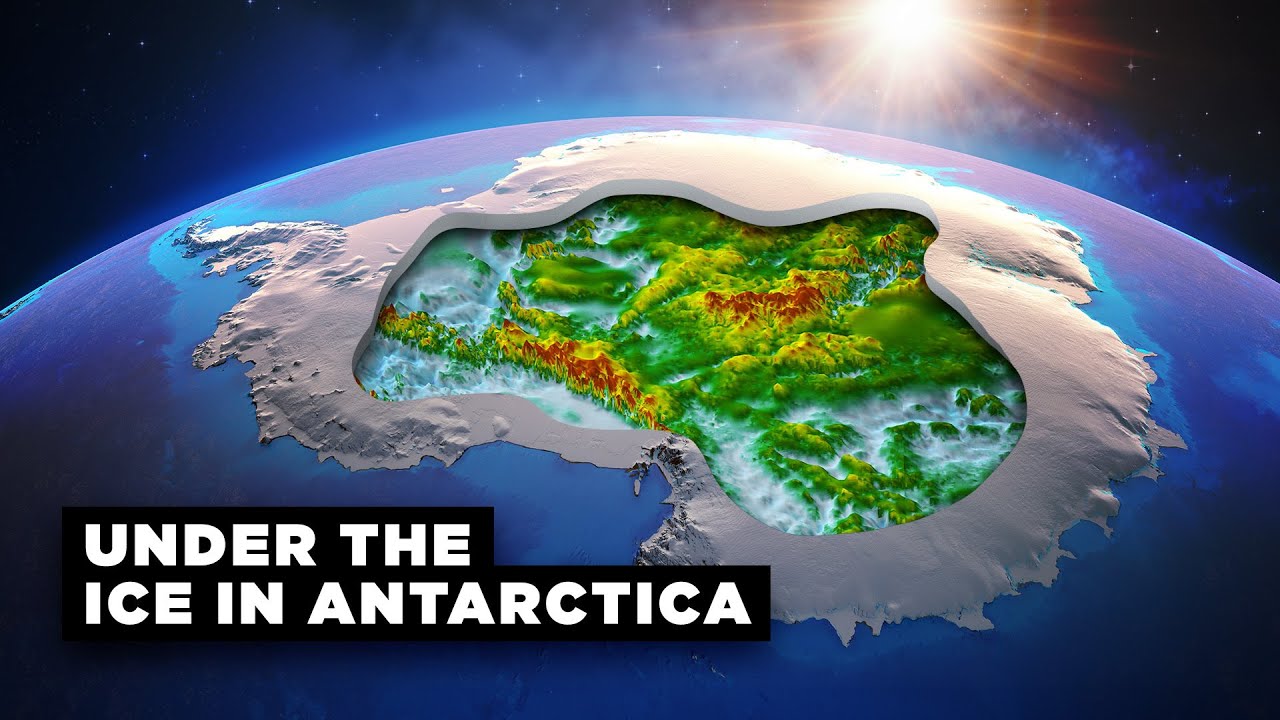
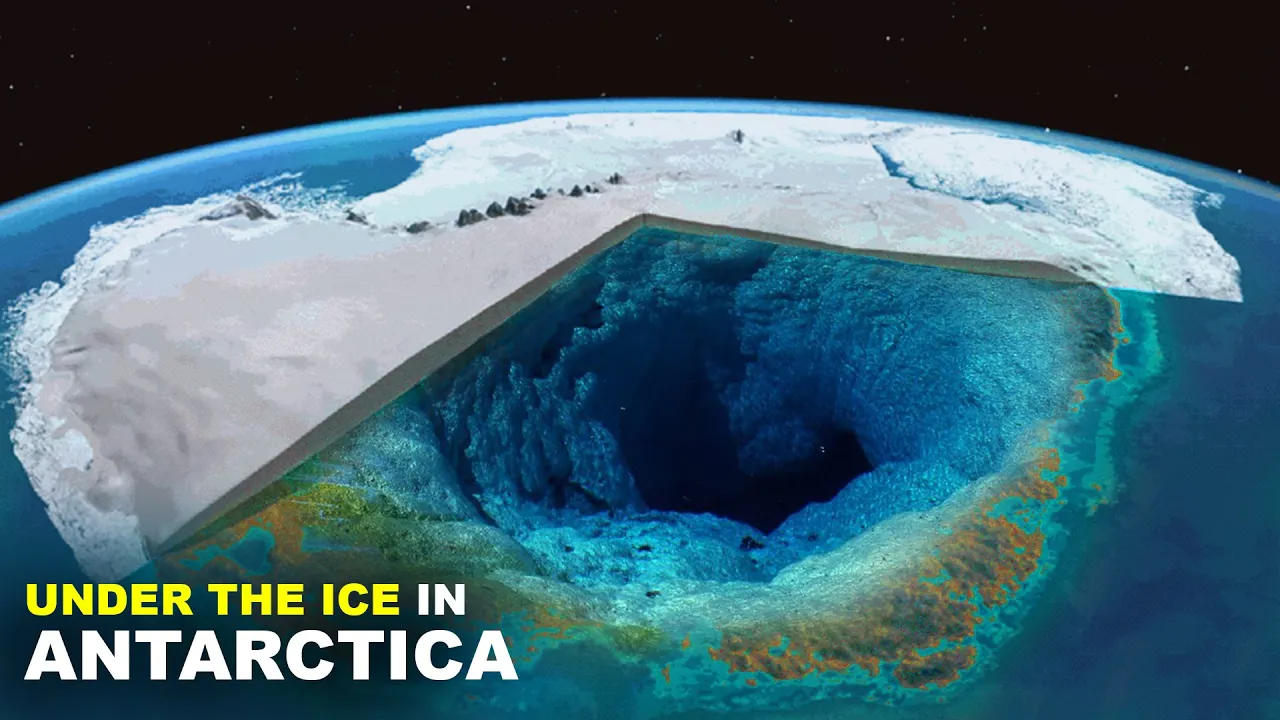
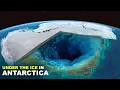
all know that what's most interesting is usually hidden deep beneath when scientists decided to look under the ice cover of antarctica what they saw there surprised not only ordinary people like me but also the researchers themselves so what is hidden deep beneath these huge sheets of ice for a long time scientists have believed that under the immense thickness of ice there's nothing particularly interesting at most maybe some small scattered pockets of subglacial groundwater however the expectations that researchers had in the 90s have been exceeded as it turns out under the ice of antarctica there's a
whole lake and it's also quite large about 5 800 square miles or 15 000 square kilometers which is about 1.5 times the size of the island of cyprus the depth of the reservoir reaches 4 000 feet over 1200 meters this is only 145 feet or 442 meters less than in the deepest lake on the planet by call since this reservoir was discovered near the russian polar station vostok the lake was also called vostok this giant pond is hidden under a huge layer of ice with a thickness of 11 886 feet or 3623 meters for this
reason the researchers did not expect to find even the smallest signs of life in such harsh conditions after all the temperature near the lake reaches minus 128.2 degrees fahrenheit that's minus 89 celsius the ice pressure exceeds the pressure of the icy crust of the moons of jupiter and sunlight never breaks through to the surface of the lake in addition the concentration of nitrogen and oxygen is 50 times higher than in ordinary freshwater lakes few organisms living on planet earth can survive in such an adverse environment however scientists still manage to find life in such extreme
conditions at the same time it was completely unlike anything we had ever seen before researchers have discovered a new type of bacteria which was given the name w123-10 the dna of this organism is only 86 identical to other living things on planet earth the reason is that the lake was isolated from the rest of the world for several million years so the bacteria found there developed separately from all living organisms on our planet researchers later discovered that there were traces of about 3 500 species of living organisms in the lake this number is disputed by
some scientists but the very fact of the existence of different forms of life has led researchers to a very important hypothesis since there are probably such lakes under the ice of mars and the satellite of jupiter europa it's quite possible that life could also exist in those places by the way vostok is far from the only subglacial lake willins and ellsworth are two other large lakes in antarctica according to john prisco a professor of polar ecology from the university of montana the total number of ice lakes might be as many as 400. however not all
cavities under the ice of antarctica are filled with water one of these places is located under the glaciers of marie birdland this is the bentley depression which is the deepest continental point on the planet that is not filled with liquid water about 8 215 feet or 2 540 meters below sea level similar discoveries were made with the help of space sensors which scan the relief of antarctica in both directions as it turned out the ice is distributed very unevenly the ice of eastern antarctica is slightly thicker from 25 to 30 miles or 40 to 48
kilometers and in the western part of the continent the ice thickens to between 12 and 22 miles or 19 and 35 kilometers such heterogeneity is due to the fact that under the ice of eastern antarctica a whole cemetery is hiding consisting of the remains of the ancient supercontinent of gondwana scientists call these remains cratons which are the stable rocky cores of the continents that survived hundreds of millions of years of destructive tectonic activity of the earth there are at least three such cratons in east antarctica one of them is very similar to the rocks of
australia the second to india and the third to the seabed perhaps these fragments came together a billion years ago when the supercontinent rhodinia formed or maybe 500 million years ago with the advent of gondwana in any case cratons were part of the continents that formed after the collapse of gondwana 160 million years ago scientists didn't limit their research to observations from outer space and decided to drill a hole in order to study the secrets of antarctica more closely the research team used a special 2 foot about 60 centimeter wide drill with hot water using this
tool after 63 hours of continuous operation scientists were able to drill a hole with a depth of 7060 feet that's about 2152 meters then the researchers measured the water pressure and the ice temperature as well as the degrees of its deformation thanks to this scientists hope to determine when the last time was that the ice sheet of antarctica disappeared and when this might happen again also the scientists planned to drill a few more holes however holes also appear in antarctica that are not man-made a few years ago the whole world was alarmed by a huge
hole of about 3 700 square miles or 9583 square kilometers in size this is almost twice the size of the state of rhode island scientists have not seen such giant holes since the 1970s so they could not immediately identify the cause of this hole that researchers called wormwood however an answer was soon found it was caused by a cyclone in september 2017 streams of warm and cold air collided at the south pole resulting in the formation of swirling winds reaching a speed of 72 miles or 117 kilometers per hour such powerful turbulence created huge waves
of up to 52 feet or 16 meters high which in turn pushed out large chunks of ice and thereby formed a huge hole in addition strong winds brought warm water to the cold lazarev sea in which there are ice massives as a result the ice began to melt which also contributed to the emergence of a hole soon it will grow to 37 000 square miles that's about 95 829 square kilometers and will then be about the size of ireland torgae martin a meteorologist and climate modeler at the helmholtz center for ocean research in kiel germany
believes that the number of cyclones that trigger these holes will only increase in the future at the same time given climate change re-freezing of holes will be much slower so the ice melt in antarctica will accelerate however diana francis a specialist in atmospheric climate believes that we shouldn't be afraid of this on the contrary the formation of such holes promotes better circulation between the ocean and the atmosphere and for antarctic animals such as penguins or seals this opens up new food sources but at the same time francis does not deny that the large size of
holes affects the circulation of the ocean and therefore could lead to global climate change so scientists will continue to observe from space to try to be able to control the state of this ice continent one of these observations occurred in 2019 and it seems to have inspired some hope researchers have noticed a mountain-like geological structure that separates the western and eastern parts of antarctica this line protects the largest glacier in antarctica the ross glacier from the entry of warm water and prevents large chunks of ice from spreading into the ocean if not for this dividing
line the rate of entry of antarctic subglacial groundwater into the ocean would increase by 20 which could lead to an increase in global sea level by 38 feet or 11.6 meters but this does not necessarily mean that we're completely safe after all next to the giant glacier there's also another hole which causes intense melting of the glacier in the summer months therefore it seems quite possible that the complete melting of antarctica is only a matter of time despite the fact that antarctica is so far from most of us our future completely depends on this continent
this is 80 percent of the world's fresh water reserves and if they go into the ocean even cities that are the farthest from antarctica will sink underwater if you want a future video on this subject let me know in the comments [Music]