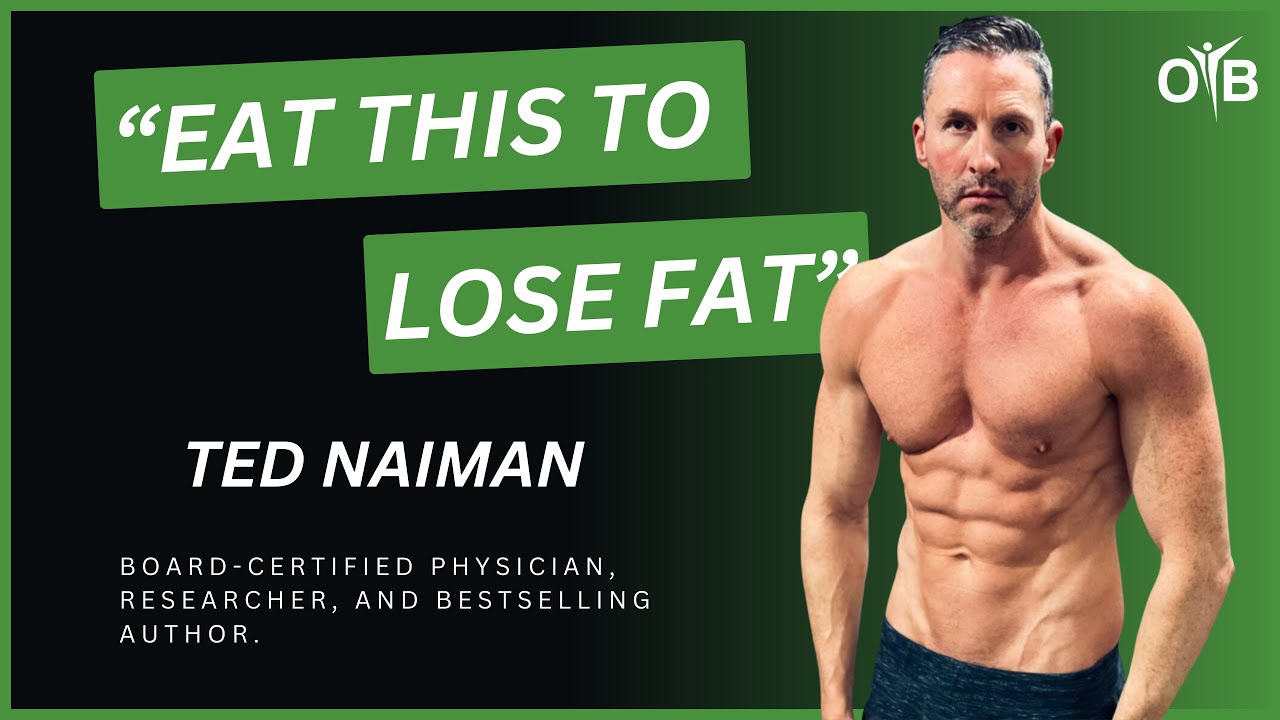
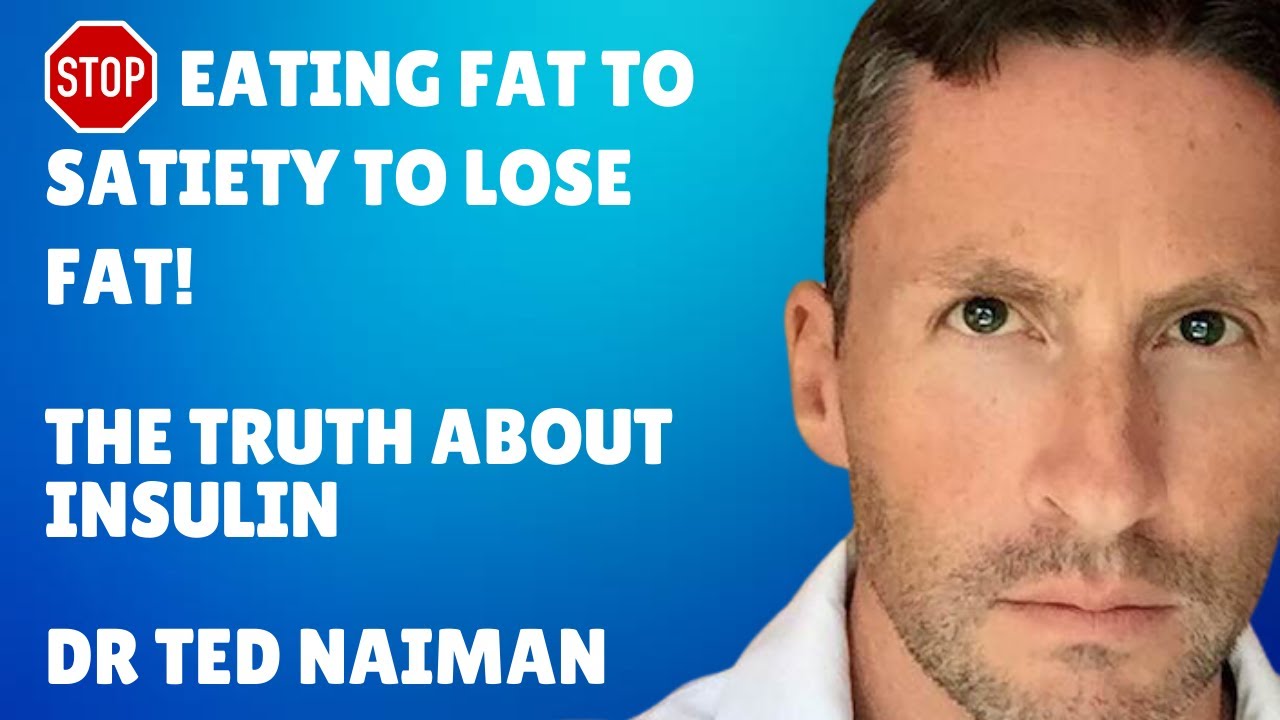
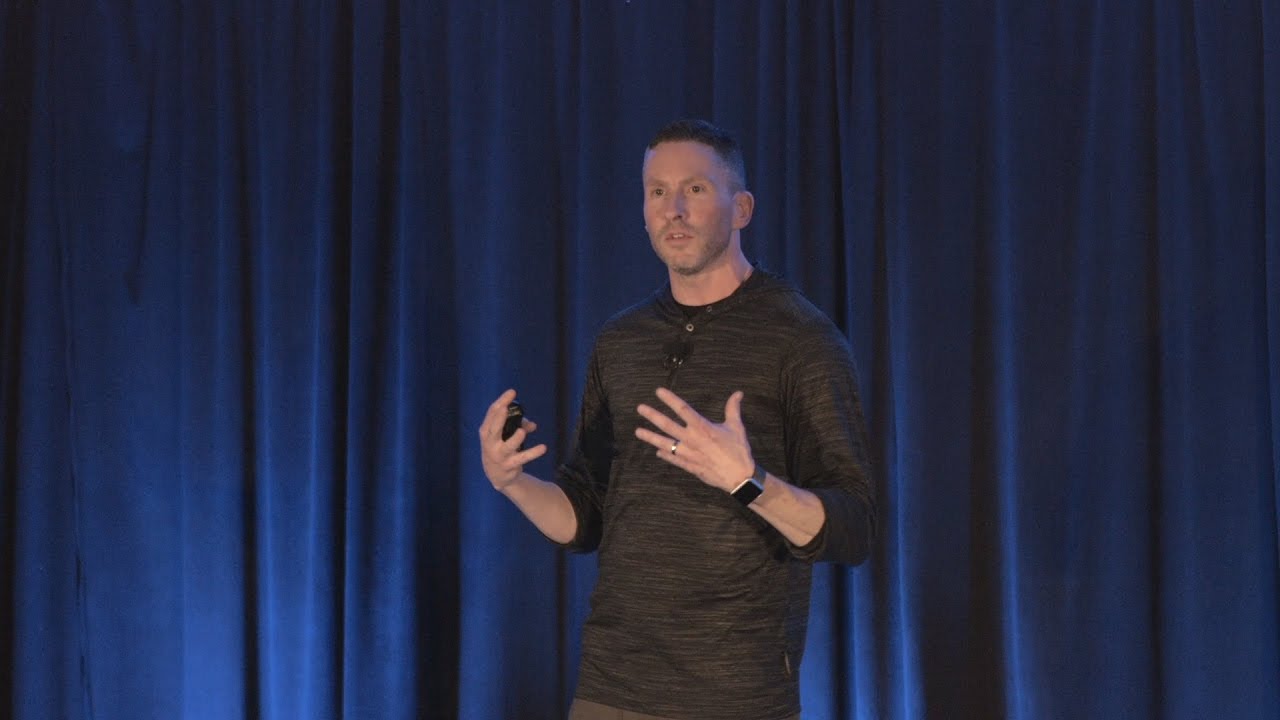
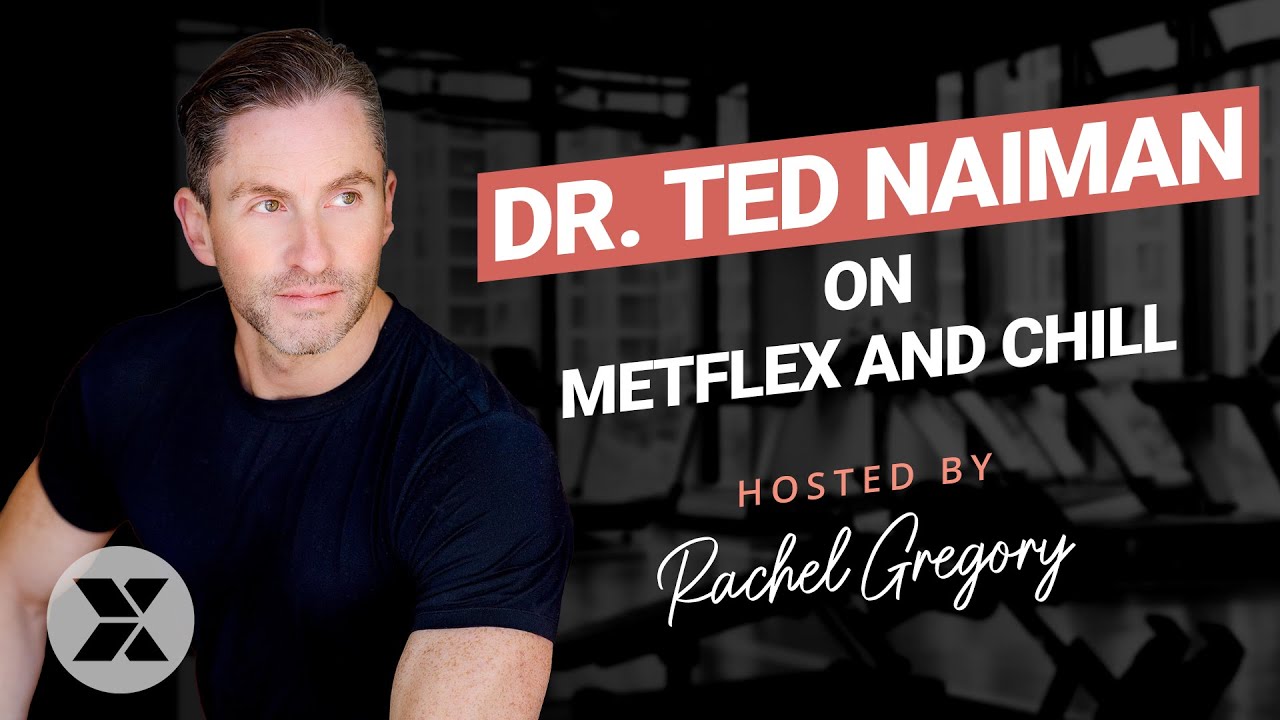
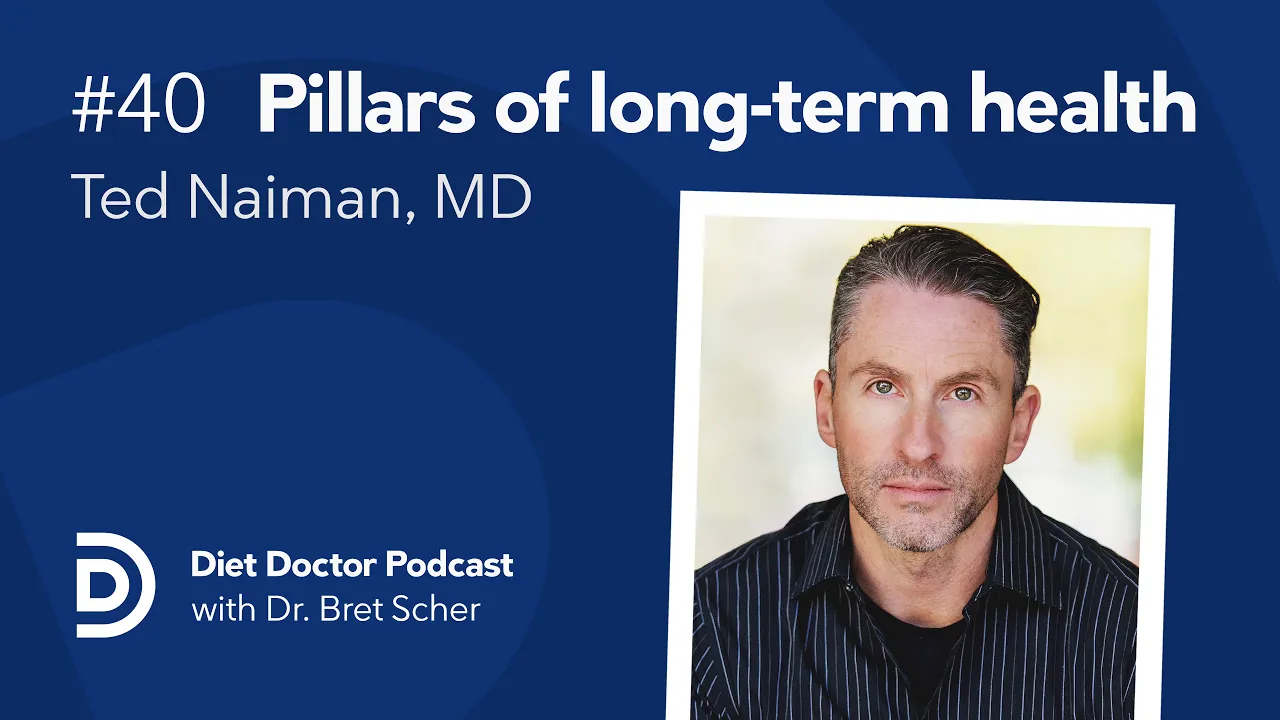
[Music] welcome back to the diet doctor podcast with dr. Brent sure today I'm joined by dr. Ted Nieman dr. Nieman is a primary care doctor here in Seattle and he has his own story about he how he transitioned from predominantly vegetarian Adventist life both at family and in medical school to learning about the benefits of a low carb lifestyle but what separates Ted from sort of your Average low carb doctor your average low carb enthusiast is he's not so much in the camp of the low carb high fat head is really big on protein and
the importance of protein and it's amazing how protein is a macronutrient can be so controversial now remember we don't eat fats and we don't need proteins we real foods but the percentages matter and there's this concern of this fear about getting too much protein so hearing Ted's perspective is is very interesting From that standpoint because it's a message that we don't hear a lot of and it's still controversial some of it but I think it's a great perspective you know he's also known as the exercise guy if you've seen his before and after pictures he's
ripped I mean this guy is built and and fit not super bulky but fit and trimmed great lean body mass and he does it on 15 minutes a day of exercise which makes a lot of people unhappy and upset at him but he gives us Some of the secrets and some of his tips about how to achieve that and more importantly how to do it safely for people who maybe don't have an experience in exercise let's be honest not everybody's going to get the results he has but the importance of exercise how it contributes to
health is still a crucial concept that maybe doesn't get enough emphasis because although exercise may not be the key to weight loss there are some other components About maintaining lean muscle mass and strength that can be very important for health and recovering from episodes where you may have struggles with your health so we talked about that we talked a little bit about dr. Ted as the doctor and as the person he's got a very relaxed approach to things a very relaxed attitude that hopefully you'll appreciate if you want the full transcripts go to diet doctor
calm otherwise enjoy this interview with dr. Ted Nieman everybody quick break in the interview here I want to tell you about one of our special programs we have for diet doctor members it's called our weight loss for good course now a lot of people focus on weight loss but let's be honest not all weight loss is the same there are lots of different ways that you can lose weight and that's why we named this weight loss for good weight loss for good for good health because we want to Lose weight in ways that promote lean
body mass that promote body fat loss that promote our overall health so that's a big push for our weight loss for good message also weight loss for good meaning sustain for good because the studies show and people's experience shows that weight loss tends to go up and down and isn't always sustained well we've designed this program to help give you the tools to make this a sustained weight loss program so go to Diet doctor comm forward slash podcast and we'll have some information and a link there to our weight loss for good course it's a
10-week course that starts with what we call our crash courses to give you all the basic information and then our more in-depth deep dives after that to give you all the tools you need to succeed at weight loss for good alright now we'll get back to the interview here but definitely check that out on diet doctor com forward slash Podcast dr. Ted Nieman thanks so much for joining me on the day doctor podcast today oh wow thank you for having me it's an honor it's great to have you here now in the world of low-carb
and social media you're sort of known as the protein guy and the the exercise guy it wasn't always that case right like I heard some stories about your upbringing in your background and very different I mean you were brought up in an Adventist Tradition and you went to school at Loma Linda which is a Seventh day Adventist school which is sort of the contrary to high protein and low carb so tell us about your transition about what you what you learned growing up and in that type of environment and how your thought process differs and
how that change happened okay yeah sure so yes I was raised in an Adventist tradition and Adventists of course are famous for being vegetarians and my upbringing was That you know basically animal fat and cholesterol and saturated fat was really terrible and the goal was to eat as many plants as possible and so I had this really healthy diet on paper where I was eating lots of whole grains and you know just basically lots of whole wheat and that kind of thing and it was supposedly the healthiest diet right and then I went to Loma
Linda Medical Center and of course Loma Linda is this famous Blue Zone where everybody is vegetarian and It's sort of an Adventist vegetarian mecca and I just well my personal experience was that I was never in really great shape right my body composition was not that great I was not that healthy I had a lot of issues I had you know really bad eczema and I had really bad body composition and I didn't feel particularly healthy at all and so what I ended up realizing is that oh diet doesn't matter right die it's not a
big deal because Here I am eating the Healthiest diet you possibly could and I'm in really bad shape right so clearly diet is not that important and honestly even though Melinda is a you know a diet based you know institution they're very big in into diet and lifestyle even there my training was was basically okay if somebody's having bad health outcomes it's mostly genetic right if you're obese is you just genetic at both your parents are obese 80% chance you're Gonna be obese if you have type 2 diabetes it's mostly genetical that's because your parent
was diabetic or your grandparent and so I got this training that oh yes diet is important you should never eat meat but at the same time if you get a bad outcome you can blame it on your genetics and you just you know you should just feel sorry for people who are overweight or diabetic they can't help it because their parents were overweight or diabetic so you do the Best you can and you just give them more and more drugs right yeah so this is my mindset it's like okay diet is important almost from a
religious point of view you should not eat animals and you'll be healthy and then if something bad happens to you it's really just bad genetics right so when you started your practice that was still the mindset you had when you were seeing patients one after the other after the other well this was my mindset in medical school And in my first year of internship okay so I did my internship in South Carolina which was just the diabetes and obesity capital of the country at the time and I saw just a ton of pathology just like
every diabetic complication you could imagine just over and over and over again so here I am in residency with this clinic with just tons of diabetes pathology and everybody's just slowly getting worse right they're getting fatter and more diabetic and amputations And blindness and kidney failure and the whole thing and really I'm just there feeling sorry for people because I think wow you know such bad genetic hobbies you just can't overcome that right yeah it's not your fault you're just born that way right and then really it was a patient of mine who came in
one day and Wow he'd lost 30 pounds in his blood sugar was totally normal and he told me I feel great and I asked him I I said what did you do you have to Tell me what you did so I can tell everybody else to do the same thing right and this guy pulls out a copy of the Atkins book and he's like I went on this Atkins diet where I just didn't eat carbs and BAM I feel fantastic and I that blew my mind because never had I seen anyone go on a vegetarian
diet you know and have this miraculous transformation this is this is my first experience with diet as a huge lever for health and it was a big deal were you Interested to like jump in right away or were you still like yeah but that can't really be healthy I'm sure there's something to that that's more concerning or like were you were you did you like resist it right away because you're training or were you open right away no I was like this is the coolest thing I've ever seen I was so excited and I will
never forget what happened to me I I went to my instructors in residency and I was like look at this guy he lost All this weight his blood Sugar's down his blood pressure's down his a one C's down he lost a bunch of weight he looks like a million dollars and and well they looked at me and they said yeah what happened to his total cholesterol and I hadn't really paid any attention to it you know and so I looked at and I was like oh yeah well it did I guess go up 20 points
and so I was crestfallen and my instructors were like oh good job name and he probably had a heart attack In the parking lot and you're basically gonna kill people and they told me under no circumstances could I recommend this diet and this was just a bad idea so but that was the spark you know and then in residency we were required to do a research paper and I started researching basically macronutrients and health and that was about 20 years ago and I you know back then it was a lot harder to do research but
I found all this evidence that wow people are eating way more Carbohydrates and they probably should and I've been doing this low-carb thing now for 20 years so so was it that residency experience that made you change personally I mean they may have tried to prevent you from helping your patients that way but you did you help yourself that way right away in residency yeah definitely I mean I personally had a massive health transformation from going on a low carb diet I was definitely skinny fat I was never really fat fat but I definitely lost
about 20 pounds and my body composition improvements were huge and you know my before and afters are not that dramatic but it felt really dramatic to me yeah well that's important I mean how you feel there's one thing we do a lot of you know look at the difference visually but how you feel is even more important than the difference visually right yeah So once you got out of residency and got into practice did you just hit the ground running there's a low-carb doctor using that as an intervention right away in people oh yeah I
mean I've basically been recommending carb restriction for my whole 20-year career now and initially it was really under the radar because I was worried about this total cholesterol I mean who knew I was gonna happen this has got to be bad right but you know thankfully the as time goes on Thanks to things like diet doctor the legitimacy is definitely increasing and it's a lot easier to practice low carb medicine yeah great to hear now you use the word low carb and low carb medicine and that frequently is used interchangeably with ketosis and and ketogenic
medicine I guess you could say but they're not always the same so do you draw a line in differentiating them and when we you would use one or the other or the benefits or one or the Other just give us an idea of how you see the difference between low carbon keto right I don't really use the word keto because I'm not telling anyone to track ketone levels it doesn't seem to be super necessary and I know that anyone who's restricting carbs even below about a hundred grams a day is going to be at least
in a light ketosis you know off and on and so I don't really I see it on a spectrum or a continuum And for me just plain old low-carb is good enough because that does imply a significant amount of ketosis and so for me a key key to the the popular keto diet for me is kind of evolved into something where you're just going out of your way to eat a ton of fat and drive your ketone levels up as high as possible and I think that at certain point that becomes more bad than good
and so I don't really focus on ketone levels or make sure you eat enough fat To be in extreme ketosis at all times so I just like the carbohydrate restriction side of Keita it's it's a fascinating discussion because it seems like there are some people who need to get any ketosis to break down barriers or move forward and some people are gonna thrive on a lower carb not worrying about ketosis and trying to find who's in what camp can just happen with self-experimentation but it sounds like for most people are pretty much for Everybody you're
not even really that concerned about it you say just cut the carbs down to about a hundred grams and you're going to improve right right and the reality is that everyone thinks of ketosis is some sort of binary switch but it's just a slow gradual continuum from making tiny amounts of ketones to making a whole bunch of ketones and all of these biological processes are happening at all times in everyone so everyone's generating a tiny amount of Ketones at all times and then as you restrict more and more carbohydrate or expend more energy your ketone
levels go up and it's it's because it's on a spectrum yeah I don't really say right now this second you're in ketosis and then you know an hour later oh now you're not in ketosis it's just I don't like thinking about it in this binary yeah fashion how about the the adaptation process though I mean it does it seems like it's for some people they Really have to make a jump to help their body kind of flip a switch like you said and then they can sort of back off and go in and out of
ketosis but to get into it for a first time and train your to get off of all that glucose and sugar that you've been burning for so long that maybe it takes a little bit more of an extreme step than just a hundred grams of low carb if you found that to be the case at all well I think that apt fat adaptation is a huge big deal and That's very real and you really have to upregulate the ability to run your whole metabolism off of fat and I think that's a slow and gradual process
and you'll find a lot of people who will tell you that they can't perform athletically as well as they could for months and after adopting a low carb diet just because you're slowly up regulating the ability to generate a bunch of ATP from fat at a high enough rate and and actually I feel like this is unrelated to just making Ketones so like I could take anyone off the street and just tell them to not eat carbs for 16 18 20 24 hours and they're gonna be fully generating ketones but they're gonna feel awful and
they're gonna be starving and they're gonna their exercise performance is gonna nosedive and now you're talking about the process of fat adaptation which and to me is totally different than just making ketones which honestly anyone on any high carb diet could just not eat Carbs for you know 16 to 24 hours and they're in ketosis so to me it's not about it's not so much about the ketones it's more about fat adaptation and getting better running your whole metabolism off of fat yeah and so much of this has to do with our insulin levels and
our glucagon levels and that ratio and being able to train our body to have lower insulin levels which is required for ketosis if I'm not putting words in your mouth but it seems like of The two lower insulin and hierarchy tones you would be much more interested in just focusing on the insulin and forgetting about the ketones does that be accurate correct yeah I mean for me I think the ketones come along for the ride yeah yeah so when it comes to a low carb diet or a ketogenic diet you know how to formulate it
in what percentages can certainly vary from person to person and one of the biggest areas of controversy is protein alright we sort Of all agree you limit the fat I'm sorry we all agree you limit the carbohydrates and then you eat the proper amount of protein and you can fill in the rest with fat so the discussion comes around what is the proper amount of protein and you know it's it's a such an interesting discussion and going back to the the RDA the you know the recommended daily allowance of protein you see ranges out there
from ten percent of your calories 2.8 grams per Kilogram to 0.3 grams per pound which is really a small amount of protein but somehow that's the recommended daily allowance so help us understand what this RDA of protein means and how it can be so small compared to what we're used to right so the RDA is just a bare absolute minimum we're below which you're going to be just object ly deficient and the RDA in no way suggests how much protein you should eat it's just how much protein you should never Ever ever ever go below
so that's a really important concept it's almost impossible to eat quote-unquote too much protein you you basically can't do it so it's very very possible to not eat enough protein and have protein deficiencies which is horrible and very severe and you'll actually die so the RDA is just there to tell you what to not go below in no way does that suggest how much you should be eating yeah and I think that's such an important point Because when we talk about the RDA for vitamin A or vitamin D or Omega threes or whatever the calcium
and vitamin C it's sort of accepted that it's a minimum but somehow when we talk to protein certain nutritional sex have turned that into a maximum you shouldn't go above it but it was never intended that way it was never intended that way and and I really don't even know where that comes from yeah well so then so then there is some legitimate concern Though about well what if we are eating too much protein so I guess it can come from three different perspectives one is longevity right that the concern that too much protein harms
longevity lower proteins improves longevity - is this you know almost mythical stimulation of mTOR and how that affects with protein and three is ketogenesis you know with gluconeogenesis and kicking you out of ketosis so let's let's take each one of those Individually starting with the last one so gluconeogenesis it's a big word you know you know basically creating new glucose in your body from something else and frequently from protein is it real does it happen gluconeogenesis is constantly occurring and your liver is making every bit of glucose you ever need all the time a hundred
percent of the time whether you're eating carbs or not and gluconeogenesis is demand-driven if you Need more glucose you'll do more gluconeogenesis but it's not supply driven so eating extra protein does not increase gluconeogenesis but then you see all these reports of people who are following a ketogenic diet and you they increase their protein intake and their ketones disappear or a decrease right so what's the explanation there yeah I mean I think you will suppress ketones if you eat more protein that's absolutely true okay so I guess so your point would be Then since I'm
not concerned about a ketogenic diet I don't care if gluconeogenesis is happening and ketones are going down as long as you're still following carb restriction you're still being healthy and health Trump's ketosis would that be adequate statement for absolutely yeah okay so people who are on carnivore diets and eating much higher levels of protein any concerns there with with getting too much not really I mean you know basically even in Even in medical circles you know up to 35 percent protein seems to be fine and nobody's seen any problems with protein levels that high yeah
and you know hunter-gatherers for eating you know at least 19 to 35 percent protein in their diet and so I don't really see any problem from carnivore diets I mean usually your average person on a carnivore day is eating about 30% protein and in no way do I think that's too much right and What about this concept of mTOR right mTOR being a very important nutrient sensor and growth stimulator in our body without it being stimulated we would not grow we would not develop muscles but with it being stimulated too much there's concern that it's
going to cause abnormal cell growth so cancer so growth how do you wrap your head around the the concerns of mTOR with too much protein well I think that there's definitely this sort of yin and yang to anabolism And catabolism and you have to go back and forth and you have to have some of each and you have to have feasting and you have to have fasting and my advice is just keep insulin pulsatile you know by just not eating all the time and I think you'll probably be fine I don't I'm not convinced that
eating more fat and less protein is going to be longevity benefit benefit to anyone you know what I mean yeah and I know this is controversial And I'm a big fan of dr. Rosedale and a lot of people out there think you know if you can just squeak by with the very lowest amount of protein you're going to live longer but I don't think we have any data in humans to support that at all and honestly you know look at look at elderly people in America American adults aged 70 to 79 eat 66 grams of
protein a day and 247 grams of carbohydrates so I really don't think protein restriction is that beneficial Because those people are restricting the hell out of protein and their outcomes are not necessarily that great on average yeah frequently we talk about protein from eating too much standpoint but what's not talked about enough is how the requirements probably go up even higher as we age and the risk of sarcopenia and not having enough muscle mass and Falls and fractures do you think that could be almost completely abolished with increased protein intake Absolutely I mean the reality
is the stronger you are the larger you're going to live the more muscle mass you have the longer you're going to live Falls are one of the biggest killers of elderly people if you're restricting protein for some sort of theoretical longevity benefit that's never been demonstrated in humans you're basically risking some very real osteoporosis in sarcopenia for some theoretical longevity benefits that just Haven't been demonstrated so I think it's a horrible idea I don't you know Valter Longo all of his data is from mice and we have zero human data to support protein restriction so
until I see some sort of data in humans I'm probably not going to restrict protein adds longevity data is such a minefield because you know you need 30 40 50 years studies to to really prove it so it's trying to draw best conclusions from the data that's there and a lot of times I Can come from overstating the quality of the evidence and the support that you have for your opinions can it right it's bad it's bad and then there's the issue of how our bodies respond to protein depending on our insulin sensitivity and had
a great talk with Professor Ben Beckman who likes to talk about research from dr. Cahill and others showing that our insulin and glucagon ratio and our insulin response to protein is very different depending on our baseline Metabolic health and insulin sensitivity so do you see any concerns and someone who is fairly instant resistance at baseline fighting with metabolic syndrome who hasn't really gotten a handle on it yet eating too much protein then because of the insulin energetic response from it no I actually have bigger concerns about that person eating unrestricted amounts of fat because they've
clearly run out of adipocyte storage and that's why their insulin Resistant so you're you really don't have anyplace to put fat if you're severely insulin resistant and what we often do in the hospital as you know prior to bariatric surgery for example we'll put someone on a protein sparing modify fast where they're eating nothing but protein and just restricting non protein energy and these people typically lose a ton of weight really rapidly and their insulin sensitivity dramatic We improve even though they're just eating a bunch of protein so I actually think that's optimal I think
if your insulin resistant you're clearly internally over fat and you don't have a lot of room to store any kind of energy glucose or fat and in that setting you might want to just eat protein all of the medical approach in sparing modified fasts I've seen patients do that and have pretty good results so I I don't think I definitely I'm not saying it's Optimal to just eat protein but I'm saying that I don't think it's actively bad yeah it would have no concerns about that the definition of insulin resistance can can get so complicated
especially differentiating in some resistance and hyperinsulinemia but I think there's clear there's a there's a physiological state where your instant resistant in the muscle cells and the liver but not in the fat cells you're still storing plenty of fat insulins Working there you're preventing lipolysis you're increasing fat storage but you're sort of peripherally insulin resistant and I wonder if that would be different because you said when your insulin resistant you have nowhere else to put that but they're clearly people are getting fatter and innocent resistant so I wonder if there's a differentiation we need to
draw they're about defining in some resistance better rather than just using one you know Blanket term of insulin resistance right absolutely and the reality is that your other tissues get insulin resistant before your fat cells do and the reality is that insulin resistance is this worst case scenario where anything bad you could get from insulin you're getting and nothing good and so I agree with that but even in that setting I don't see eating protein as being a problem I would still be more concerned about non protein energy okay interesting And now the you know
some of the other benefits about protein we talked about preventing sarcopenia and maintaining lean muscle mass but people have this concept that as long as I'm eating protein I'm gonna gain muscle is it that simple it actually is that simple if you were on a low protein diet like there are numerous studies where people were given a higher amount of protein in their diet and literally gained lean mass just sitting on the couch Yeah like literally you will increase your lean mass by just eating more protein especially initially if you're coming from a lower protein
diet which is very interesting yeah that is really interesting and then there's also the concept of satiety and feeling full and less hungry and a lot of the people in the low-carb and keto world talk about fat you eat your fat to suppress your hunger but they're actually some studies showing that if you go from fifteen to Thirty percent of your calories from protein you dramatically reduce your appetite and increase your satiety so if you were gonna and again almost hate talking about it about macros because we don't need protein we don't need that we
food and it's a combination of both but if you were gonna put your finger on on one macro or one one specific area that hits satiety the the best would you pick protein I well okay first of all we know that protein is far more satiating than Carbs or fats in everybody lean and obese I mean this is basically a medical fact so protein provides the most satiety and we also have studies in a low-carb setting showing that 30% protein destroys 15% protein for everything hunger body composition Society triglycerides insulin HDL anything you can measure
30% protein is better than 15% protein even in a very low carb setting so I love like 30% protein diets I mean this is this is Kind of you know hunter-gatherer diet territory and I like to look at everything diet through an evolutionary lens so if I had to pick a percent for everyone to be eating it would probably be 30% protein now if you're not eating any carbohydrates that's roughly equal grams of protein in fat that would be one to one grams of protein in fat foods that are one to one grams of protein
fat would be eggs would be ribeye steak so basically your steak and eggs region is Kind of a 30% protein diet and I love that and I love that so much more than some keto diets that are 10% protein and 90% fat I have a just a big problem with those sites yeah what if someone's doing well though someone feels better they're reversing their diabetes they're losing weight and their markers are improving do you still have sort of theoretical longer-term concerns or do you think as long as all their markers are improving In their feeling
well okay it works for them I just wouldn't recommend it blanketly for everybody oh no I can't argue with success if someone's doing well that's great I have patients who are very successful on extremely high carb low fat diets as well and if it works for you I really can't argue with that yeah so again sort of a bimodal distribution so with the energy source if you're having a very low fat higher carbohydrate diet there Are some reports that those people can be metabolically healthy which sort of is completely contrary to everything we talked about
in the low carb high fat world so how do you explain that oh it's pretty easy its carbs and fats together that are the problem yeah right so if you go low one or the other you're going to be fine low carb works great low fat works for some people usually people who are started out then Low carb at low fat and high protein works spectacularly well for all your bodybuilders and your bikini models and your aesthetic athletes out there so you go low and one of those two and you're pretty much okay and that's
that's how it works and then we know that the combination of the two is what's really driving the obesity epidemic its carbs and fats together this is a huge dopamine reward in your brain and so all your obesogenic foods are high in carbon Thought together it's your Donuts it's your cookies it's your muffins it's your basically your baked potato with butter and your bagel with cream cheese and your candy bars and your it's it's this combination that's bad so if you can get either one really low you're home free of course I prefer low carb
approach but you know that's how that's how these higher carb guys are working yeah interesting the how the baseline metabolic health is gonna have a big Impact though on who who can actually get away with the higher carb exactly so if you're thin to begin with low-fat it's gonna work great for you because most most body fat comes from dietary fats if you're just not eating fat you'll stay then on the flipside if you're fat to begin with you're going to be much better off with a low-carb approach because carbohydrate displaces fat oxidation so much
so if you have a bunch of fat you want to burn you really Want to get the carbs low so I agree with you it kind of depends on your starting point and quality of carbs as well because if you're following a high carb low fat diet but it's still refined carbs or high fructose I think you're still going to run into trouble so quality does still matter I think it's important to emphasize right yeah how about okay so let's get back to protein here for a second quality of protein because you see all sorts
of Arguments about plant protein versus animal protein so assuming we can agree on the amount of protein we require how about the quality and the source of protein of where it's coming from do you see a big differentiation there I sure do and here's how it works all of these proteins are broken down into amino acids before they're even absorbed so on some level you're getting the same amino acids either way and so why should it even matter who cares right but the Reality is that plant foods are different than animal foods and they have
a different composition of amino acids and they're less complete for animal health you know what I mean so like leucine lysine methionine tryptophan some of these crucial amino acids that your body really needs and is really looking for from your diet are much lower in plant foods than in animal food so it's just a medical fact that you have to eat more of a plant protein To get the same amount of a full amino acid profile that you get from animal foods and this is a really well not like if you're a bodybuilder for example
and you're getting protein from pea protein or rice protein or hemp protein or one of these plant-based sources everybody knows that you have to eat about 30 or 40 percent more to get all the amino acids you need to build muscle that you get from whey protein or egg white protein or some sort Animal-based protein so there's definitely higher quality to animal proteins and that's that's if you're looking at just a pure protein then there's also absorbability so a lot of the plant proteins are locked up in this fiber matrix and some of its not
getting absorbed and so you've got bioavailability in the GI tract and then you've got incomplete profile of amino acids so the animal foods are crushing the plant foods yeah So you know obviously people survive as vegans and there are plenty of vegan athletes who are doing very well so it's not that they they can't get it it's just they're gonna have to work harder eat more calories and not have as bioavailable protein to get the same amount so they're gonna have to just increase more carbs and more calories that go along for the ride to
get the same amount of protein correct and and actually not very many people know this But a super super low protein diet will actually give you a whole new level of leanness just because the cost of weight gain goes up exponentially as protein goes down so if you can get your protein intake down below maybe 5% a day you're very very lean because your body can't afford to build any kind of mass at all unfortunately and this is how like the 30 bananas a day diet work your fruitarian diet it might be 5% protein your
potato hack is very low in protein You're gonna actually lose weight and get thinner but a lot of what you're losing is lean mass and so you're literally gonna have lighter organs your brains going to be lighter you're boned of course and bone and muscle is gonna be way lighter so there's this like extreme low protein approach that you typically see in the vegan world like the mcdougal starch solution and this is you know extremely high carb but it's very low fat and it's very low protein And it works quote-unquote for just weight loss but
I don't know if you really want the austria opinion the sarcopenia that is definitely going to come along with that yeah a perfect example of how weights what the scale says and is not necessarily the same as health right and interesting me you know there are some prominent vegans who have said yeah you can lose weight with heroin and cocaine and but I'm not going to Recommend that to my patients and they do that they say that in reference to low carb diets but it seems like they should probably be seeing that in reference to
this very low protein yeah right and then of course the nutrients that come along with the different sources of protein you know higher nutrient availability in the animal proteins compared to the plant proteins again not that you can't get them but things like vitamin D and b12 and even Heme iron and zinc and of course DHA I mean all those are really fairly deficient in plant proteins dr. absolutely and the reality is you need you know at least 25 elements and minerals to run your body and be healthy and plants are absorbing these minerals from
the soil but they're limited as to how far their roots can reach so they'll absorb a certain amount of minerals but animals go around and eat a bunch of different plants and they bio accumulate Minerals they bio accumulate and bio magnified nitrogen and minerals so as you go up the food chain as you go up the trophic levels from plants to herbivores to carnivores you see higher and higher bioaccumulation and concentration of micronutrients like minerals and nitrogen and protein and the reality is the higher you go up the food chain the higher the nutrient density
of the food you're eating it's just a Scientific fact that's why animal foods are always higher in protein and micro nutrient density than plant foods period yeah yeah it makes sense so another thing that's gotten popular lately talking about protein is collagen sort of like a certain specific very specific type of protein so much so that people are recommending collagen pills and the collagen supplements and where do you stand on the on the subject of collagen and how that fits into a Healthy nutritional pattern um I you know I love nose-to-tail eating because it makes
sense to me from an evolutionary perspective and I do think that that's a good way to look at anything when it comes to diet is through evolutionary lens and so it would make sense to eat collagen and connective tissue in the whole animal nose-to-tail on the flip side every bit of protein you eat is just broken down into amino Acids before you even absorb them into your body so I'm never telling anyone oh my gosh you have to go out and eat X pounds of collagen a day just you know to get enough glycine because
basically if you're eating you know ground beef or an egg or if you're eating any kind of roughly whole animal food source you're going to get plenty in my opinion yeah I'm sorry I never tell anyone to take supplements I think it's not really if you have the extra money for collagen Supplements I would say just go out and buy you know some high-quality animal sources like just try to eat the whole cow you know what I mean ya know you know the nose-to-tail we say it a lot but a lot of people have a
hard time doing it either psychologically they're hesitant to do it or they have a hard time finding organ meats or you know true nose-to-tail type foods what are some practical tips you can give people on how to incorporate more of the Concept of nose-to-tail eating sure well first of all any time you're ingesting an entire organism you're getting this nose-to-tail type phenomenon so like eating an egg for example would be spectacular because you're eating the entire organism or eating small fish where you're eating the whole thing mussels clams oysters shellfish small fish like sardines you're
eating the entire organism you're getting all the connective tissue you're eating all the You know all the cartilage in the bones ground beef it's not only is it the very cheapest protein you can get but there's tons of connective tissue and stuff thrown in there you know what I mean yeah so I like eggs I like ground beef I like ingesting seafood in its entirety like clams and oysters and mussels and that sort of thing it's an interesting perspective because most people when they think nose to tail they think I need to eat liver and
you get me in Brain and heart and but you're saying no no let's focus on other organisms but the whole organism that's I think that's a good perspective yeah I mean honestly I never eat liver never eat any organ meats but I'm eating the heck out of Hawkins pot you can see I'm eating the heck out of eggs and and sardines and oysters I eat that stuff all the time and I think we keto and low carb is very ruminant and meat focused so it's a good Perspective that there's a lot of other sources out
there that are really good sources and we can still focus on know what about protein supplements you briefly briefly touched on you know pea protein supplements versus way versus versus egg right supplements and protein shakes and we hear a lot about people you know taking extra protein with shakes I know your protein proponent but do you see a difference in again the quality and the need of real food Protein versus protein shakes and supplements absolutely yeah honestly I don't like protein supplements I'm not a huge fan of whey powder whey is actually this byproduct of
the cheese making process is just a cast off it's an unwanted cast off of cheese making they used to just feed it to pigs or just they used to fertilize soil with it or throw it away literally and then someone figured out you could evaporate and dry it and sell it to Bodybuilders for like you know 50 bucks a tub so I'm not a huge fan you get way more satiety with real food than drinking food so you basically never want to drink your calories you also the the speed at which the protein is delivered
to your system is probably better if you're eating a steak instead of drinking whey protein so I typically don't tell anyone to ever buy protein supplements I usually don't recommend them and for me it's more of like an Emergency level thing like if you just don't have time to eat you might want to grab something like that but it's not my first choice I got it got it alright so transitioning a little bit away from from protein now to what you're also known for is is the exercise guy but not just any exercise you're known
as like the 15-minute Get Fit get ripped exercise guy and you you know people I've heard less people say I'm so upset at you that you can have the physique You have and be as fit as you are at only 15 minutes and I think it's important to realize not everybody's gonna have that response right not everybody's gonna be able to be you with 15 minutes of exercise but tell us your your general concept when you approach patients of how to implement exercise the importance of exercise and specifically what type of exercise translates to maximal
health gotcha ok so there's really basically Two types of exercises resistance exercise and then there's cardio exercise right and you're getting specific benefits from these when you're doing resistance exercise you're trying to get more lean mass you're trying to get more muscle and it's phenomenal for health like the more muscle you have the higher your glucose tolerance your carbohydrate tolerance the longer you're gonna live literally and the same thing with cardio you're Basically putting a stress on your body hormetic stressor that's going to make it better later also with cardio you're depleting muscle glycogen and
after you deplete muscle glycogen your fat oxidation goes through the roof and your insulin sensitivity goes through the roof your glucose disposal goes way up and so you get all these massive health benefits depleting glycogen from your whole body is massive like metabolic reset so I like people to Do to forego exercise cardio and resistance and I like high-intensity exercise because it's more time efficient you can always trade intensity for duration when it comes to exercise in other words you could do a minute of all-out 20-second sprint intervals and you're basically gonna get the same
benefits you'd get from just walking for an hour or two so the idea is you always can trade intensity for time so I like people to do the highest intensity they Can generate on some sort of cardio that could be just jump squats jumping up and down that could be doing jumping jacks it could be jumping rope that could be just sprinting that could be running up flights of stairs you're trying to maximize your energy output to deplete glycogen and ramp up your fat oxidation and it's really really good for metabolism on the muscle resistance
side your the goal is to generate the highest tension you can possibly get in your Muscles for as long as possible and it only takes maybe 30 to 60 seconds to max out on a set of pull-ups or push-ups or any kind of pushing or pulling or leg type exercise so I have this really really really tiny protocol where you're basically doing a pushing resistance exercise like a push-up a pulling resistance exercise like a row or a pull-up a leg resistance exercise like a squat and you're doing them all to failure Basically which might only
take 30 to 90 seconds and the goal is you send this signal to your muscles that they're inadequate the way they are and they have to be stronger or you're going to die right so you do this super high intensity failure type workout which might take just a few minutes and you actually get this adaptation where you have more muscle than next day and I just think everyone should be doing this It's it's so important to put tension in your muscles this way and increase the Headroom of how much work you're capable of you're just
gonna live longer I mean look at people in the ICU who are in bed for two weeks and then they can't even walk or they you know we have to send people to physical therapy to walk up a flight of stairs after just laying in bed for two weeks and you know as important as diet is you really start realizing how important generating Tension in your muscles is if you've ever had your leg in a cast or you've been in bed for two weeks or something I mean your body just falls apart so rapidly in
a way it's just as important as diet in my opinion that's a great perspective on that is not all about athletic performance is not all about how much you can bend bench press squat but it's about being able to regain your function after a severe setback like that and the better starting point you Have the easier it's going to be to regain function so it sounds like that the key to your exercise program then is to failure that's it sounds like the intensity yes absolutely now what about someone who can't even do a push-up or
or you know can't even do a pull-up like how do they even get started when they're starting from such a sedentary baseline right it's all on a spectrum so you start with something that's easier like a wall pushup if you Can't do a push-up you start with a wall pushup you do wall push-ups to failure week later now you can do a push-up on the back of a couch or on a kitchen countertop once you've done that long enough you can do push-ups on the off of a bench and then pretty soon you're doing knee
push-ups and then you're doing regular push-ups and then you're doing Diamond push-ups and then you're doing one-arm push-ups and then you're just the strongest Person anybody knows and it's a slow gradual progression from just oh my gosh I can't even do one wall pushup to as high as you want to go yeah that's a good point about adapting it to the person and getting the perception progression you start super easy just you know get in the door with one wall push-up and then just take it from there now what about rest periods is this something
that you do or would recommend your patients do every day or do you Think since you're going to failure you need a day or two for rest and recovery before going again what's your your time frame look like so there's kind of three variables you can alter when it comes to exercise there's intensity there's frequency and then there's volume right I like maxing out intensity because it's the most time efficient then when it comes to frequency and volume I also like frequency because it's more time Efficient as well so I like high frequency maybe daily
maybe every other day so I'm typically recommending people do these sorts of exercises if not daily maybe every other day but the volume is so low that you're just not going to be over trained you know what I mean it might take you two minutes to hit absolute failure multiple times on a pulling exercise and you're definitely gonna be able to recover from that in a day or two okay and what about the Concept that people are sometimes afraid of exercise because it makes them hungrier and it sort of gives them an excuse to eat
more and sort of the psychological side of things that exercise condenser of harpoon weight loss and sticking to a nutritional program well the entry okay the interesting thing here is that if you're doing low intensity steady-state cardio let's say you're just lightly jogging for an hour - yeah you're probably gonna Be hungry for that and you might overshoot and eat more but for anybody out there who's done a high-intensity exercise protocol where you do tabata sprints you know sprint is hard you can for 30 seconds for rest for 30 seconds one thing you'll notice after
that is you're just absolutely not hungry because your blood sugar goes up a fair amount you get this release of a glycogen glucose from the liver and a lot of people notice that They're actually less hungry after they do this and I encourage people to try this if you're hungry try doing a 30-second jump squat Tabata you know you jump up and down as many times as you can in 30 seconds rest for 30 seconds do it again for 30 seconds to rest again for 30 seconds do a couple cycles of that and see how
hungry you are afterwards a lot of people are just really not hungry so I'm not convinced that high-intensity Exercise is going to automatically make people hunger and make them eat more I think it's the exact opposite yeah I think that's a great point I mean I know from my days training for triathlons you know going for long bike rides in long runs I was just starving afterwards but doing a good you know hard 30-minute session at the gym completely different yes hungry absolutely and I think a lot of people see that all right so we've
heard a lot about the philosophies of Doctor name and tell us now about Ted Ted the family man Ted the day in the life what does it look like for you how how these health concepts you applied to your everyday life and to your family life right right so I'm I'm married I have a beautiful wife and a beautiful twelve-year-old daughter and so we have this wonderful little family and the whole family is really into diet and exercise my daughter is going through the gym and working out and you know my Wife is really careful
with her diet and everybody is you know healthy and happy and then I'm a primary care doctor at one of the biggest medical centers in Seattle so I basically just punch a clock there and see patients and it's very rewarding I have a really great patient population so I love my job I you know this diet exercise thing is kind of a hobby but I'm lucky enough to be able to incorporate it into my job as well so I'm really grateful the the Hobby the personal health journey and the job all sort of aligned in
the same direction and then just on a on a personal level I'm addicted to Ultimate Frisbee like I just basically live to play ultimate it's one of my favorite things ever I am a bassist so I've played in a lot of bands and done a lot of local music scene in Seattle kind of stuff alright yeah and that's kind of me on a personal personal Level multiple levels to dr. Ted no I don't have daughters I have two boys but I can imagine a teenage daughter might be a challenge in terms of wanting to instill
these these healthy habits especially when she's out in her own social circles and she wants to fit in and she wants to assert her independence and and I guess I shouldn't just say daughter that can happen with any teenager really so are you starting to see any of that creep up with your Relationship and or your you're willing you're wanting to your daughter to keep up with these healthy habits oh yeah well I you know my daughter is 12 and of course a 12 year old girl is basically she's ready to move out and get
her own place you realize as her parents are just insane so what the way we handle it is at home we just surround the kids surrounded with healthy food like you know okay we're having you know here's all our healthy food we've got tons of Steak and eggs and we have tons of meat and we have tons of veggies and we have tons of low sugar fruit and it's just like good food everywhere right lots of good food but then when she goes out we don't restrict her at all you know we just tell her
to eat whatever she wants and it it really ends up kind of working out because you know she'll go to a birthday party and a birthday cake and then she's like you know that is kind of sweet and she kind of gets to the point Where she looks around and she looks at what people are eating and she's like wow are they really gonna eat that you know and so honestly it's just like lead by example she sees how her parents eat she sees the food that we have at home she's free to do whatever
she wants and it seems to work out at least so far You certainly have a laid-back approach that seems to work because you lead by example I think that's so important yeah the other day my son was in a place Where there was you know this big buffet of all these candies and cookies and sweets and and he asked if he could have a cookie and we said you know sure everybody's having cookies whatever we're not gonna fight about it here and we'll let you do it and then he went back for a second cookie
and then he went back for a third cookie and then later that night he was complaining how his stomach was was bothering him and I was secretly very happy but he said why Didn't you stop me from going back from our cookies and it was a great opportunity to have this discussion it's not our job to tell you what to do it's our job to educate you and show you the way and help you make your own decisions and sometimes you sort of have to let people fall to learn and maybe it's the same thing
with the birthday cake right you realize this is pretty sweet maybe I didn't need it but it's that recognition that Wow look at the way people are Eating because in our society we don't want to be normal like the normal and society is broken and backwards and so you almost have to be abnormal and stand out which can be hard for kids so I like your quartz it's a relaxed approach so it seems to be working and hopefully continues to work well it's good very good to get a slice of dr. naman and also Ted
as the person and and see how you how you walk the walk and talk the talk for sure now I know you're you're Very active on social media on Twitter and on Facebook and you have a website so tell us how people can can find you to learn more yeah I have a little Facebook group burn fat not sugar and a website and I'm you know I'm pretty active on there and so it's pretty easy to track me down great and if anybody's in the Seattle area and wants a great primary care doctor they know
where to turn absolutely great all right well thank you very much it's been a pleasure Having you on the day dr. Paula thank you for having me I appreciate it [Music] [Music] you