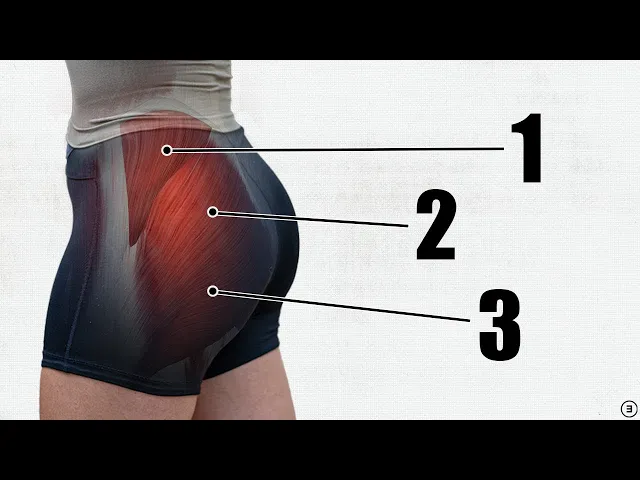
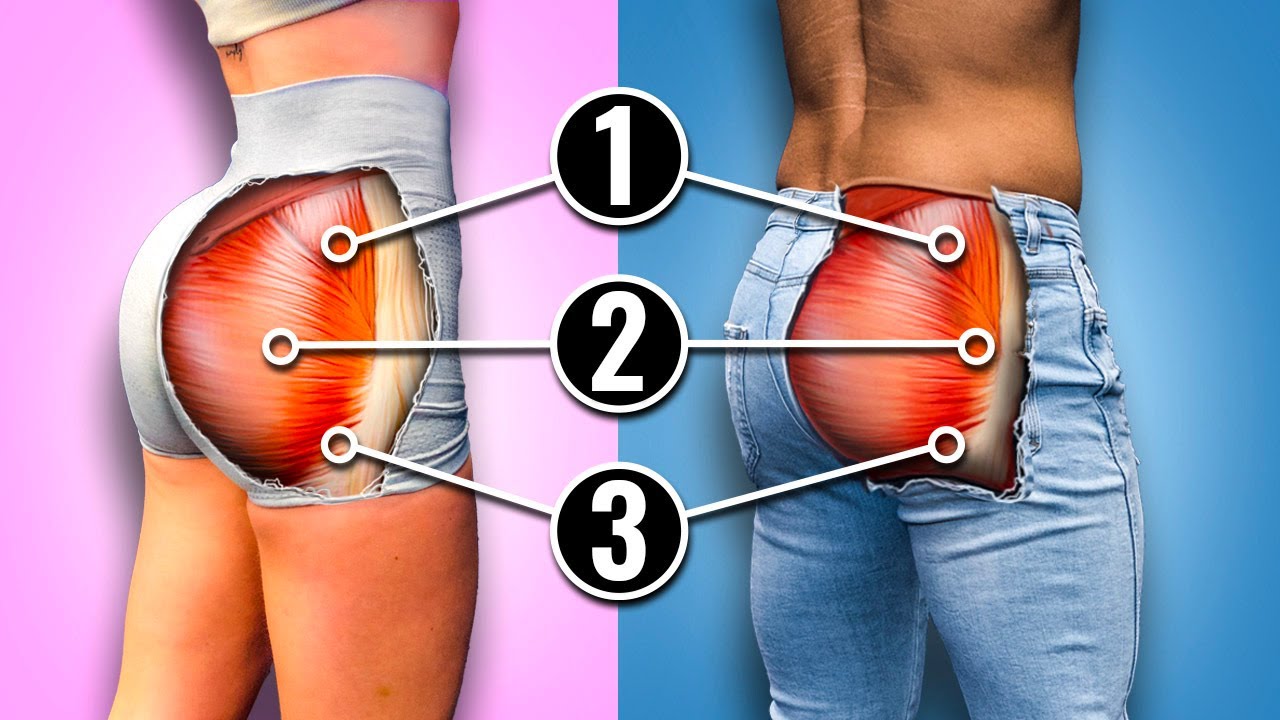
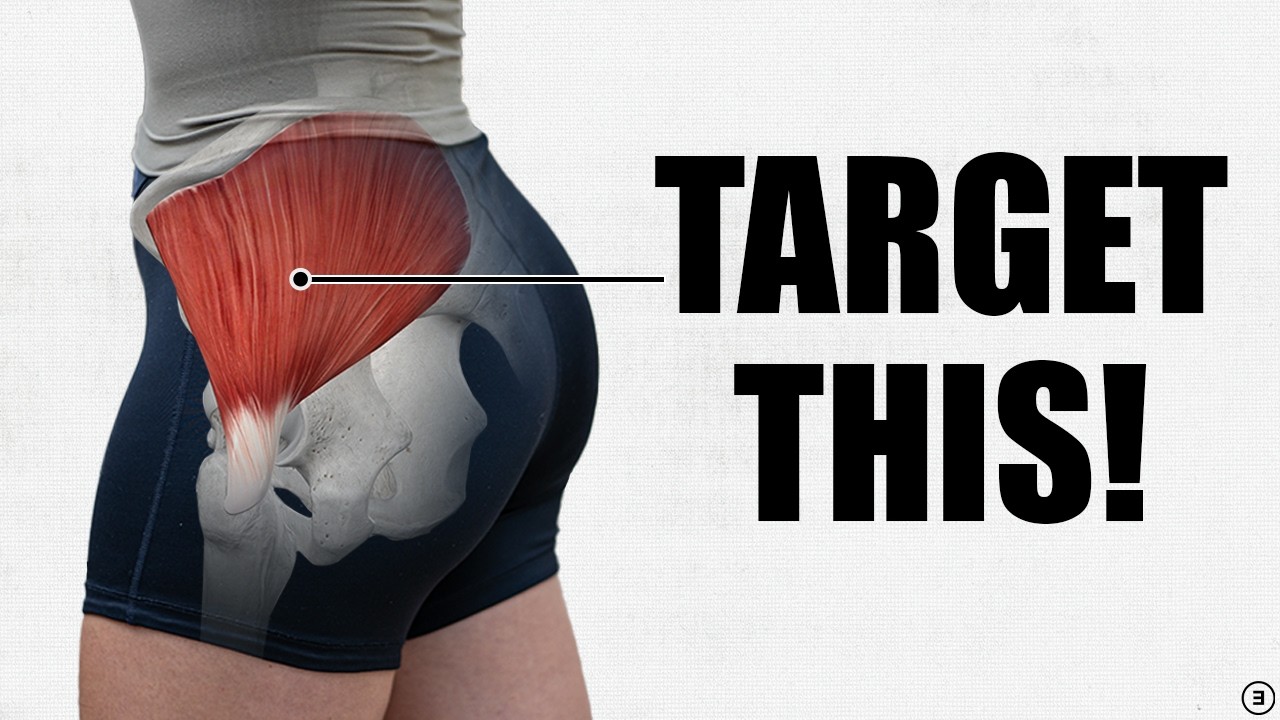
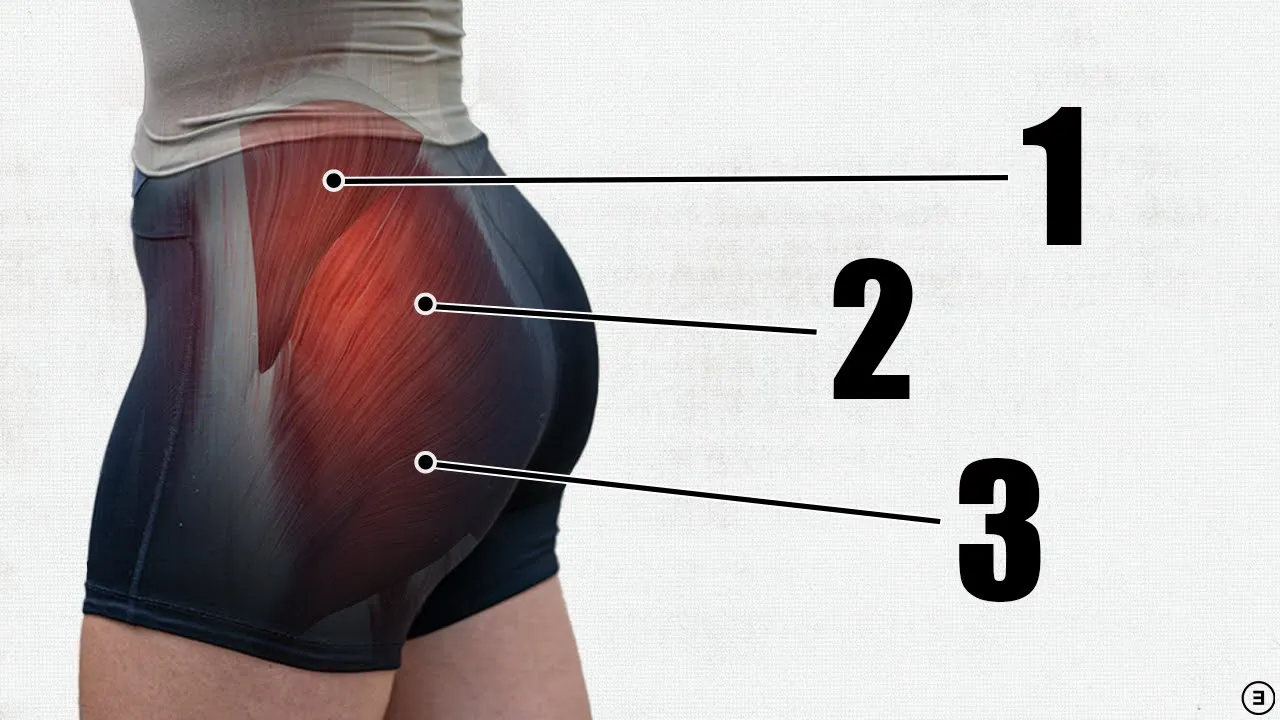
in this video I'm going to teach you how to grow the glutes of your dreams the glutes consist of three muscles the glutitis Maximus the glutitis medius and the glutitis Minimus the glutitis Maximus the most visible of the three is the largest muscle in the human body it's often categorized into upper and lower portions based on its diverging attachments to the IT band and femur although the muscle actions of the glut Maximus can vary based on the position of the hip it's typically considered to have four primary functions hip extension which involves straightening of the
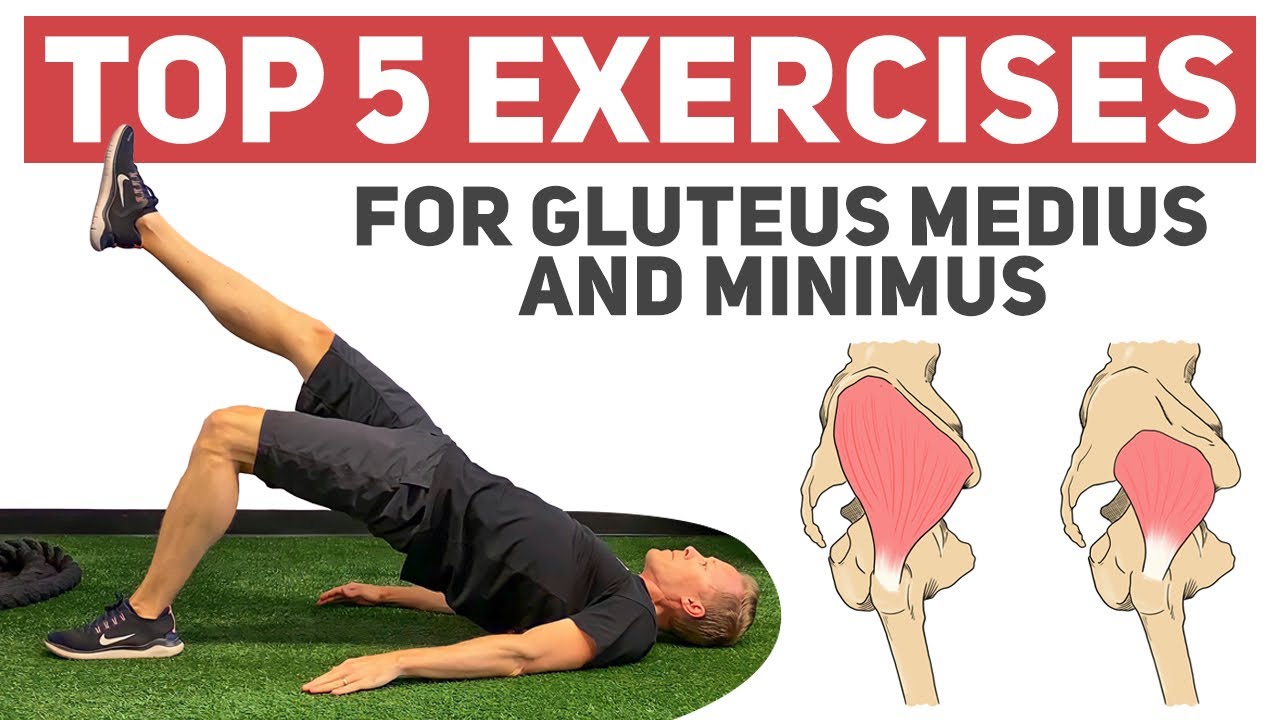
hip such as when rising up from the bottom of a squat or performing a cable Kickback hip abduction which involves kicking the leg out to the side such as in standing or sideline hip external rotation which involves rotating the leg outward this muscle action is often trained in combination with hip extension and hip abduction posterior pelvic tilt which involves tucking your tail such as when squeezing your glutes at the top of a hip thrust or 45° hip extension exercise the glutitis medius is a much smaller fan-shaped muscle that attaches to the side of the hip
it primarily acts to abduct the hip in a non-weightbearing position and stabilizes the pelvis when standing on a single leg the gluteus Minimus as the name suggests is even smaller and lies underneath the gluteus medius when it comes to training the glutes people tend to make five common mistakes the first three mistakes relate to exercise selection technique and overemphasizing the importance of sensation a recent study comparing barbell squats to hip thrusts found that participants performing The Hip thrusts felt their glutes working more but that increased sensation didn't result in Greater muscle growth or gains in
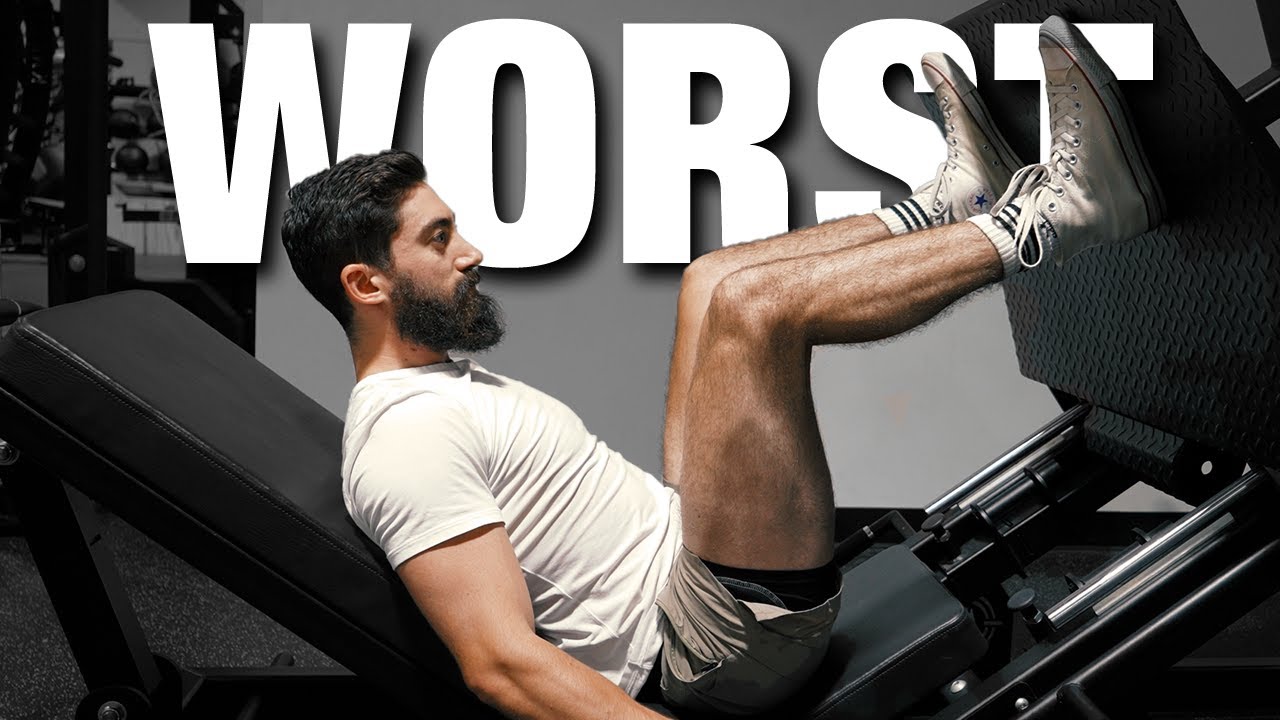
strength similarly despite popular belief EMG doesn't predict long-term changes in strength or hypertrophy to maximize the development of the upper glutitis Maximus lower glutitis Maximus and the glutitis medius a well-rounded program needs to include exercises involving hip extension hip abduction and hip external rotation while using proper technique let me show you the five categories of exercises you should be doing and how to execute them correctly while not putting too much focus on what you're feeling in the moment the first category includes squats lunges split squats step ups and any other exercise that involves simultaneous hip
and knee extension such as a leg press to emphasize the glutes aim for deep hip flexion and some degree of forward trunk lean while maintaining a relatively flat low back combining these cues ensures that that you are fully stretching the glute Max in the bottom position and distributing the external load in such a way that challenges your glutes more than your quads for example a heels elevated goblet squat places a greater emphasis on your quads while a low bar back squat places a greater emphasis on your glutes because of the angles of your torso and
knee and the location of the weight relative to your hip since your anatomy and range of motion can influence what your barbell back squat looks like a rearfoot elevated split squat is an excellent alternative as you're able to better control each individual joint position strive for full hip flexion and a forward trunk lean but don't exaggerate either to the point that you sacrifice your overall technique if that is too difficult perform a regular split squat if you want to increase the difficulty try a deficit rear foot elevated split squat for any variation you can use
a barbell dumbbells in both hands or a dumbbell in one hand if using a dumbbell in one hand you can hold on to something for balance if needed an exercise similar to the rear foot elevated split squat is the front foot elevated reverse lunge step back drop your back knee to the floor and then return to the starting position in one continuous motion when you drop your back knee to the floor your front Shin should be relatively vertical and your torso angled forward like the previous movements if your step back is too short you'll move
through more knee flexion and place a greater emphasis on the quads start with a 2 to 4 in elevation and increase the height if needed if the exercise is too difficult with the front foot elevated just do a regular reverse lunge on flat ground once again you can use a barbell dumbbells in both hands or a dumbbell in one hand if using a dumbbell in one hand you can hold on to something for balance if needed a variation of the reverse lunge commonly used to Target the glutes is a curtsy lunge which involves stepping back
and across your midline the idea is that your hip is flexed adducted and internally rotated at the bottom and therefore requires active hip extension abduction and external rotation to stand back up if you choose to attempt this lunge variation you don't have to step as far across midline as of and demonstrated you can also try to rotate your torso and pelvis toward your working leg to achieve a similar effect regardless of which movements you choose to perform there are two main advantages of this exercise category one the glute Max is challenged in a stretched position
which may favor hypertrophy as it does in other muscle groups however as of right now no research has been conducted on the glutes two not only are you improving the strength and size of your glutes you are also improving the strength and size of your quads and adductors if the goal is purely hypertrophy or muscle growth the one potential limitation is that the quads often fatigue prior to the glutes if the glutes are not the muscles approaching failure with each set this may limit the stimulus for muscle growth an example in the upper body would
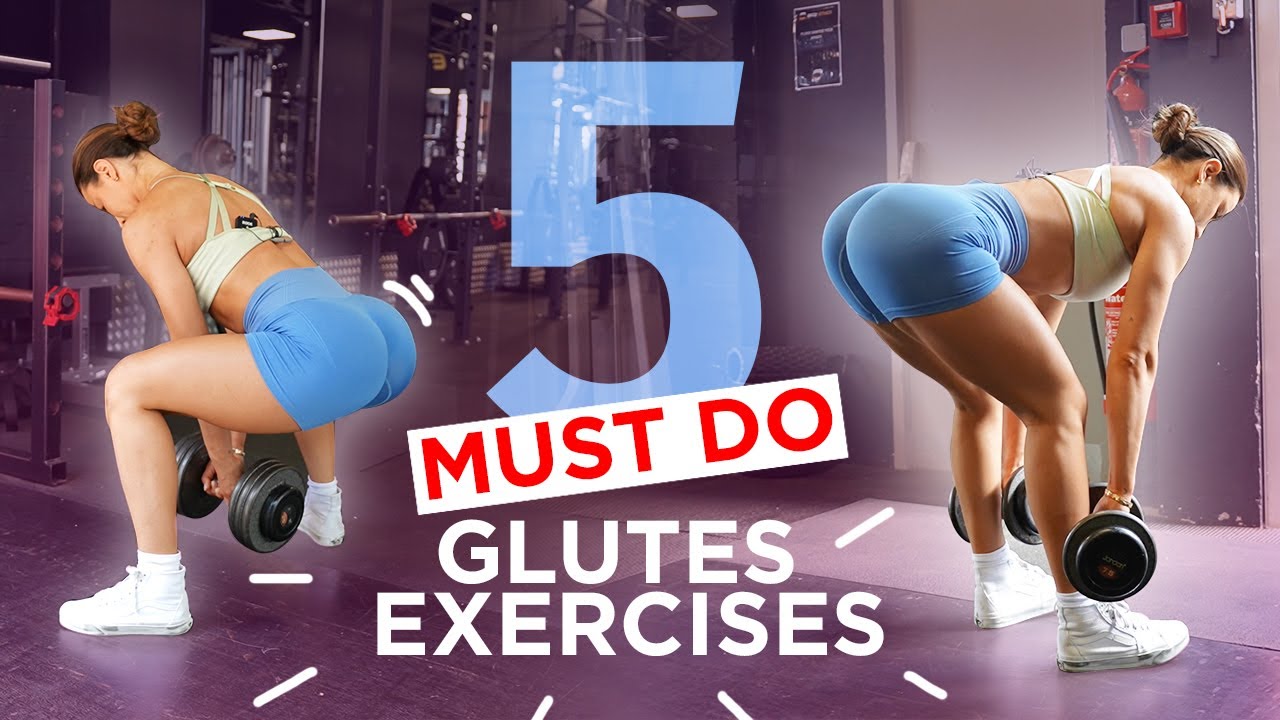
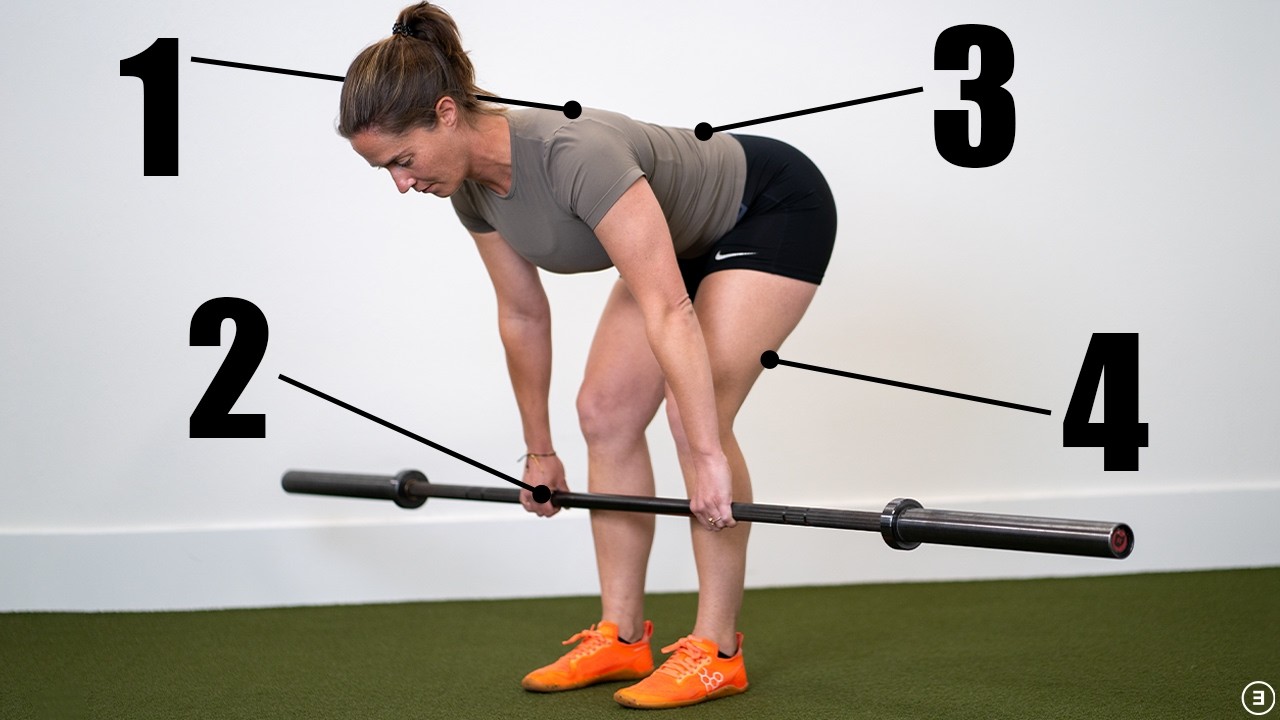
be using chinups to grow your back muscles but your biceps always fatiguing first your back will grow but additional exercises may be necessary to maximize growth the second category includes deadlifts and other similar hinge variations such as good mornings one of the best choices here is the Romanian deadlift or RDL unlike the conventional deadlift that starts from the floor an RDL starts in standing whether you're using a barbell or dumbbells push your butt back and slowly lower the weight down while keeping the weight close to your shins you'll strive to achieve as much hip flexion
as possible while keeping your low back relatively flat you also want a slight Bend in your knees if you keep your legs too straight you'll put a greater emphasis on your hamstrings the unilateral variation of this is a single leg RDL which can be done with a barbell dumbbells or a dumbbell in one hand just like before hold on to something for balance if needed a benefit of the single leg RDL especially when using one dumbbell is that you can add a slight rotation at the bottom of the movement to increase the stretch on the
glutes the advantages and disadvantages of these exercises are similar to the last category except instead of the quads being the limiting factor your hamstrings and low back may fatigue first the third category includes the most popular glute exercise the hip thrust as well as Bridges and 45° hip extensions the difference between this category and the previous categories is that the glutes are being challenged in their maximally shortened position which is where they have their best leverage barbell hip thrust can be performed with your upper body supported on a bench or box since the focus of
this exercise is the glutes try to minimize excessive bending or arching of the lumbar spine at the top of the movement when you're squeezing your glutes the hardest your knees should be at roughly 90° angles if your knees are too too bent you'll feel a large stretch in your quads if your knees are too straight you'll feel your hamstrings working more your feet can be positioned around hip width apart while facing forward or slightly outward since barbell hip thrust can be timeconsuming to set up or uncomfortable to perform for some people single leg hip thrust
are another option these can be done with body weight or with weight Bridges which are done on flat ground are an alternative to hip thrusts if you find that you slide upward with double leg Bridges you'll have to place something above your shoulders to keep you from moving you can use your hands overhead during single leg Bridges the 45° hip extension is the last exercise I'm going to present in this category the pad should be low enough that you can move from your hips you can keep your low back rounded or flat but try to
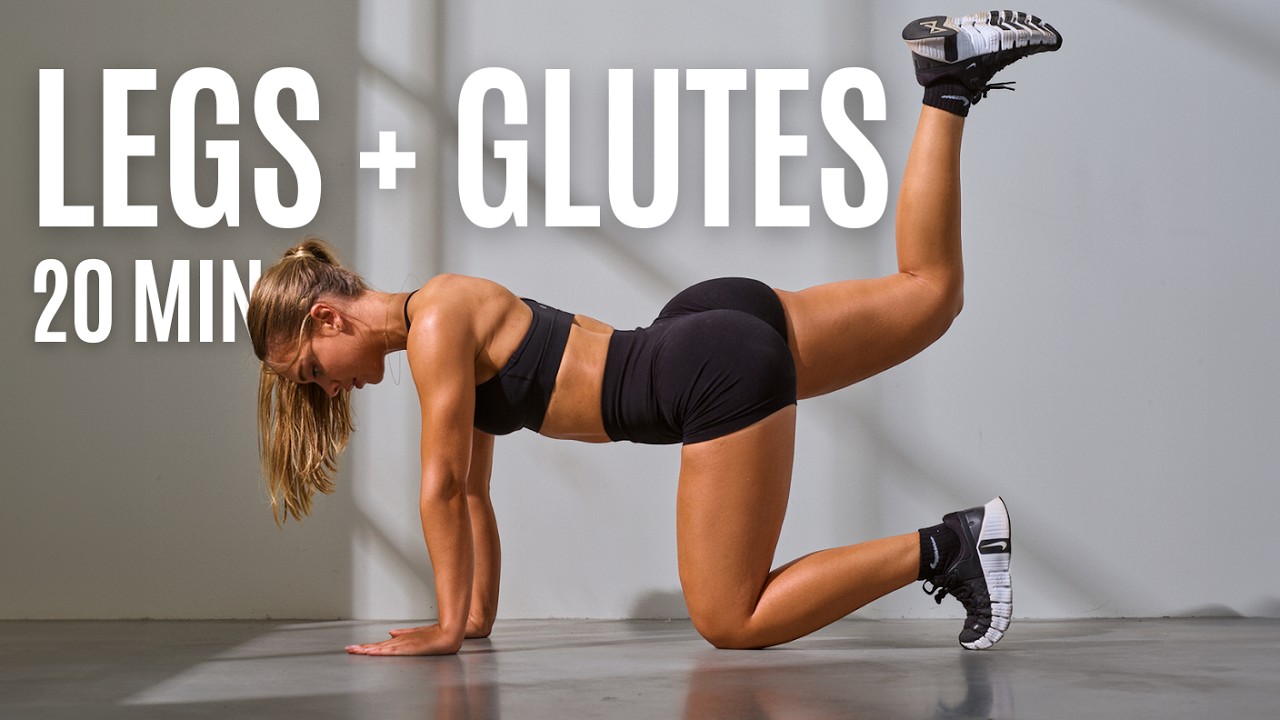
minimize movement of the lumbar spine as you're performing the exercise lastly your feet can be straight or slightly turned out for added resistance use a dumbbell plate or band although these exercises don't train the glutes in isolation there's a better chance that your glutes will fatigue first especially with the hip thrust and bridges the fourth category includes single leg hip extension exercises with your foot in the air most of these options are referred to as Kickbacks whether the glute Max is challenged most in its lengthened or shortened position depends on the range of motion and
type of resistance used although the benefits are similar to the previous three categories of hip extension exercises these movements can be useful for trying to isolate the hip extension action of the glutes without overly fatiguing other aspects of the body to increase glute Max activation and limit contribution from the hamstrings use a bent knee when possible some gyms have machines designed specifically for glute Kickbacks like the one being shown here the multi-hit machine is another great option because you can move through a large range of motion while keeping the knee flexed but it's less common
if you don't have access to machines you can do Kickbacks in standing with a cable attached to your ankle or in quadraped with a dumbbell ankle weight resistance band cable column or smith machine up to this point I've only discussed exercises that train the hip extension action of the glutes the recent study I mentioned in the beginning comparing hip thrust to back squats demonstrated that both exercises lead to significant growth of the glutitis Maximus however the lower portion of the glute Max grew nearly twice as much as the upper portion additionally there was very little
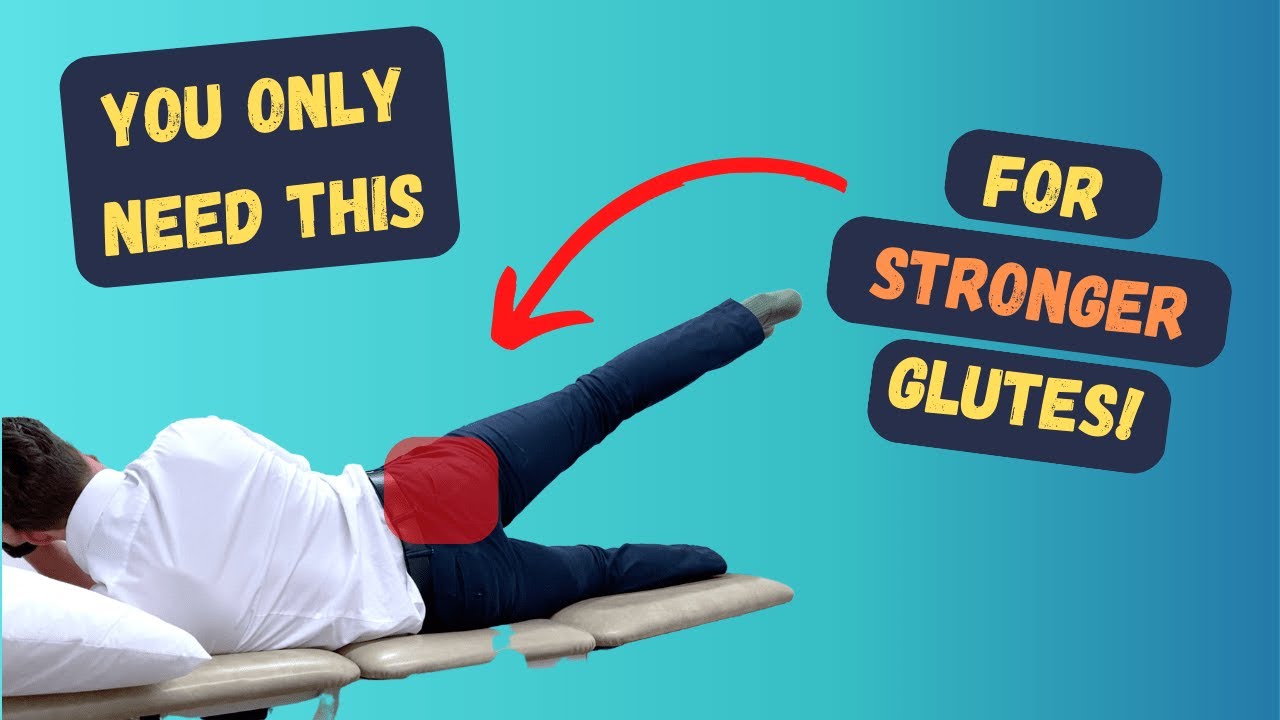
growth of the glutitis medius and Minimus therefore to fully maximize the development of the glutes exercise selection should also include movements that involve hip abduction and external rotation hip abduction will be the primary motion for most of these exercises with hip external rotation as a secondary action some exercises will include hip extension abduction and external rotation just like I didn't cover every possible exercise for the previous categories I can't do that here even if I tried because the options are Limitless hip abduction can be performed in sideline on flat ground or on a bench to
increase the range of motion for added resistance use an ankle weight weight plate or bands keep the hip neutral or in slight internal rotation another sideline option is the side plank clamshell in which both hips are moving into relative hip extension abduction and external rotation and even harder exercise is the elevated side plank Thruster using a single leg in standing you can do side steps with a band around your knees or you can use a cable attached to your ankle with the cable you can kick straight out into abduction or incorporate elements of hip extension
and external rotation as long as you're moving from relative hip adduction Andor flexion into relative abduction Andor extension for any of these exercises you'll probably be okay some gyms have machines designed for standing hip abduction such as the multi- hiip or you can make a machine work for hip abduction like I'm doing here with this glute Kickback machine seated hip abduction can be performed using a machine or with a band around your knees it's also important to point out that lateral step Downs step UPS single leg deadlifts and other similar exercises Train The Hip abductors
because these muscles help control the position of the pelvis when standing on a single leg hip drops a common exercise prescribed in physical therapy clinics involves dropping and lifting the pelvis by relaxing and Contracting the glutes of the standing leg two other exercises often seen in the rehab setting are quadrip and standing fire hydrants with a band around the knees the goal is to maximally contract the glutes by moving into extension abduction and external rotation simultaneously earlier I stated that when it comes to training the glutes people tend to make five common mistakes the first
three mistakes were related to exercise selection technique and overemphasizing the importance of sensation the second to last training mistake relates to programming to optimize development of the glutes you need a comprehensive program that includes at least one exercise that trains the glutes at long muscle lengths like squats or deadlifts one exercise that trains the glutes at a short muscle length like hip thrusts or Bridges and one exercise that has a hip abduction component if you trained your legs two days per week and took the exercise categories from this video at face value your program might
look something like this Monday three sets of rdls three sets of front foot elevated reverse lunges three sets of single leg hip thrusts three sets of cable Kickbacks and three sets of seated hip abduction Thursday three sets of rear foot elevated split squats three sets of single leg rdls three sets of 45° hip extensions three sets of machine Kickbacks and three sets of sideline hip abduction if you just wanted to develop your legs in general without worrying about some of the redundancy and exercise selection in the previous example your program might look like this Monday
three sets of rdls three sets of seated leg extensions three sets of single leg hip thrusts three sets of seated hip abduction and three sets of heel raises Thursday three sets of rear foot elevated split squats three sets of hamstring curls three sets of 45° hip extensions three sets of sideline hip abduction and three sets of heel raises but some people may want an additional training day dedicated to their glutes that isn't too fatiguing on the rest of their body so they may include a Saturday that looks like this three sets of barbell hip thrusts
three sets of Step Ups three sets of cable hip abductions and three sets of side plank clamshells as you can see there are unlimited possibilities how often you train how many sets you do per week and the number of exercises you choose to perform per session will depend on your training experience goals and other factors part of good programming is getting the most out of the least effort people often do the opposite by trying to do as much as possible as quickly as possible but change takes time start with fewer exercises and less sets per
week and gradually do more only as needed part of this concept of doing more over time often referred to as Progressive overload ties into the last training mistake which relates to your intensity or effort it's not uncommon for people to primarily focus on the burn or the pump by only doing a high repetition sets with short rest periods this is fine in some scenarios like toward the end of your workouts but it helps to know that you're getting stronger by doing more repetitions and adding more weight over time most exercises can be performed in the
6 to 20 rep range if you're doing heavy compound movements such as squats and rdls you might stick to the lower end of that repetition range on the other hand if you're doing isolation exercises such as Kickback and hip abduction variations it's okay to work toward the higher end of that repetition range the main goal is that you're pushing to failure or a few reps shy of failure on most exercises and getting stronger over months and years if you do perform really high rep ranges just know that you probably have to push Beyond discomfort because
that initial burn is likely when each repetition becomes more valuable for growth and I'm going to contradict myself a little here but if you're using the right exercise selection technique programming and effort it's okay to consider what you're feeling during an exercise or after a workout with regards to delayed onset muscle soreness to help individualize your training the sensations just shouldn't guide everything you do as long as you have a solid foundation in place variations in anatomy differences in preferences and other related factors might mean your training isn't identical to your favorite influencer the only
other thing I haven't mentioned is the speed of exercises it can be useful to start with a slow steady tempo on most movements while including a slight pause at the bottom of squat and deadlift variations and at the top of hip thrust and Bridge variations what about Glu Amnesia do you need to worry about it no and I'll give you five reasons why one the participants in glute training studies are untrained subjects often students who probably sit most of the day yet they have no difficulty growing their glutes and increasing the strength using basic training
protocols you don't need to do daily activation drills two sitting doesn't turn off your glutes if you're sedentary and sit a lot it makes rational sense that on average your glutes will probably be weaker and smaller than individuals who are more active the solution sit less and exercise more three sitting doesn't cause anterior pelvic tilt anterior pelvic tilt isn't related to your hip extension range of motion statically or dynamically and anterior pelvic tilt isn't correlated with your glute strength there's no harm in stretching your hip flexors but it's not required to train your glutes four
if you don't feel your glutes during a 5-second single leg Bridge that's okay you either need to modify your Technique or the exercise isn't hard enough to Warrant you feeling your glutes working plus I've already mentioned that you don't need to put too much stock in short-term Sensations five people experiencing pain may have weak glutes but it doesn't mean their weak glutes caused their pain it's a chicken or egg scenario and pain doesn't necessarily decrease the activity of the glutes in fact it can increase the activity of the glutes likely as a way to compens
at for any weakness in either case you can still train your glutes once again you don't have to worry about Glu Amnesia your glutes aren't asleep whether your goals are related to rehab muscle growth strength or something else there's plenty of good reasons to train your glutes just perform the appropriate exercises without worrying about madeup diagnoses or problems in summary the glutes consist of three muscles the gluteous Maximus the glutitis medius and the glutitis Minimus together they contribute to four primary motions hip extension hip abduction hip external rotation and posterior pelvic tilt if you want
to maximize the development of your glutes you should incorporate these five categories of exercises one squats lunges split squats step ups and other similar exercises two deadlift and hinge variations three Three Bridges hip thrusts and 45° hip extensions four Kickback variations and five hip abduction and external rotation exercises don't overemphasize the importance of what you're feeling in the moment when performing these movements if you're training at least two to three times per week focusing on good technique and prioritizing Progressive overload you're on your way to reaching your goals and if you've been concerned about Glu
amnesia don't be you don't need to do anything special just follow the guidelines in this video thank you so much for watching if you enjoyed the video please hit that like button subscribe turn on notifications and leave any comments down below peace