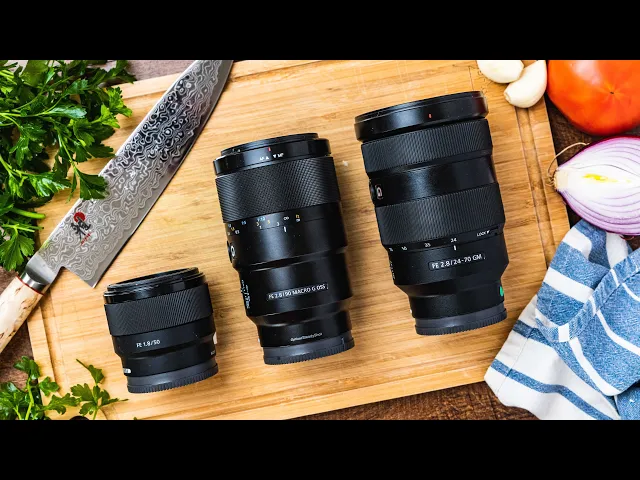
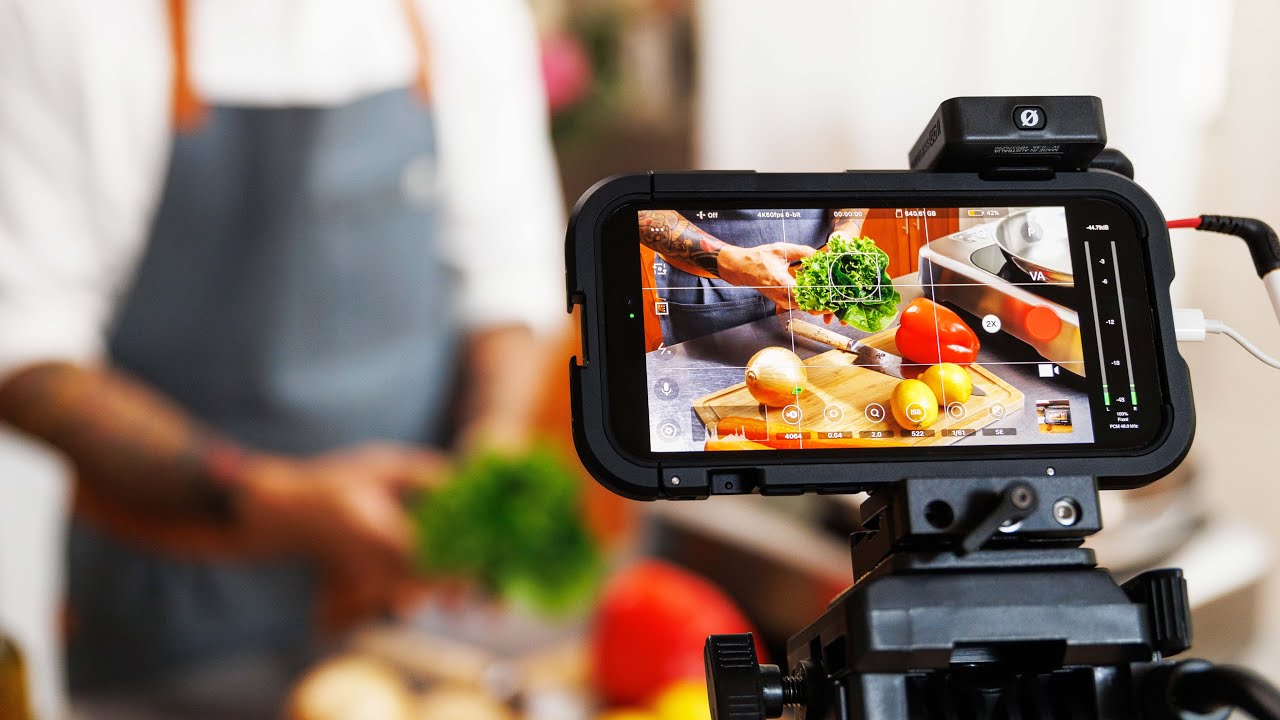
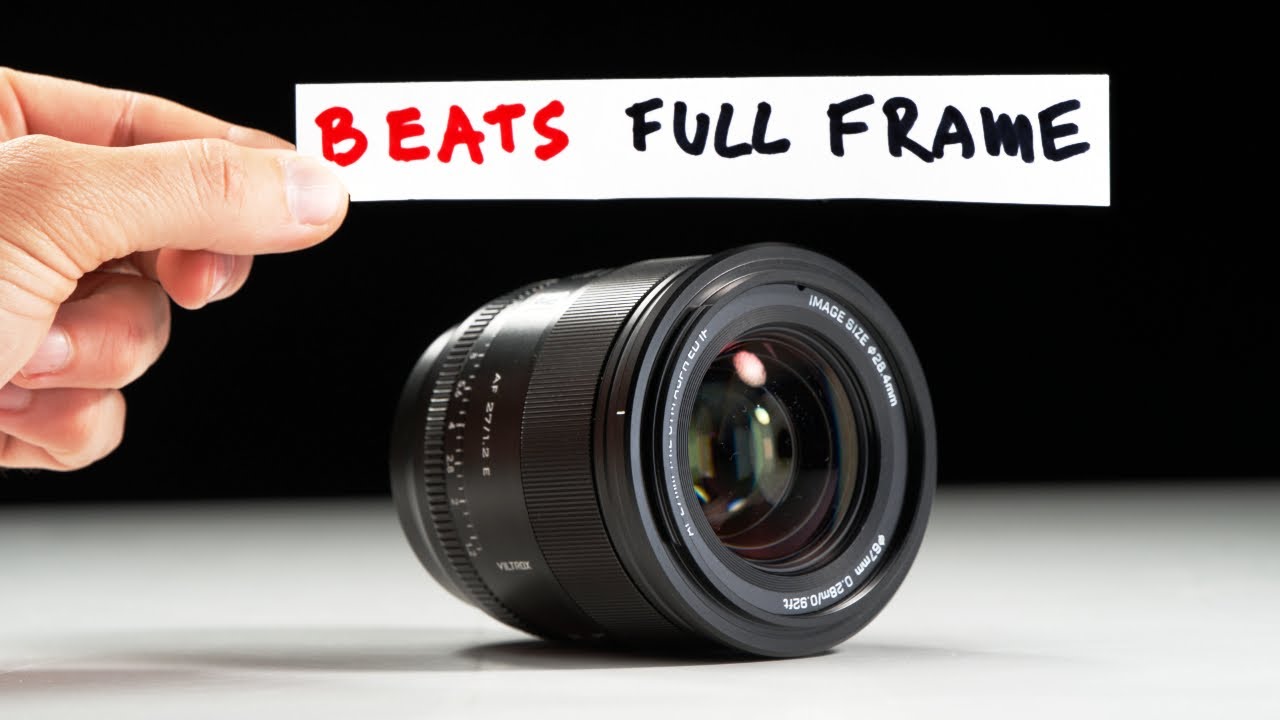
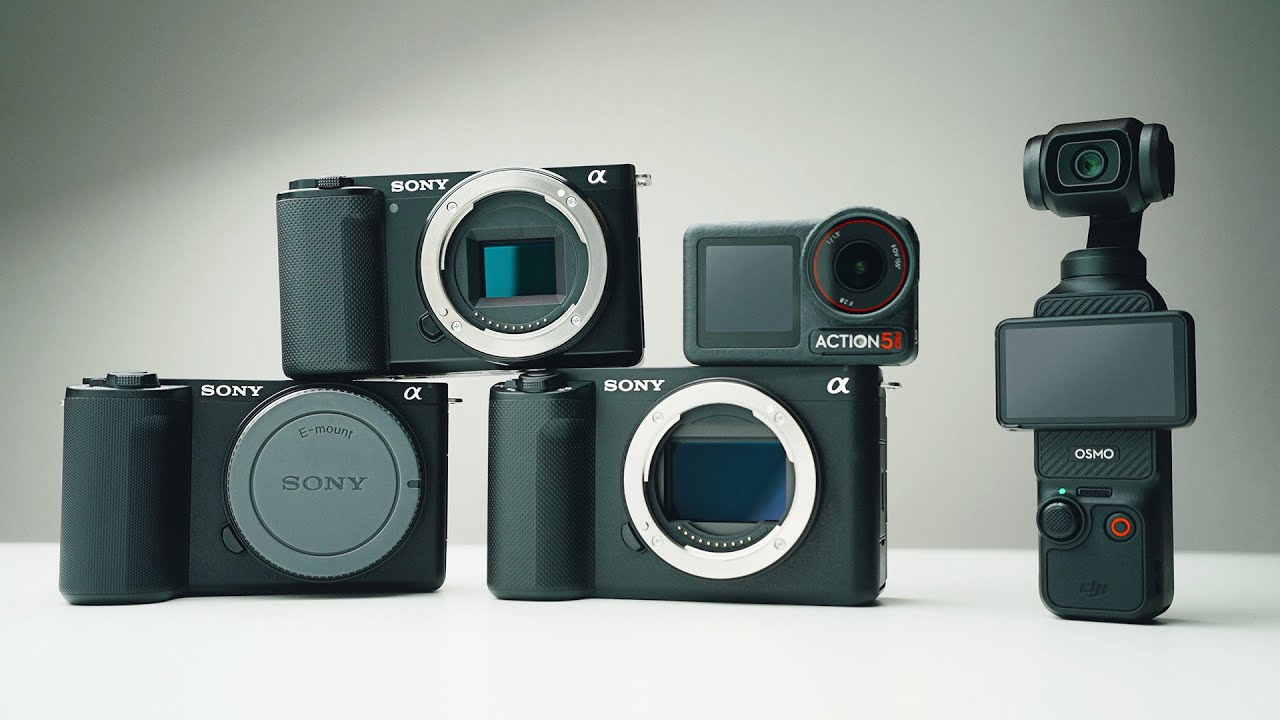
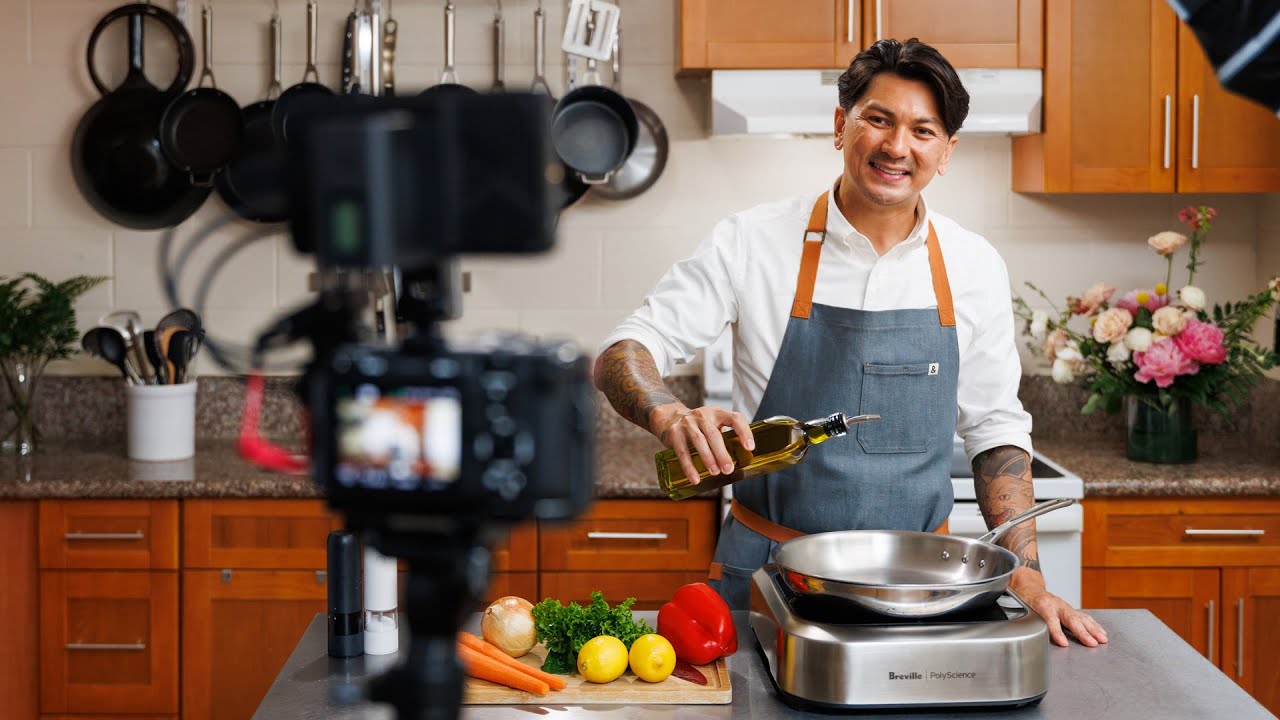
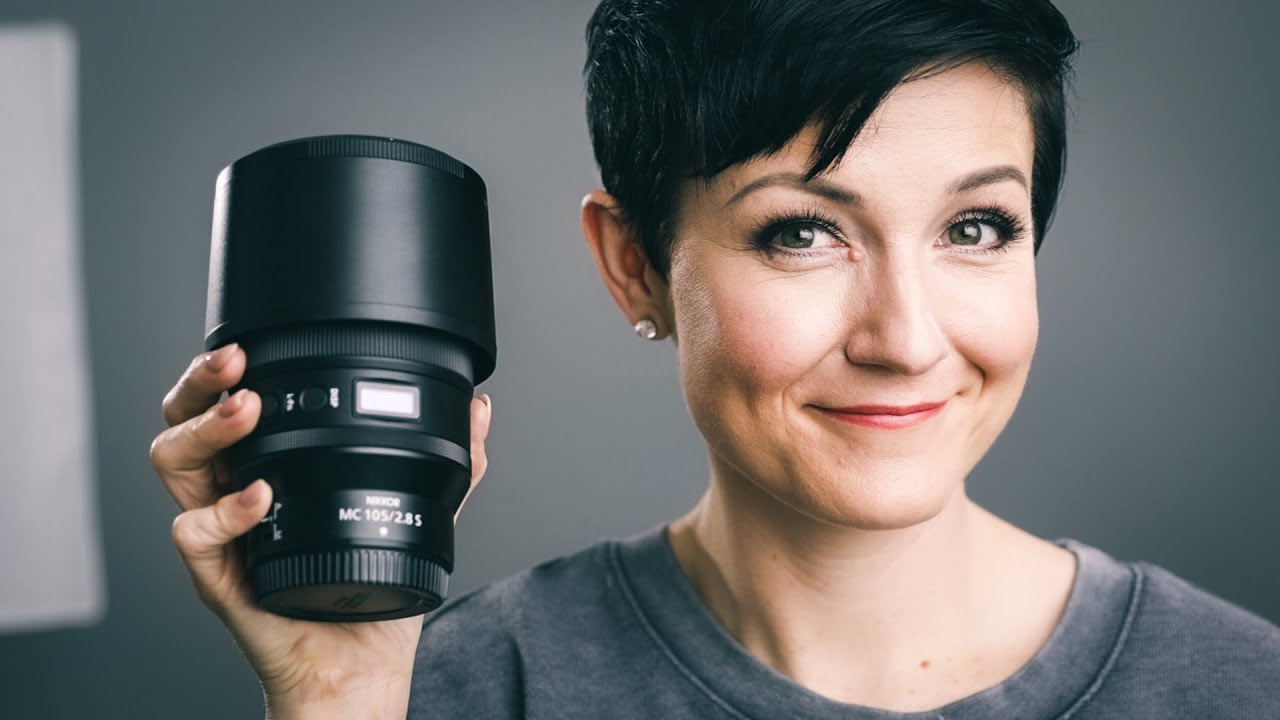
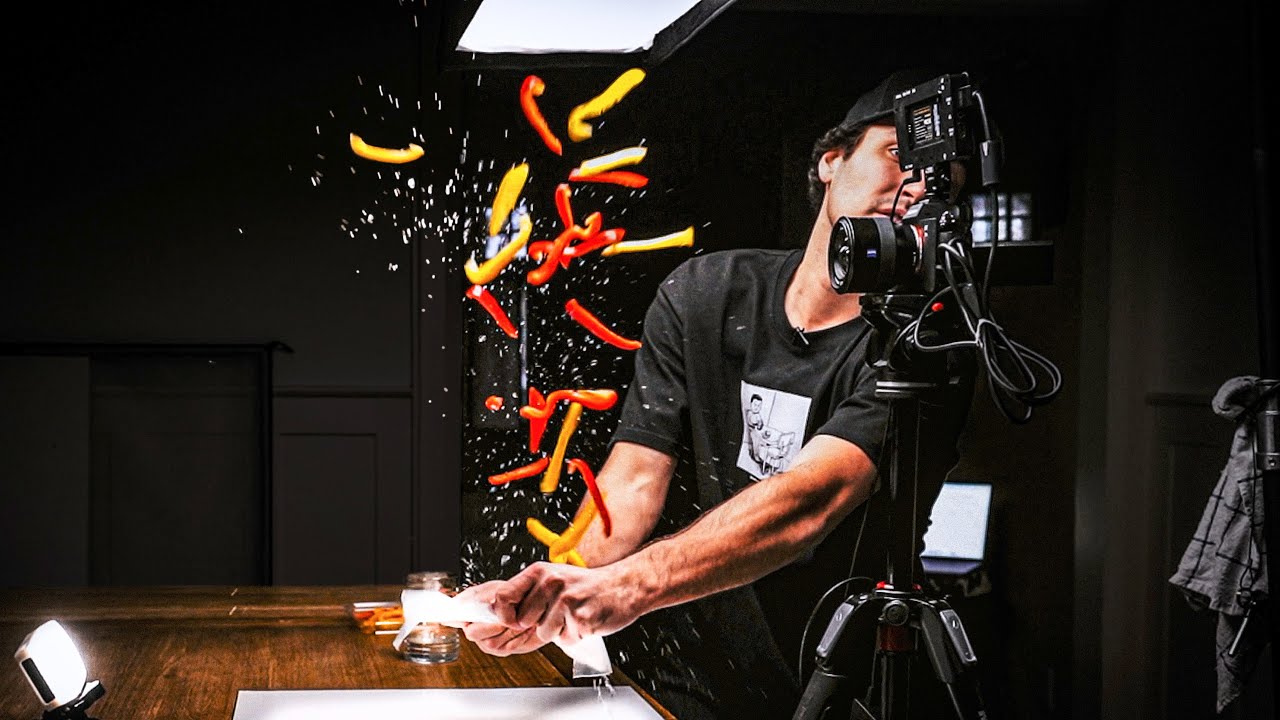
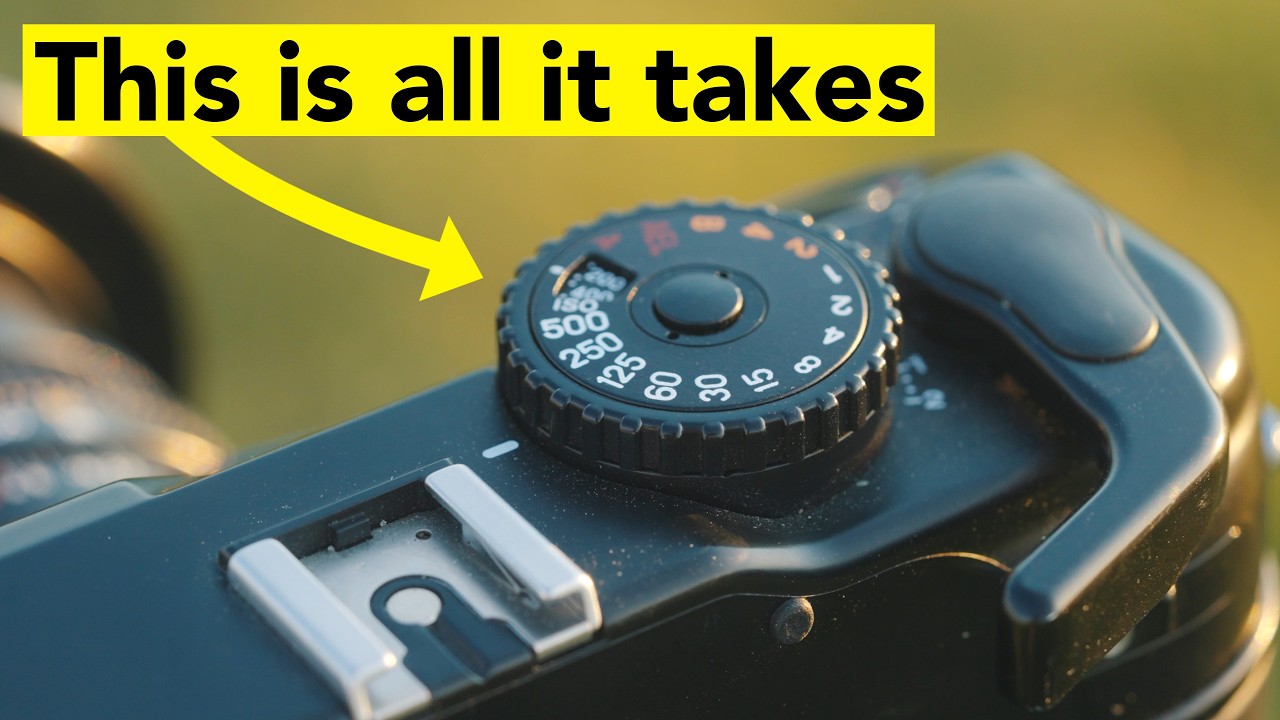
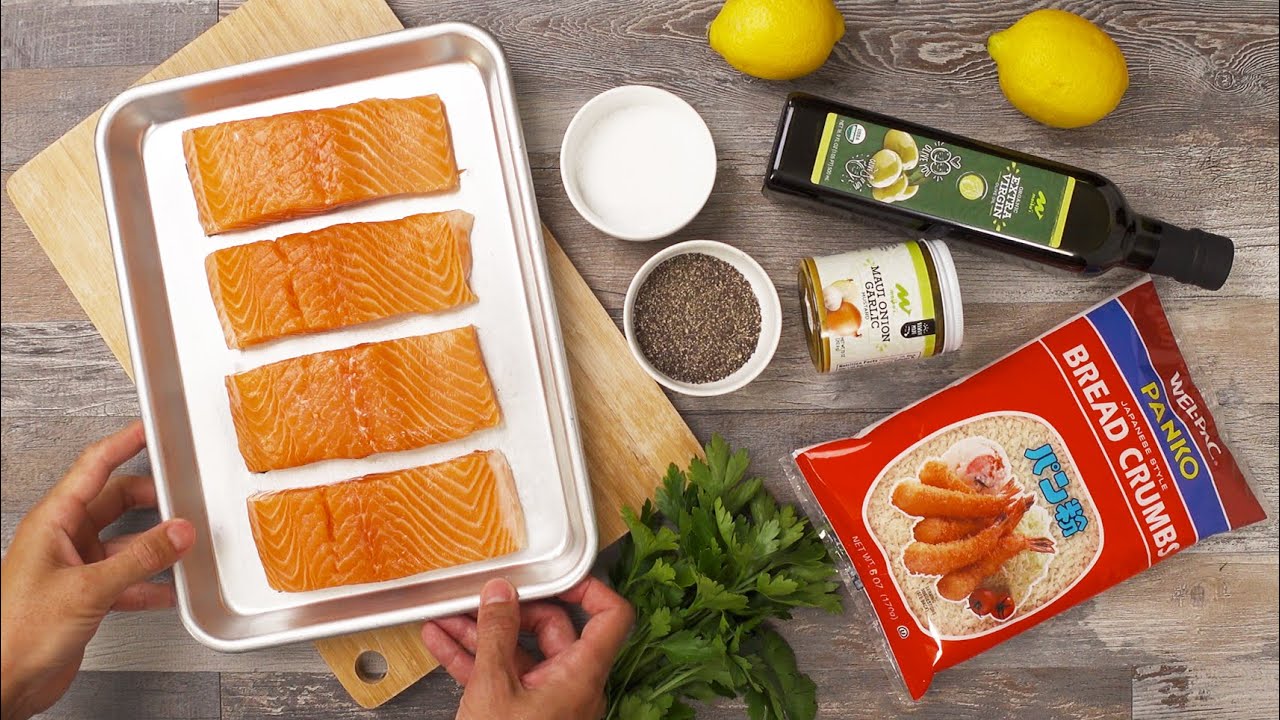
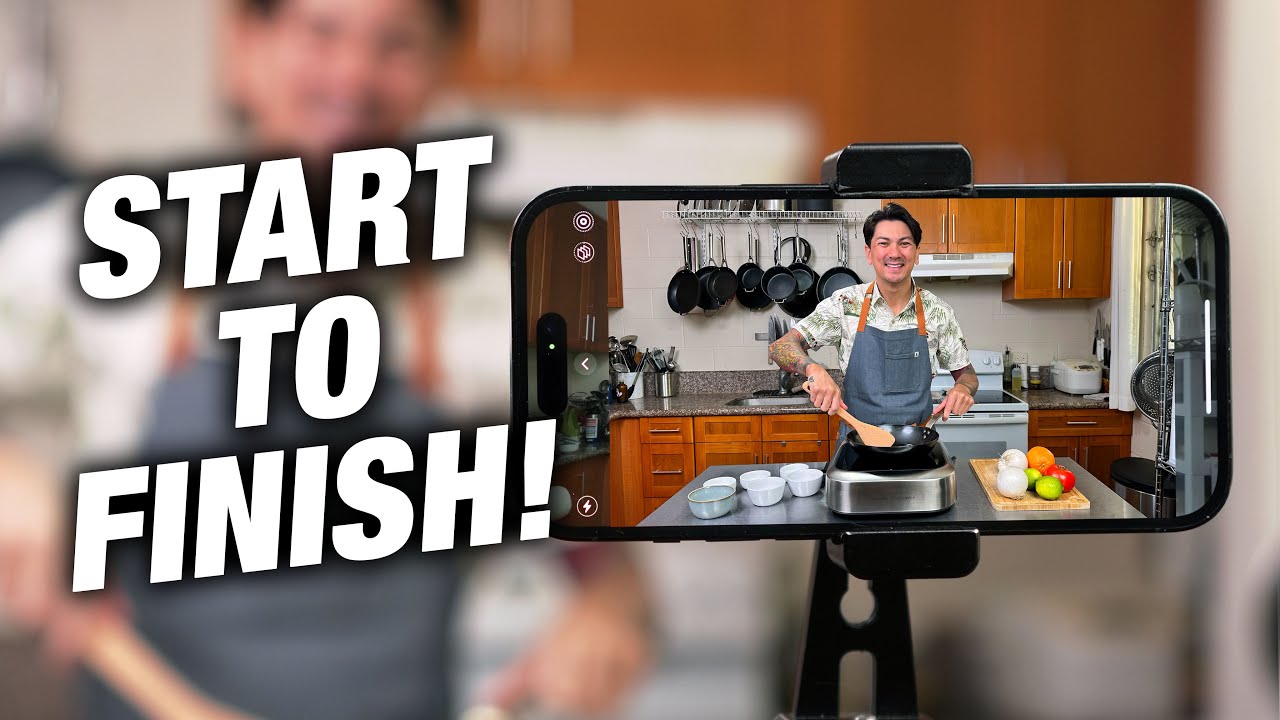
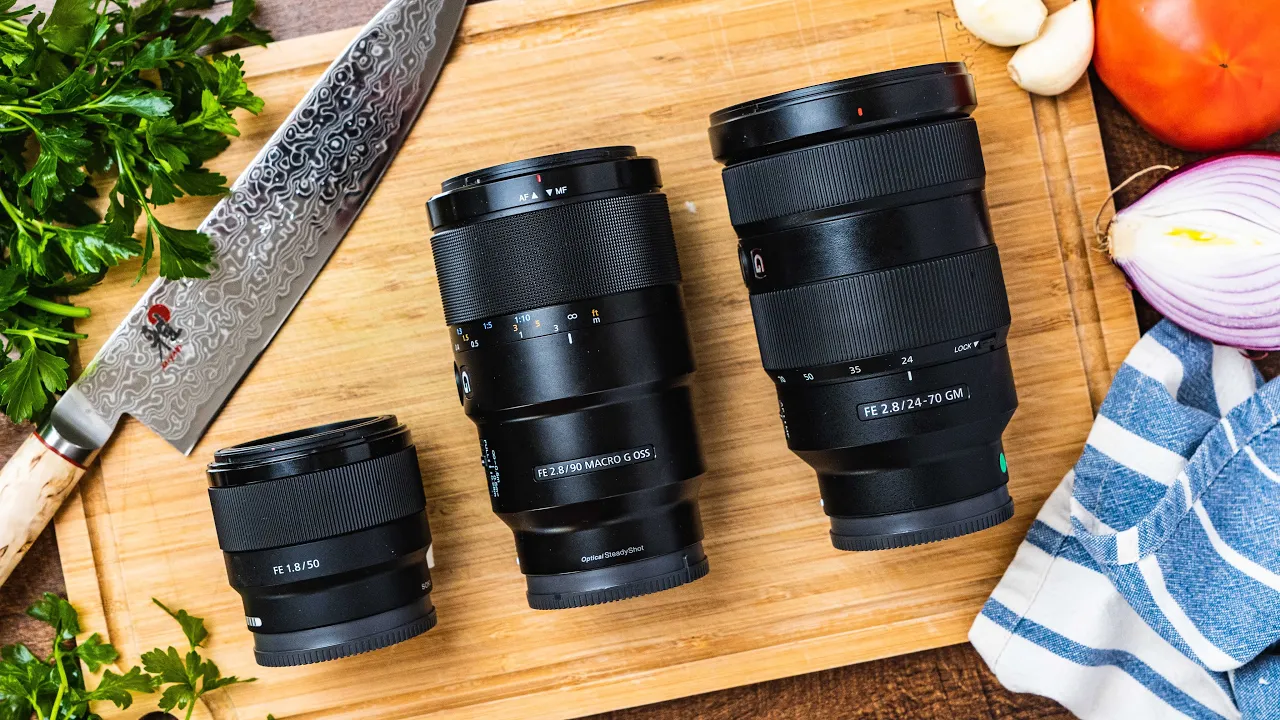
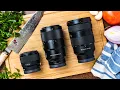
in this video i'm gonna share my three favorite full-frame lenses that i would recommend for cooking videos and how i like to use them i'll also share a few options depending on the size of your kitchen or budget and at the end of this video i have two game-changing sony camera features that'll help maximize any lens you decide to go with speaking of sony i've been shooting with sony cameras since 2016 and i wanted to thank them for sponsoring this video and providing the camera and lenses so that i can make this video for you thanks sony by the way i'll have links to all of the lenses and a few other things that i talk about in the description of this video the first lens that i love and would recommend is a 50 millimeter i'm actually using that right now for this shot here and i use this lens for almost 90 percent of the cooking content that's on my youtube channel this particular 50 millimeter lens is lightweight with a fast 1. 8 aperture so it's great for low light conditions and it gives you that nice cinematic blurred background look the 50 millimeter is considered a standard focal length lens and it's popular because some say that it's the closest to the angle of view the human eye naturally sees this lens has minimal distortion which can be flattering to the person in frame another benefit of the 50 millimeter focal length is that it's not too wide but it's also not too zoomed in because of this i can get a nicely framed shot of whatever i'm cooking but still set up a few feet away from the stove and not have to worry about grease or oil popping onto my camera and lens i love it for filming food prep because i'm able to frame my shots a little tighter to focus on my cutting board or hands and i can still hide my mess or other things that i don't want in the shot off to the side of my prep table i also use this lens for all of my on camera talking parts because the 50 millimeter focal length is a little tight i do need to set my camera up about 10 feet away in order to fit my prep table and upper body in the shot without cutting my head off in the frame you might not have as much room as i do in your kitchen and if that's the case and you still wanted to capture that upper body shot with your counter or prep table i would recommend checking out the sony 24 millimeter 1. 4 gm this is a wide angle lens so you only need to put your camera about four feet away to get that upper body shot i mentioned earlier i think the 24 millimeter focal length is a pretty popular choice for a lot of content creators out there especially for those who shoot things like vlogs or restaurant foodie style content this wide angle lens is a great choice because you can prop your camera on the table in front of you and still fit in the frame of your shot this helps capturing audio too because your camera isn't so far away from you compared to the 50.
the 1. 4 aperture makes it an amazing low light lens and if you have a smaller kitchen or plan to shoot vlogs or foodie style content you might consider this over the 50 millimeter one thing about the 24 millimeter lens is that you do need to get it much closer to your stove for a tighter shot of the food this could lead to a greasy camera but i have a little hack for that at the end of this video my second favorite lens for cooking content is the sony 90 millimeter 2. 8 macro this is actually my first favorite lens this is my favorite lens of all time but i don't use it as much as the 50 and that's why i recommended that lens first the focal length of this lens lets me get really nice close-up shots of my food and ingredients because i'm able to frame my shots much tighter this also allows me to get my microphone much closer to the food to capture better audio for asmr cooking videos i created a whole other video on that topic and i'll be sure to put a link to that video so you can check it out after this one since the 90 millimeter is a macro lens i'm able to position it within inches of my ingredients and i'm still able to focus the shot even while i'm mincing garlic this is a very unique shot and it's a great way to keep your viewers engaged in your content not all lenses can get macro shots and it just isn't something that you normally see so when you do it's definitely interesting to watch the lenses aperture goes as low as 2.
8 so it performs well in less than ideal lighting situations but when i'm shooting macro at 2. 8 the focus is pretty shallow so a lot of times i'll end up stopping down to closer to 5. 6 or even f 8 to get more of my ingredients i'm filming in focus this lens is also a very popular focal length for product photography and that's what makes this my go-to lens when shooting my finished plated dish for my youtube thumbnails the third lens that i would recommend is the sony 24-70 2.
8 gm what's different about this lens compared to the others i spoke about earlier in this video is that it's a zoom lens the 50 and 90 millimeter are considered prime lenses and have a fixed focal length so if you wanted to zoom in or out you have to physically move your camera closer or further from what you're filming with the 24 to 70 you can simply turn the zoom ring on the lens and it will zoom in or out this makes the lens very versatile because basically it's all the focal lengths between 24 and 70 millimeters i like to use this lens when i mount my camera overhead for filming top down shots i have a whole other video on this by the way if you want to check that out but the reason why i like using a zoom lens is because it allows me to quickly adjust my composition of my shots simply by zooming in or out if i was to use a prime lens i'd have to adjust my entire c-stand and raise or lower the camera to zoom in or out the 24-70 is also clutch when i'm filming cooking shots because again i can quickly zoom this is extremely helpful because you don't need to take more time to reposition your entire tripod while cooking like you would have to do with a prime lens and risk the chance of burning your food this lens is a great option for you if you're looking for something with more flexibility in your kitchen you have the option for that wider 24 millimeter look or you can zoom in to 70 millimeters for a nice close-up shot as well this lens has a constant 2. 8 aperture which means it's great for low light conditions and it maintains that consistent performance through the entire zoom range another affordable option is the sony 24-105 f4 this lens gives you quite a bit more reach because it can zoom in 35 more millimeters than the 24 to 70. the aperture on this lens only goes down to f4 though so the low light performance is not going to be as good as the 24 to 70.
to avoid any low light issues i always recommend lighting your cooking content you know no matter what lens or camera you go with if you don't have good lighting it's not going to look that great so i plan to drop a video with tips for lighting your cooking content in the near future so be on the lookout for that before i share those two game-changing camera features i wanted to say you know if you're finding value in this video please consider subscribing or joining to become a member of my channel members receive special perks and your support helps me create more videos just like this so you might be thinking it seems like zoom lenses is the better option because it's like a bunch of lenses in one well what if i told you that you can turn your prime lenses into zoom lenses one great feature sony alpha cameras have is something called clear image zoom and clear image zoom allows you to add a 1. 5 zoom to your images this feature is not the same as digital zoom normally an image loses resolution when using digital zoom with clear image zoom technology the image is reproduced by a unique pattern recognition database and the image is more natural and realistic it's pretty dope right but it gets better the second dope feature that the full-frame sony alpha cameras offer is super 35 mode so a 24 millimeter lens on a sony alpha 7r4 is well a 24 millimeter however once i activate super 35 mode it crops in on the full frame sensor changing it from a 24 millimeter to about a 36 millimeter lens super 35 mode basically adds a 1.