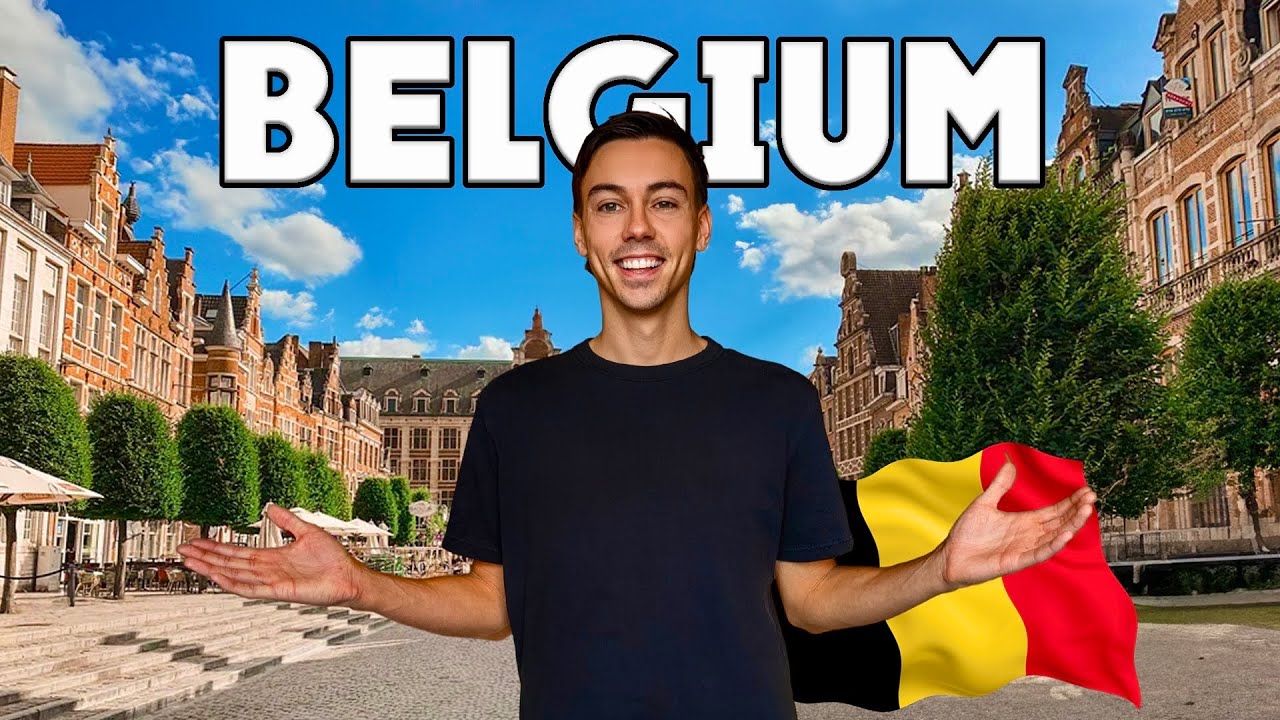
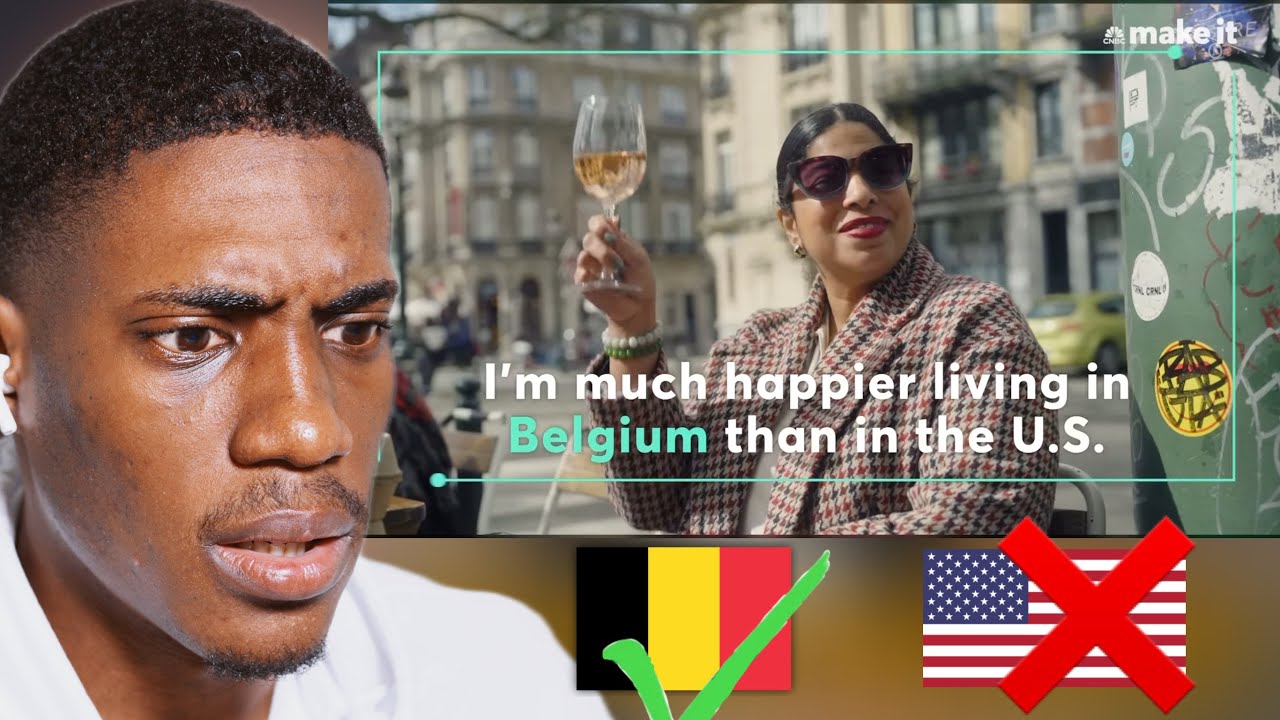
My quality of life here in Belgium has increased compared to living in the U. S. Having the free time to spend with my family, also the access to travel and to be able to experience different cultures and foods and things like that without having to break the bank.
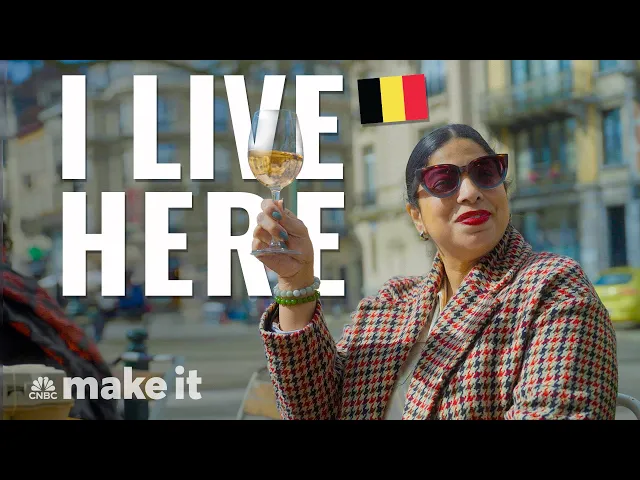
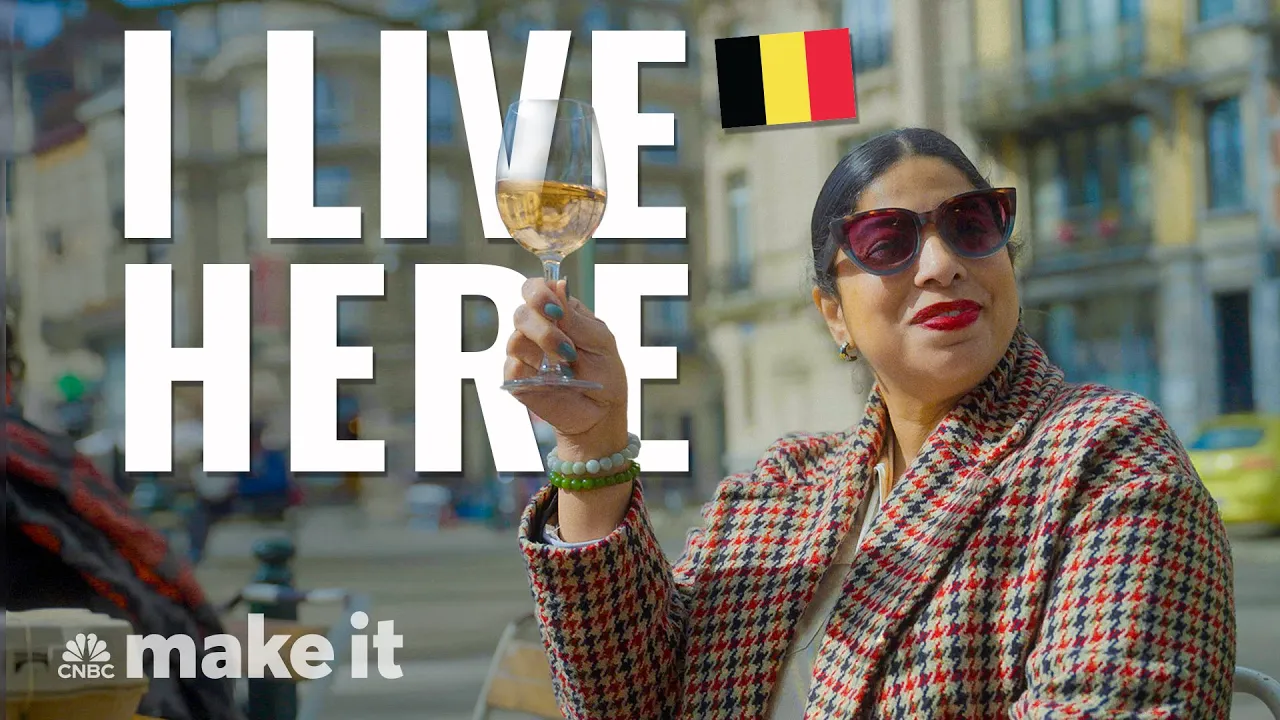
I'm Jessica van Dop DeJesus , I'm 45 years old and I live in Brussels, Belgium. I relocated from Washington D. C.
And I live with my husband and seven year old daughter. Cheers to Brussels, where you can have a glass of wine on a Monday afternoon and nobody will judge you. Bonjour.
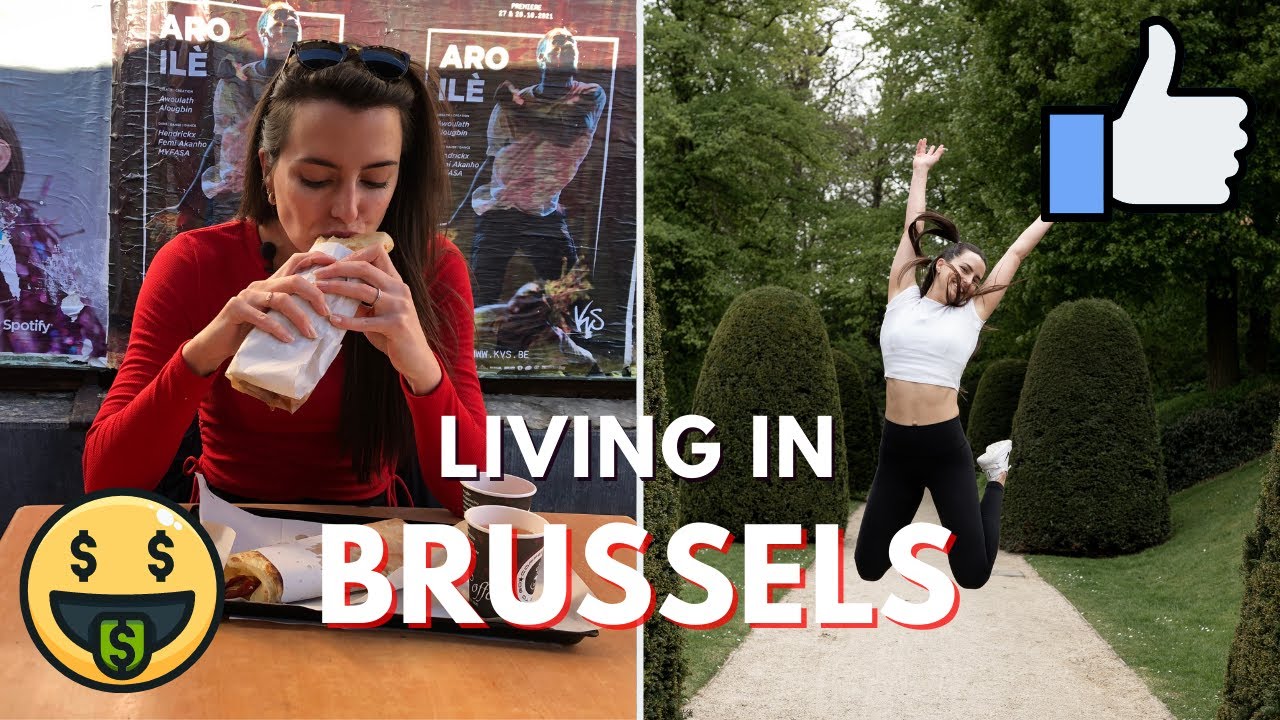
Oui, oui. So one of my favorite things to do in Brussels is go to the markets. There's some cafes nearby, so I always like to either have a coffee or if I'm feeling a bit festive, I might even have a glass of wine.
I love being able to take in the city, being able to see these beautiful buildings where you walk by the market and you see the flowers, or you see like beautifully presented food. It just really gets you in a better mood than like sitting in traffic and seeing people yell at each other or honking the horn and stuff like that. So for me, my functioning language here is French because I speak enough French, obviously, to get by.
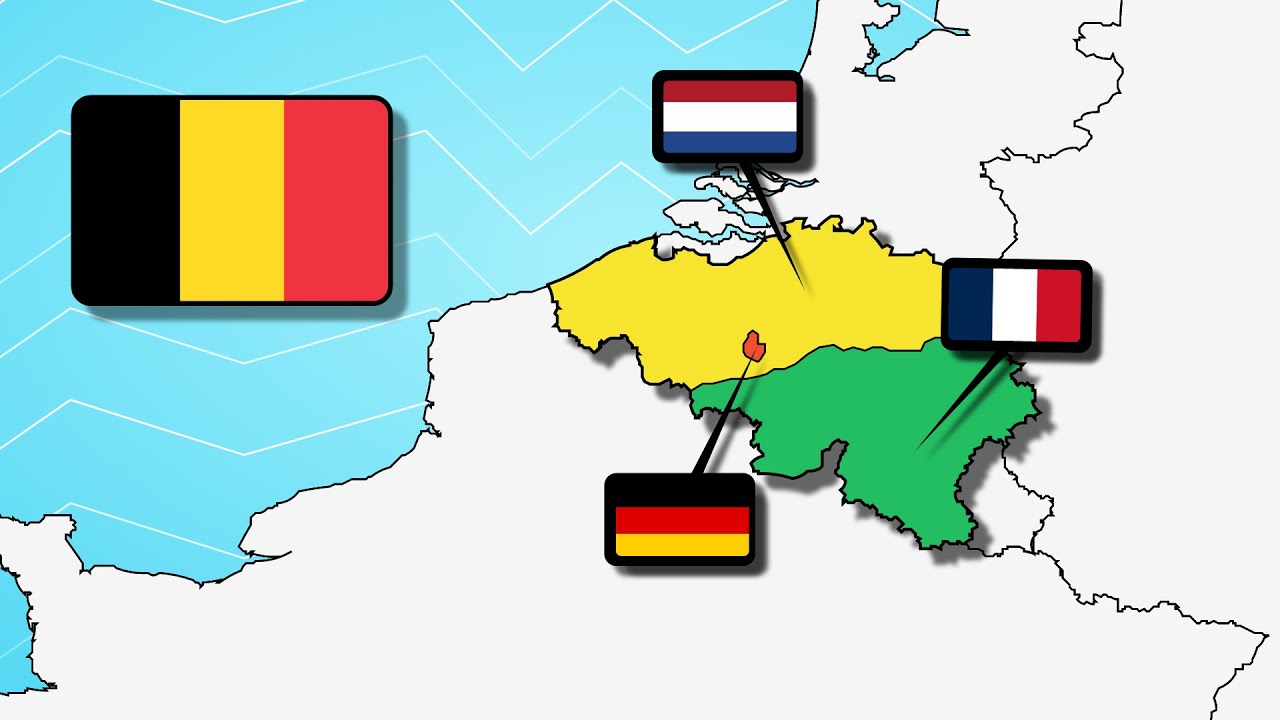
Merci. Merci. But my husband's functioning language here is Dutch.
So what we try to do is like divide and conquer. Fresh mint. Overall, I feel more content living here.
There's still parts of me that kind of like tug, you know, being away from my family. But overall, I feel more at ease living here in Europe. So now I'm really done.
So it's been a few minutes. The onions are now translucent. For us we don't have like a hard budget.
A lot of the things are already included in my husband's package. So the car insurance, things like that. So what we have left to pay is mortgage, electricity, internet, these kind of like basic things.
Healthcare is provided by the government. My husband does have some supplements that he does pay from his employer to get some private hospitalization or something like that, but it doesn't mean that if we don't have a job, we're not going to be on the street or not be able to afford health care. Here a co-pay is like three, four euros, depending on what kind of treatment you're getting.
So that's something that every family, regardless of their income status, gets here. My husband has a company car so he doesn't have to pay gas or a car payment or insurance. I'm a food and travel content creator with Dining Traveler, so I use some of that food as business expenses, especially if I'm doing like a long form food video.
I cook pretty much every day. I do have a soft spot for certain ingredients like fish and shellfish and things like that. So it all depends what my mood is.
If I see a nice piece of tuna, I'm going to buy it. Welcome to chez moi, to my house, and let's start the tour with my favorite place, the kitchen. We own a duplex in a building that has three apartments, like a condo, and we paid around $590,000.
So this is my kitchen in Europe, usually ovens are very tiny, but not the case with me because I love a big Thanksgiving turkey. So I actually got a full stove. No, because it's a mess.
It's a mess. Like it's like a total mess. One of the challenges for us to buy our home here in Belgium is the fact that I'm a U.
S. Citizen, and there is a law called FATCA, which is a law that forces basically European banks to have to report back to the U. S.
on U. S. citizens, and they will get heavily penalized if they don't.
So we have a beautiful view of the city hall, and down here is our patio. When we were looking to buy our apartment and get a mortgage, out of 25 banks, only three banks would take a look at our application. Just for the simple fact that I was a U.
S. Citizen, or even just getting a bank account. It's hard to pick a favorite thing, but right now it's the light.
And I actually installed all the crystals by hand. This is our bedroom. It's very basic.
We pay a higher mortgage payment, but when we look at kind of our retirement picture we want to be, it's nice to know that we're going to have a paid off apartment by the time that we retire. My daughter's room, it's a bit of a mess because she's seven, so it is what it is. Look at all these stuffed animals.
I think I probably bought one or two and the rest have been gifts from her oma or opa. So I grew up between Guayama, Puerto Rico and Rochester, New York. So as a kid I was always very adventurous.
I wanted to see the world. I've traveled all over the world with my job. I lived in Japan, South Korea, Germany and done a lot of work projects in Australia, Southeast Asia, Africa.
I've been very fortunate that my work has taken me to so many different places. I was deployed in Iraq in 2005. After being in a war zone and seeing how short life is, I decided to sell everything and use my G.
I. Bill and go to graduate school in Belgium. That's how I spent six years here in Europe, what I call Europe 1.
0. And right before I moved to Washington, D. C.
in 2012, I met my husband, who is from Rotterdam from the Netherlands. He was my 90 day fiance. I brought him back to the States.
Some of the struggles for us in D. C. , obviously, was the cost of living as it kept on hiking up.
Secondly is security, especially during the pandemic and post pandemic, things got a bit more violent. I got fired from that job and I wasn't given a warning. The person didn't even turn on the camera.
They were going to give me a two week severance, and she tried to take that away from me. So for me, that was like one of the tipping points of how you're treated. And also my husband felt the same, you know, he felt that you put so much time and you work for a company or you work for somebody and it's okay for people to treat you like that.
My mother in law was diagnosed with Alzheimer's, and that was kind of what gave us in to come back to Europe. I think anybody that lives abroad, the most challenging part is being away from family. I'm very content with my life living in Belgium right now.
You pay for the financial security in the sense that are we going to become rich living here? Probably not, because the high taxes, we pay around 55% in taxes, but it's nice to be able to have that kind of safety net if you get laid off, if you lose work, you're able to make ends meet. And also security from a physical perspective.
As a mother, especially with all the school shootings and stuff that I see in the States, I feel that my daughter is safer in the school environment here. So from those two perspectives, I definitely feel safer. Overall.
We're really happy that we moved back to Europe. To me, like seeing my daughter grow up with so much culture around her, being able to give that lifestyle to my daughter is worth, you know, all the sacrifices that we make.