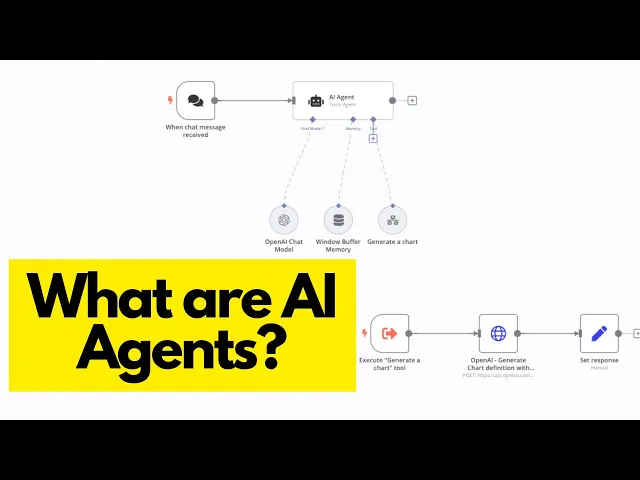
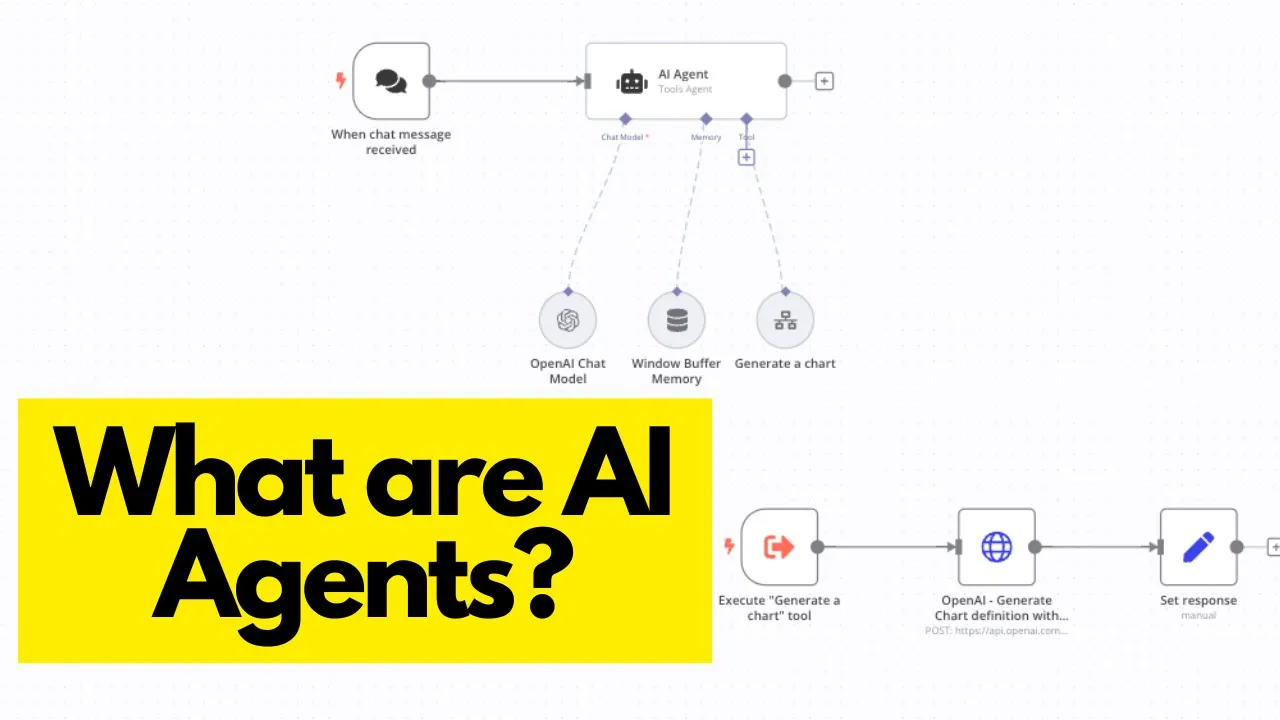
how's it going everybody in this video we're going to be discussing AI agents and covering everything you'll need to know to start leveraging them to drive efficiency and revenue in your business I could say with 100% certainty that AI agents aren't just a trend that they they are the future of how businesses will scale and operate so over the next few years we're going to see AI agents literally integrated into nearly every part of a business whether that's from customer support and sales to operations and data management so the best part is that these tools are becoming more accessible every day just allowing businesses of all sizes to leverage AI to increase your efficiency you know reduce costs and improve overall performance so today I figured it'd be best to explain what they actually are how they work how you can use them and even get started today to start leveraging these systems to drive Revenue within your operations so in the future scaling your business won't be just about hiring more employees it'll be about deploying teams of AI agents that work around the clock handling tasks that would have previously required significant human input so whether you're a solo entrepreneur small business owner or even part of a large organization understanding AI agents can open up a new avenues for automation cost reduction and scalability so in this video as I mentioned we'll explore what these AI agents are how they differ from you know your tradition traditional AI automations platforms that you can use to build them and real world applications that can transform your business operations so all in all by the end of this video you'll have a comprehensive understanding of AI agents and how to leverage them to gain a Competitive Edge so let's go ahead and get started but real quick I wanted to mention that if you're a business owner and you want to leverage our AI systems to scale your business and completely eliminate your repetitive tasks then book a free call with me and I'll show you how to drive Revenue save time in your business and ultimately scale for growth so that you can finally step away from the daily operations and be sure to join my skill Community because I'll be providing so much other valuable resources that will help you grow and skill your business which I just don't provide my YouTube so moving on first things first what exactly are AI agents So at their core AI agents are intelligent systems powered by these large language models also known as llms you know like your open AIS GPT Claude um perplexity grock there's a lot of others that I can name but unlike traditional chat Bots that can only respond to queries based on predefined scripts these AI agents possess the ability to think reason and take autonomous actions so try to imagine this you receive an email asking for a meeting so a traditional chatbot might help you draft a response but you still need to actually just manually send it so an AI agent however can automate the entire process process so it can actually read the email draft a personalized response schedule the meeting in your calendar and even send follow-up reminders all without your direct intervention so this autonomy is what sets AI agents apart so they're designed to handle more complex tasks adapt to the varying scenarios and integrate seamlessly with your existing business tools to enhance productivity and efficiency so now let's clarify key differences between you know these AI agents and AI automations because this distinction it's crucial for actually implementing the right Solutions in your business so to start with AI automations these are rule-based systems designed to perform repetitive predictable tasks so think of tools like zapier which I pretty sure you've heard of or even make. com so these platforms allow you to set up workflows that just trigger trigger actions based on specific events so for example automatically saving email attachments to Cloud storages or sending a notification when a new lead is added to your CRM so while automations they're definitely incredibly useful for streamlining repetitive processes I use them all the time and you know have implemented plenty for clients and it's you know a main main portion of my offering in my services but they do lack the decision-making capabilities that AI agents often possess so automations follow basically predefined rules and they can't adapt to unexpected situations or handle tasks that do require understanding and reasoning but on the other hand AI agents they go beyond simple task execution so they can analyze data make decisions and also take actions based on context and dynamic inputs so for example an AI agent can manage your inbox by not only categorizing emails but also prioritizing them just responding to inquiries scheduling meetings um just all based on the content and context of each individual email so in essence while these AI automations are excellent for handling straightforward you know linear rule based tasks these agents offer more intelligent and adaptive approach which makes them more ideal for complex workflows that do require flexibility and decision making so those two can get pretty tricky um you know one one being pretty similar to the other but AI agents they completely change various aspects of your business so let's just dive into some key areas where they actually can make a significant impact you know some areas where I've seen them directly help some businesses you know implementing them for clients myself or just you know hearing of success stories so one being customer support So AI agents they handle customer inquiries 24/7 just providing you know instant respon responses to common questions like resolving issues and even escalating complex cases to human agent human agents when they're actually necessary so this not only improves customer satisfaction but it can also reduce the workload on your support team number two is sales and Lead qualification so if you imagine an AI agent that automatically qualifies leads by just analyzing their behavior interactions and data from your CRM so it essentially engages with potential customer customers through personalized emails schedule meetings prioritizing leads just based on their likelihood to convert so this just ensures that your sales team focuses on the only the most promising prospects which just increases efficiency of course in conversion rates you know if you're only focusing on the leads that are scored highly and you know basically the most qualified and are fitting within your ICP and all that so you know we can look at this within Market automations so AI these AI agents can manage and optimize your marketing campaigns by analyzing performance data adjusting strategies in real time and even creating content tailored to different audience segments so this Dynamic approach helps in maximizing your Roi and reaching your target audience just more effectively another huge aspect is project management so in project management AI agents they they could do a whole plethora of different things you know tracking progress assigning tasks setting reminders and generating reports so they ensure that projects just stay on schedule deadlines are being met and team members are just kept informed about their responsibilities so this can take a lot of different forms so maybe I could text my phone saying hey I need you to create a task for um Nick perusi then it'll go ahead and create a task in my project management tool whether that's notion assana HubSpot click up but basically once I create that it'll create that task it'll um you know update the assign and automatically notify you know the respective party so if that's me then it'll just send me a notification like hey new task is created and but good stuff so next up let's talk a little bit about data management and Reporting so these AI agents they can actually aggregate data from various different sources they can also perform analysis and you know generate sightful reports so this reduces the time spent on data processing and it just allows you to make informed decisions based on real-time information so by integrating AI agents into you know all these different areas that I just mentioned all these different sectors businesses can achieve higher productivity you know lower operational costs and even enhanced scalability all while maintaining a high level of service and efficiency but now let's talk about the platforms that you can actually use to build out these AI agents so there are several powerful tools available each with its own strength and unique features I just wanted to cover a handful so this would be make. com zap your voice flow and NN which is what I use personally the most so I guess we could start with make so make.
com it's a fantastic platform it's you know where I started um building automations in agents so it's great for building both simple and even complex workflows so it provides a visual drag and drop interface that just makes it easy to connect different tools and apis so it's perfect for creating AI agents that handle everything from managing leads to automating customer support there's so many different use cases you can integrate with open AI Google Sheets slack and so much more just making it incredibly versatile I personally love this tool because it's no code super friendly to non-technical people you know this is where I started meaning you don't have to be a developer to build something powerful interface looks amazing it's cheap and has so many different applications already on it so I think this a pretty good place to transition into zapier so zapier is just one of the most well-known automation platforms it's probably you know at least the one that you've heard of I'm I'm assuming you know it's praised for its Simplicity and extensive app Integrations so it has more app Integrations than make. com um but while it's excellent for setting up straightforward automations you know just linear linear automations they've also introduced um different things like zapier assistant which I haven't used too much um but essentially these are a powered agents that can handle more complex tasks next up let's talk a little bit about voice flow so you might have heard about this before and usually it's in regards to building out chat Bots as um you know the space calls them so voice flow primarily designed for just building conversational AI agents you know particularly you know voice assistance for platforms um however it it has evolved to support text based interactions as well and it does this amazingly I can vouch um you know it makes for a great versatile tool for creating interactive AI agents um I don't really use this platform much anymore I've totally just switched to n an and even make. com so these are the two that I use my text tack the most I don't use zapier or anything like that um the only reason I wouldn't use n over make.
com is just because it doesn't offer as many um applications so it's just sometimes a little bit more tedious to create these agents and automations in an but anyways um choose whatever your preference is if you have knowledge on one already then I just recommend sticking to it despite it is prettyy easy to learn each and every one I'm mentioning there's not too big of a learning curve but anyways let's talk about n so if you want more control over your workflows and you need something that can handle more technical processes I think na an is the best and um you know that's what I would recommend so it's an open source automation tool that allows you to build workflows that integrate with apis and databases so what actually sets this apart is its flexibility so it gives you complete control of the data flow how your agents interact with different systems plus it's super cost effective since you can you know host it yourself which is important if you're dealing with sensitive data and you have a client or your company's worried about that or you can just you know continue using the cloud which is a lot easier and this is where you're going to have to pay you know 20 30 bucks a month forget what it is exactly but it's relatively cheap but it's also super similar to makes our common zap year so if you have an understanding of either of those then I can assure that you probably have an understanding of this platform or at least a very basic Foundation understanding so has a range of features that I personally like the most and why I really use it the most so it's AI agents and it's use of multiple triggers which is um you know kind of the biggest things why I use this platform over all of them so each of these platforms they do have its unique advantages so the best choice you know just depends on your specific business's needs it's technical expertise and budget so whether you prefer a no code solution like make. com and zapier a conversational Focus tool like voice flow or you know the flexibility and control of an open source platform like n there's an option out there to help you build powerful agents just tailor towards your business so I know there's a bunch of other options you know there's crew aai and a bunch of other ones to name but these are just the ones that I've personally tested and have used myself so these are the ones that I'm going to preach about and um share my insights on so to effectively build and deploy AI agents it's essential to understand their core components so I decided to break it up into four different aspects you know that being data prompts tools and workflows so I'll break down each one in detail so I guess we could start with data so this is the foundation of any AI agent it includes all the information the agent needs to perform its tasks effectively so this can range from customer details in your CRM historical sales data email interactions Maybe all the way to real-time data from various business operations so some of the key points is you know we'll talk about Vector databases so tools like pine cone or maybe um weate they're crucial for storing and retrieving data efficiently so they use Vector embeddings um to basically just ensure that the AI agent can quickly access and process the information it needs so imagine like a Google Docs and we'll call this your centralized database so basically within Google Docs you know you're using all these vectors and vectors you know just a way to efficiently grab information from it so if you have an email saying Nick gmail. com and you know your request is to find or to send an email to Nick gmail.
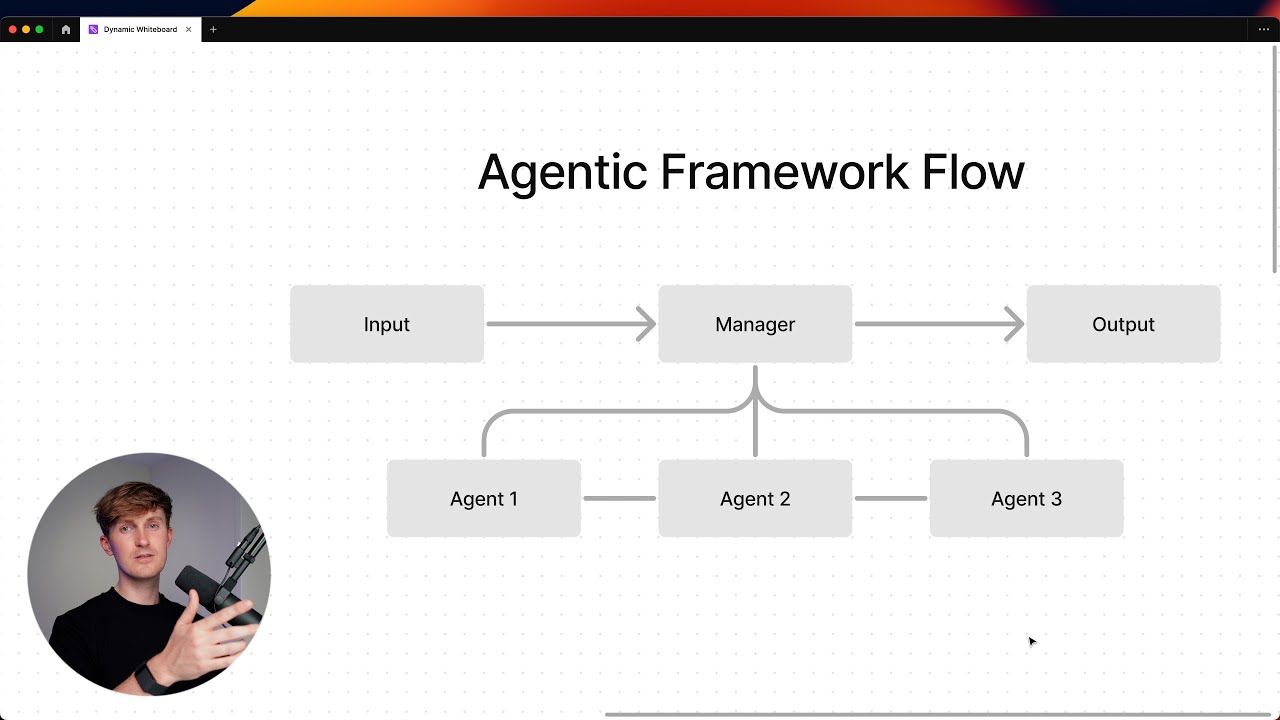
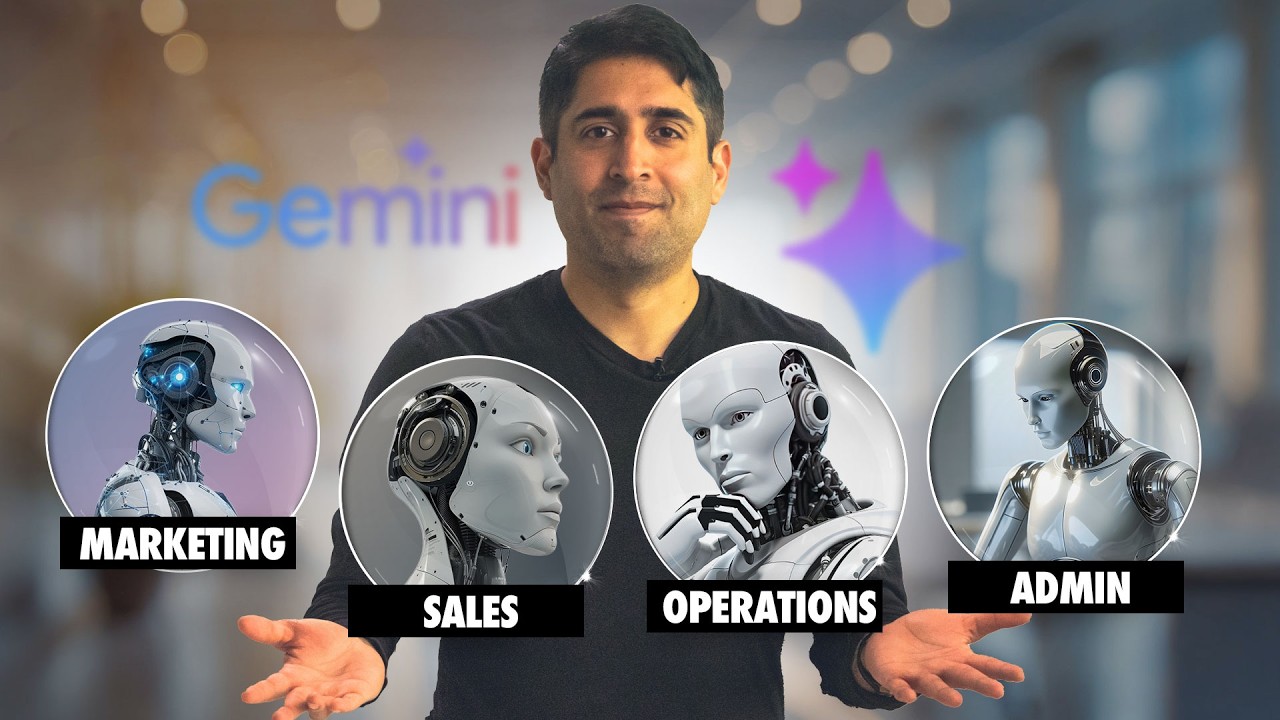
com you know it's just going to only pull the information that it needs and you know just SE separate everything into token just making sure that it's a whole efficient process so that's a very U mediocre way of explaining it but I'll explain later on so next we'll talk a little bit about data quality so the accuracy and relevance of your data it directly impacts the performance of your AI agent so it's so important to ensure that your data is clean up to date and well organized so that's why it's really important to use these Vector databases to only um grab the information that you need and you know retrieve the information that you need I should say so now we'll talk about the next one which is props so these are the instructions that you give to your AI agent so you might have played around with ch GPT a little bit and you found that you know the more specific information that you give it the better result you're going to get so basically they're just guiding the agent on what tasks to perform and how to handle all these different scenarios so we call this promt engineering so this involves getting clear and very detailed so you just want to give it the best instructions that help the agent understand its role and responsibility so there's a structure for this and I'll go over it uh shortly but a well-engineered prompt can make all the difference between an agent that performs flawlessly in one that struggles with simple tasks so you can use a structured format that includes the agent objective its context Specific Instructions and examples so this just ensures consistency and even reliability in the agent performance so you know an example prompt I can come up with is um let's say um you're an AI assistant managing our sales leads so this is me talking to the agent by the way or the uh GPT so your tasks include categorizing New Leads qualifying them based on predefined criteria and scheduling followup meetings so if a lead meets the criteria send a personalized email and book a meeting in the calendar if not just mark them for future nurturing so that's a great example of prompting and I'll even go over it further in a little bit but next I want to talk a little bit about tools so these are the actions that your AI agent can perform so these just include Integrations with other software apis and just some built-in functionalities that allow the agent to actually execute on certain tasks and just taking actions so some key points will'll go over Integrations you know like the platforms like make. com app your n they offer numerous Integrations that enable your AI agent to interact with various tools you know whether that's sending emails updating CRM entries managing calendars and others um and then there's custom tooling so depending on your business's needs you might need to create custom tools or workflows that your AI agent can use so an example here um let's say an AI agent might use a tool to generate reports based on sales data or a tool to send out mass emails to leads so so hopefully that makes sense um but I want to move on to workflows so these just Define the sequence of actions the agent will take to completed task so they map out the process from start to finish ensuring that the agent follows a logical path to achieve its objectives so with these automated workflows these are just predefined sequences that the AI agent follows just without any human intervention at all so for example when I New Leads added to your CRM agent the agent might automatically qualify the lead Sunday welcome email and schedule a followup meeting for instance so we'll talk about conditional workflows and these workflows include decision points based on the data the agent processes so for an example if a lead's score exceeds a certain threshold the agent might escalate the lead to a senior salesperson otherwise it might just add the lead to a nurturing campaign so let's look at an example here you have a trigger let's say this is a new lead being added to your CRM so call it Nick perusi that's added to the CRM don't know how to got to the funnel somehow some way it's in there action is you know we want it to execute to qualify the lead based on certain criterias you know the industry that it's in their company size Revenue whatever qualifications you're looking for then you have the decision to you know basically see if it's qualified want to take an action where it's sending personalized emails and scheduling meetings and if it's not qualified take an action where it's adding lead to a adding the lead to a nurturing campaign then you can also add different um steps and actions like follow-ups where you can just automatically send follow-ups follow-up emails after a set period so really just understanding and effectively utilizing these four components it's it's crucial for building these AI agents that can autonomously and efficiently handle tasks that make your business operation smoother and more productive now let's dive deeper into data management you know this is a Cornerstone of effective AI agents and I can't stress this enough so as we mentioned earlier data is everything quality structure and accessibility of your data it really determines how well your AI agent perform so we'll go back and talk about Vector databases so traditional databases is they store data in a structured format which is great for specific queries but not optimized for AI processing so Vector databases like pine cone and another one that I mentioned was we8 they revolutionized this by storing data in a format that's optimized for AI retrieval in processing so these Vector databases convert your data into high-dimensional vectors just allowing your agent to perform similarity searches efficiently so this means that your can quickly find relevant information based on certain context even if the exact keywords aren't present so these databases they're also designed to handle vast amounts of data just ensuring that your AI agents can access the information they need in real time without any delays at all so we can imagine um imagine that you're AI agent it needs to find the most relevant customer feedback to address a specific issue so with a vector database the agent can just quickly retrieve similar feedback and based on certain context allowing it to just provide accurate and informed responses so now we'll talk a little bit about data collection and rag which stands for retrieval augmented generation so rag it's a technique that combines retrieval of relevant data with just generation capabilities of AI so this ensures that your AI agent not only retrieves the right information but also generates meaningful responses based on that data so AI agents they can access you know upto-date information from Vector databases just ensuring that their responses and actions are based on the latest data so maybe you have a new SRP in that business and you want it to um you know automatically go into your centralized database you know whether that's your Google doc or something like that look at it in that manner um so basically by continuously updating the vector database with all this new data AI agents they remain contextually aware of just ongoing business operations um market trends and customer interactions so I'll try to think of a use case here um let's say an AI agent managing your sales pipeline um they can it can use rag to pull the latest leads information analyze it and generate personalized follow-up emails that just reflect the current status and needs of each lead so keeping your data up to date it's also crucial for maintaining the effectiveness of your AI so this just involves you know automating the data collection process to ensure that the new information is continuously fed into your vector database so let's say you have a trigger when a new lead is added to your CRM the action is basically to just extract the leads details and convert them into Vector embeddings so the next action is to insert the vectorized um data so the data that you just got into pine cone which is the platform that we're going to be using so the result here is just your AI agent can now access this updated lead information for qualification and even followup purposes so by leveraging these Vector databases and automating data collection you're basically ensuring that your AI agents have access to the most relevant and current information just enabling them to perform tasks with higher accuracy and efficiency so now we'll talk about prompt engineering arguably one of the most critical aspects of building any effective AI agent so think of prompts as the instructions or uh guidelines that you give to your AI agent to perform its tasks so just like how you train a um a new employee with clear instructions and examples prompt engineering just ensures that your AI agent understands exactly what's expected of it so what is prompt engineering well basically it it involves crafting precise clear and just comprehensive instructions that guide the AI agent and executing tasks accurately so really it's it's about um providing the right context and details to minimize am ambiguity and ensure that the agent performs as it's intended so you want to make sure of a few things one being Clarity two being the details that you're giving it and the examples so you know clear prompts reduce the chance of misinterpretation of course so giving instructions um you know gets results that you want who would have thought so anyway ensure that your instructions are straightforward and they leave no room for confusion so if you want an answer to um be one sentence then you're going to say don't you know just include your output in one sentence or you know in a certain amount of characters um letters paragraphs whatever you know don't you could also say something like don't have it anything more than this so I'm just making things clear um you also want to provide enough detail so that the agent understands the nuances of the task at hand so this just includes specifying the desired outcome the steps to achieve it and any other specific conditions or rules to follow and lastly is the examples so including you know different examples helps the agent understand the context and expected Behavior just leading to a more consistent and accurate results so this helps you see a success rate of let's say 80 or 90% to 99% just providing it proper use cases or examples so why is prompt engineering essential well without well-crafted prompts even the most advanced AI agents they will struggle to perform tasks correctly poorly structured prompts can lead to incomplete actions errors unintended outcomes you know just making the automation essentially ineffective so let's look at some um example comparisons so a port prompt might look like let's say handle customer email so the outcome you'll find here is that the agent might respond generically it might miss important queries or just mishandle complex requests and here's a wildcrafted prompt so we could say something like you're an AI assistant managing our customer service inbox categorize each email as either inquiry complaint feedback or other so for inquiry emails um provide a helpful response based on rfqs for complaint emails just escalate them to the customer service manager ensure that all responses are PL concise and adhere to our company's tone of voice so the outcome you're going to see here is that your agent will accurately categorize and respond to emails just escalating you know the complaints appropriately while maintaining a consistent and professional tone of course so some of the best practices for you know successful prompt engineering um one it it's defining objectives clearly so start by out outlining the primary goal of the agent you know what is it supposed to achieve next you can just provide it with some some context so give the agent background information that it needs to actually understand the task fully so this can include business processes Sops customer profiles or other specific scenarios so next you want to specify any rules the agent must follow so we'll call this just setting rules and uh guidelines so compliance requirements tone of communication prioritization criterias this is where you want to throw that in and also including the examples so just offer examples of correct and incorrect actions to just illustrate the desired behavior that you want so I promise you this will be a game changer and eliminate you know any illegitimate responses or outputs so just continue iterating and refining so you want to continuously test and refine your prompts just based on the agent's performance so um yeah just try out on error sometimes trying to tweak your prompts to get the best output but yeah just use the feedback to improve your Clarity and Effectiveness so if you do that you'll be you'll be fine off I promise you so some tools to Aid prompt engineering so you can use templates so you can use prompt templates to just standardize instructions and you know ensure consistency across different agents um you could also use AI tools so I know there's platforms like Lang chain I don't personally use it myself I try to keep my systems and workflows as simple as possible um but I know of some people who use this and this just offers Frameworks that can help in structuring prompts just more effectively by integrating with various data sources and some workflows so let's try to summarize because we just you know said a lot effective prompt engineering it's the backbone of a successful AI agent so it transforms your Agents from a simple responder into just proactive intelligent assistance that can handle complex tasks with you know Precision so investing time and effort into crafting the right prompts it pays off in the form of Highly efficient and reliable AI agents so now let's talk about the Frameworks of these agents so understanding the architecture of these AI agents within your business workflows it's crucial for maximizing their full potential so you want to basically ensure that you're using them where they are needed so let's break down how to structure and integrate these agents effectively so number one we'll go over job functions and workflows so just start by identifying the key job functions within your business that can benefit from automation so for instance in a sales team the key functions might include lead gen lead generation uh lead qualification customer followup and performance reporting so you just want to clearly Define these job functions so just outline what each job function entails so for example the lead qualification qualification involves assessing the potential of leads based on predefined criteria and you also want to break down the workflows so each job function consists of various workflows so in lead qualification the workflows might include data enrichment scoring leads and scheduling follow-ups next you'll want to just create specialized AI agents so you know this is where you're going to be using the platforms like n and all that so you'll just want to assign specific agents to each workflow ensuring that each agent has the tools and data it needs to perform its tasks efficiently don't worry if this gets too overwhelming I'm just going to go over it um briefly and it's okay for you to not understand it so some examples here is the inbox management agent so I made a video on this and basically this just does all admin tasks for you um but essentially yeah could have an inbox management agent which just handles incoming emails categorizes them and determines the appropriate actions you know whether that's to respond escalate or just mark them for follow-ups you can have a lead qualification agent where it's just going to analyze the leads data score the lead based on you know a predefined criteria um and even schedule the meetings with high potential leads so you could have other ones like lead enrichment agents lead nurturing agents um I can name so many um you know the lead nurturing agent can send follow-up uh follow-up emails shares relevant content maintains engagements uh with your leads but yeah those just name a few um so you also want to ensure that your agents that they can communicate and share data effectively so this is platform this is where the platforms like n um and make. com shines it just allows you to create interconnected workflows that just enable seamless data flow between these agents so you can use vector datab bases like pine cone to store and manage data that multiple agents can access so this will be basically your centralized data management so imagine um look back to what I was talking about with the Google Docs consider that your centralized data management um also you can set up triggers that initiate specific workflows based on events so for example a new lead is added to your CRM this can trigger the lead qualification agent to start the workflow so for instance starting the lead qualification process where it's going to search for the leads uh LinkedIn maybe based on the email of the lead added your CRM so it's important to design your architecture too um you know if you want it to be scalable and flexible um just you know allowing you to add or modify AI agents um basically as your business is growing and evolving so if your business ex expands into new markets you can introduce new AI agents just tailored to handle Regional customer support localized marketing campaigns maybe or Market specific lead generation strategies so let's talk a bit about um multi-agent systems now so for larger more complex businesses um you might want to consider implementing multi-agent systems where you know just multiple or several AI agents can actually collaborate to achieve just broader business objectives so these systems can manage ingrate workflows that spend multiple departments in functions so let's say an AI agent in the marketing department can work alongside a sales agent so the marketing agent might handle campaign management and lead generation while the sales agent might just focus on lead qualification and follow-ups so together they they're going to create a seamless flow uh from attracting leads to actually converting them into customers so by thoughtfully architecting your AI agents within your business workflows you can create a pretty Rob and efficient automation ecosystem so this not only enhances productivity but it also ensures that each aspect of your business is going to be supported by intelligent autonomous systems capable of driving growth and Innovation so to truly understand the power of these agents let's look at some real life use cases of them um of some of these systems that can actually drive efficiency and growth so let's take inbox management so let's say a busy CEO they receive hundreds of emails daily sorting through them manually it's timeconsuming and efficient like this is something you've all probably dealt with so a solution here is an AI agent manages the inbox by categorizing emails into different priorities um you know if they're urgent important low priority it then can responds to these routine inquiries it can flag urgent matters for immediate attention and notify them if they are immediate and just schedule meetings based on the content of the emails so the outcome here is that the CEO can just focus on highlevel tasks as they should be without getting bogged down by the email management so just ultimately improving productivity and response times so we could look at lead qualification and enrichment so if there's a growing business that generates a large number of leads through marketing campaigns but the sales team they struggle to keep up with qualifying and nurturing these leads a solution is an AI agent that automatically qualifies the leads by analyzing data the data from the CRM and external sources like LinkedIn so it'll score the leads based on their potential to convert and schedules follow-up meetings with the high priority leads so the outcome here is that the sales team could focus on engaging with the most promising leads just increasing conversion rates and revenue without the need to hire additional staff so there's so many different use cases so there's you know even customer support marketing project management so I'll go into project management a little bit but you know managing multiple projects with tight deadlines it can be challenging I've dealt with it myself so um it you can often deal with missed milestones and even overworked teams um you know some people might not recognize that they're assigned to a task or that one was even created so a solution here is an AI agent that just tracks project um as it progresses so it can assign tasks based on team members availability and expertise set reminders for deadlines and even generate progress reports so the outcome is obviously projects stay on track team members are more productive and project managers have better visibility into the workflow so just reducing stress and improving outcomes so as your business grows you might find that a single agent can can't handle all the tasks required so this is where these multi-agent systems come into play so we multiple agents just work together to manage these different aspects of your operations so in a large organization different departments obviously have unique needs so the marketing team requires an agent to manage campaigns the sales team needs an agent to handle lead qualification so implementing a multi-agent system where each agent spec uh basically just specializes in a specific function allows just for seamless collaboration so the marketing agent can generate leads that are passed to the sales agent for the qualification and followup so imagine a multi-agent system for a sales department you have the inbox management agent which is handles all incoming emails and categorizes them whatever you have the lead qualification agent which just qualifies leads based on criteria and just forwards high potential leads to the sales follow-up agent and you even have the sales follow-up agent where uh it's just engaging with qualified leads schedul schedules meetings and updates the CRM so these multi-agent systems they offer a scalable and flexible approach to business automation so by delegating specific tasks to specialized AI agents you can create a dynamic and efficient operational ecosystem that can just adapt to the changing needs of your business so now that we've covered what AI agents are how they differ from automations and the platforms that are available to build them let's talk a bit about how to get started with actually implementing these agents into your business so this is my um you know personalized recommendation and feel free to go about any other way whatever suits you but this is what I recommend is to First identify the use case so start by identifying the actual specific areas of your business that can benefit from AI agents so this can be common use cases um like customer support lead qualification uh marketing automation project management so if your customer support team is overwhelmed with inquiries and AI agent can handle initial responses um it can categorize the tickets escalate complex issues to human agents and so many other things so identify that next you want to choose the right platform so this isn't too important but you know just pick one and stick with it learn it um just stick with it for a few months try it out watch some YouTube videos on it so I would recommend make.
com or n um but you know just choose whatever you prefer then next up just you just want to set up your data infrastructure so ensure that you have a actual robust data infrastructure in place so have that centralized um you know data like your Google doc uh for example so just utilize Vector databases like pine cone to actually store and manage your data efficiently so this will just enable your agents to access and process information quickly and whenever it actually needs it so you can just sign up for a factory database service like pine cone I'll have a video coming out later if you guys will like just going over pine cone and everything about that so integrate your CRM email systems and other data sources with this Vector database so that you're having all the latest data and all the previous historical data that has um you know ever been written so you could build automations to automatically do this for you you know uh if there's new emails coming in uh they get stored straight into pine cone or even your new leads get added to the CRM uh they get stored straight into Pine cone so um next we'll talk or next I'll recommend the crafting of prompts so you don't even have to spend too much time on this if you use tools like my custom GPT which just helps you prompt your agents perfectly which you can find in my school Community it's completely free anyway um to cover what a perfect prompt should include it's you know an objective where you're just defining the agent's primary goal the context where you provide background information just relevant relevant to the task um instructions where you're just of course giving detailed steps the agent should follow and some examples like some sample scenarios and uh desired outcomes so now you just want to integrate these tools in workflows so you know just equip your agents with the necessary tools and Define the workflows they'll follow to perform the tasks so use Integrations on platforms you know like make.